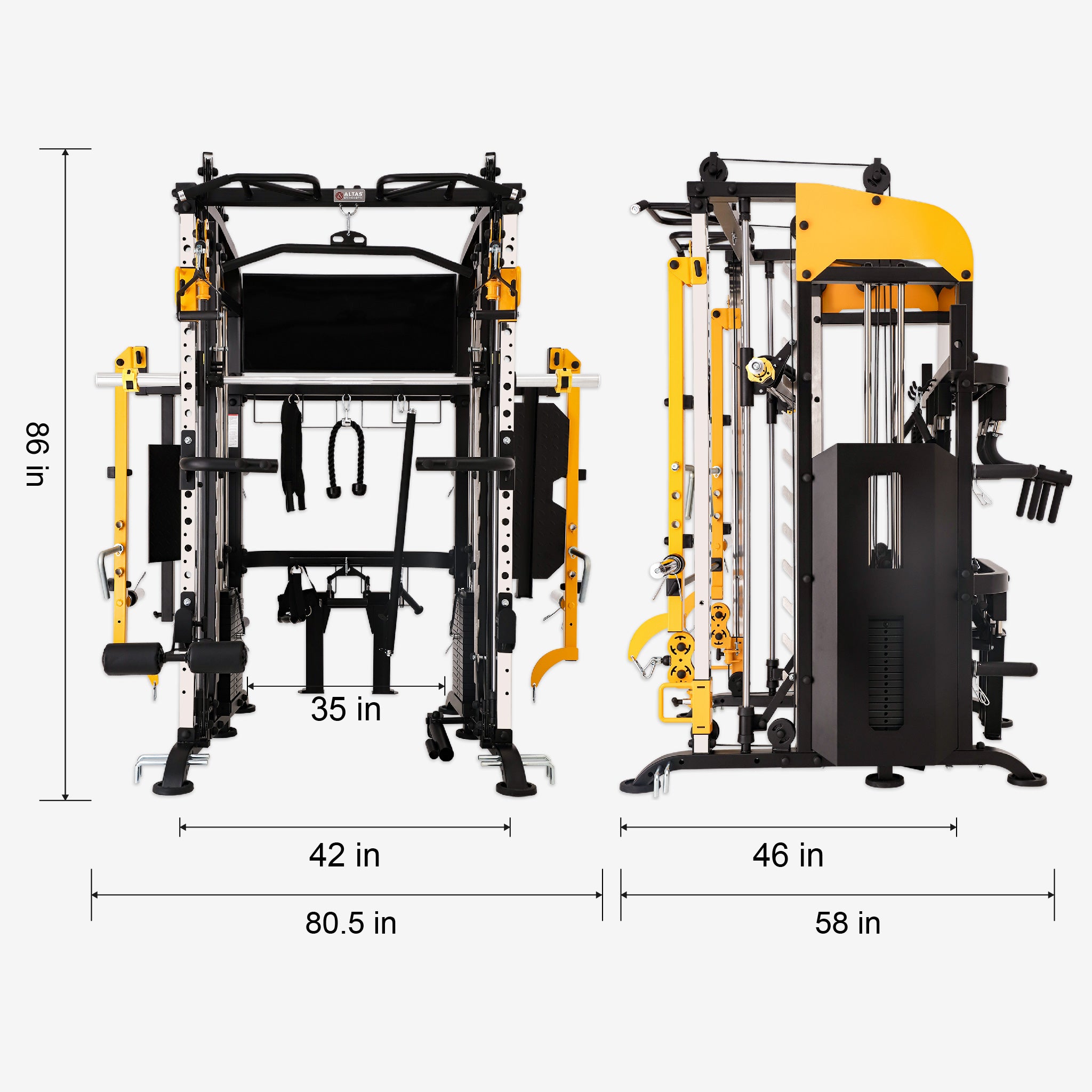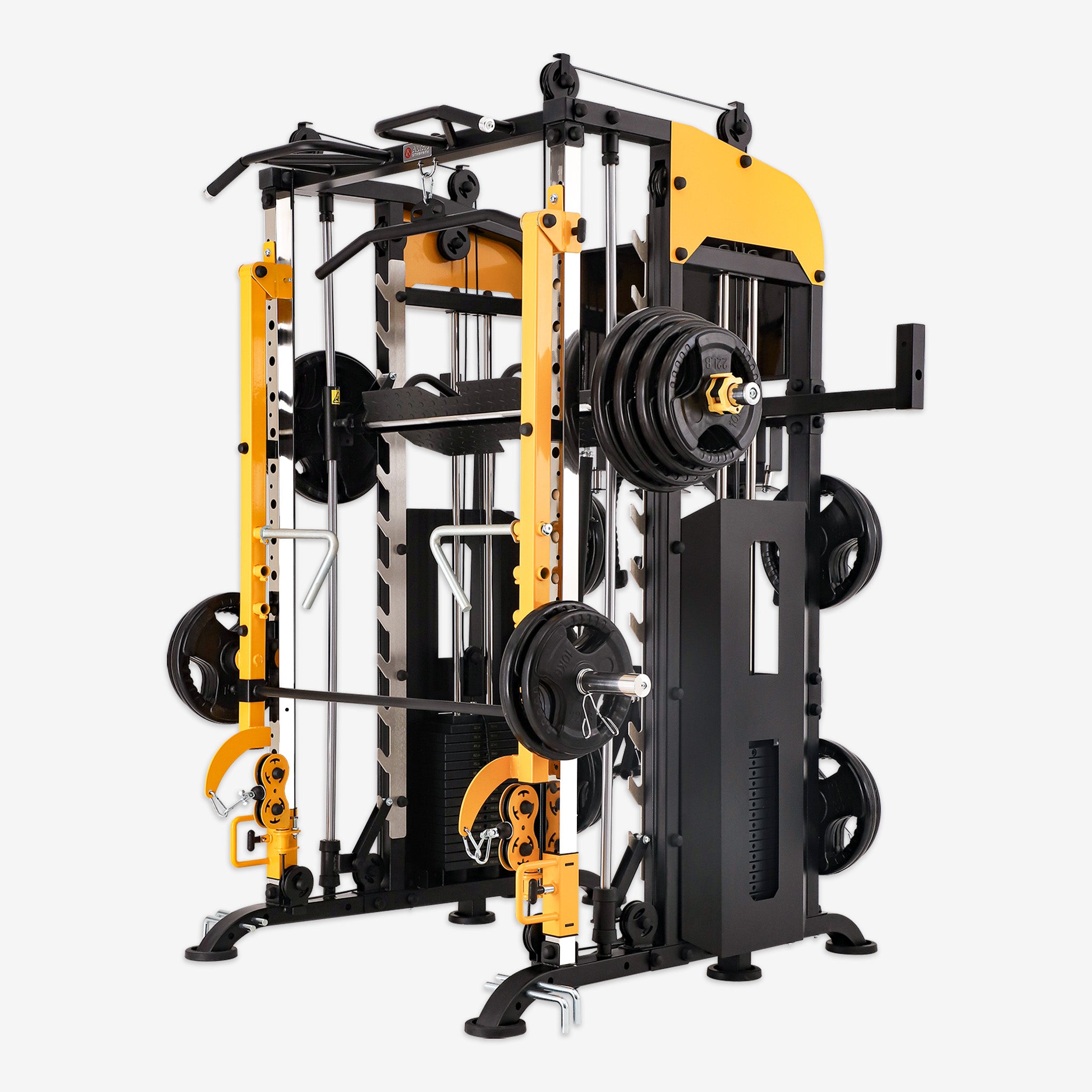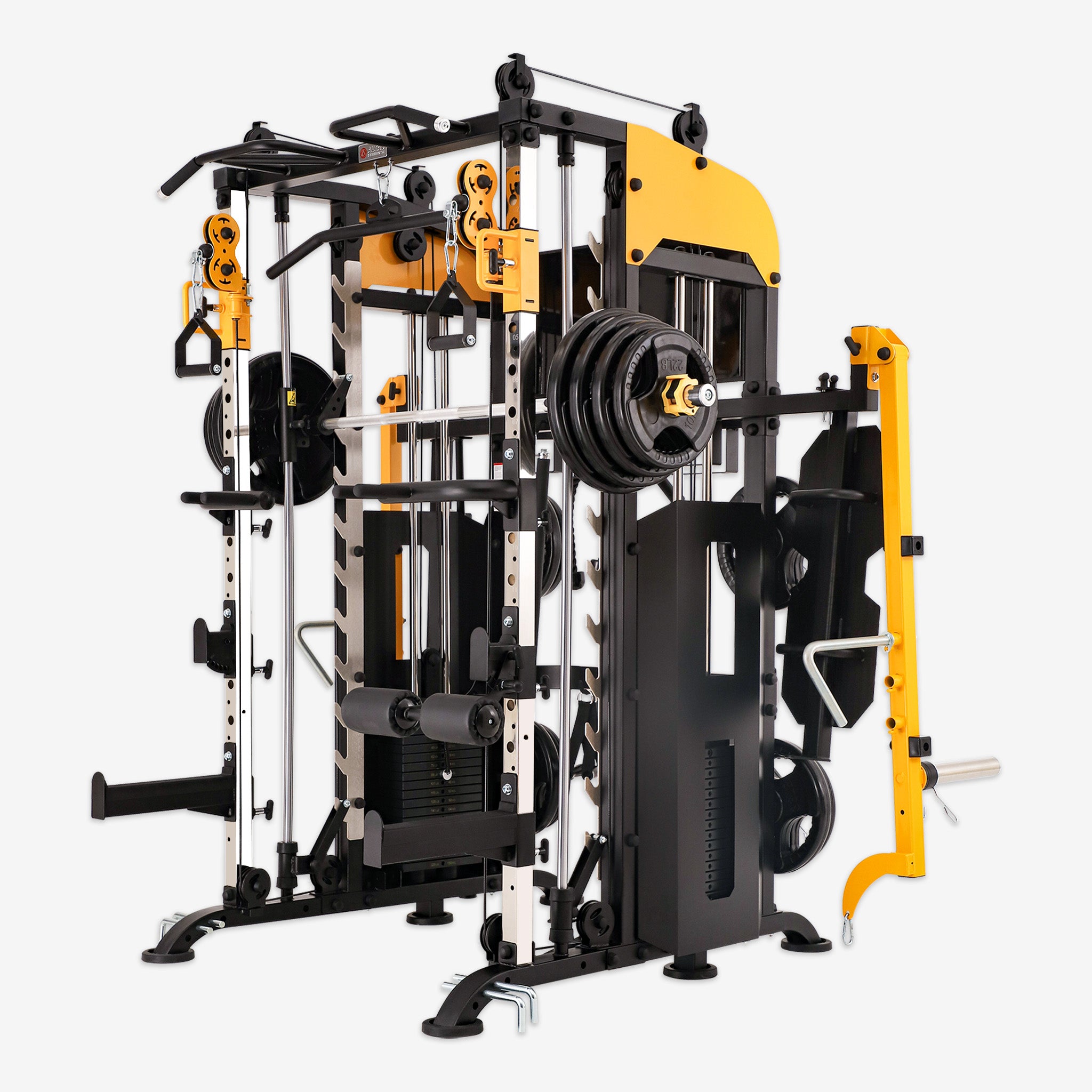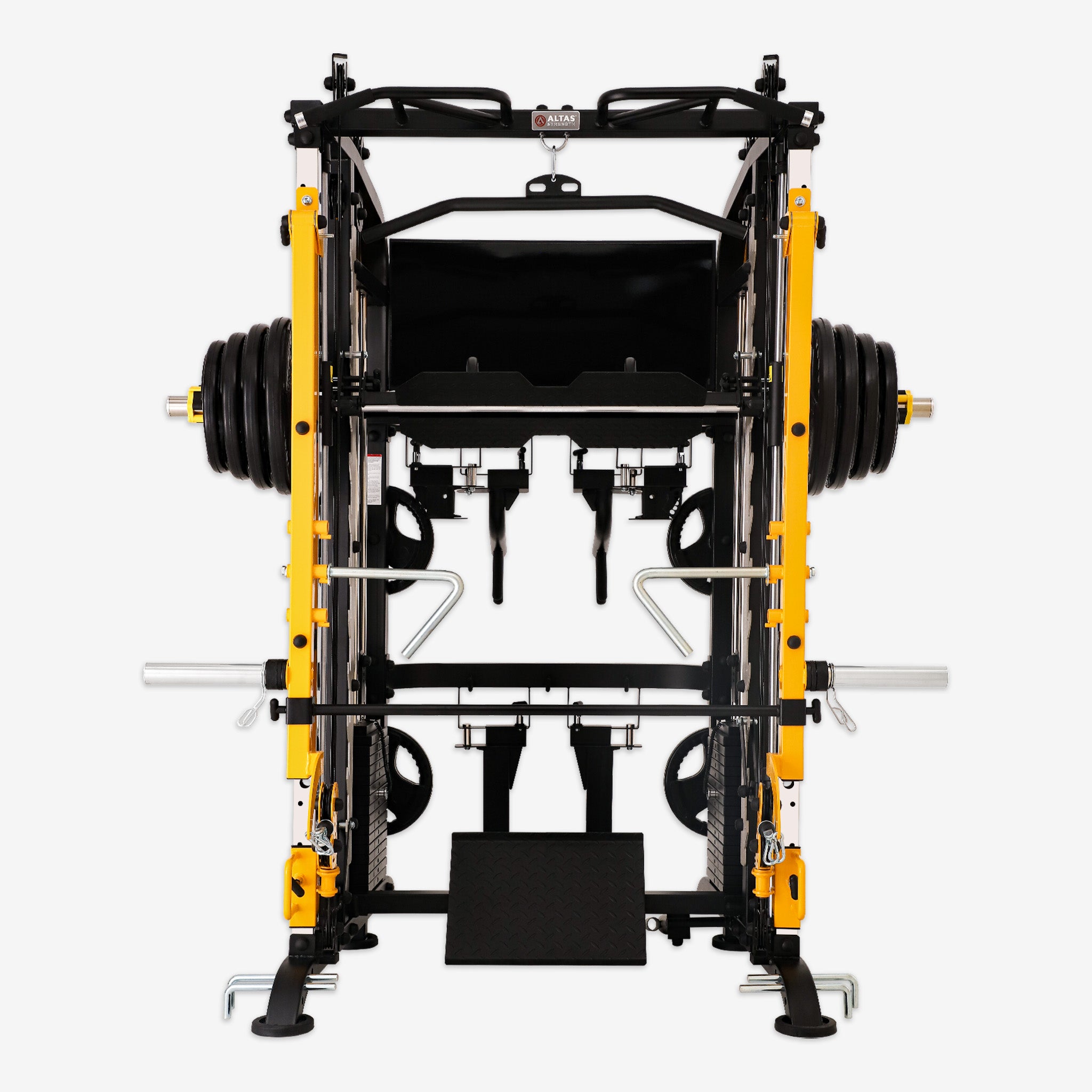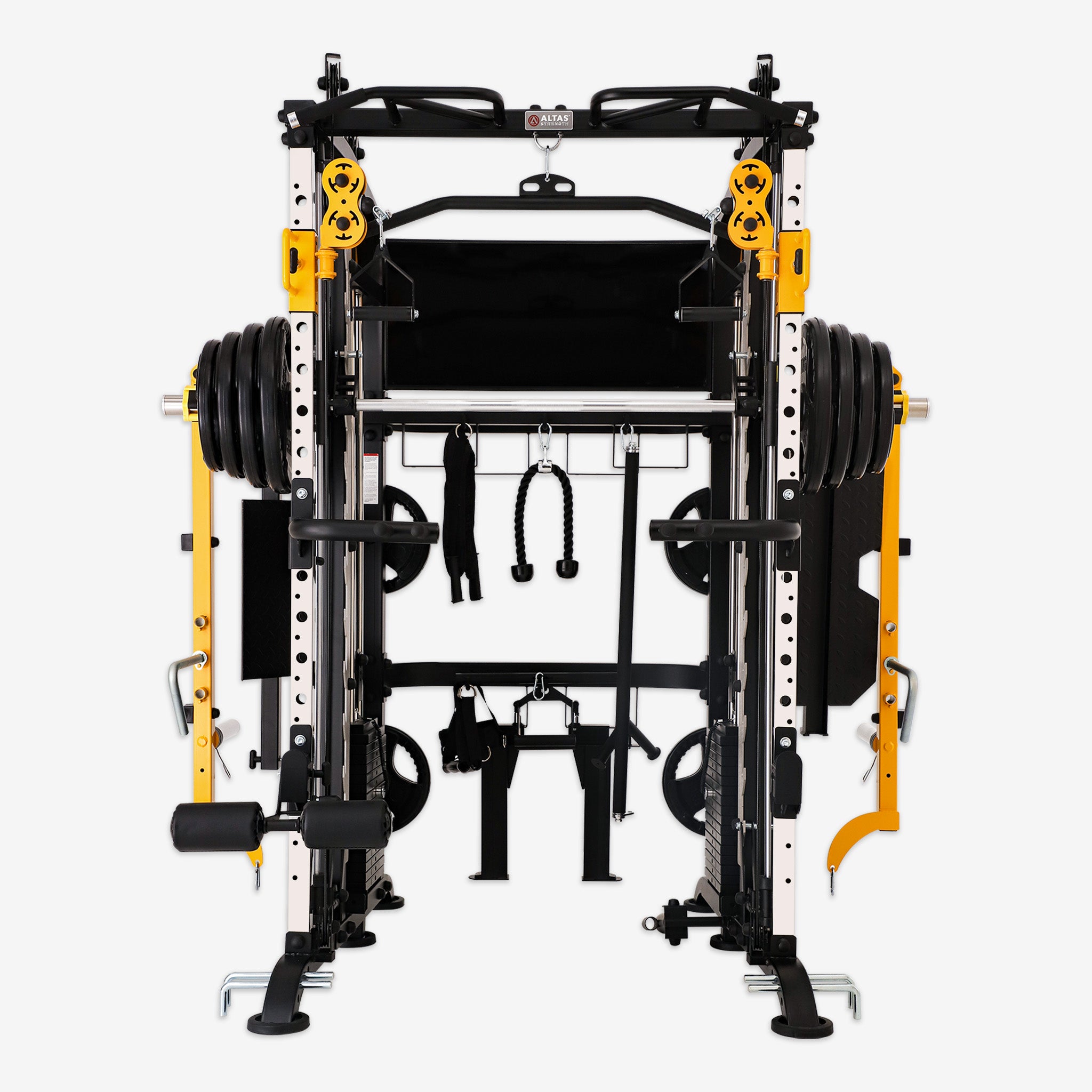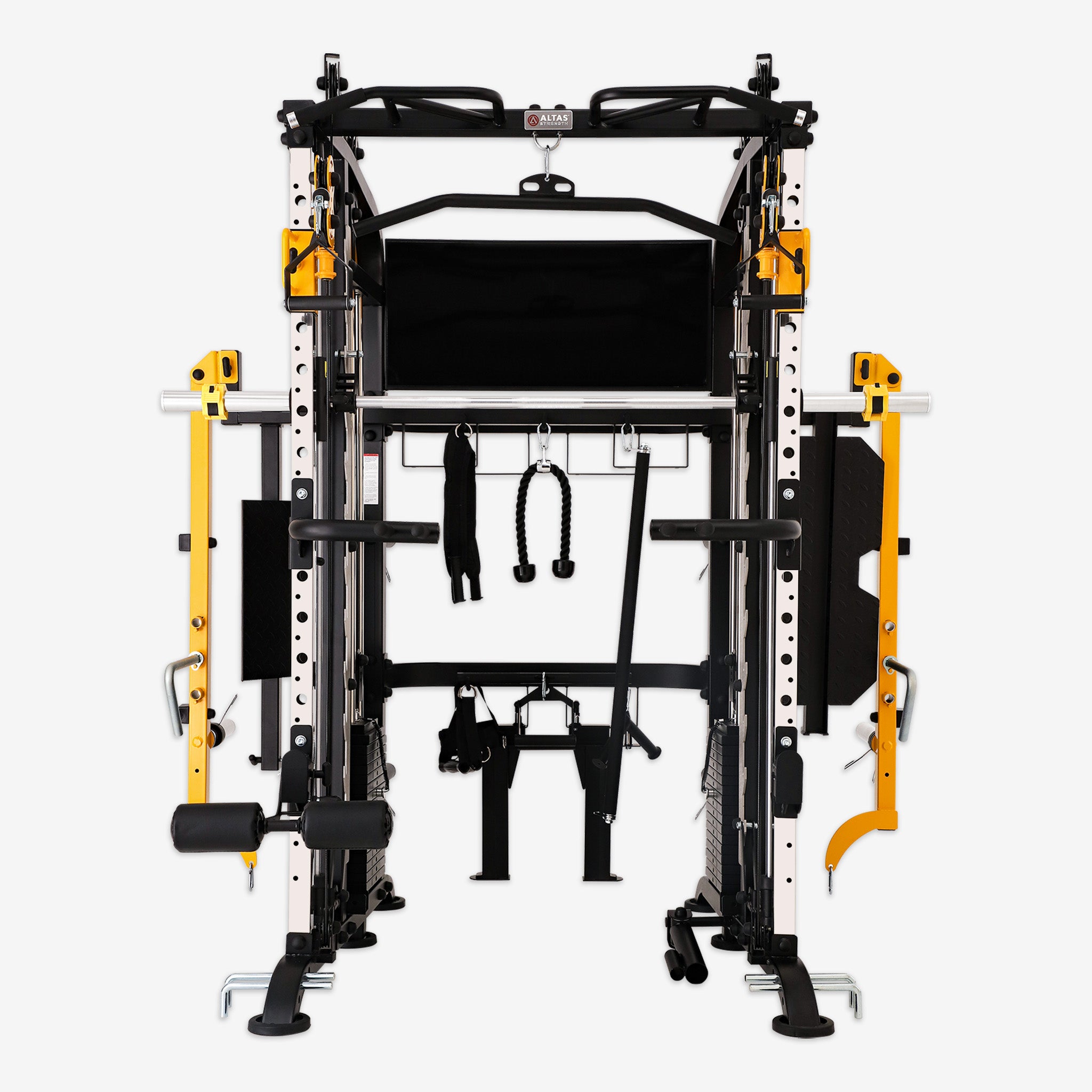
The bench press rack is a cornerstone of upper-body strength training. Learn how a traditional bench rack works, what the Smith machine adds, and how to choose the best option for your goals, safety and space.
What a Bench Press Rack Does
The bench press rack provides a stable, open platform for free-weight bench pressing. It holds the barbell at a convenient starting height, lets you unrack and rerack freely, and requires you to control the path of the bar throughout the lift. That free movement path increases core and stabilizer activation, which improves functional strength and balance.
Key features of a traditional bench press rack include adjustable uprights, sturdy construction to support heavy loads, and compatibility with different barbells and collars. Because balance and control are required, the bench rack is especially useful for lifters who want to develop stabilizer muscles and core strength in addition to raw pressing power.
How the Smith Machine Differs
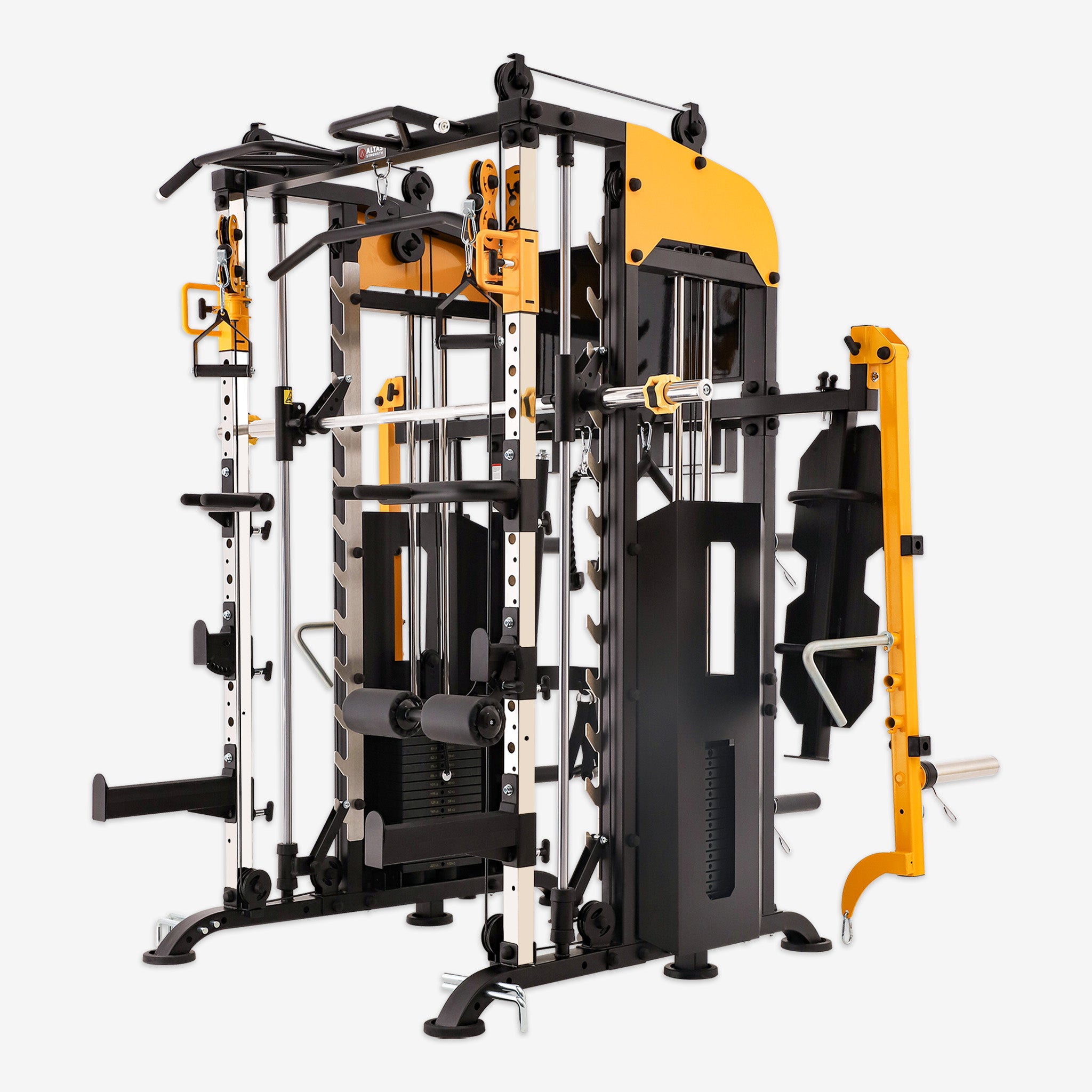
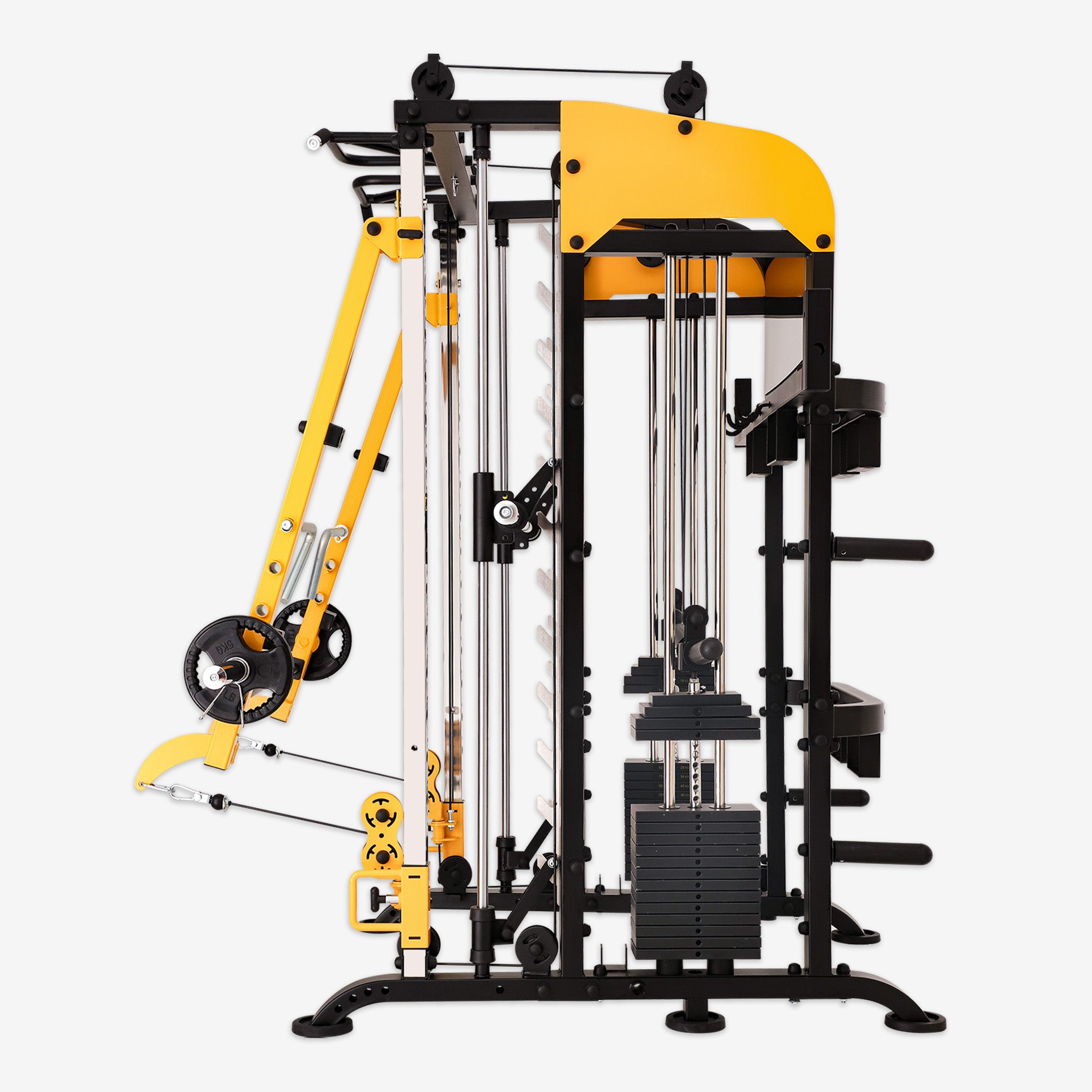
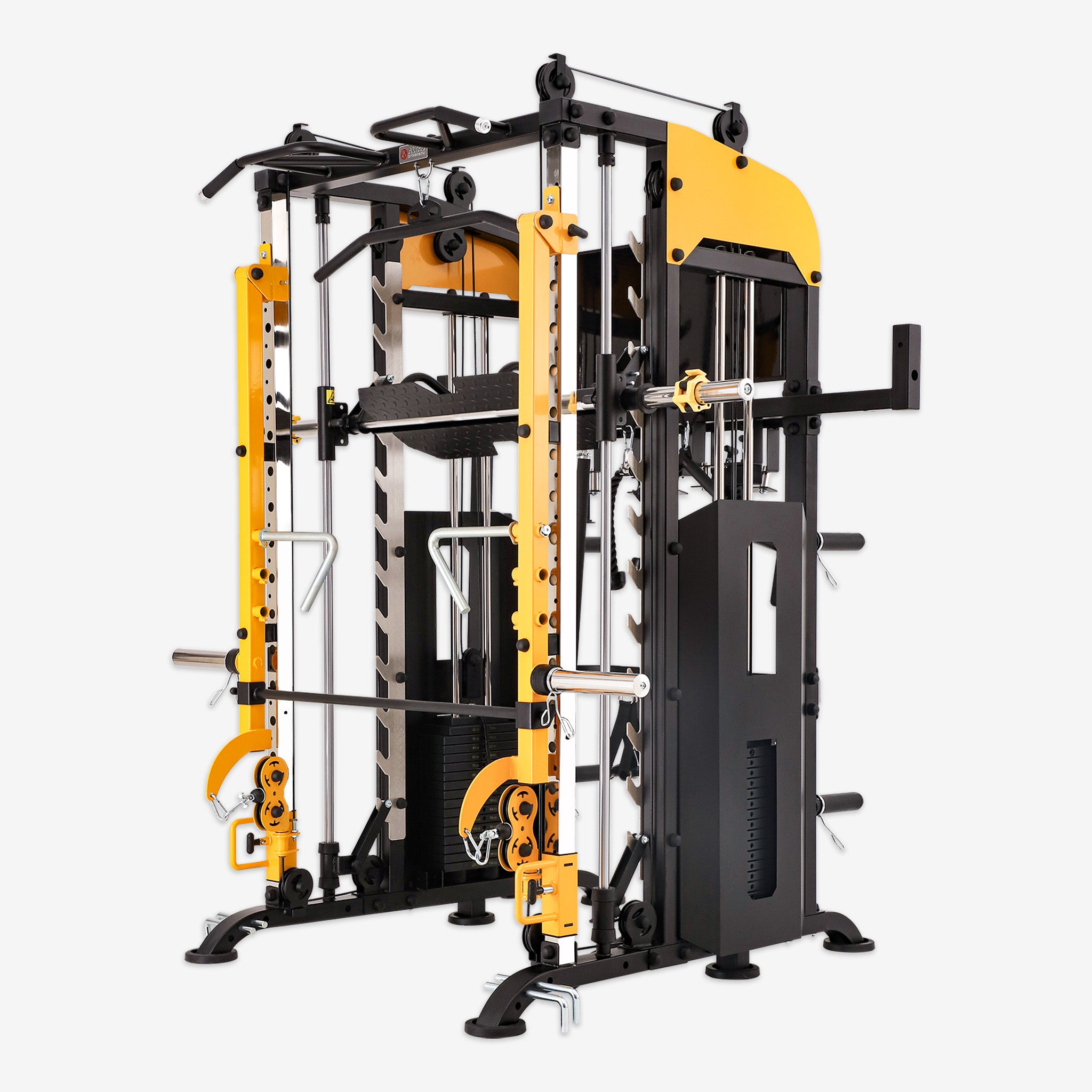
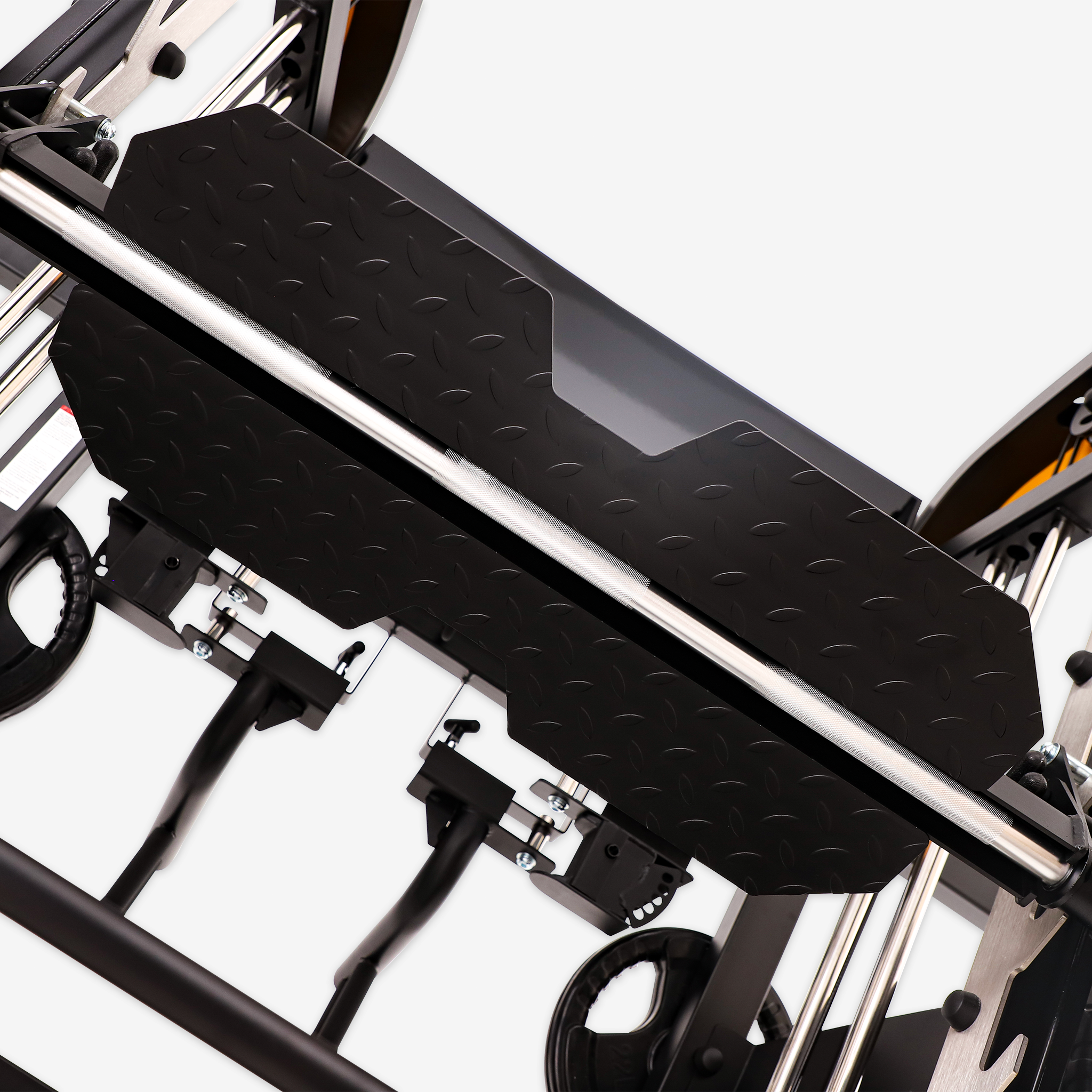
The Smith machine adds a guided track to the barbell, forcing the bar to move mainly up and down along a fixed vertical (or slightly angled) path. This mechanical guidance changes the lift's demands and brings a set of advantages and trade-offs:
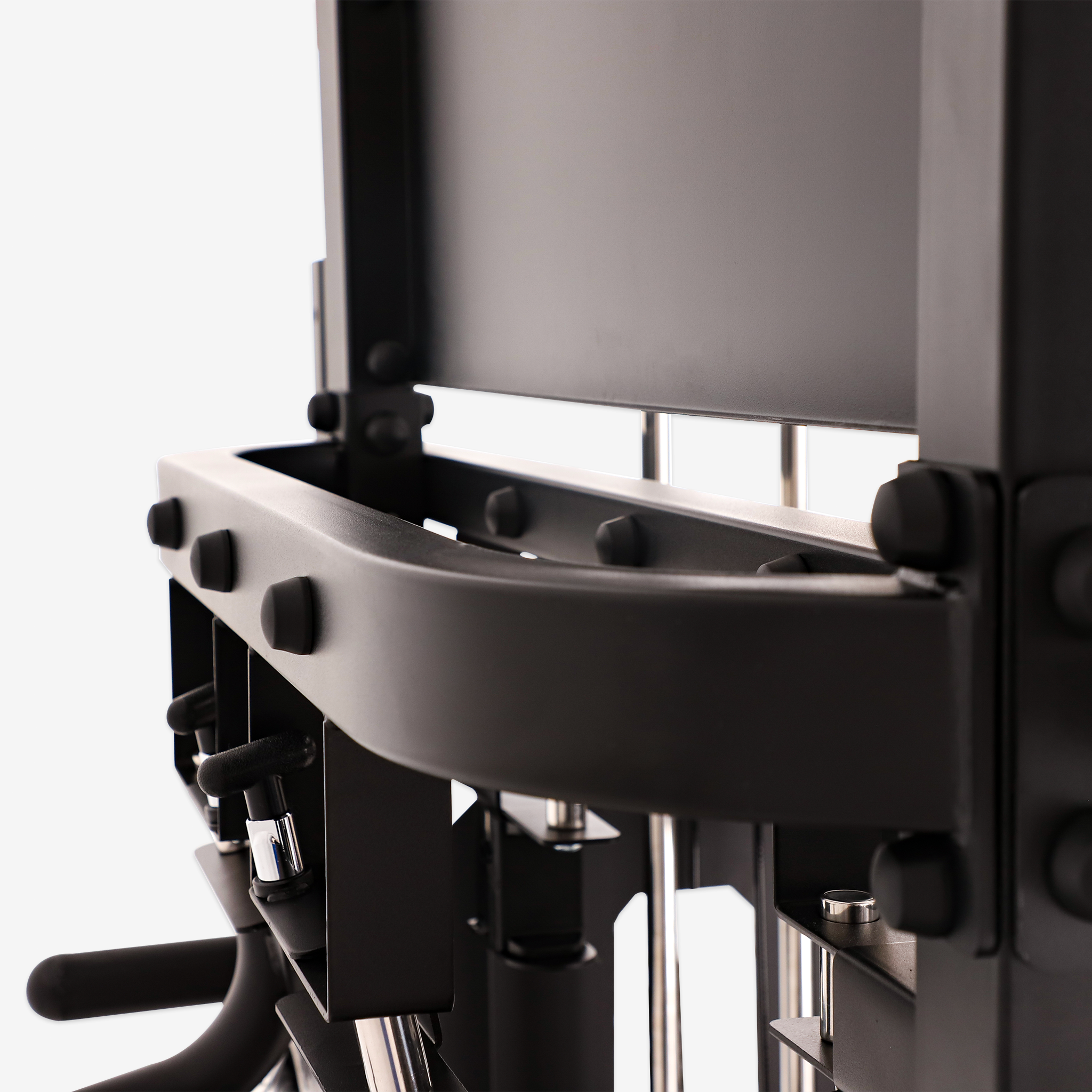
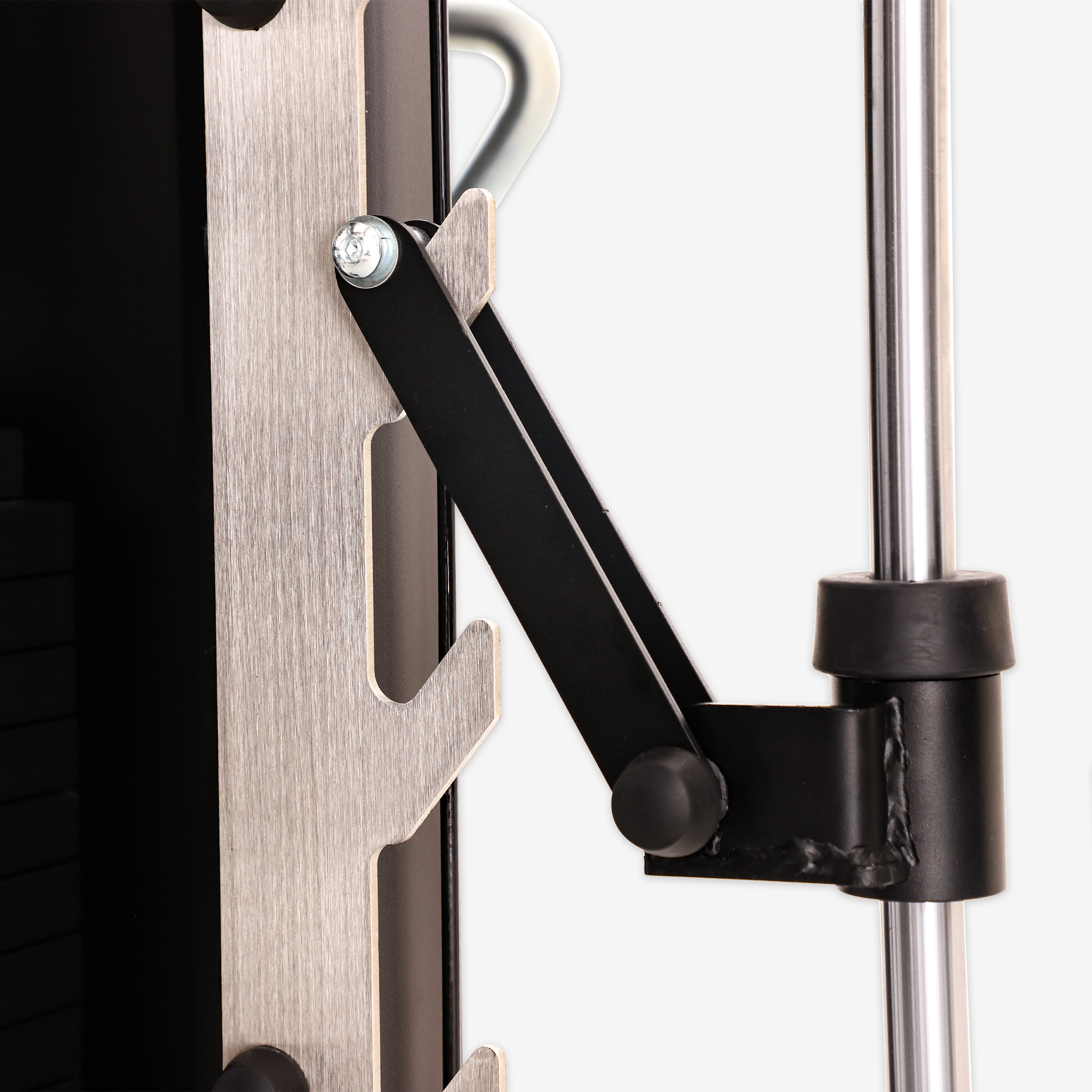
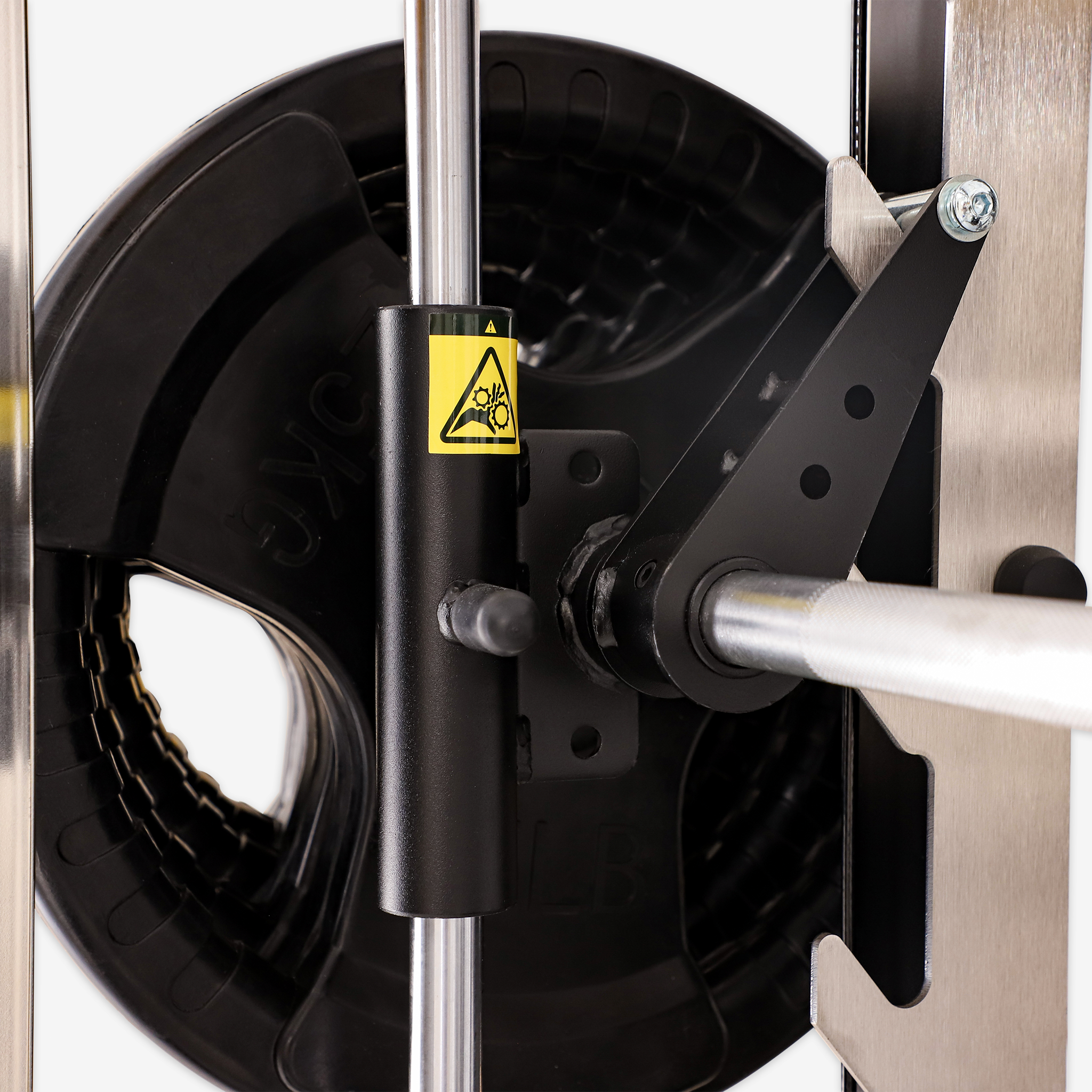
- Built-in safety locks: The bar can be rotated into automatic catches at set heights, so a failed rep can be safely secured without a spotter.
- Reduced lateral sway: The guided path removes side-to-side movement, which makes the lift easier to control and places the emphasis on the prime movers (chest, triceps, shoulders).
- Height and angle adjustability: Most models let you change start height and sometimes the bar angle, enabling flat, incline, and decline pressing variations.
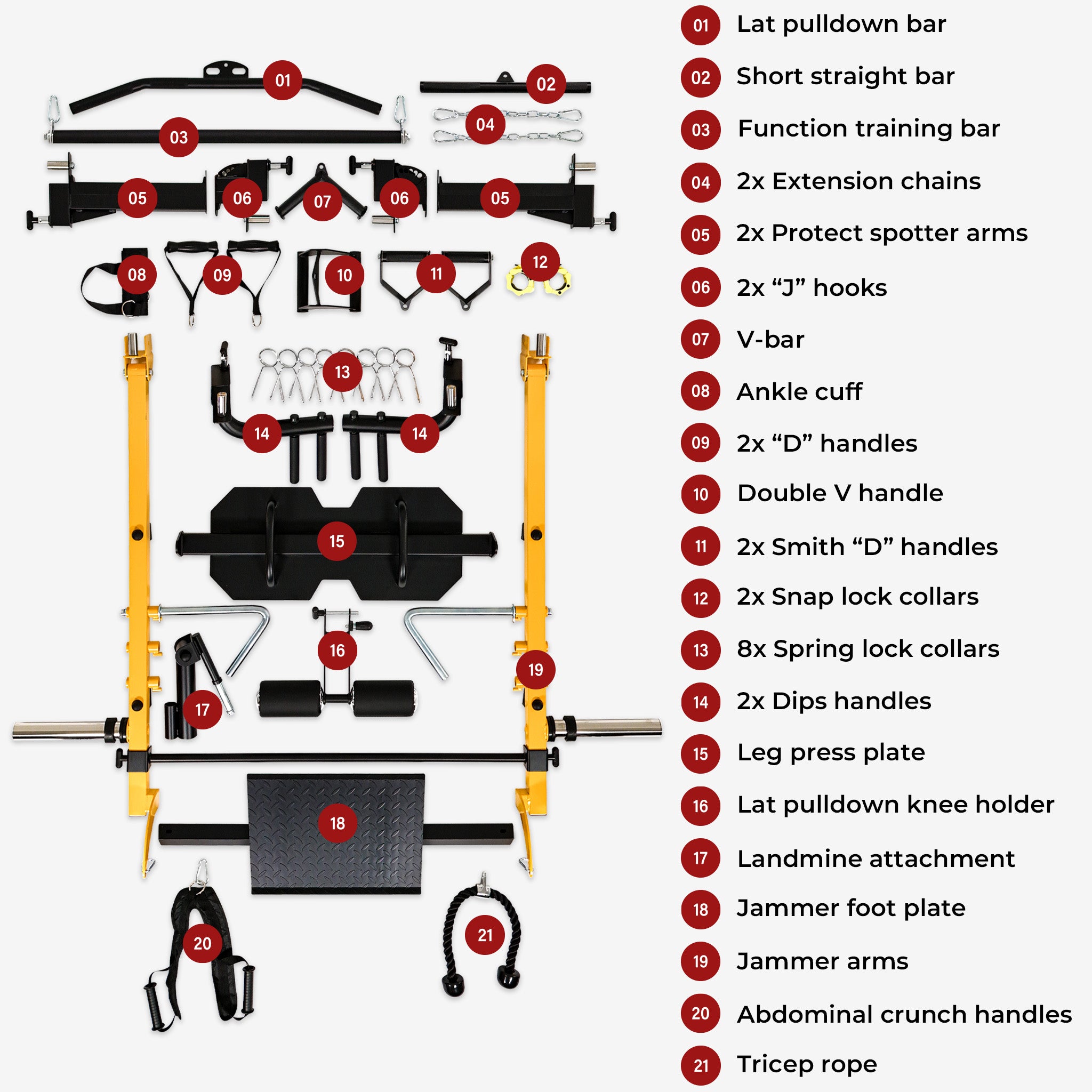
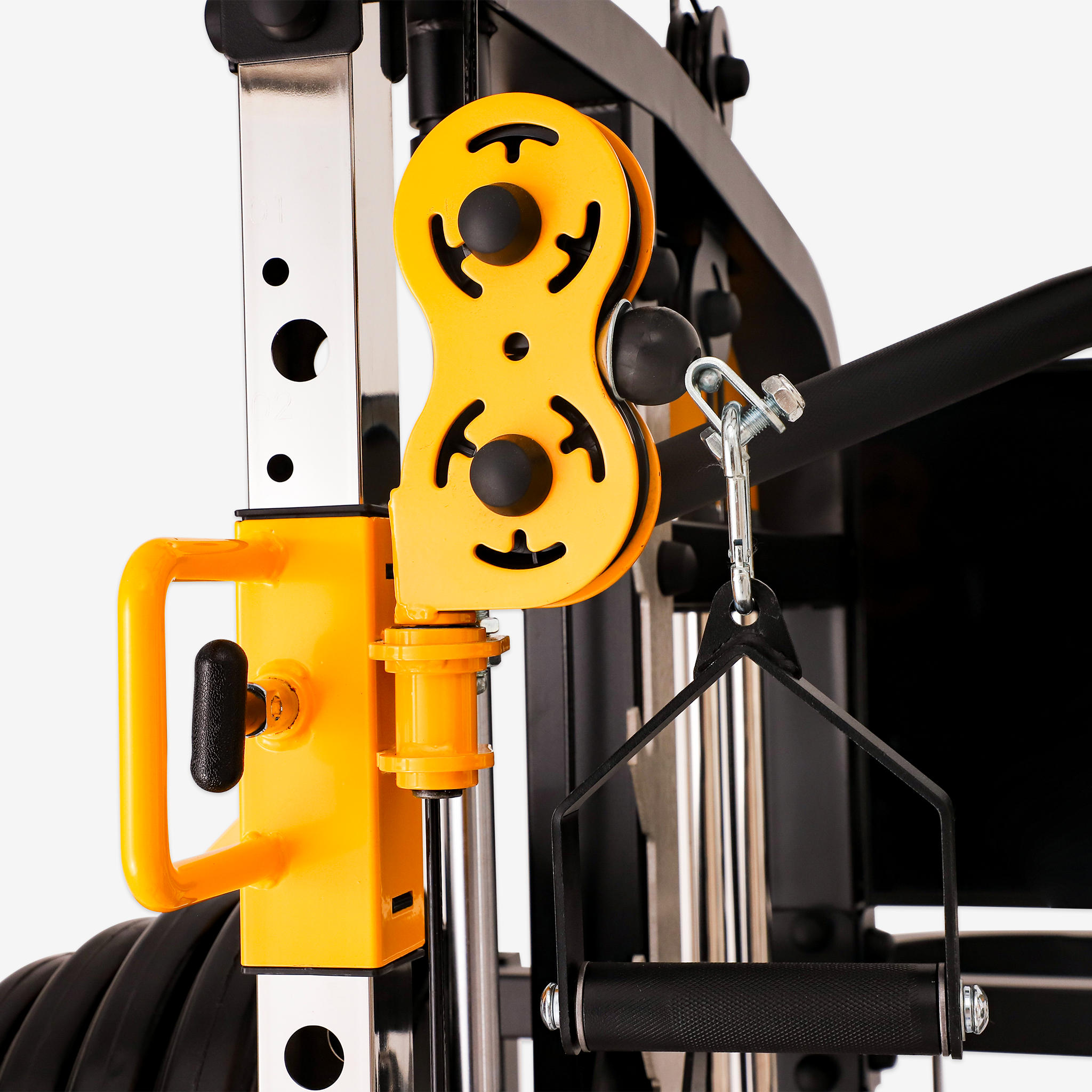
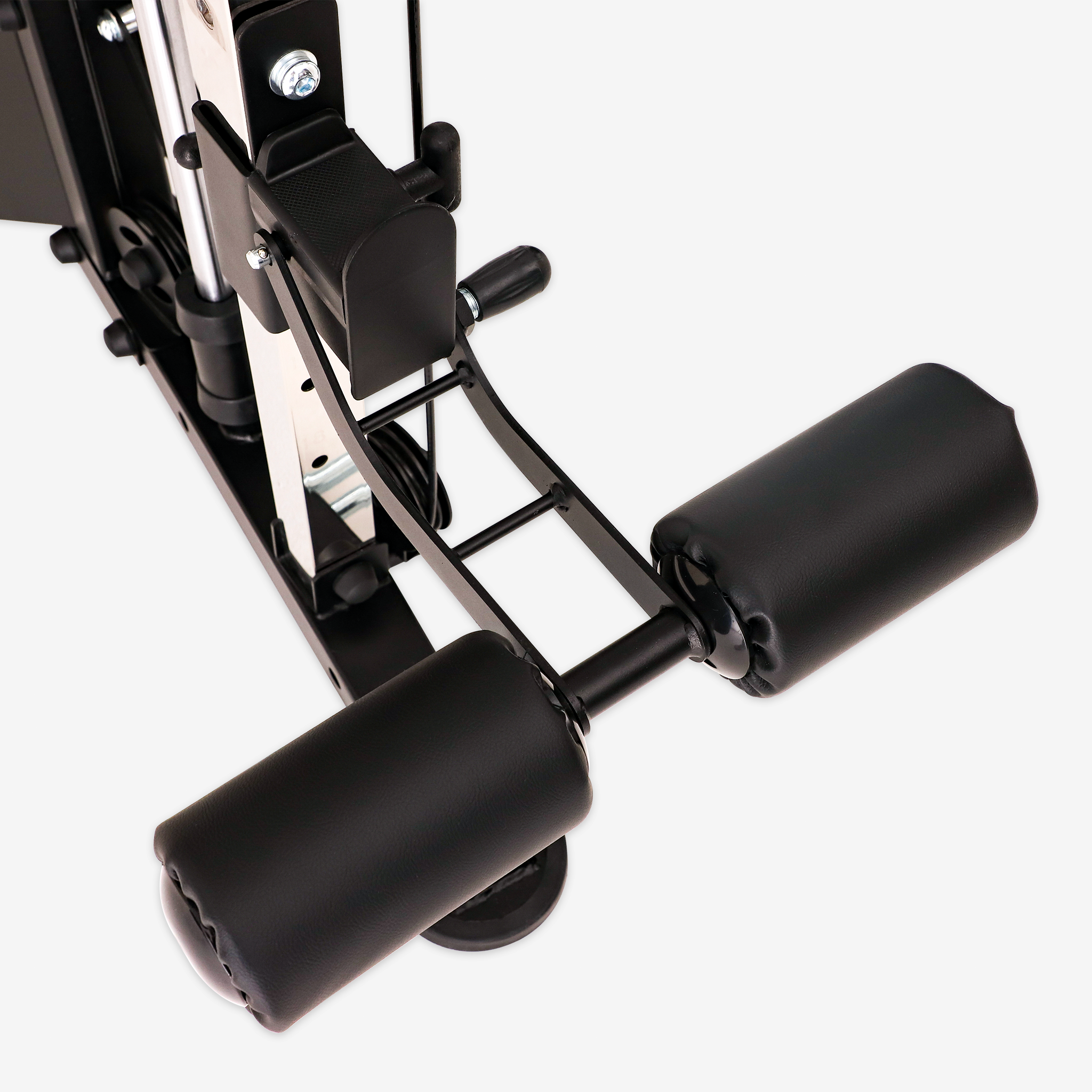
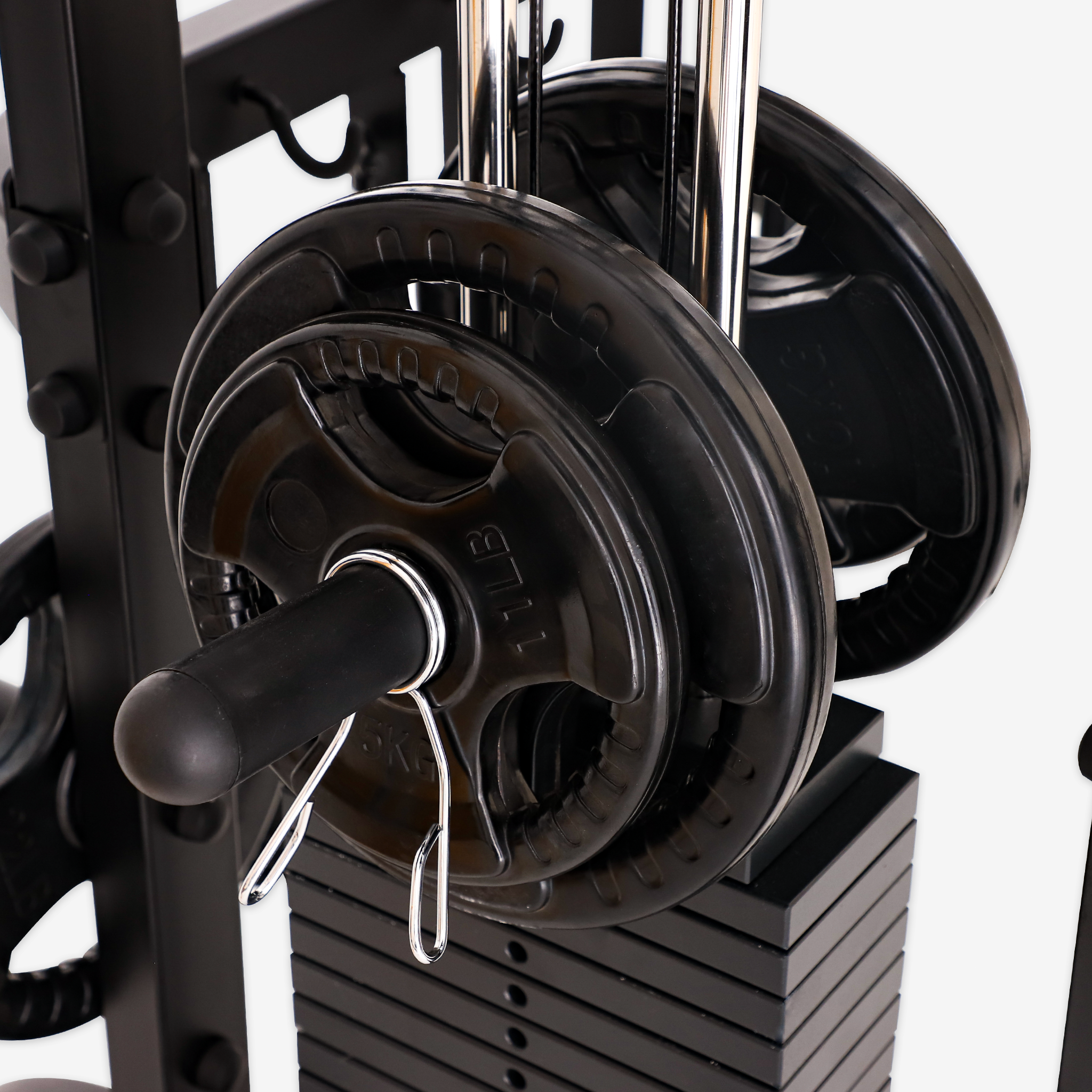
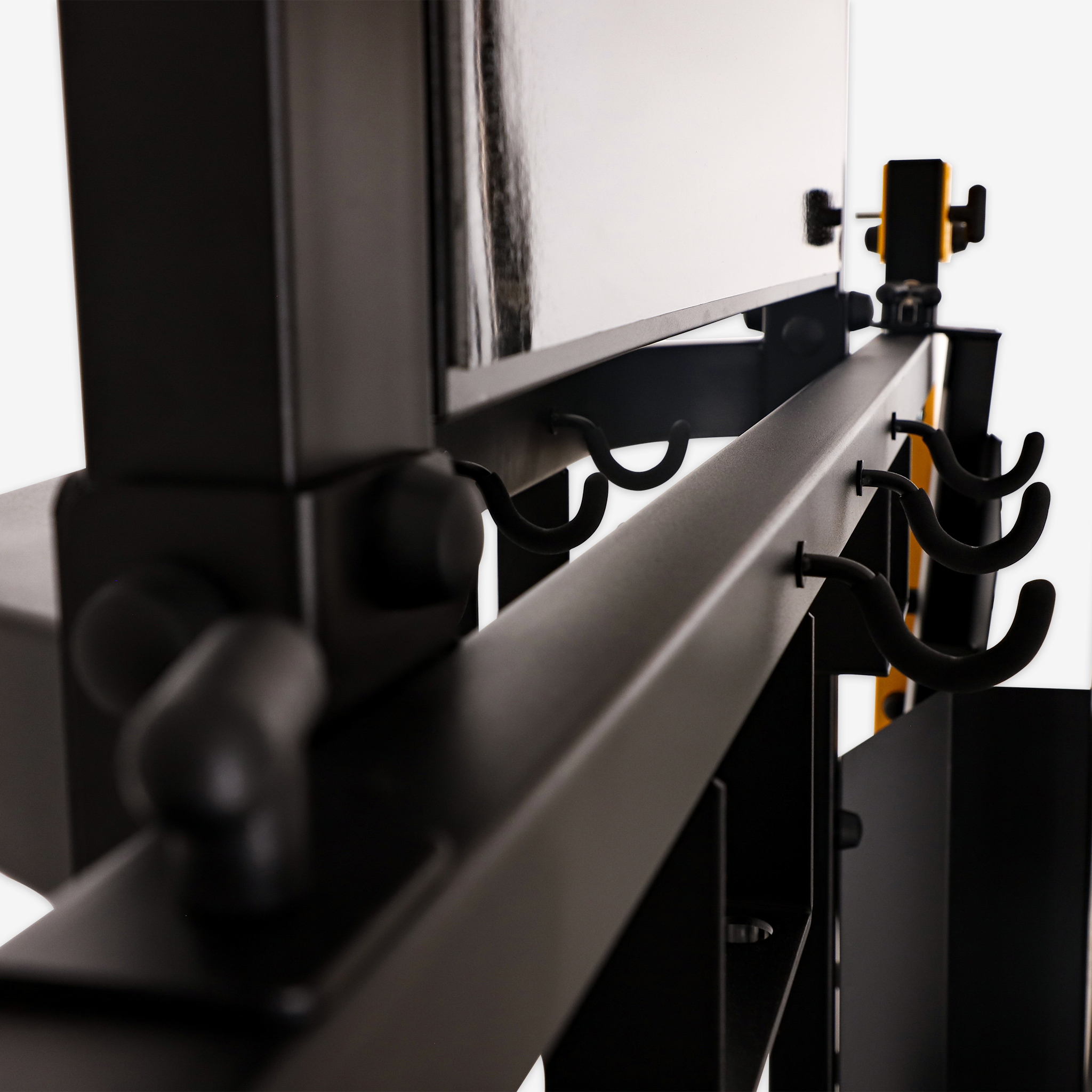
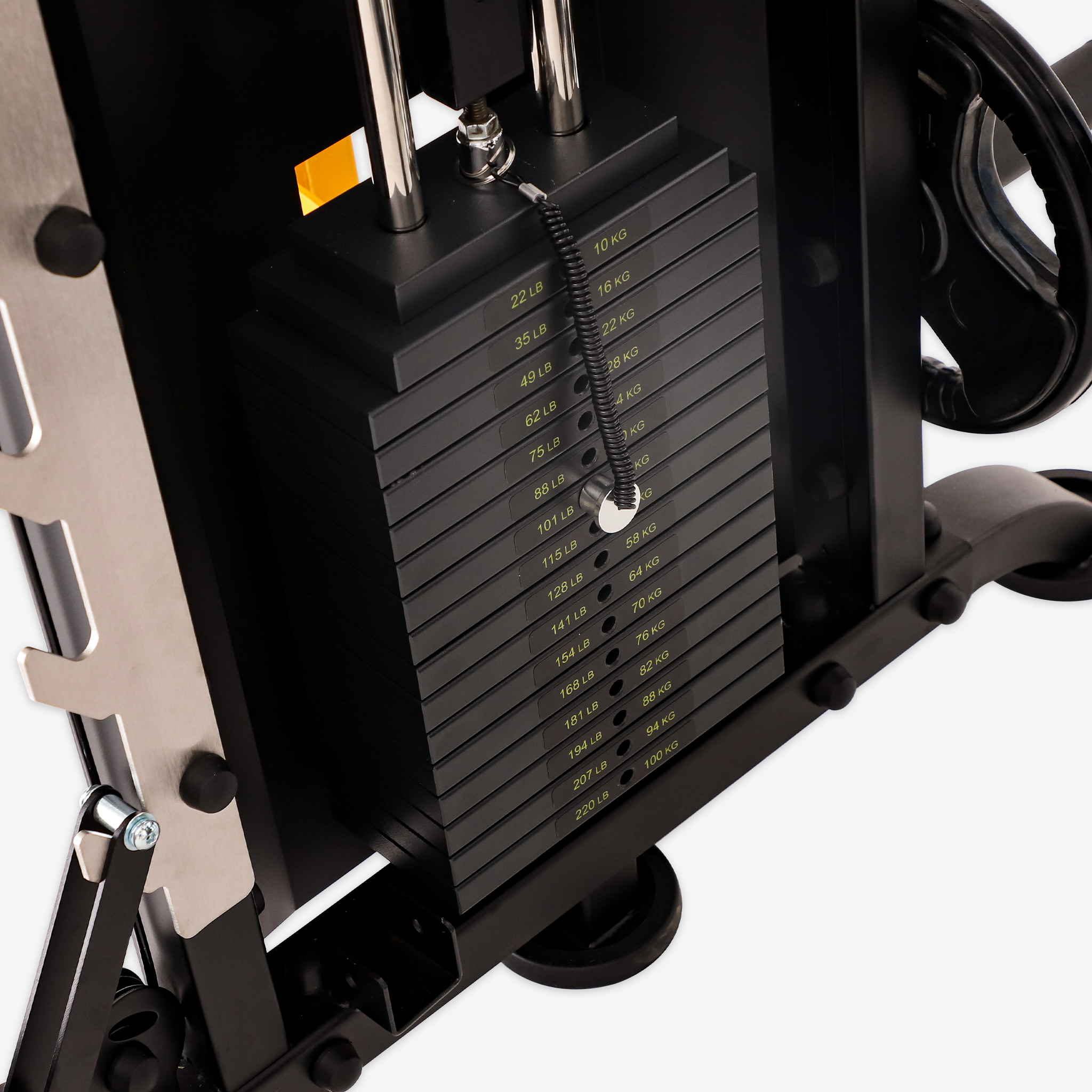
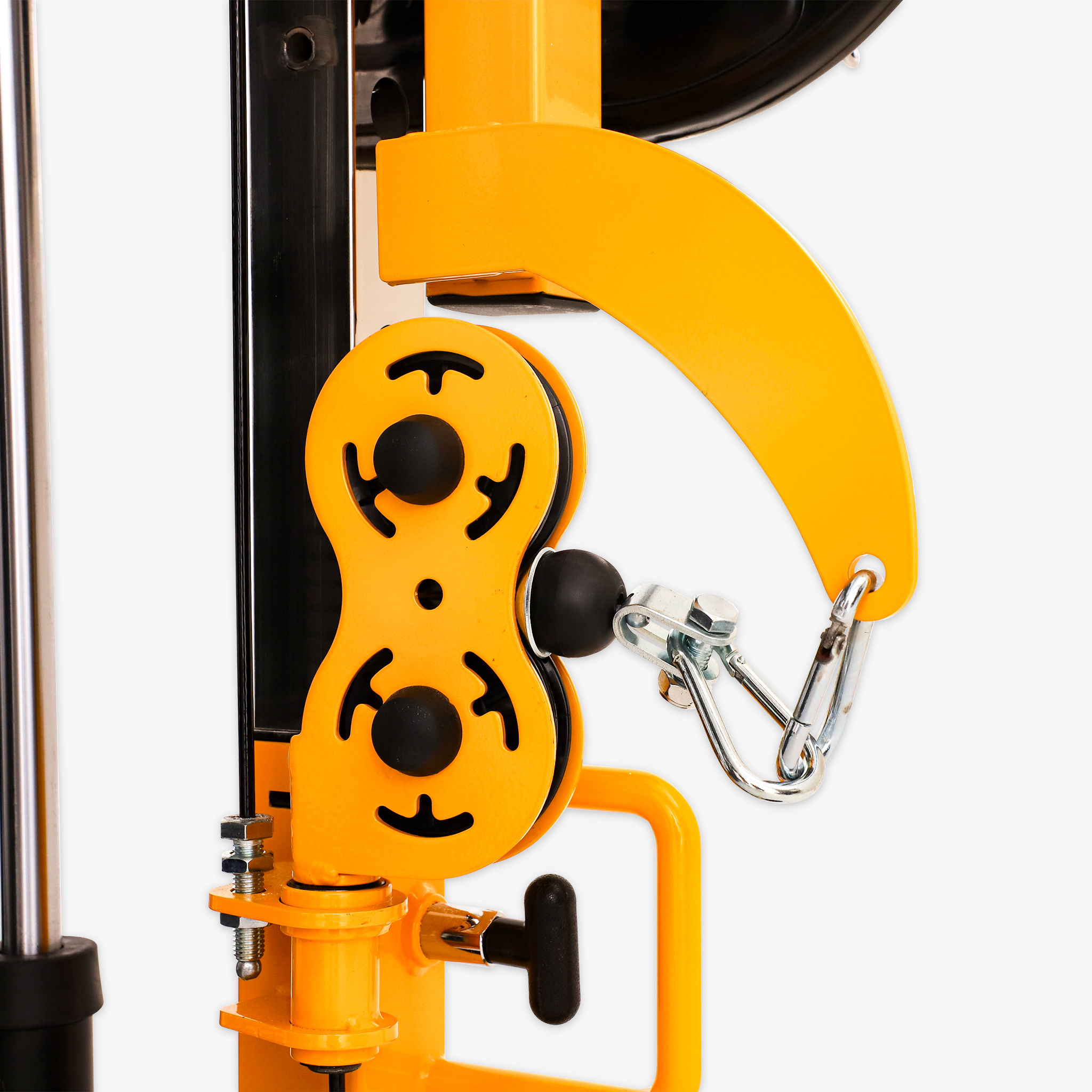
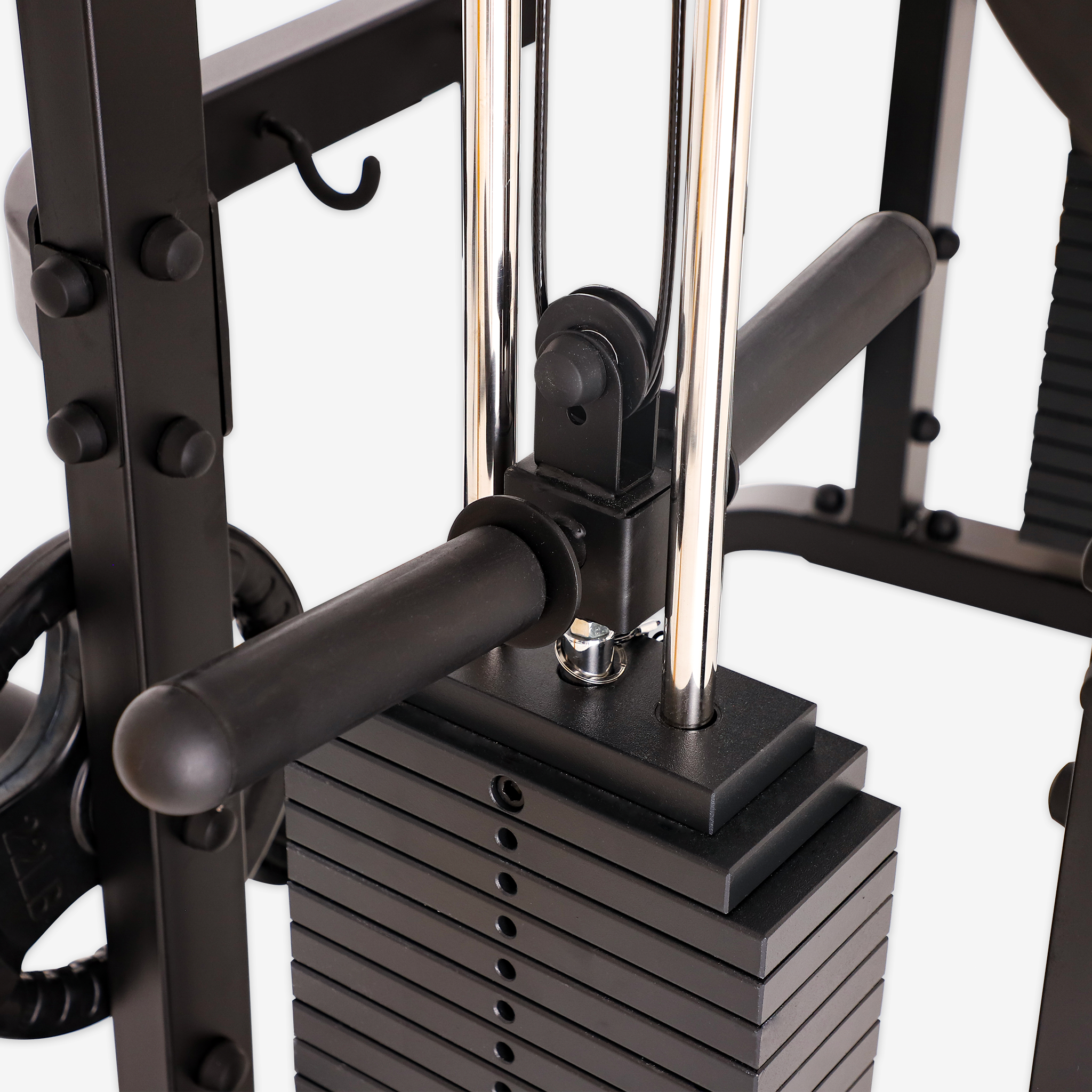
- Multi-function capability: Modern Smith systems often include attachments and pulley stations so one frame can handle squats, presses, rows and more.
Benefits of the Smith Machine for Users
The Smith machine is particularly useful when safety and controlled motion are priorities. It suits solo training, rehabilitation programs, and beginners who need to learn pressing mechanics without managing bar balance. Because the machine supports the bar during failure, lifters can safely test heavier loads without a spotter. The reduced need for stabilizer muscles also lets users focus more on loading the chest and triceps for hypertrophy or strength phases.
Comparing Bench Rack and Smith Machine
Both options are valuable training tools; each has distinct strengths. The table below summarizes the main differences so you can decide which best fits your training style and environment.
| Feature | Traditional Bench Rack | Smith Machine |
|---|---|---|
| Movement Path | Free; requires lifter to control bar path | Guided; vertical or slightly angled track |
| Safety | Depends on spotter or safety pins/hooks | Built-in safety catches; safer for solo training |
| Core Activation | High — engages stabilizers and balance muscles | Lower — focuses stress on prime movers |
| Load Potential | Limited by lifter’s ability to stabilize | Often allows heavier loading safely |
| Ease for Beginners | Learning curve is higher | Beginner-friendly; guided motion reduces errors |
| Versatility | Great for functional strength and powerlifting patterns | Often multi-functional with attachments |
How to Use Each Safely and Effectively
Beginners should start with light loads to learn technique. On a bench rack, practice unracking/racking and bar control with an empty bar or light plates. On a Smith machine, use the guided path to rehearse correct elbow positioning, scapular retraction, and leg drive without worrying about balance.
For heavy work, use the Smith machine if you train alone and do not have a reliable spotter. If your priority is long-term functional strength and sport-specific performance, spend significant time on free barbell work to build stabilizers and proprioception.
- Spotter or safety pins: Use a spotter or correctly positioned safety pins when benching heavy on a free rack.
- Progression: Increase weight progressively. Focus first on consistent technique, then add load in small increments.
- Shoulder care: Use appropriate grip width and avoid excessive flaring to protect the shoulder joint.
- Mix methods: Cycle between free bench work and Smith training to gain technical skill and safely push heavier loads.
Practical Recommendations
If you have a training partner or coach, prioritize free barbell benching for skill and performance. If you train alone, work heavier sets on a Smith machine while continuing technical practice on a bench rack. For small home gyms, consider a combined or hybrid setup: a compact rack with safety arms plus a Smith-style guided station or an integrated machine that offers both free bar and guided options.