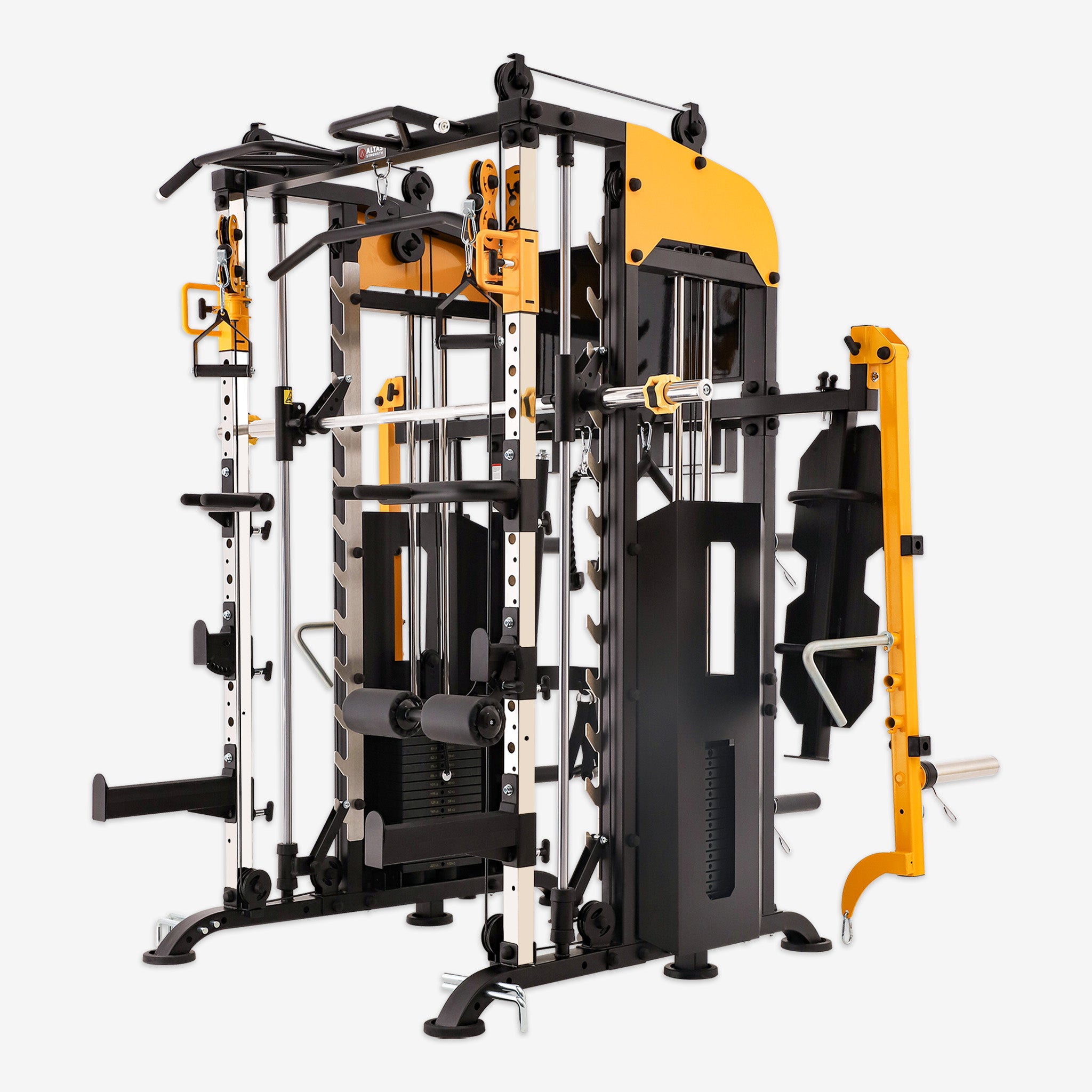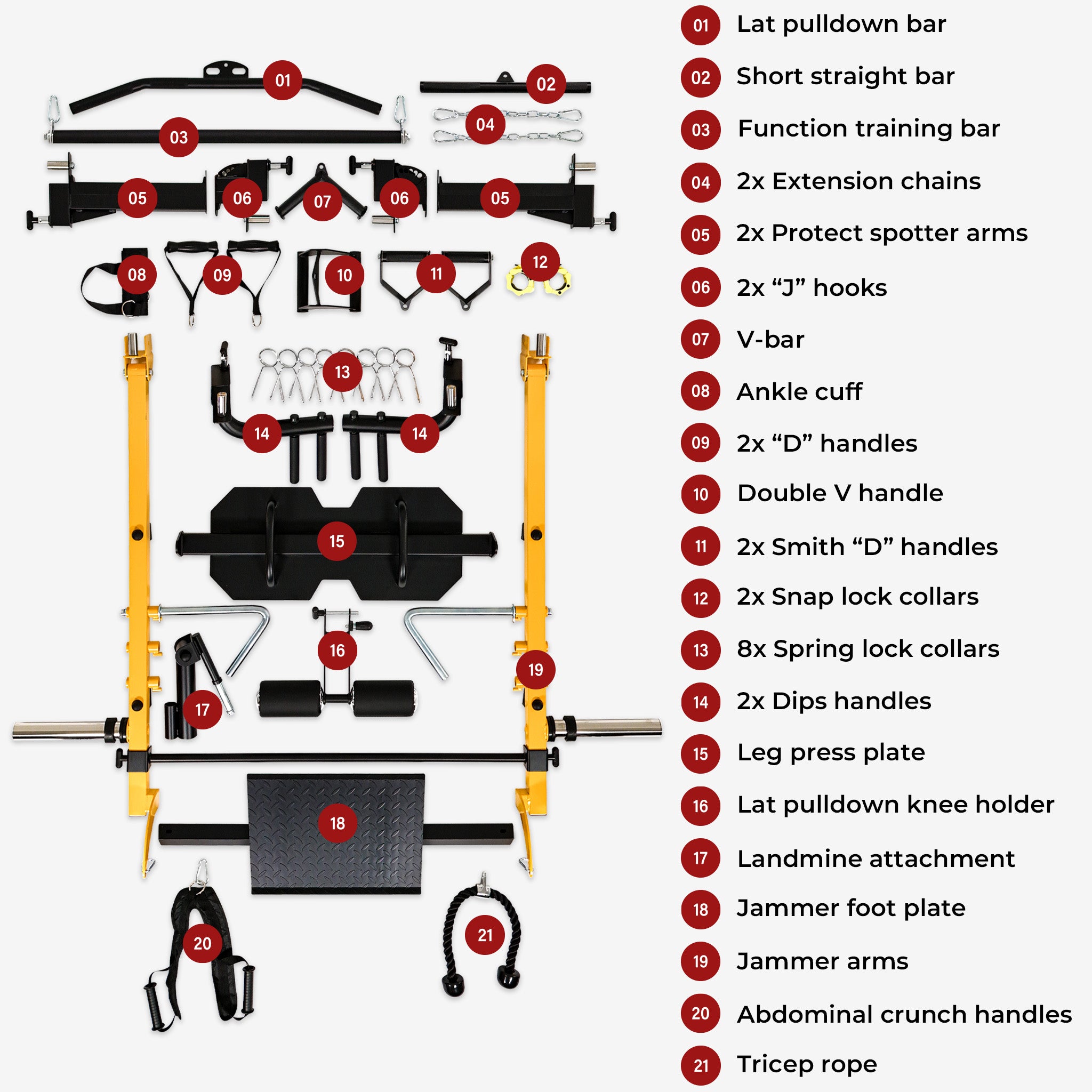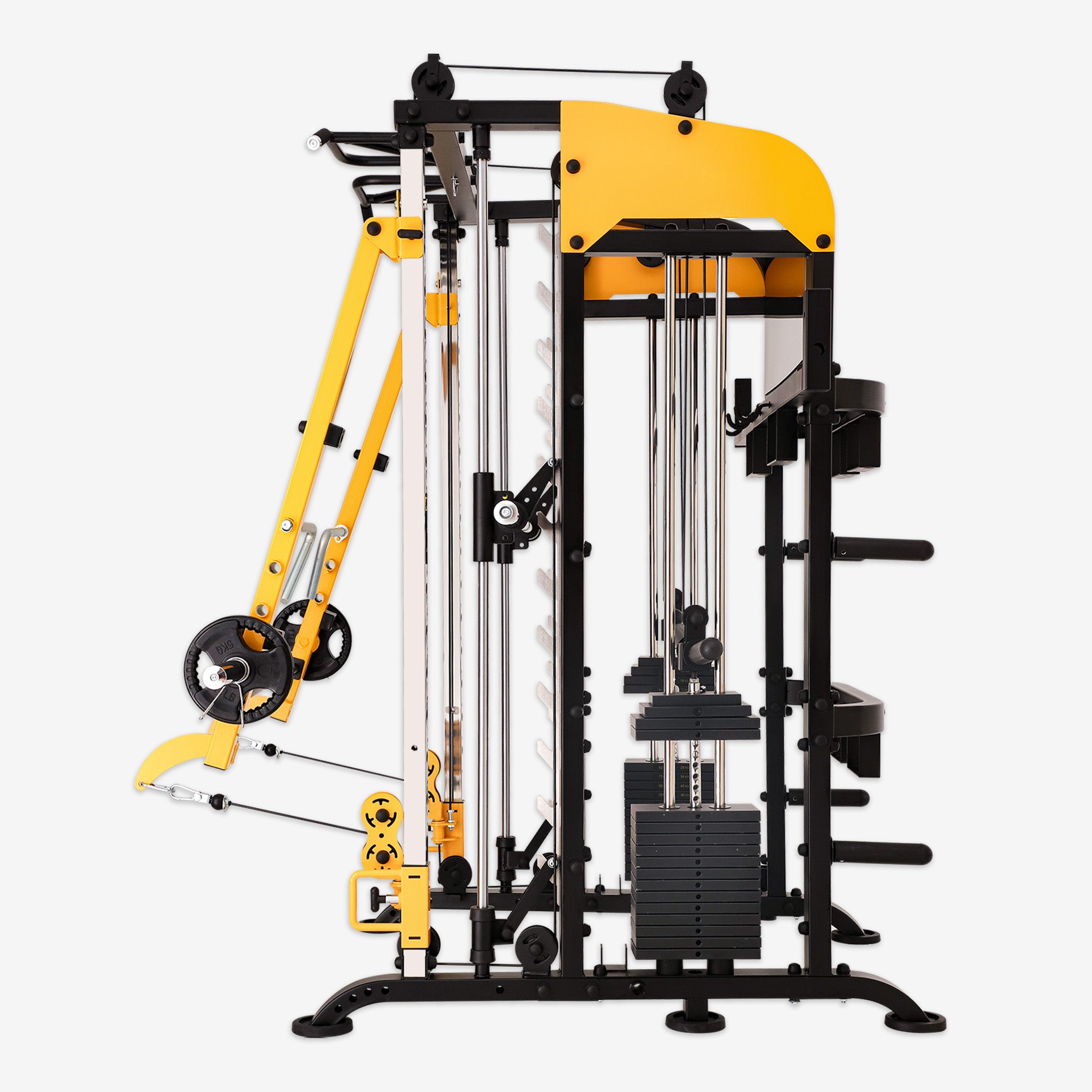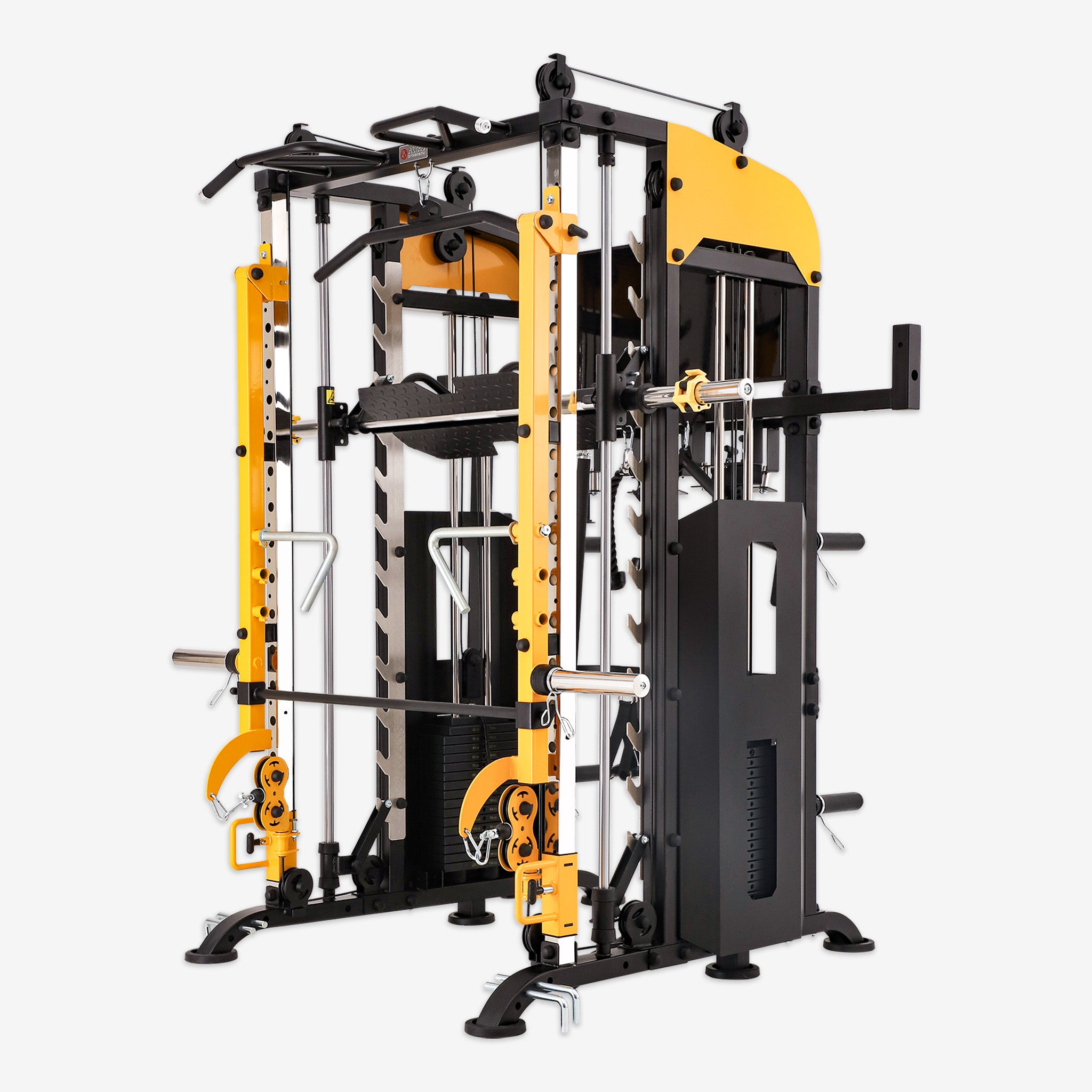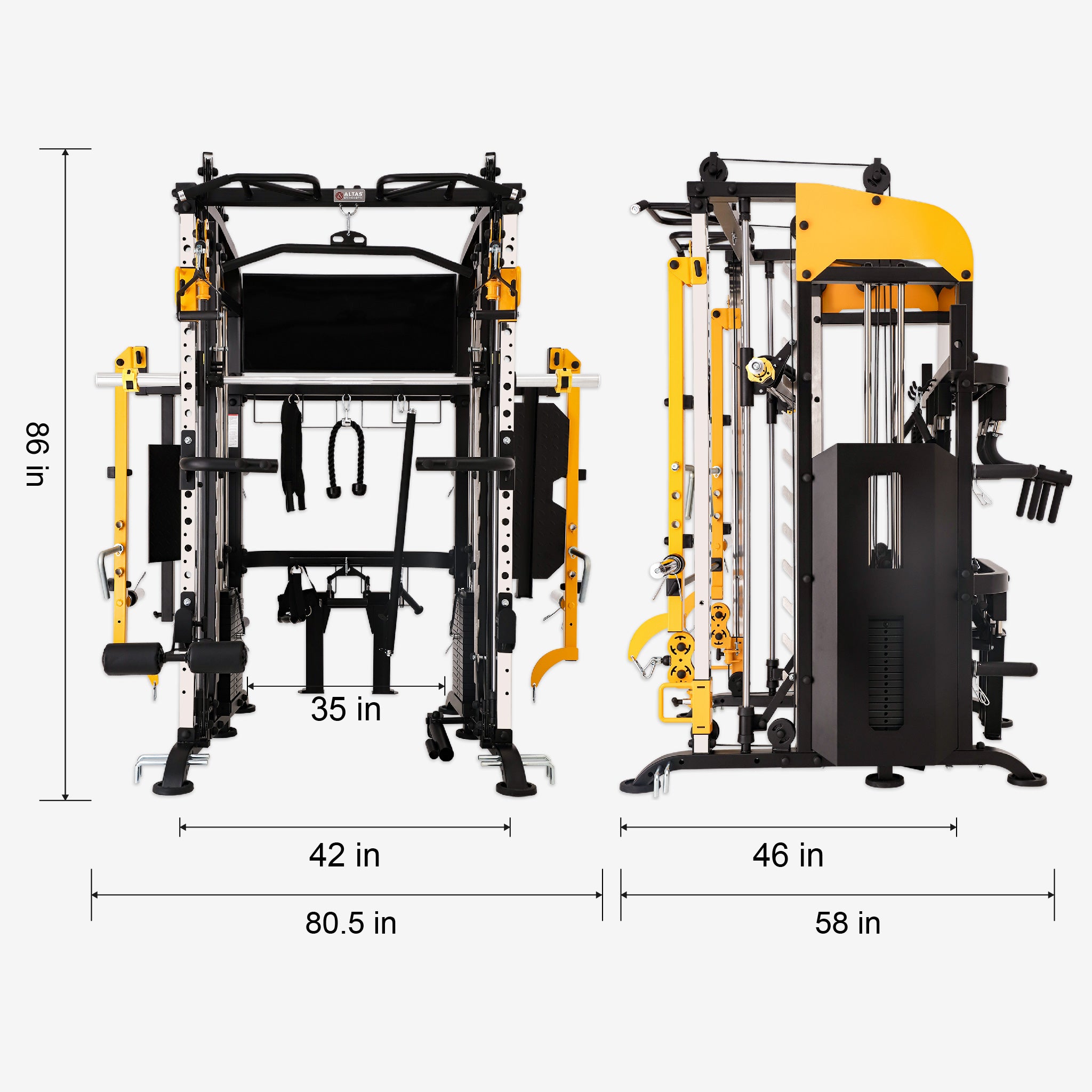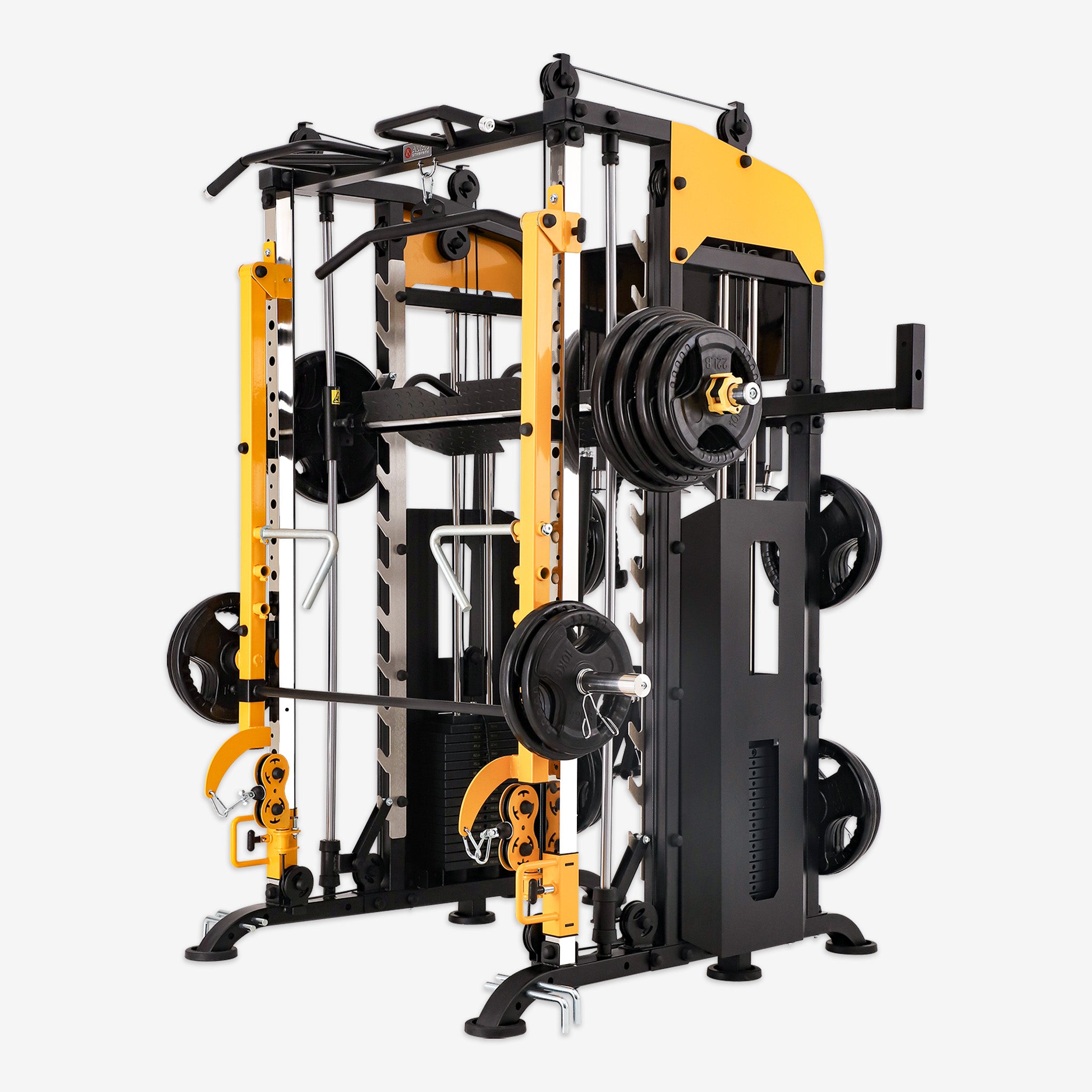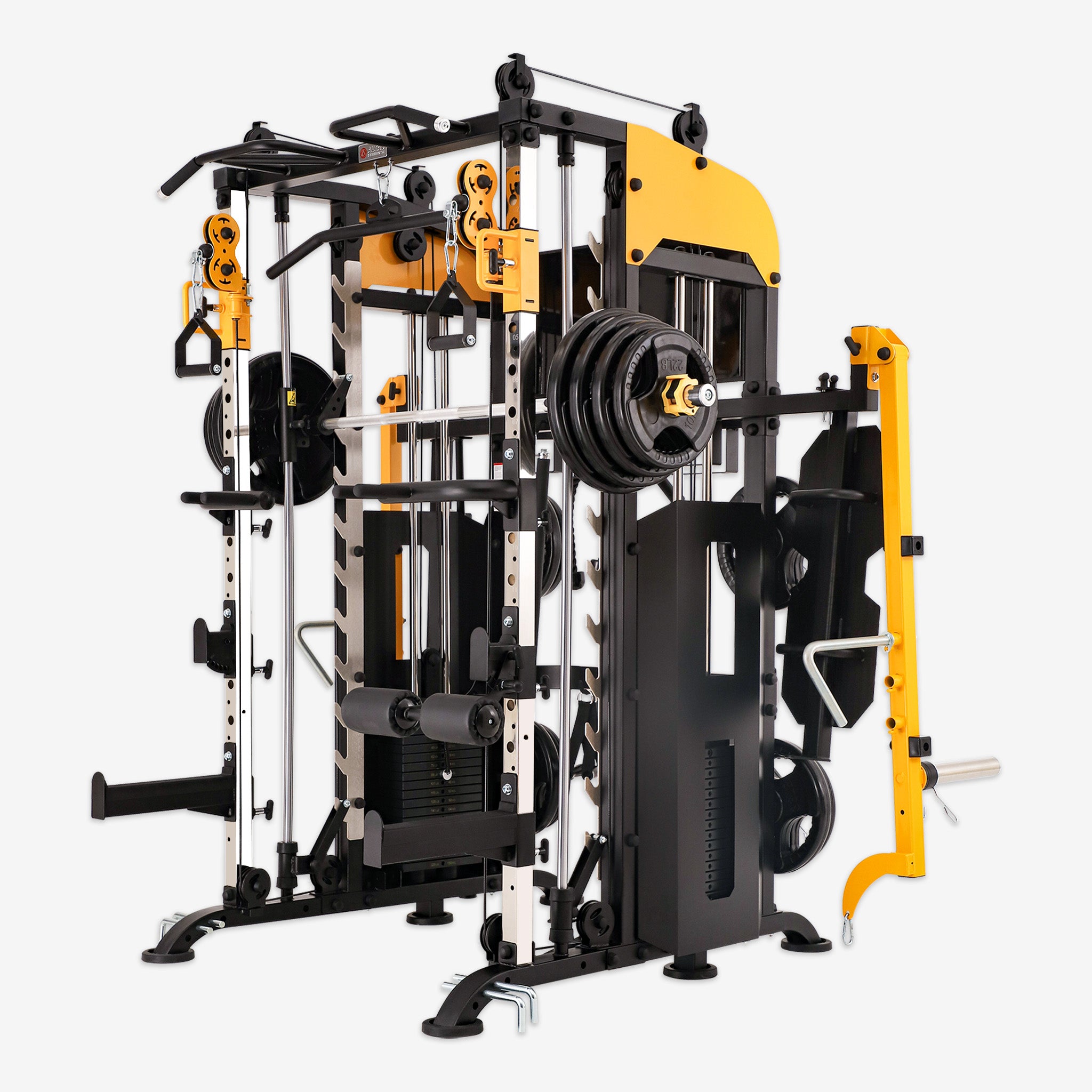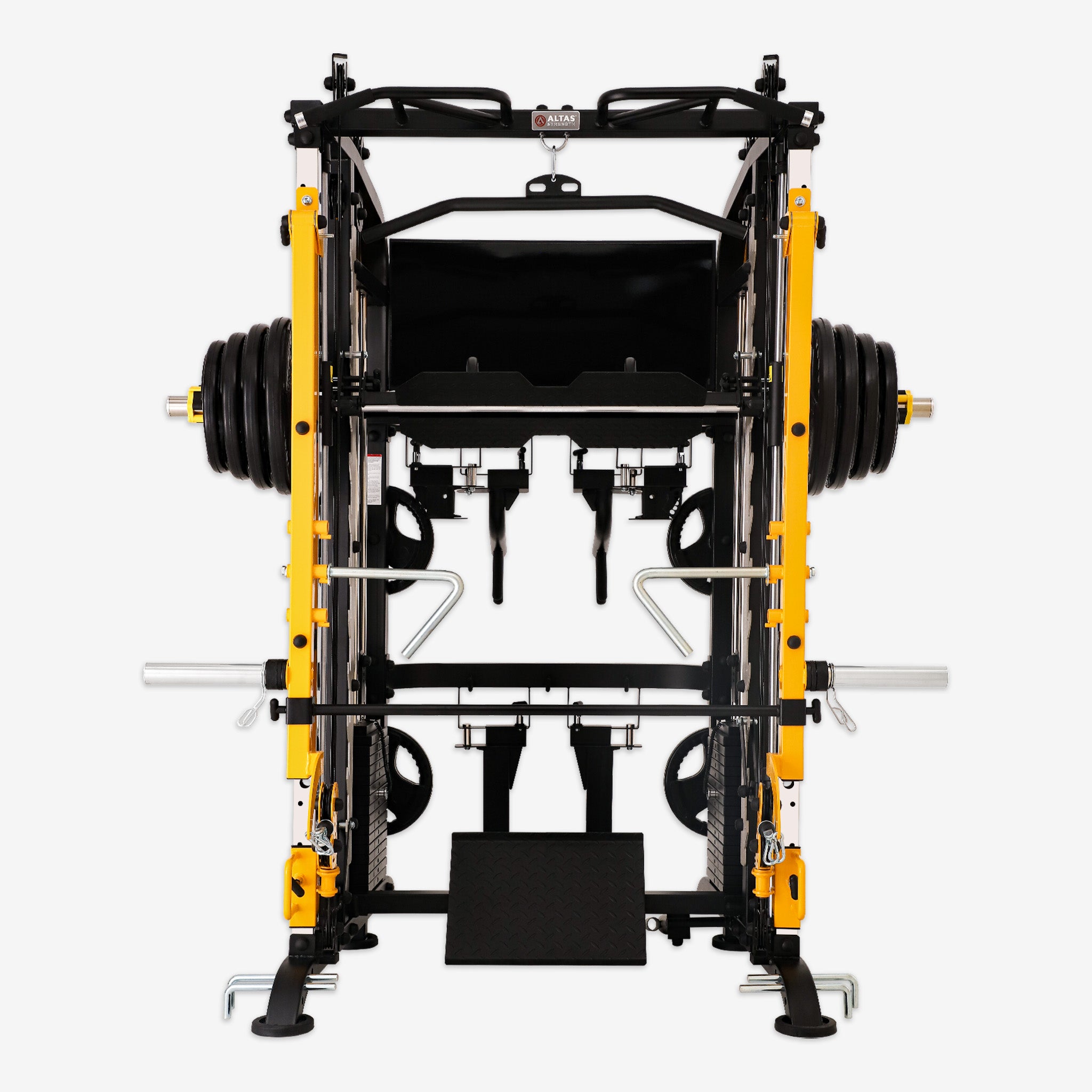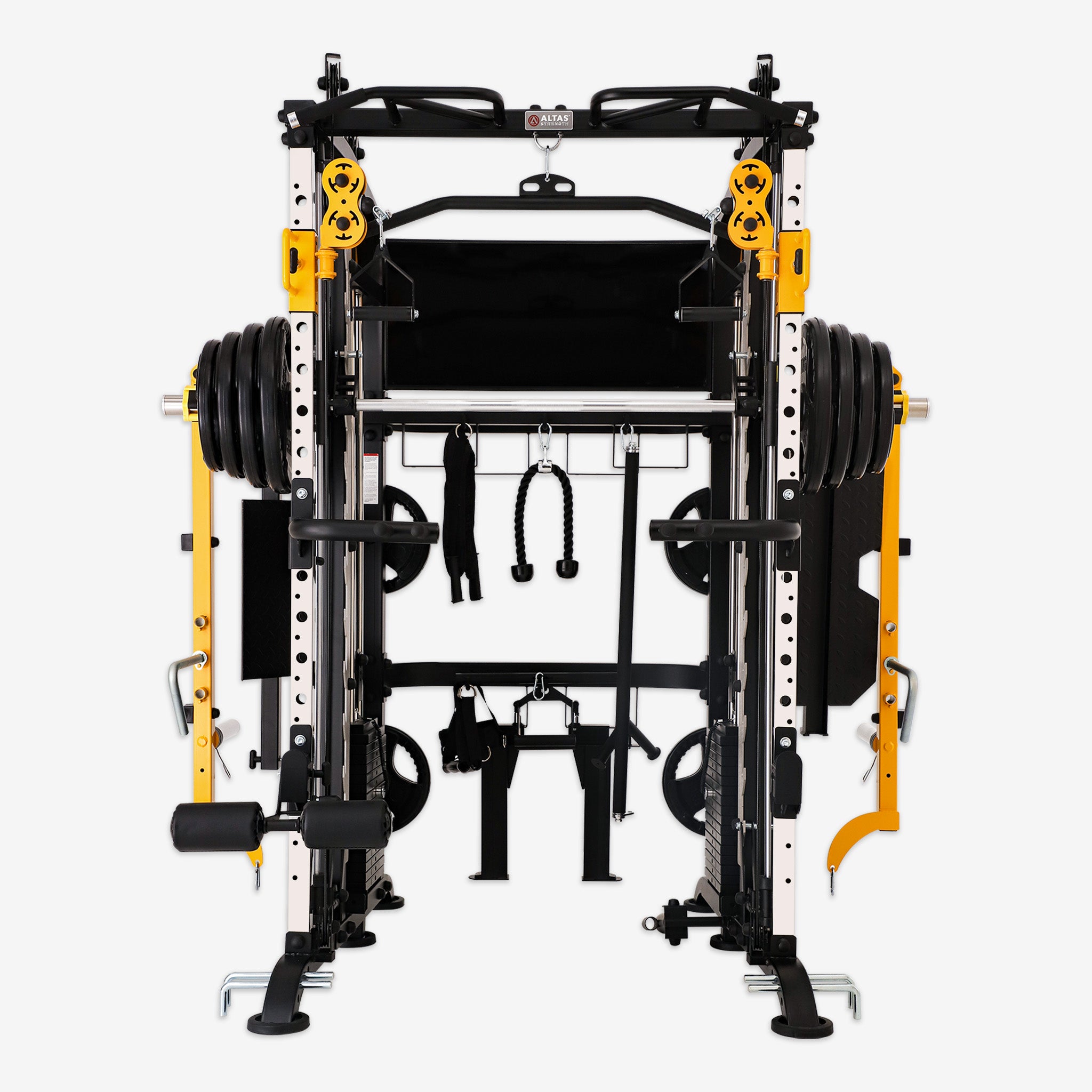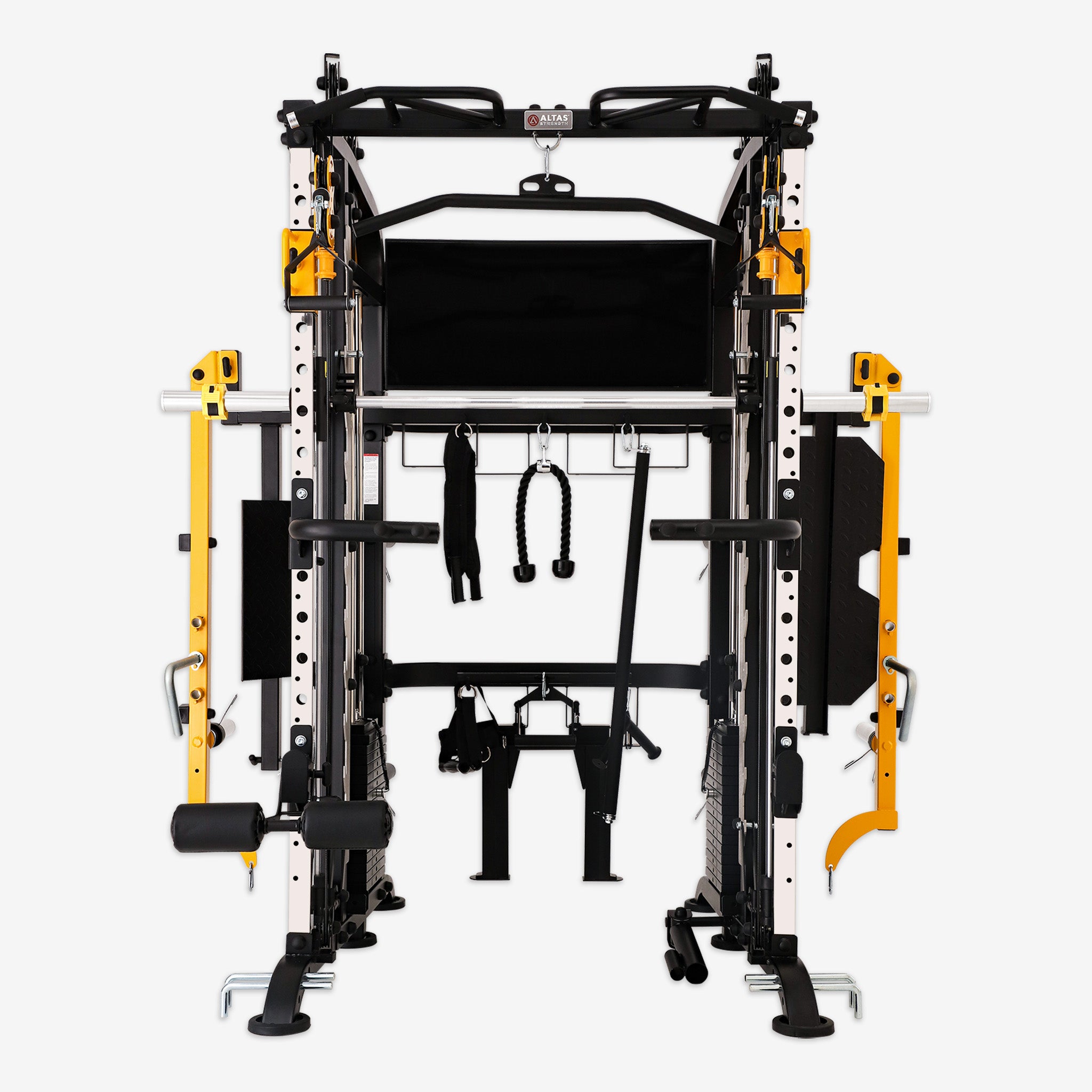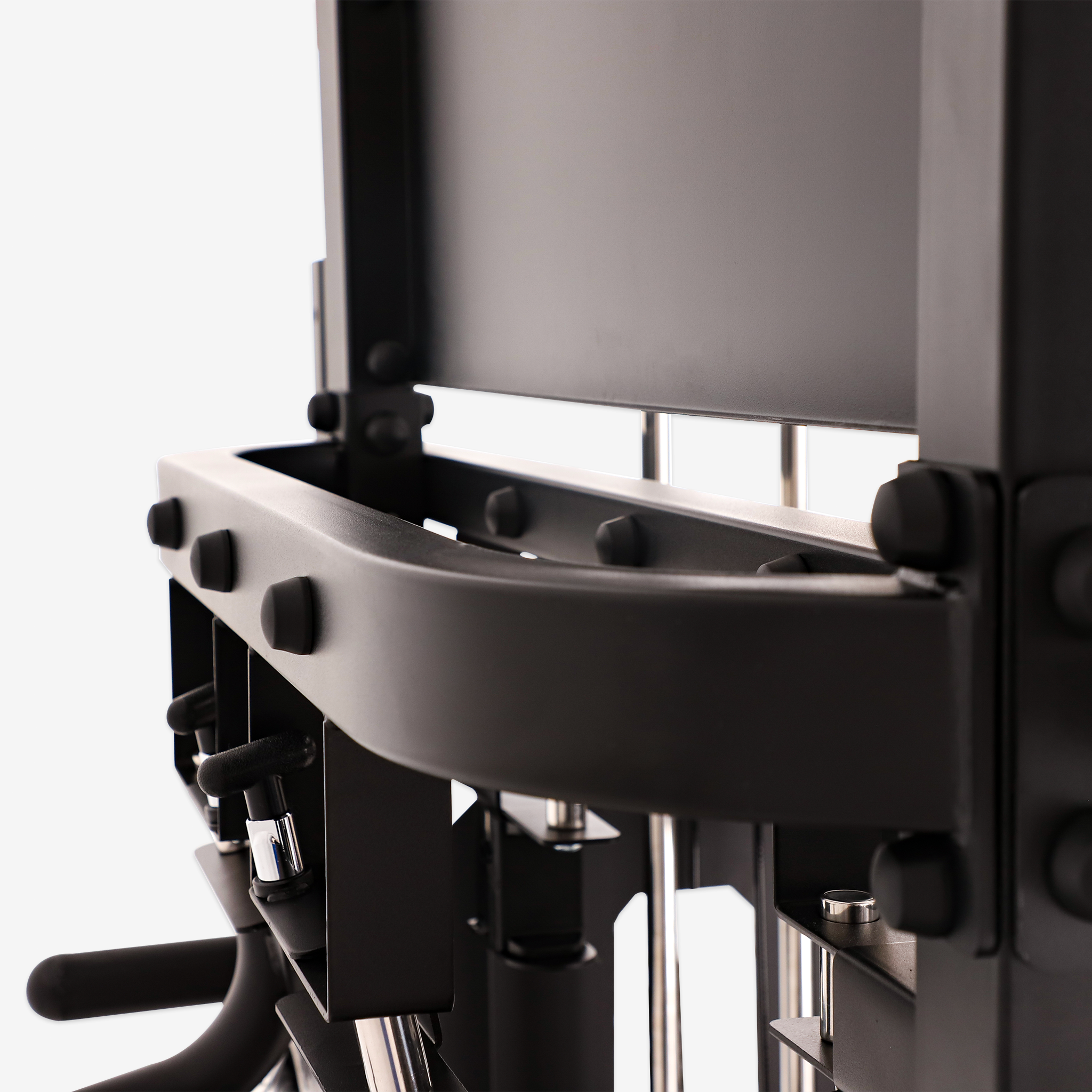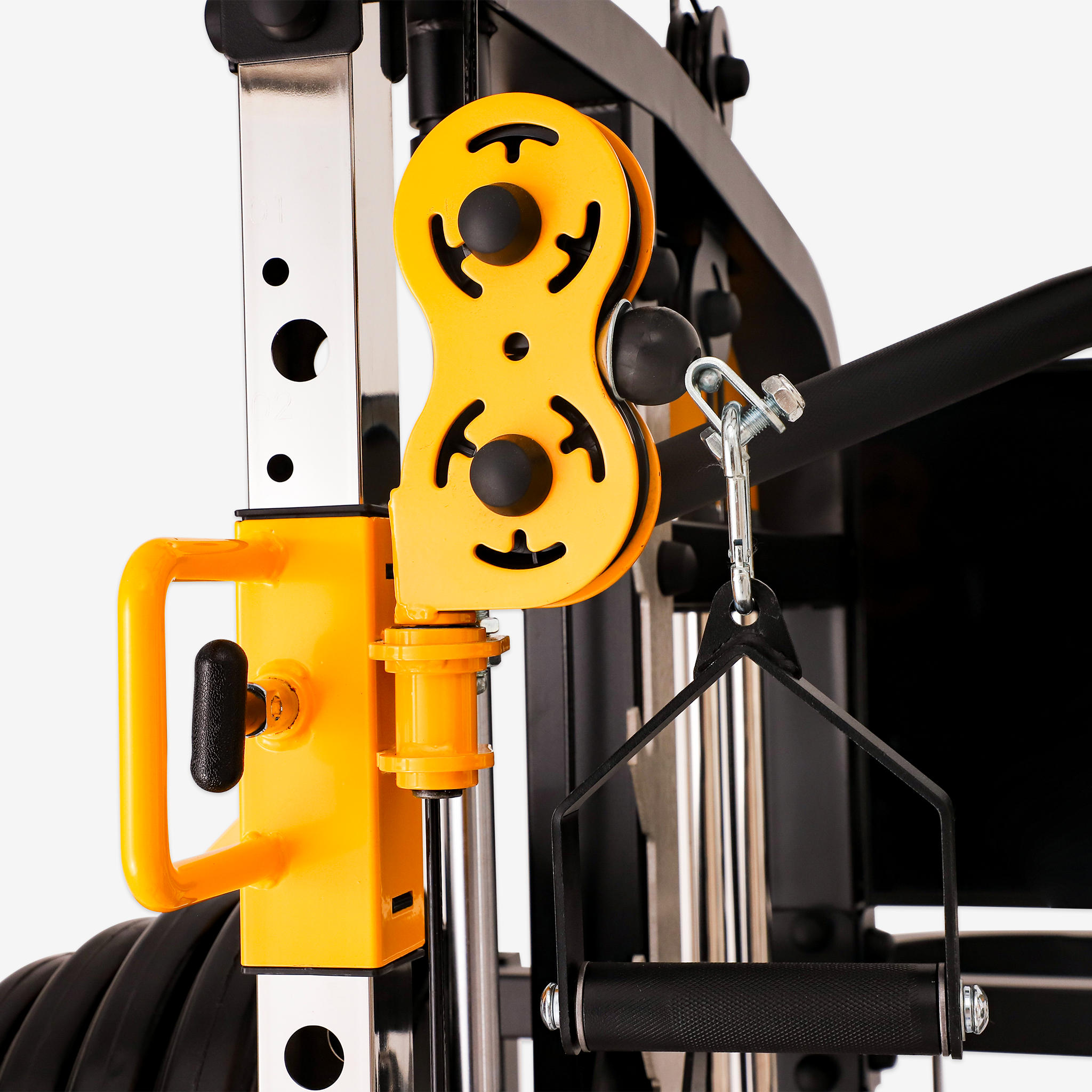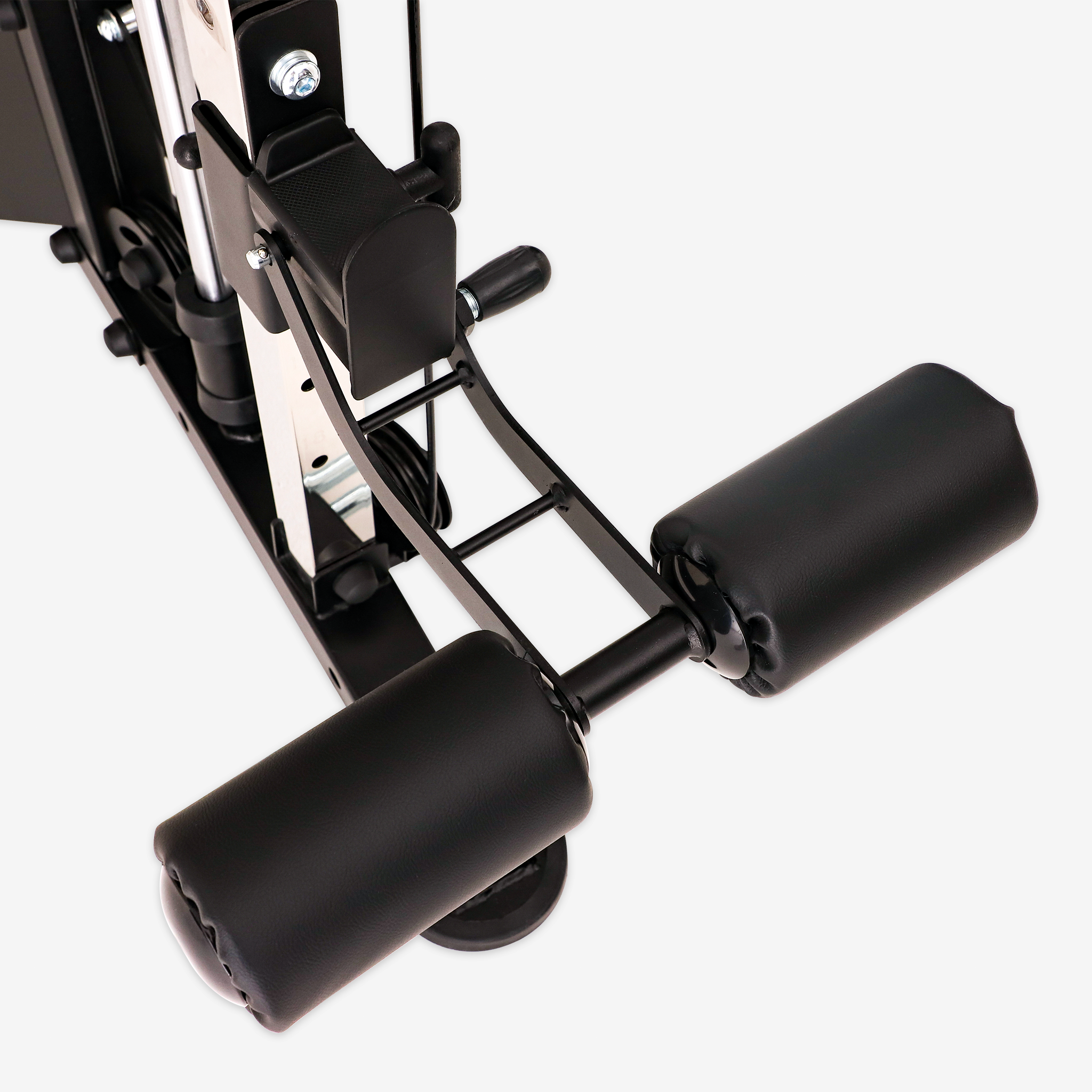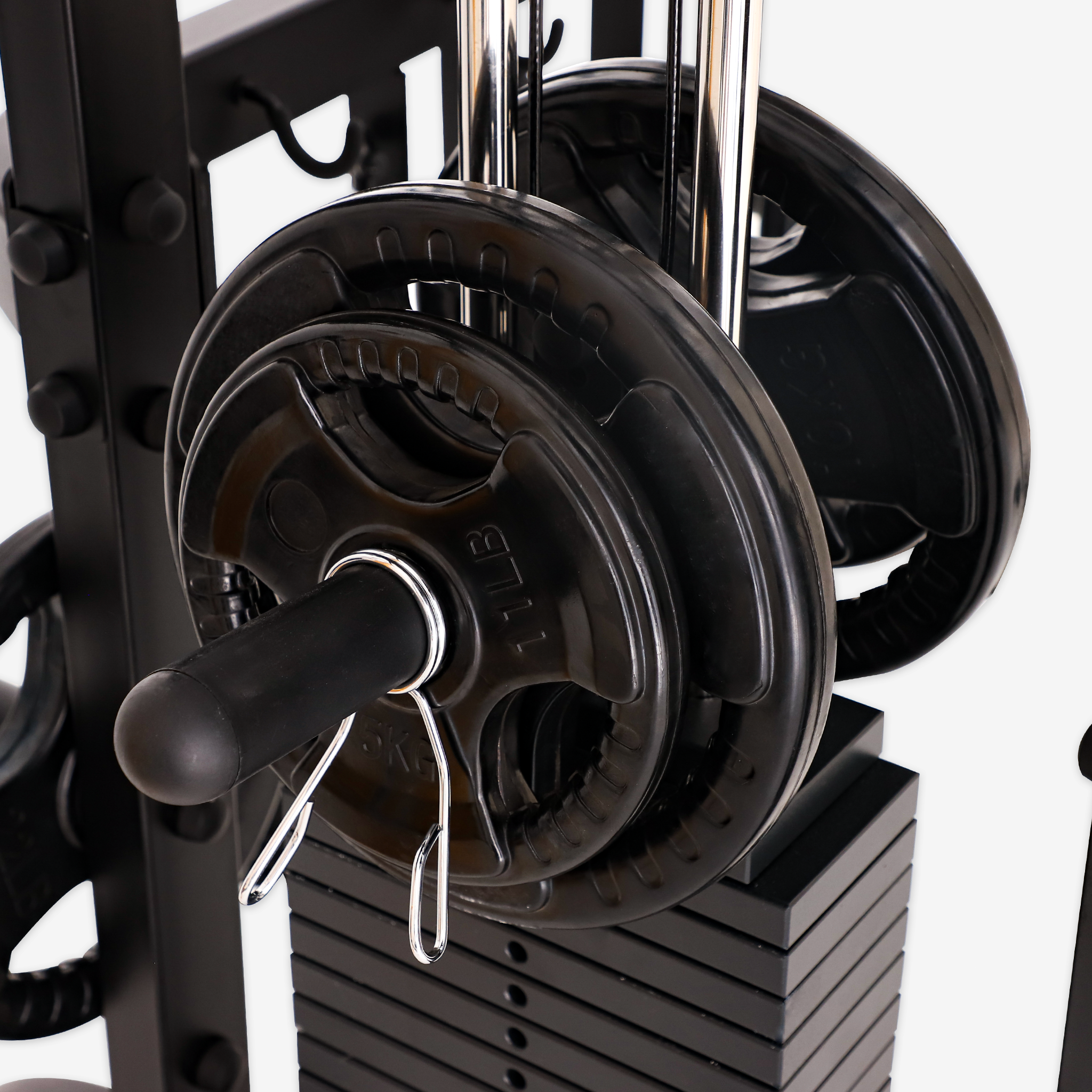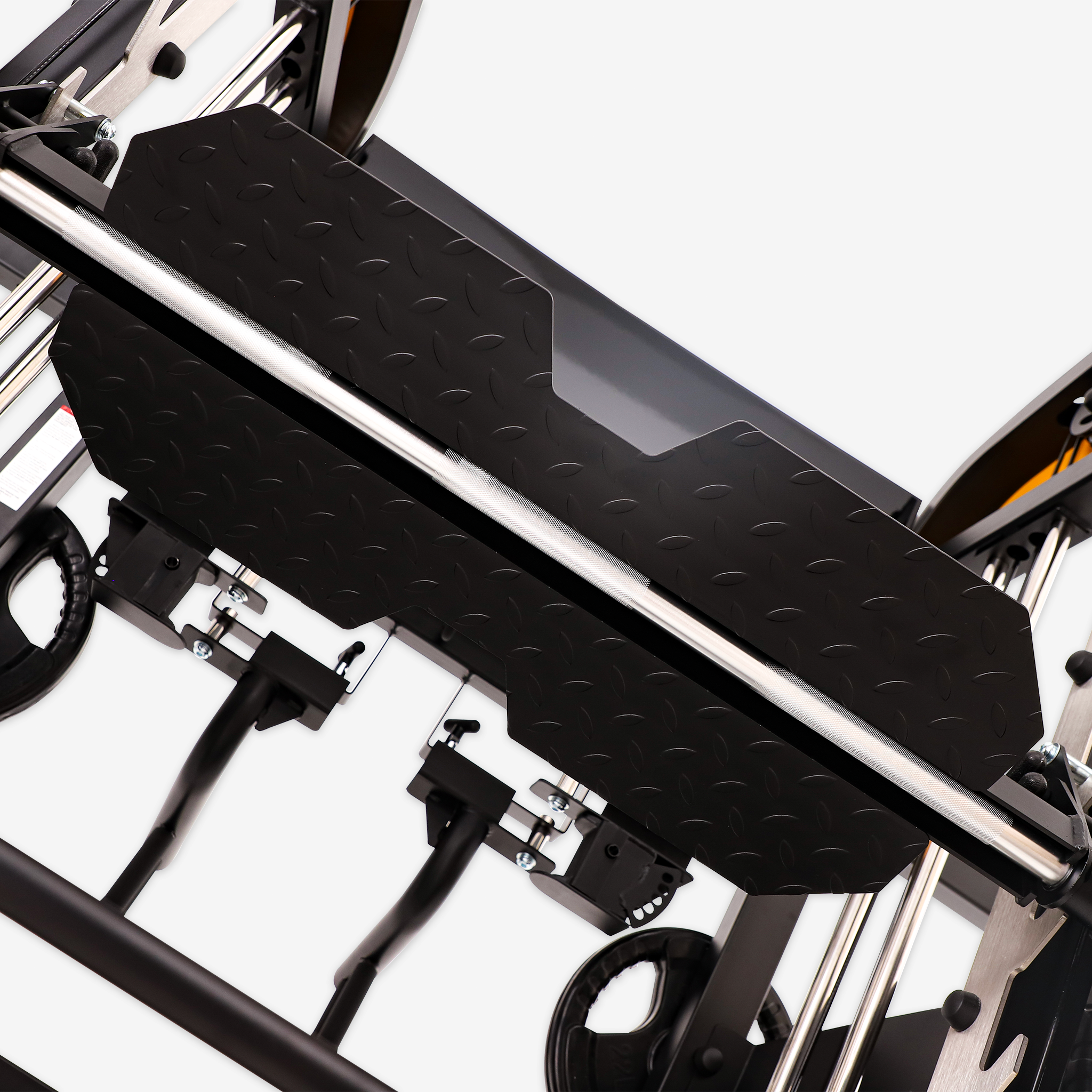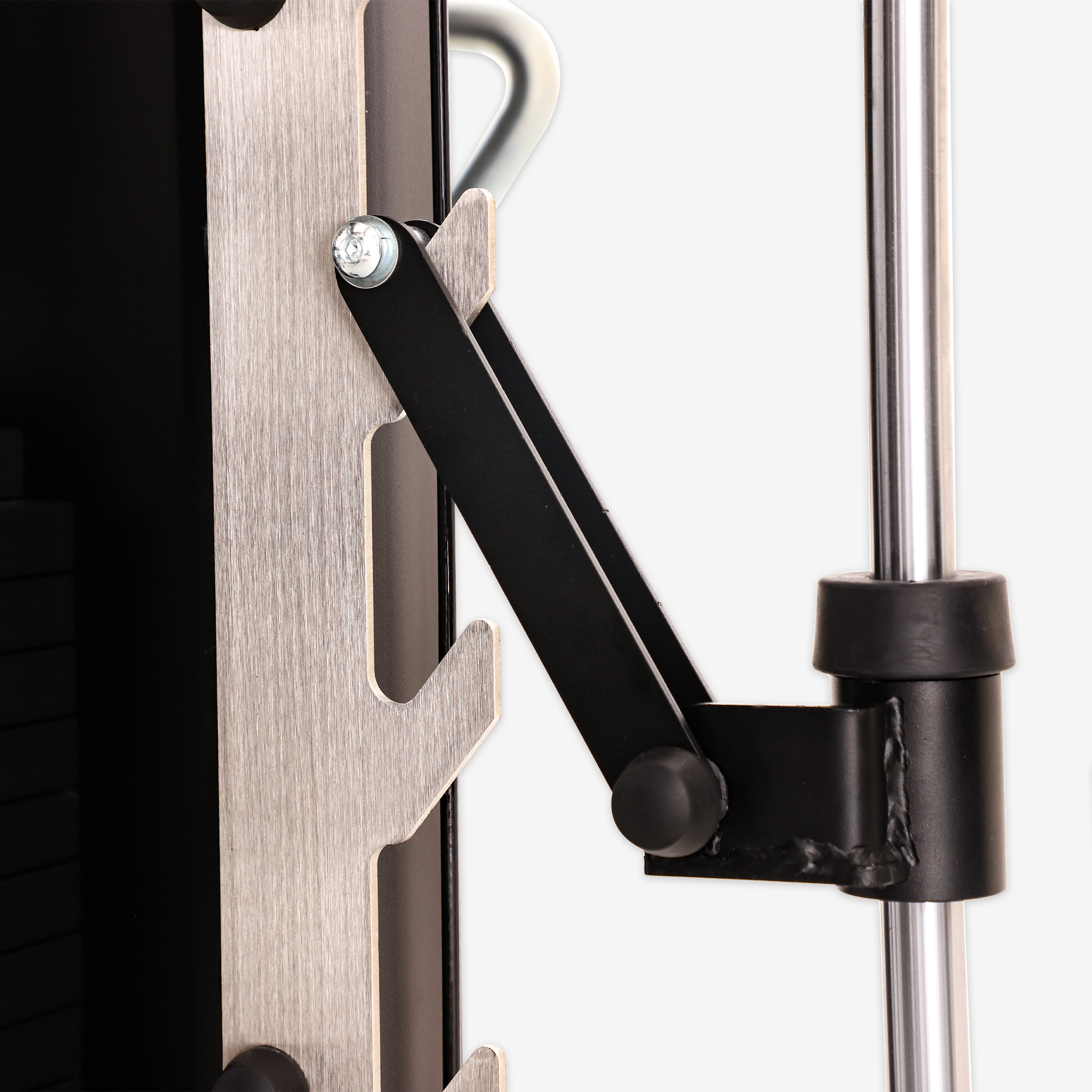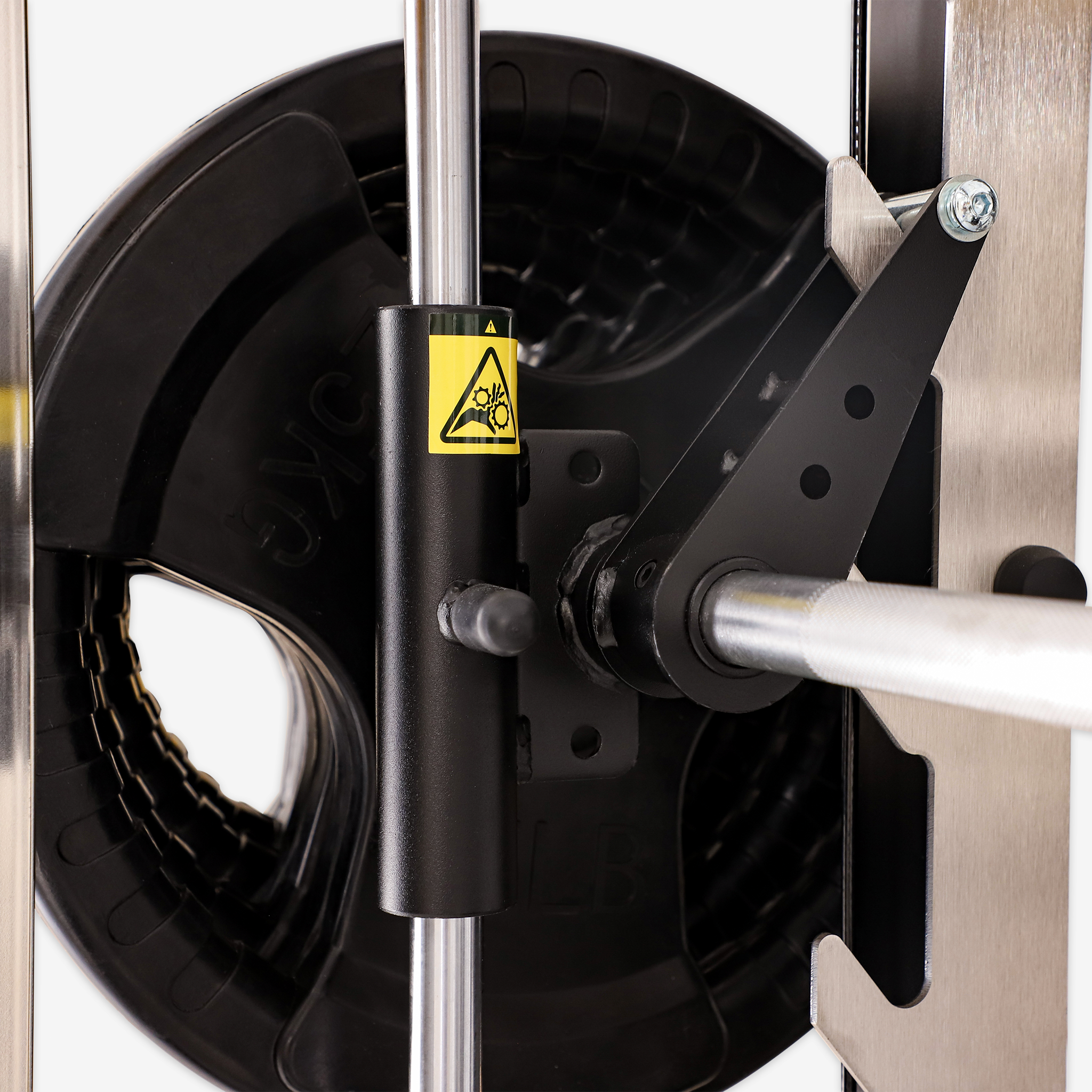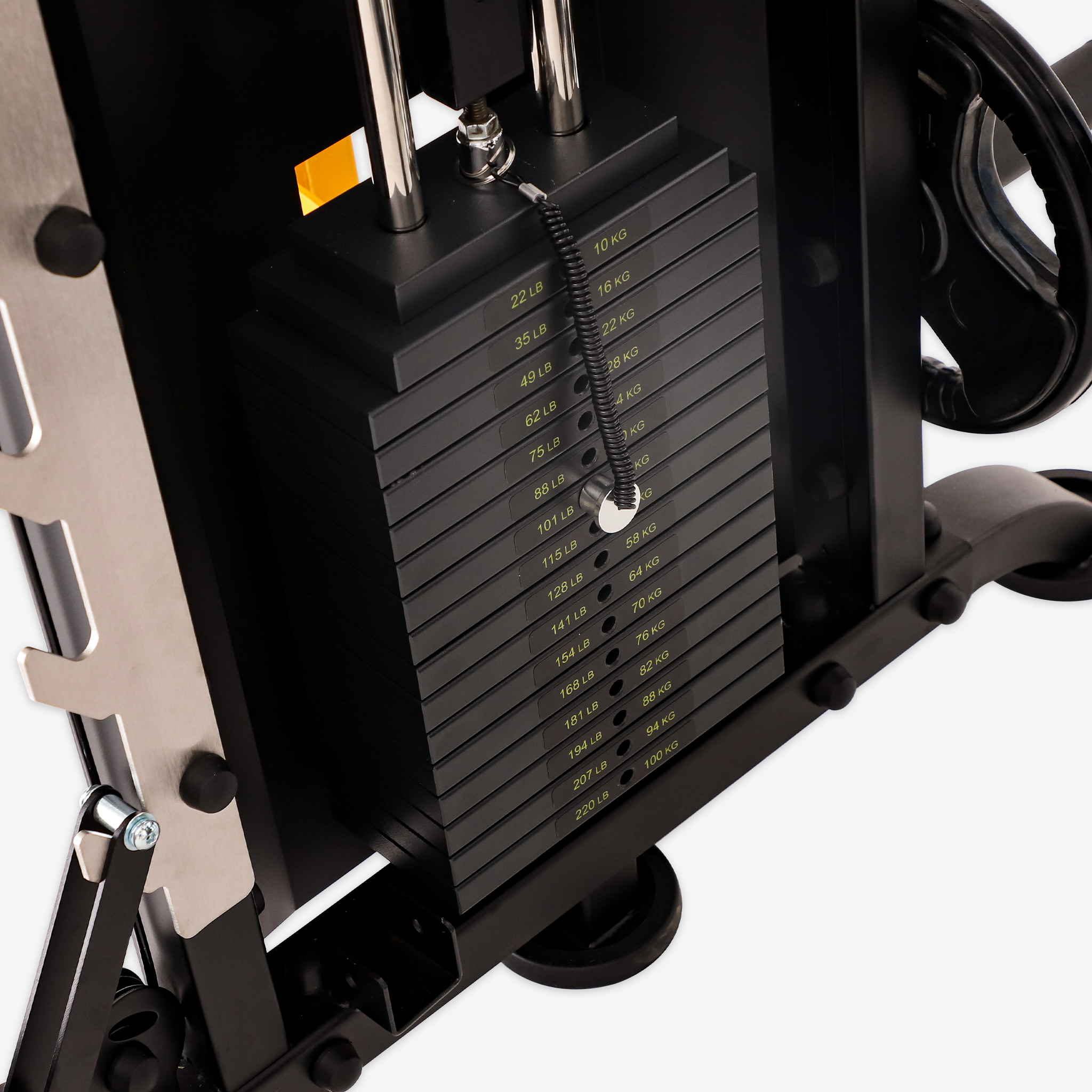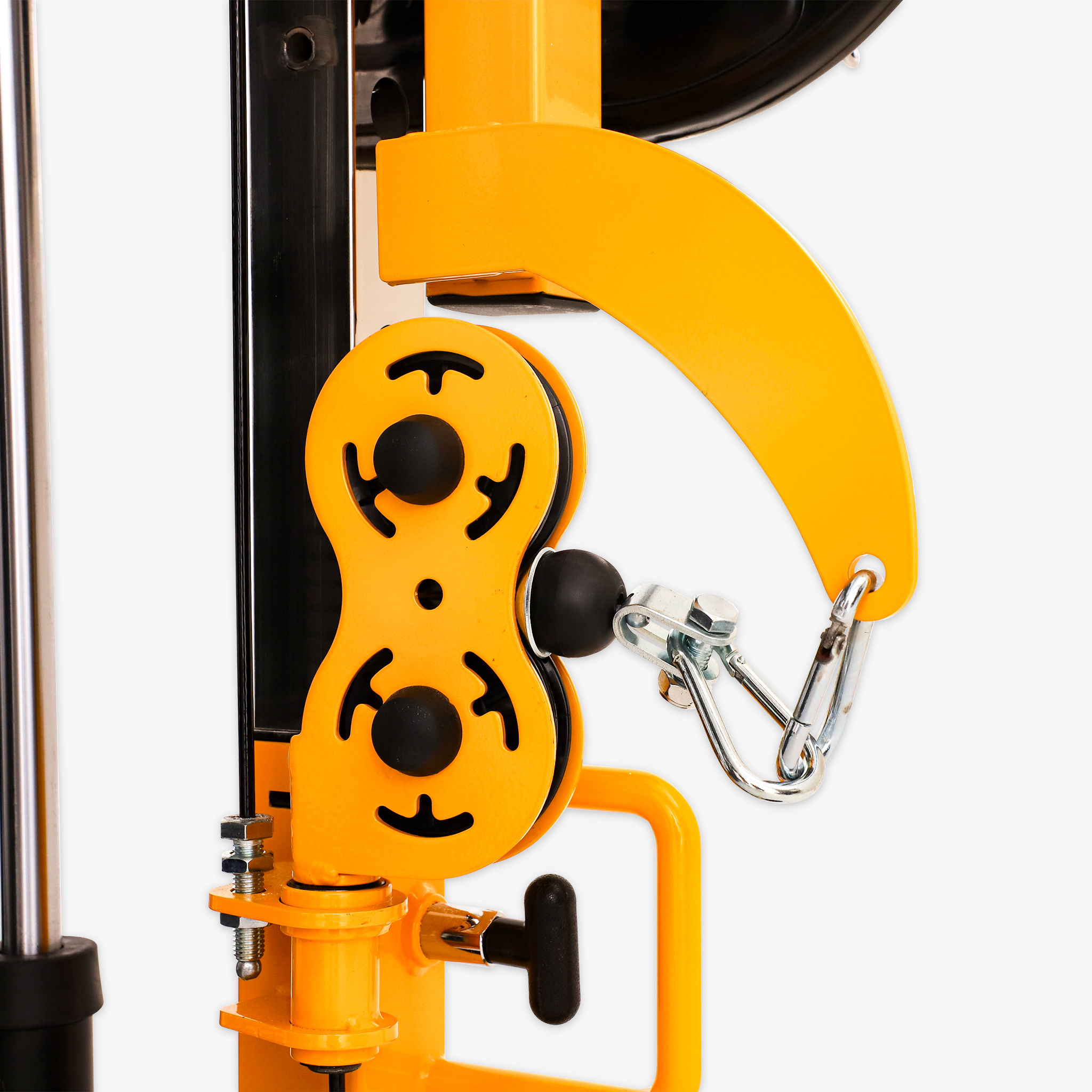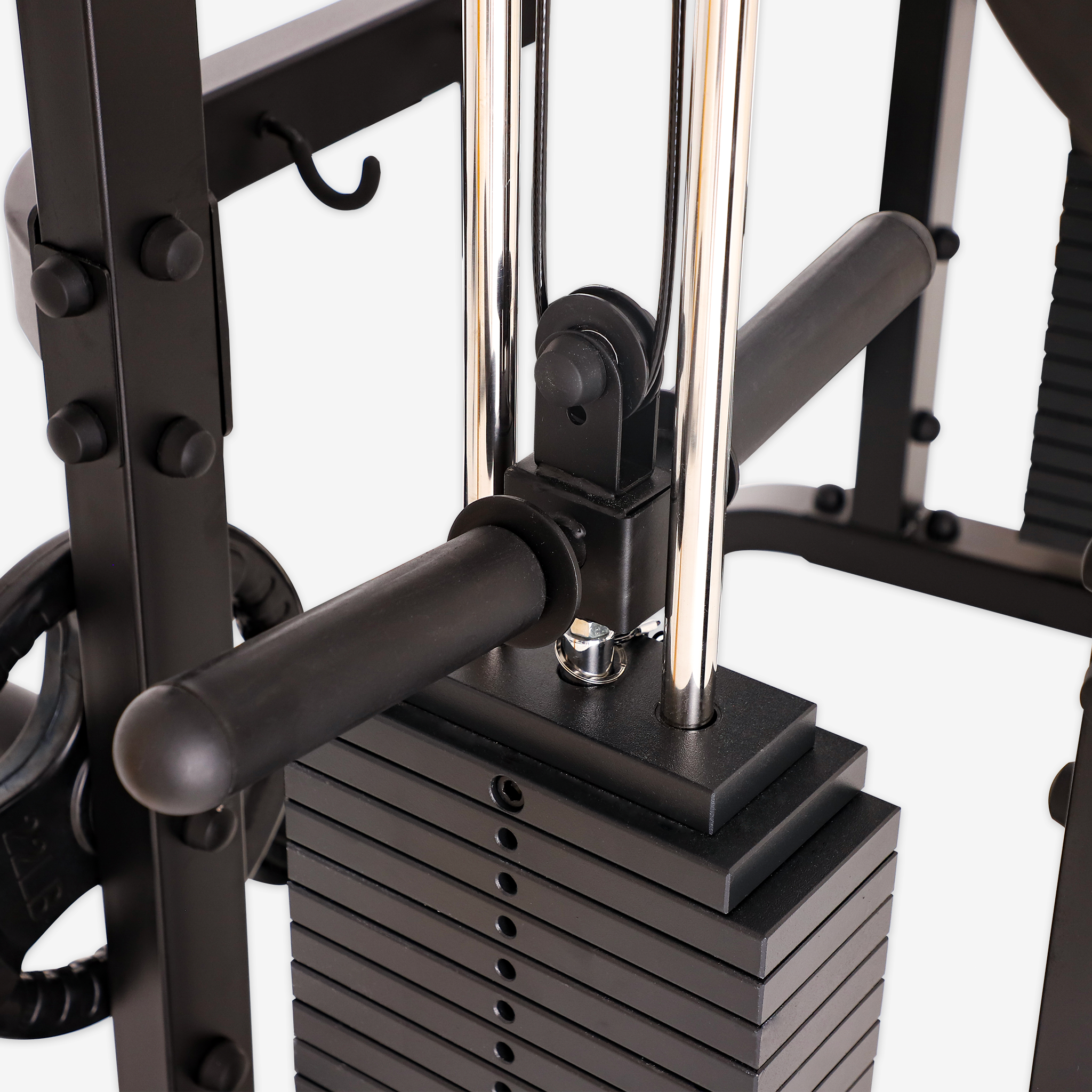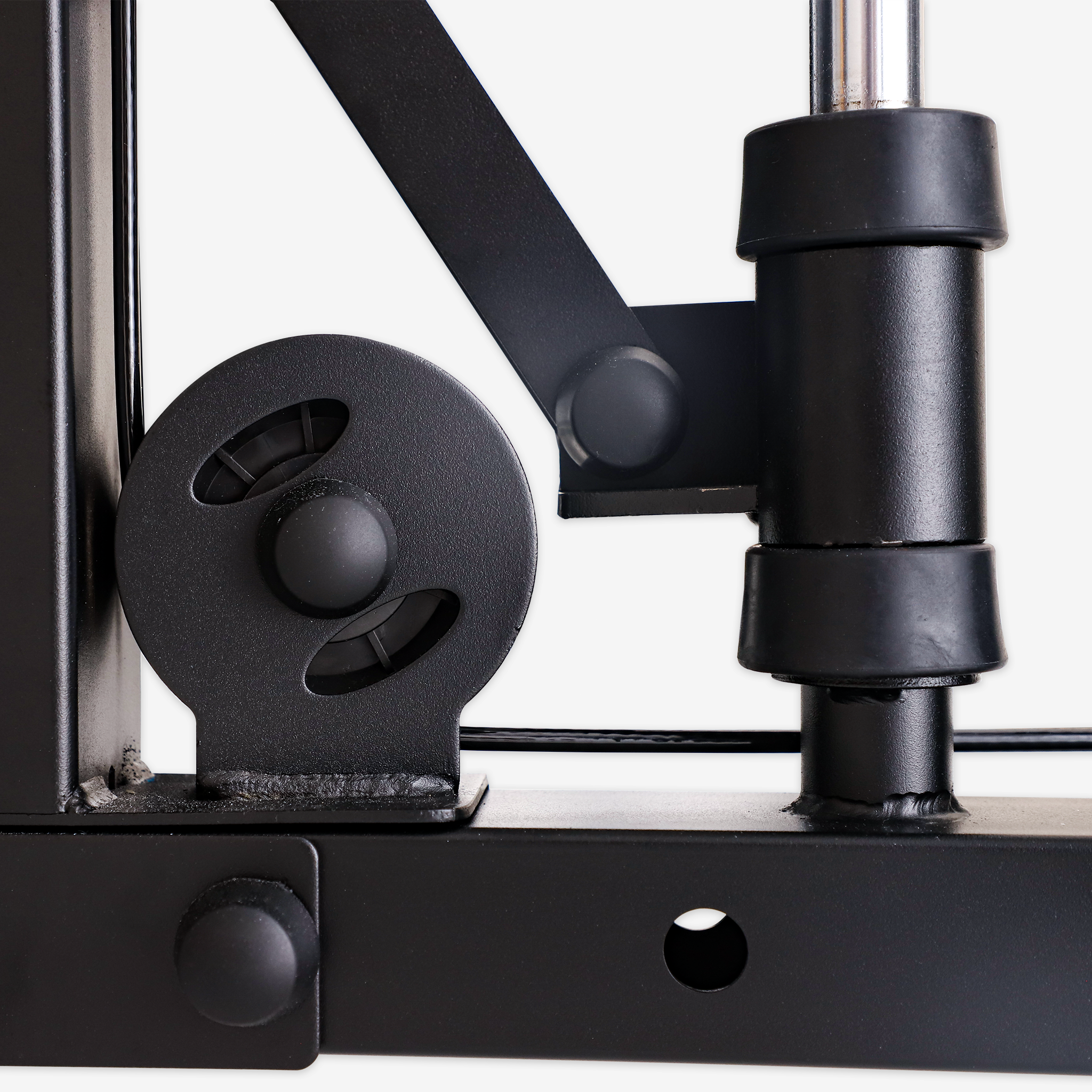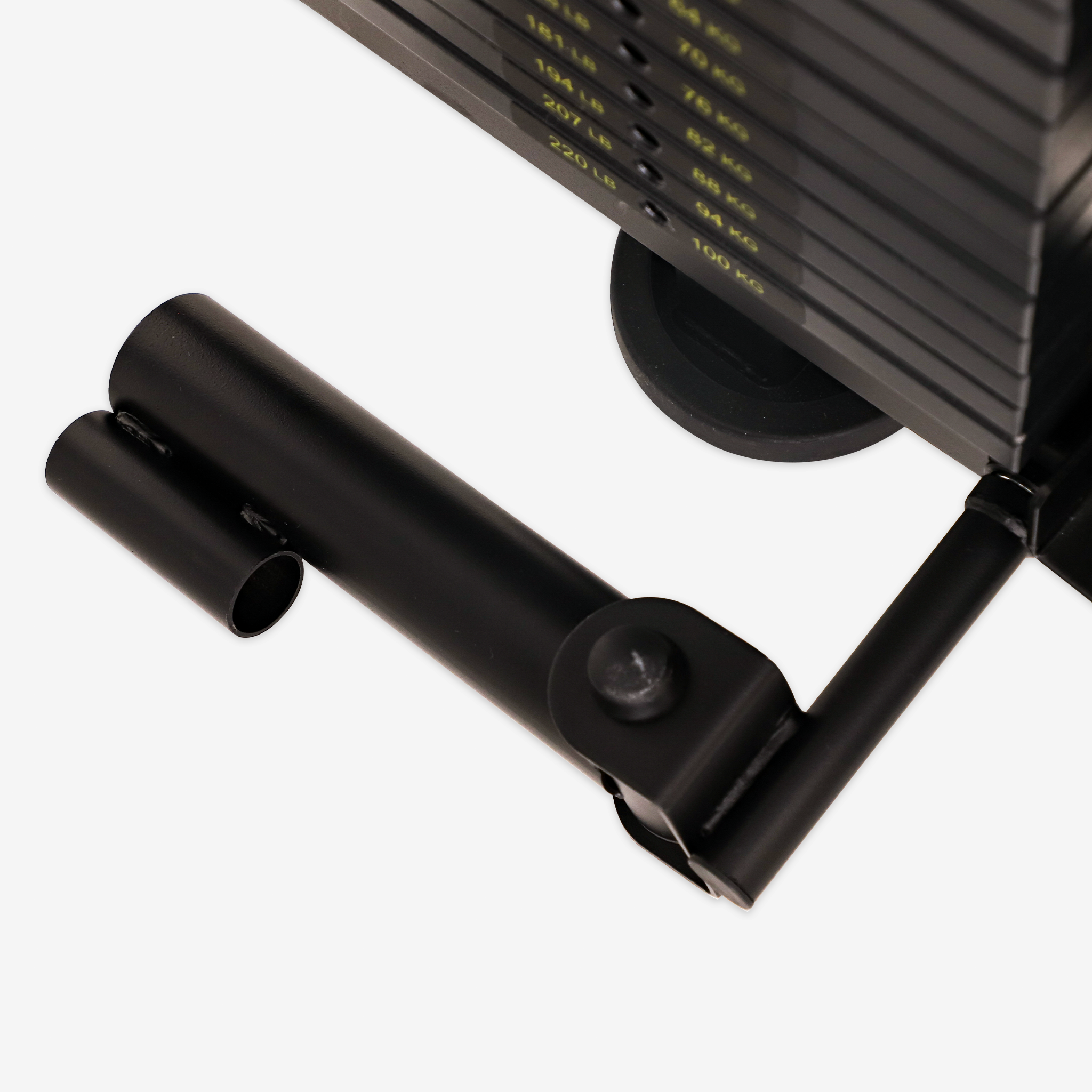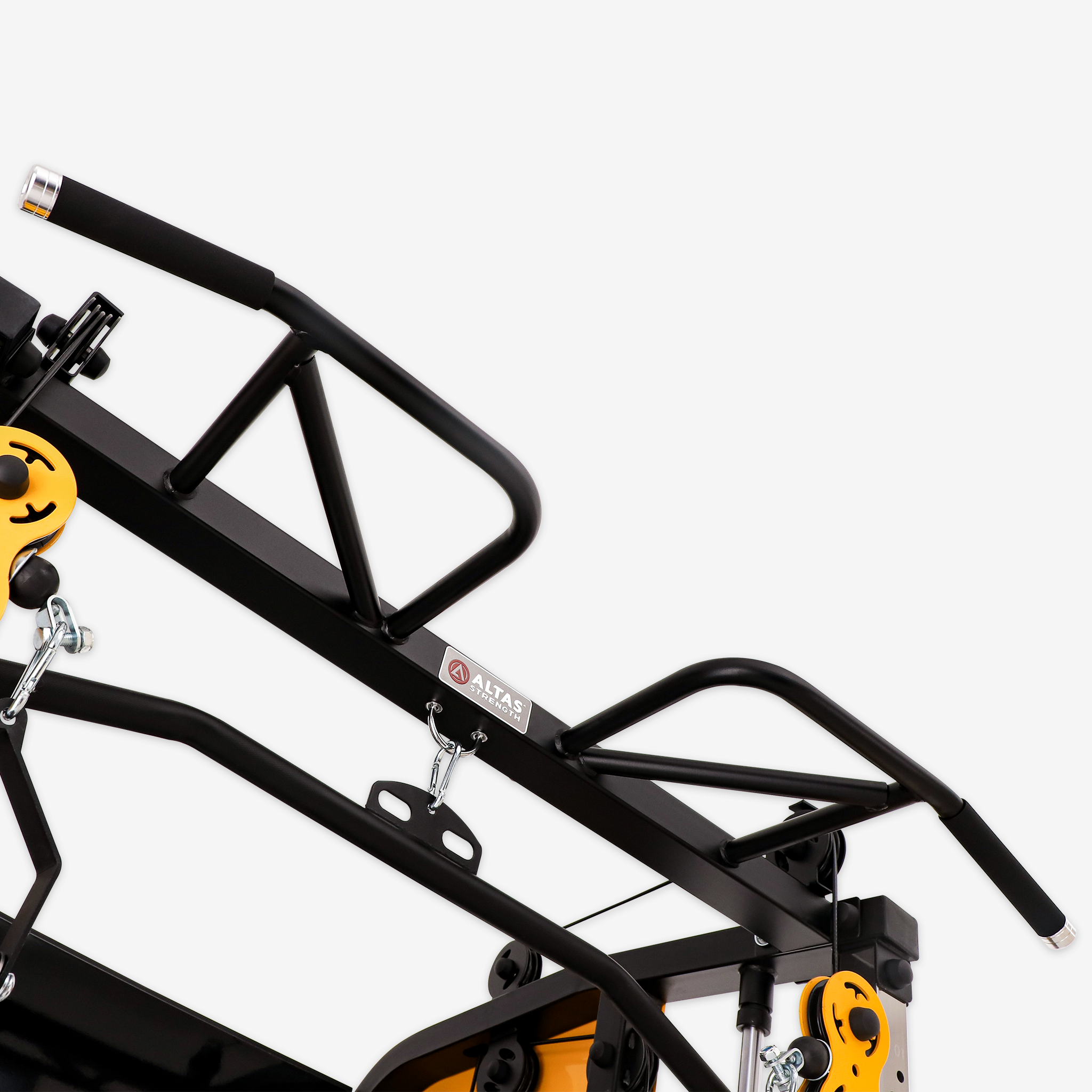
Walk into almost any gym and you will likely see an Atlas Smith Machine. With its guided bar path and built-in safety features, it has become a popular piece of strength training equipment for beginners, experienced lifters, and people recovering from injury.
One of the most common questions people ask is: How much does the bar weigh on an Atlas Smith Machine?
Unlike a standard Olympic barbell—which typically weighs 45 pounds (20 kg)—the bar weight on a Smith machine can vary widely depending on the machine design and counterbalance system.
Understanding the actual bar weight is important because it helps you track training progress accurately, choose the right resistance, and train safely.
Quick Answer: Atlas Smith Machine Bar Weight
The average Atlas Smith Machine bar weight typically falls within this range:
Typical bar weight:
15–25 pounds (about 7–11 kg)
However, depending on the machine design, the weight can vary:
| Machine Type | Typical Bar Weight |
|---|---|
| Counterbalanced Smith machine | 6–20 lbs (3–9 kg) |
| Standard commercial Smith machine | 15–25 lbs (7–11 kg) |
| Heavy-duty non-counterbalanced models | 25–45 lbs (11–20 kg) |
Because manufacturers design Smith machines differently, there is no universal standard bar weight.
For accurate training, it’s always best to check the specific model in your gym.
Why Smith Machine Bar Weight Matters
Some people assume that a difference of a few pounds does not matter, but when it comes to strength training, even small variations can affect your results.
Here are three reasons why knowing the Atlas Smith Machine bar weight is important.
1. Accurate Training Progress Tracking
If you track your workouts—and you should—knowing the correct bar weight ensures you calculate your total load correctly.
For example:
Bar weight: 15 lb
Weight plates added: 100 lb
Total load = 115 lb
If you assume the bar weighs zero, you would underestimate the real load and misinterpret your training progress.
Over time, these errors can make it difficult to determine when to increase weight or adjust your workout plan.
2. Improved Safety and Injury Prevention
Underestimating the bar weight can lead to lifting more than your body can handle, which increases the risk of:
-
poor lifting form
-
muscle strain
-
joint stress
-
training injuries
On the other hand, overestimating the bar weight may cause you to train too lightly, limiting muscle development.
Knowing the real resistance allows you to train safely and effectively.
3. Better Muscle Activation
Although Smith machines guide the bar along a fixed path, the actual resistance still determines how much tension your muscles experience.
If the bar weight is too light, muscles may not receive enough stimulus to grow.
If it is too heavy, you may compensate with improper movement patterns, which reduces training effectiveness.
Understanding the real load ensures you maintain the correct balance between intensity and control.
How to Determine Smith Machine Bar Weight
Many Smith machines do not clearly label the bar weight, but there are several simple ways to find out.
1. Check the Manufacturer Label
Some machines include a label on the frame that lists:
-
bar weight
-
counterbalance information
-
equipment specifications
If you cannot find it, gym staff may be able to access the manufacturer’s manual.
2. Use a Scale
One of the most accurate methods is to measure the bar weight directly.
Place a gym scale under the bar and carefully lower the empty bar onto it. This provides a clear reading of the effective weight.
Always follow gym rules when performing this type of measurement.
3. Compare With a Known Barbell
If a scale is unavailable, compare the Smith machine bar with a 45 lb Olympic barbell.
Lift the Smith bar without plates and compare the effort.
If it feels roughly half as heavy, the bar likely weighs around 15–20 pounds.
Common Myths About Smith Machine Bars
Many misconceptions exist about Smith machines. Here are a few common myths.
Myth 1: All Smith Machine Bars Weigh 45 Pounds
False.
Only certain heavy-duty Smith machines without counterbalance systems have bars close to 45 pounds.
Most commercial gym machines use lighter counterbalanced bars.
Myth 2: Counterbalanced Smith Machine Bars Weigh Zero
False.
A counterbalance system reduces resistance but does not completely eliminate weight.
You still need to lift a portion of the bar’s actual weight.
Myth 3: Smith Machine Bar Weight Doesn’t Matter
False.
Accurate resistance measurement is essential for progressive overload, which is the key driver of muscle growth and strength improvement.
Tips for Training With an Atlas Smith Machine
If you regularly use a Smith machine, these tips can help improve your workouts.
Warm up with the empty bar
This helps you become familiar with the machine’s resistance.
Record total training weight
Include both the bar weight and plate weight in your training log.
Combine Smith machine and free-weight training
Free weights activate stabilizer muscles that the Smith machine does not fully engage.
Ask trainers or gym staff when unsure
They can help confirm the equipment specifications.
Conclusion
The Atlas Smith Machine bar weight typically ranges from 15 to 25 pounds, although some machines may be lighter or heavier depending on their design and counterbalance system.
Because there is no universal standard, the best approach is to check the specific machine you are using.
Understanding the bar weight allows you to calculate total resistance accurately, track your progress, and train more safely and effectively.
When used correctly, the Atlas Smith Machine can be a valuable tool for building strength, improving technique, and supporting a consistent training routine.