What Is a Back Extension Bench?
A back extension bench, also known as a hyperextension bench or Roman chair, is a strength-training machine designed to strengthen the posterior chain.
It primarily targets:
- Lower back (erector spinae)
- Glutes
- Hamstrings
- Core stabilizers
Unlike traditional ab exercises, a back extension bench develops the muscles responsible for posture, spinal support, athletic performance, and injury prevention.
Whether you're building a home gym or upgrading a commercial facility, a back extension bench is one of the most valuable pieces of equipment for total-body strength.
Muscles Worked
A back extension bench activates multiple muscle groups simultaneously.
Primary Muscles
- Erector Spinae
- Gluteus Maximus
- Hamstrings
Secondary Muscles
- Core
- Obliques
- Upper Back
- Hip Stabilizers
- Rear Delts
Because so many muscles work together, back extensions are considered one of the best posterior chain exercises available.
Benefits of a Back Extension Bench
1. Strengthens the Lower Back
Weak spinal erectors contribute to poor posture, back pain, and lifting injuries.
Regular training improves:
- spinal stability
- lifting strength
- athletic performance
2. Improves Deadlifts and Squats
A stronger posterior chain directly improves:
- Barbell Squats
- Smith Machine Squats
- Deadlifts
- Romanian Deadlifts
- Good Mornings
Many strength coaches include back extensions as an accessory movement after heavy compound lifts.
3. Reduces Lower Back Pain
Most office workers spend 8–10 hours sitting.
This causes:
- weak glutes
- tight hip flexors
- inactive lower back muscles
Back extension exercises restore proper muscle balance and improve posture.
4. Builds Better Posture
A strong posterior chain keeps your spine in a neutral position.
Benefits include:
- standing taller
- reducing rounded shoulders
- decreasing neck tension
- improving spinal alignment
5. Safe for Most Fitness Levels
Because resistance can be adjusted from bodyweight to weighted plates, beginners and advanced lifters alike can benefit.
6. Excellent Home Gym Equipment
Compared with large strength machines, a back extension bench offers:
- compact footprint
- affordable price
- multiple exercise options
- minimal maintenance
It fits easily into garages, basements, and home gyms.
Proper Back Extension Bench Form
Step 1
Adjust the hip pad so it rests directly below your hip crease.
Step 2
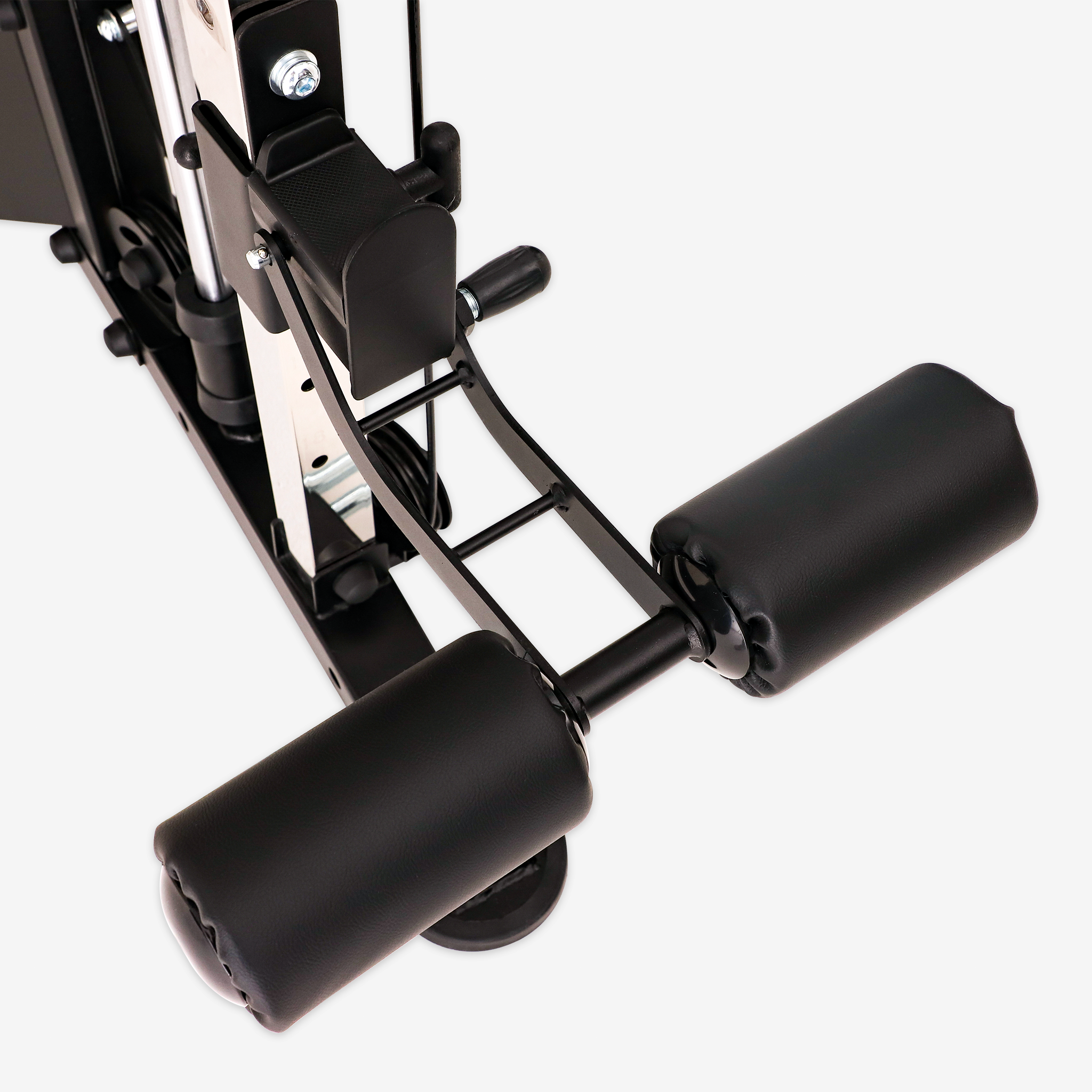
Secure both feet beneath the foot pads.
Maintain:
- neutral spine
- engaged core
- relaxed shoulders
Step 3
Lower your torso slowly by hinging at the hips.
Avoid rounding your back.
Step 4
Drive upward by squeezing:
- glutes
- hamstrings
- lower back
Stop when your body forms a straight line.
Do not hyperextend.
Step 5
Pause for one second.
Lower slowly under control.
Maintain tension throughout every repetition.
Common Mistakes
Hyperextending the Back
Going beyond neutral compresses the lumbar spine.
Instead, stop once your body is straight.
Using Momentum
Swinging the body reduces muscle activation.
Always perform controlled repetitions.
Incorrect Pad Height
Pads positioned too high or too low shift stress away from the target muscles.
Looking Up
Keep your neck neutral.
Avoid excessive cervical extension.
Holding Heavy Weight Too Soon
Master bodyweight first.
Gradually increase resistance.
Best Exercises Using a Back Extension Bench
Besides standard back extensions, you can perform:
- Hyperextensions
- Weighted Back Extensions
- Single-Leg Back Extensions
- Glute-Focused Back Extensions
- Side Back Extensions
- Russian Twists
- Isometric Holds
- Reverse Hyper Variations
- Oblique Extensions
- Hip Extensions
This versatility makes the back extension bench much more than a lower-back machine.
Beginner Workout
3 Sets
15 Bodyweight Reps
Focus:
- posture
- control
- muscle activation
Intermediate Workout
4 Sets
12–15 Reps
Pause at the top.
Add a slow eccentric.
Advanced Workout
4 Sets
10–12 Reps
Hold a weight plate or dumbbell across your chest.
Progressively overload while maintaining perfect technique.
How to Choose the Best Back Extension Bench
When shopping, consider:
Heavy-Duty Steel Frame
Improves stability during weighted exercises.
Adjustable Height
Allows multiple users to train comfortably.
Thick Padding
Reduces hip discomfort during longer workouts.
High Weight Capacity
Look for at least:
600–1000 lb total capacity.
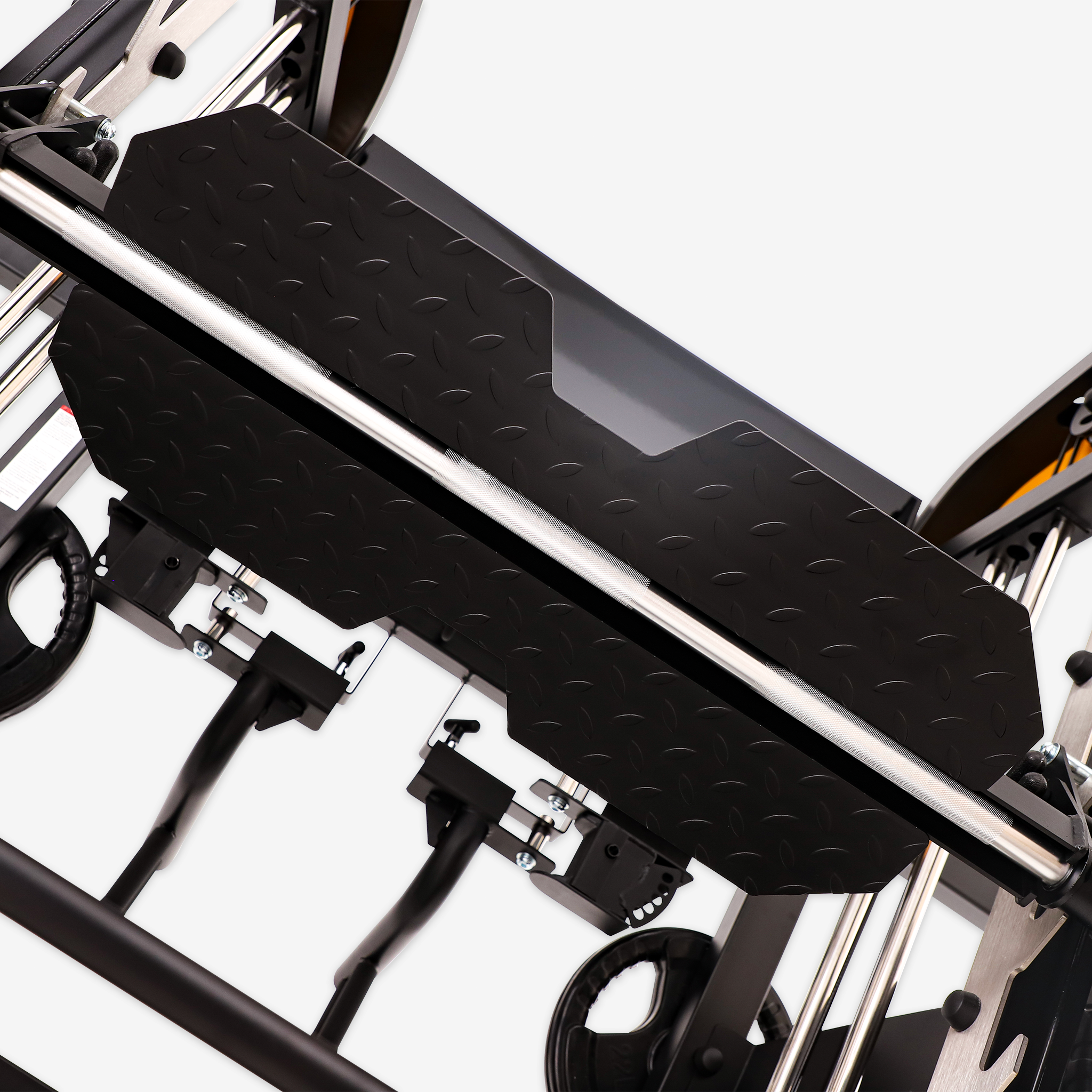
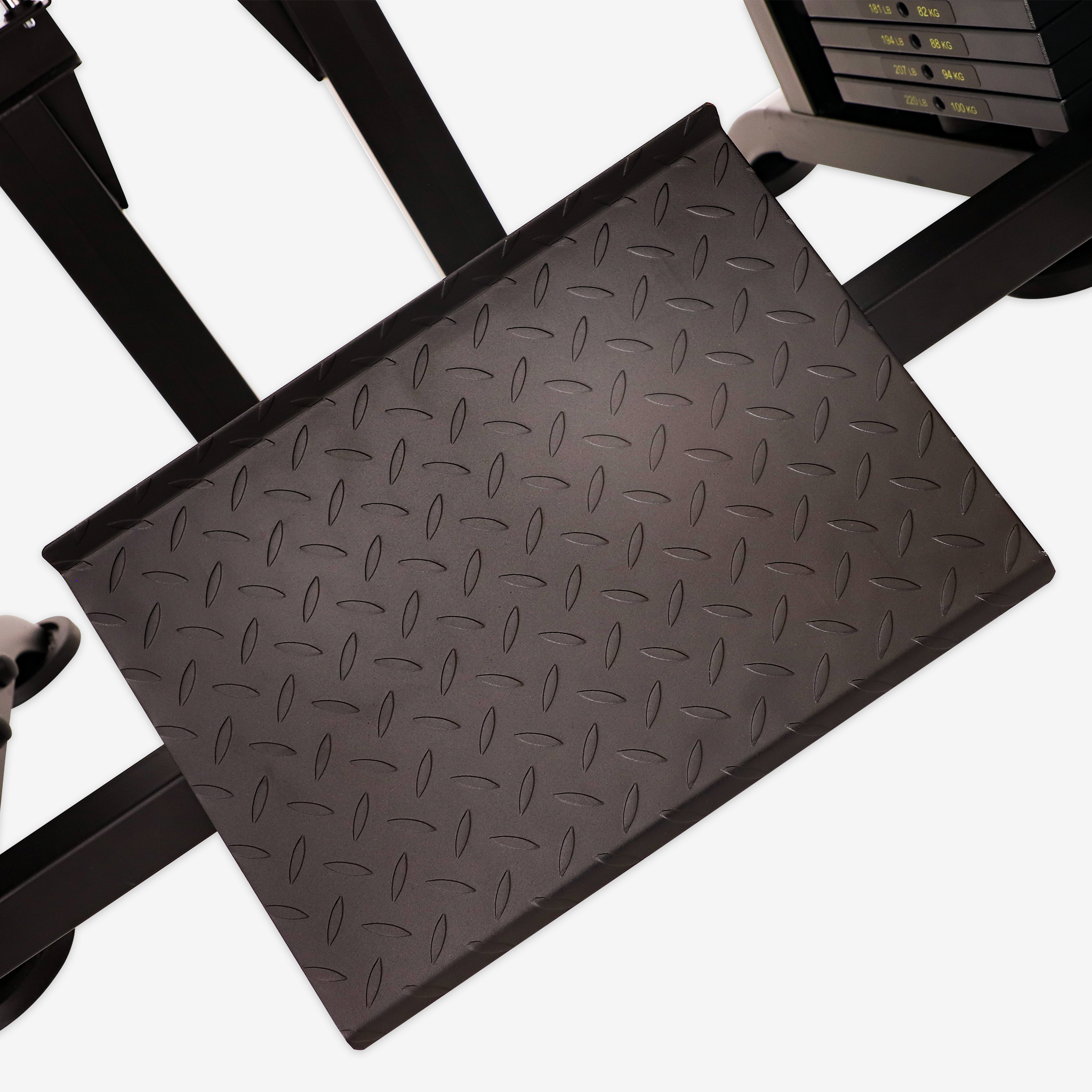
Non-Slip Foot Platform
Improves stability and safety.
Compact Design
Ideal for home gyms with limited floor space.
Who Should Buy a Back Extension Bench?
A back extension bench is ideal for:
- Home gym owners
- Powerlifters
- Bodybuilders
- Athletes
- Office workers
- Seniors
- Physical therapy users
- Beginners
- Commercial gyms
- Personal trainers
Frequently Asked Questions
Is a back extension bench good for lower back pain?
Yes. When performed with proper technique, it strengthens the muscles supporting the spine and may help reduce chronic lower back discomfort.
How often should I use a back extension bench?
Most people benefit from training 2–3 times per week with 2–4 sets per workout.
Can beginners use a back extension bench?
Absolutely. Beginners should start with bodyweight repetitions before adding resistance.
Does a back extension bench build glutes?
Yes. By squeezing the glutes at the top of each repetition, you can significantly increase glute activation.
Is a Roman chair the same as a back extension bench?
Most Roman chairs include a 45-degree back extension function, although some also support additional abdominal exercises.
Final Thoughts
A back extension bench is one of the most effective and versatile pieces of strength equipment for developing a stronger posterior chain. It helps improve posture, reduce lower back pain, increase squat and deadlift performance, and build balanced muscle development.
Whether you're creating a compact home gym or outfitting a commercial training facility, adding a quality back extension bench provides long-term value, supports injury prevention, and enhances overall athletic performance.