Introduction: The King of Compound Movements
The deadlift is widely recognized as one of the most effective full-body compound exercises. By engaging the glutes, hamstrings, quadriceps, erector spinae, and core, deadlifts build total-body strength, improve posture, and stimulate efficient calorie burn and metabolic activation.
A deadlifting bar set is essential for performing this exercise safely and effectively. With the right barbell and weight plates, lifters can maximize both strength development and muscle coordination.
Why Deadlifts Are a Strength and Hormonal Powerhouse
Deadlifts offer more than just raw strength gains—they deliver hormonal benefits that support muscle growth and functional performance.
Strength Gains
-
Targets glutes, hamstrings, quadriceps, back, and forearms
-
Improves lifting performance across other compound movements
-
Builds a strong foundation for squats, presses, and Olympic lifts
Hormonal and Metabolic Boost
-
Stimulates testosterone and growth hormone release
-
Promotes muscle hypertrophy and fat metabolism
-
Increases overall basal metabolic rate
Deadlift Bar Set Options: Straight vs Hexagonal Bars
A quality deadlifting bar set is crucial to optimizing technique and safety.
Straight Barbell
-
Traditional choice for conventional and sumo deadlifts
-
Requires more grip strength and core stability
-
Ideal for experienced lifters and heavy-load training
Hexagonal (Trap) Barbell
-
Ergonomic design reduces lower-back strain
-
Allows a neutral grip, making it beginner-friendly
-
Improves leg-dominant activation and provides safer lifting mechanics
Selecting the right bar depends on training goals, experience level, and mobility requirements.
Maximizing Safety and Performance at Home
While free-weight deadlifts are highly effective, training alone or at home can pose safety risks.
-
Use proper lifting techniques: Focus on neutral spine alignment and controlled barbell movement
-
Set up safety equipment: If lifting heavy, consider lifting platforms, collars, or spotter arms
-
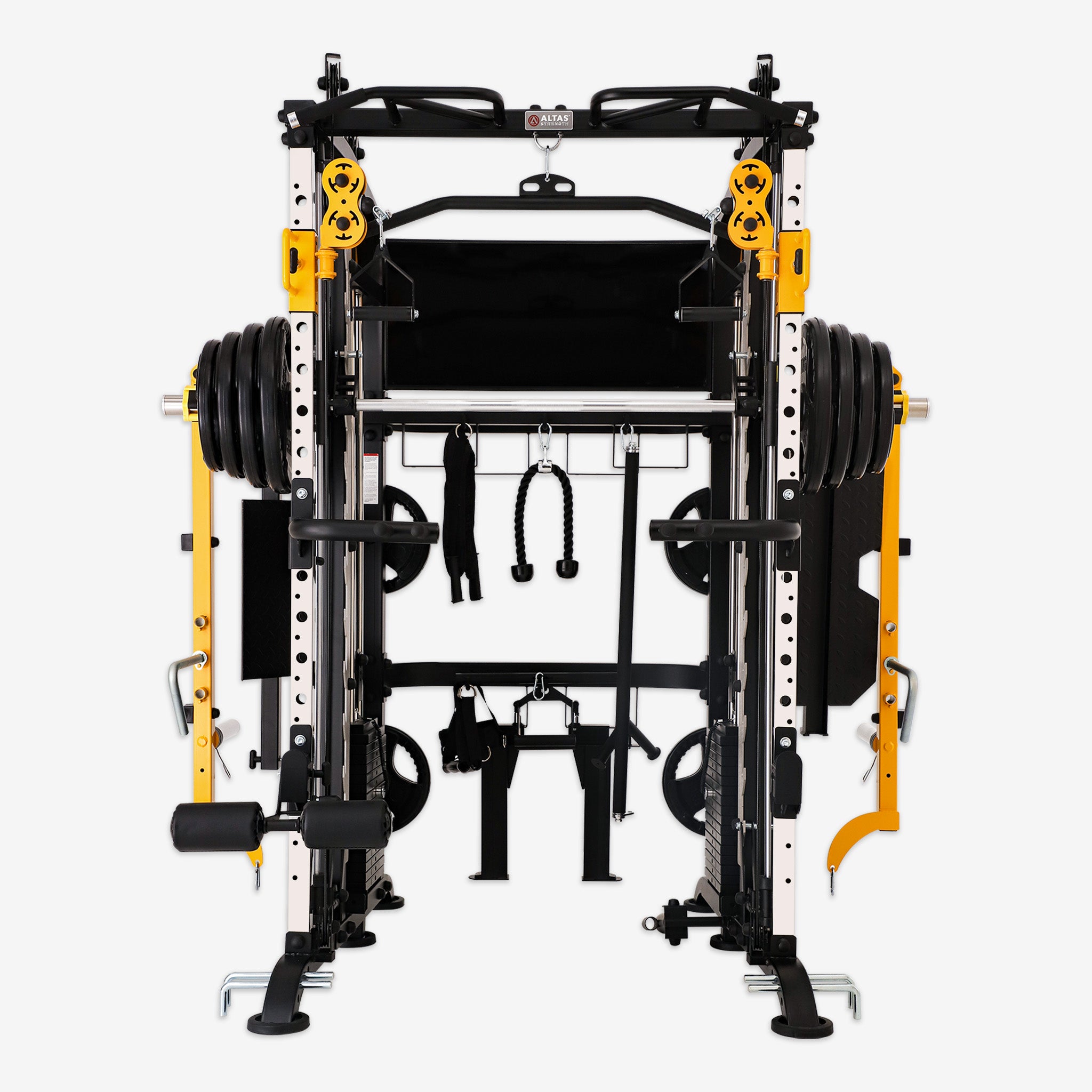
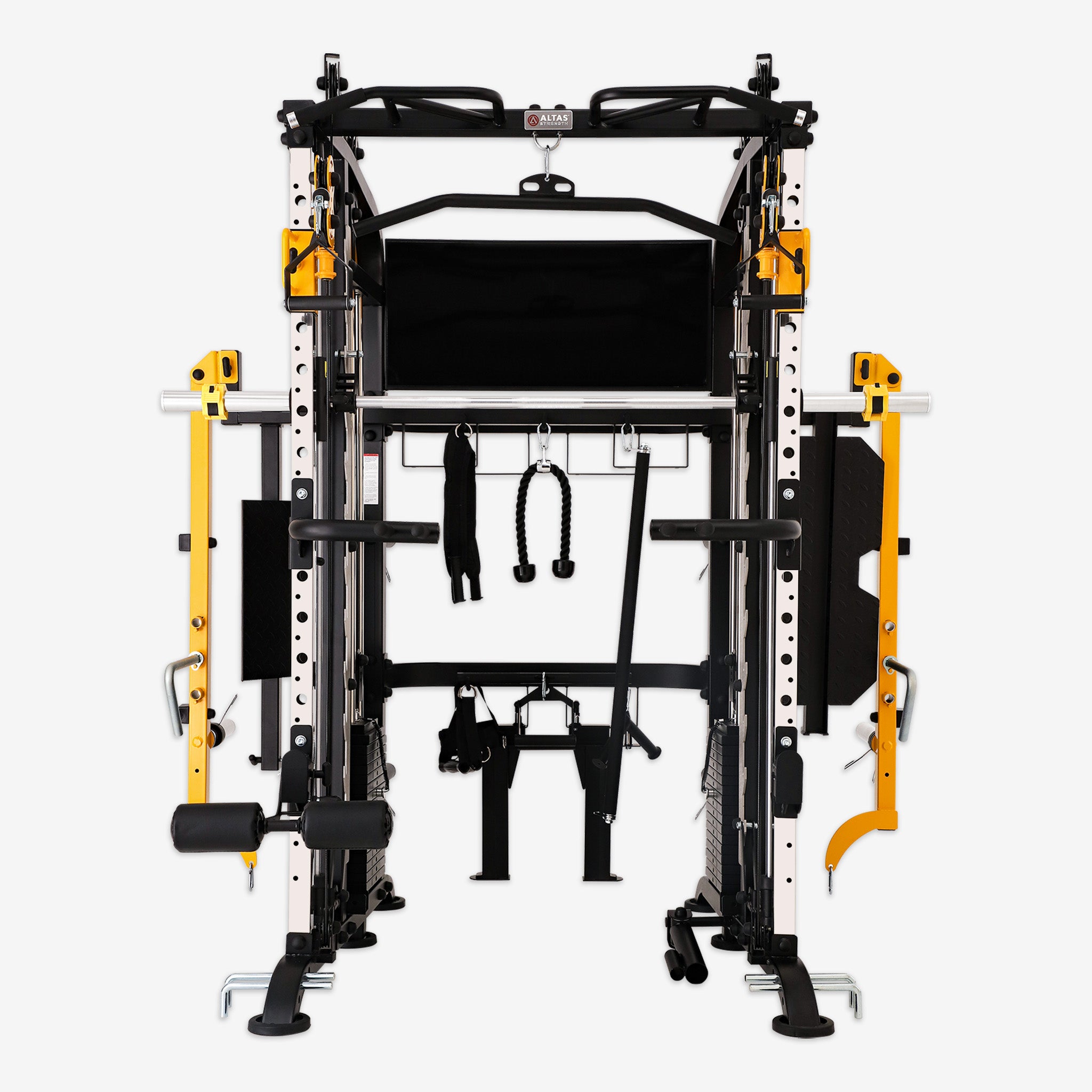
Pair with complementary equipment: Adjustable benches, squat racks, or Smith machines can provide support for accessory exercises
A deadlift bar set combined with safe lifting practices ensures maximal strength gains with minimal injury risk.
Complementary Training Strategies
A well-rounded home gym setup can combine a deadlift bar set with other equipment to optimize strength and isolation work.
-
Strength Building Phase: Use the deadlift bar set for foundational lifts like conventional deadlifts, Romanian deadlifts, and barbell rows
-
Isolation and Safety Training: Use a squat rack, adjustable bench, or Smith machine for accessory movements like squats, presses, or rack pulls
-
Progressive Overload: Gradually increase weight or reps while maintaining proper form for consistent strength gains
This approach ensures full-body development, coordination, and functional strength while keeping training safe.
Conclusion: Who Should Invest in a Deadlifting Bar Set
-
Beginners and Functional Training Enthusiasts: Start with a hexagonal barbell to develop safe lifting mechanics and build a strong foundation
-
Experienced Strength Athletes: Use a straight bar to maximize load and power output
-
Home Gym Owners: A deadlifting bar set is an essential core tool that complements other equipment for full-body training
Together with proper safety measures, a deadlift bar set is the cornerstone of any serious strength training program.