Introduction: The Evolution of the Decline Weight Bench
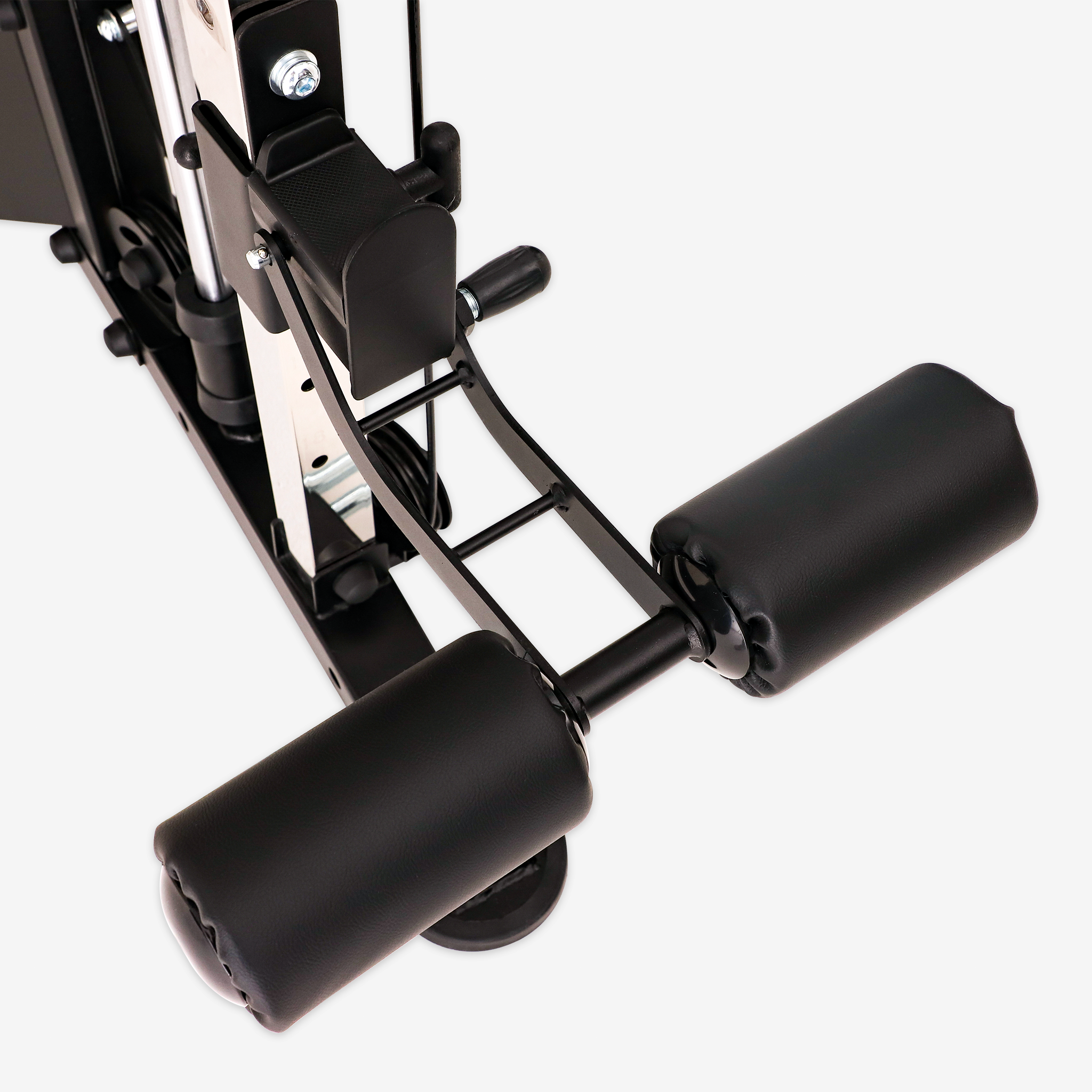
In modern strength training, the decline weight bench with back extension has evolved from a simple bench press platform into a multi-functional training solution. Designed to support decline pressing movements while incorporating back extension capability, this bench offers a unique combination of upper-body strength, core stability, and lower-back conditioning.
For both home gyms and commercial facilities, this type of bench delivers exceptional versatility without increasing floor space or equipment cost.
Core Advantages: Stability, Safety, and Training Freedom
A decline weight bench with back extension addresses two major concerns in strength training: exercise safety and functional range of motion.
Secure Body Positioning
The decline angle naturally stabilizes the body during pressing movements by:
-
Reducing shoulder joint stress
-
Limiting excessive elbow flare
-
Providing strong foot anchoring
This makes decline bench exercises safer and more controlled, especially when lifting heavier loads.
Training Without a Spotter
When used with dumbbells, racks, or guided systems, a decline bench allows lifters to:
-
Train confidently alone
-
Control movement depth
-
Maintain consistent form
This added security encourages progressive overload and consistent strength gains.
Decline Bench Angle: The “Golden Zone” for Chest Development
The decline position offers unique biomechanical benefits for chest and shoulder training.
Enhanced Chest Activation
Decline pressing movements emphasize:
-
The lower and mid portions of the pectoralis major
-
Greater chest fiber engagement with reduced shoulder dominance
This makes decline bench exercises ideal for:
-
Improving chest thickness
-
Enhancing muscle separation
-
Reducing shoulder fatigue compared to flat or incline presses
Shoulder-Friendly Pressing
Because the decline angle limits shoulder elevation, it can be more comfortable for lifters with:
-
Shoulder sensitivity
-
Limited overhead mobility
Back Extension Function: Strengthening the Posterior Chain
What sets this bench apart is its integrated back extension functionality, transforming it from a chest-focused bench into a posterior-chain training station.
Lower Back and Core Strength
Back extensions performed on a decline bench effectively activate:
-
Erector spinae
-
Glute muscles
-
Deep core stabilizers
This strengthens the muscles responsible for spinal support and load transfer.
Posture and Injury Prevention
Regular back extension training helps:
-
Improve posture
-
Reduce lower-back fatigue
-
Enhance spinal stability during daily activities and compound lifts
Strong lower-back muscles play a critical role in injury prevention, especially for athletes and strength trainees.
Multi-Functional Efficiency: One Bench, Multiple Training Goals
A decline weight bench with back extension is not limited to one exercise category.
With proper adjustment, it supports:
-
Decline bench presses
-
Dumbbell flyes
-
Core exercises
-
Back extensions
-
Bodyweight posterior-chain work
This dual-purpose design maximizes training efficiency and makes it a smart choice for compact gyms and home setups.
Who Is This Bench Best For?
-
Strength trainees seeking safer heavy chest training
-
Home gym users who want multi-function equipment
-
Athletes focused on posterior-chain development
-
Rehabilitation and posture-focused users needing controlled back training
Its versatility makes it suitable for beginners, intermediate lifters, and advanced athletes alike.
Conclusion: Why a Decline Weight Bench with Back Extension Is Worth It
The decline weight bench with back extension is far more than a specialty bench—it is a complete upper- and lower-back training solution. By combining:
-
Chest-focused decline pressing
-
Lower-back and core strengthening
-
Stable and joint-friendly positioning
…it delivers outstanding value in both performance and space efficiency.
If you are looking for a bench that supports chest growth, improves posture, and strengthens the lower back, this is one of the most practical and effective investments you can make for your training setup.