Introduction
A hamstring and quad machine is one of the most effective pieces of strength equipment for building balanced lower-body muscles. While compound exercises like squats, lunges, and deadlifts develop overall strength, they don't always provide enough direct work for the quadriceps and hamstrings. Muscle imbalances between the front and back of your thighs can reduce athletic performance, increase injury risk, and slow progress in major lifts.
A dual-function hamstring and quad machine solves this problem by combining leg extensions and leg curls into one compact station. Whether you're building a home gym, upgrading a commercial facility, or recovering from injury, this machine provides controlled, isolated training for complete leg development.
In this guide, you'll learn how a hamstring and quad machine works, its benefits, proper exercise technique, buying considerations, and the best workout routines for every fitness level.
What Is a Hamstring and Quad Machine?
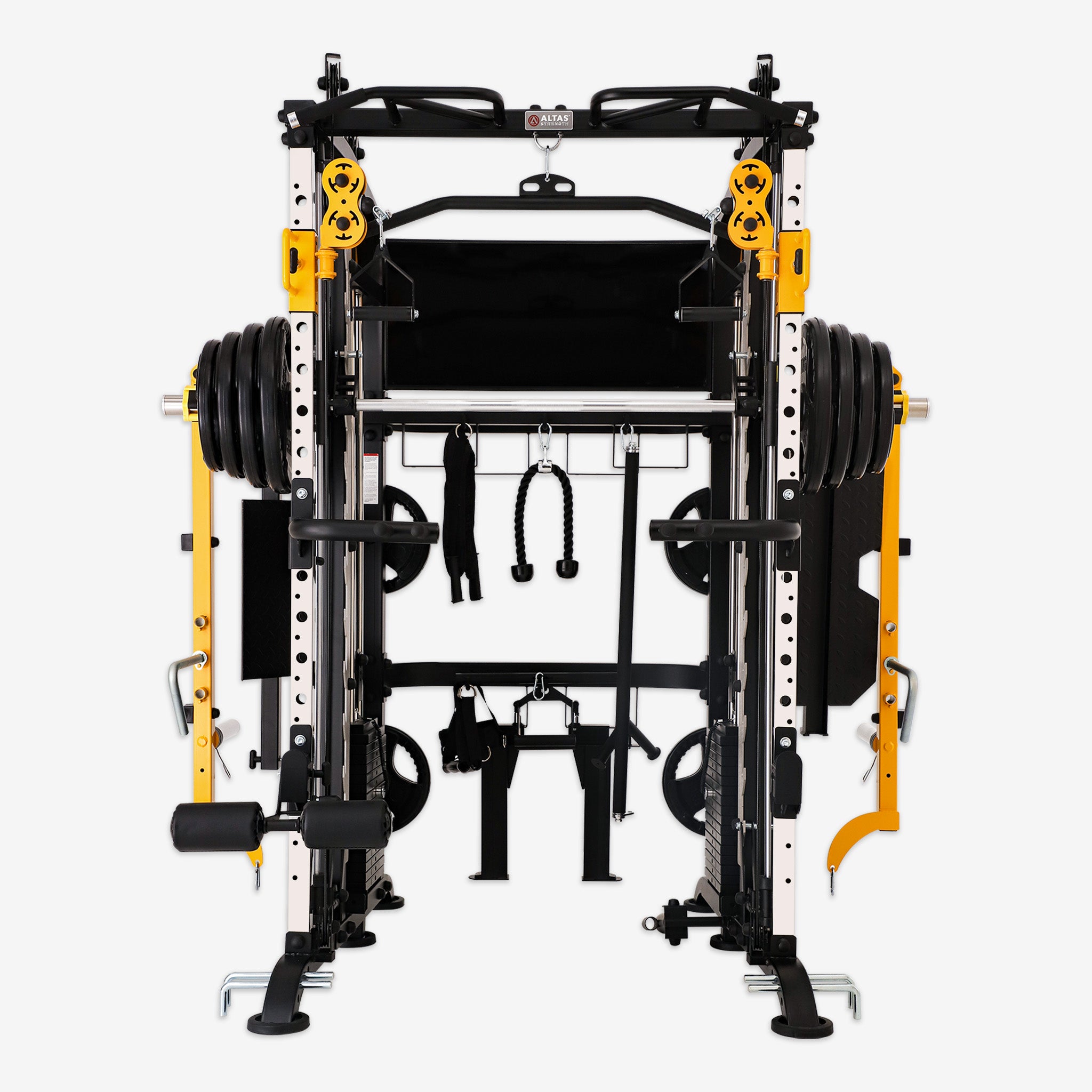
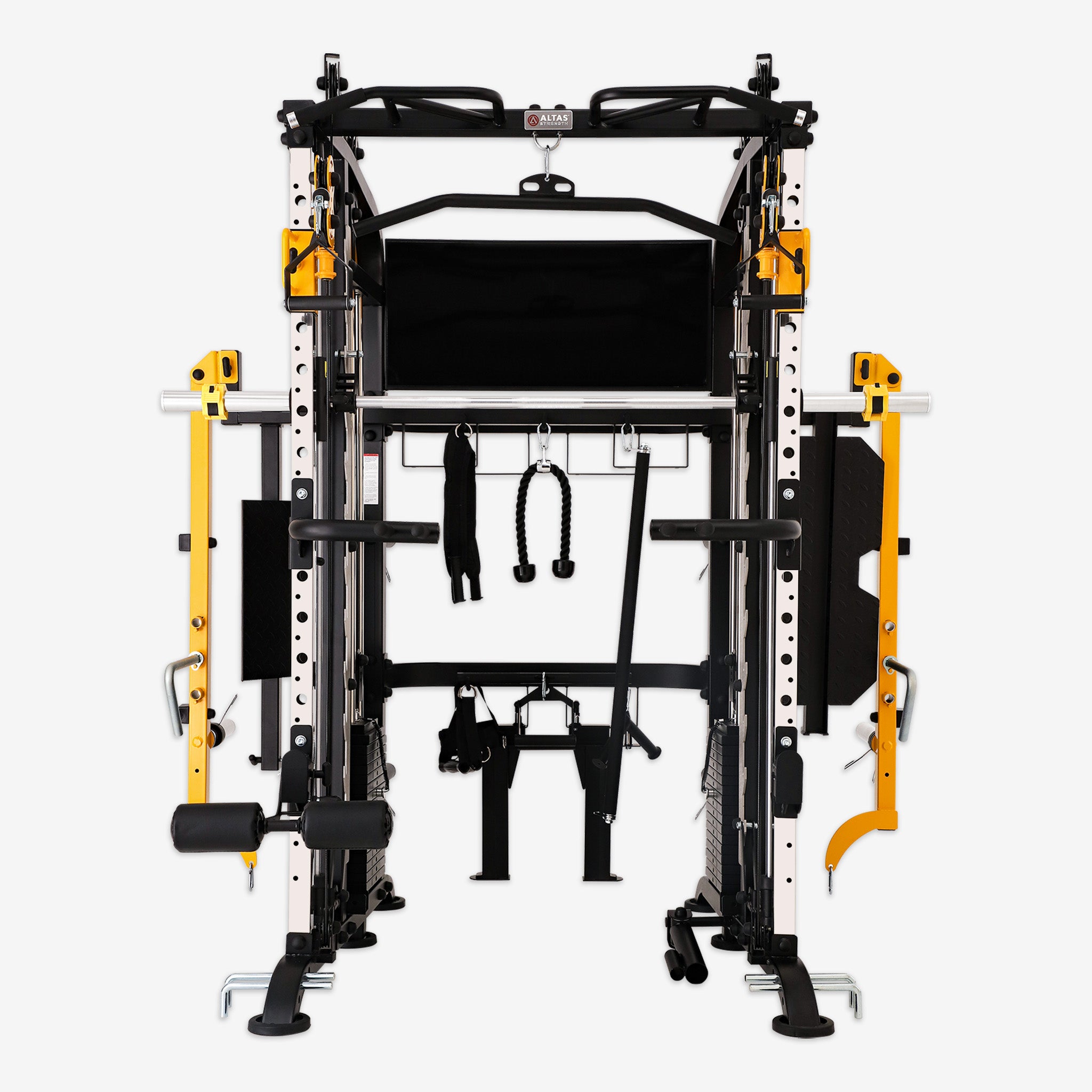
A hamstring and quad machine is a dual-function strength machine designed to isolate both major thigh muscle groups.
It combines:
- Leg Extension — targets the quadriceps
- Leg Curl — targets the hamstrings
Instead of purchasing two separate machines, users can perform both movements using one adjustable unit.
Unlike free-weight exercises, the machine stabilizes the hips, torso, and knees throughout each repetition, allowing users to concentrate entirely on muscle contraction instead of balance.
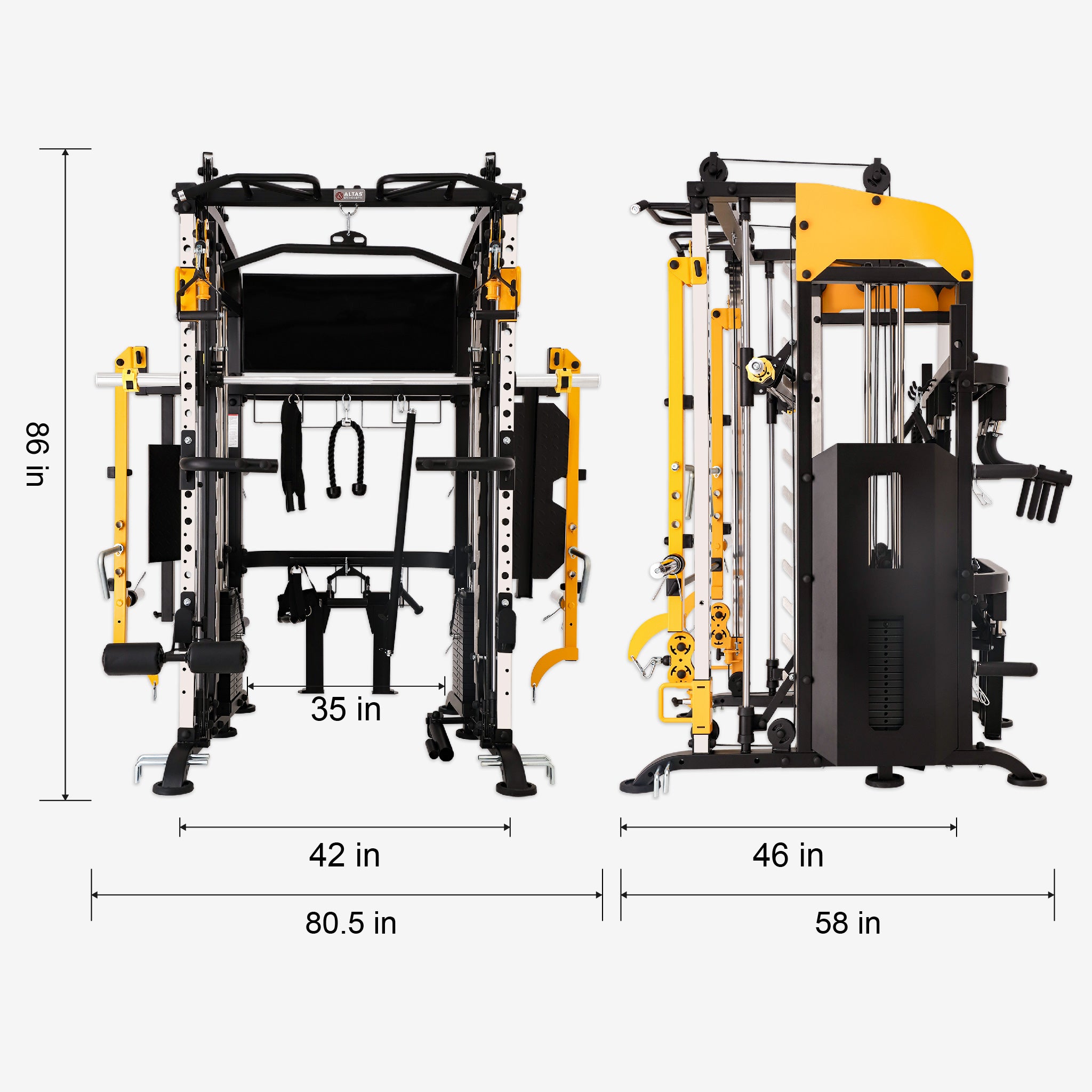
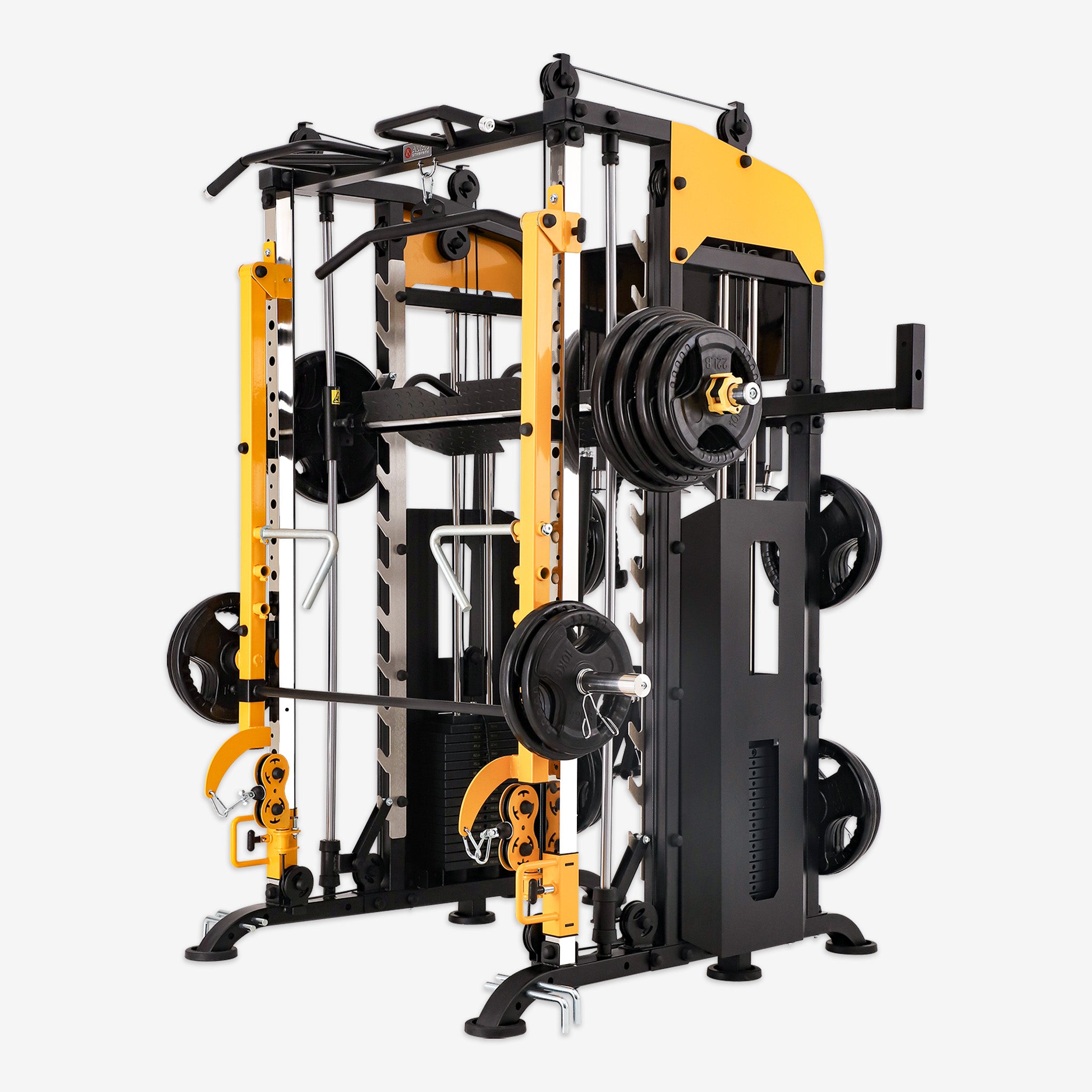
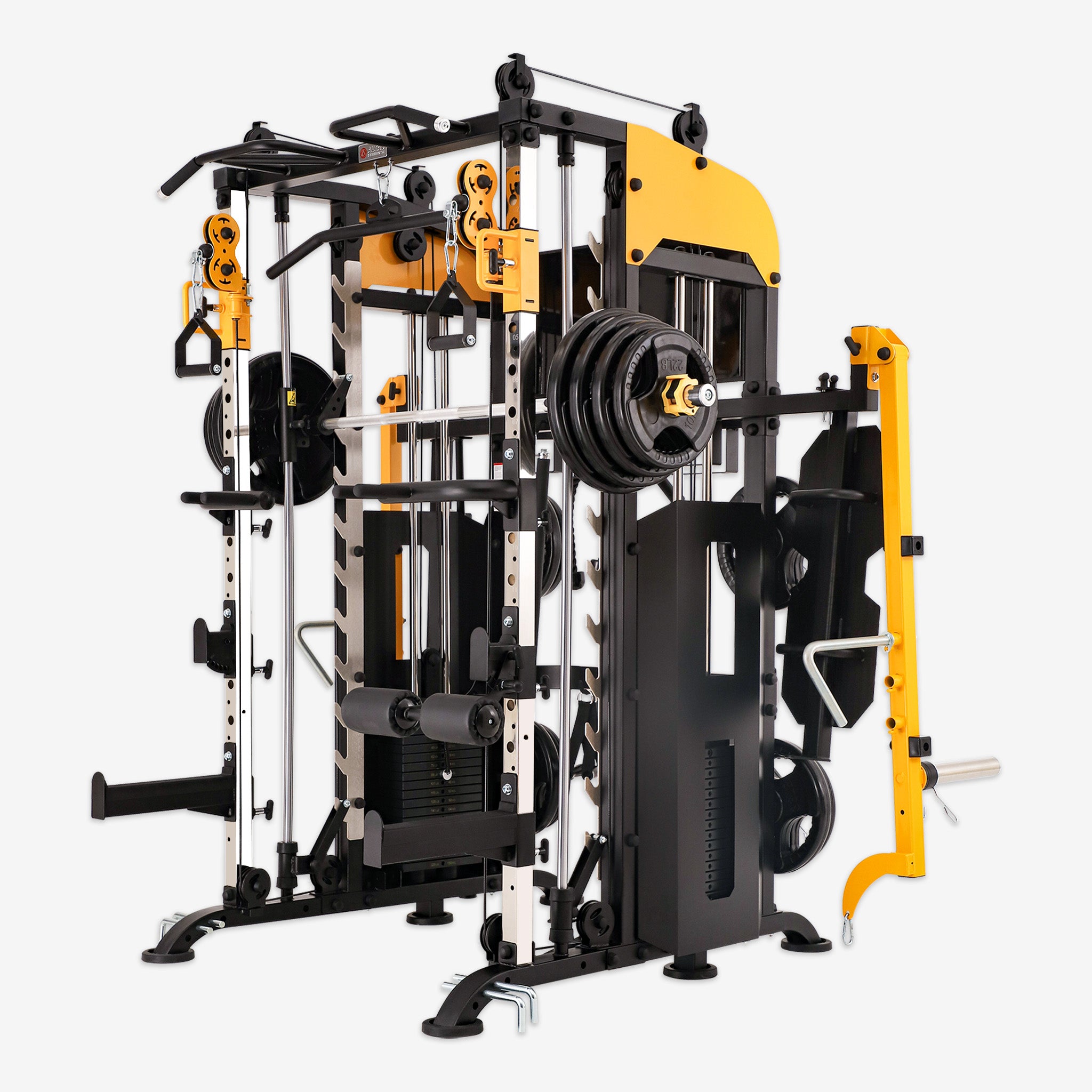
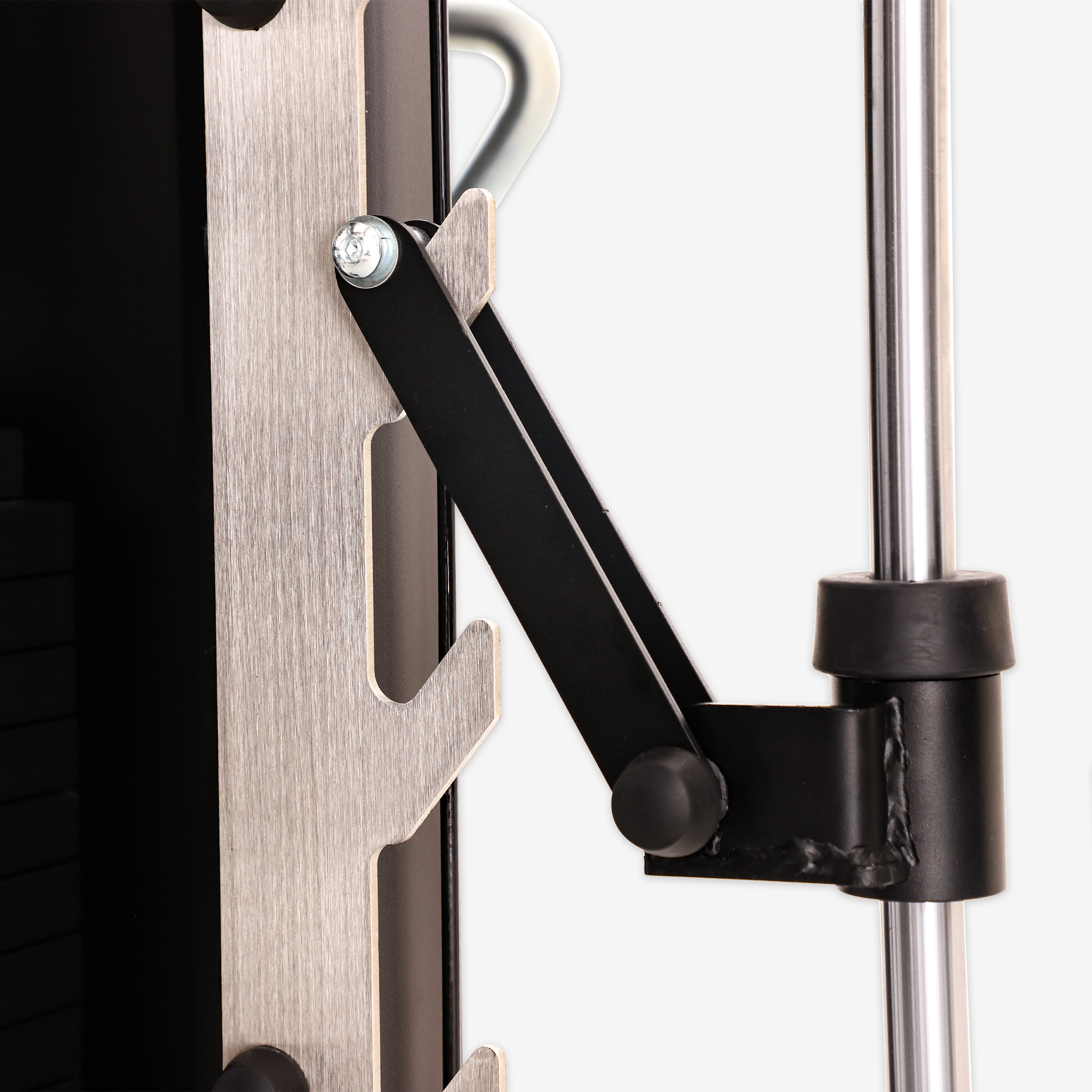
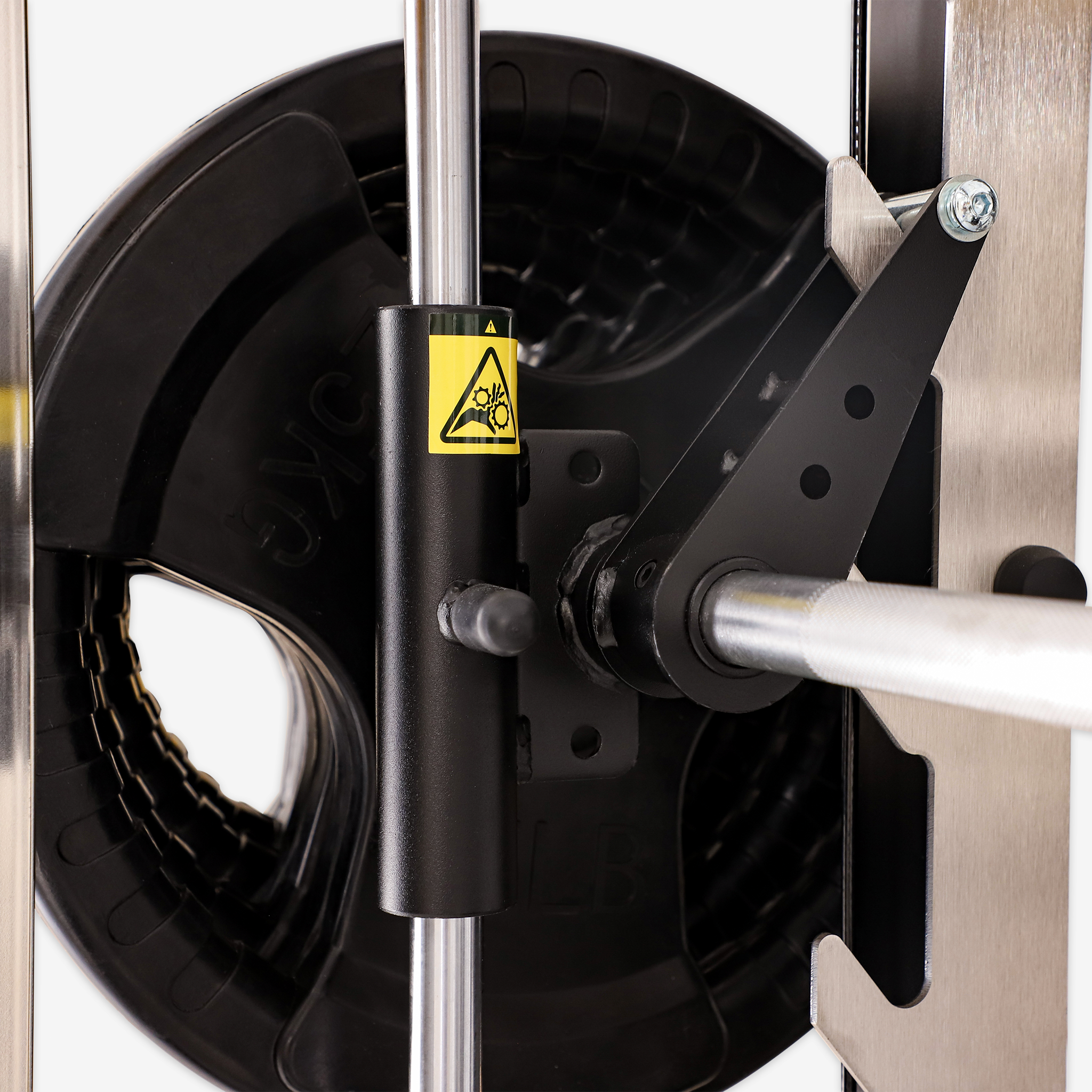
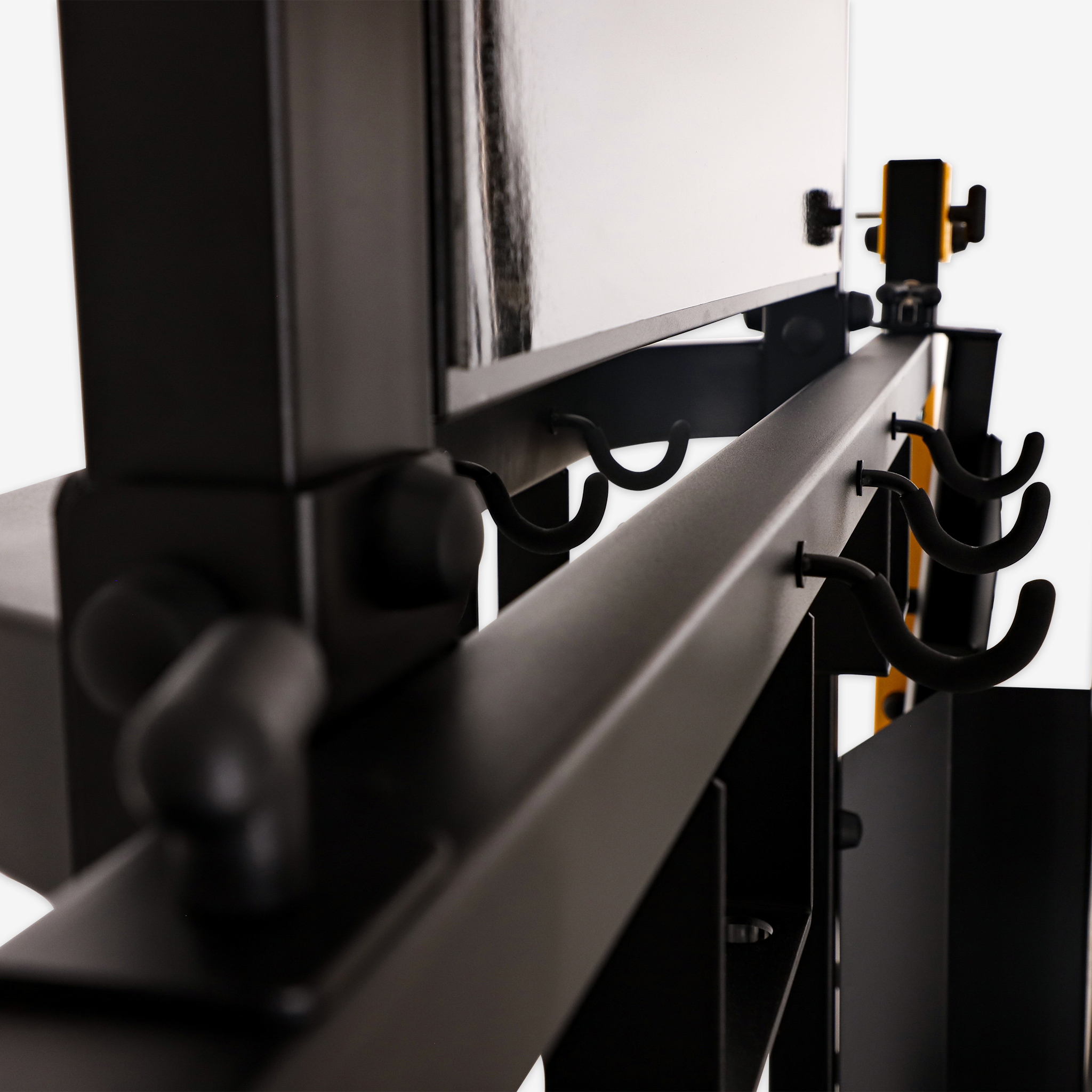
Most modern machines include:
- Adjustable seat position
- Multiple backrest settings
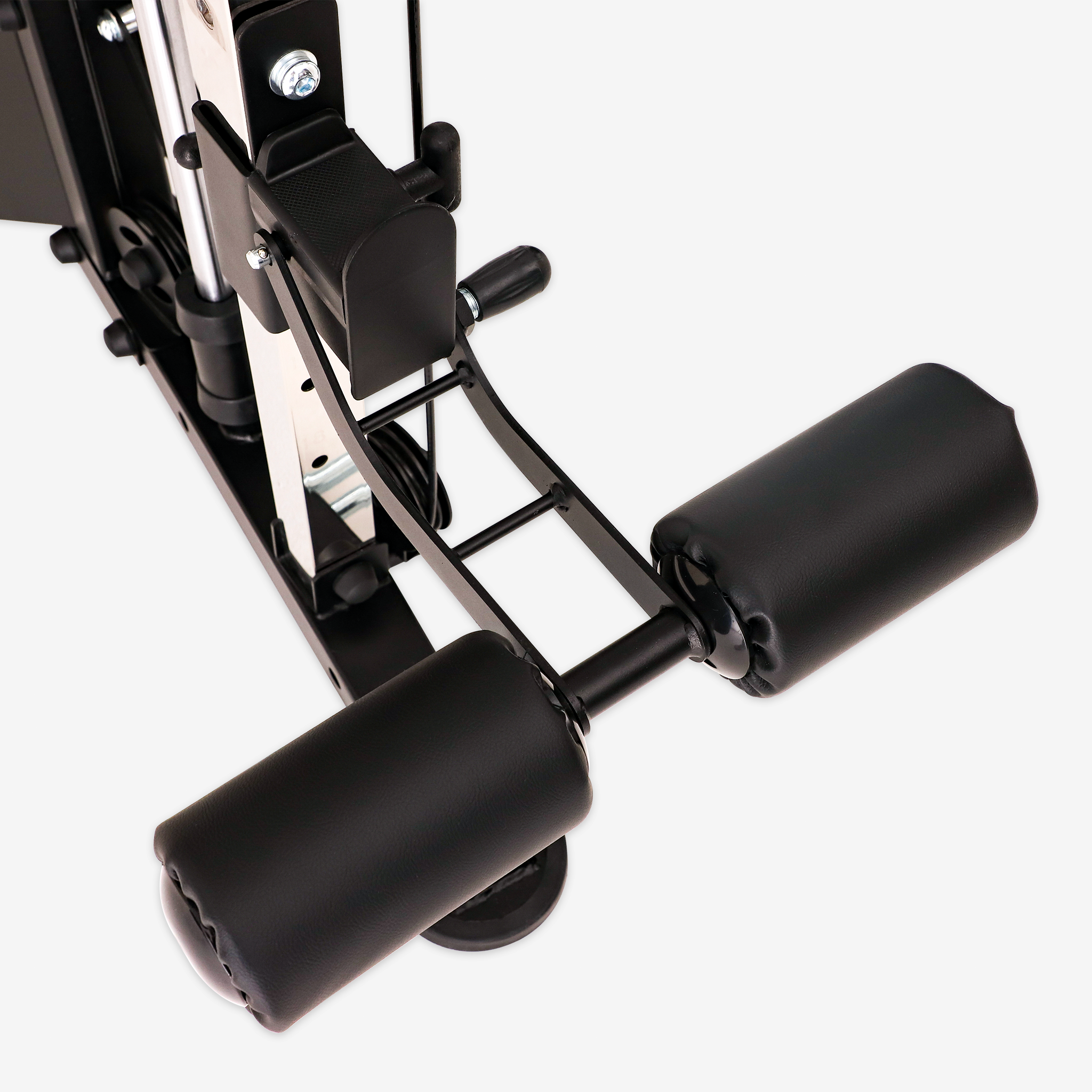
- Adjustable roller pads
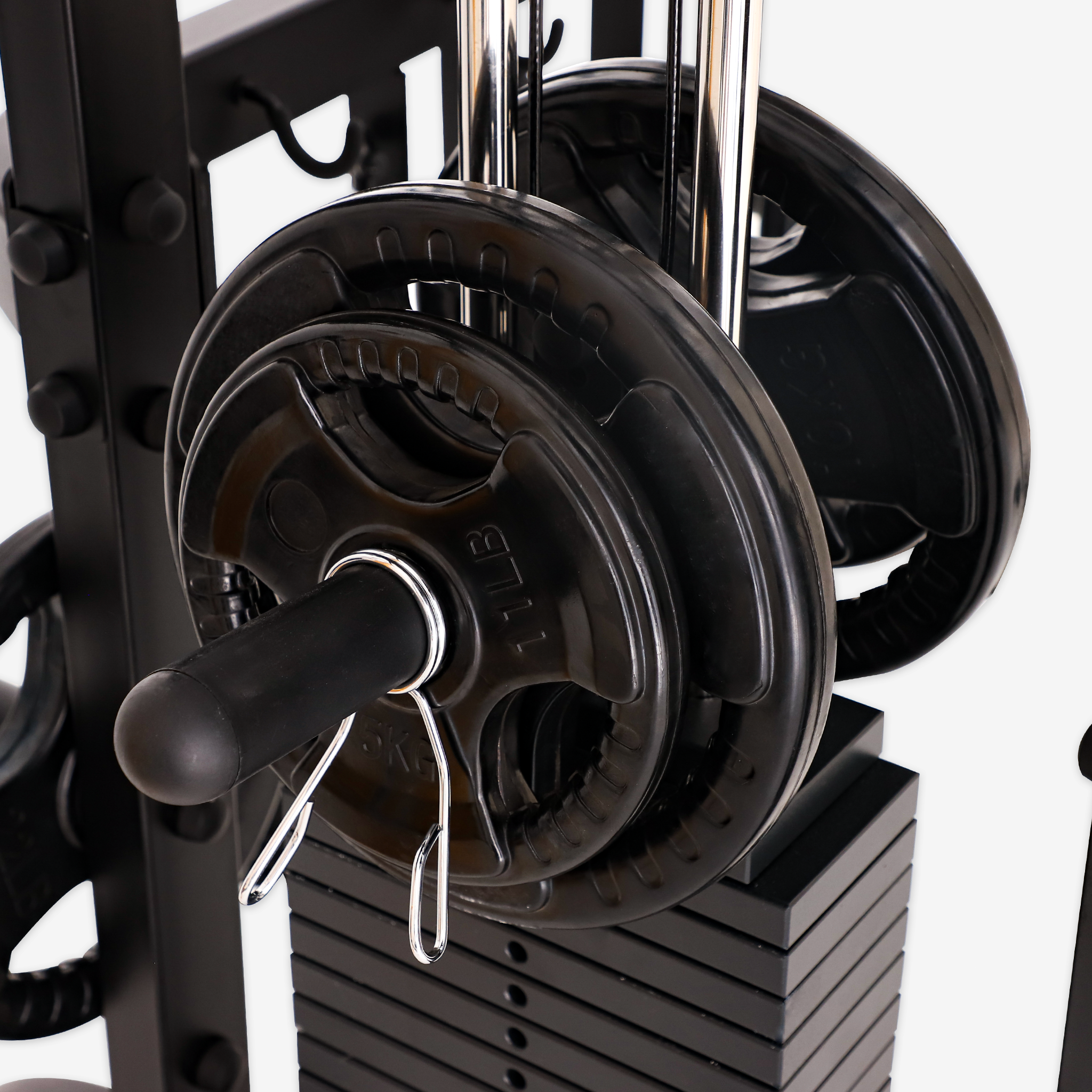
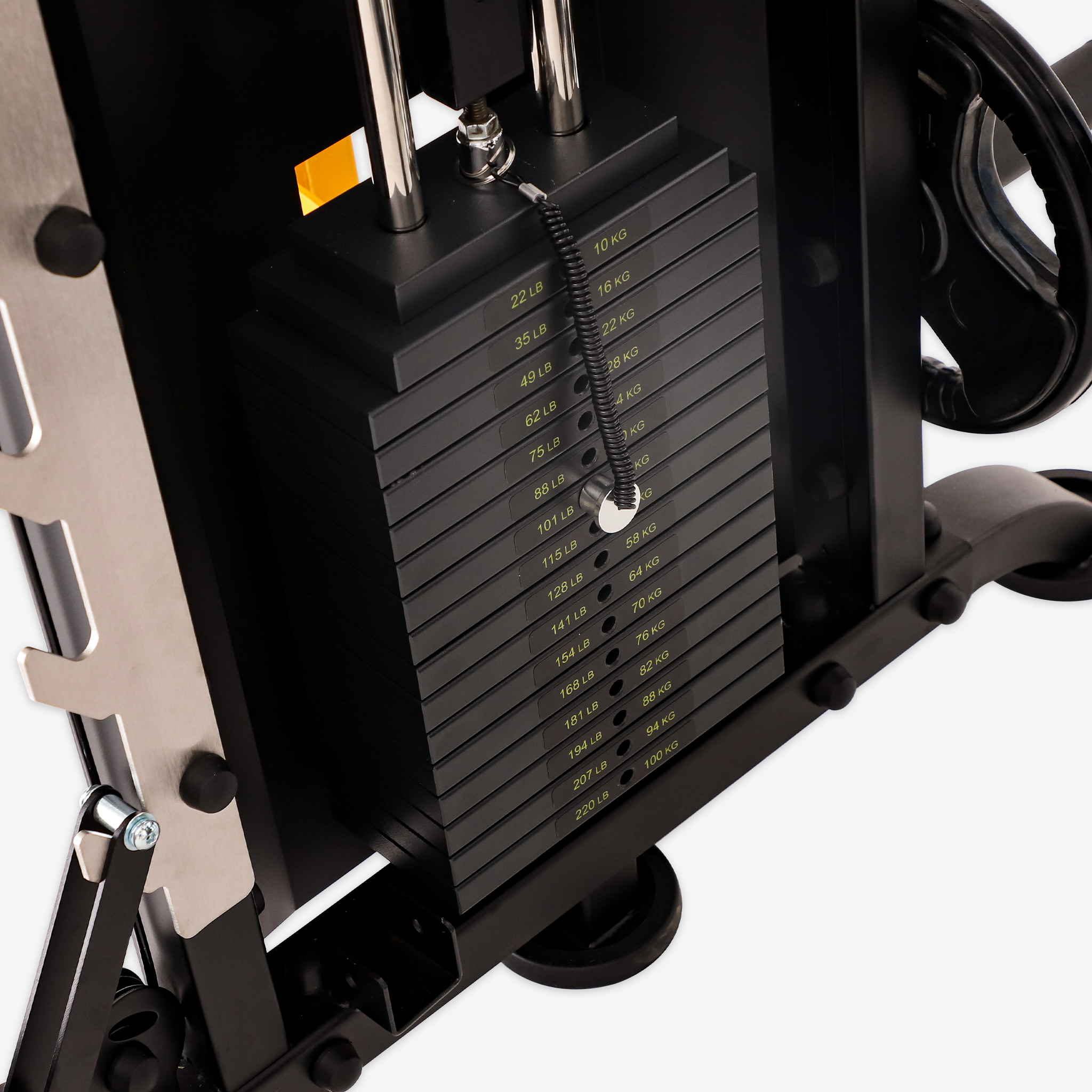
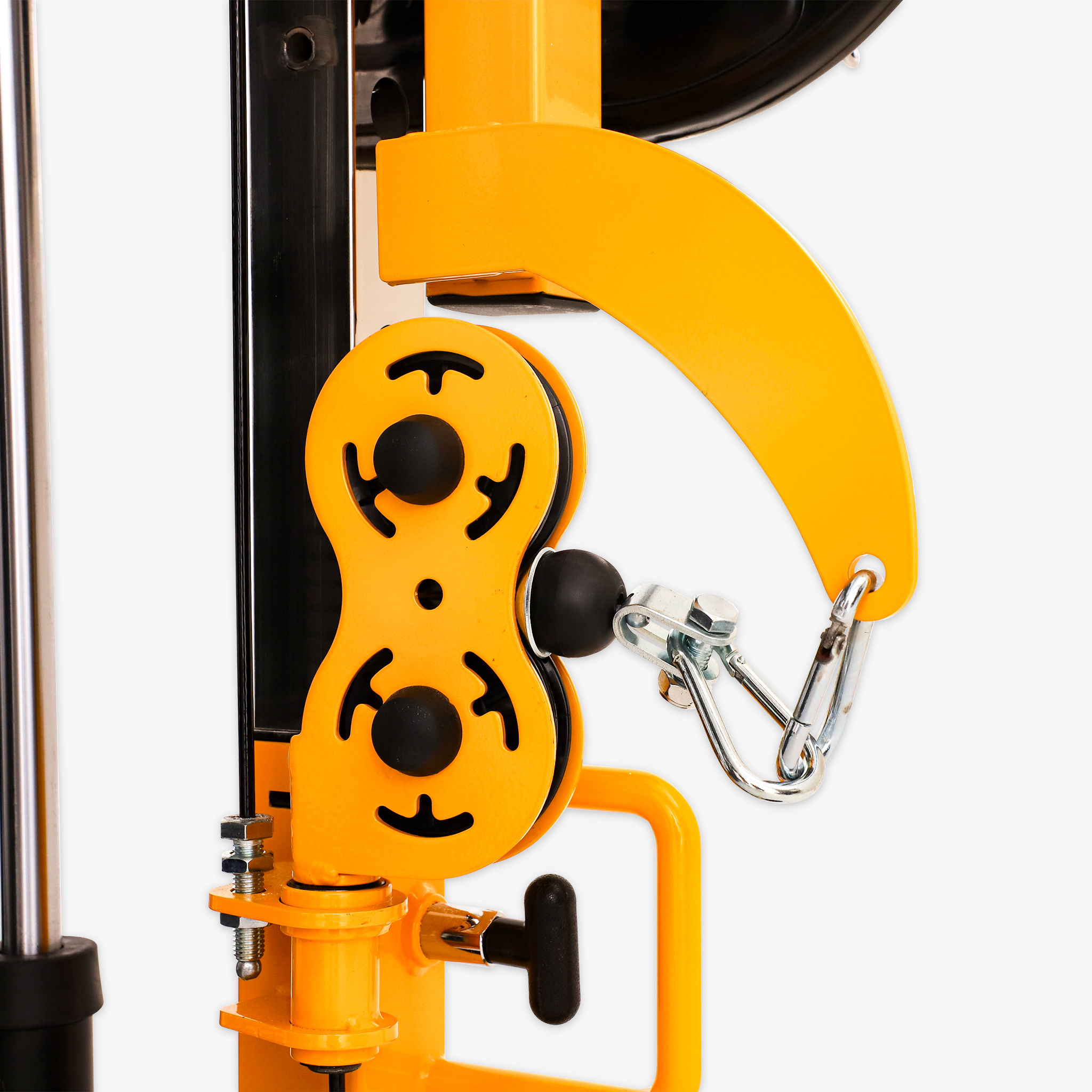
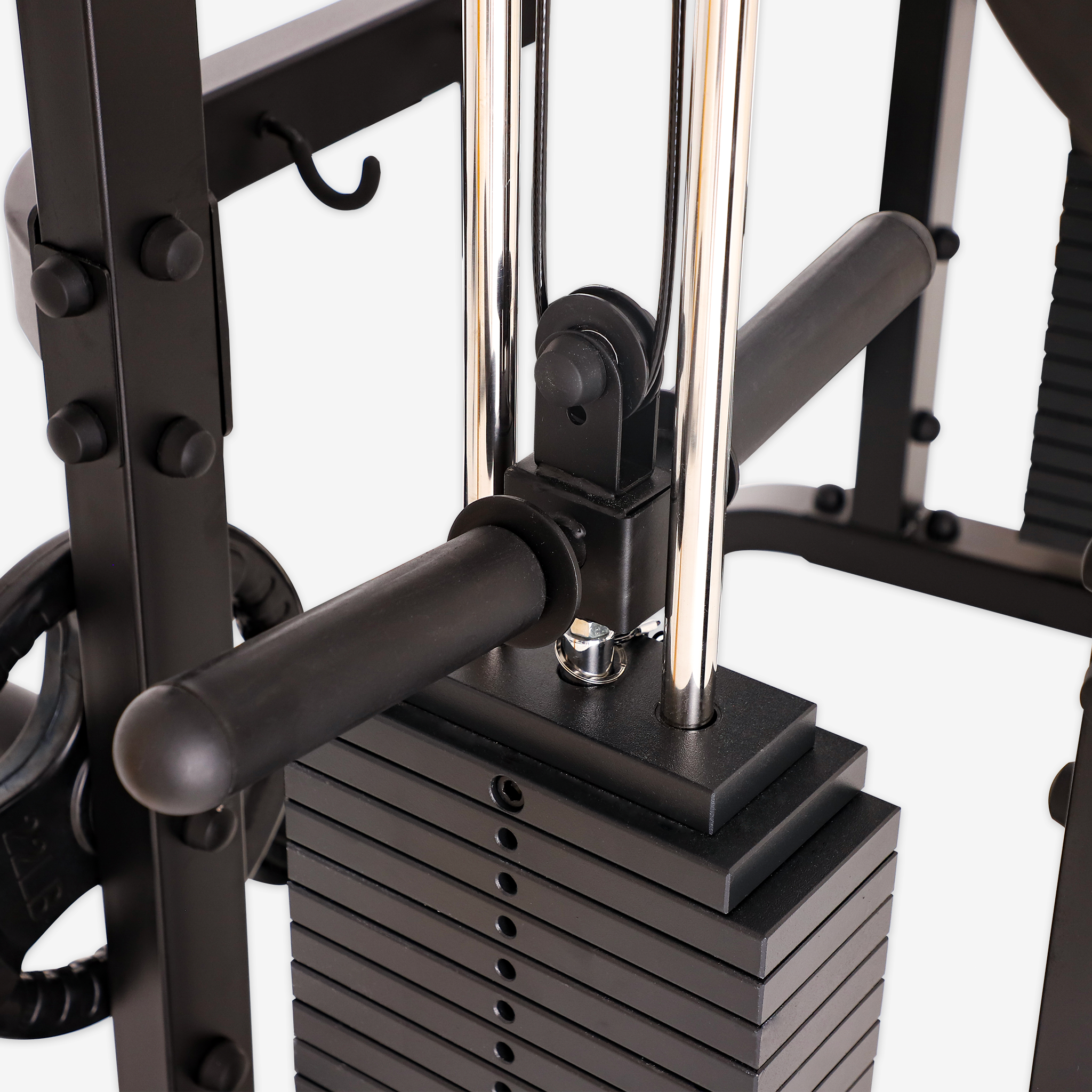
- Smooth weight stack or plate-loaded resistance
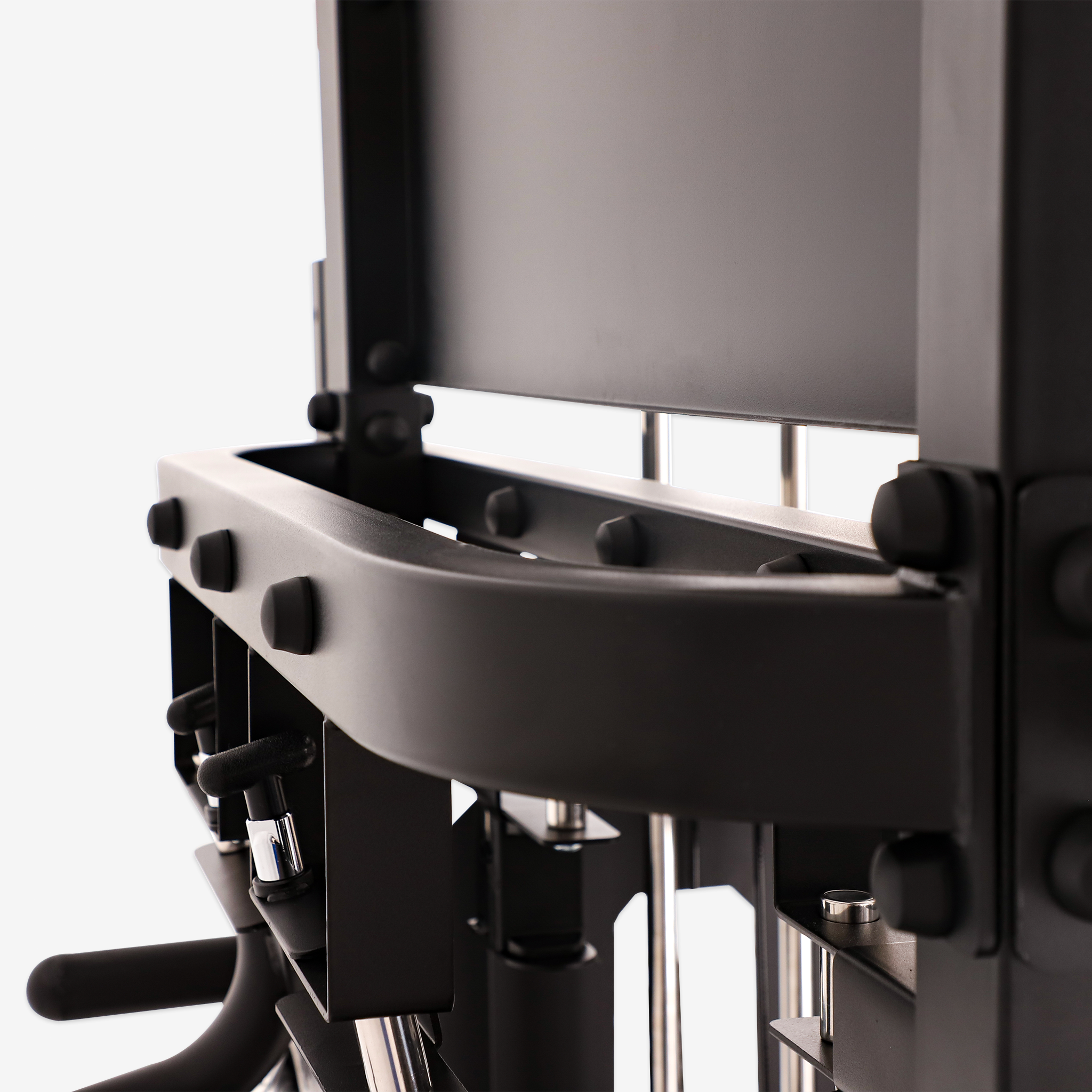
- Heavy-duty steel construction
- Ergonomic knee alignment
This combination makes the hamstring and quad machine suitable for beginners, rehabilitation patients, athletes, and experienced lifters alike.
Benefits of a Hamstring and Quad Machine
1. Balanced Leg Development
Many lifters develop stronger quadriceps while neglecting their hamstrings.
Weak hamstrings may contribute to:
- Knee instability
- Lower back tightness
- Poor athletic performance
- Increased injury risk
Training both muscle groups on a hamstring and quad machine helps create balanced strength throughout the legs.
2. Better Knee Support
The quadriceps and hamstrings work together to stabilize the knee joint.
Strengthening both muscles improves:
- Joint stability
- Walking mechanics
- Running performance
- Jumping power
- Change-of-direction movements
This makes the machine valuable for athletes and active adults.
3. Excellent Muscle Isolation
Unlike squats, where several muscle groups work together, a hamstring and quad machine isolates individual muscles.
Benefits include:
- Better mind-muscle connection
- Greater muscle activation
- Improved hypertrophy
- More consistent progressive overload
Isolation exercises are especially useful for correcting weak muscle groups.
4. Lower Spinal Stress
Heavy squats and deadlifts place significant compressive forces on the spine.
Because the hamstring and quad machine supports your torso, it minimizes spinal loading while still providing challenging resistance.
It's an excellent accessory for:
- Older adults
- Beginners
- People recovering from lower-back discomfort
- Deload weeks
5. Space-Efficient Home Gym Equipment
Instead of buying separate machines, a dual-function hamstring and quad machine combines both exercises into one footprint.
Ideal for:
- Home gyms
- Garage gyms
- Apartment fitness rooms
- Small training studios
6. Improves Athletic Performance
Stronger quadriceps and hamstrings contribute to:
- Faster sprinting
- Higher vertical jumps
- Better cycling power
- Improved skating
- Stronger squats
- More powerful deadlifts
Athletes often use leg extensions and leg curls as accessory movements to improve overall lower-body performance.
Muscles Worked
A hamstring and quad machine primarily trains:
Primary Muscles
- Quadriceps
- Hamstrings
Secondary Muscles
- Glutes
- Hip stabilizers
- Calves (minor involvement)
- Core stabilizers
Proper Leg Extension Form
Step 1
Adjust the seat so your knees align with the machine's pivot point.
Step 2
Position the roller pad just above your ankles.
Step 3
Keep your back firmly against the pad.
Step 4
Brace your core.
Step 5
Extend your legs smoothly until almost straight.
Avoid locking the knees.
Step 6
Pause briefly while squeezing the quadriceps.
Step 7
Lower the weight slowly over 2–3 seconds.
Proper Hamstring Curl Form
Step 1
Adjust the machine for seated or prone curls.
Step 2
Position the roller pad comfortably behind your ankles.
Step 3
Keep hips stable throughout the movement.
Step 4
Curl your heels toward your glutes.
Step 5
Pause briefly at peak contraction.
Step 6
Lower the weight slowly under control.
Avoid using momentum.
Common Mistakes
Using Too Much Weight
Heavy loads often cause:
- Swinging
- Partial reps
- Poor muscle activation
Always prioritize controlled movement.
Locking Out the Knees
Hyperextending the knees reduces muscle tension and increases joint stress.
Maintain a slight bend at full extension.
Short Range of Motion
Stopping halfway limits muscle development.
Use a full, controlled range whenever comfortable.
Moving Too Fast
Momentum decreases muscle engagement.
Slow repetitions create better hypertrophy.
Poor Machine Setup
Incorrect seat or roller adjustment places unnecessary stress on the knees.
Always adjust the machine before training.
Beginner Workout
Perform twice each week.
Leg Extension
3 sets × 15 reps
Hamstring Curl
3 sets × 15 reps
Rest 60–90 seconds between sets.
Focus on perfect technique.
Intermediate Workout
Leg Extension
4 sets × 12 reps
Hamstring Curl
4 sets × 12 reps
Add:
- 1-second squeeze
- Slow eccentric lowering
Advanced Workout
Heavy Leg Extensions
4 sets × 8–10 reps
Heavy Hamstring Curls
4 sets × 8–10 reps
Finish with one drop set on each exercise.
How to Choose the Best Hamstring and Quad Machine
Look for these features:
Heavy Steel Construction
A rigid frame minimizes movement during heavy lifting.
Smooth Resistance
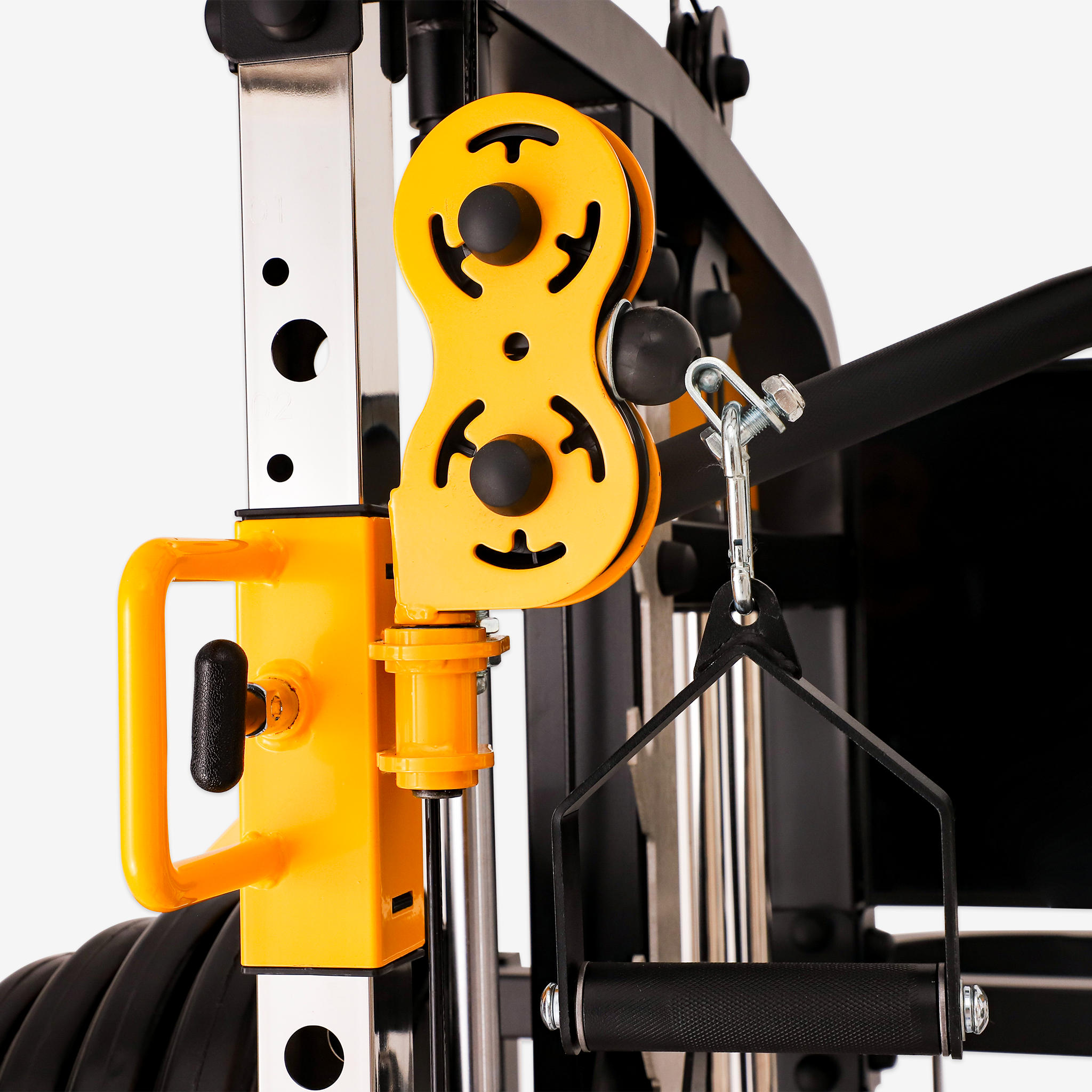
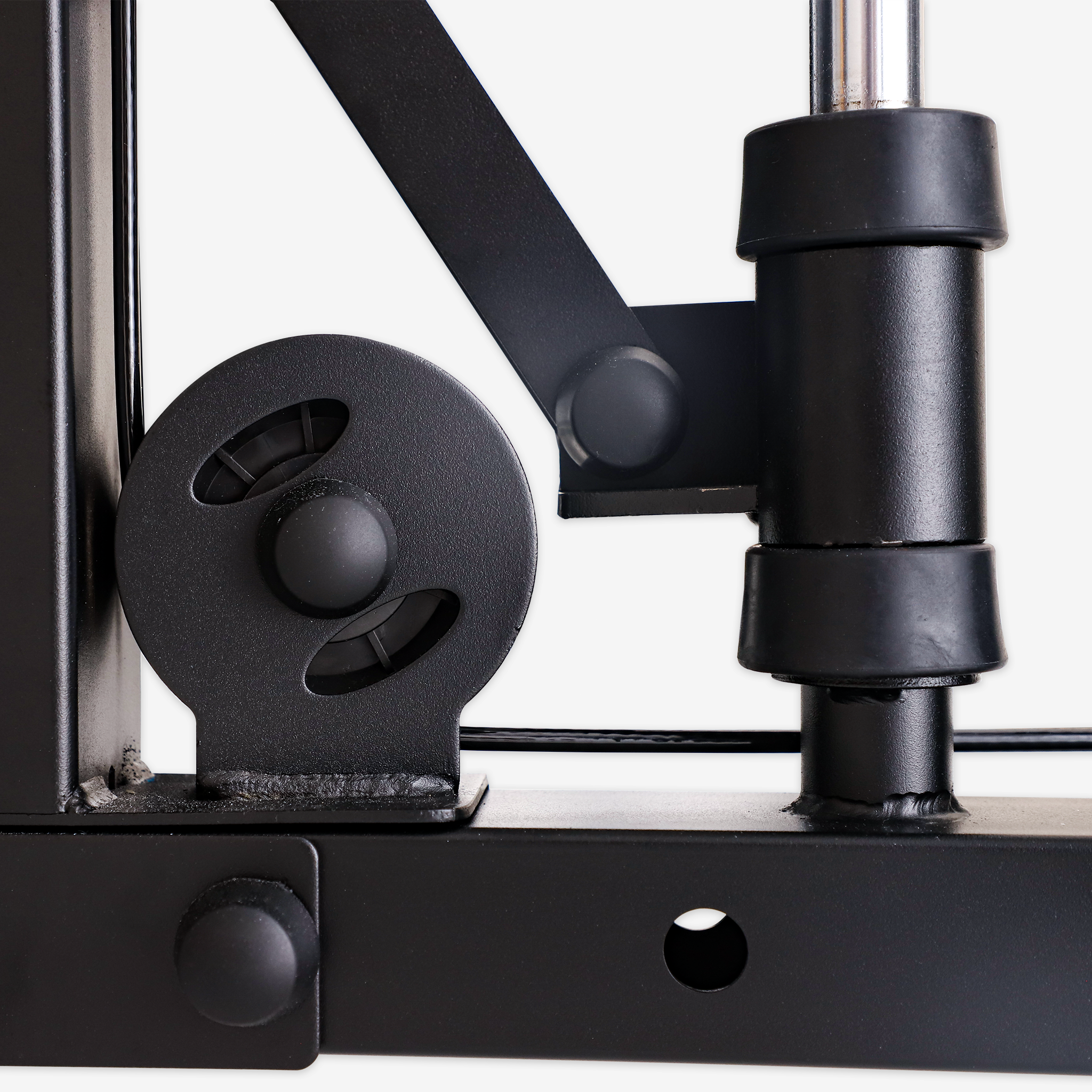
Quality bearings and pulleys create fluid movement throughout every repetition.
Fully Adjustable Design
Choose machines with adjustable:
- Seat depth
- Backrest
- Roller pads
- Pivot alignment
Proper adjustment improves comfort and safety.
Comfortable Padding
High-density foam supports longer workouts while maintaining proper positioning.
High Weight Capacity
Select a machine that supports your long-term strength goals.
Commercial-grade models typically offer greater durability.
Who Should Buy a Hamstring and Quad Machine?
A hamstring and quad machine is ideal for:
- Home gym owners
- Beginners
- Older adults
- Athletes
- Bodybuilders
- Personal trainers
- Rehabilitation programs
- Strength coaches
- Commercial fitness centers
Frequently Asked Questions
Is a hamstring and quad machine good for beginners?
Yes. The guided movement helps beginners learn proper muscle activation while reducing balance demands.
Can it replace squats?
No. It complements compound exercises by isolating muscles that squats may not fully target.
Should I do leg extensions or hamstring curls first?
Either order works. Many lifters alternate exercises or prioritize whichever muscle group needs more development.
How often should I use it?
Two to three sessions per week is sufficient for most training programs, allowing adequate recovery.
Is it suitable for home gyms?
Yes. Dual-function machines save space while providing two essential leg exercises in one compact unit.
Final Thoughts
A hamstring and quad machine is one of the most practical investments for building stronger, healthier legs. By combining leg extensions and hamstring curls into one machine, it delivers balanced muscle development, improves knee stability, enhances athletic performance, and supports safer training with minimal spinal stress.
Whether your goal is muscle growth, strength, rehabilitation, or improved sports performance, adding a hamstring and quad machine to your routine helps eliminate muscular imbalances and creates a stronger foundation for every lower-body exercise.