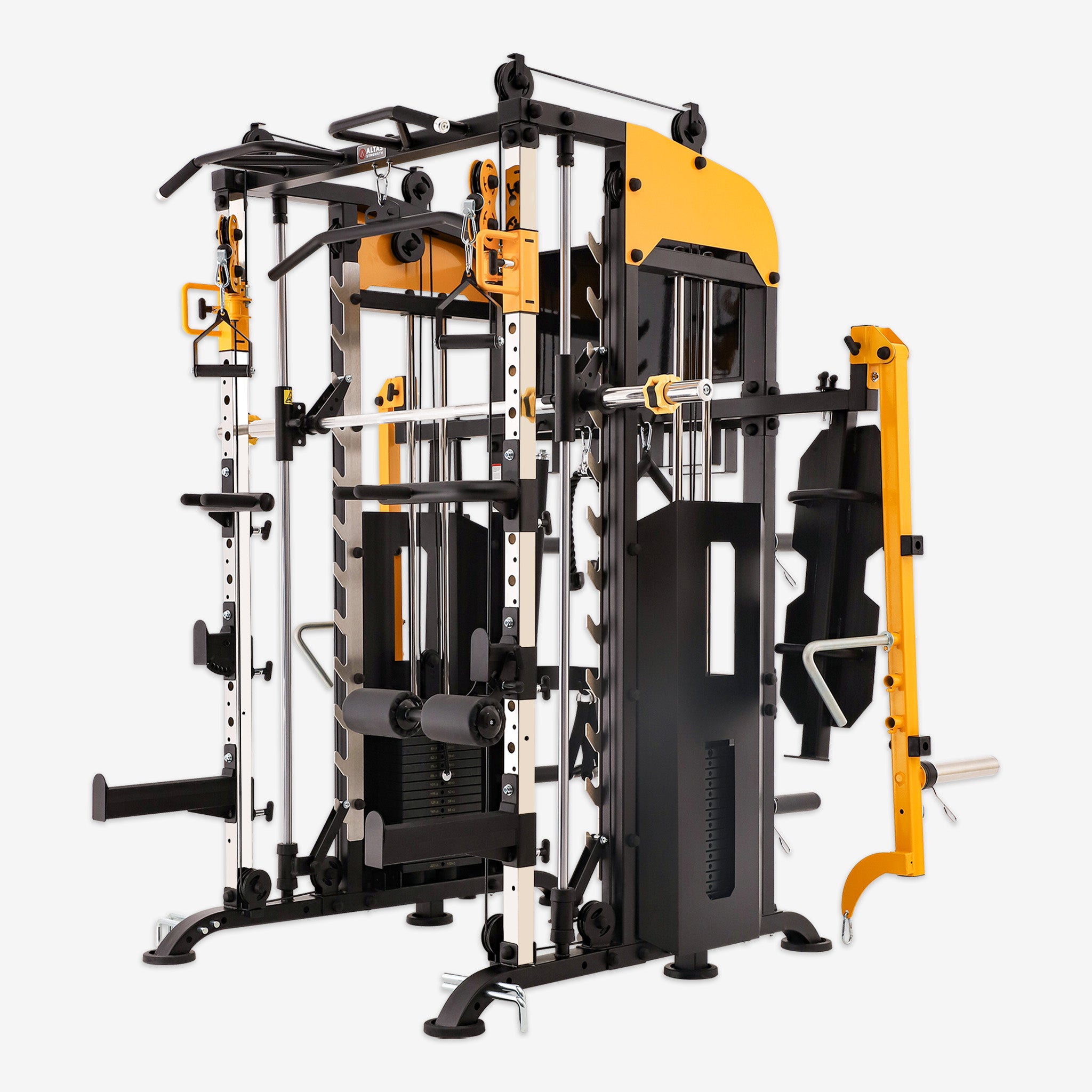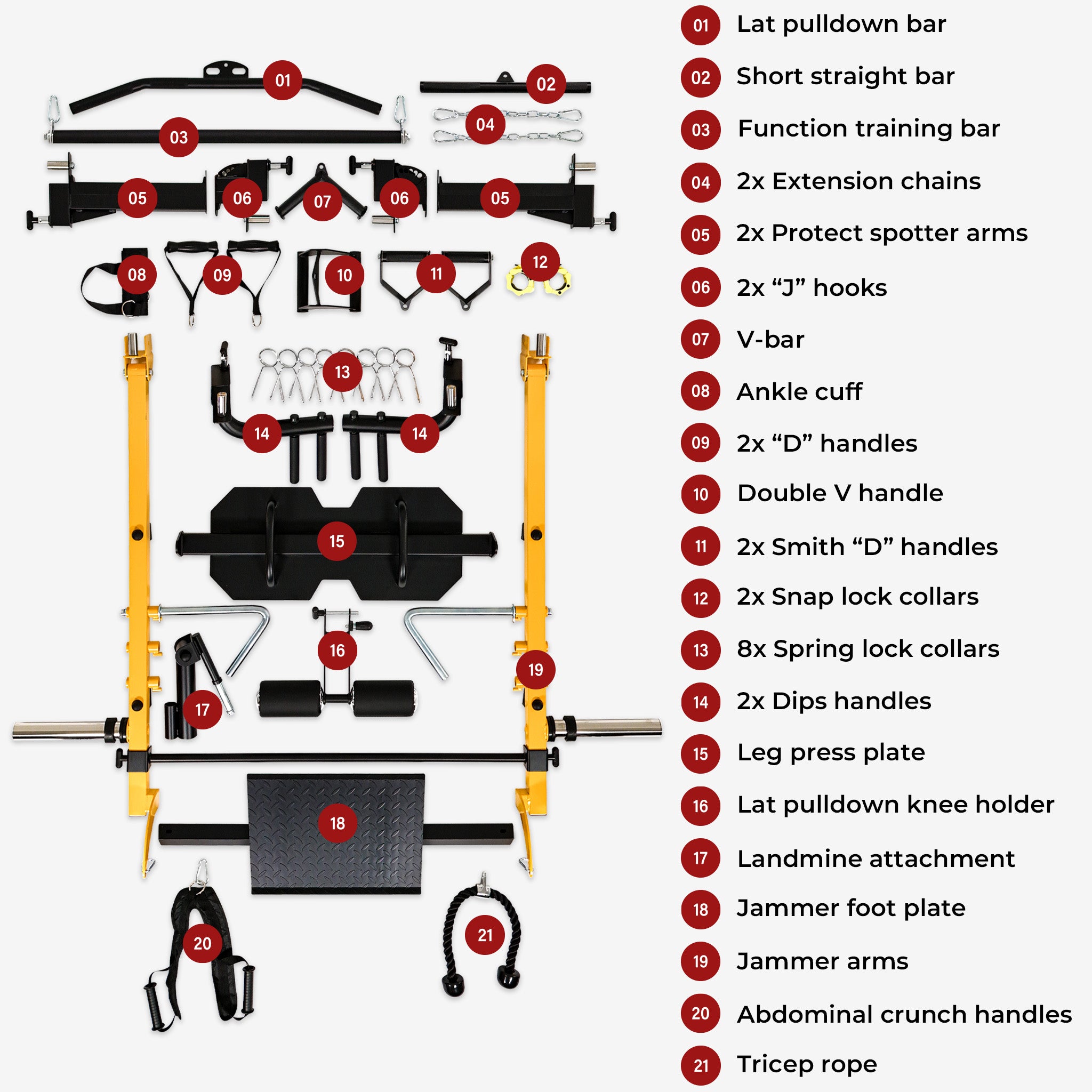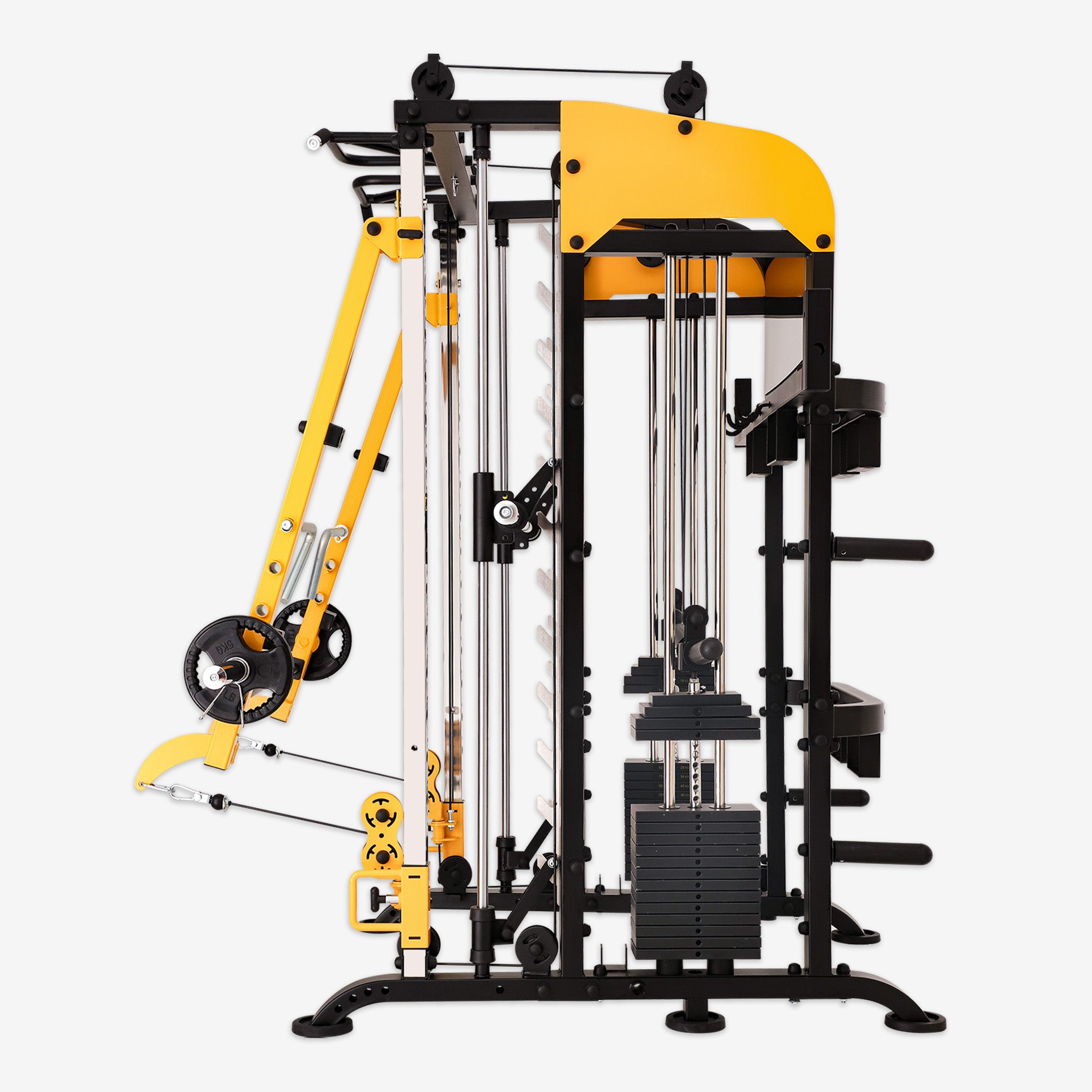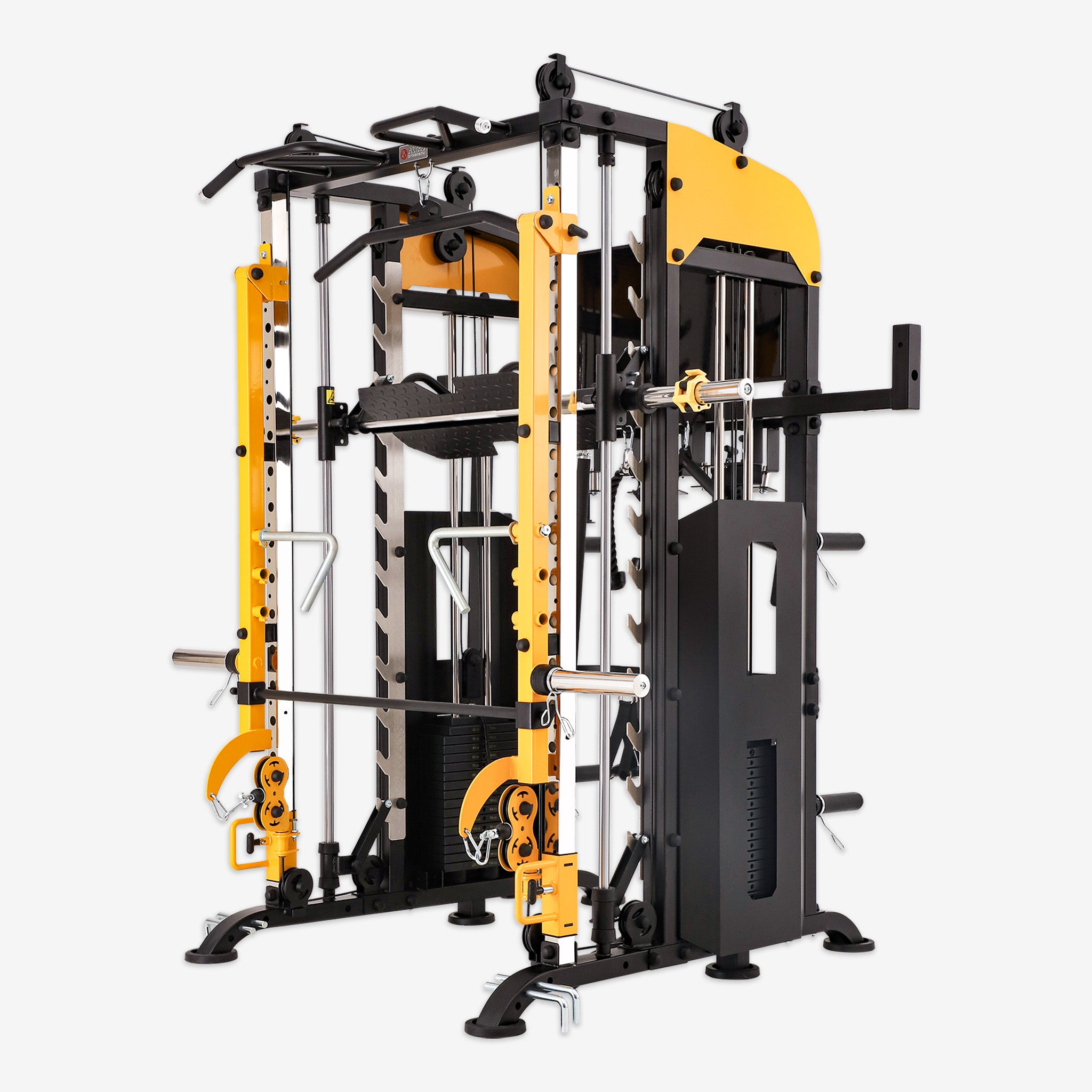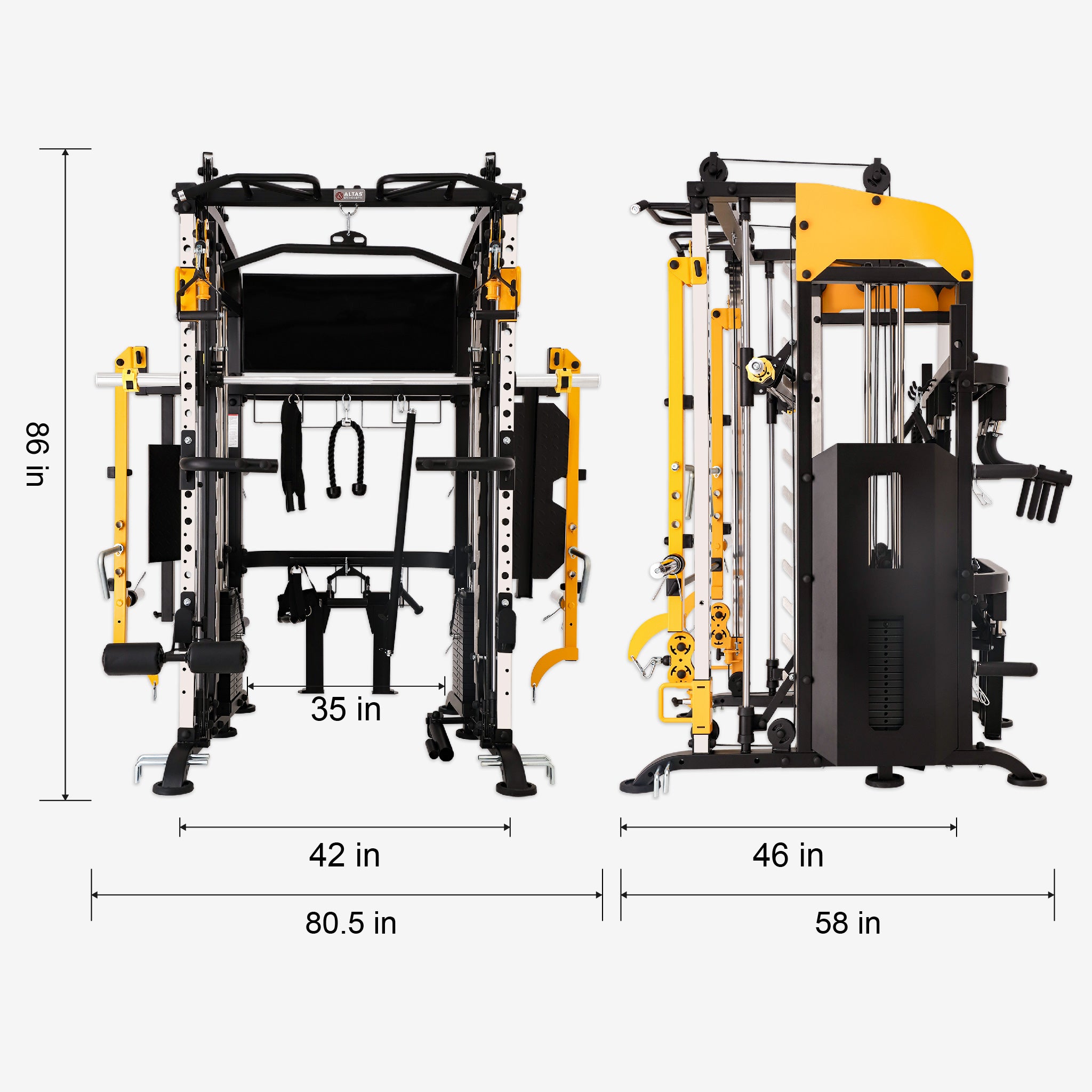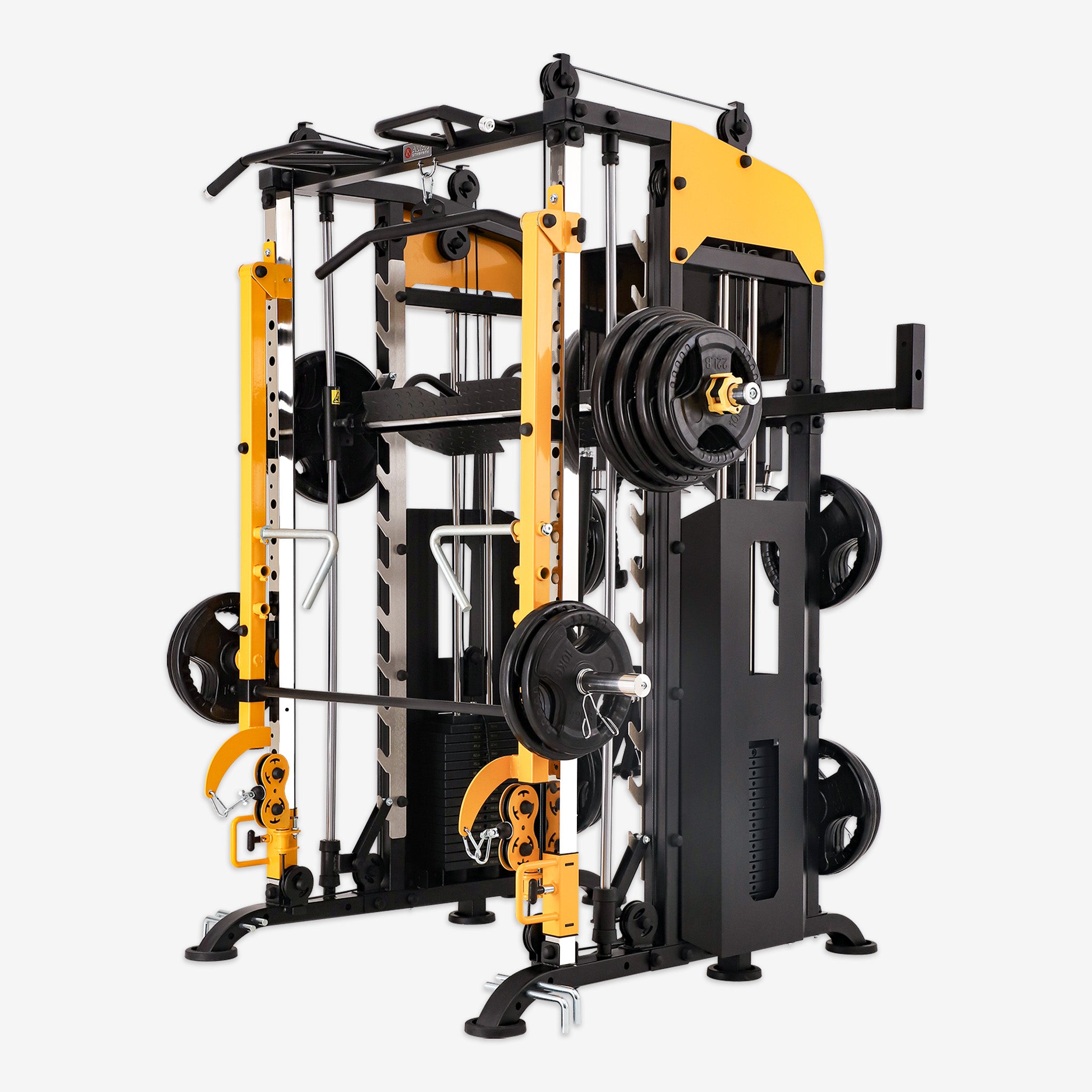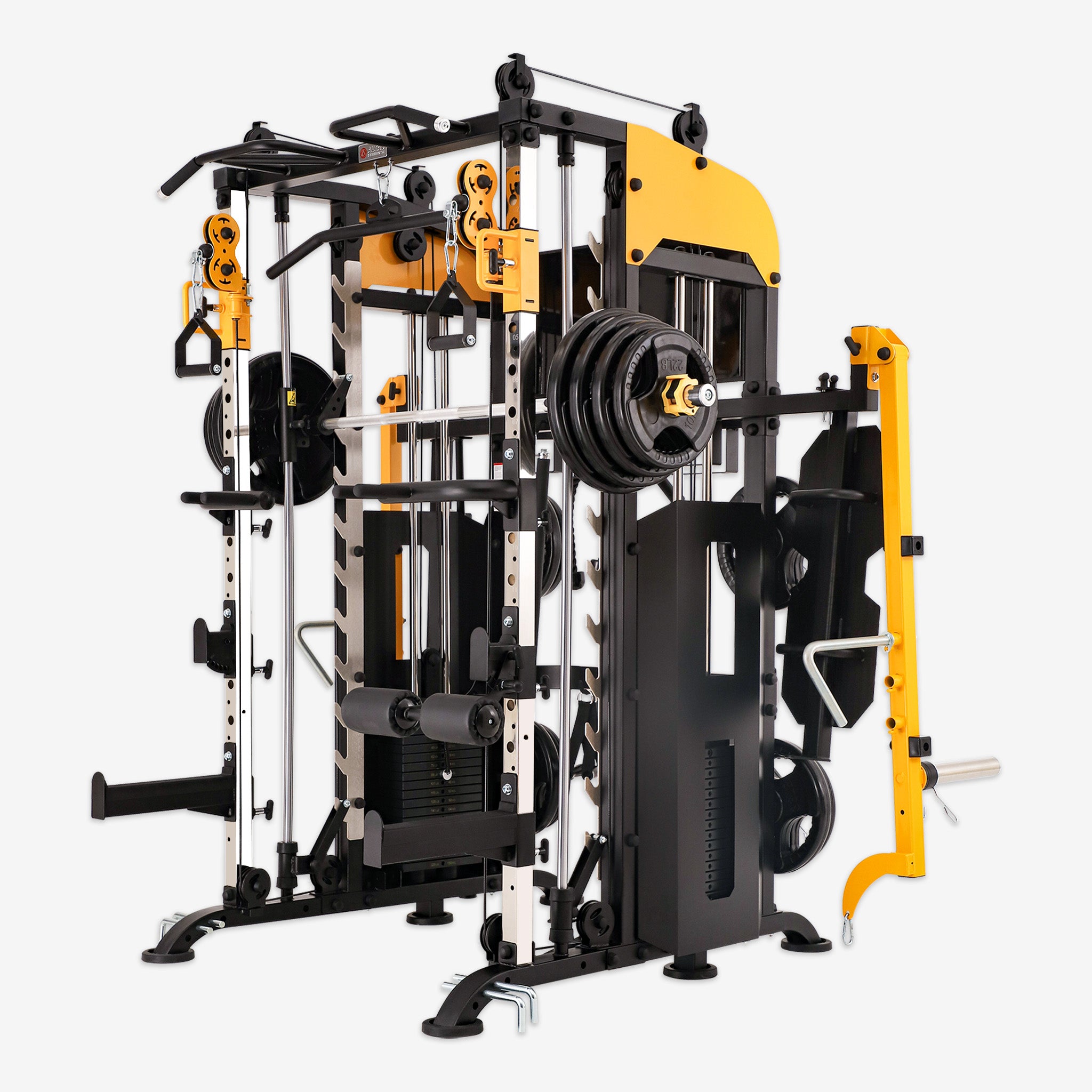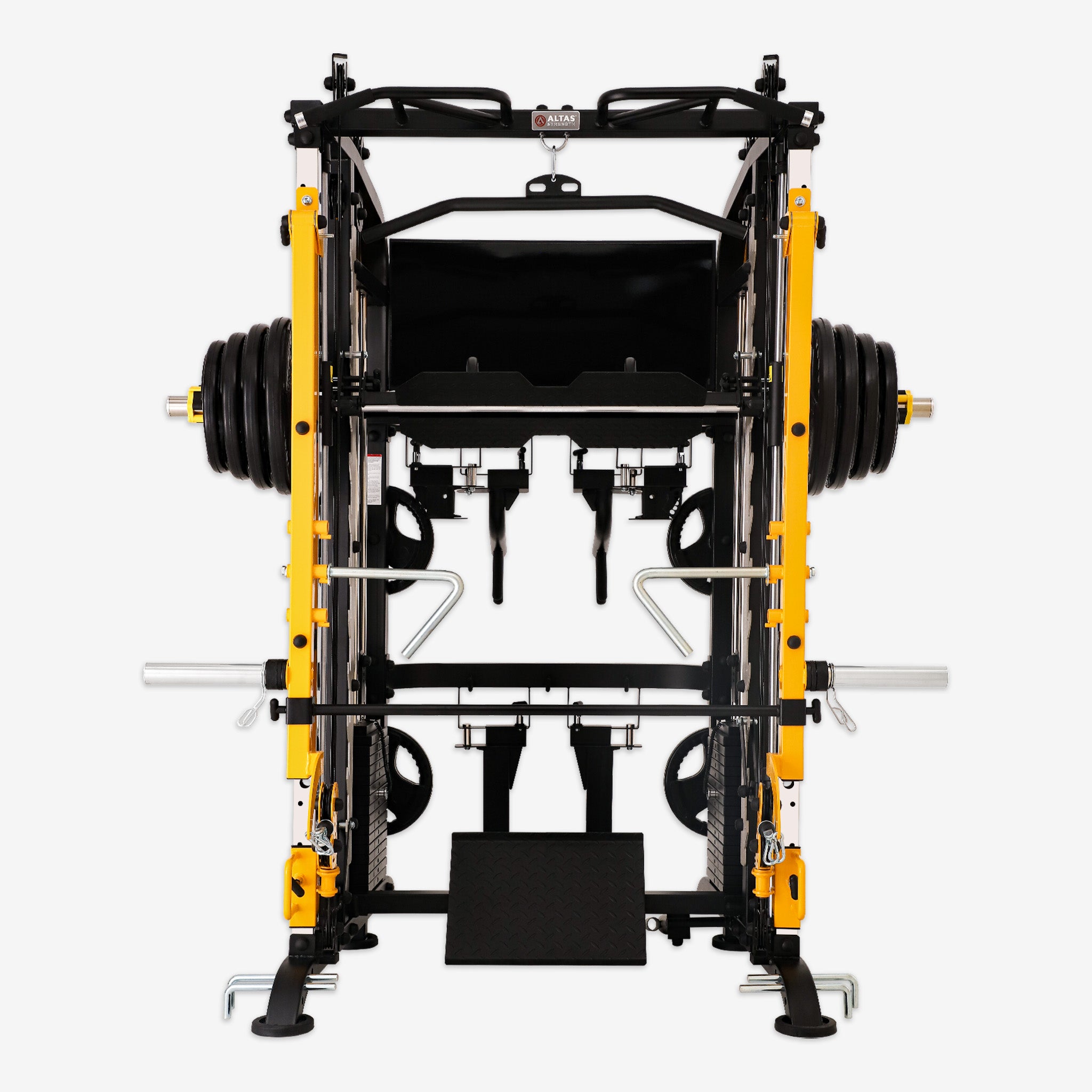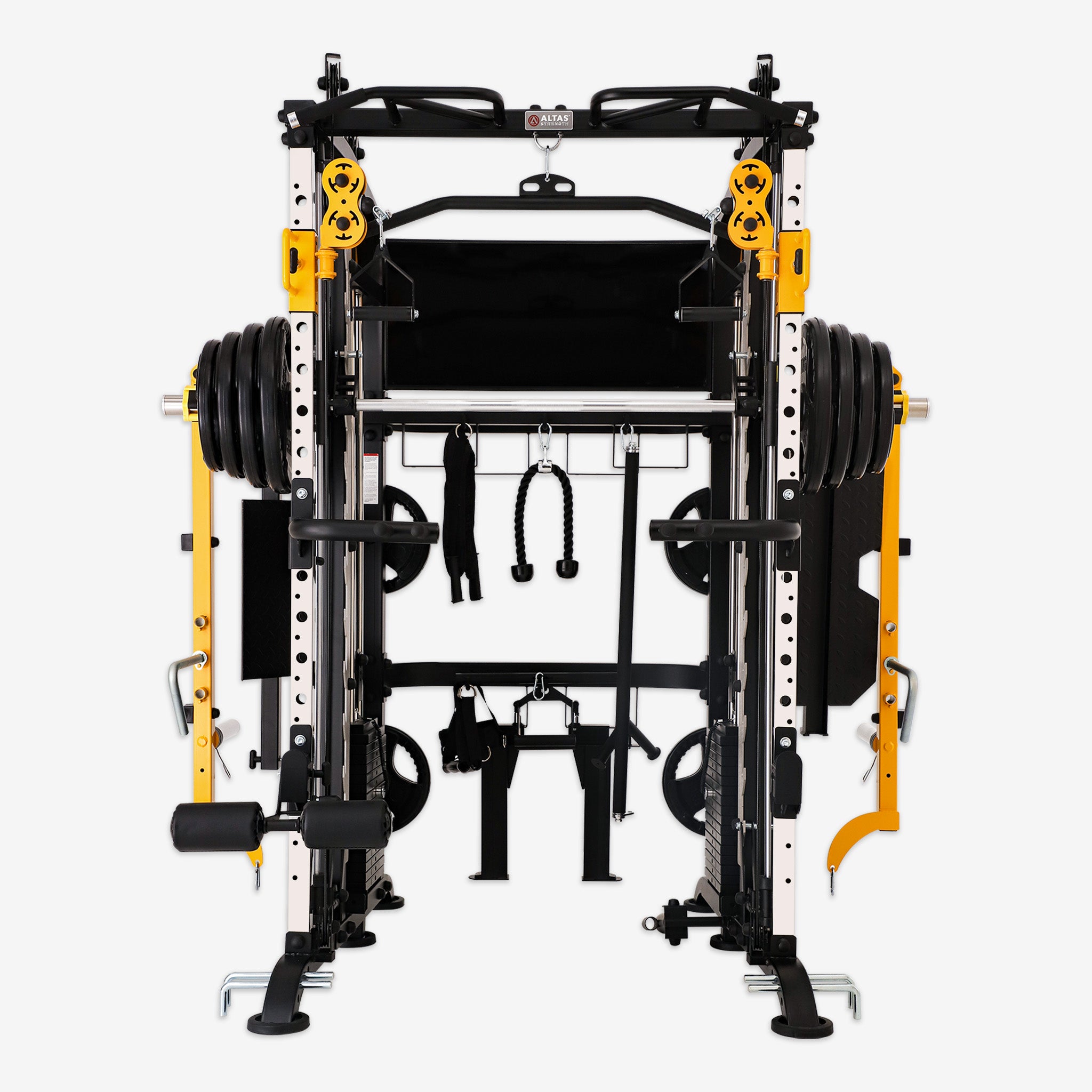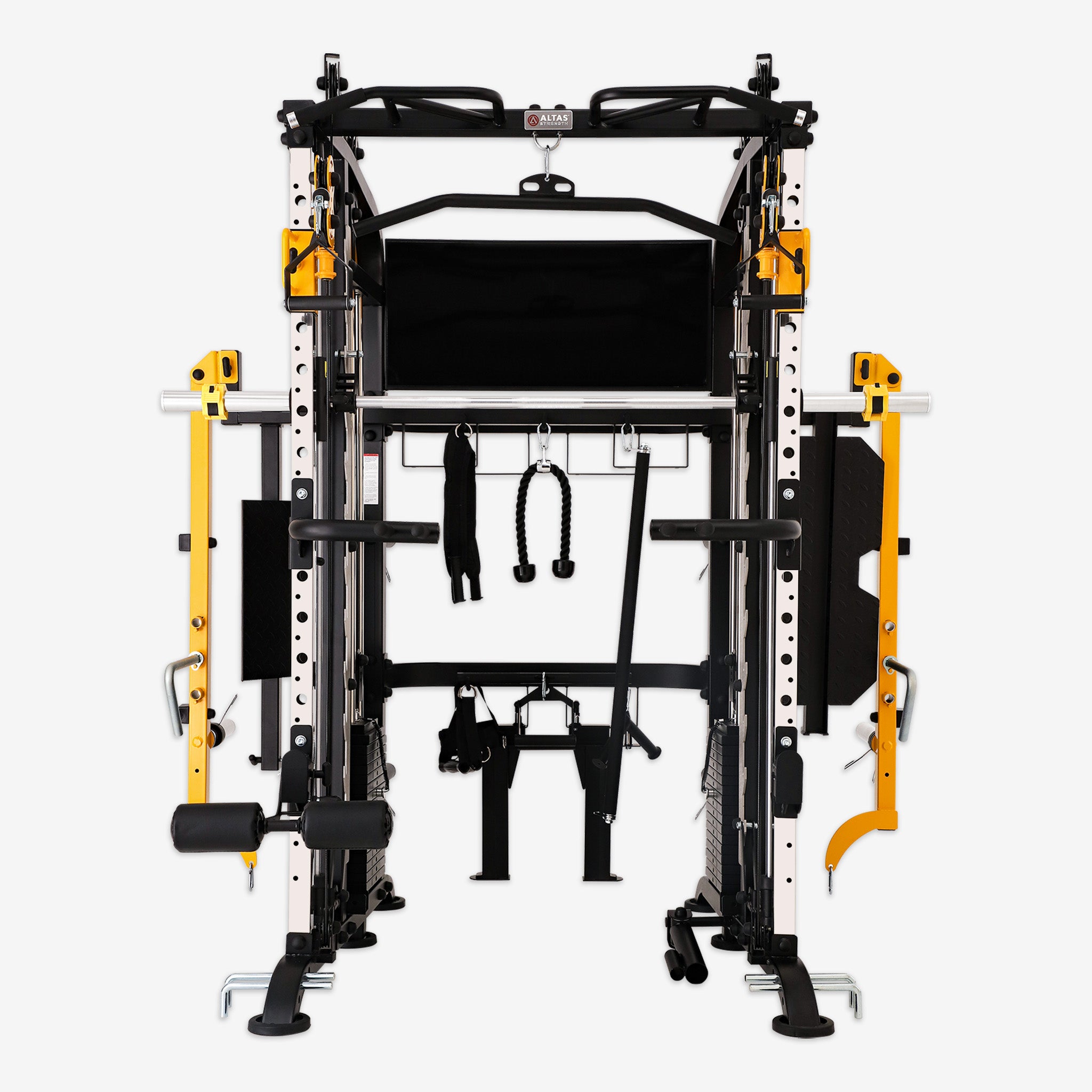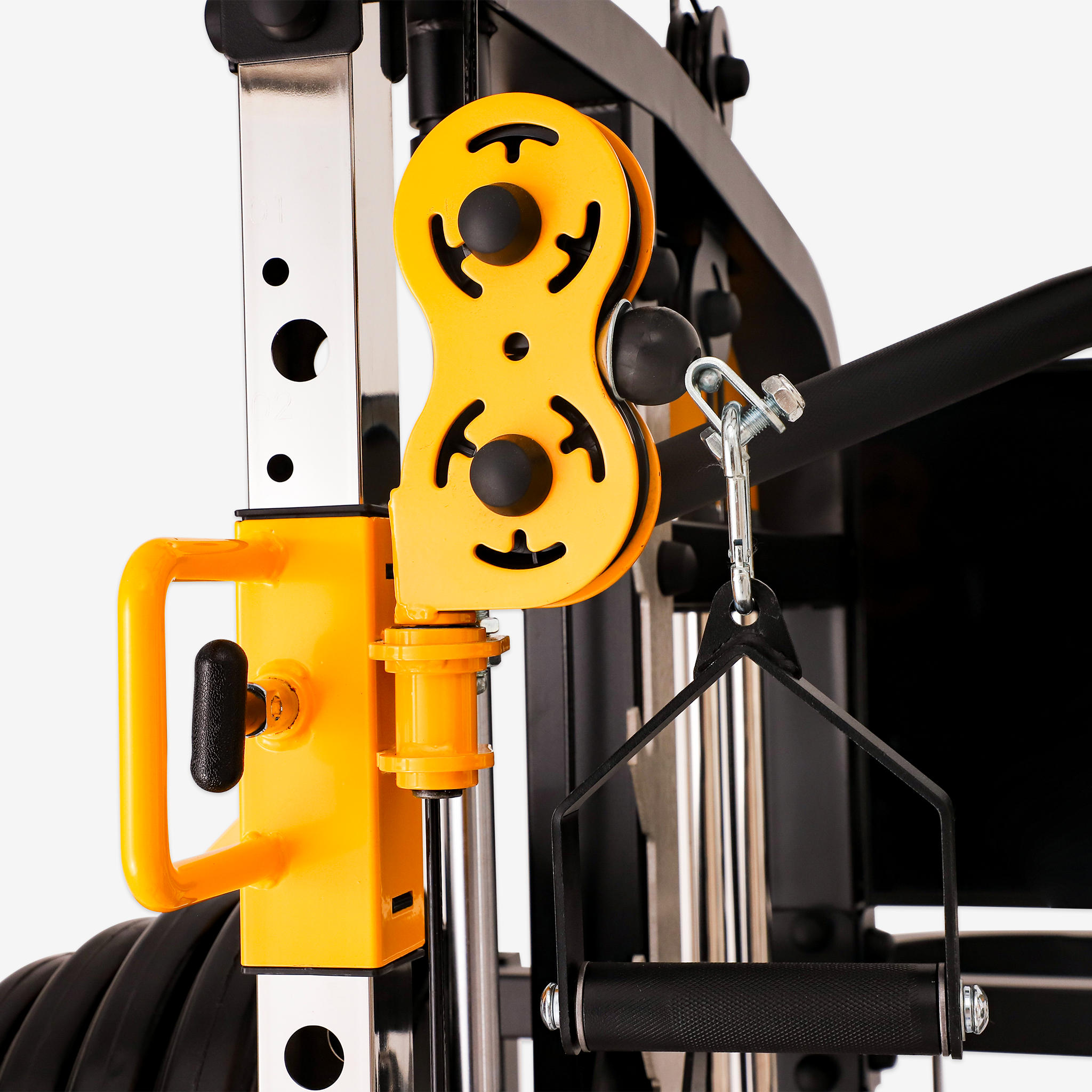
If you’ve ever stepped into a gym, you’ve probably noticed the Smith machine—a staple for controlled strength training. But one of the most common (and important) questions is:
What is the actual smith machine bar weight?
Unlike a standard Olympic barbell (45 lbs), the Smith machine bar weight varies—and getting it wrong can lead to poor training results, stalled progress, or even injury. Whether you're doing squats, bench presses, or Romanian deadlifts, understanding the true bar weight is essential for lifting smarter.
🧠 Quick Answer: Smith Machine Bar Weight
-
Average range: 15–25 lbs (6.8–11.3 kg)
-
Most common in gyms: ~20 lbs
-
Full range (varies by machine): 6–45 lbs
-
With counterbalance: Feels lighter than actual weight
👉 Bottom line: Always confirm your specific machine—there is no universal standard.
⚙️ Why Smith Machine Bar Weight Varies
1. Counterbalance System
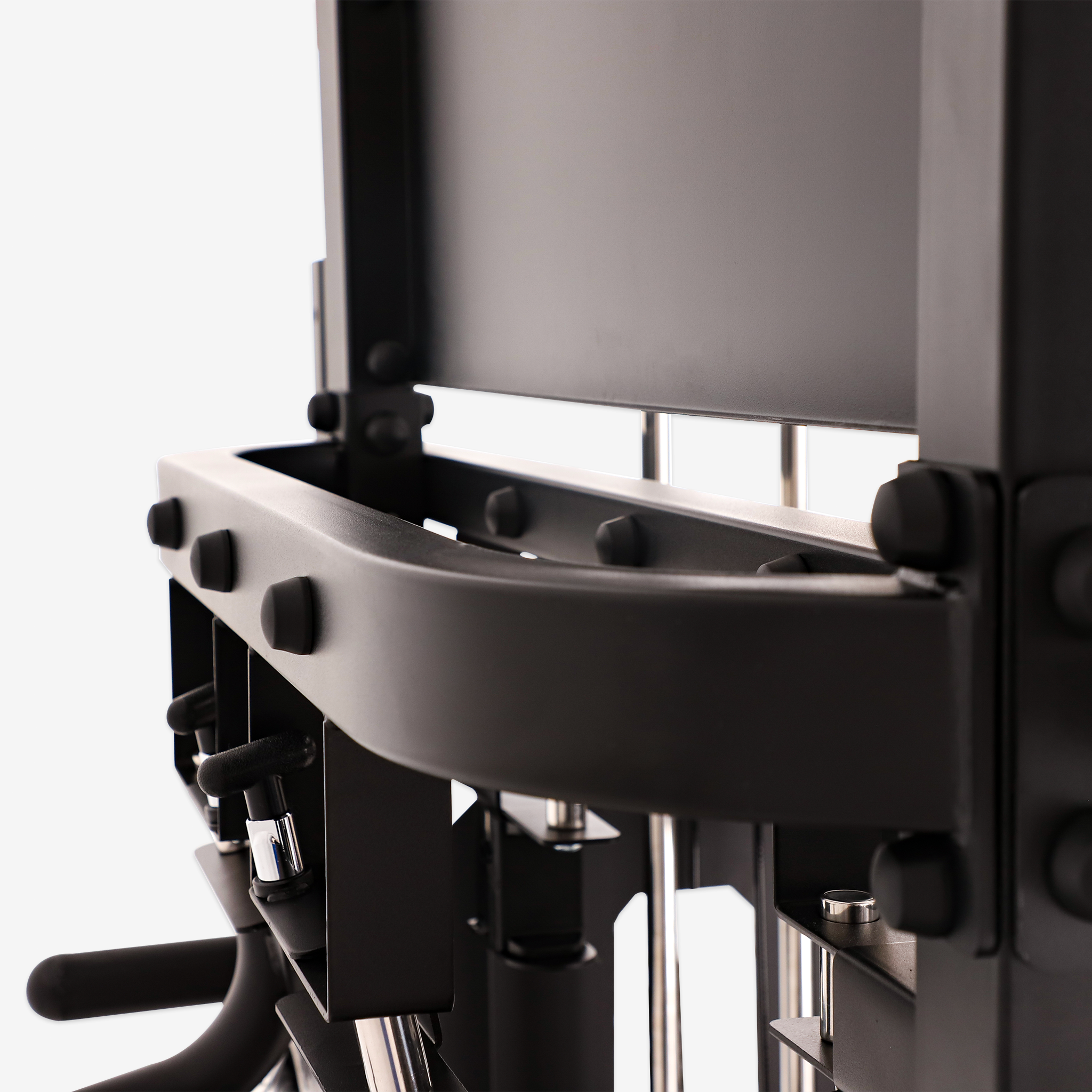
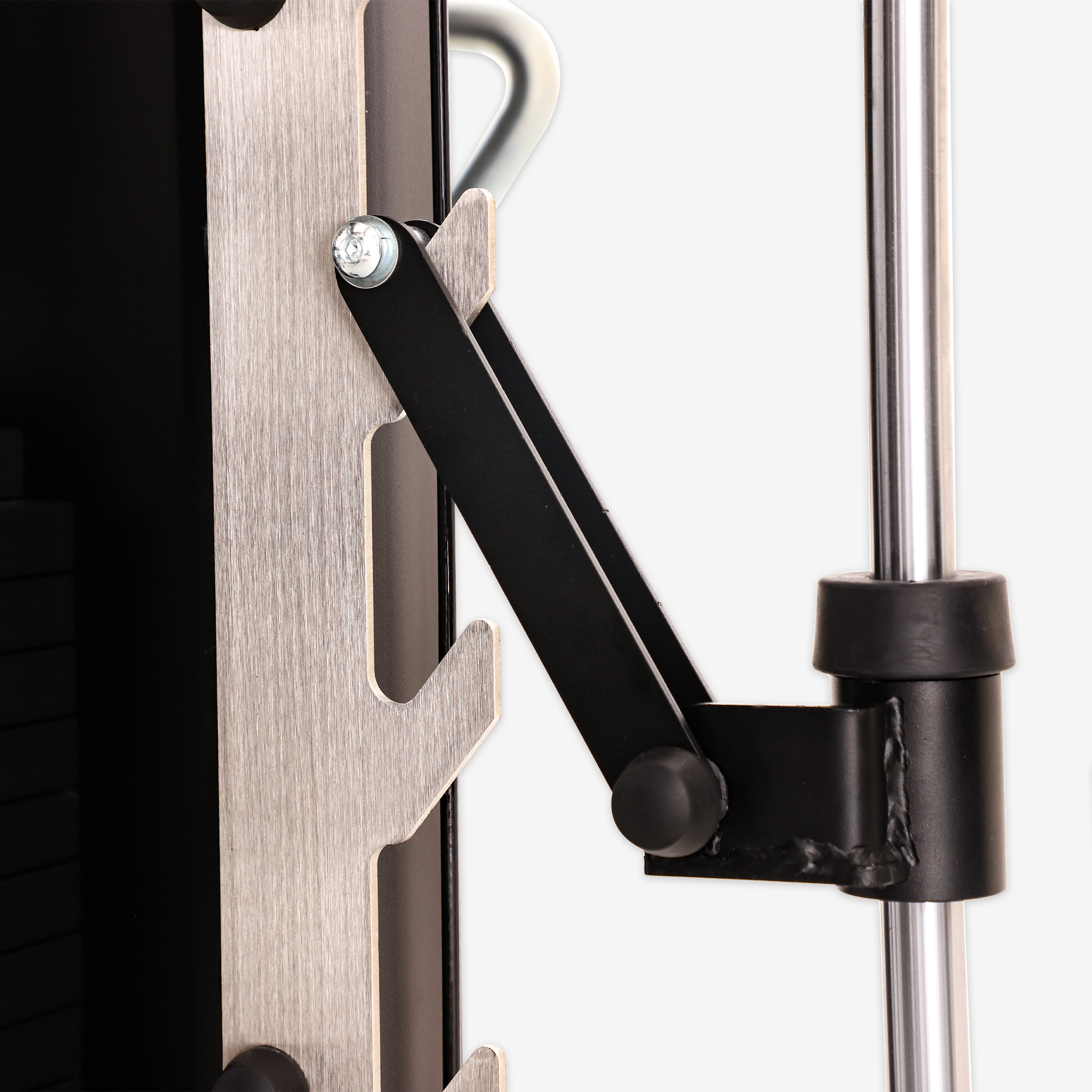
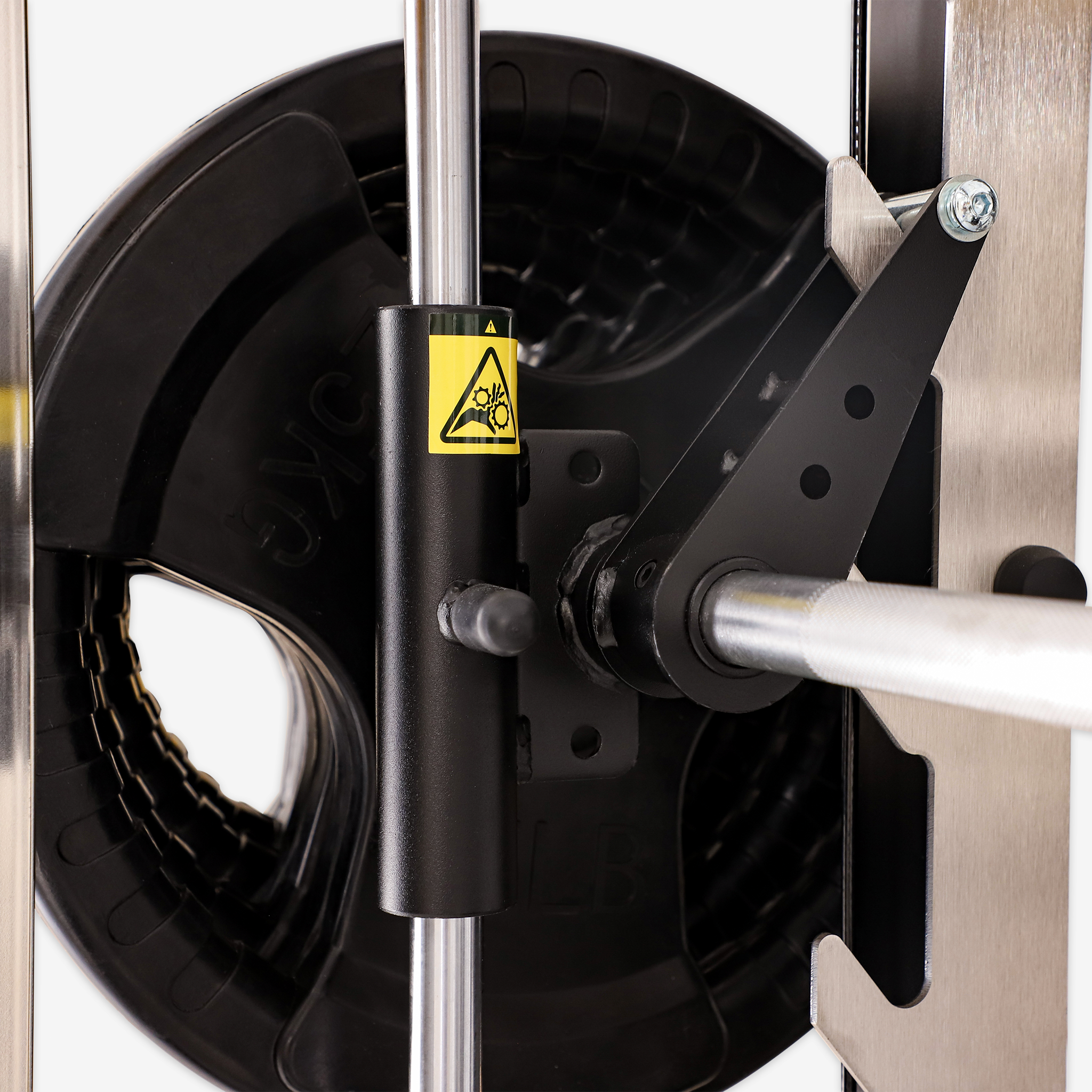
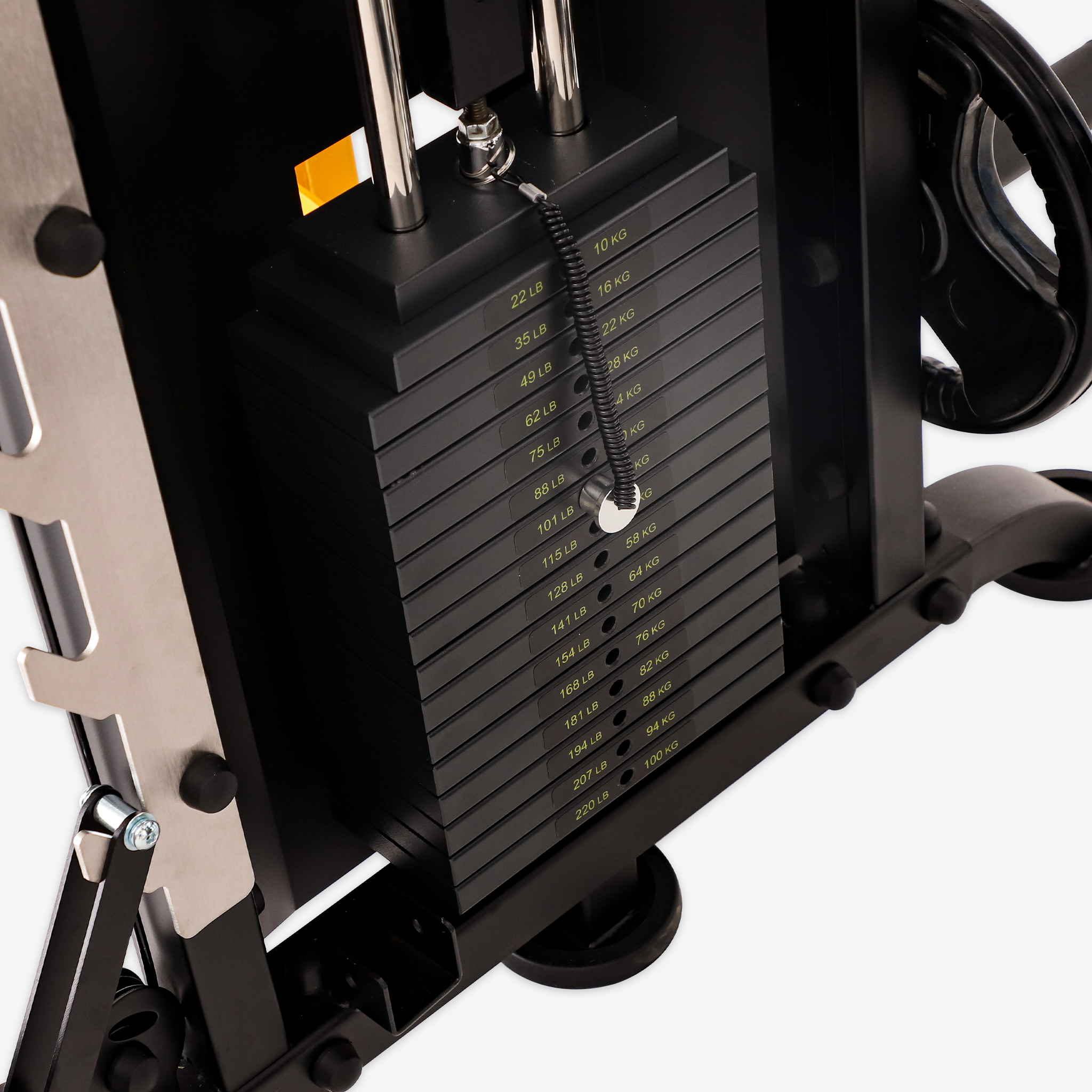
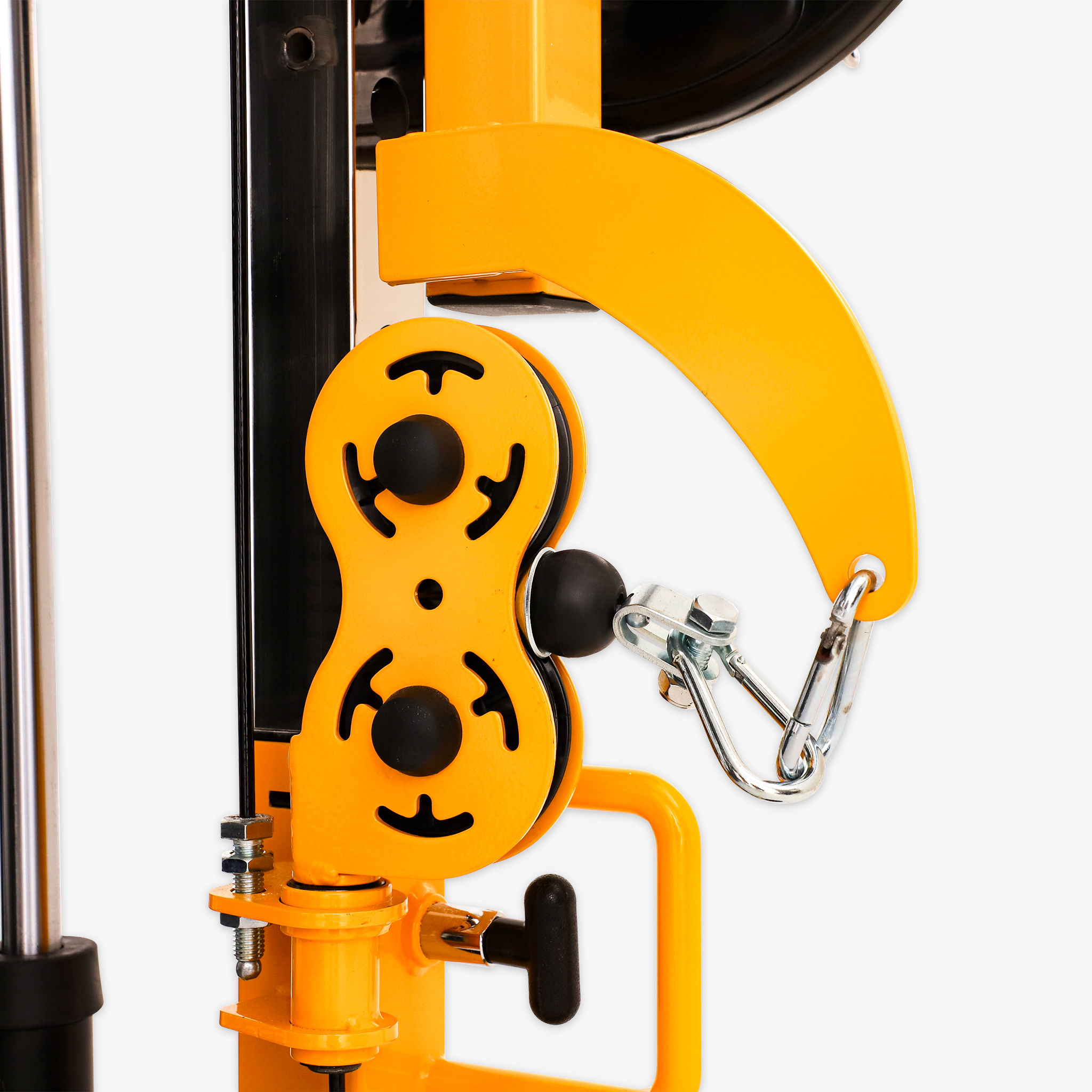
Most Smith machines include a built-in counterweight that reduces how heavy the bar feels.
-
A 20 lb bar may feel like 10–15 lbs
-
Designed for safer, beginner-friendly lifting
2. Machine Design & Brand
Different manufacturers use different:
-
Rail systems (vertical vs angled)
-
Bearings and friction levels
-
Internal balancing systems
This directly affects both actual weight and perceived resistance.
3. Intended Use (Gym vs Home)
-
Home gym machines: 15–20 lbs (lighter, beginner-friendly)
-
Commercial machines: 20–25 lbs (more stable, durable)
-
Heavy-duty models: up to 45 lbs (rare, no counterbalance)
🏋️ How to Check Smith Machine Bar Weight (3 Easy Ways)
✔️ 1. Check the Label
Look near the bar or frame—many machines include a small weight label.
✔️ 2. Ask Gym Staff
Fastest and most reliable method—especially in commercial gyms.
✔️ 3. Test & Compare
Lift the empty bar and compare it to a known barbell (like a 45 lb Olympic bar).
📊 How to Calculate Total Weight
This is where many lifters make mistakes.
Formula:
👉 Total Weight = Bar Weight + Plates
Example:
-
Bar = 20 lbs
-
Plates = 90 lbs
-
Total = 110 lbs (NOT 90 lbs)
Tracking this correctly is critical for:
-
Progressive overload
-
Strength tracking
-
Avoiding plateaus
📈 How to Train Smarter Using Smith Machine Bar Weight
🔹 1. Start with the Bar Only
Even if you're experienced:
-
Learn movement patterns first
-
Adjust to fixed bar path
-
Build control and stability
🔹 2. Progress Gradually
Increase weight in small increments:
-
+2.5 to 5 lbs per session
-
Maintain proper form
-
Avoid ego lifting
🔹 3. Adjust Based on Goals
Strength (4–6 reps):
Heavy load (80–90% effort)
Muscle Growth (8–12 reps):
Moderate load (60–70%)
Endurance (15–20 reps):
Light load (50–60%)
⚠️ Common Mistakes to Avoid
❌ Assuming It’s 45 lbs
This is the #1 mistake. Most Smith machine bars are much lighter.
❌ Ignoring the Counterbalance
The bar may feel lighter than it actually is—don’t rely on feel alone.
❌ Not Counting the Bar
Only tracking plate weight leads to inaccurate progress tracking.
❌ Adding Weight Too Fast
The fixed path makes lifting easier—but poor form still causes injury.
🧩 Smith Machine vs Free Weights (Quick Insight)
| Feature | Smith Machine | Free Weights |
|---|---|---|
| Stability | High | Low |
| Bar Weight | 15–25 lbs | 45 lbs |
| Safety | Safer (no spotter) | Requires control |
| Muscle Activation | Less stabilizers | More full-body engagement |
👉 Best approach: Use both for balanced training.
✅ Final Thoughts
The smith machine bar weight may seem like a small detail—but it has a big impact on your training results.
By understanding:
-
The real weight (15–25 lbs typical)
-
How to calculate total load
-
How to adjust based on goals
You’ll train more effectively, avoid injury, and make consistent progress.