Introduction
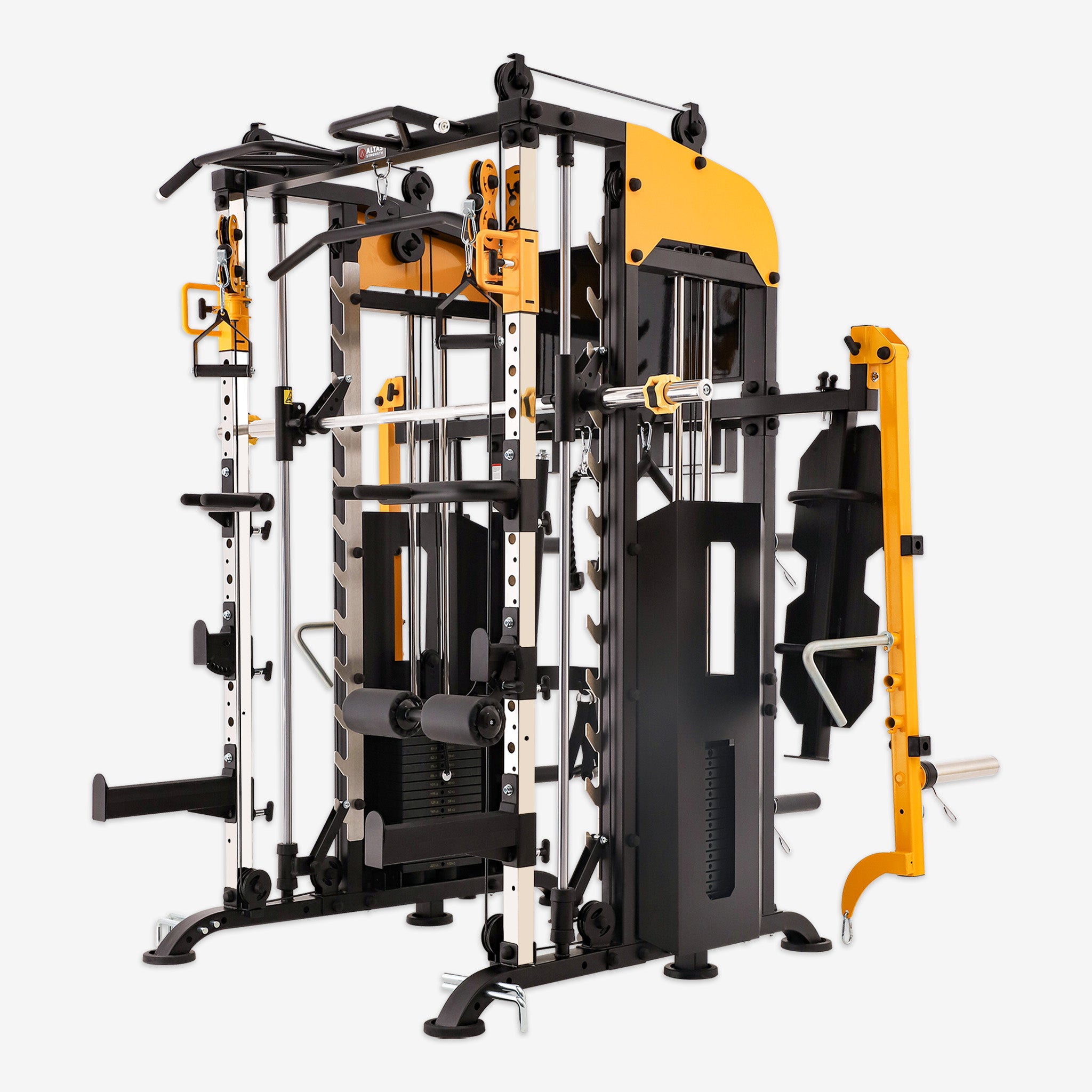
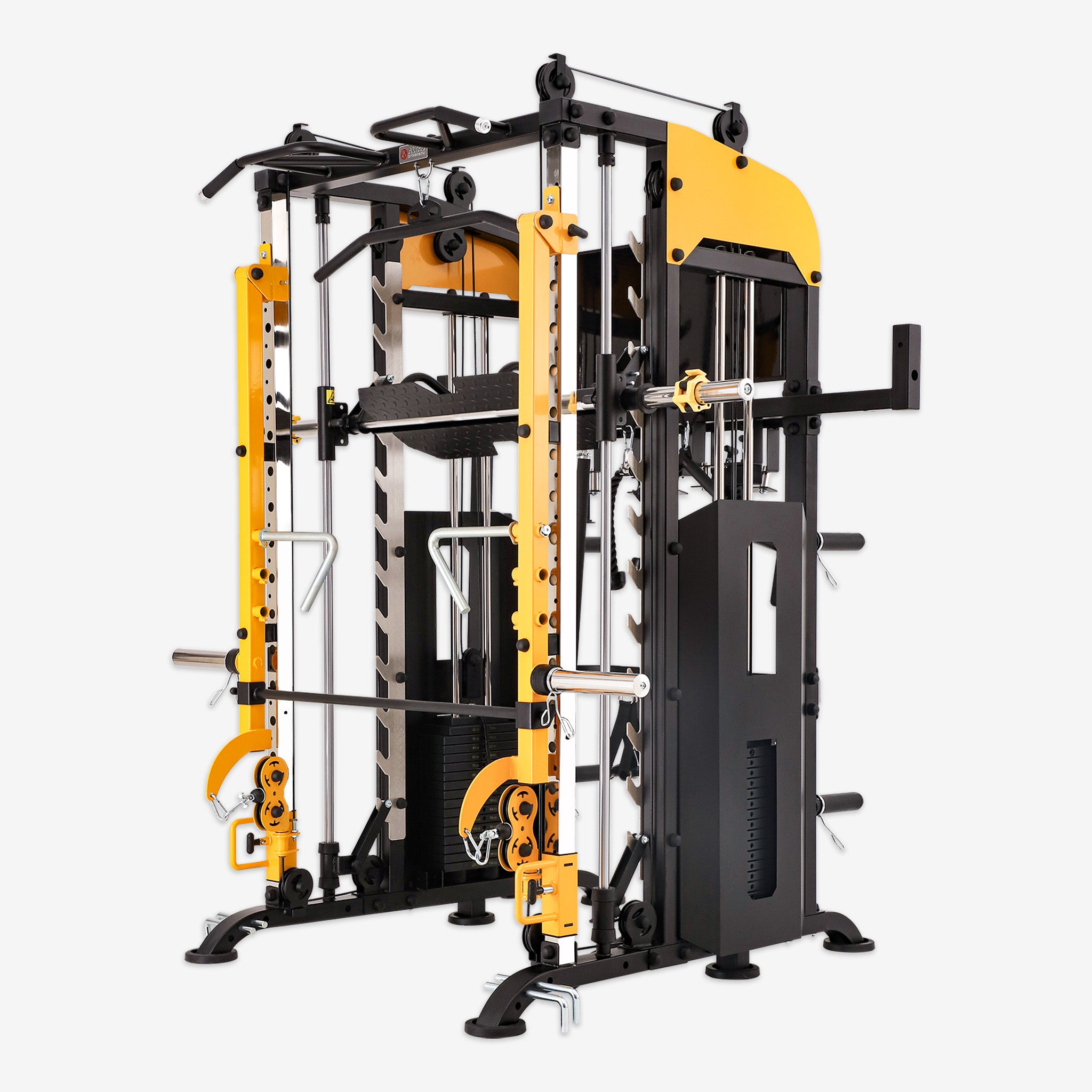
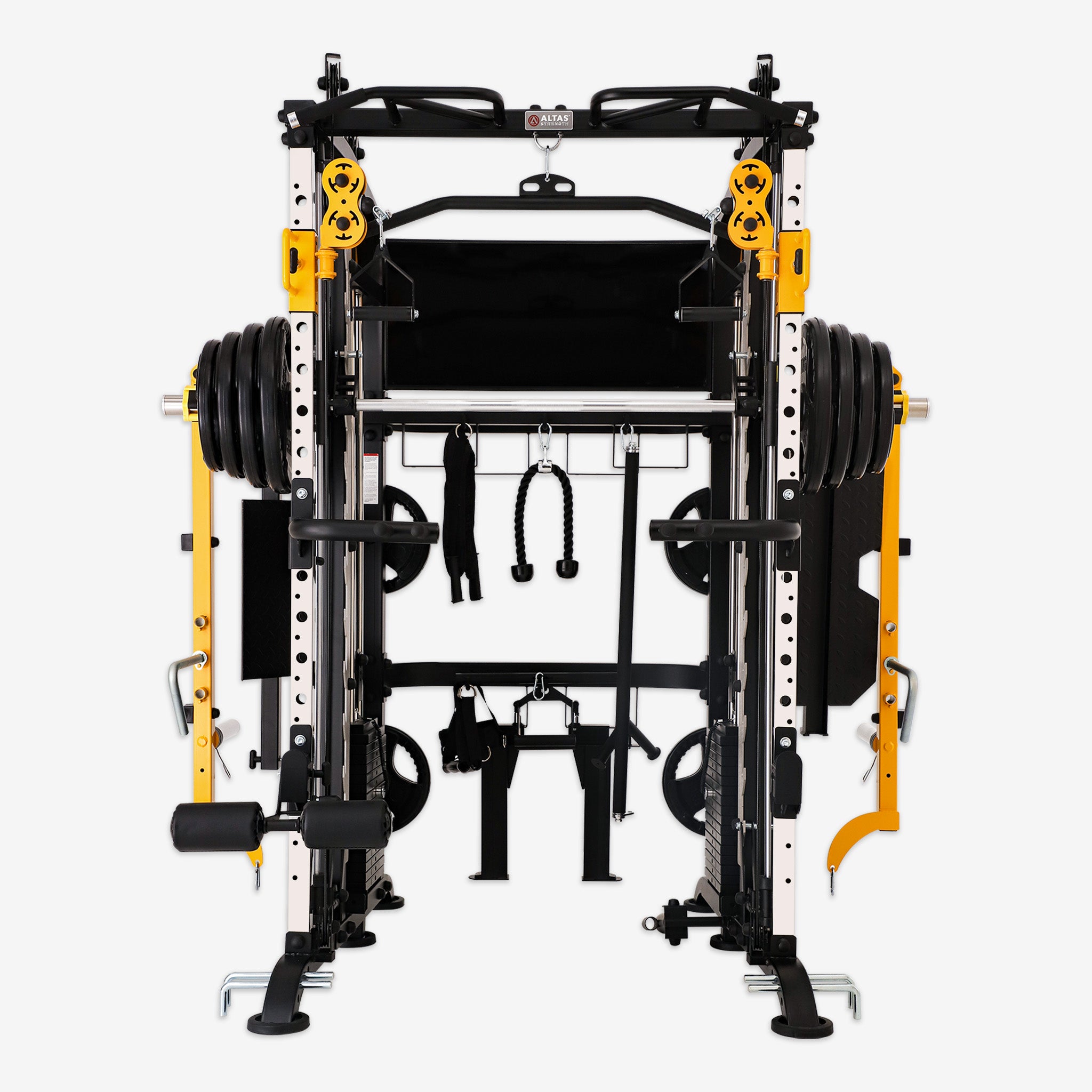
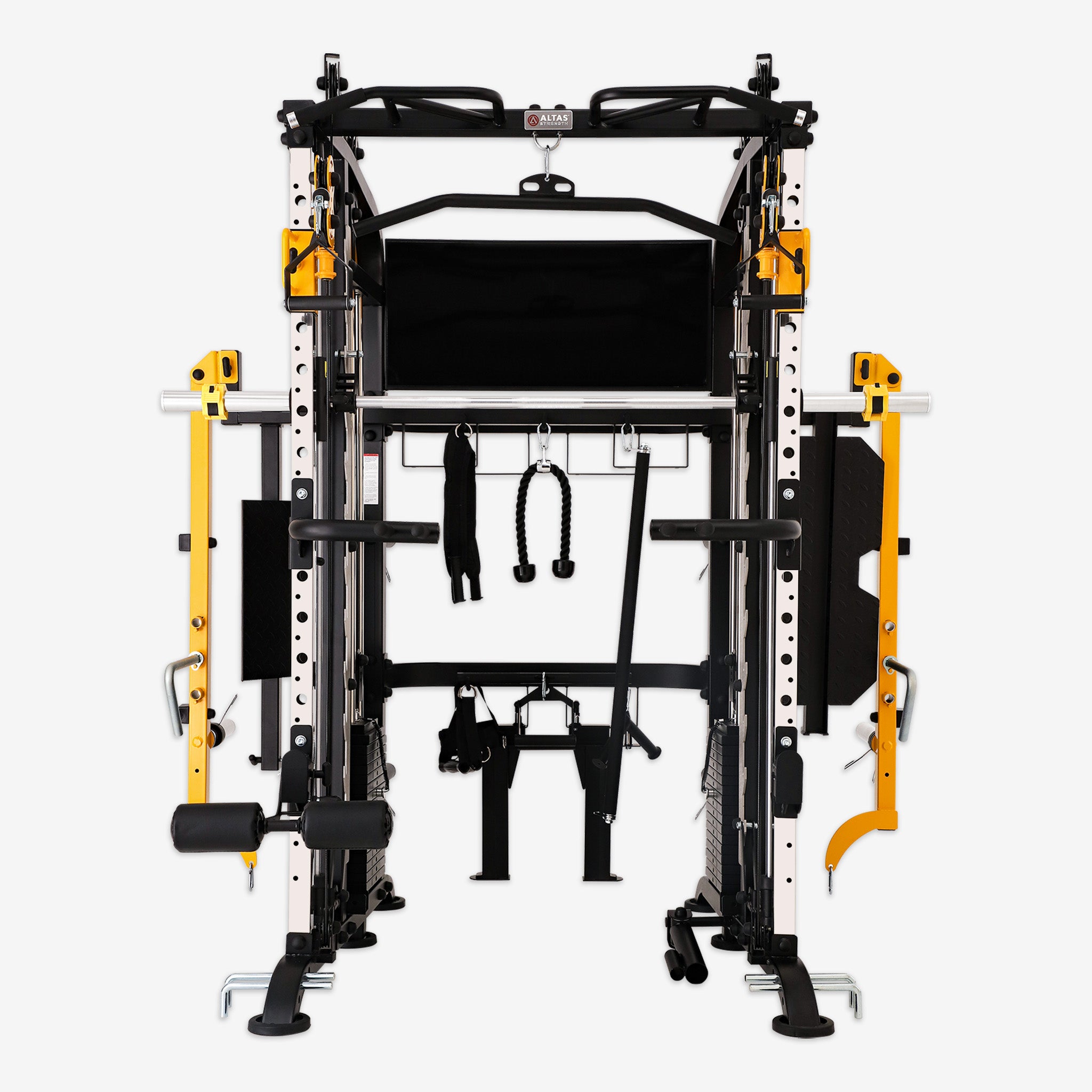
The Smith machine shoulder press is one of the safest and most effective exercises for building stronger, broader shoulders. Whether you're a beginner learning overhead pressing mechanics, an experienced lifter chasing muscle hypertrophy, or someone recovering from a shoulder injury, this exercise provides controlled resistance with greater stability than traditional free-weight presses.
Unlike a barbell overhead press, the Smith machine guides the bar through a fixed vertical path. This reduces the need for balance, allowing you to focus on shoulder activation, proper technique, and progressive overload. It's an excellent choice for home gym users, solo lifters, and anyone looking to train safely without a spotter.
In this guide, you'll learn how to perform the Smith machine shoulder press correctly, the muscles it works, its benefits, common mistakes, and how to incorporate it into your shoulder workout routine.
What Is a Smith Machine Shoulder Press?
The Smith machine shoulder press is a compound upper-body exercise performed on a Smith machine by pressing the bar vertically overhead from shoulder level.
Because the bar moves along fixed guide rails, you don't have to stabilize the weight as you would with dumbbells or a free barbell. This allows you to concentrate on pressing mechanics while minimizing unnecessary movement.
The exercise is suitable for:
- Beginners learning overhead pressing
- Home gym owners
- Solo lifters
- Bodybuilders focusing on shoulder hypertrophy
- Individuals recovering from minor shoulder injuries
Muscles Worked During the Smith Machine Shoulder Press
The Smith machine shoulder press primarily develops the shoulders while recruiting several supporting muscle groups.
Primary Muscles
- Anterior Deltoids (Front Shoulders)
- Lateral Deltoids (Side Shoulders)
Secondary Muscles
- Triceps
- Upper Chest (Clavicular Pectorals)
- Upper Trapezius
- Core (stabilization)
Compared with dumbbell presses, the Smith machine reduces stabilizer demands, allowing greater focus on the deltoid muscles.
Benefits of the Smith Machine Shoulder Press
1. Safer for Solo Training
One of the biggest advantages of the Smith machine is its built-in safety system.
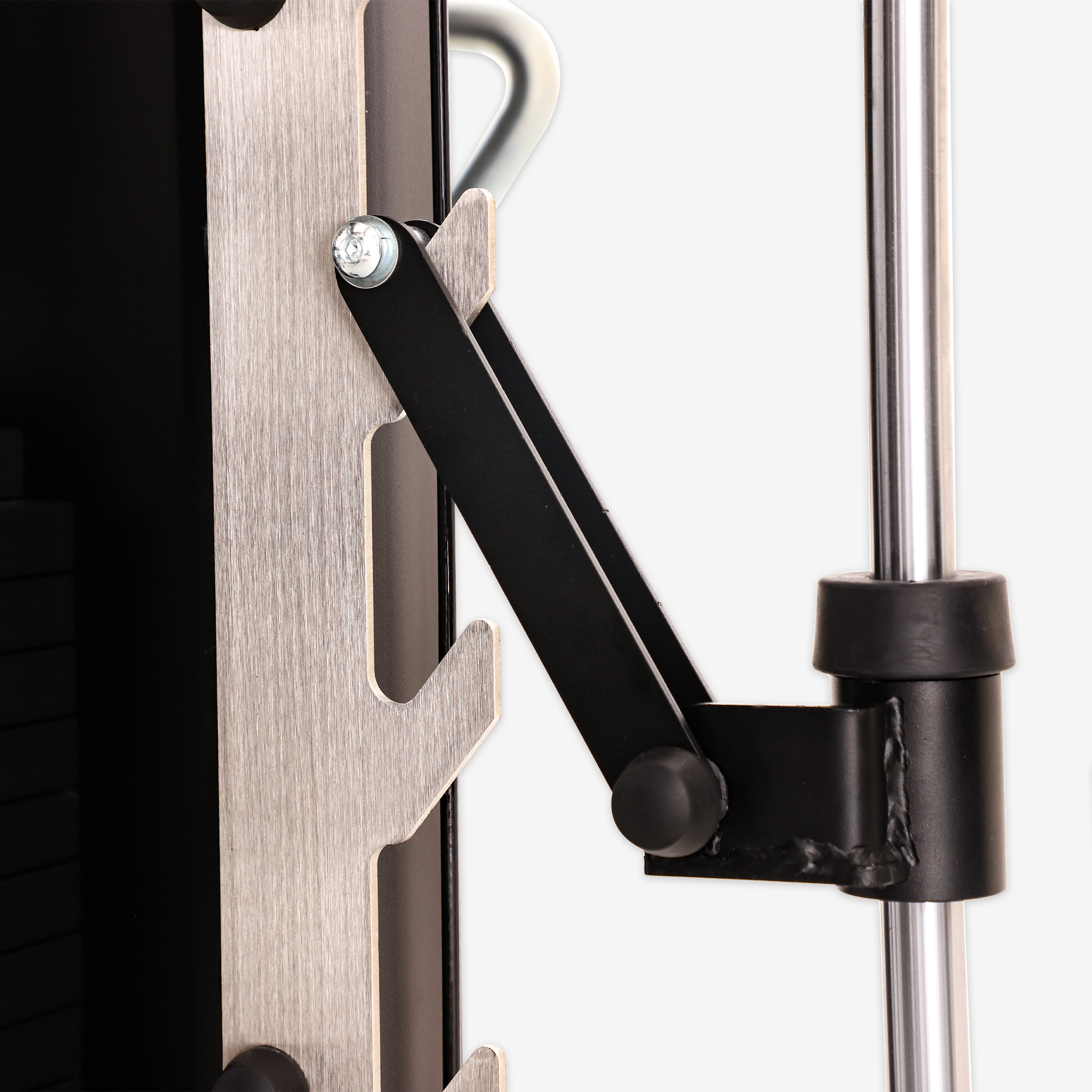
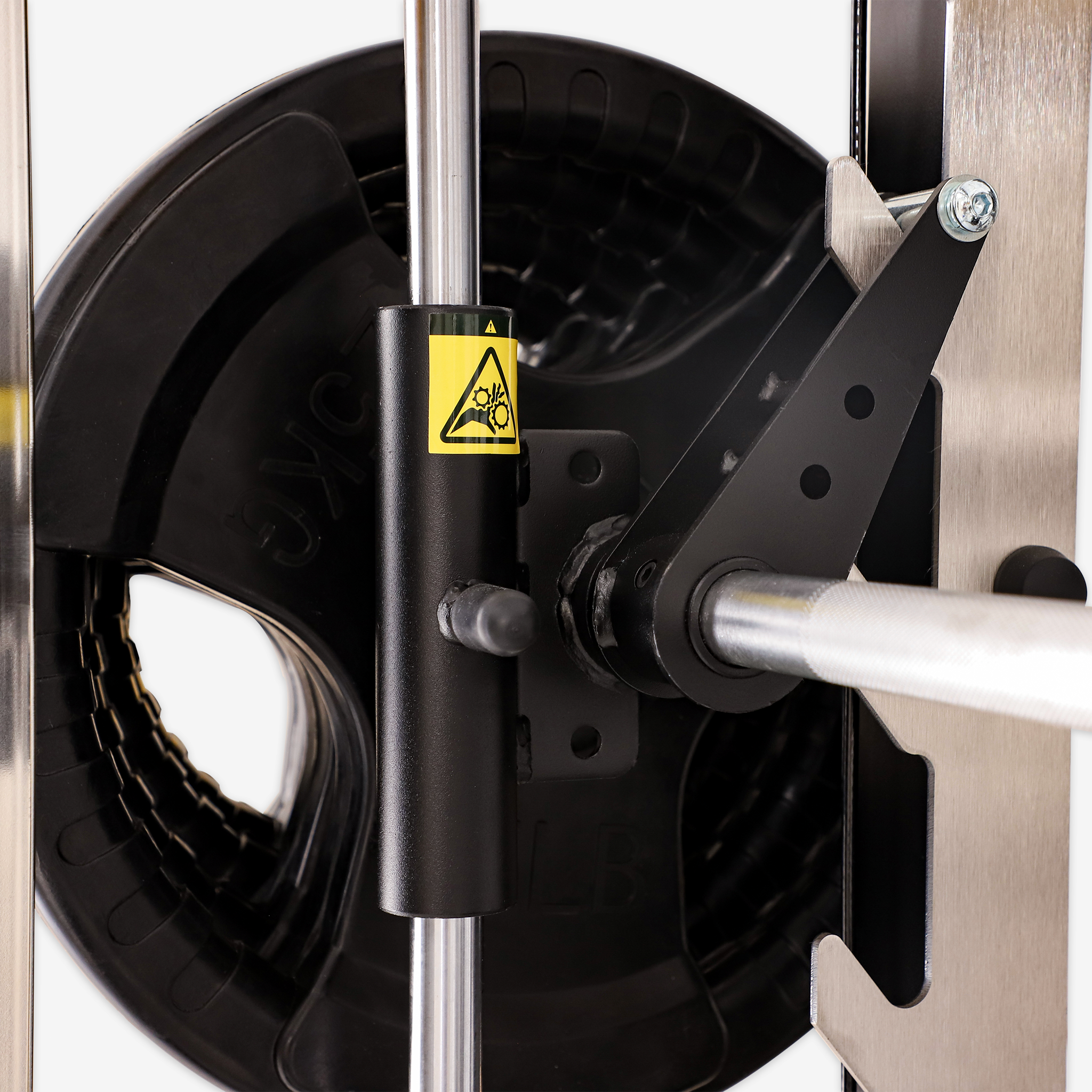
If you reach muscular failure, simply rotate the bar to lock it onto the safety hooks without needing assistance from a spotter.
This makes the exercise ideal for home gyms and independent training.
2. Easier to Learn Proper Overhead Press Technique
Many beginners struggle to stabilize a heavy barbell overhead.
The Smith machine removes balance as a limiting factor, allowing you to focus on:
- Proper pressing path
- Core bracing
- Shoulder positioning
- Controlled tempo
Once your technique improves, transitioning to free weights becomes much easier.
3. Better Shoulder Isolation
Since you spend less effort stabilizing the bar, more energy goes directly into the deltoids.
This often leads to:
- Better mind-muscle connection
- Greater shoulder fatigue
- Improved hypertrophy
- More consistent repetitions
4. Reduced Lower Back Stress
Free-weight overhead presses often cause excessive lower-back arching.
The Smith machine's fixed movement path helps maintain an upright torso and reduces unnecessary spinal loading.
This is especially beneficial for individuals with mild lower-back discomfort.
5. Excellent for Progressive Overload
The consistent movement pattern makes it easier to:
- Increase weight gradually
- Add repetitions
- Track strength improvements
- Maintain consistent form
This makes the Smith machine shoulder press highly effective for long-term muscle growth.
6. Great for High-Volume Shoulder Training
Because stability is no longer the limiting factor, you can safely perform higher-volume training.
Many bodybuilders use the Smith machine shoulder press for:
- Muscle-building sets
- Drop sets
- Burnout sets
- Shoulder pump workouts
How to Perform the Smith Machine Shoulder Press
Step 1
Adjust a bench to an upright position (75–90 degrees).
Position it directly beneath the Smith machine bar.
Step 2
Grip the bar slightly wider than shoulder width.
Keep your wrists straight and elbows slightly in front of the bar.
Step 3
Unrack the bar.
Lower it slowly until it reaches chin level or just below your nose.
Avoid lowering excessively if shoulder mobility is limited.
Step 4
Press the bar vertically upward.
Extend your arms fully without forcefully locking your elbows.
Step 5
Lower the bar slowly under control.
Repeat for the desired number of repetitions.
Common Smith Machine Shoulder Press Mistakes
Pressing Behind the Head
Behind-the-neck pressing places unnecessary stress on the shoulder joint.
For most lifters, pressing in front of the face is the safer option.
Excessive Lower Back Arching
Keep your core tight throughout the movement.
Avoid leaning backward to compensate for limited shoulder strength.
Using Too Much Weight
Heavy loads often reduce range of motion and increase injury risk.
Prioritize perfect technique before adding more weight.
Partial Repetitions
Use a full, pain-free range of motion whenever possible.
Consistent depth improves muscle activation.
Bouncing the Bar
Lower the weight slowly and avoid using momentum.
Controlled repetitions maximize shoulder development.
Smith Machine Shoulder Press vs Barbell Overhead Press
| Smith Machine Shoulder Press | Barbell Overhead Press |
|---|---|
| Greater stability | Requires balance |
| Easier for beginners | Higher learning curve |
| Safer for solo training | Spotter recommended for heavy sets |
| Better shoulder isolation | More stabilizer activation |
| Excellent for hypertrophy | Better for functional strength |
Best Rep Range
Strength
- 4–6 reps
- 4–5 sets
Muscle Growth
- 8–12 reps
- 3–4 sets
Muscular Endurance
- 12–15 reps
- 2–4 sets
Who Should Perform the Smith Machine Shoulder Press?
This exercise is ideal for:
- Beginners learning overhead pressing
- Home gym owners
- Solo lifters
- Bodybuilders
- Individuals recovering from minor shoulder injuries
- People wanting greater shoulder isolation
- Anyone seeking a safer pressing alternative
Frequently Asked Questions
Is the Smith machine shoulder press effective?
Yes. The Smith machine shoulder press is highly effective for building shoulder size and strength because it allows greater focus on the deltoids while reducing balance demands.
Which muscles does the Smith machine shoulder press work?
It primarily targets the anterior and lateral deltoids while also recruiting the triceps, upper chest, upper traps, and core muscles.
Is the Smith machine shoulder press better than dumbbells?
Neither is universally better.
The Smith machine provides greater stability and safety, while dumbbells improve stabilizer strength and unilateral muscle development.
Using both exercises creates a balanced shoulder-training program.
Should beginners use the Smith machine shoulder press?
Absolutely.
Its guided movement makes learning proper overhead pressing technique easier while reducing injury risk.
Can the Smith machine shoulder press replace the barbell overhead press?
It depends on your goals.
For muscle growth and safe training, the Smith machine works extremely well.
For maximum functional strength and athletic performance, combine Smith machine presses with free-weight overhead presses.
Final Thoughts
The Smith machine shoulder press is one of the best compound exercises for developing stronger, wider shoulders while minimizing injury risk. Its guided movement path, built-in safety features, and consistent resistance make it suitable for beginners, experienced lifters, and home gym users alike.
Whether your goal is shoulder hypertrophy, strength development, rehabilitation, or safer solo workouts, incorporating the Smith machine shoulder press into your upper-body routine can help you build impressive deltoids with greater confidence and consistency.