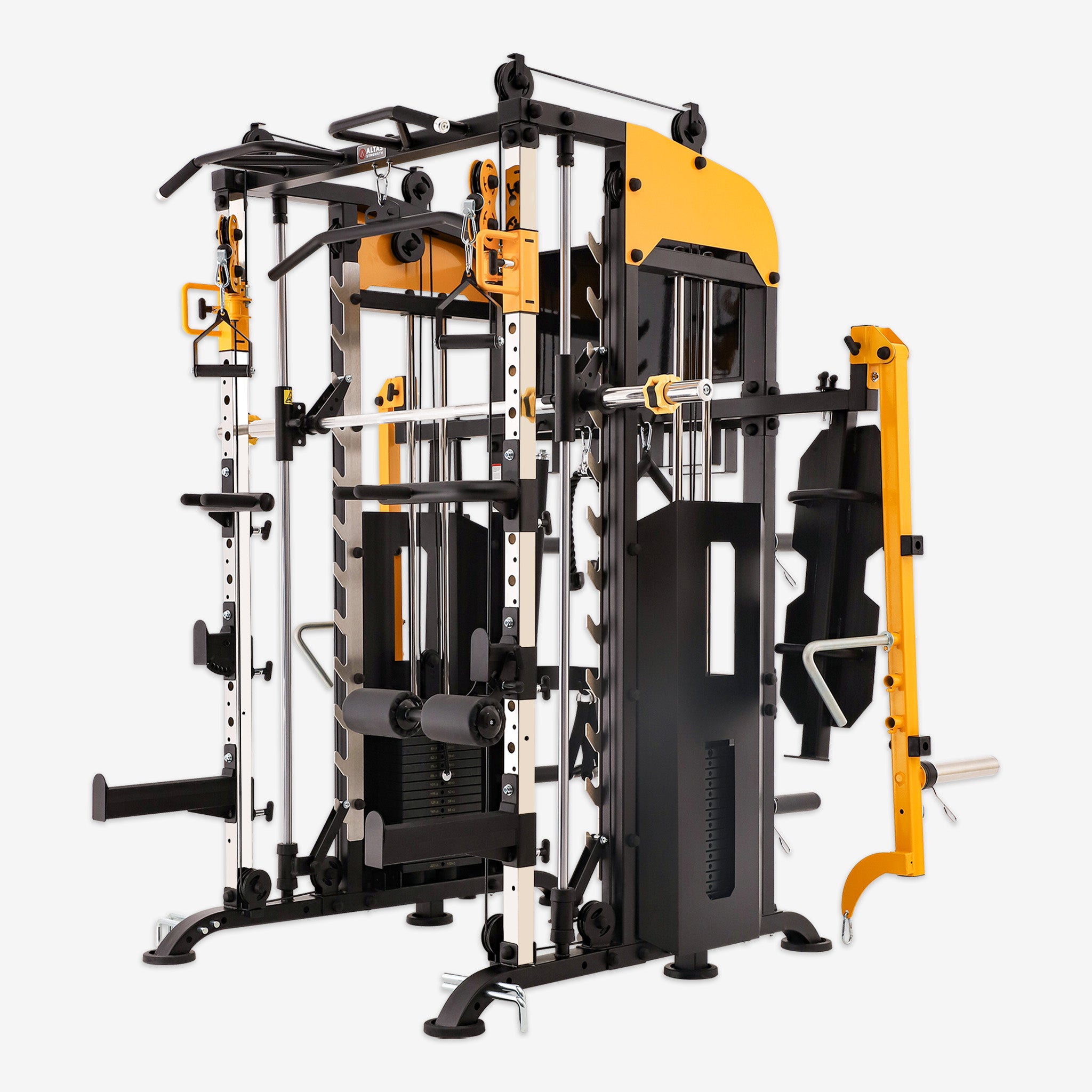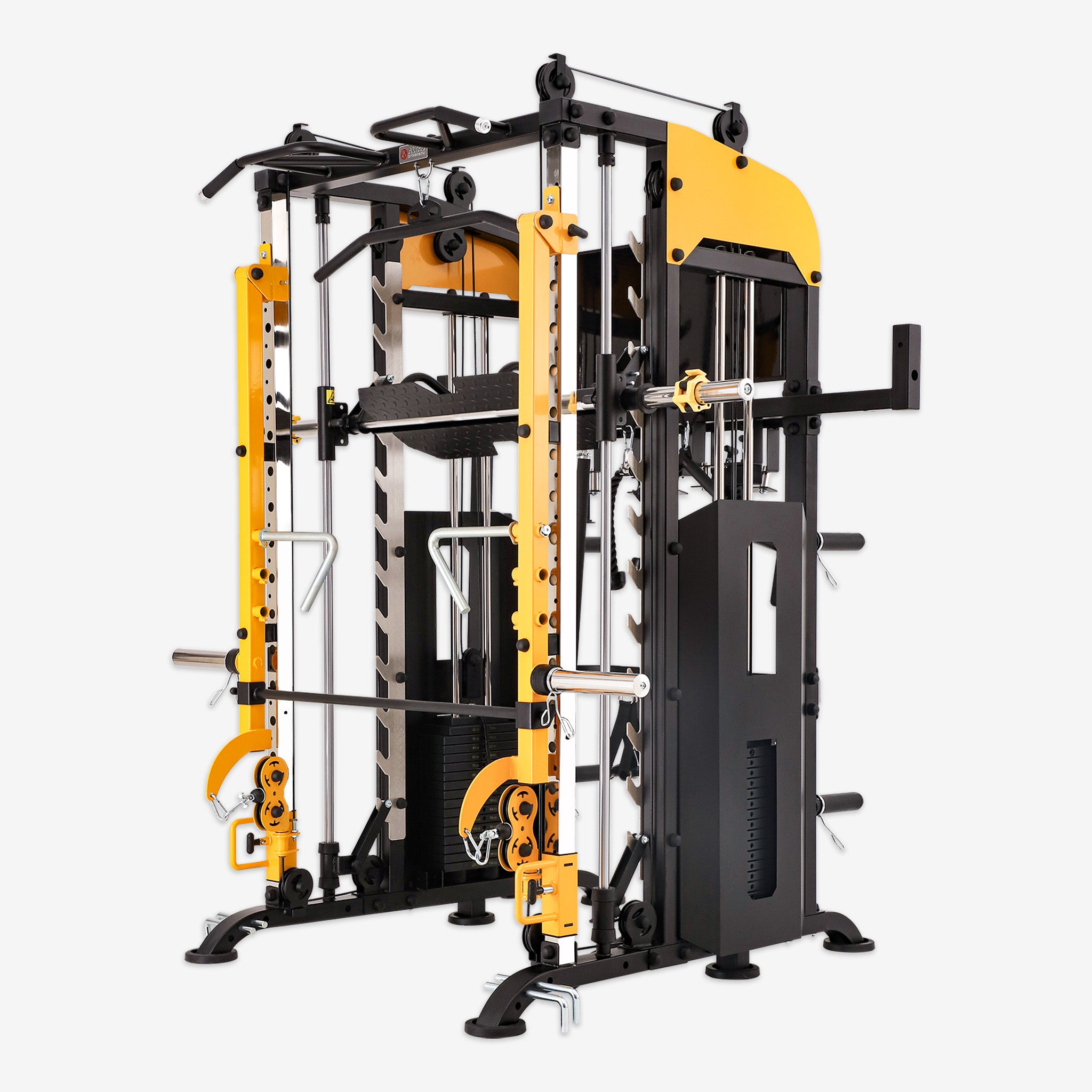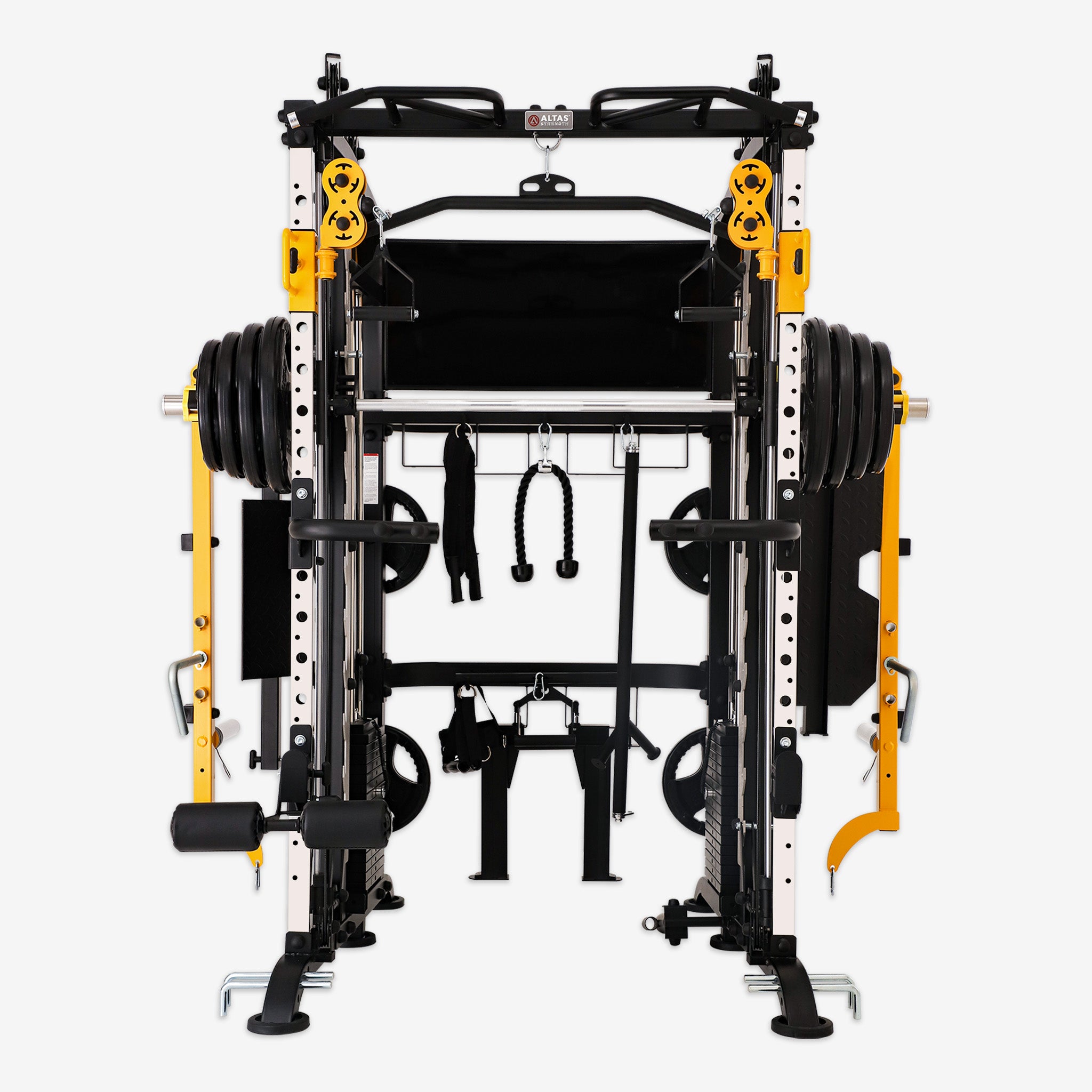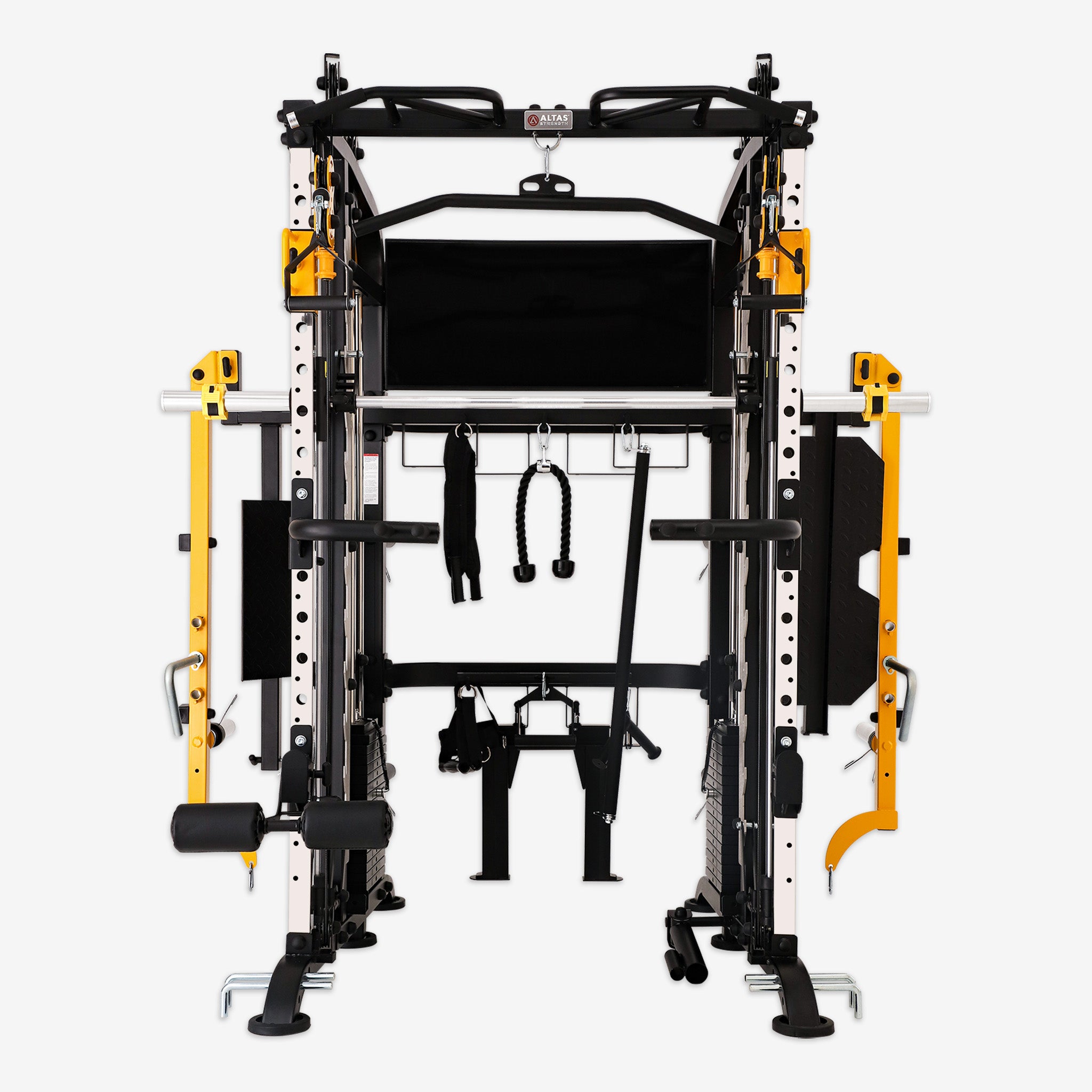
The smith machine split squat is one of the most effective unilateral exercises for developing lower body strength, fixing muscle imbalances, and improving stability. By using a fixed bar path, it removes the need for balance, allowing you to fully focus on form, control, and muscle activation.
Whether you're a beginner learning proper technique or an experienced lifter targeting weak points, the smith machine split squat is a powerful addition to any leg workout.
Why People Search for “Smith Machine Split Squat”
Most users searching for smith machine split squat want practical, real-world answers like:
- How to do a smith machine split squat correctly
- What muscles it targets
- How to avoid knee pain
- Whether it’s better than free-weight split squats
- How to progress safely
This guide is built to answer those exact questions clearly and efficiently.
Muscles Worked in Smith Machine Split Squat
The smith machine split squat targets multiple lower-body muscles:
Primary muscles:
- Quadriceps
- Glutes
- Hamstrings
Secondary muscles:
- Core
- Hip flexors
- Lower back stabilizers
Because it’s a unilateral exercise, it’s excellent for correcting left-right strength imbalances.
Key Benefits of Smith Machine Split Squat
1. Fixes Muscle Imbalances
Training one leg at a time helps identify and correct strength differences.
2. More Stability, Better Focus
The fixed bar path reduces balance demands so you can focus on muscle engagement.
3. Knee-Friendly Movement
Controlled motion reduces stress on joints when performed correctly.
4. Builds Functional Strength
Improves real-life movement patterns like walking, climbing stairs, and running.
5. Easy to Progress
You can gradually add weight, adjust stance, or increase range of motion.
How to Do a Smith Machine Split Squat (Step-by-Step)
Step 1: Set Up the Machine
- Adjust the bar to shoulder height
- Step into a staggered stance (one foot forward, one back)
- Keep about 2–3 feet between your feet
Step 2: Position Your Body
- Bar rests across your upper back
- Chest up, core tight
- Front foot flat, back foot on toes
Step 3: Perform the Movement
- Lower your body by bending the front knee
- Keep your knee aligned with your toes
- Lower until your front thigh is parallel to the ground
- Push through your front heel to stand back up
Reps:
- Beginners: 10–12 reps per leg
- 3–4 sets
Smith Machine Split Squat vs Free Weights
Smith Machine Split Squat:
- More stable
- Easier for beginners
- Better for isolating muscles
Free Weight Split Squat:
- Requires more balance
- Engages more stabilizer muscles
- More functional carryover
Best approach: Use both for a balanced routine.
Common Mistakes to Avoid
Avoid these errors to stay safe and get results:
- Front knee collapsing inward
- Standing too close or too far from the bar
- Leaning too far forward
- Dropping the back knee onto the floor
- Using too much weight too soon
Tip: Always prioritize form over load.
Pro Tips to Maximize Results
- Start light: Use just the bar to learn movement
- Slow down: Control the lowering phase (3–4 seconds)
- Elevate back foot: Try Bulgarian variation for more intensity
- Focus on glutes: Squeeze at the top of each rep
- Progress gradually: Add small weight increments
Is Smith Machine Split Squat Good for Beginners?
Yes. The smith machine split squat is one of the best beginner-friendly leg exercises because:
- It reduces balance challenges
- It teaches proper movement patterns
- It lowers injury risk
- It builds confidence with weight training
Final Thoughts
The smith machine split squat is a highly effective, versatile exercise for building leg strength, improving symmetry, and protecting your joints. Its controlled movement makes it ideal for both beginners and advanced lifters.
By mastering proper setup, focusing on form, and progressing gradually, you can use the smith machine split squat to develop stronger quads, glutes, and overall lower-body power.
If you want better balance, stronger legs, and safer training, this exercise deserves a permanent place in your routine.