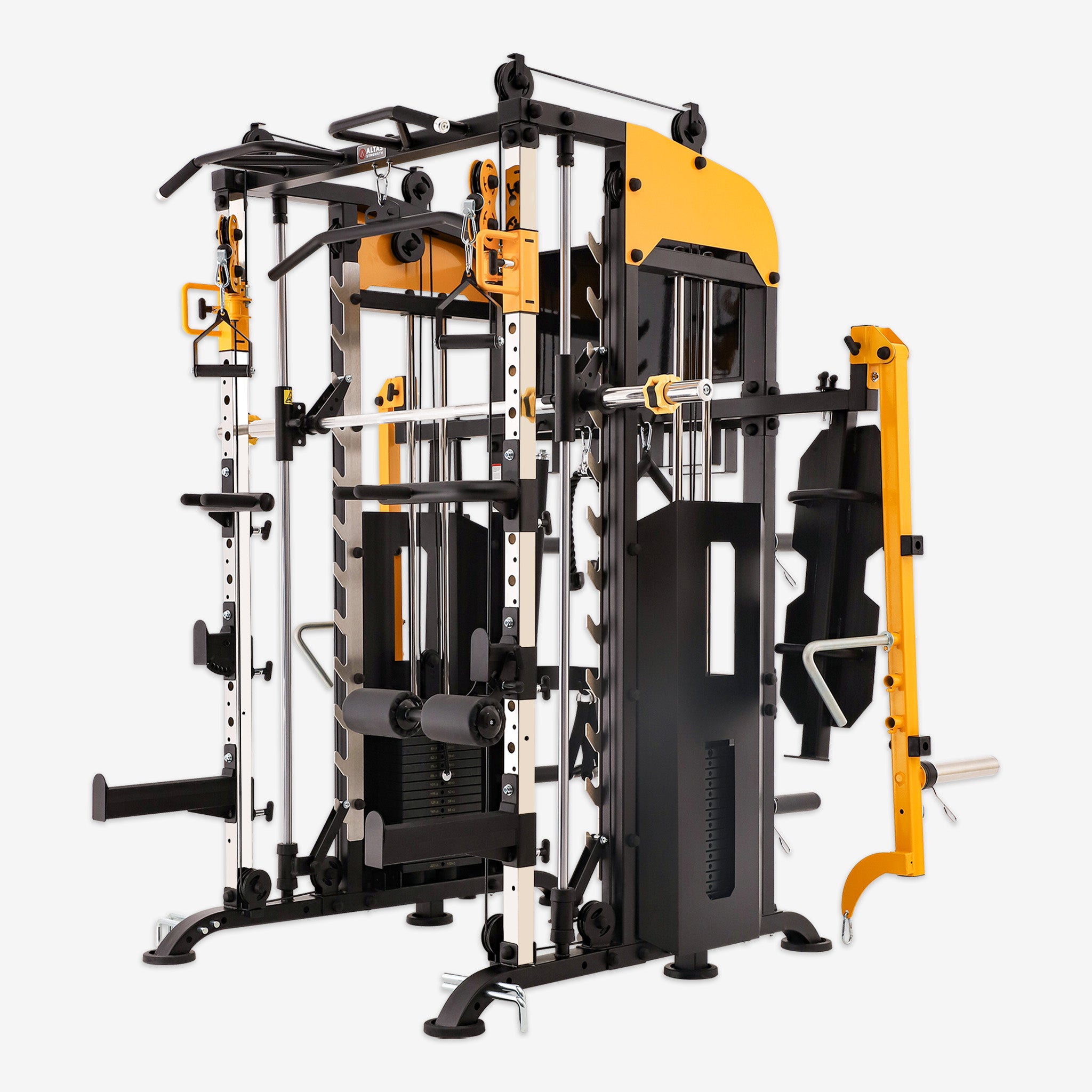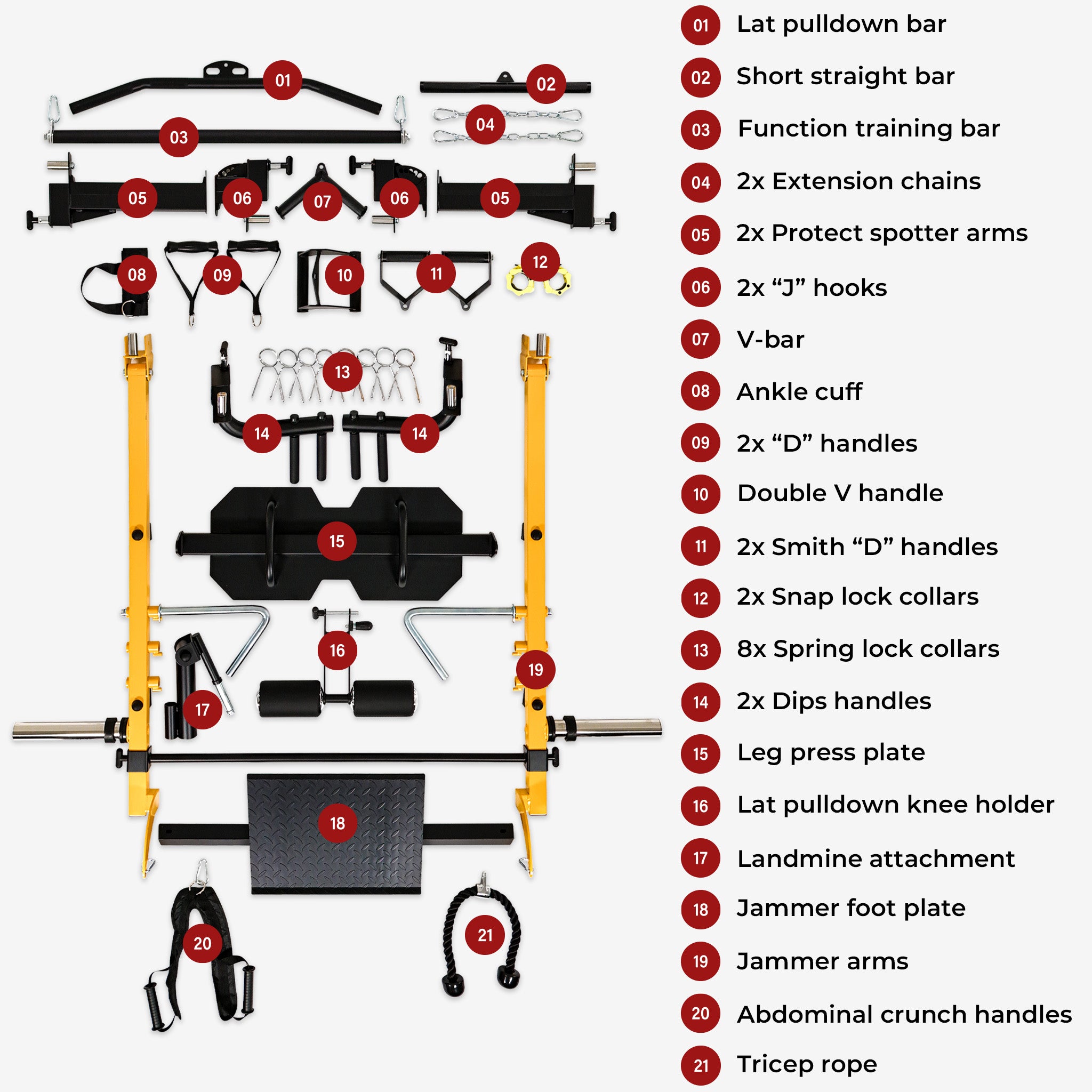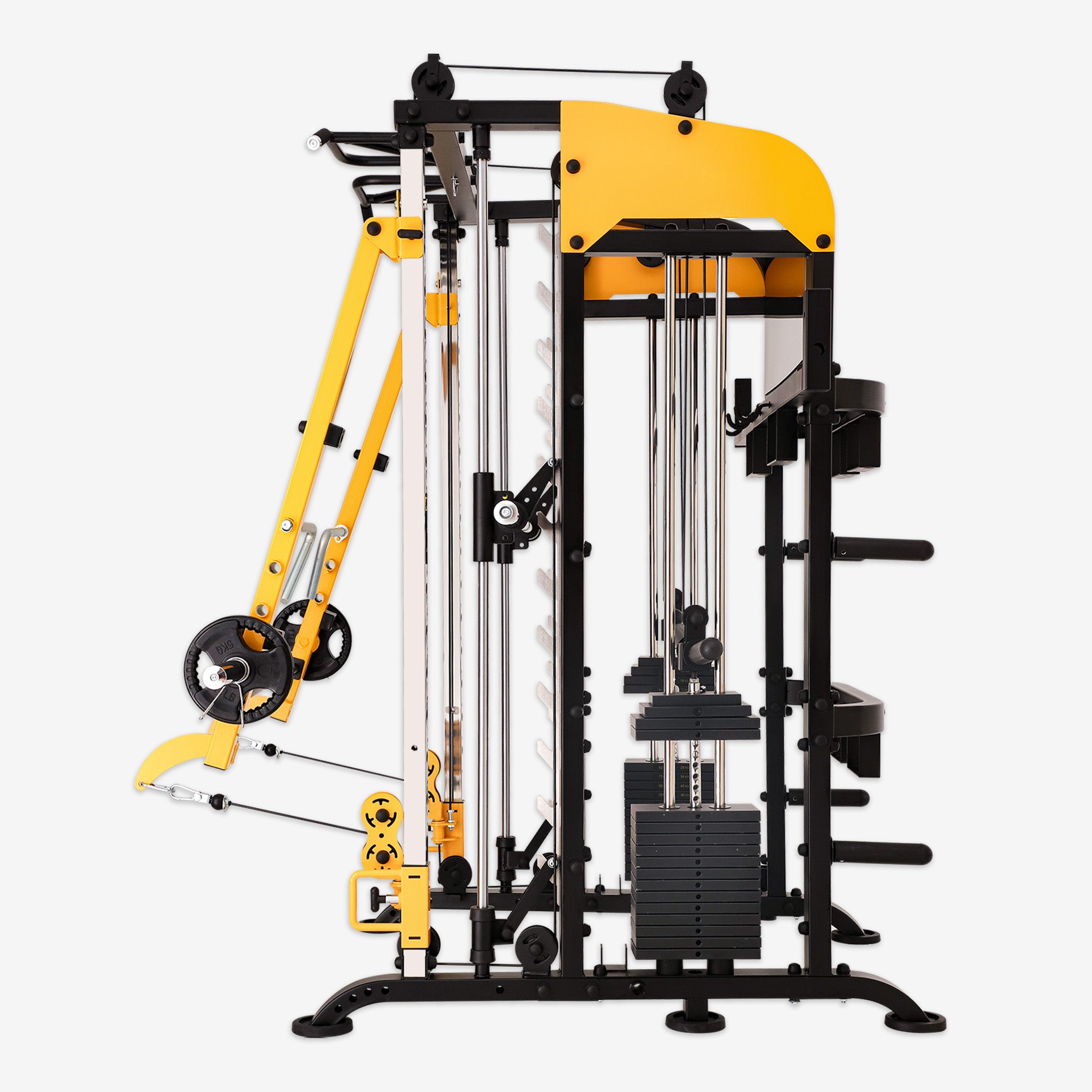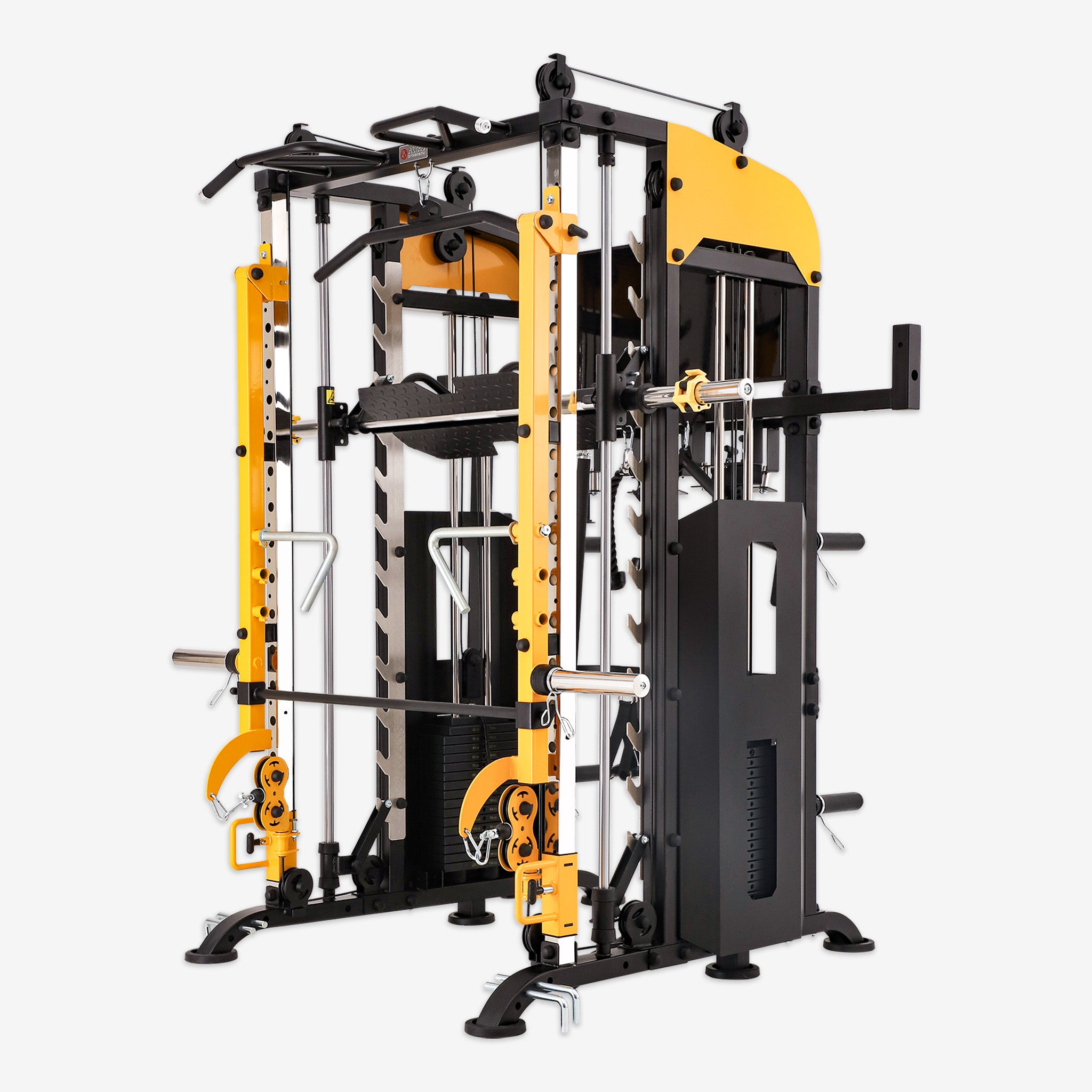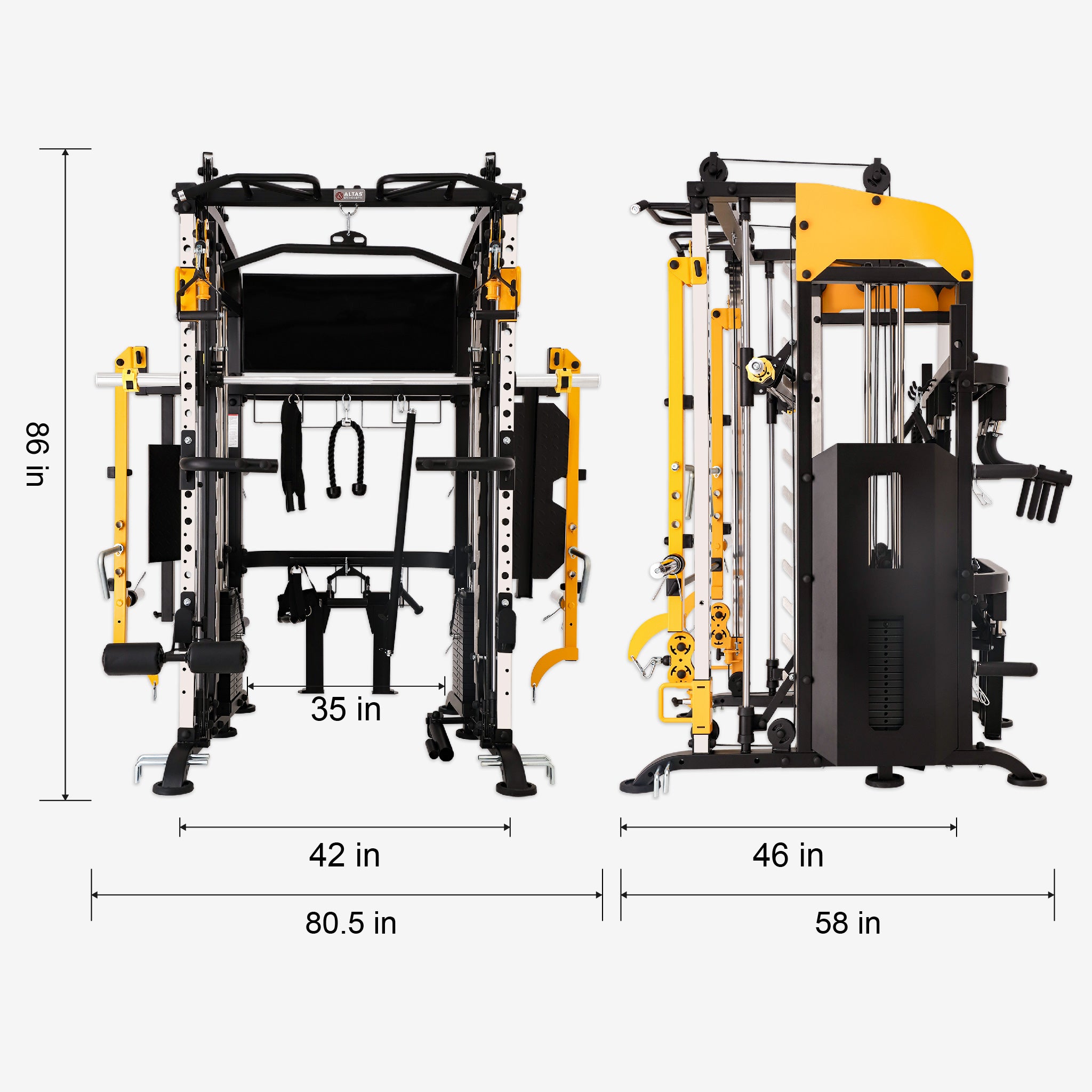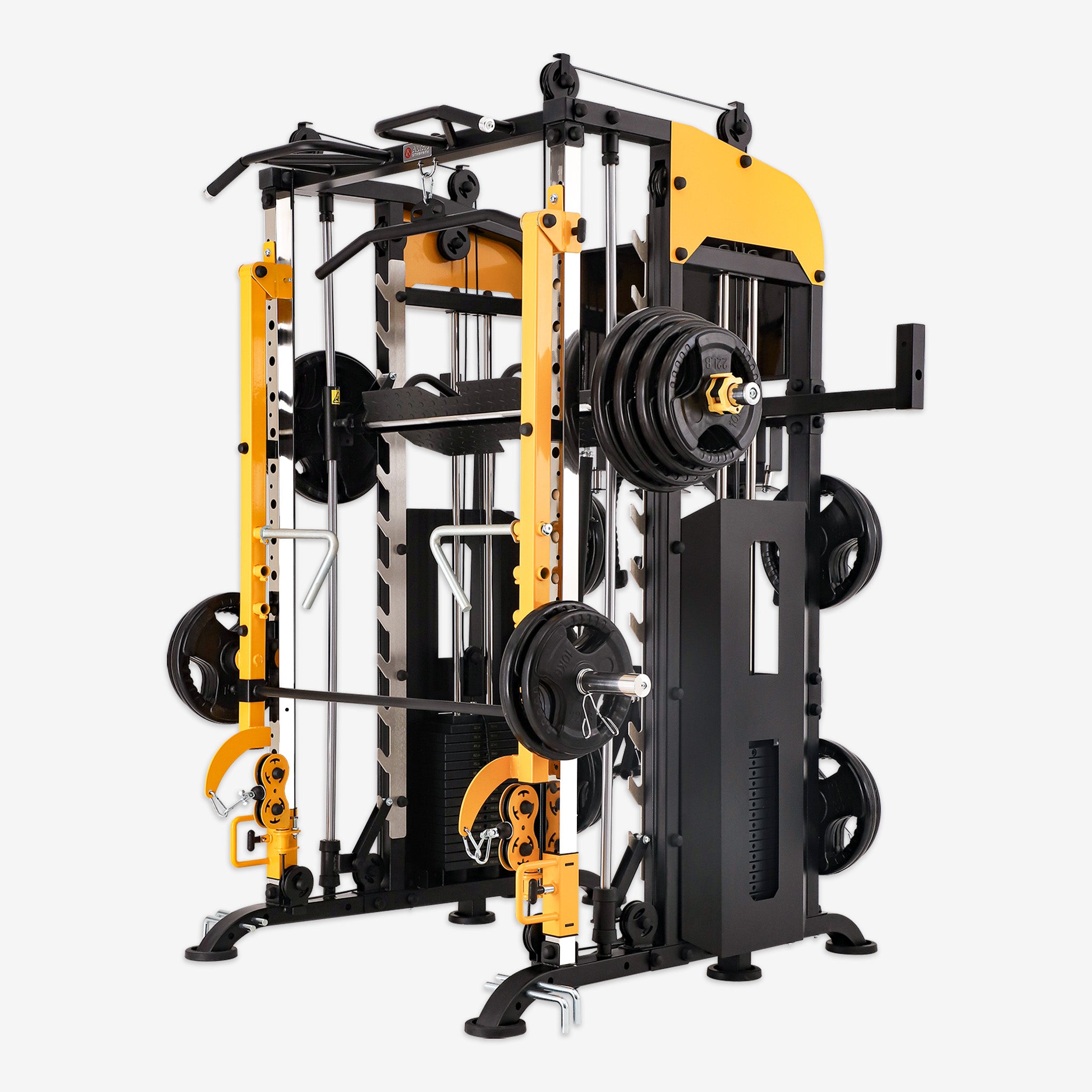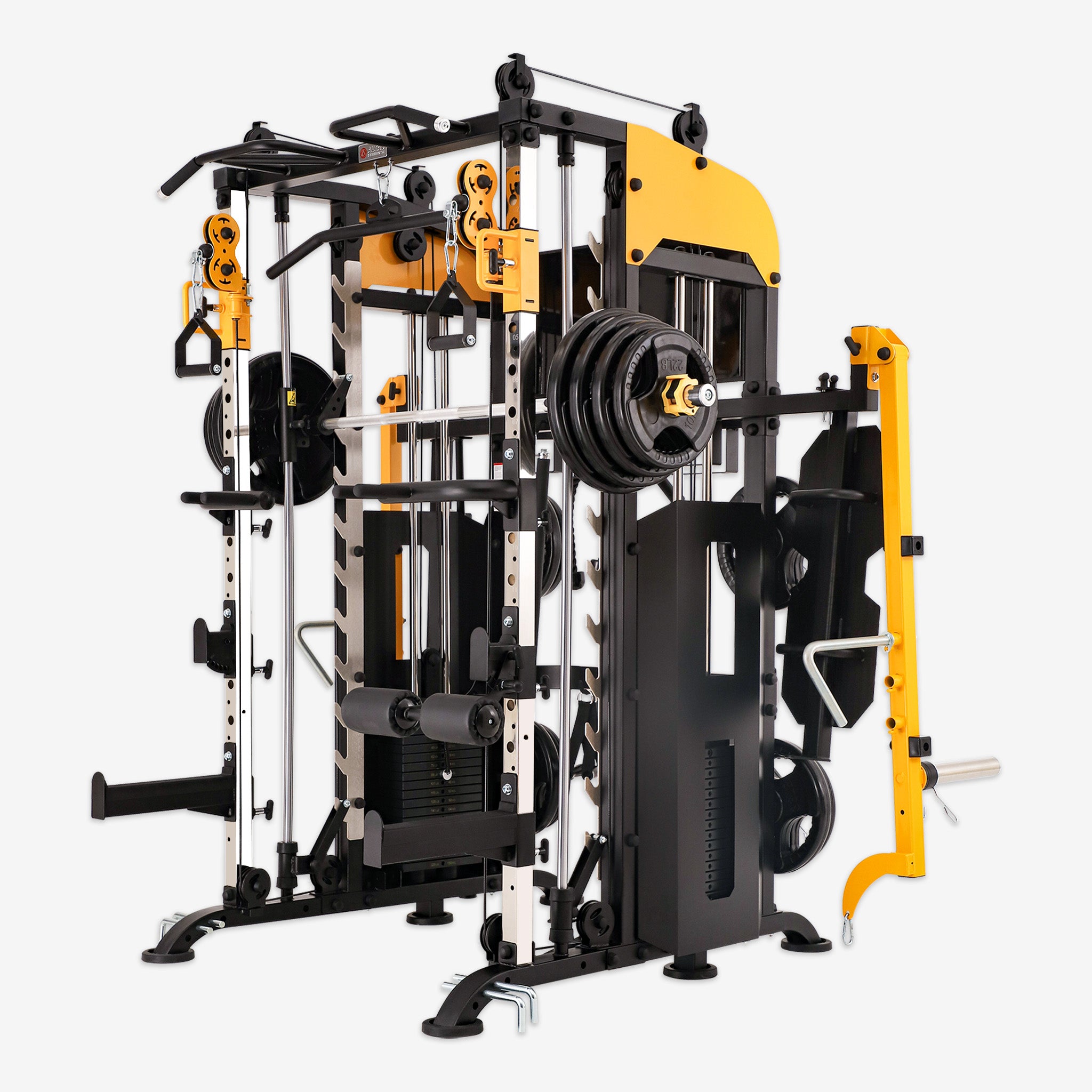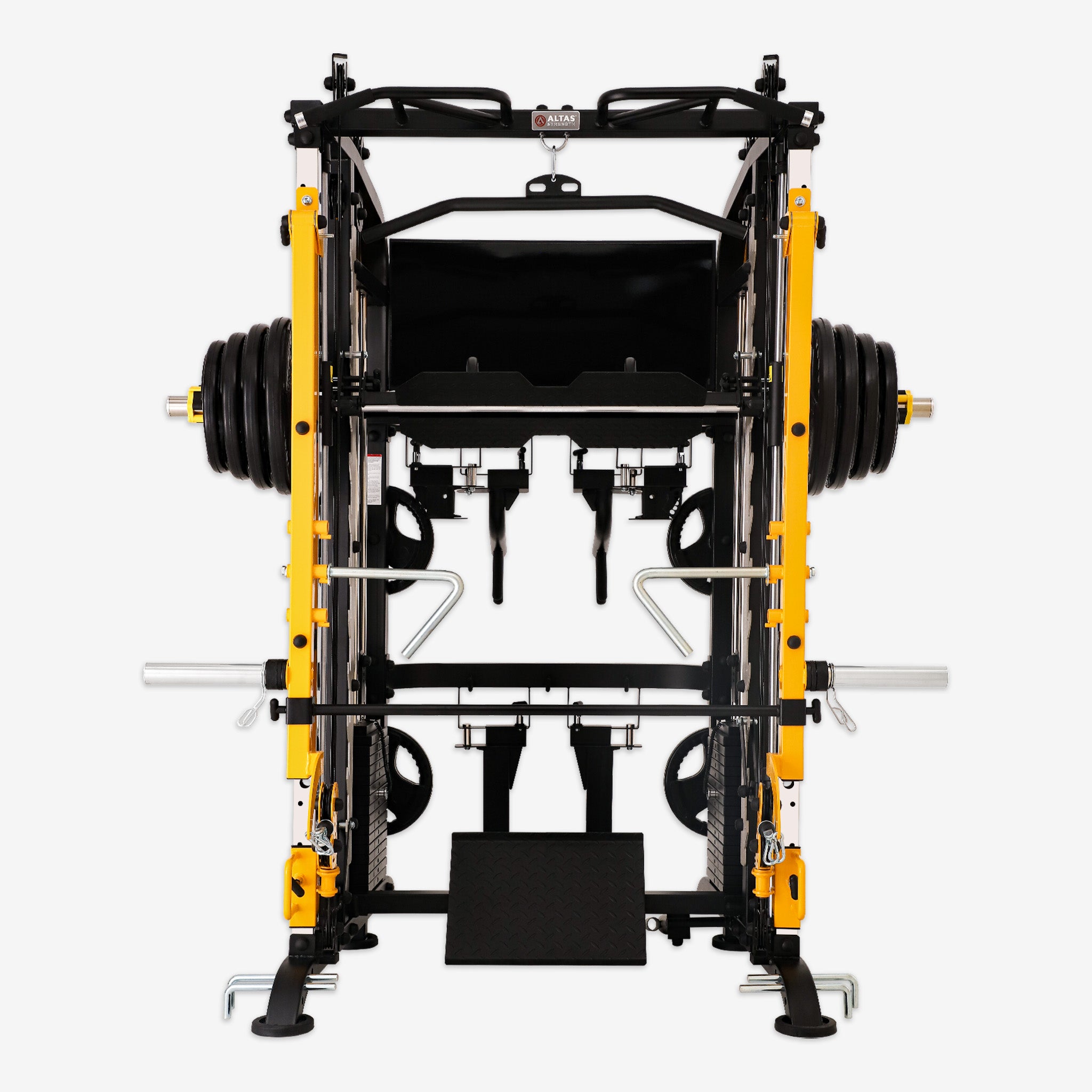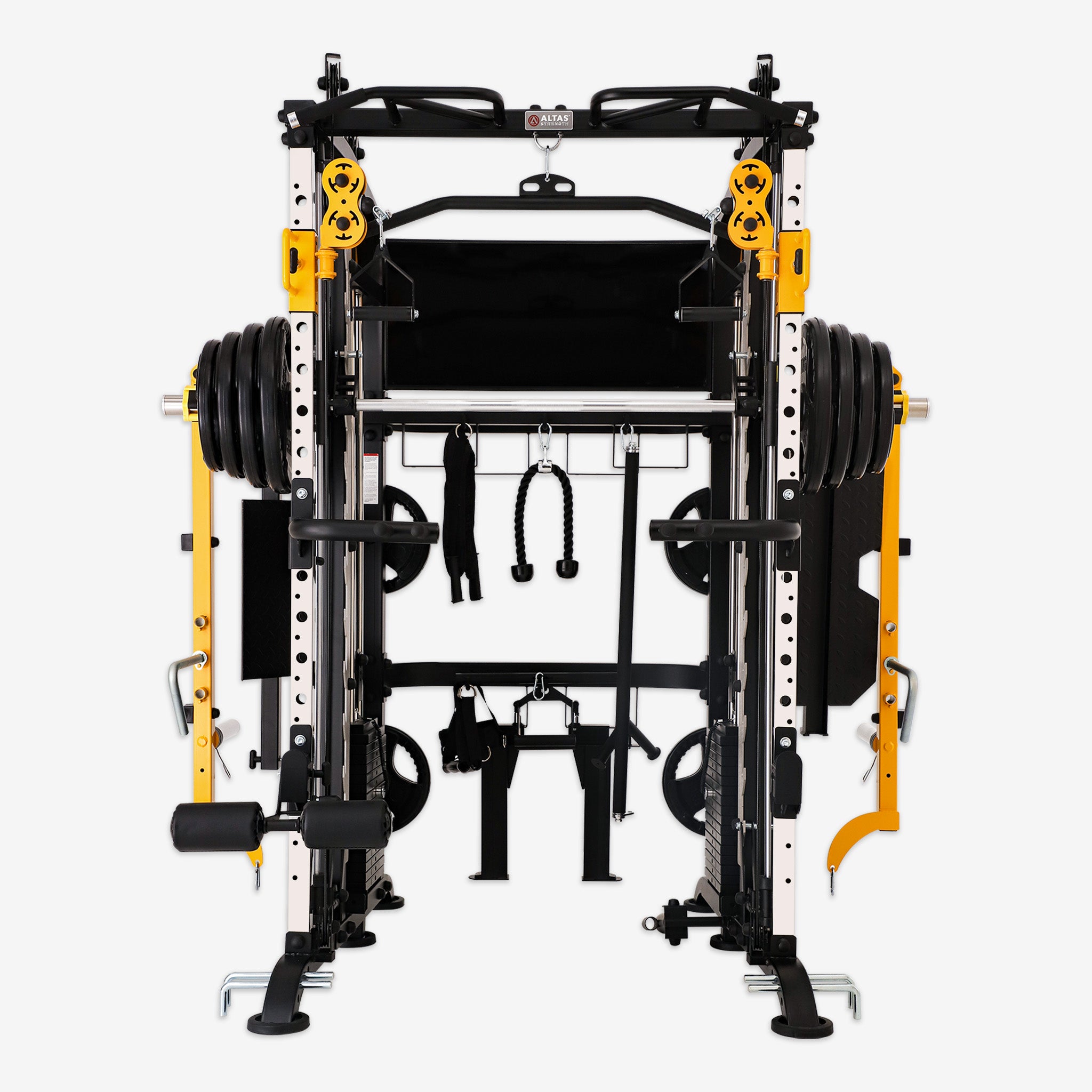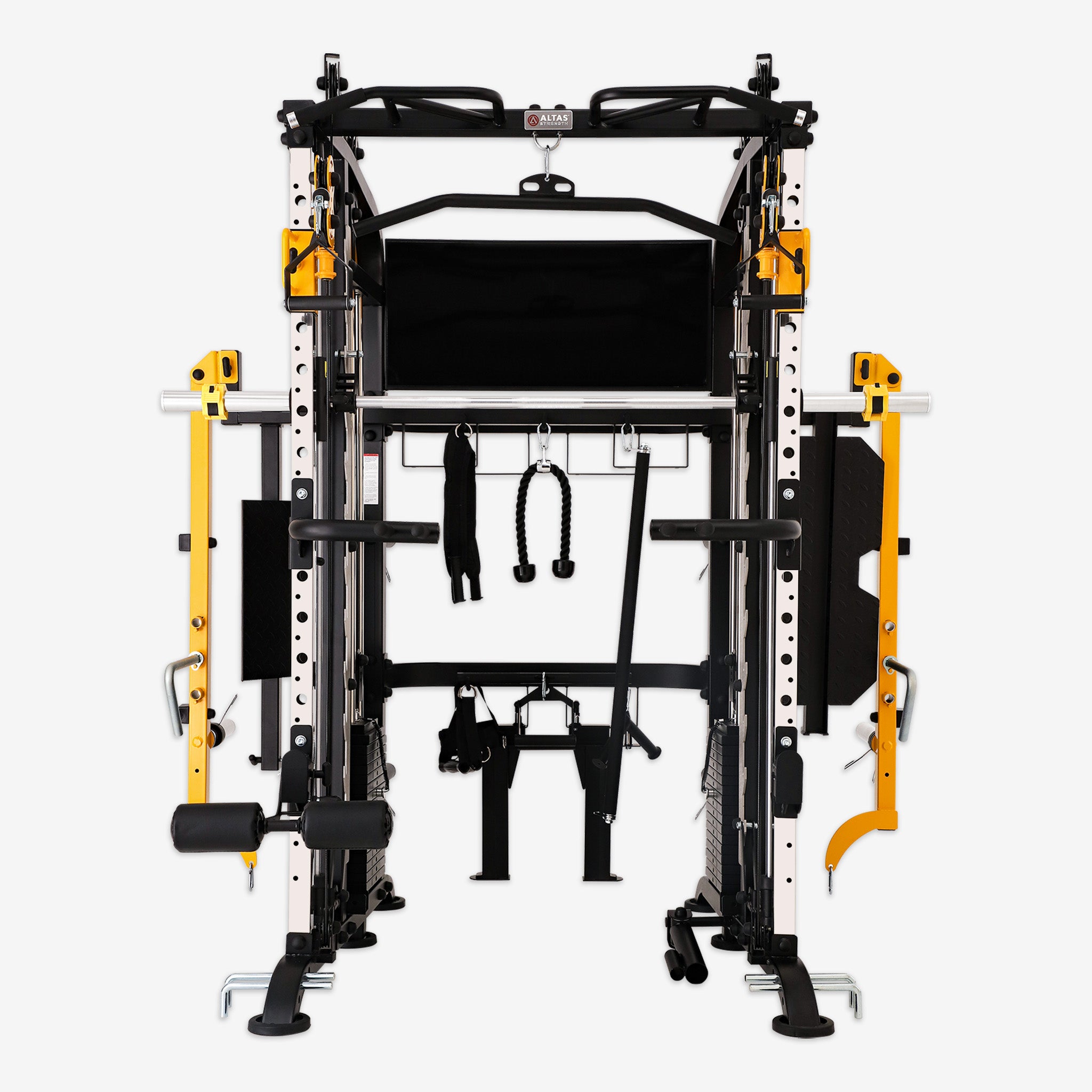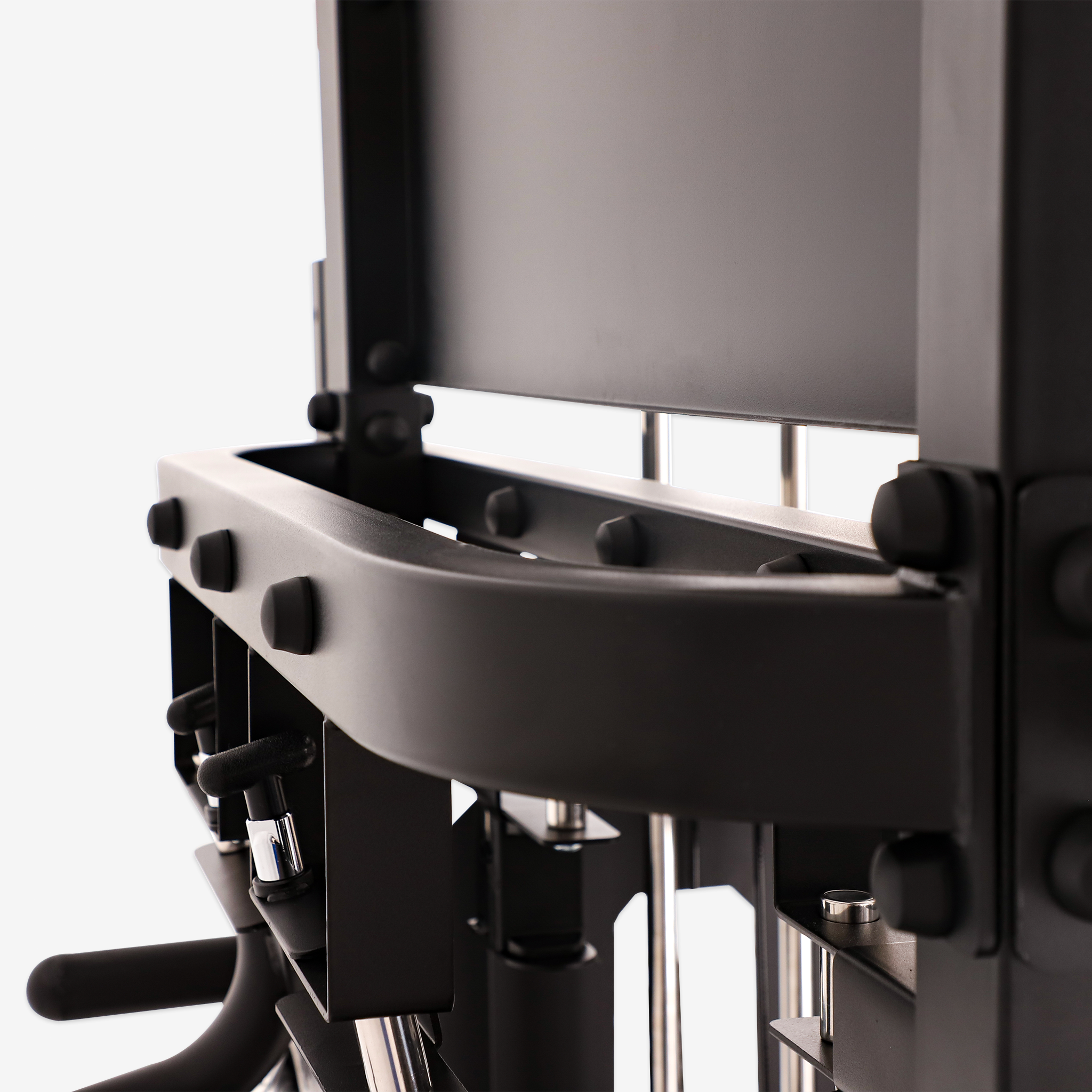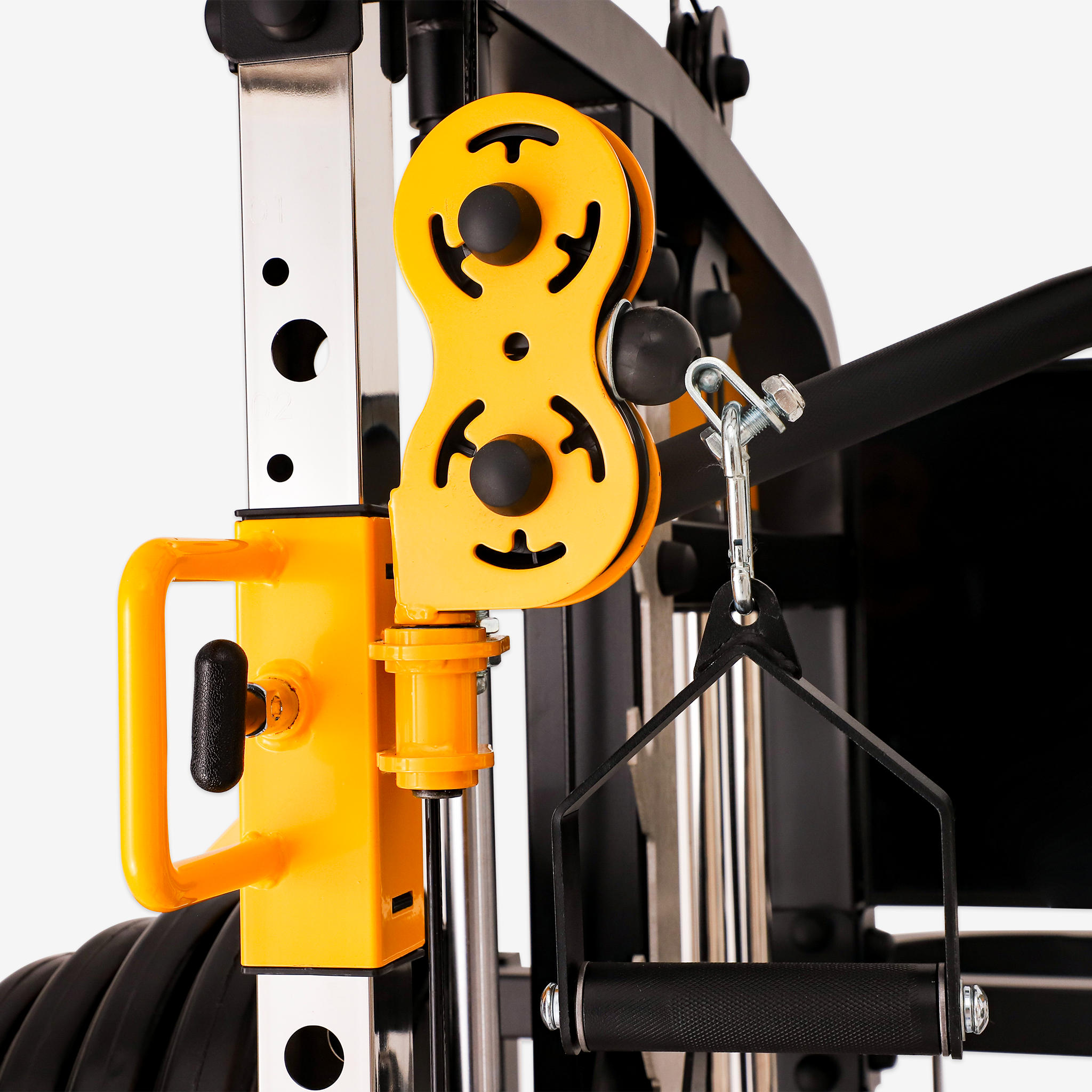
If you’ve ever used a Smith machine, you might have wondered: how much does the Smith machine bar actually weigh? Unlike standard Olympic barbells, Smith machine bars do not have a universal weight. Depending on the machine’s design and counterbalance system, the bar weight can vary widely.
Understanding the Smith machine bar weight is important for accurate workout tracking, safe training, and effective strength progression. Whether you're a beginner building confidence or an experienced lifter aiming for progressive overload, knowing the base weight of your Smith machine helps you plan your workouts properly.
What Is the Average Smith Machine Bar Weight?
The weight of a Smith machine bar typically ranges from 6 to 45 pounds, depending on the machine’s design.
Most commercial and home gym Smith machines fall within these two categories:
Counterbalanced Smith Machine Bars
Typical weight: 6–20 lbs (3–9 kg)
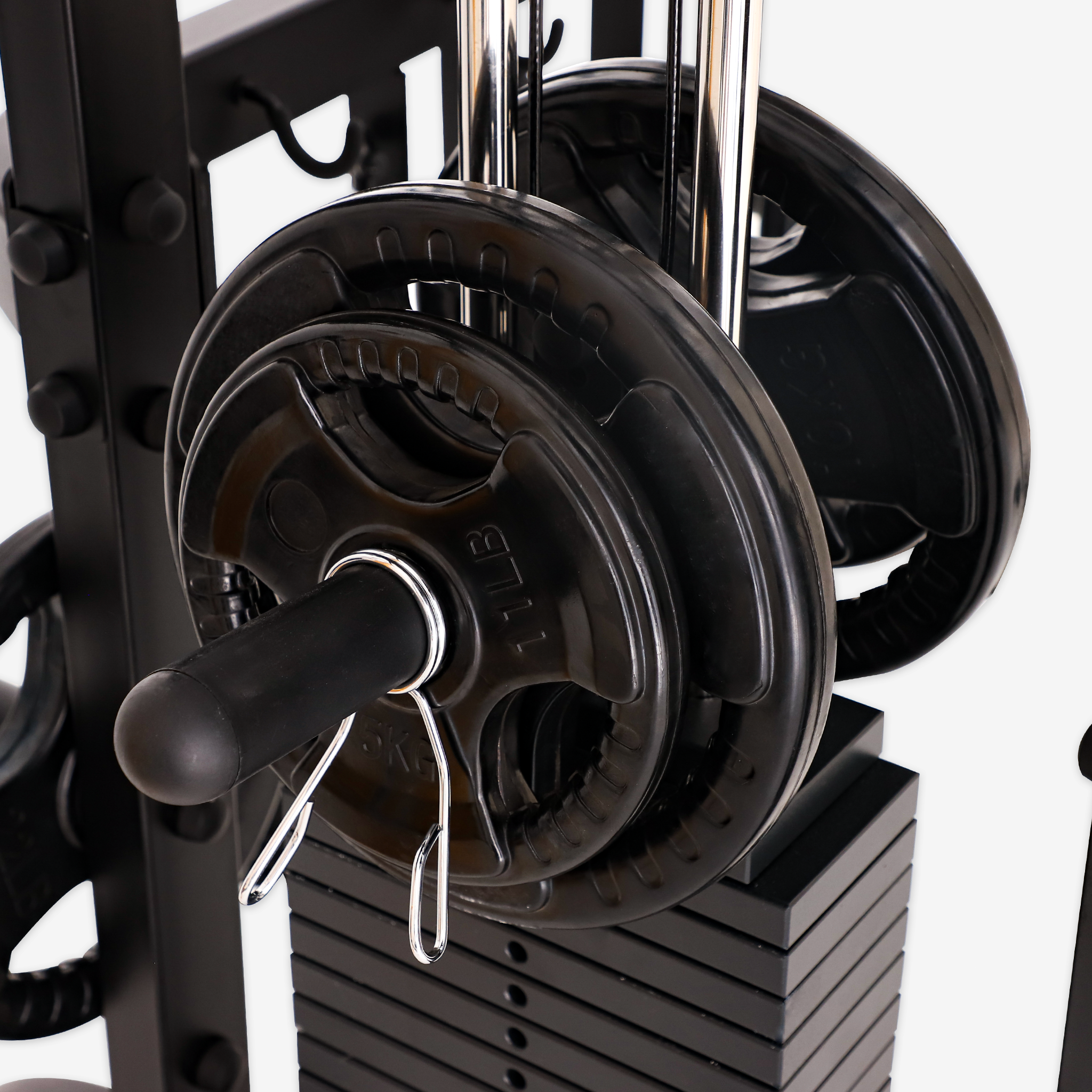
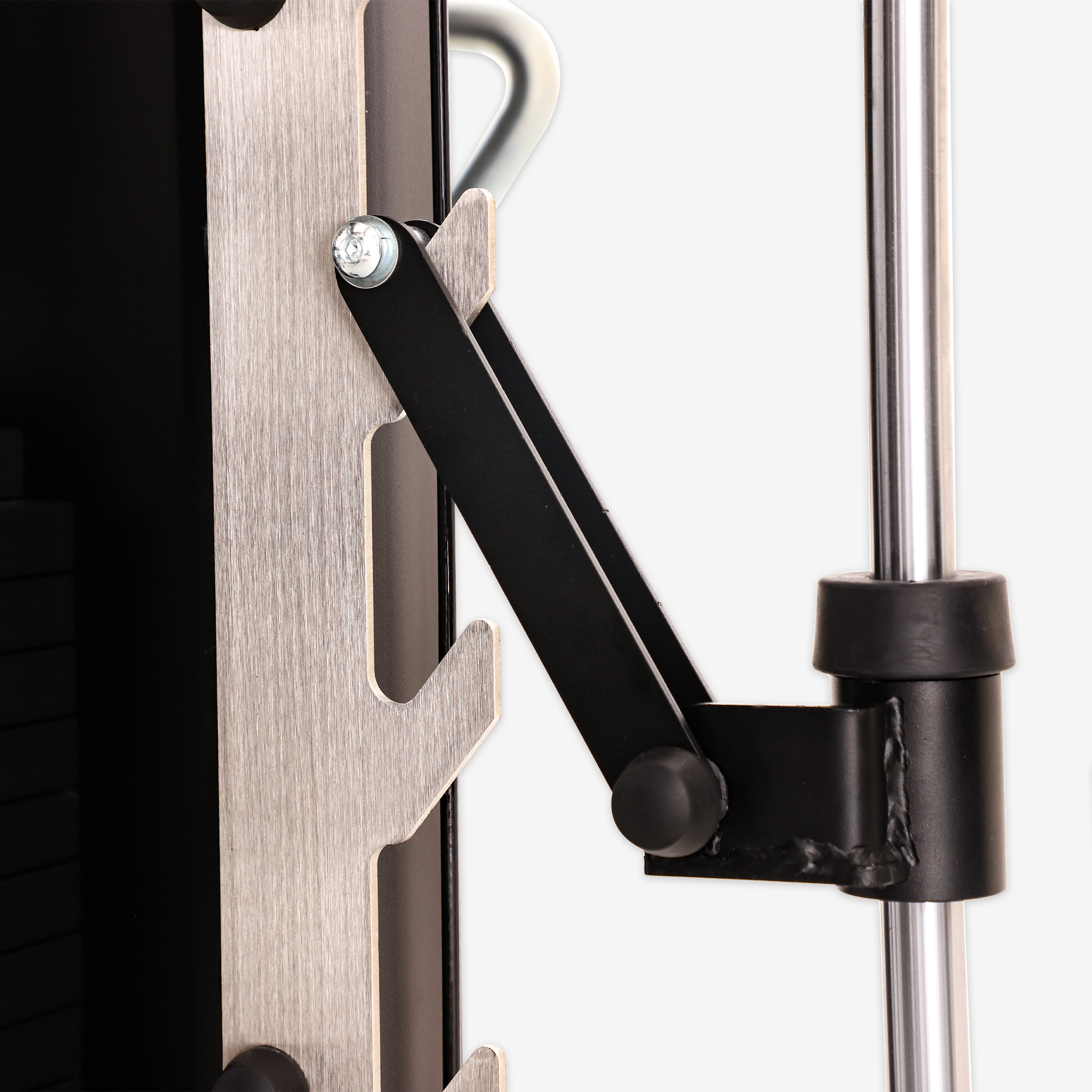
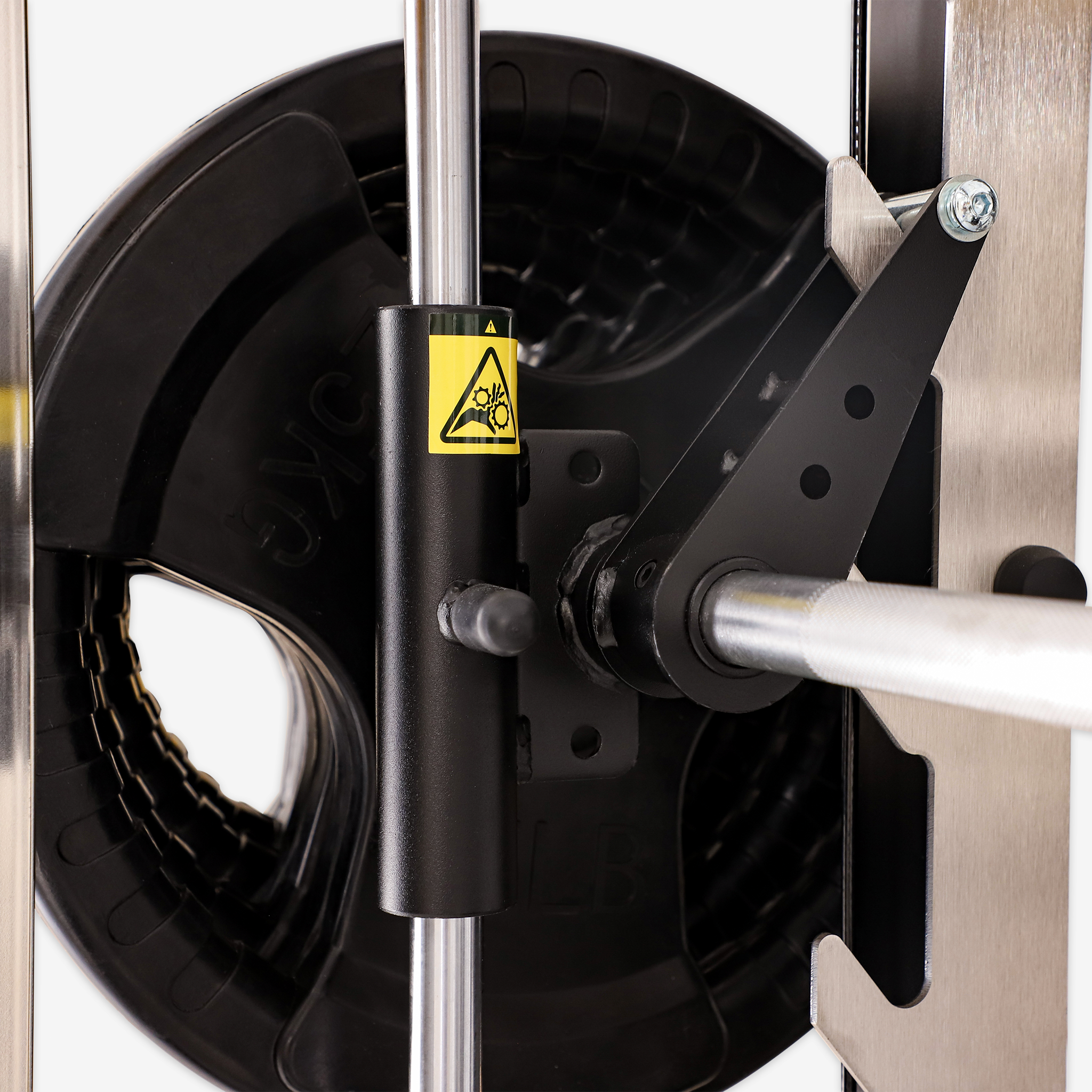
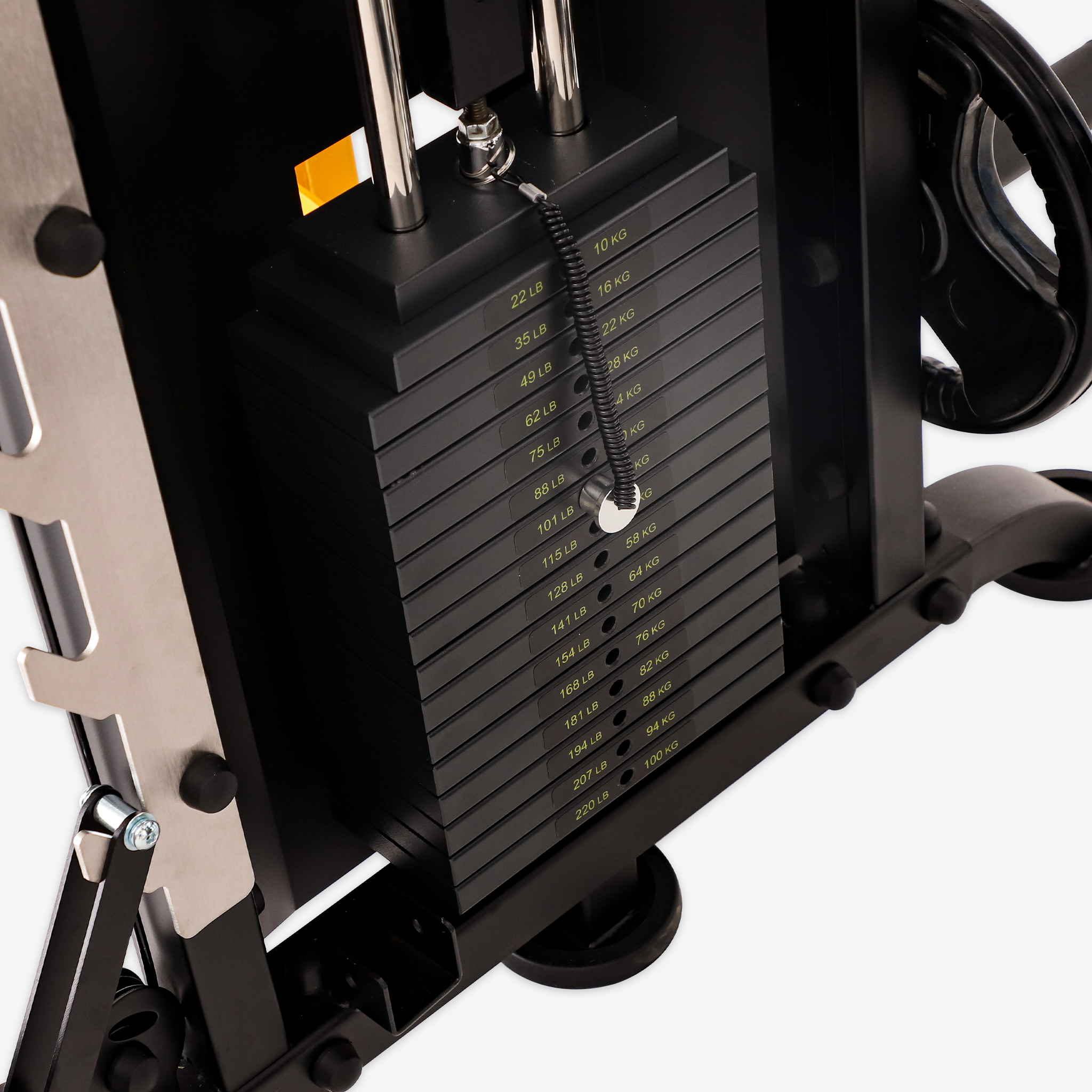
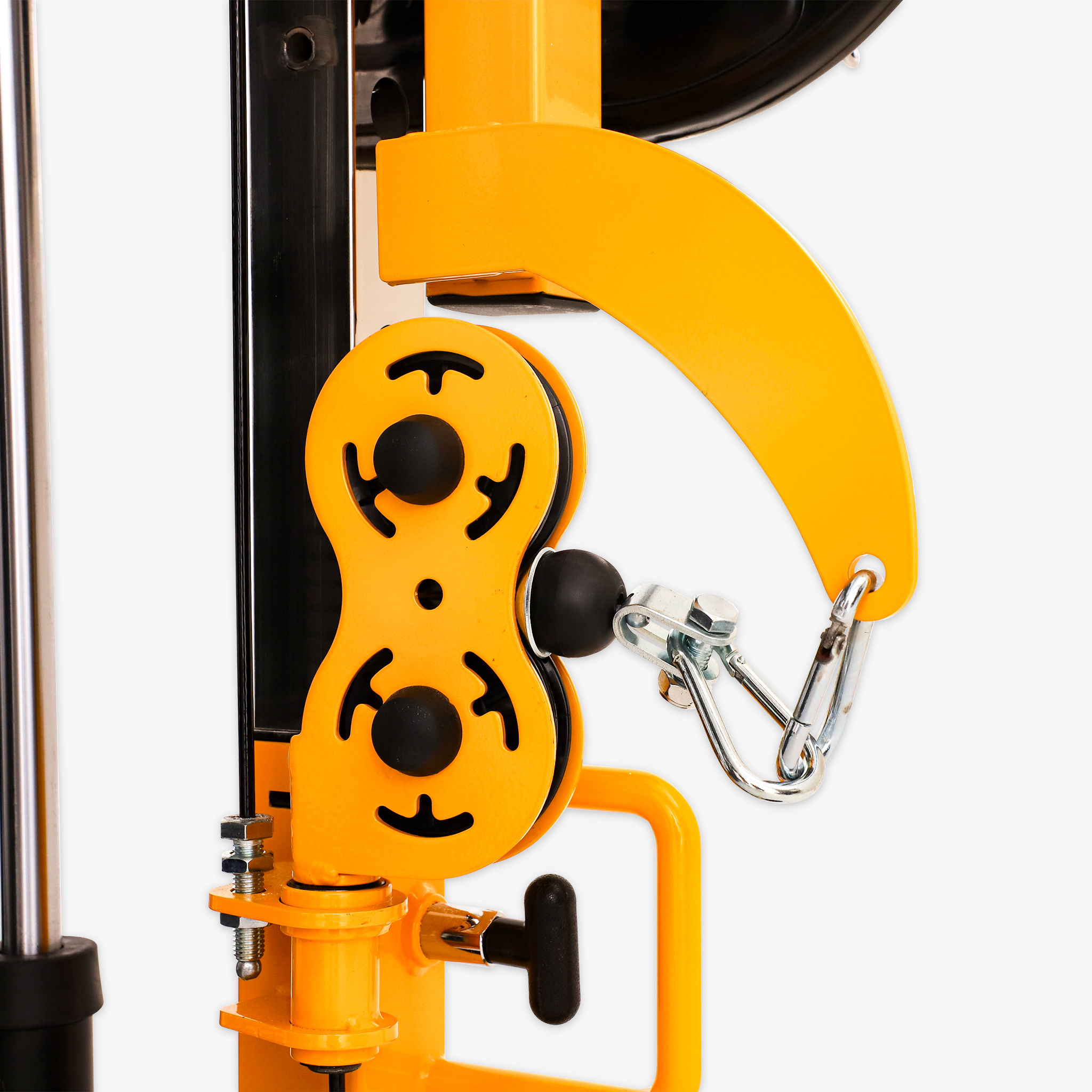
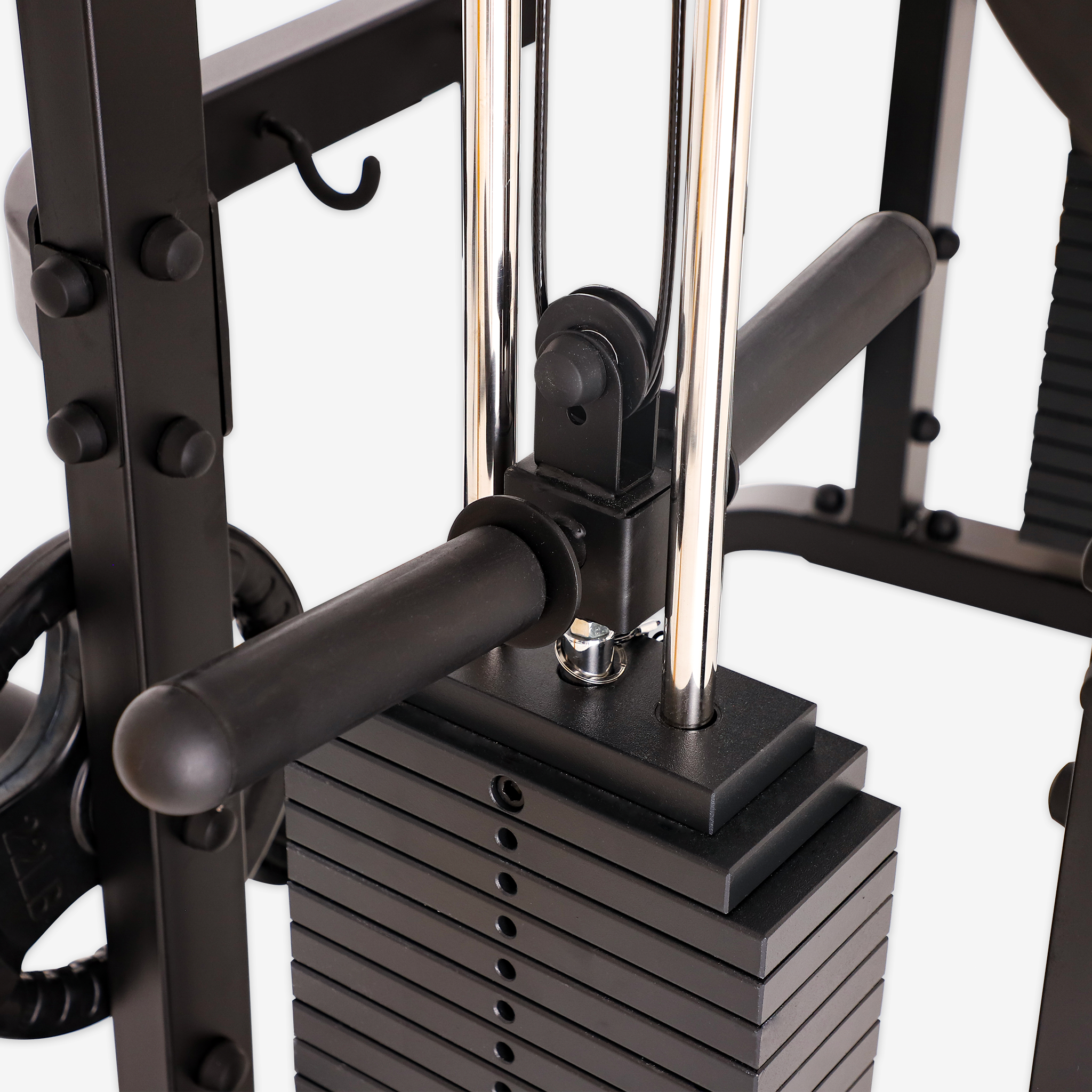
These machines use a counterweight pulley system that offsets the bar’s weight, making it easier to control and lift. This design is common in modern gyms and home gym equipment.
Non-Counterbalanced Smith Machine Bars
Typical weight: 20–45 lbs (9–20 kg)
These bars behave more like traditional barbells because they do not use counterweights. They are often found in heavy-duty commercial gym equipment.
For most home gyms and general fitness users, counterbalanced Smith machines are preferred because they are easier to control and safer for solo training.
Our Smith Machine Bar Weight Design
Our Smith machine uses a 15–20 pound counterbalanced bar, which is widely considered the optimal weight range for balancing accessibility, safety, and performance.
This carefully chosen weight provides several advantages:
-
Light enough for beginners to learn proper form
-
Heavy enough for experienced lifters to challenge themselves with added plates
-
Easy to control during compound exercises
-
Ideal for progressive overload training
To eliminate guesswork, the exact bar weight is clearly labeled, making it easier to track workouts and calculate total lifting load.
Why Smith Machine Bar Weight Matters
Understanding the base weight of your Smith machine is essential for several reasons.
Accurate Progress Tracking
To calculate your total lift, you must include:
Bar weight + plate weight
Example:
-
Bar weight: 20 lbs
-
Plates added: 100 lbs
Total lifting weight = 120 lbs
Without knowing the bar weight, it becomes difficult to track strength gains accurately.
Benefits of a 15–20 lb Counterbalanced Smith Machine Bar
1. Beginner-Friendly and Safe to Use
For many beginners, the biggest barrier to strength training is fear of lifting heavy weights without protection.
A 15–20 lb counterbalanced bar reduces this fear by:
-
providing lighter starting resistance
-
offering controlled movement along fixed rails
-
allowing safe training without a spotter
This makes it easier to practice exercises such as:
-
squats
-
bench presses
-
lunges
-
shoulder presses
The guided bar path allows beginners to focus on technique and muscle engagement instead of balancing the weight.
2. Supports Progressive Overload Training
Progressive overload is essential for muscle growth and strength development.
The moderate base weight of a Smith machine bar allows lifters to increase training intensity gradually by adding small increments of weight.
Advantages include:
-
precise weight adjustments
-
consistent progression
-
safer strength development
This makes it easier to break through training plateaus and achieve new personal records.
3. Reduced Joint Stress and Injury Risk
The counterbalanced design reduces pressure on key joints, including:
-
knees
-
shoulders
-
lower back
Combined with the fixed bar path, this helps maintain proper movement mechanics during lifts.
For this reason, Smith machines are often recommended for:
-
injury rehabilitation
-
controlled strength training
-
users with joint sensitivity
4. Versatile Training for Different Fitness Goals
A well-designed Smith machine bar weight supports a wide range of training styles.
Muscle Building
Heavier plates can be added to target muscle hypertrophy and strength gains.
Endurance Training
Lighter weights with higher repetitions help improve muscular endurance.
Functional Fitness
Compound movements such as squats and presses translate strength improvements into daily physical performance.
5. Perfect for Home and Commercial Gyms
The balanced bar weight makes Smith machines ideal for both home fitness setups and busy commercial gyms.
For home users:
-
no spotter required
-
easier to control during solo workouts
-
safer training environment
For commercial gyms:
-
clear weight labeling reduces confusion
-
durable design handles high usage
-
consistent bar weight helps members track progress
Common Exercises Using a Smith Machine
With the right bar weight, a Smith machine supports many effective strength exercises.
Popular movements include:
Lower Body
-
Squats
-
Lunges
-
Romanian deadlifts
-
Hip thrusts
Upper Body
-
Bench press
-
Incline press
-
Shoulder press
Full Body
-
Rack pulls
-
Overhead presses
-
Shrugs
This versatility makes the Smith machine one of the most useful multi-exercise machines in a gym.
Final Thoughts
Smith machine bar weights vary depending on the equipment design, but most fall within 6–45 pounds, with many modern machines using 15–20 pound counterbalanced bars.
This weight range provides the perfect balance of:
-
beginner accessibility
-
safety during solo training
-
support for progressive overload
-
versatility for different training goals
Choosing a Smith machine with the right bar weight and clear labeling ensures you can train more effectively, track your progress accurately, and build strength with confidence.