Quick Answer
If your goal is bigger, firmer, and stronger glutes, the best squats to target glutes are:
-
Sumo Squats
-
Smith Machine Glute Squats
-
Goblet Squats
-
Low-Bar Back Squats
-
Box Squats
-
Bulgarian Split Squat
-
Deep Bodyweight Squats
The key is not simply squatting more—it's using proper stance width, squat depth, and hip positioning to maximize glute activation.
Why Regular Squats Don't Always Grow Your Glutes
Many people perform squats for months yet see most of the development occur in their quadriceps rather than their glutes.
This usually happens because:
-
Stance is too narrow
-
Squat depth is too shallow
-
Knees dominate the movement
-
Hips are not fully engaged
-
Weight shifts onto the toes
To make squats target glutes effectively, you must increase hip involvement throughout the movement.
What Muscles Do Glute-Focused Squats Work?
Primary Muscles
-
Gluteus Maximus
-
Gluteus Medius
-
Gluteus Minimus
Secondary Muscles
-
Quadriceps
-
Hamstrings
-
Adductors
-
Core Stabilizers
-
Lower Back
Proper glute-focused squats create balanced lower-body development while helping improve posture, athletic performance, and hip stability.
7 Best Squats to Target Glutes
1. Sumo Squats
Sumo squats are one of the most effective squat variations for glute growth.
Why They Work
The wide stance increases hip abduction and external rotation, placing greater tension on the glutes and inner thighs.
How to Perform
-
Stand wider than shoulder width
-
Point toes outward 30–45 degrees
-
Push hips back
-
Squat below parallel if mobility allows
-
Drive through your heels
Recommended: 3–4 sets of 10–15 reps
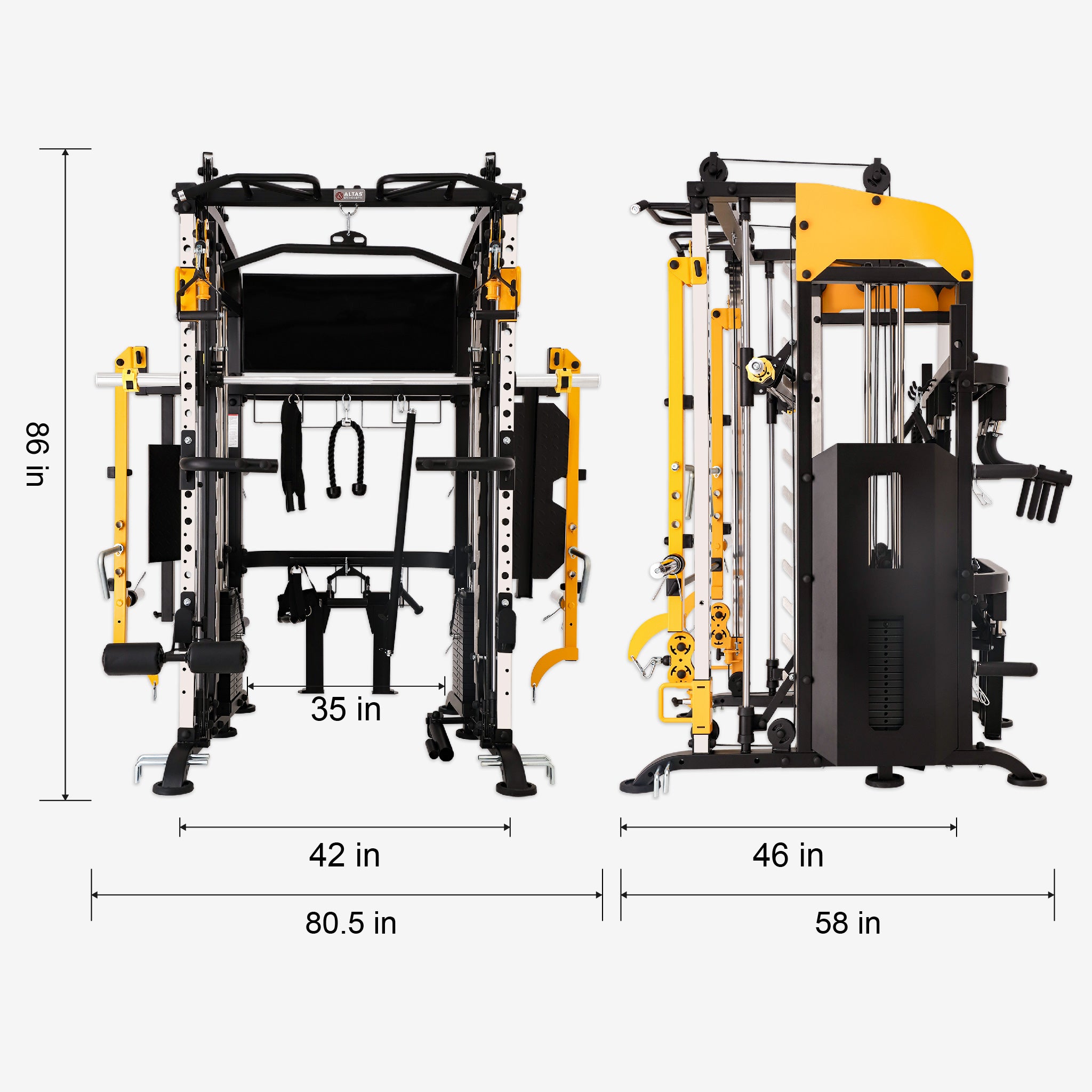
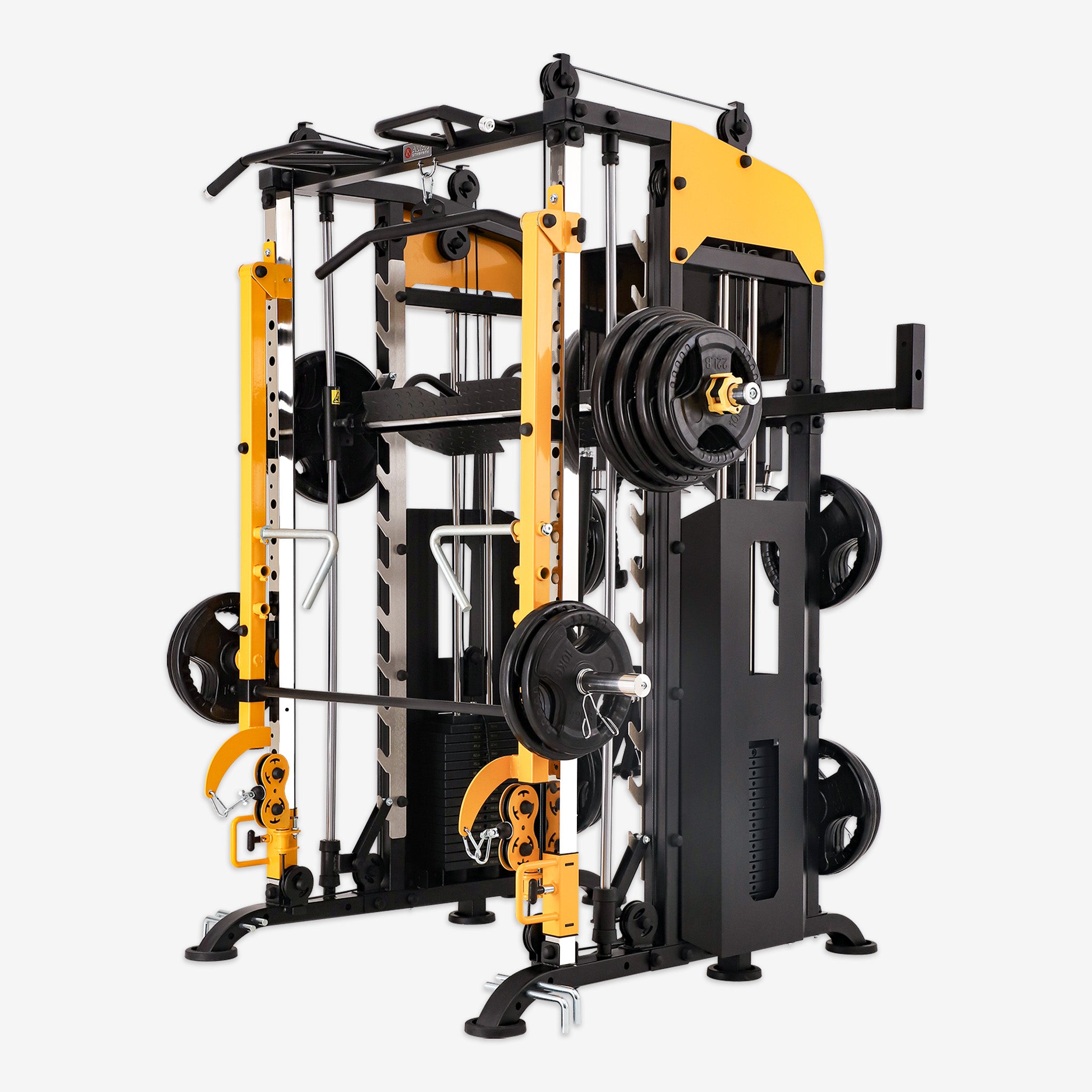
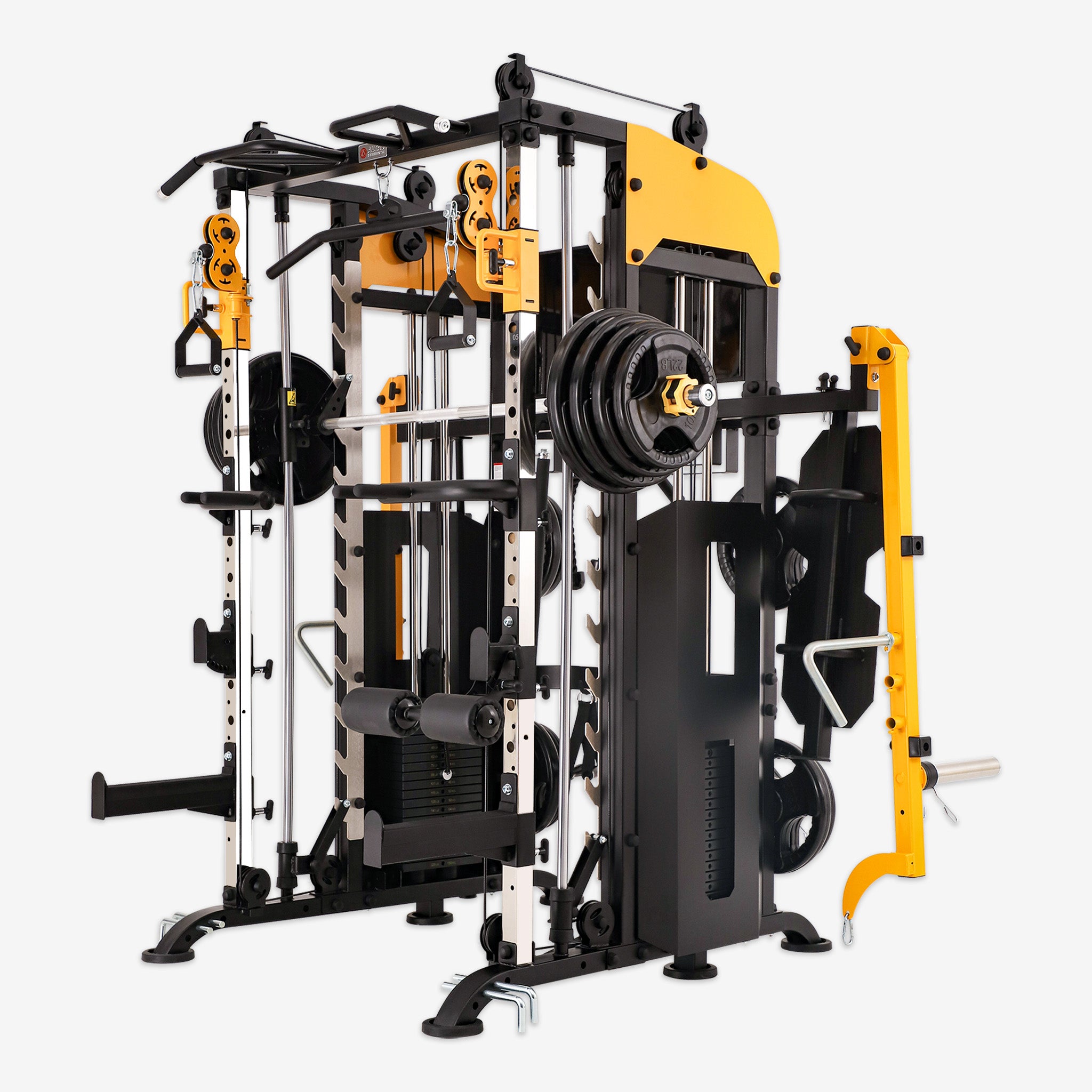
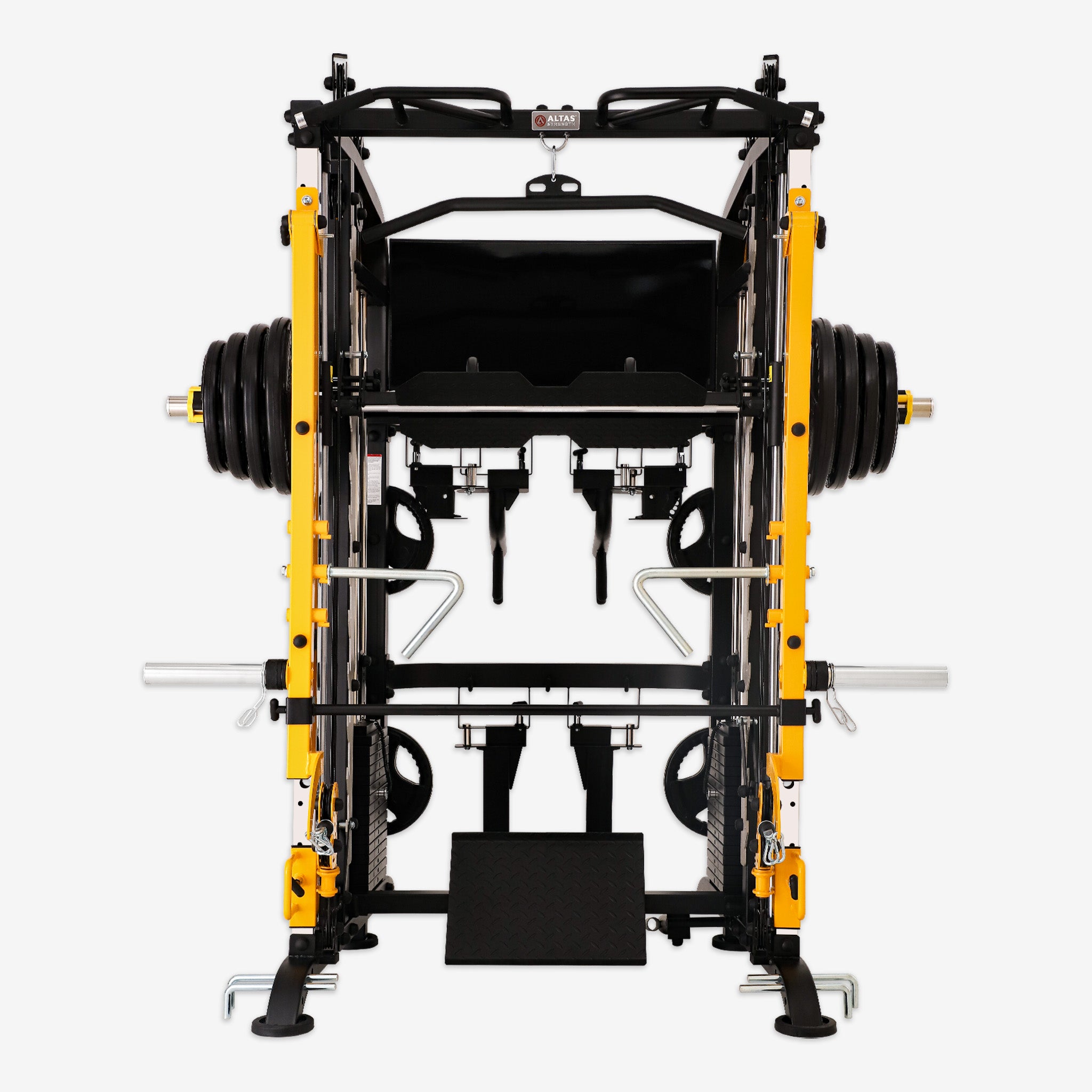
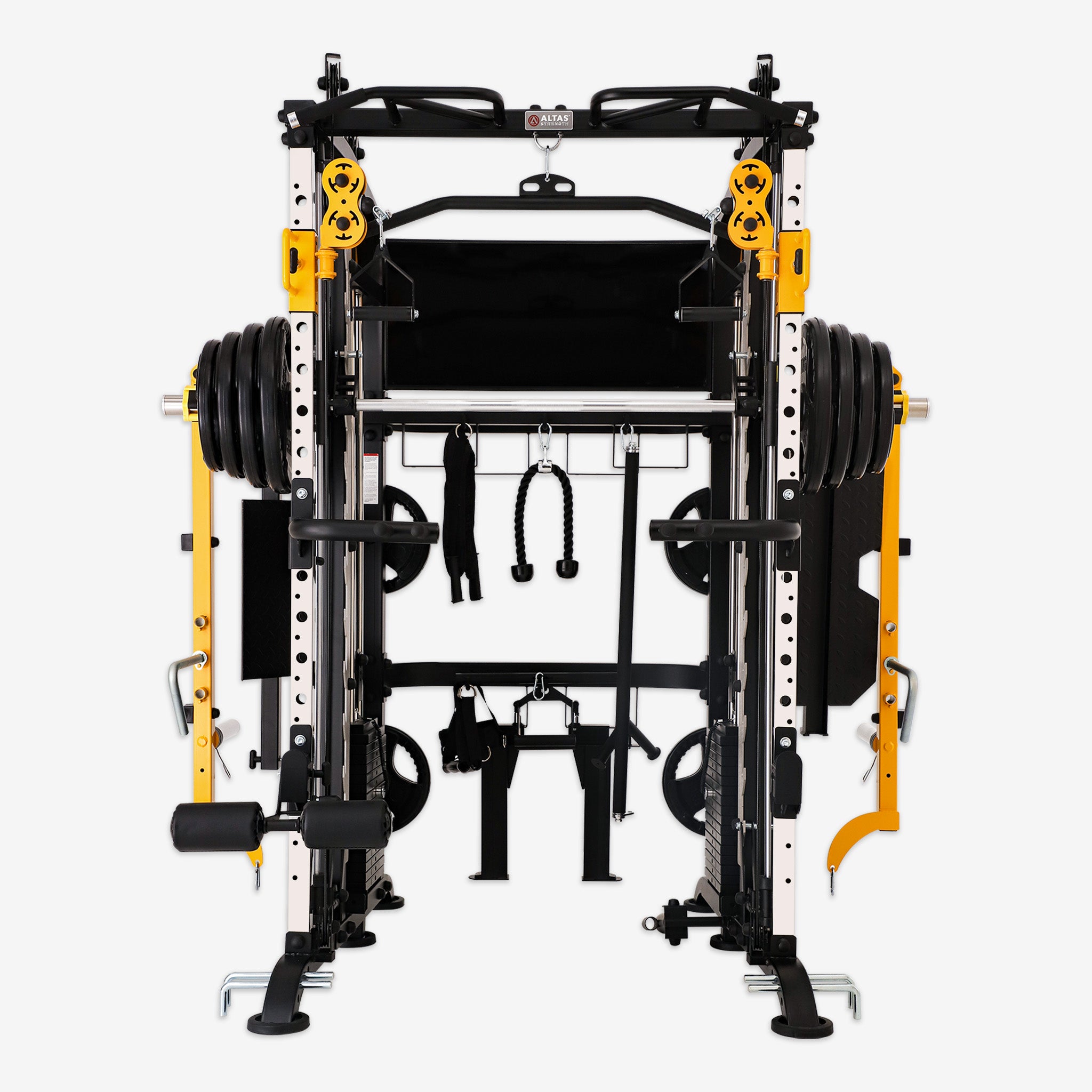
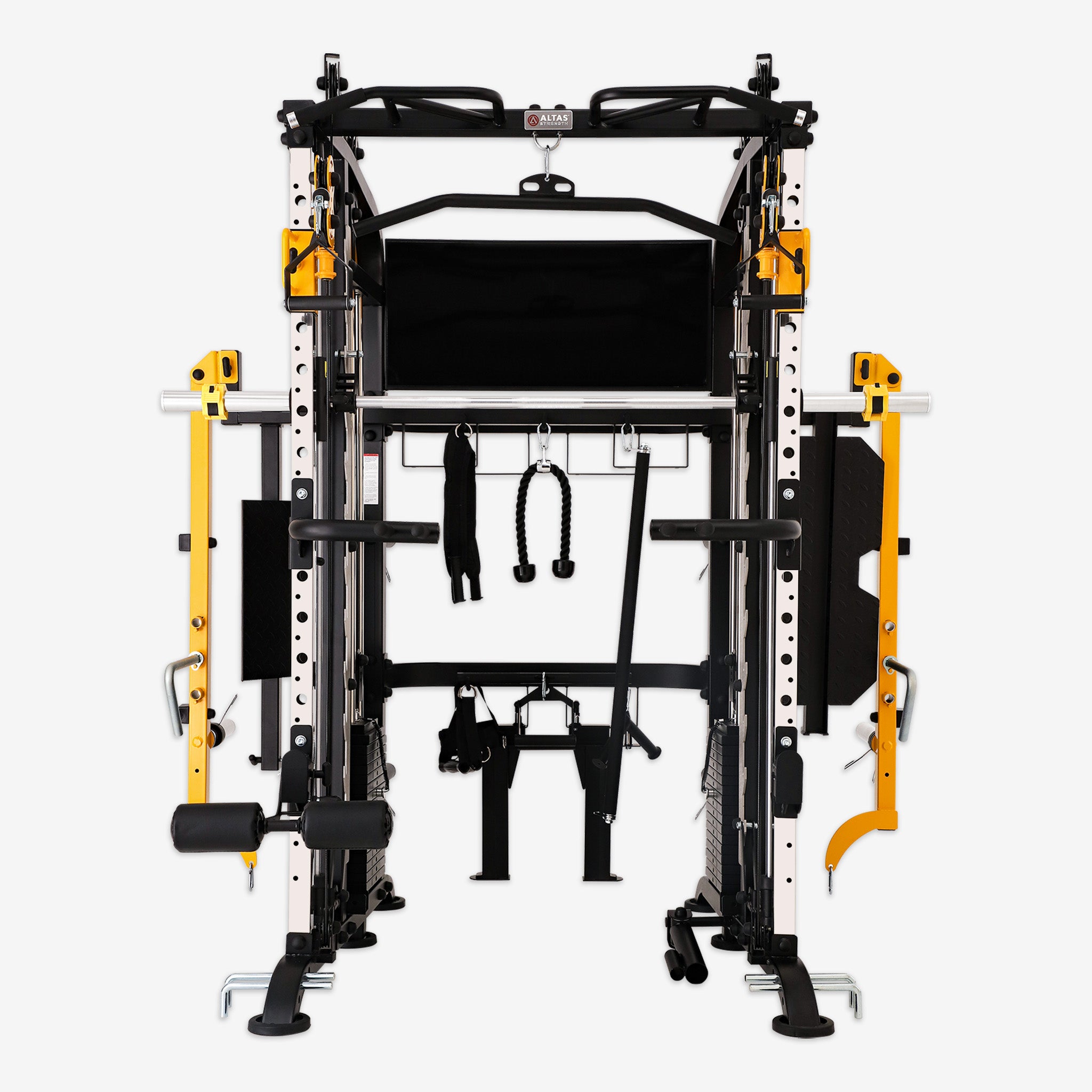
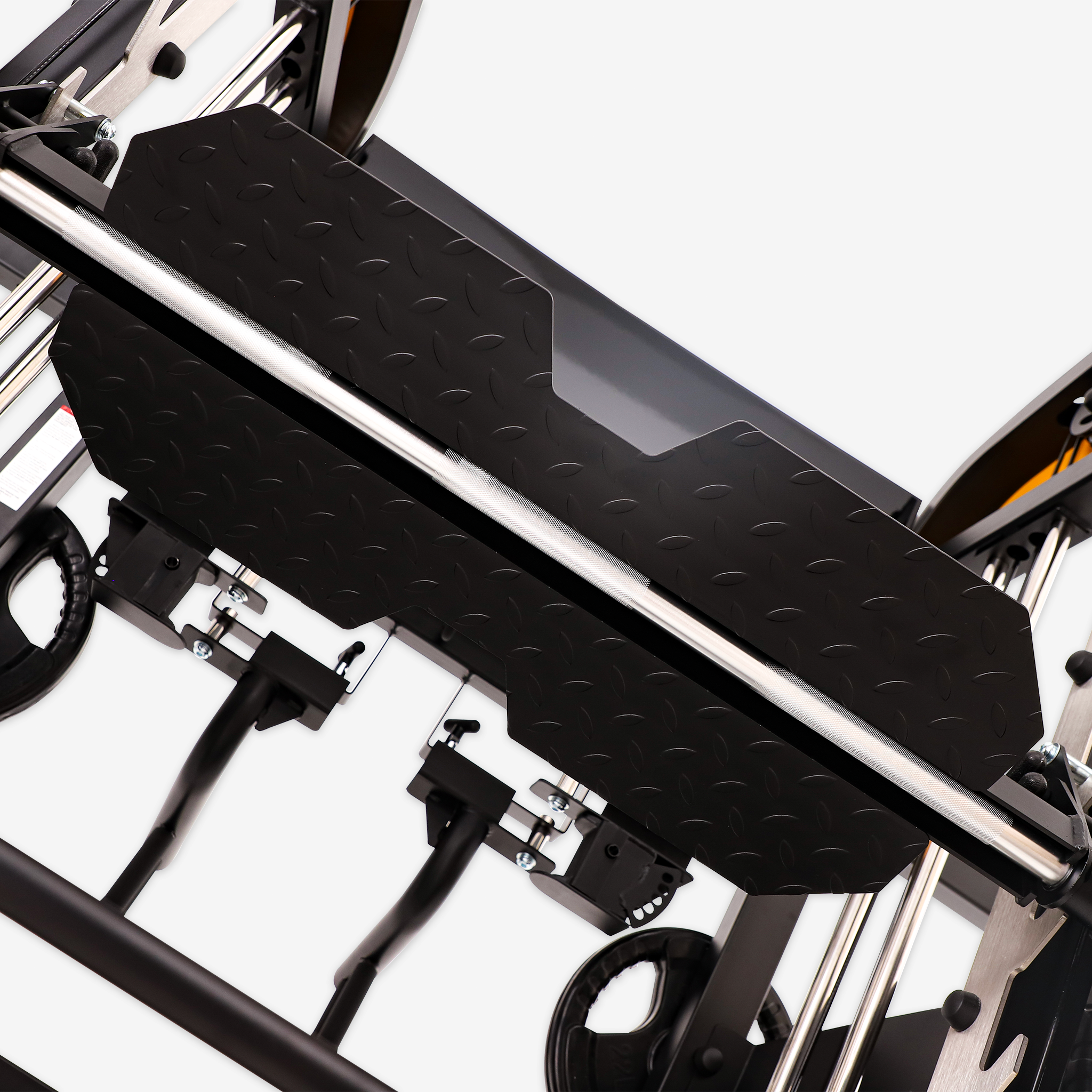
2. Smith Machine Glute Squats
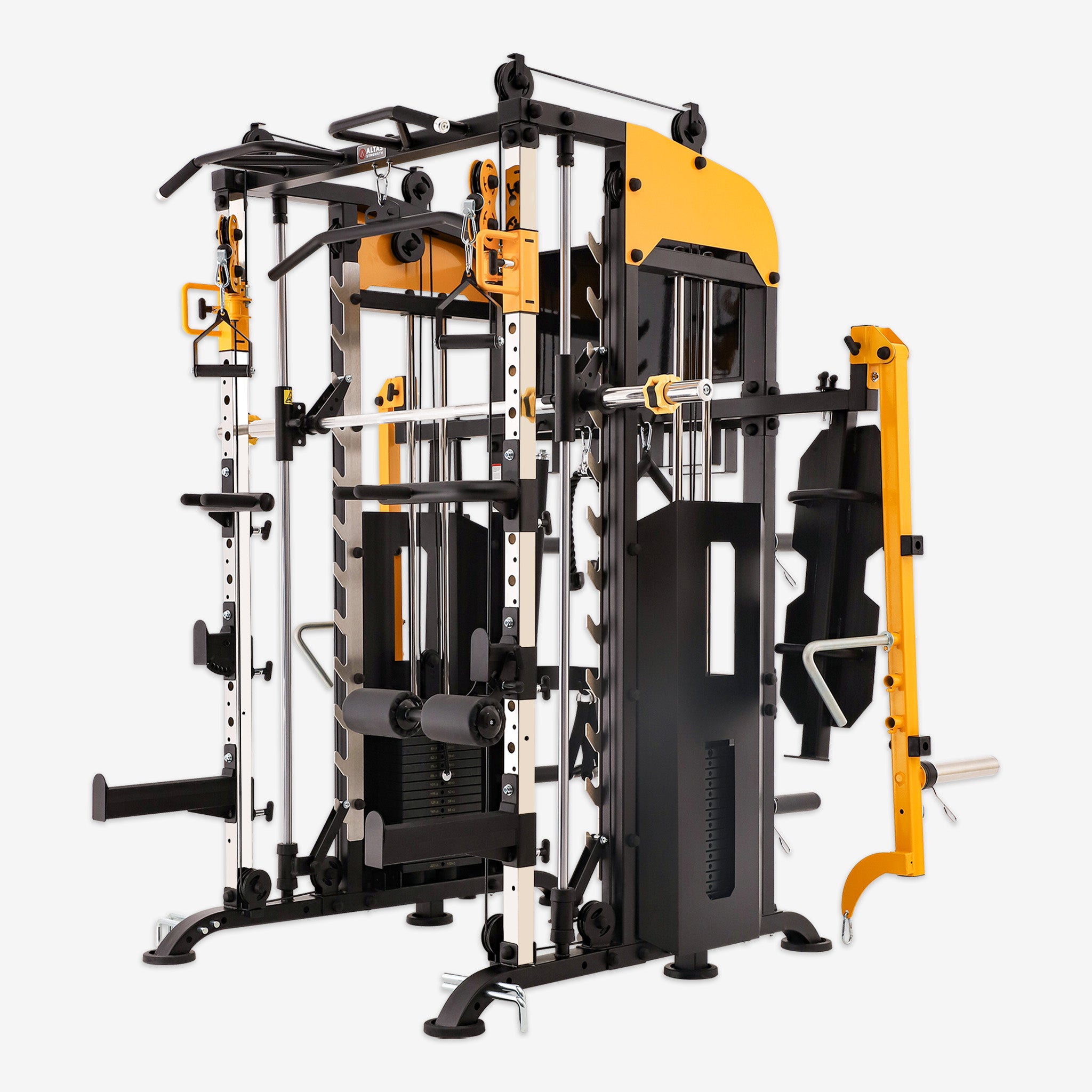
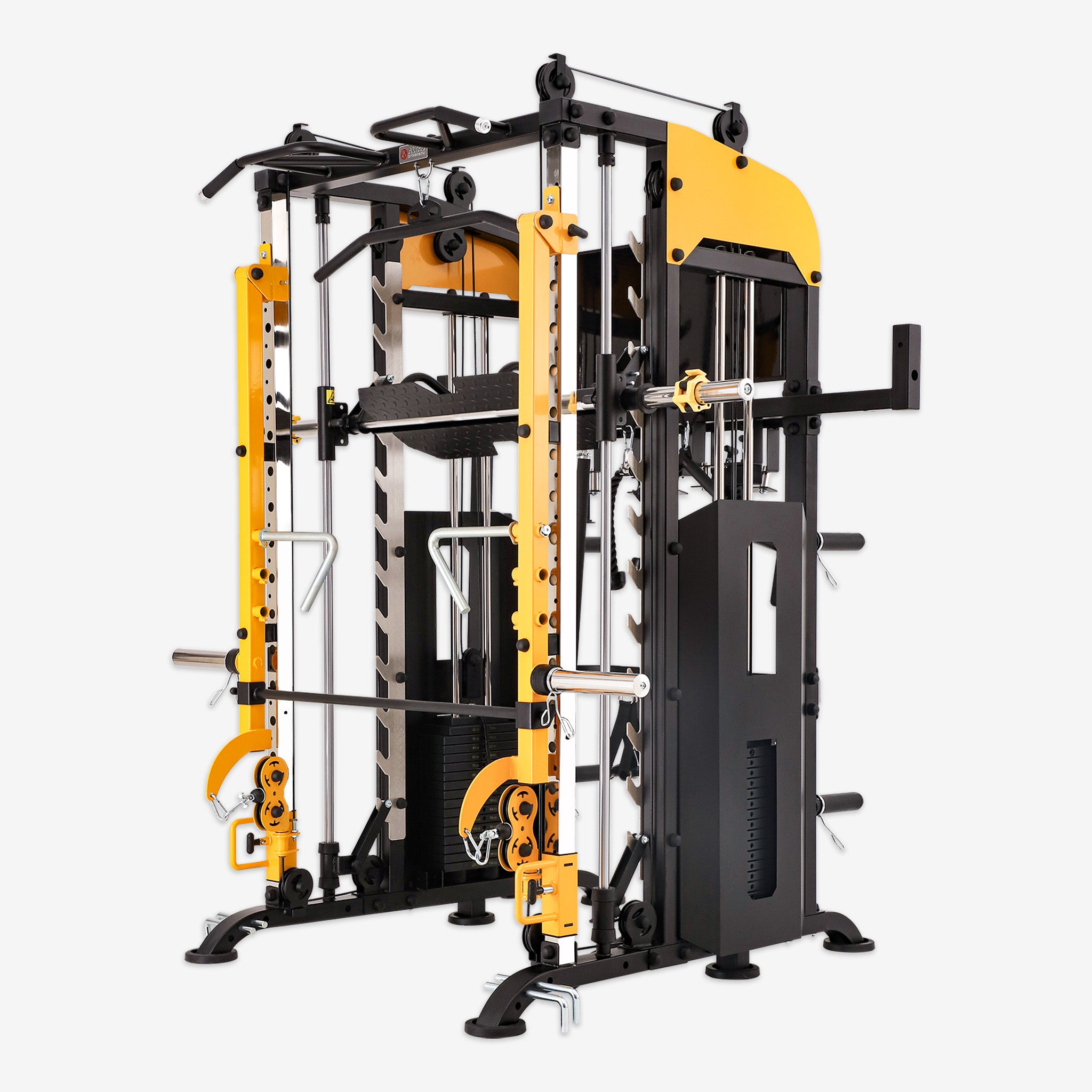
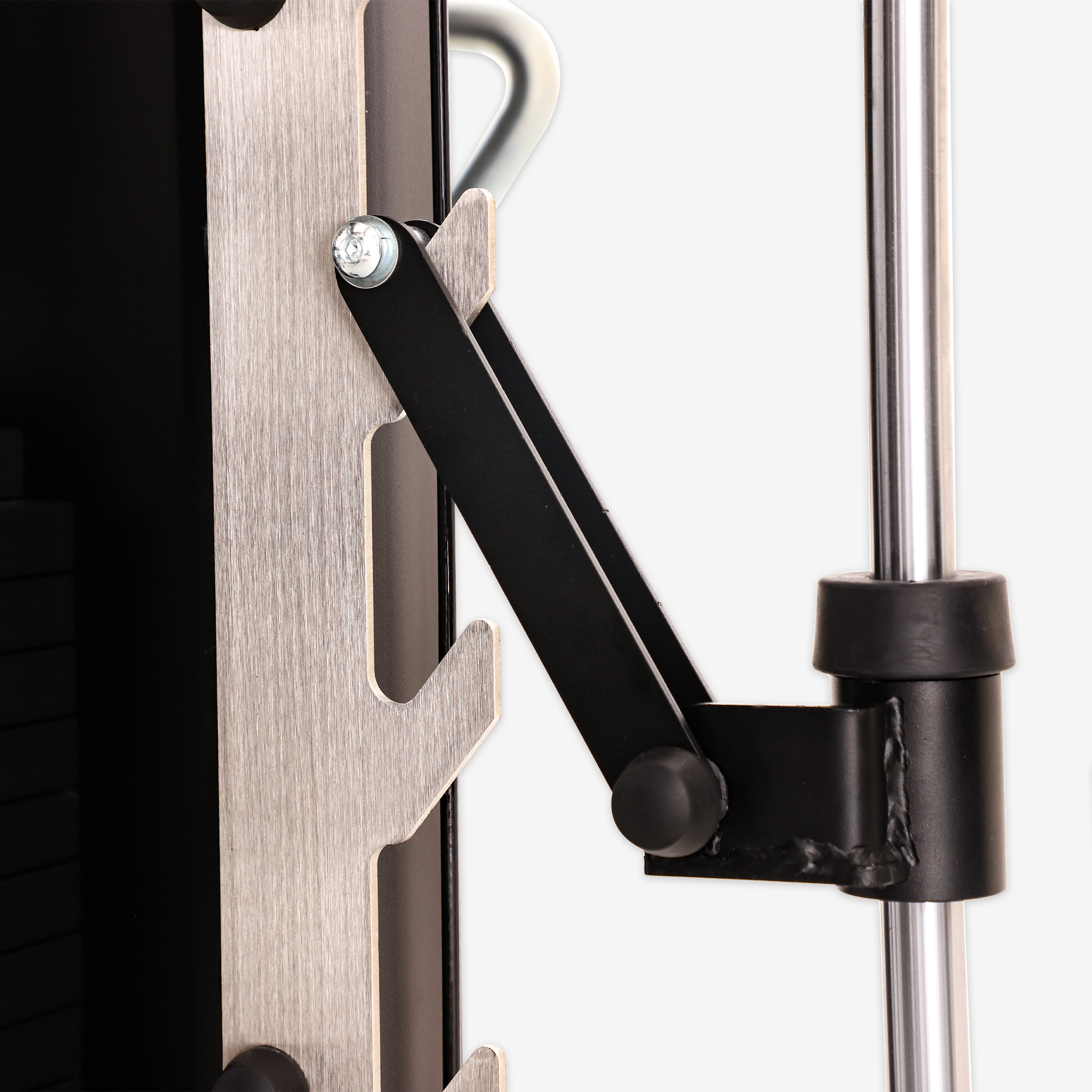
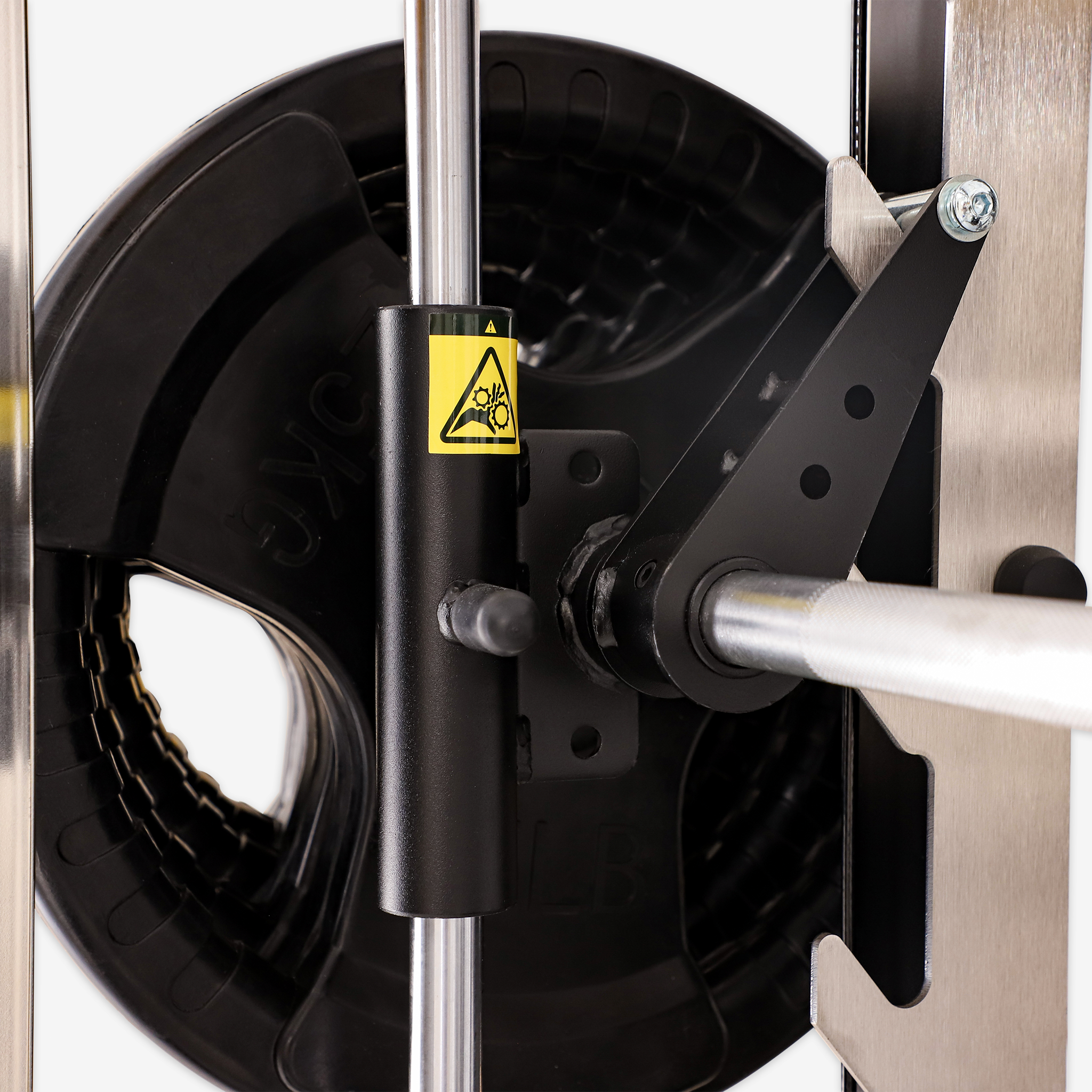
Smith machine squats are excellent for isolating the glutes because the fixed bar path reduces balance demands.
Benefits
-
Better mind-muscle connection
-
Easier progressive overload
-
Safer for beginners
-
Excellent for home gyms
Pro Tip
Place your feet slightly forward in front of the bar to increase hip involvement and glute activation.
Recommended: 4 sets of 8–12 reps
3. Goblet Squats
Goblet squats encourage deeper range of motion and improved posture.
The front-loaded position naturally helps many lifters achieve greater squat depth, which increases glute recruitment.
Recommended: 3–4 sets of 12–15 reps
4. Low-Bar Back Squats
Compared with high-bar squats, low-bar positioning shifts more of the workload toward the posterior chain.
Benefits include:
-
Greater hip drive
-
Increased glute activation
-
Improved strength development
Recommended: 4 sets of 6–10 reps
5. Box Squats
Box squats teach proper hip hinging mechanics and improve glute power.
By sitting back onto a box or bench, you force the glutes to perform more of the work during the ascent.
Recommended: 3–4 sets of 8–12 reps
6. Bulgarian Split Squats
This unilateral exercise combines squat mechanics with intense glute activation.
Benefits include:
-
Correcting muscle imbalances
-
Improving balance
-
Increasing glute hypertrophy
Recommended: 3 sets of 10–12 reps per leg
7. Deep Bodyweight Squats
Beginners should master deep bodyweight squats before adding heavy resistance.
Focus on:
-
Full range of motion
-
Controlled tempo
-
Glute contraction at lockout
Recommended: 3 sets of 15–20 reps
How to Increase Glute Activation During Squats
Use a Wider Stance
A wider stance naturally shifts emphasis toward the glutes and adductors.
Sit Back Into the Squat
Think about pushing your hips backward instead of allowing your knees to dominate the movement.
Squat Deeper
Research consistently shows deeper squats recruit more glute muscle fibers than partial squats.
Push Through Your Heels
Driving through your heels helps transfer force directly into the glutes and hamstrings.
Pause at the Bottom
A one-second pause eliminates momentum and increases muscle tension.
Common Mistakes That Reduce Glute Growth
Squatting Too Shallow
Partial squats significantly reduce glute recruitment.
Letting Knees Collapse Inward
Maintain proper knee tracking throughout the movement.
Leaning Excessively Forward
Poor posture shifts tension away from the glutes and onto the lower back.
Using Too Much Weight
Heavy loads often compromise form and reduce glute activation.
Skipping Progressive Overload
To build glutes, resistance must gradually increase over time.
Sample Glute-Focused Squat Workout
Beginner
-
Bodyweight Squats: 3×15
-
Goblet Squats: 3×12
-
Glute Bridges: 3×15
Intermediate
-
Smith Machine Glute Squats: 4×10
-
Bulgarian Split Squats: 3×10 per leg
-
Hip Thrusts: 4×12
Advanced
-
Low-Bar Squats: 5×6
-
Smith Machine Squats: 4×10
-
Walking Lunges: 3×20 steps
-
Hip Thrusts: 4×10
Frequently Asked Questions
What squat targets the glutes the most?
Sumo squats and Smith machine glute squats are among the most effective squat variations for maximizing glute activation.
Are squats enough to build bigger glutes?
Squats are highly effective, but combining them with hip thrusts, lunges, and Romanian deadlifts typically produces faster glute development.
Should I squat deep for glute growth?
Yes. Deeper squats generally create greater glute activation than partial-range squats.
How often should I do glute-focused squats?
Most people see excellent results training glutes two to three times per week with adequate recovery between sessions.
Final Thoughts
Squats to target glutes remain one of the most effective ways to build a stronger, rounder, and more athletic lower body. By choosing the right squat variations, using proper technique, and progressively increasing resistance, you can dramatically improve glute development while enhancing overall strength and performance. Whether you train with bodyweight, free weights, or a Smith machine, consistent glute-focused squat training will help you achieve noticeable results over time.