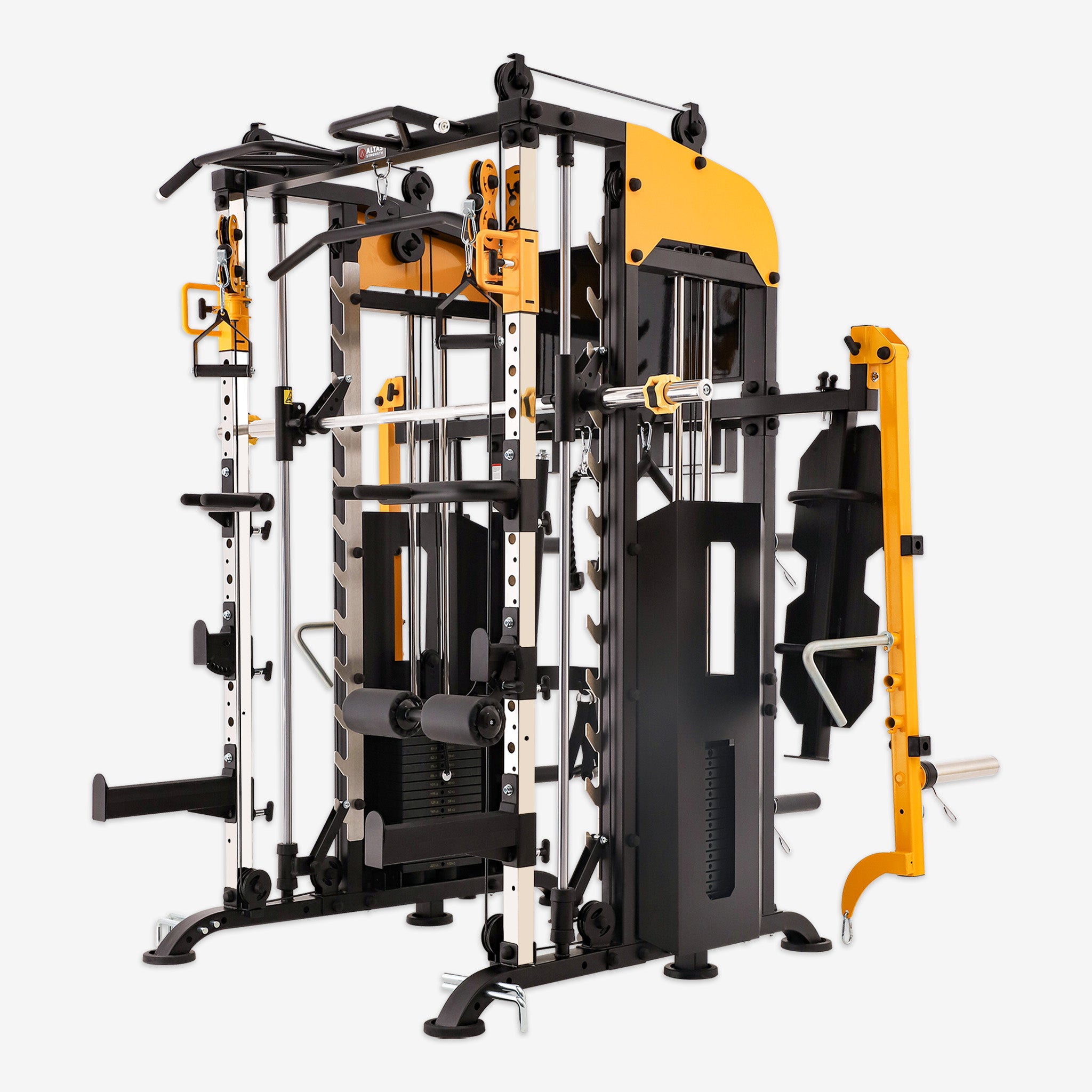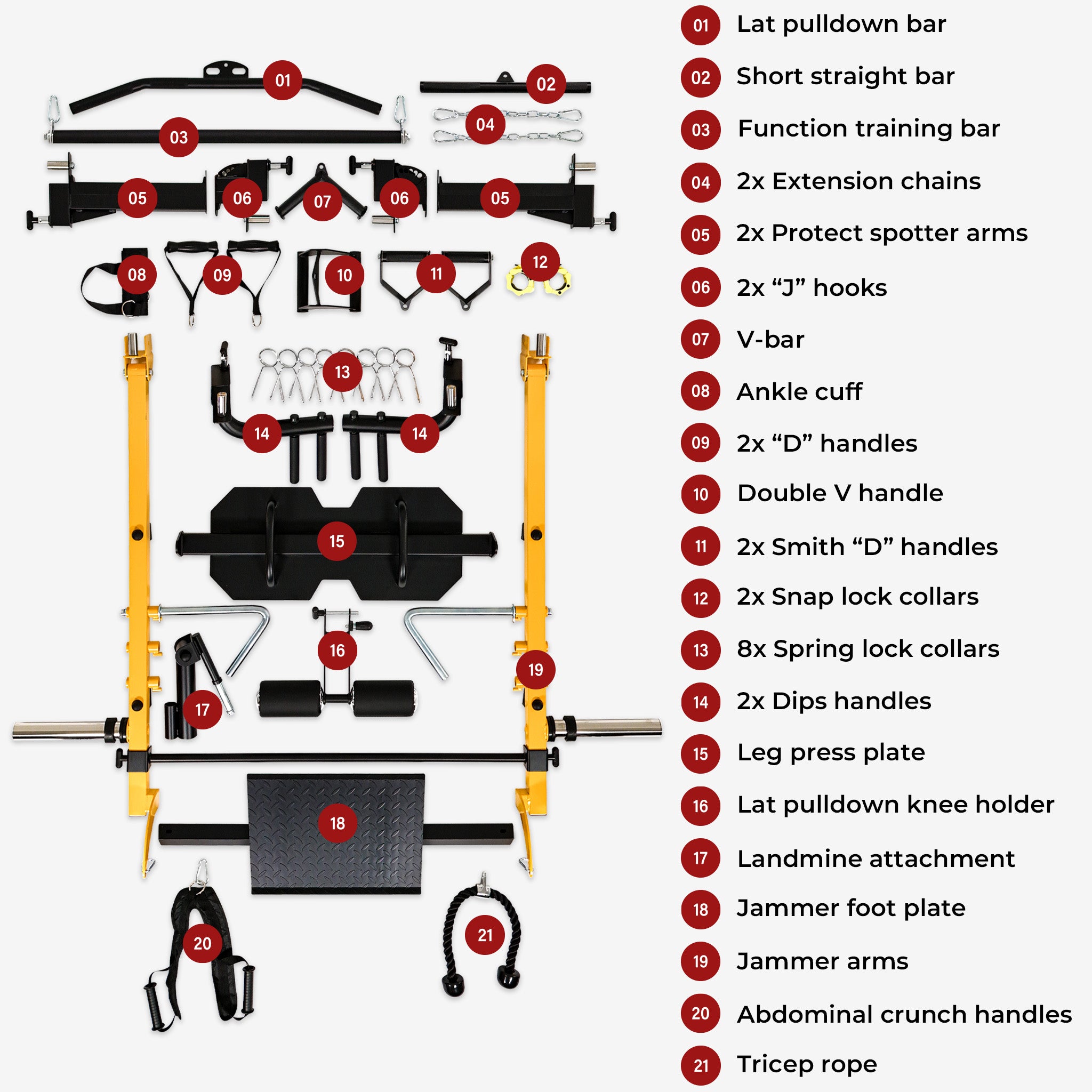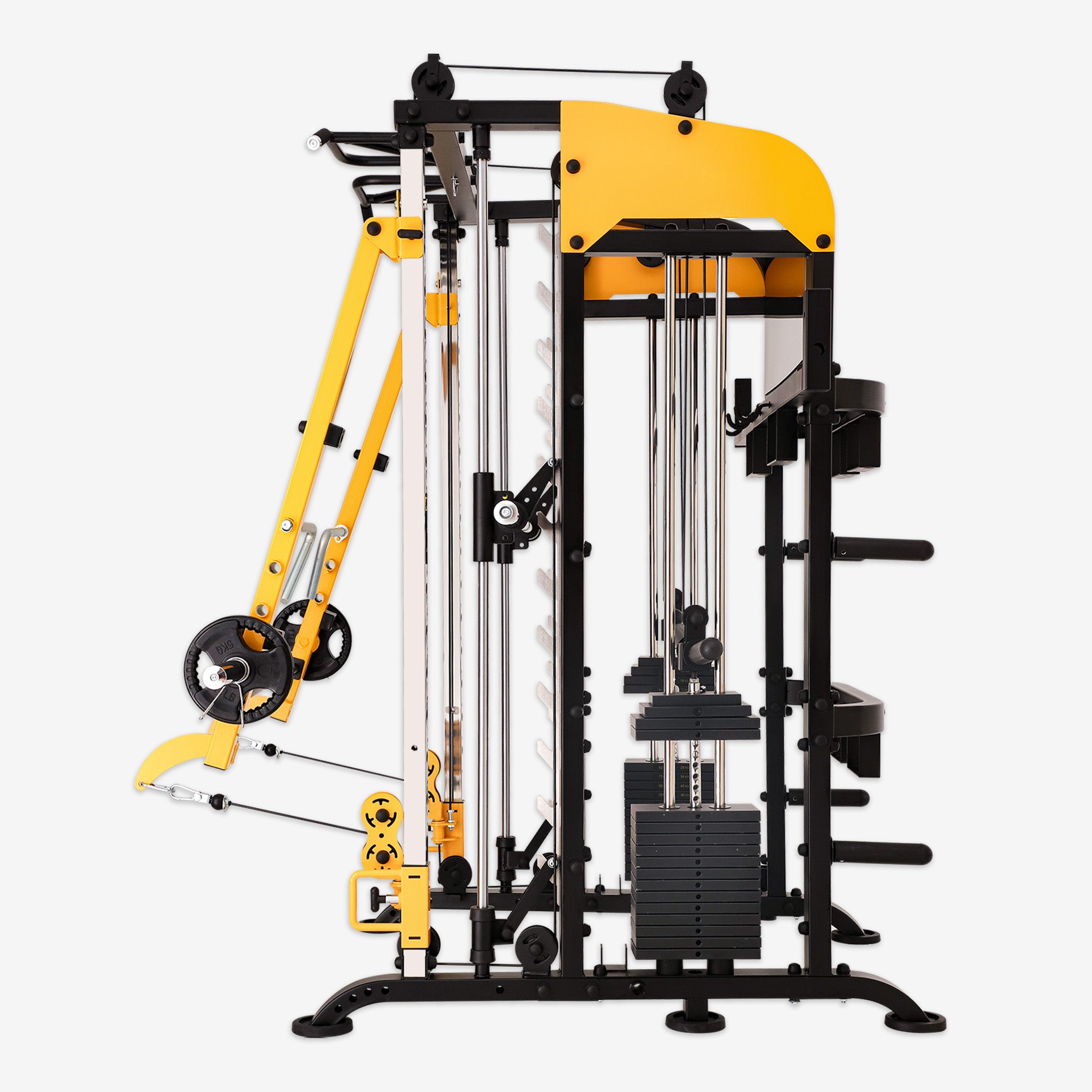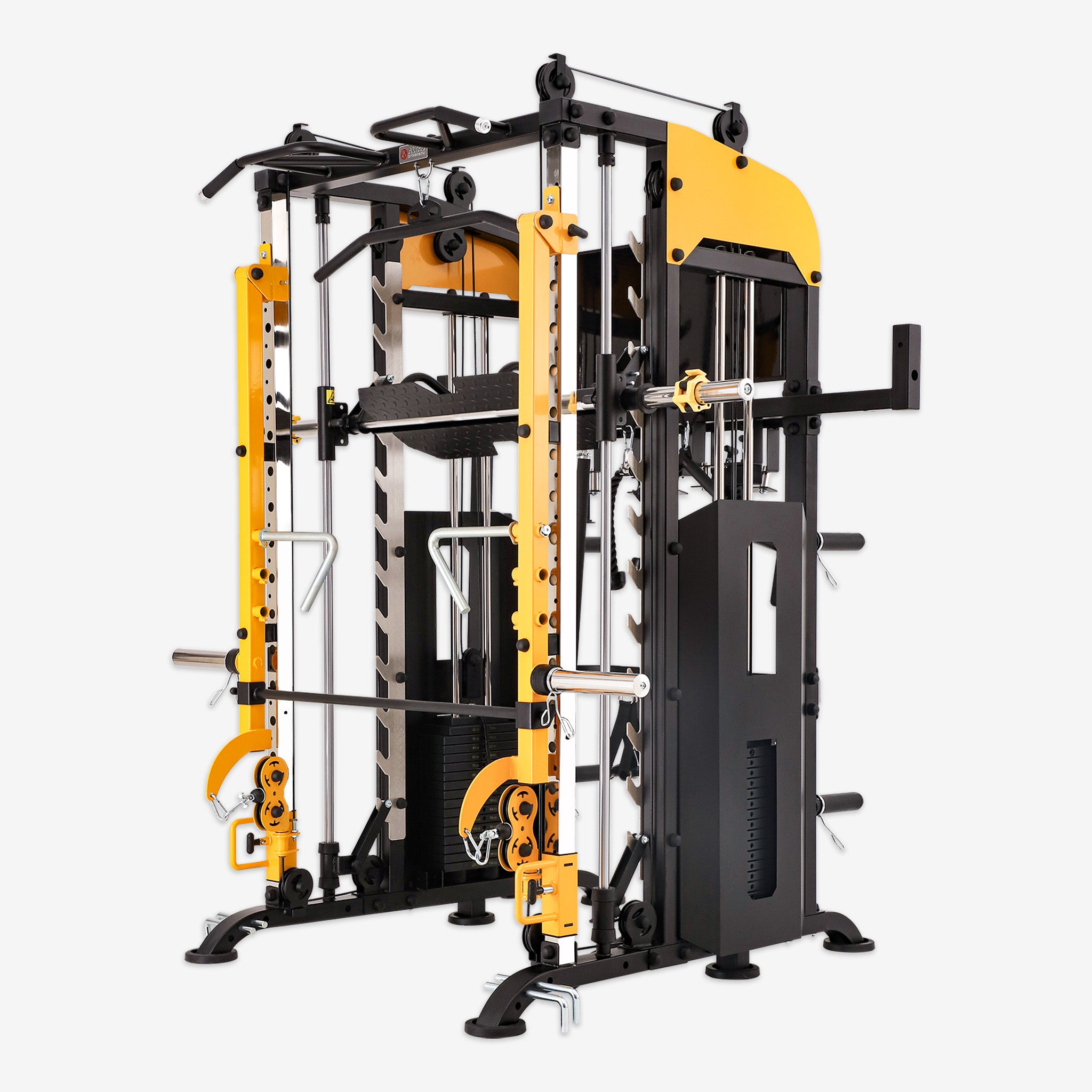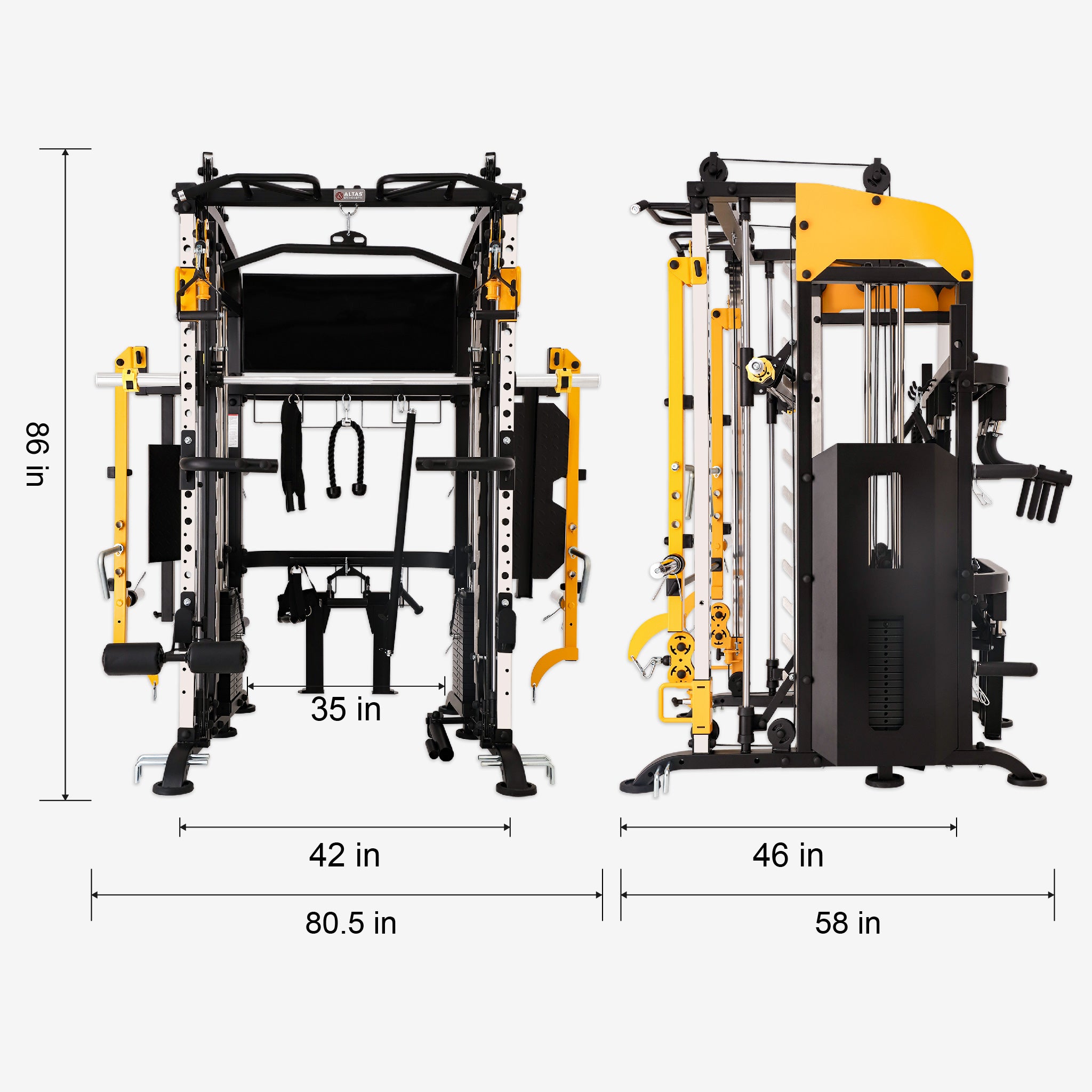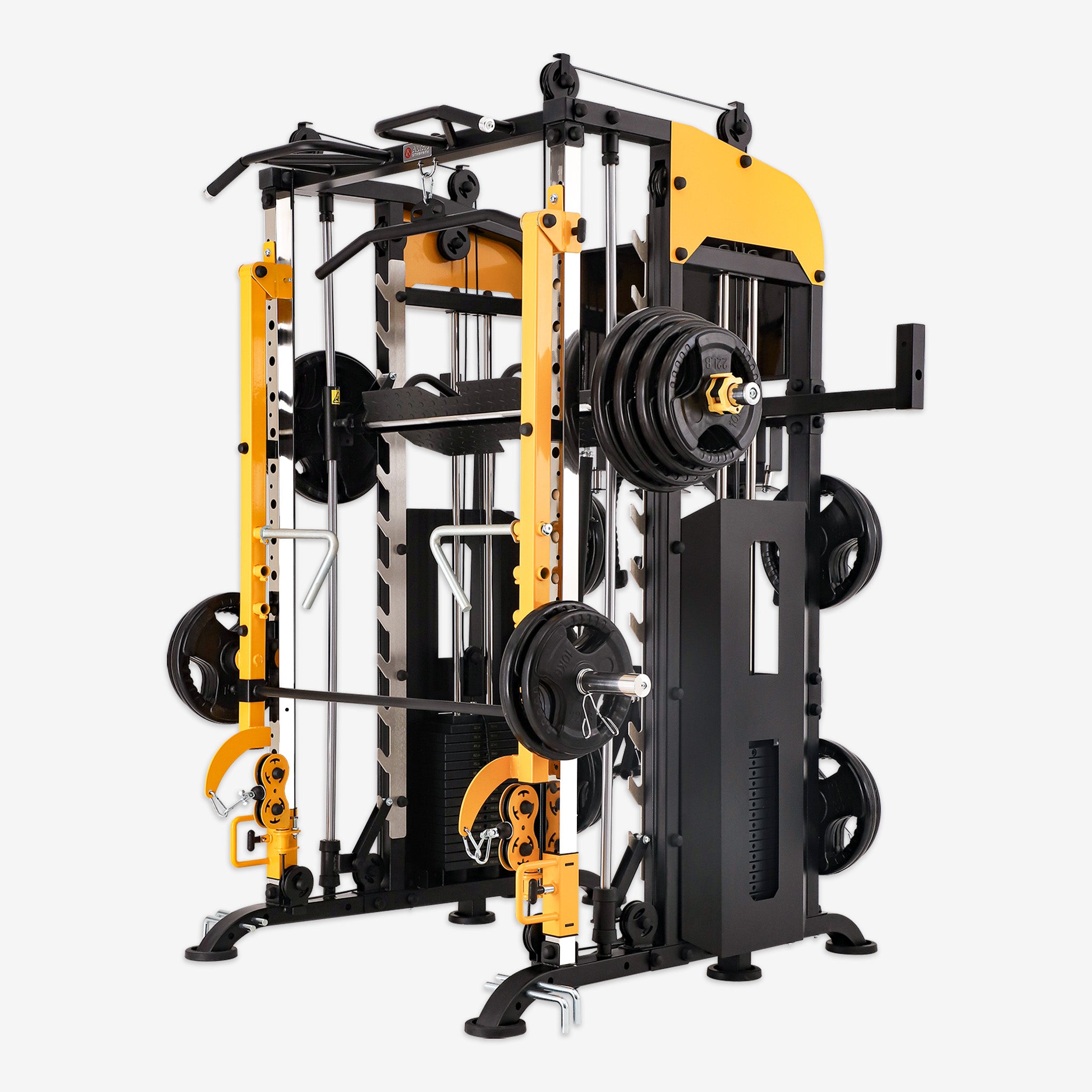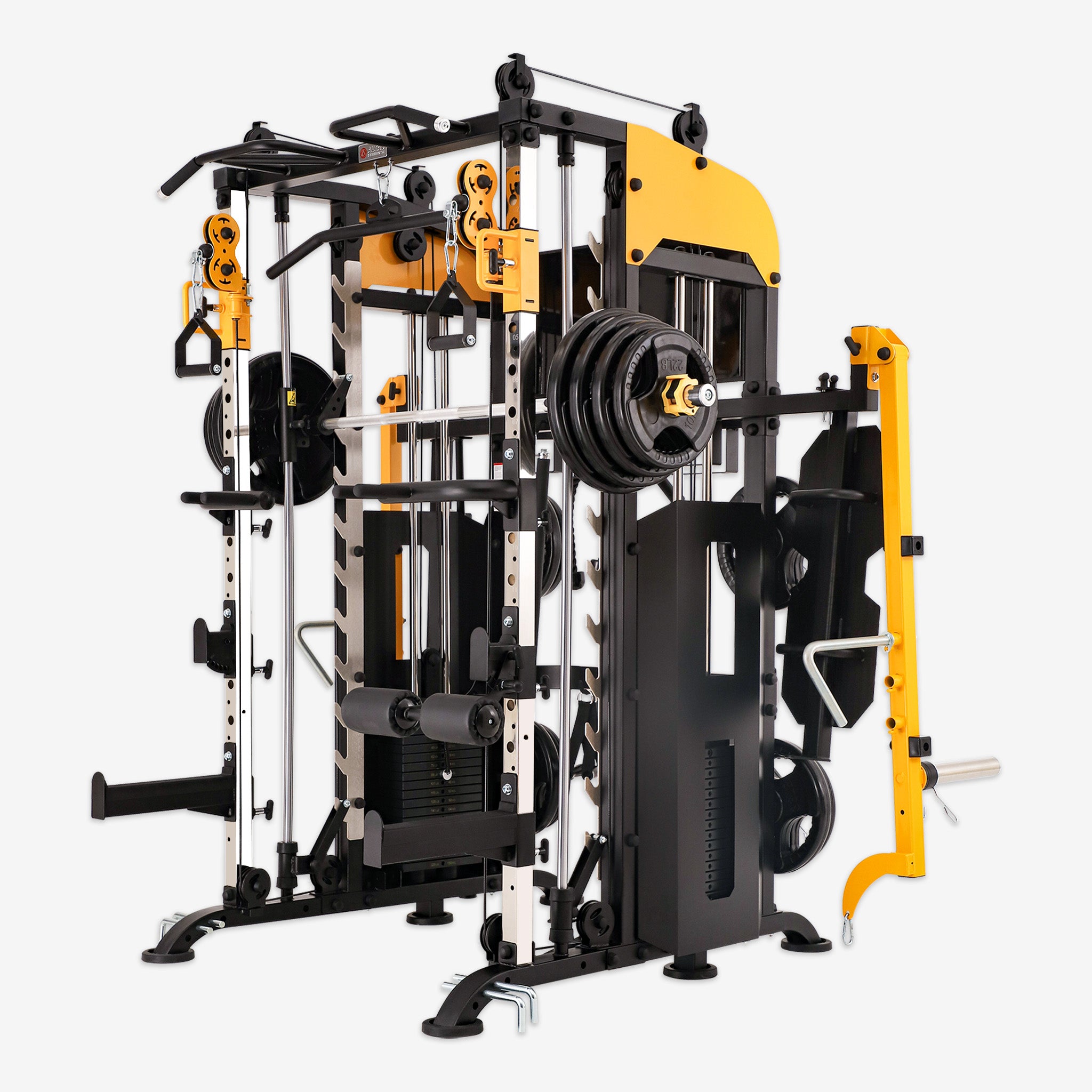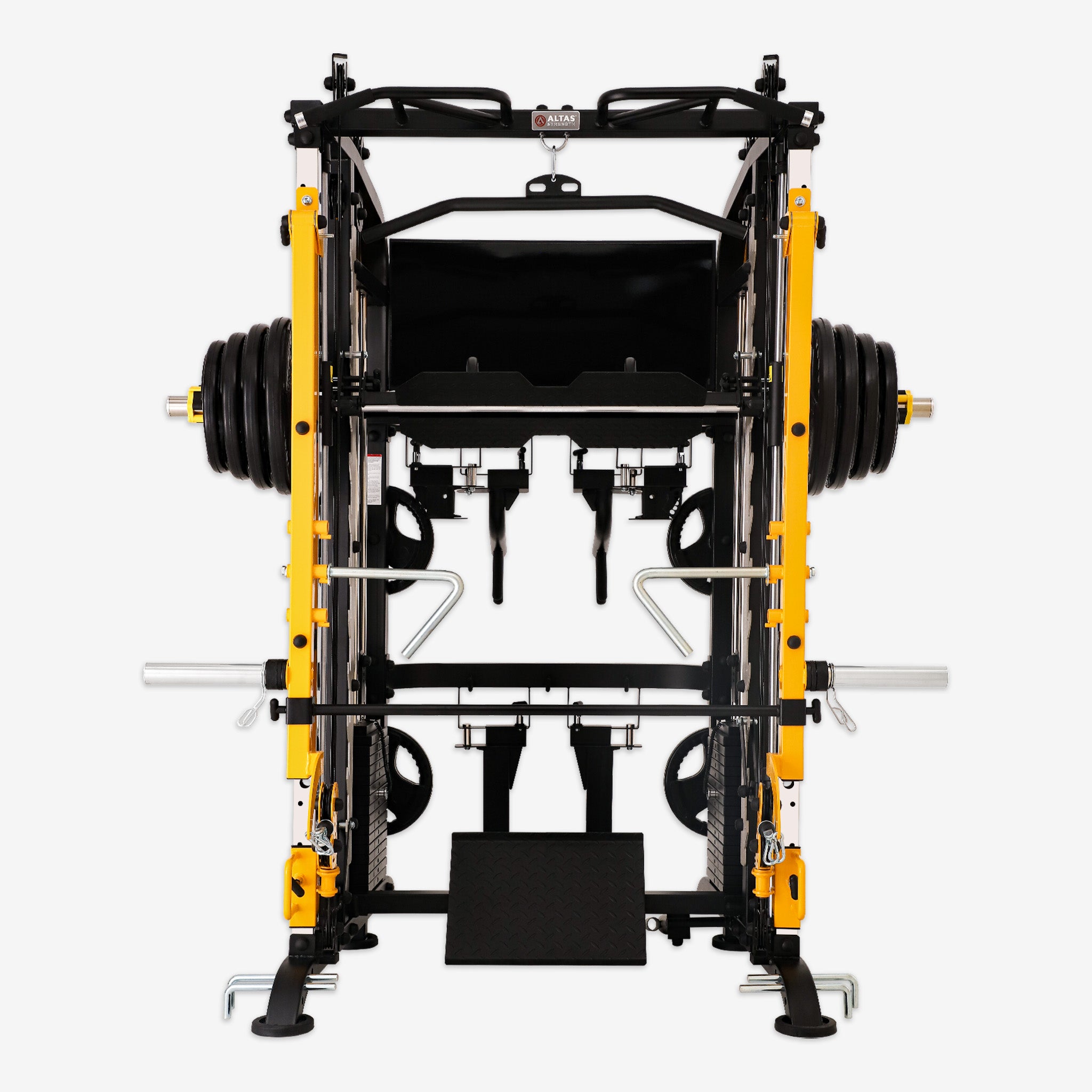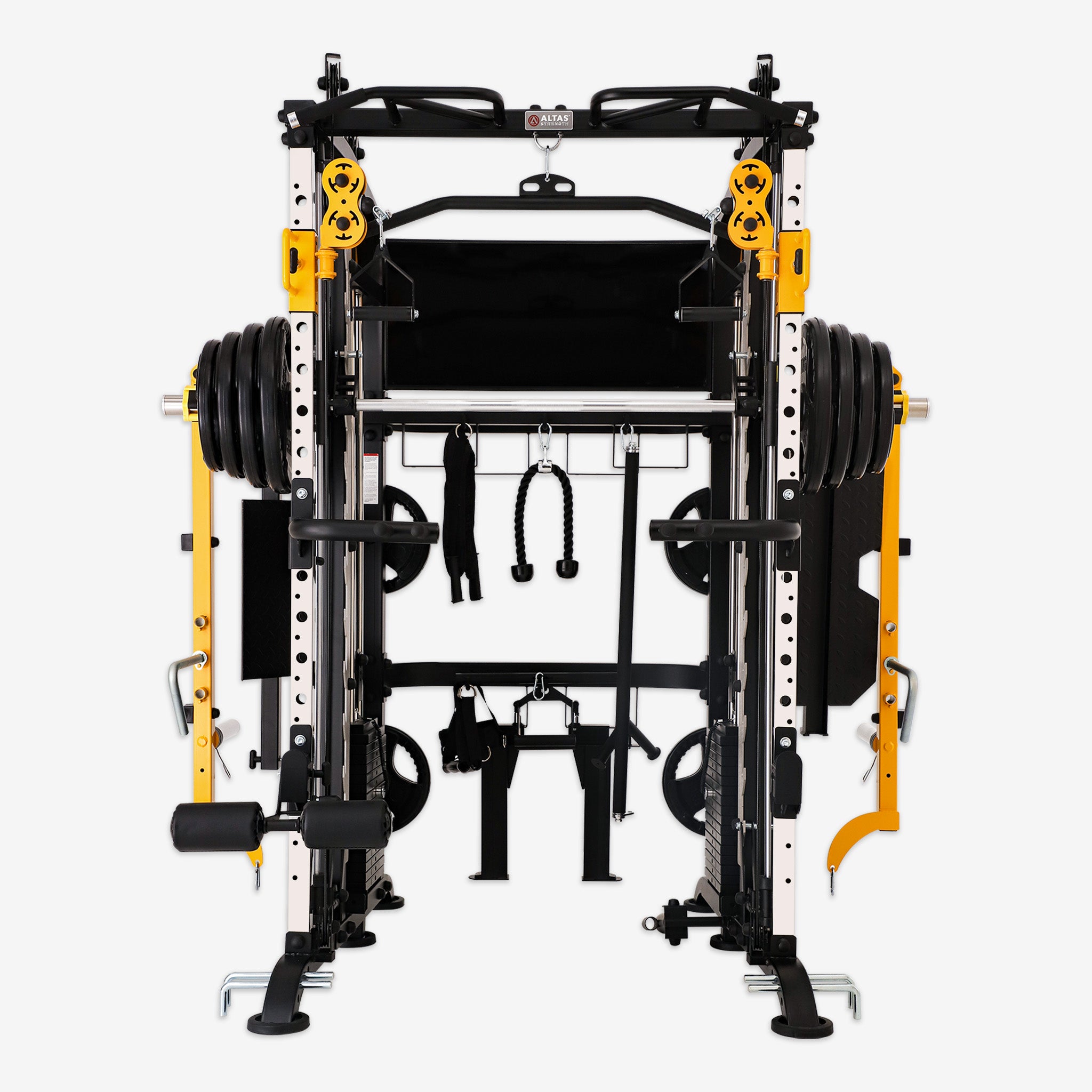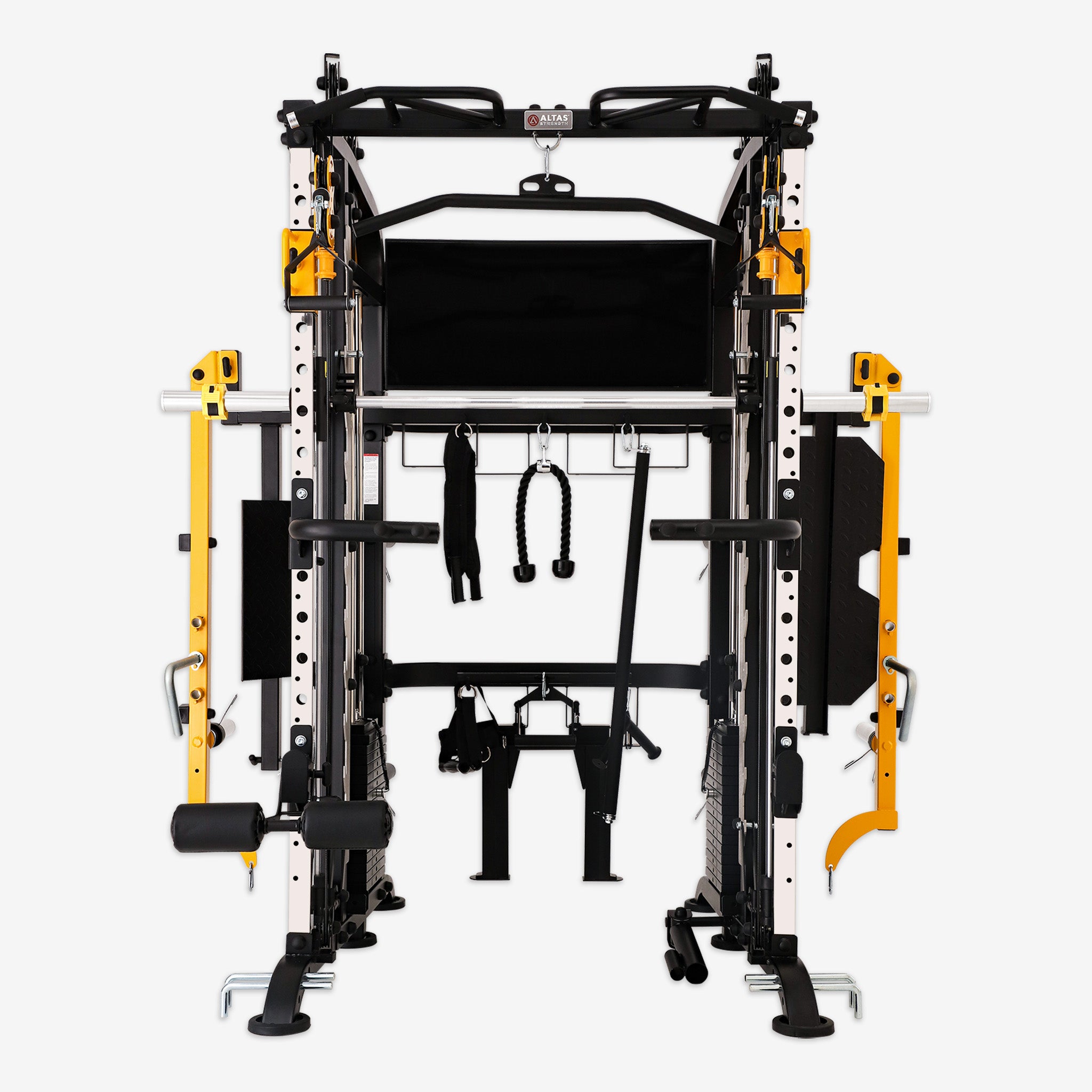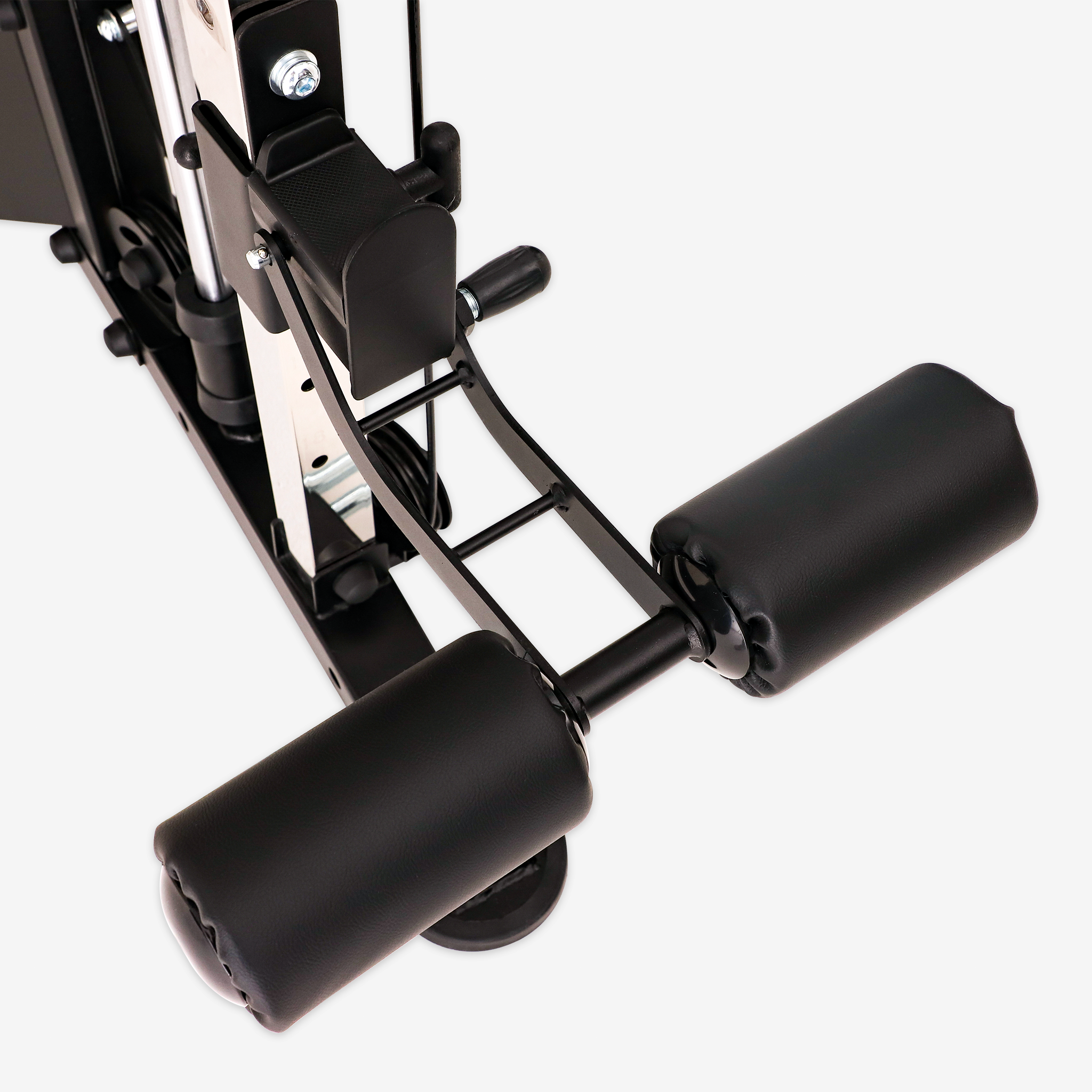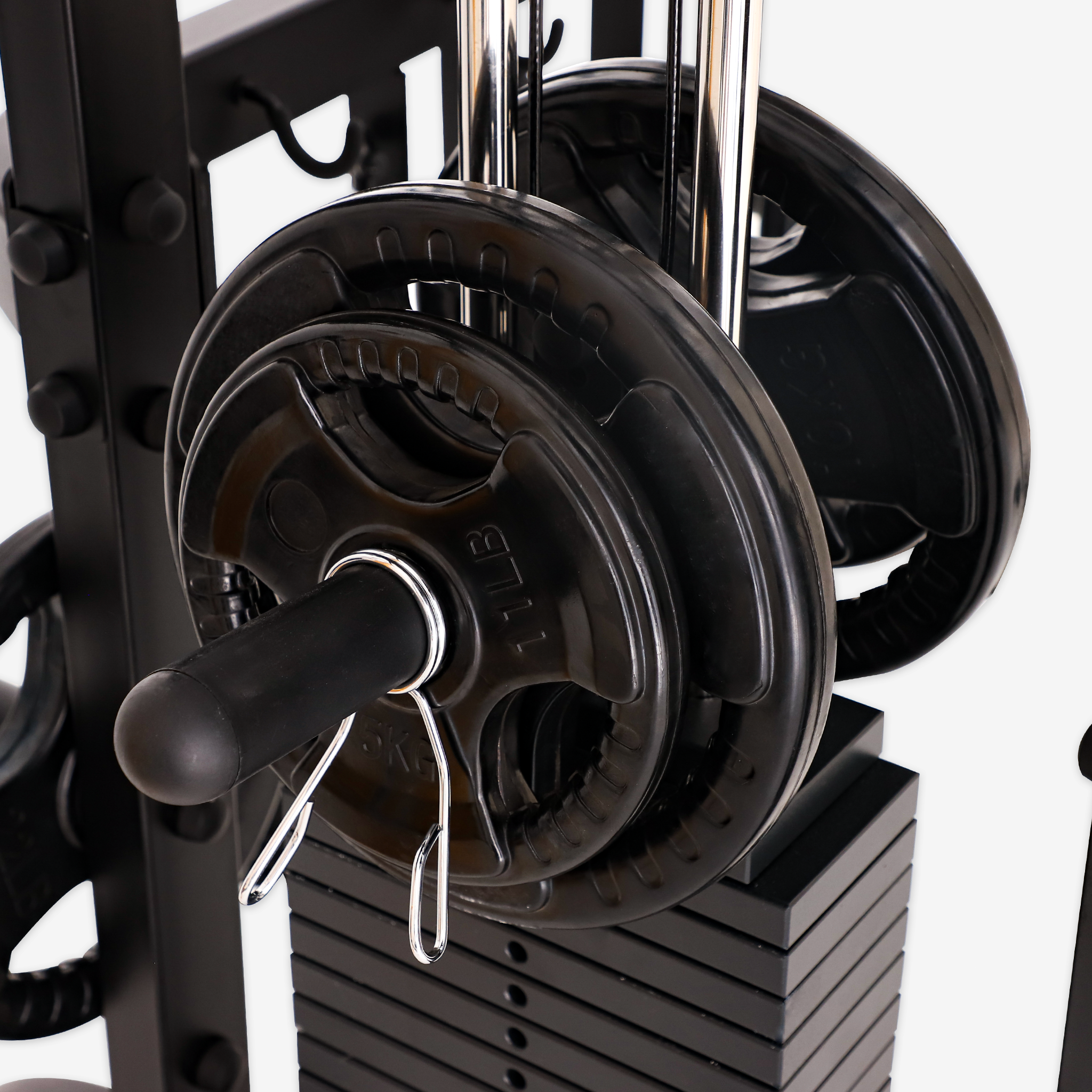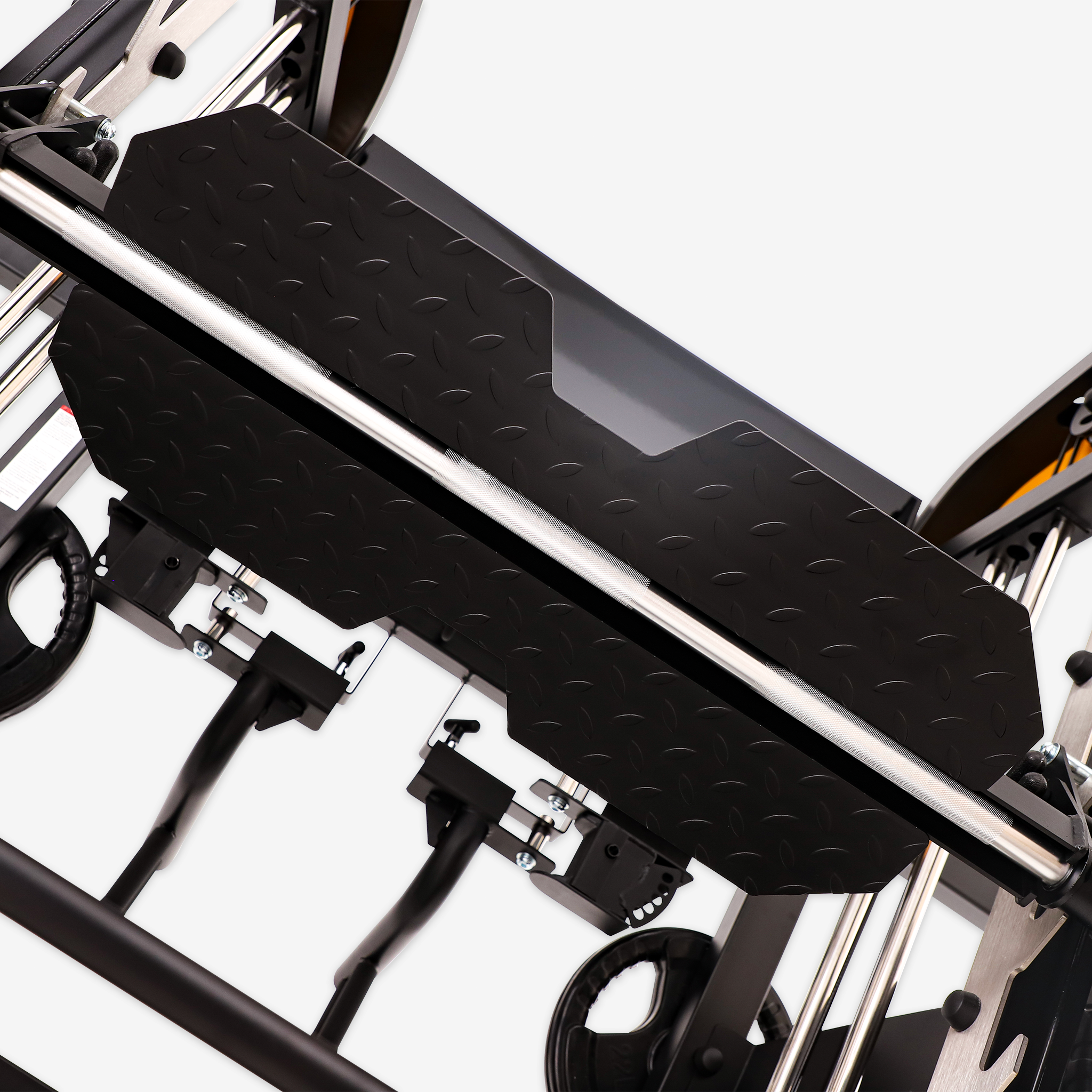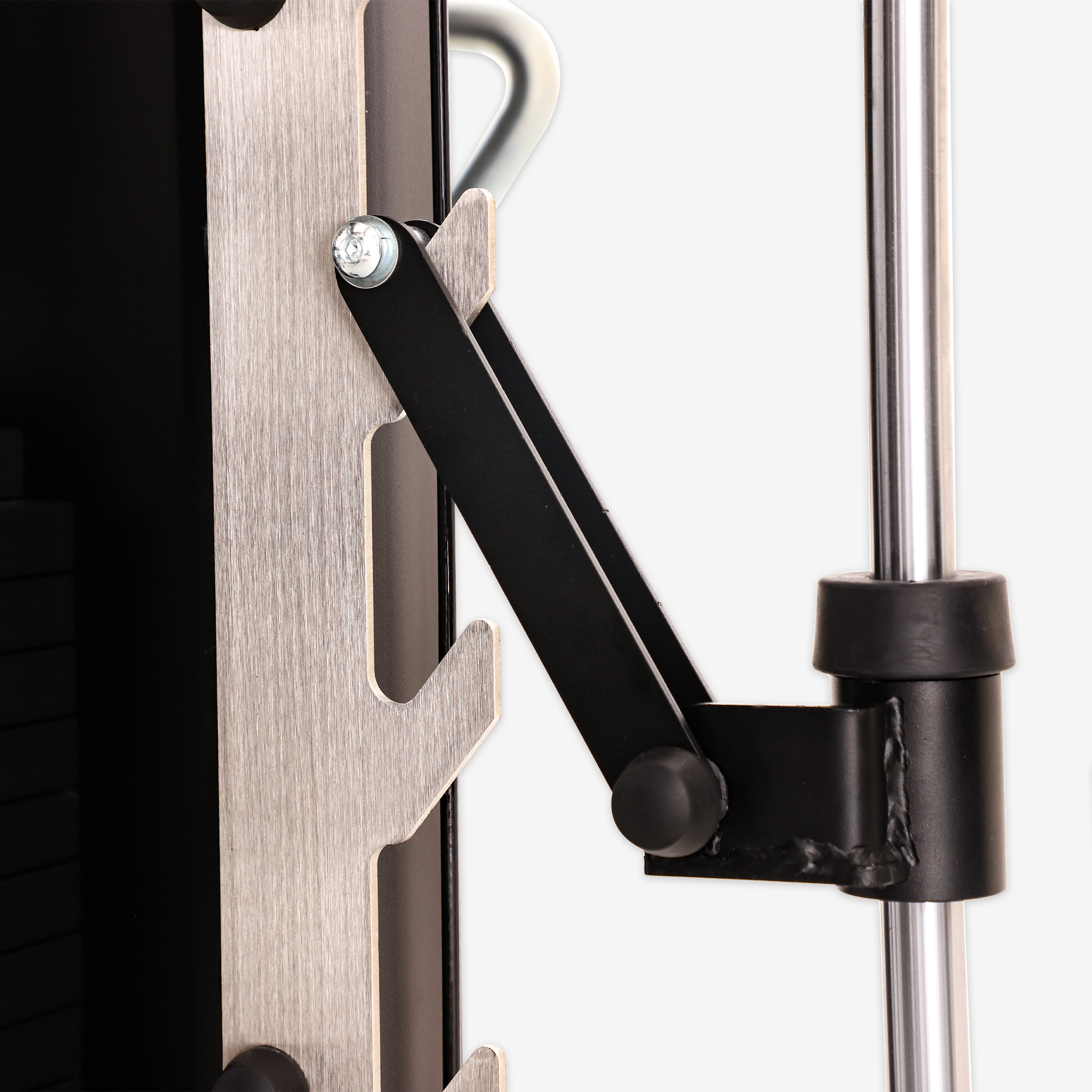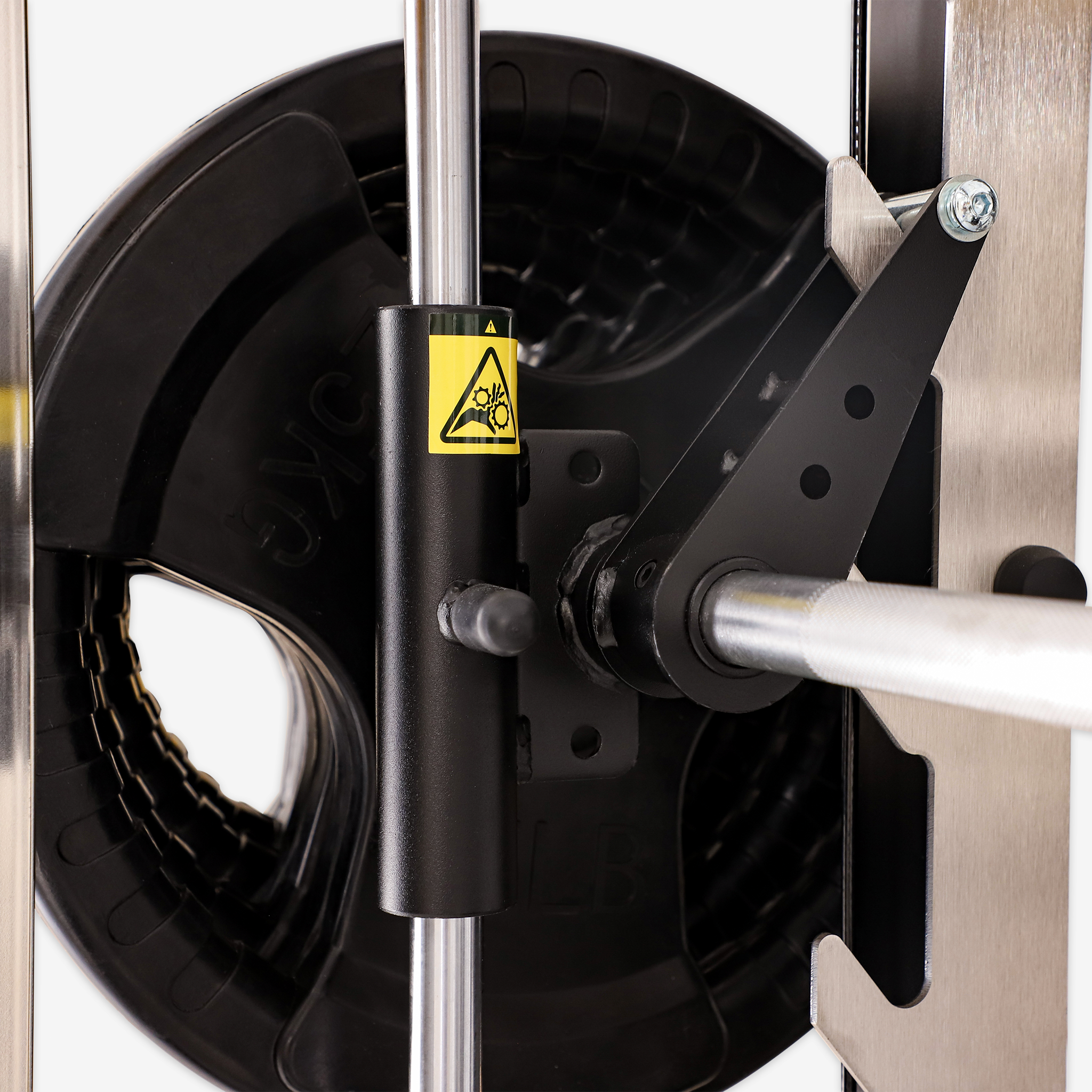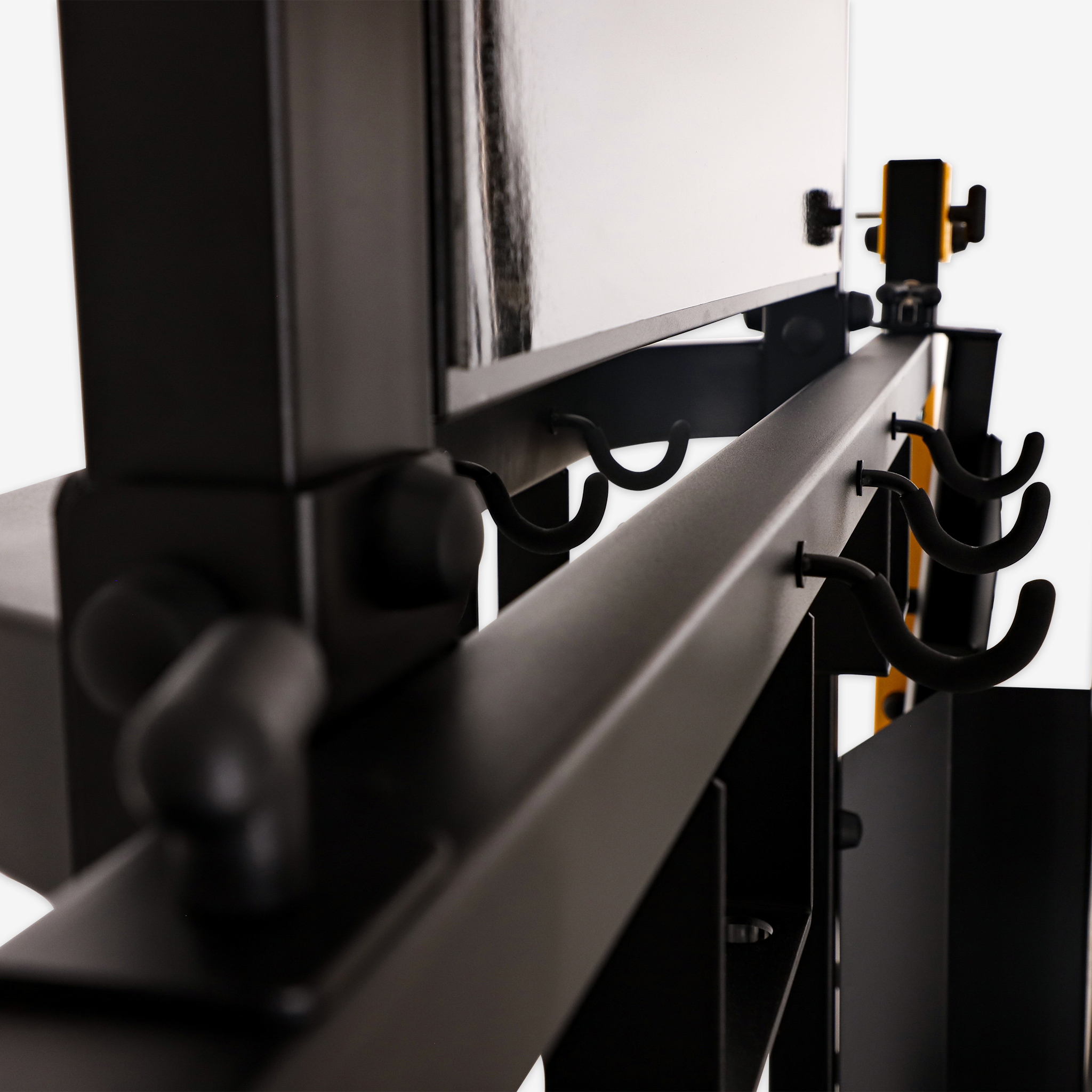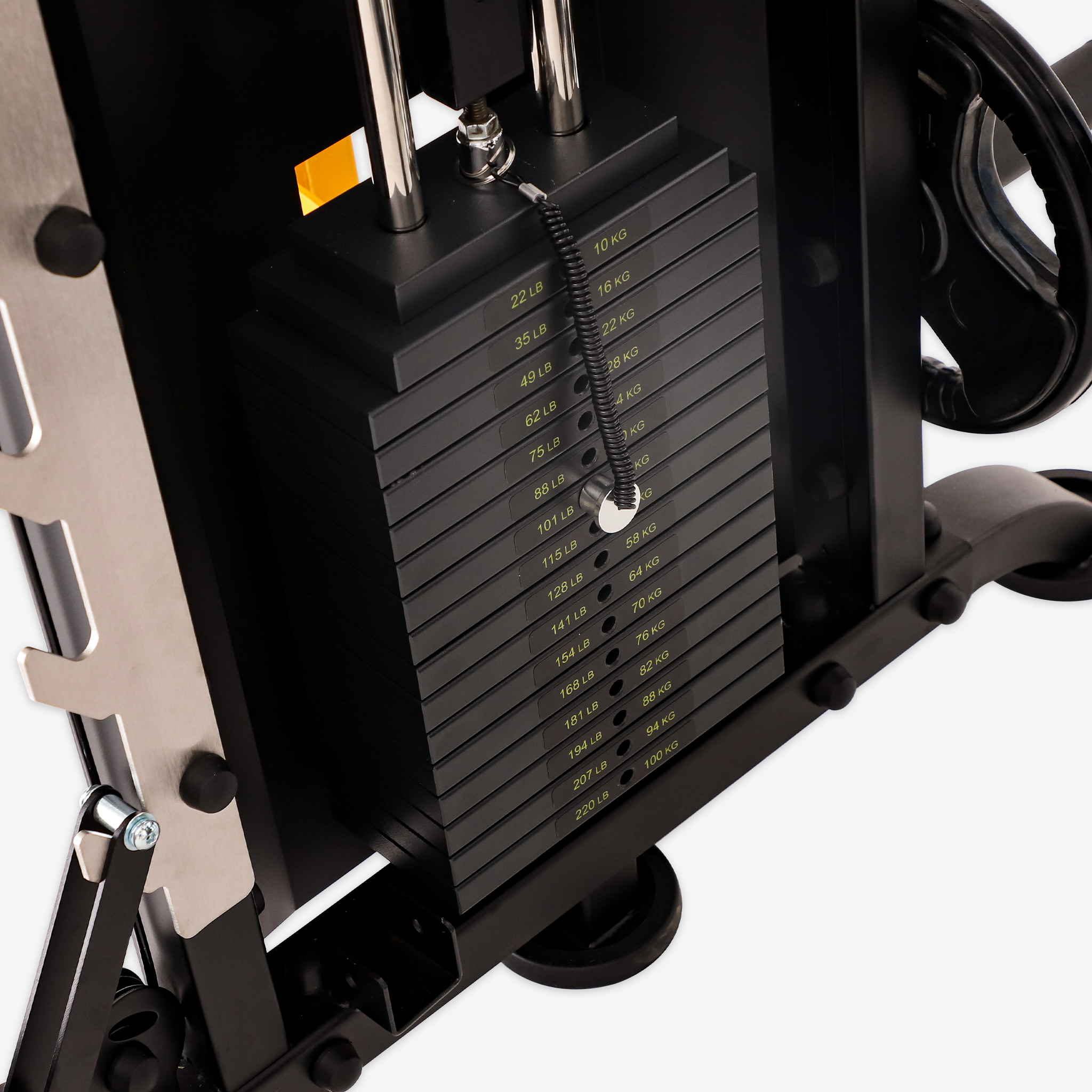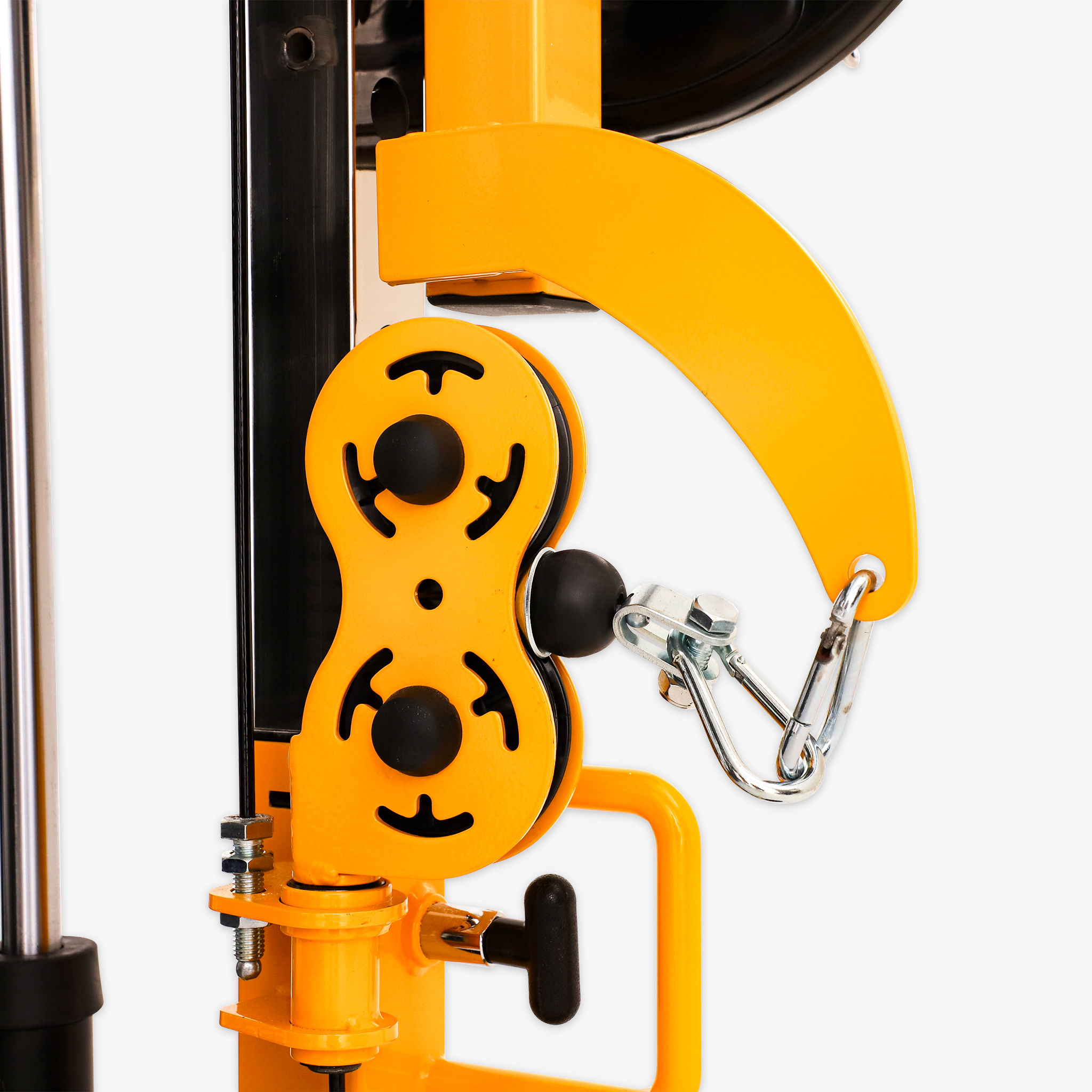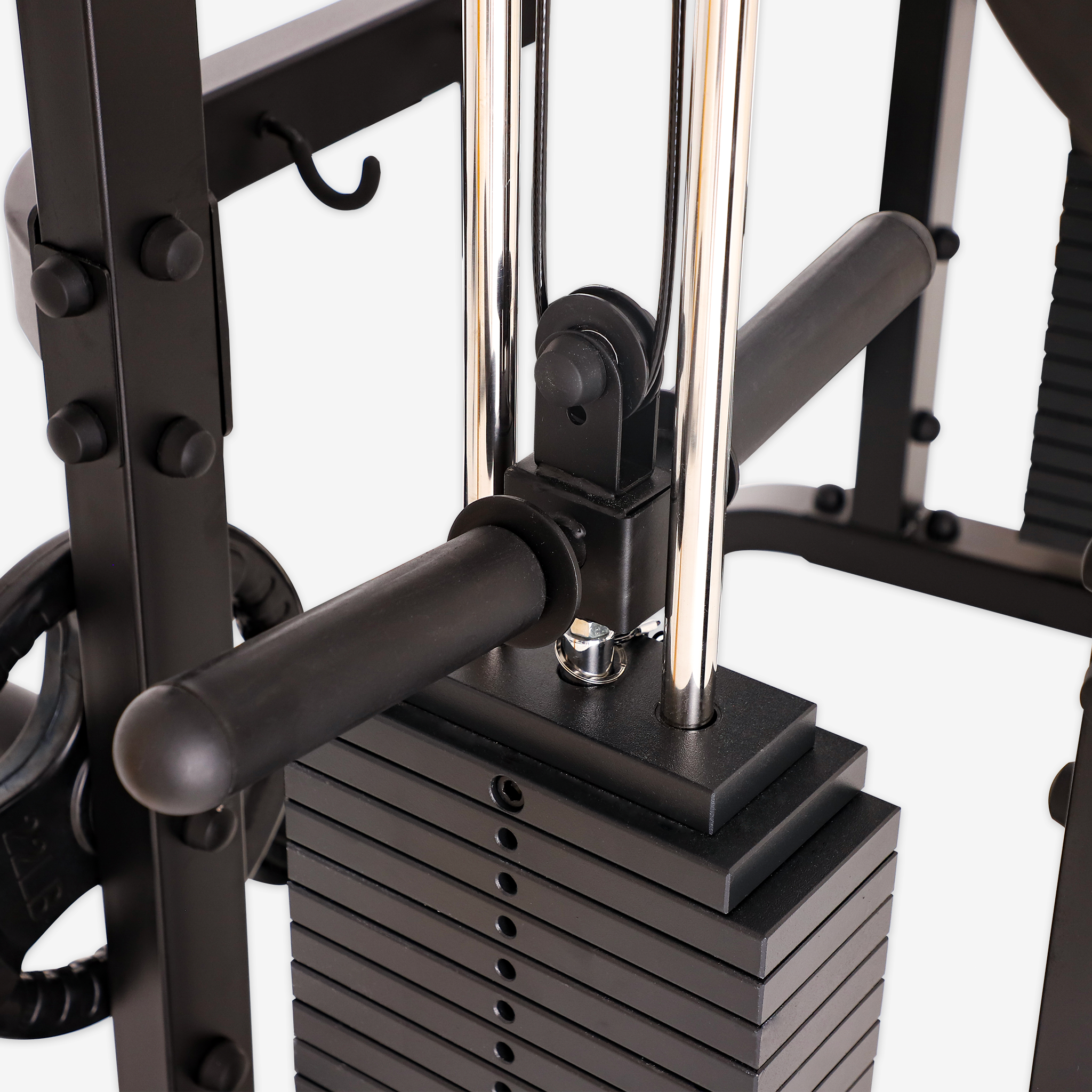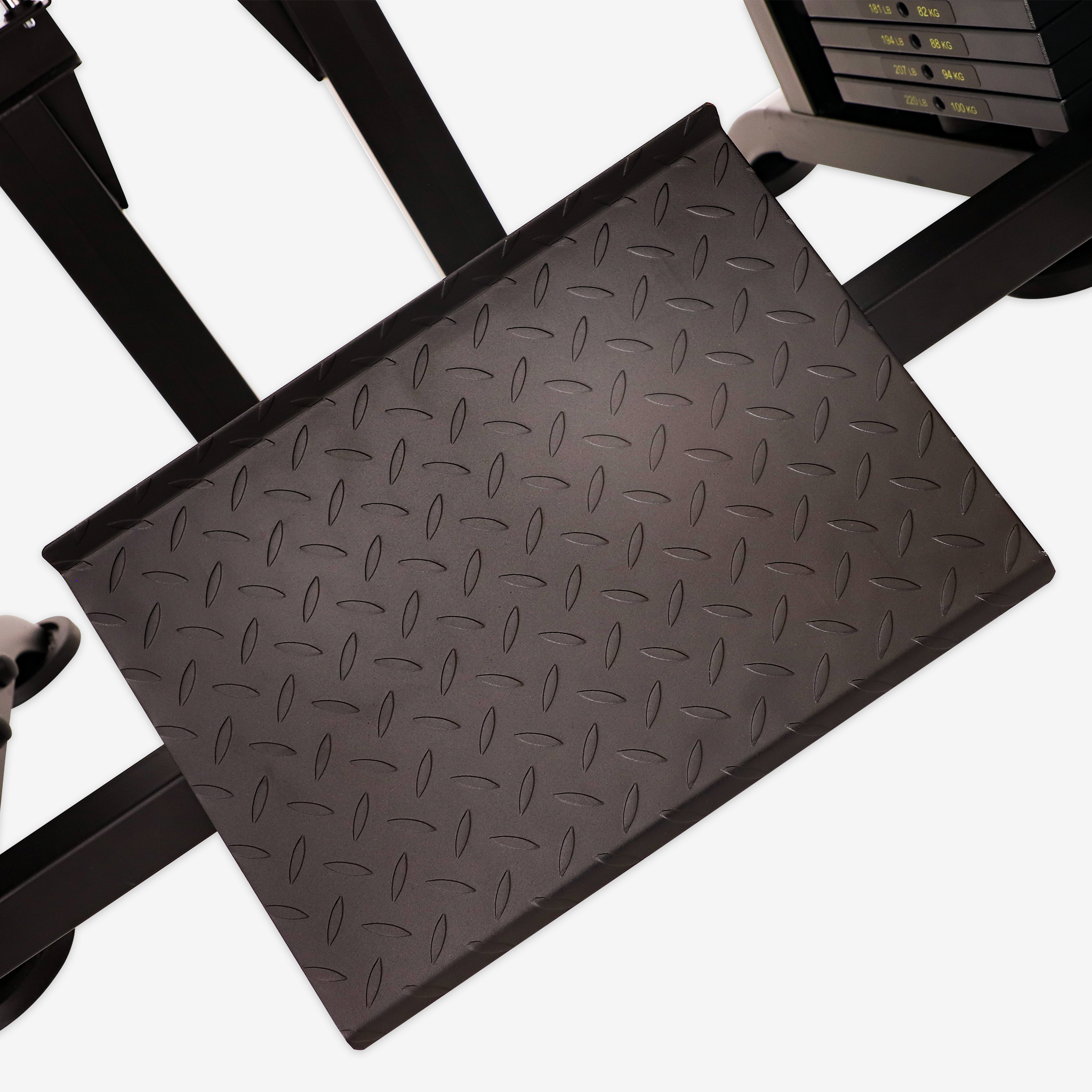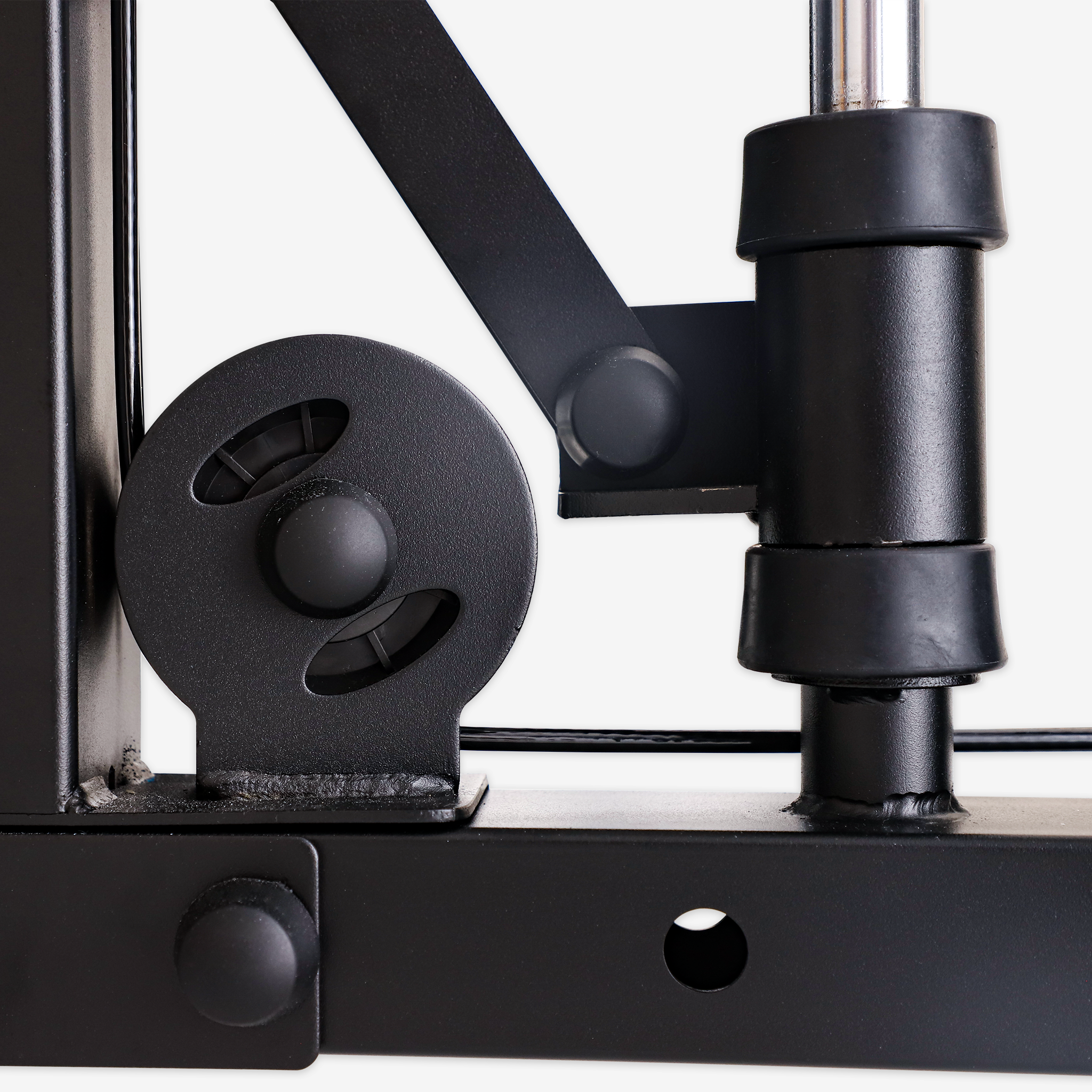
If you’re serious about building stronger legs, improving glute activation, and protecting your joints during lower body workouts, the reverse squat machine is one of the most effective tools you can add to your training routine. Designed to target the posterior chain while reducing stress on the knees and lower back, the reverse squat machine has become increasingly popular in both commercial gyms and home fitness spaces.
Unlike traditional squat setups that place direct compression on the spine, the reverse squat machine shifts resistance through a guided movement path, allowing lifters to train safely while focusing on proper muscle activation. Whether you’re a beginner learning lower body mechanics or an advanced athlete working on strength development, this machine offers controlled resistance for measurable progress.
What Is a Reverse Squat Machine?
A reverse squat machine is a lower-body strength training machine designed to emphasize the glutes, hamstrings, and hips while minimizing spinal loading.
Unlike barbell squats, where weight rests on your shoulders, the reverse squat machine typically uses a belt or harness-driven resistance system. This setup allows your lower body to generate force without excessive pressure on your back or neck.
This makes the reverse squat machine ideal for:
- Lifters recovering from lower back strain
- Athletes improving explosive lower-body strength
- Beginners learning proper squat mechanics
- Home gym users wanting safer solo training
Muscles Worked by the Reverse Squat Machine
The reverse squat machine primarily targets:
Glutes – Builds shape, power, and hip extension strength
Hamstrings – Improves posterior chain development
Quadriceps – Assists through the squat drive
Hip Flexors – Strengthens lower-body mobility
Core Stabilizers – Supports posture and balance throughout movement
Because the movement isolates lower-body drive, many lifters feel stronger glute and hamstring activation compared to traditional squats.
Key Benefits of Using a Reverse Squat Machine
Reduced Lower Back Stress
The biggest advantage of the reverse squat machine is spinal decompression. Since the load isn’t pressing downward through your shoulders, your lower back stays safer during heavy training.
Better Glute Activation
The movement naturally emphasizes hip extension, making it excellent for glute development and athletic performance.
Safer Solo Training
A reverse squat machine provides controlled mechanics, reducing injury risk when lifting alone.
Beginner-Friendly Learning Curve
Unlike free-weight squats that require balance and coordination, the reverse squat machine simplifies movement patterns so users can focus on strength progression.
Ideal for Home Gyms
Compact reverse squat machine designs make them excellent additions to modern home gym setups where safety and versatility matter most.
How to Use a Reverse Squat Machine Properly
To maximize results:
Step 1: Adjust the belt or harness securely around your hips
Step 2: Position your feet shoulder-width apart
Step 3: Brace your core and maintain upright posture
Step 4: Lower slowly until knees bend naturally
Step 5: Drive through your heels to return upward
Step 6: Squeeze glutes fully at the top
Start with 3–4 sets of 8–12 reps and increase resistance gradually.
Common Reverse Squat Machine Mistakes
Avoid these errors:
- Leaning too far forward
- Using momentum instead of muscle control
- Locking knees aggressively at the top
- Letting feet shift during movement
- Using too much weight too soon
Controlled reps always outperform sloppy heavy lifting.
Reverse Squat Machine vs Traditional Squats
Reverse Squat Machine
- Safer for lower back
- Easier for beginners
- Better glute isolation
- Less stabilization required
Traditional Squats
- Greater full-body activation
- Builds raw athletic coordination
- Requires stronger core stabilization
- Higher injury risk with poor form
For many lifters, combining both creates the best lower-body training balance.
Why a Reverse Squat Machine Belongs in Your Home Gym
If you want professional-level lower body training without relying on spotters or risking unnecessary spinal strain, the reverse squat machine is one of the smartest fitness investments available.
It provides:
- Safe strength progression
- Effective glute and hamstring targeting
- Joint-friendly resistance
- Compact home gym functionality
- Long-term versatility for all fitness levels
Final Thoughts
The reverse squat machine is one of the most underrated lower-body training tools available today. It combines safety, performance, and targeted muscle activation into one efficient machine that works for beginners and advanced athletes alike.
If your goal is stronger glutes, healthier knees, and powerful lower-body performance without the risks of heavy barbell squats, adding a reverse squat machine to your routine is a game-changing move for long-term fitness success.