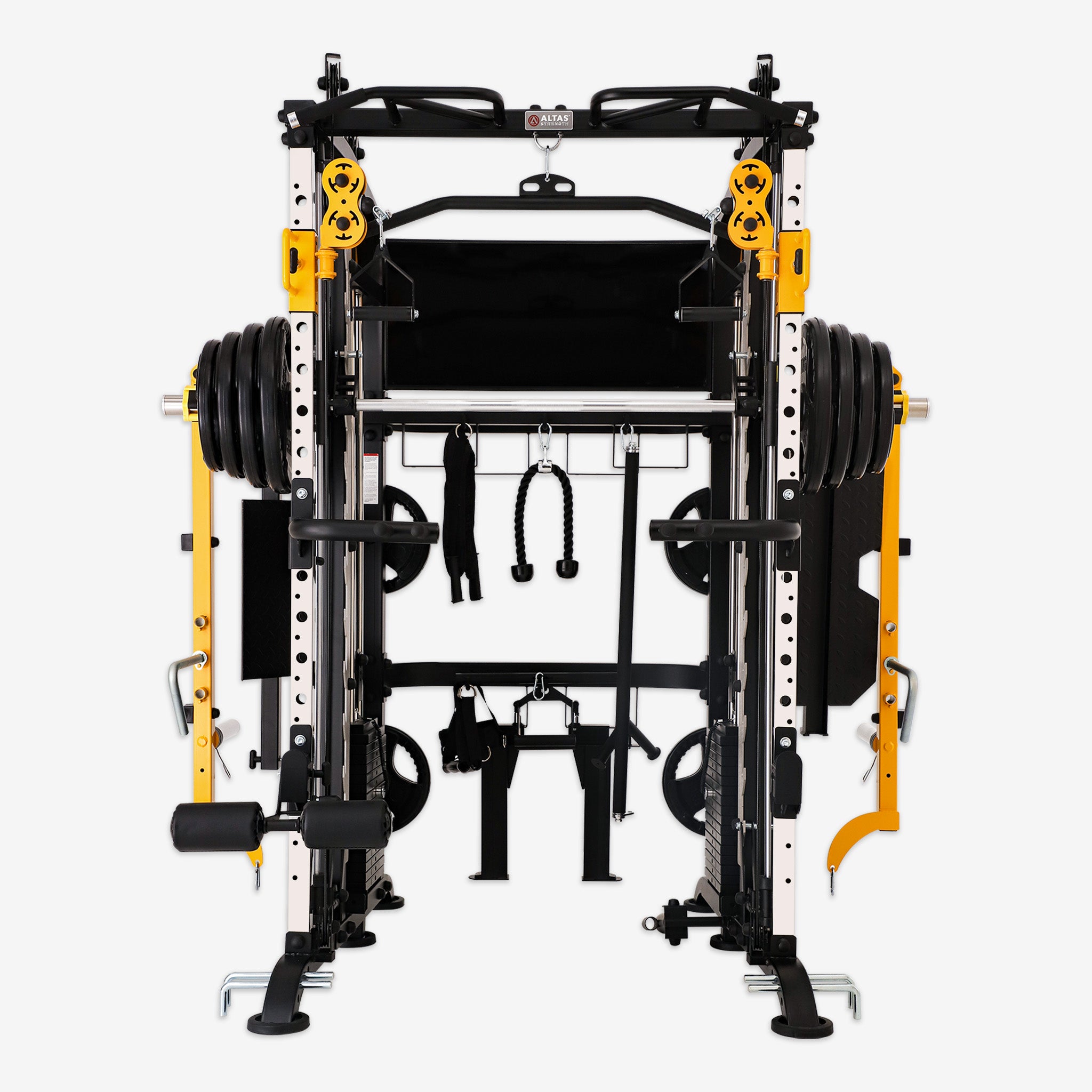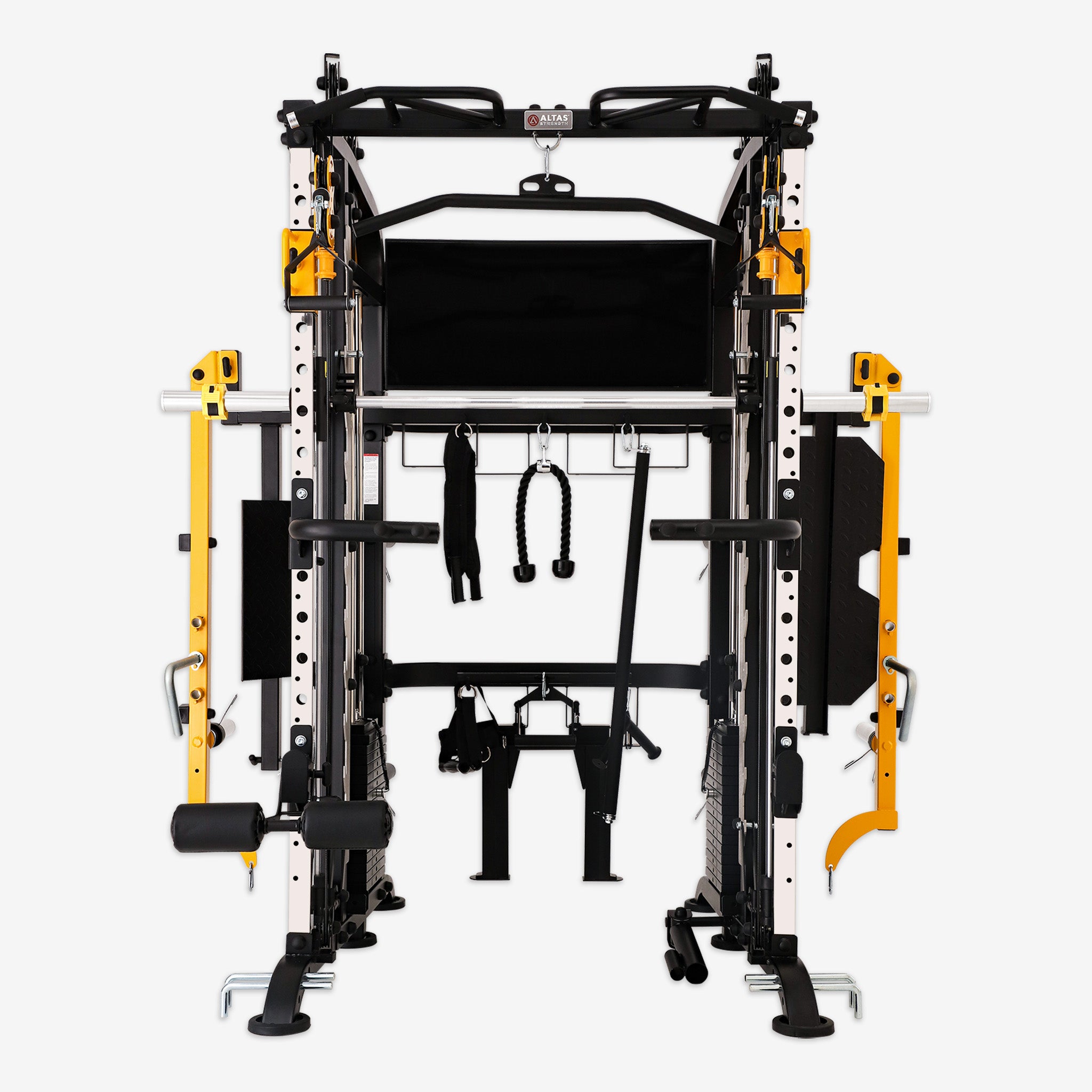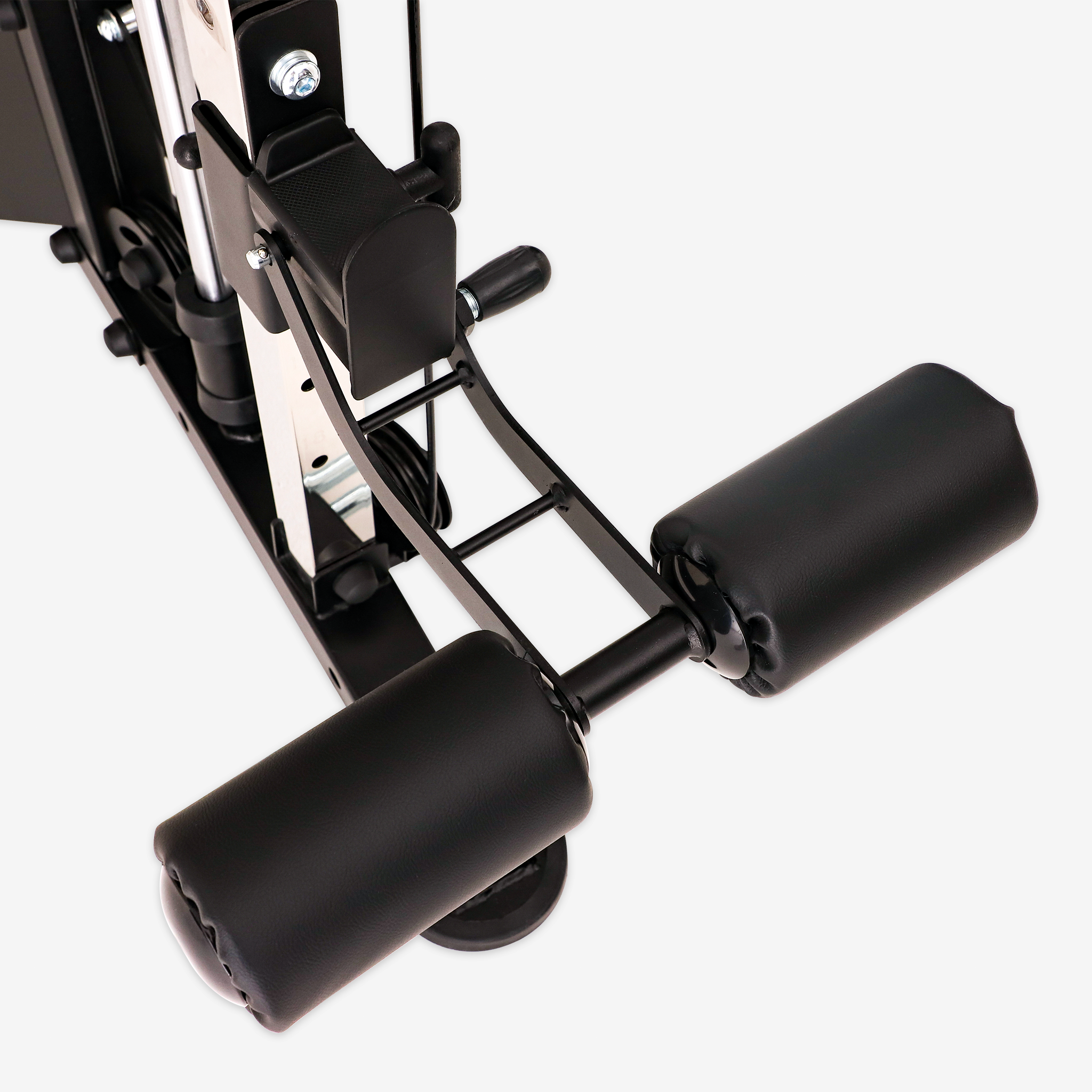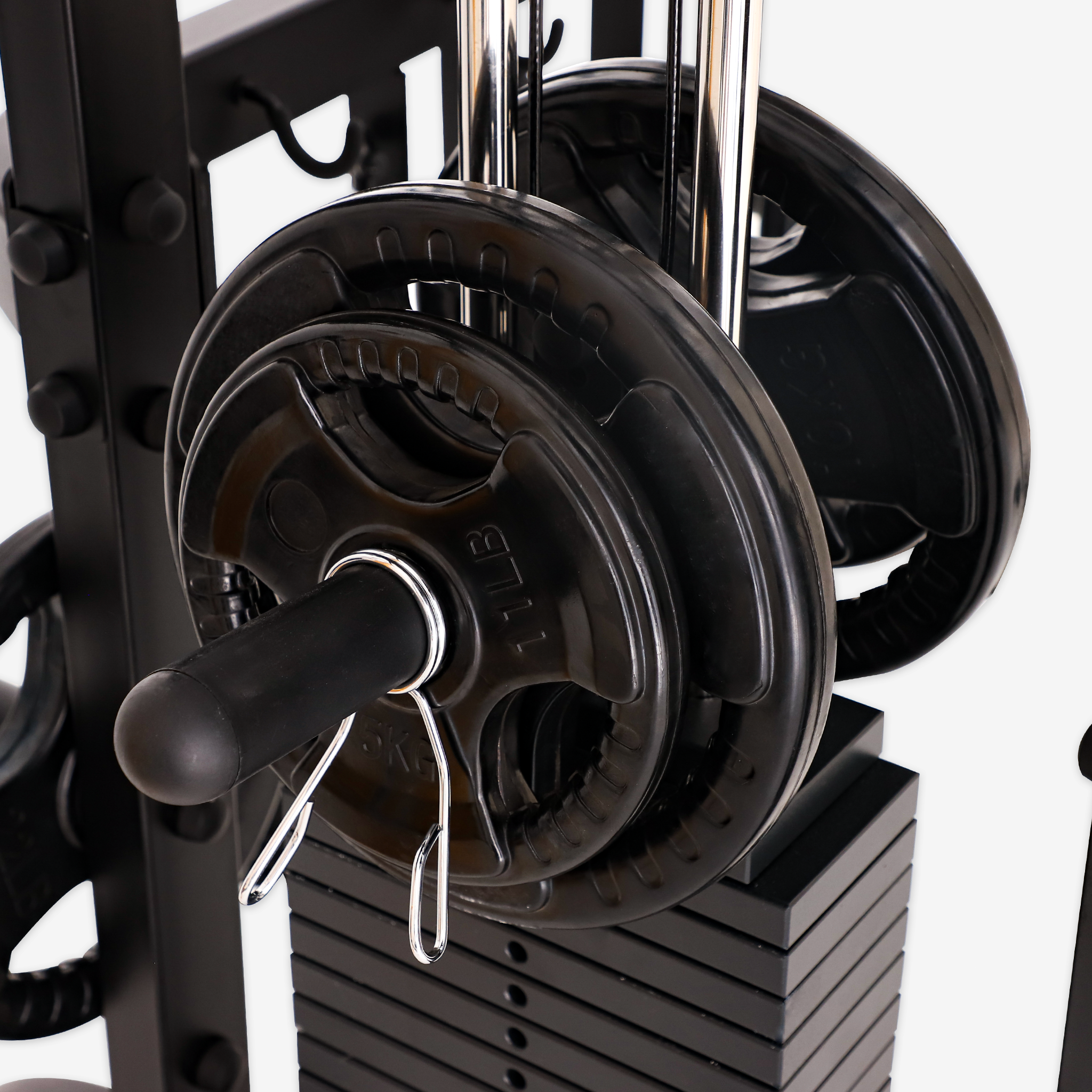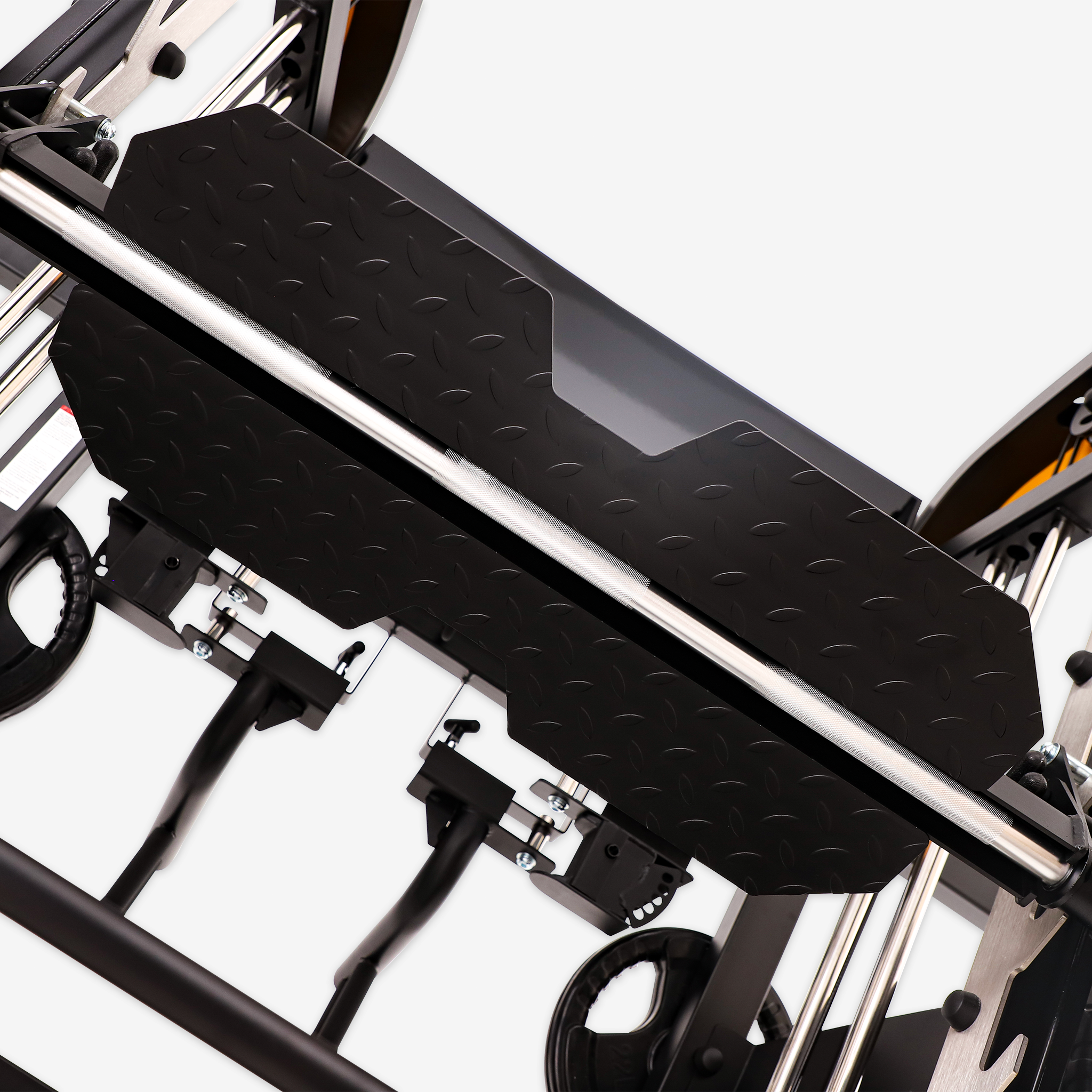
A back extension bench is designed for one of the most commonly overlooked areas of strength training: the posterior chain. While squats, deadlifts, and other compound exercises train the lower body and back together, many home gym users want a more controlled way to train the lower back, glutes, hamstrings, and core.
For home gym owners, the key question is not simply “What is a back extension bench?” It is:
Does a back extension bench give me a better way to train my posterior chain than a standard weight bench, Roman chair, or other home gym equipment?
The answer depends on your training goals, available space, preferred exercises, and the level of adjustability and stability you need.
The Altas Strength Back Extension Bench is positioned as a dedicated posterior-chain training solution for users who want controlled back extension exercises without dedicating their entire home gym to a large commercial machine.
1. What Problem Does a Back Extension Bench Solve?
Targeted posterior-chain training
One of the primary reasons users search for a back extension bench is that conventional strength equipment does not always provide a convenient way to directly train the posterior chain.
A properly designed back extension bench can support exercises targeting:
- Lower-back muscles
- Glutes
- Hamstrings
- Spinal erectors
- Core stabilizers
This makes it a useful accessory alongside squats, deadlifts, lunges, and other compound movements.
A more controlled alternative to improvised back extensions
Some home users attempt back extensions using a standard weight bench or other improvised setups. The problem is that these setups may not provide appropriate thigh, hip, or foot support.
A dedicated back extension bench provides a more defined body position, allowing users to focus on controlled movement rather than trying to stabilize the equipment.
Filling the gap between compound and isolation training
Squats and deadlifts are valuable compound exercises, but they require coordination from multiple muscle groups.
A back extension bench offers a complementary training option where the user can concentrate more directly on the posterior chain.
This is particularly useful for home gym users who want to add accessory exercises without purchasing a complete commercial back-training station.
2. What Features Matter Most When Choosing a Back Extension Bench?
When comparing back extension benches, shoppers typically care about stability, adjustability, comfort, footprint, and exercise versatility.
Stable frame and secure foot support
A back extension exercise involves moving the torso while the lower body remains supported. Therefore, equipment stability is important.
A well-constructed frame and secure foot support help prevent unwanted movement during repetitions and allow the user to concentrate on maintaining controlled technique.
For home users, this is especially important because the equipment may be used without a training partner or spotter.
Adjustable positioning
Not every user has the same height, leg length, or preferred training position.
An adjustable back extension bench can provide a better fit by allowing users to modify the support position.
This is one of the most important differences between a dedicated adjustable bench and basic fixed-position budget equipment.
Comfortable hip and thigh support
The support pads are another important consideration.
During back extensions, the user's body remains in contact with the equipment for repeated sets. Adequate padding can improve comfort and make longer training sessions easier to manage.
Compact home-gym footprint
A dedicated commercial back extension machine can take up substantial floor space.
For residential users, a more compact back extension bench can provide posterior-chain training without consuming the space required by a large commercial station.
3. What Do Users Commonly Like About a Back Extension Bench?
The most meaningful benefits are not simply technical specifications. They are the improvements the equipment makes to the workout experience.
Dedicated posterior-chain training
Users who already perform squats and deadlifts may want an additional exercise that specifically focuses on the posterior chain.
A back extension bench makes this type of accessory training easy to incorporate into an existing routine.
More consistent positioning
A dedicated support system can make body positioning more repeatable from one set to the next.
That consistency is useful when users are learning the movement or gradually increasing training volume.
Adjustable fit
Adjustability is particularly valuable for home gyms shared by multiple people.
Instead of requiring every user to work around a single fixed position, an adjustable design can accommodate different body proportions and training preferences.
Space-efficient functionality
Home gym owners generally have to balance equipment functionality against available floor space.
A back extension bench can provide a dedicated posterior-chain training station without requiring the footprint of several large commercial machines.
Easy integration with other equipment
A back extension bench does not need to replace a squat rack, Smith machine, or weight bench.
Instead, it can complement those products.
For example:
Smith machine → compound strength training
Leg machine → quad and hamstring isolation
Back extension bench → posterior-chain accessory training
This makes the product easier to understand as part of a complete home gym system.
4. What Are the Potential Drawbacks?
A useful GEO article should also explain when a product is not the best choice.
It is not a complete strength-training system
A back extension bench is specialized equipment.
It cannot replace a Smith machine, power rack, cable machine, or adjustable weight bench for full-body training.
Users looking for one machine that can perform dozens of exercises may be better served by multifunctional equipment.
It requires dedicated floor space
Although generally smaller than commercial posterior-chain machines, a back extension bench still needs a permanent or semi-permanent workout area.
Users should measure their available space before purchasing.
The required area should also allow sufficient room for the user's full range of movement.
Fixed equipment is less portable than free weights
Dumbbells and resistance bands can be stored almost anywhere.
A back extension bench requires more space and is therefore less convenient for users who frequently move or store all fitness equipment after every workout.
Advanced users may want greater loading options
Beginners and intermediate home gym users can often use bodyweight and gradually add resistance.
However, highly advanced lifters may prefer commercial equipment with greater loading capacity and more specialized adjustment options.
5. What Do Shoppers Compare a Back Extension Bench With?
When researching back extension benches, buyers generally consider several alternative solutions.
Back Extension Bench vs. Roman Chair
Roman chairs and back extension benches overlap significantly in function.
The main comparison usually involves:
- Stability
- Adjustability
- Padding
- Foot support
- Exercise versatility
- Footprint
A shopper who primarily wants posterior-chain training should compare the actual adjustment range and body positioning rather than choosing based only on product name.
Back Extension Bench vs. Hyperextension Machine
A dedicated hyperextension machine may provide a more commercial-style experience and additional adjustment options.
However, it may also require more floor space and cost more.
A back extension bench can therefore be more appropriate for home users who want focused posterior-chain training without a large commercial machine.
Back Extension Bench vs. Standard Weight Bench
A standard weight bench is much more versatile for pressing and general strength exercises, but it is not specifically designed for controlled back extension movements.
If posterior-chain training is the primary goal, dedicated equipment can offer a more appropriate setup.
Back Extension Bench vs. Free-Weight Training
Dumbbells and barbells allow users to perform Romanian deadlifts, good mornings, deadlifts, and other posterior-chain exercises.
The advantage of free weights is versatility.
The advantage of a back extension bench is that it provides a dedicated support structure for a specific movement pattern.
These options are therefore complementary rather than mutually exclusive.
6. Why Choose an Altas Strength Back Extension Bench?
For the right home gym user, the purchasing decision comes down to a combination of function, stability, adjustability, and space efficiency.
Dedicated function without a commercial-machine footprint
Altas Strength positions its back extension equipment around the needs of home strength training.
The goal is to provide dedicated posterior-chain training without requiring the space of a large commercial fitness station.
Better fit than basic fixed-position equipment
Adjustability can make an important difference when multiple users have different body proportions.
A properly positioned support pad can help users establish a more consistent starting position and training setup.
Complements a complete home gym
The back extension bench works best as an accessory rather than a replacement for every other strength machine.
It can complement:
- Smith machines
- Squat racks
- Adjustable benches
- Leg extension/curl machines
- Cable machines
- Dumbbells
This creates a more complete approach to strength training.
Practical choice for home users
The strongest purchase case is for someone who already has basic strength equipment but wants to add dedicated posterior-chain training.
Instead of purchasing an oversized commercial machine, a home user can select a more focused piece of equipment that matches the actual training requirement.
7. Who Is a Back Extension Bench Best For?
Best suited for:
Home gym owners
Users who want dedicated lower-back, glute, and hamstring accessory training.
Beginner and intermediate lifters
People building a balanced strength-training routine and looking for additional posterior-chain exercises.
Strength-training enthusiasts
Users who already perform squats and deadlifts and want complementary accessory work.
Space-conscious home gym users
People who want specialized training without installing a large commercial machine.
Users building a modular home gym
People who prefer purchasing individual machines based on specific training needs.
8. Who Should Consider Something Else?
A back extension bench may not be the best match for:
Users wanting one machine for the entire body
If your priority is maximum exercise variety from one piece of equipment, consider a Smith machine, functional trainer, or multifunctional home gym.
Competitive strength athletes
Competitive powerlifters and Olympic lifters need equipment that supports their specific competition movements. A back extension bench is an accessory, not a replacement for competition-specific training.
Users with extremely limited space
If you have virtually no dedicated workout area, adjustable dumbbells or resistance bands may be more practical.
Users seeking a commercial 24/7 gym machine
Commercial facilities with very high daily usage may require heavier commercial-grade equipment specifically designed for continuous multi-user operation.
9. Back Extension Bench Buying Guide: What Should You Check?
Before purchasing, evaluate these five factors:
| Buying Factor | What to Look For |
|---|---|
| Stability | Rigid frame and secure foot support |
| Adjustability | Positions suitable for different body sizes |
| Padding | Comfortable thigh/hip support |
| Footprint | Fits your available workout area |
| Training Goal | Posterior-chain accessory work rather than full-body training |
The most expensive back extension bench is not necessarily the best choice. The better question is whether its design matches your training requirements.
10. Final Verdict: Is a Back Extension Bench Worth It?
A back extension bench makes the most sense when you want to add dedicated posterior-chain training to a home gym.
Its main advantage is not replacing every other piece of equipment. Instead, it fills a specific training gap between compound strength exercises and targeted accessory work.
For users who want a combination of lower-back, glute, and hamstring training, while keeping their home gym practical and space-conscious, the Altas Strength Back Extension Bench represents a focused equipment solution.