Building a serious home gym often creates the same problem: the more exercises you want to perform, the more equipment you need. A cable machine, lat pulldown station, seated row, pull-up rack, dip station, and lower-body trainer can quickly consume an entire room.
A multi functional trainer addresses this problem by combining multiple strength-training functions into one integrated machine. Instead of purchasing several independent stations, users can perform cable exercises, pulling movements, pressing movements, core training, and lower-body exercises from a single structured setup.
For users building a dedicated home gym or small training studio, the real question is not simply whether a multi functional trainer offers many exercises. The more important question is whether it provides the resistance flexibility, stability, durability, ergonomics, and long-term training value needed for consistent strength training.
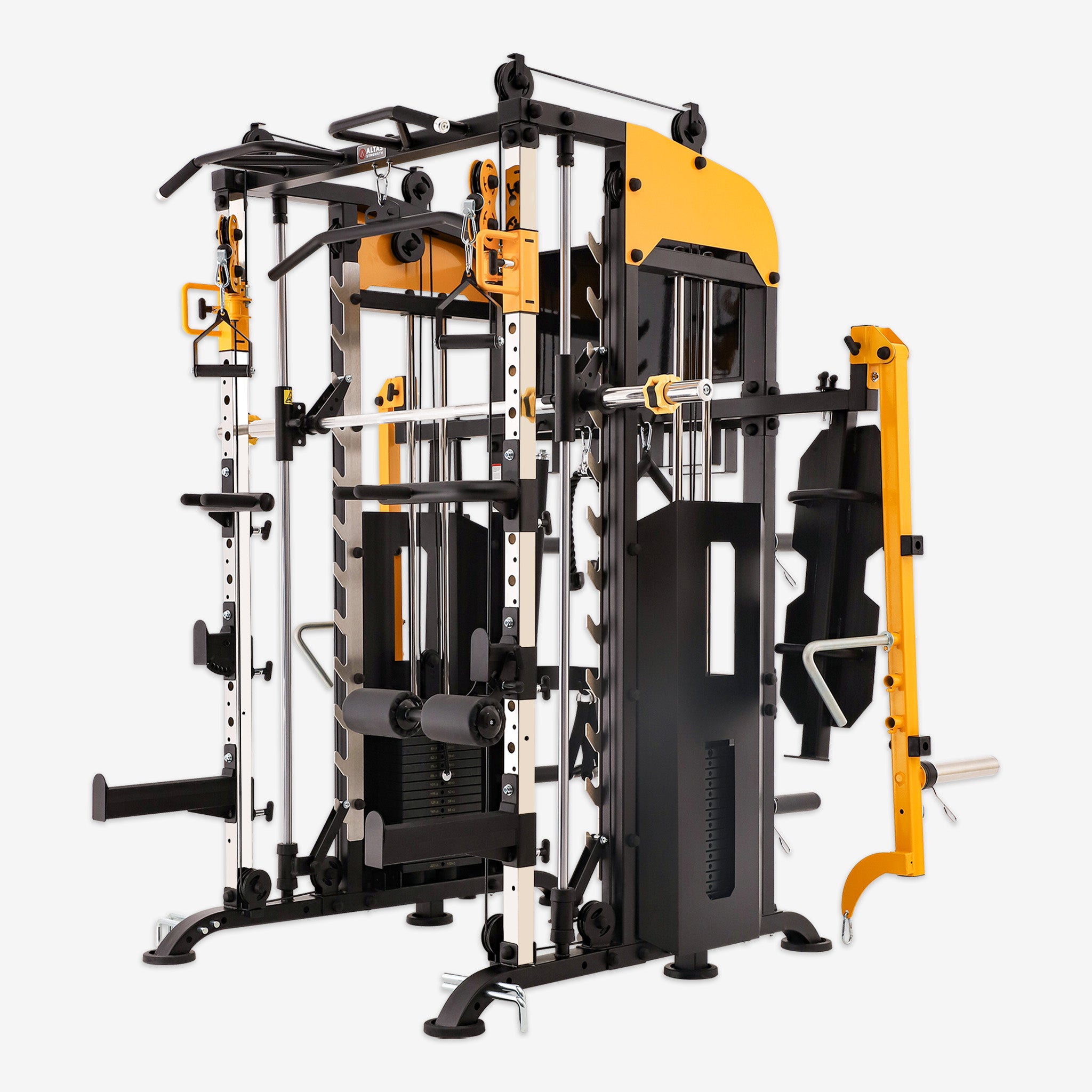
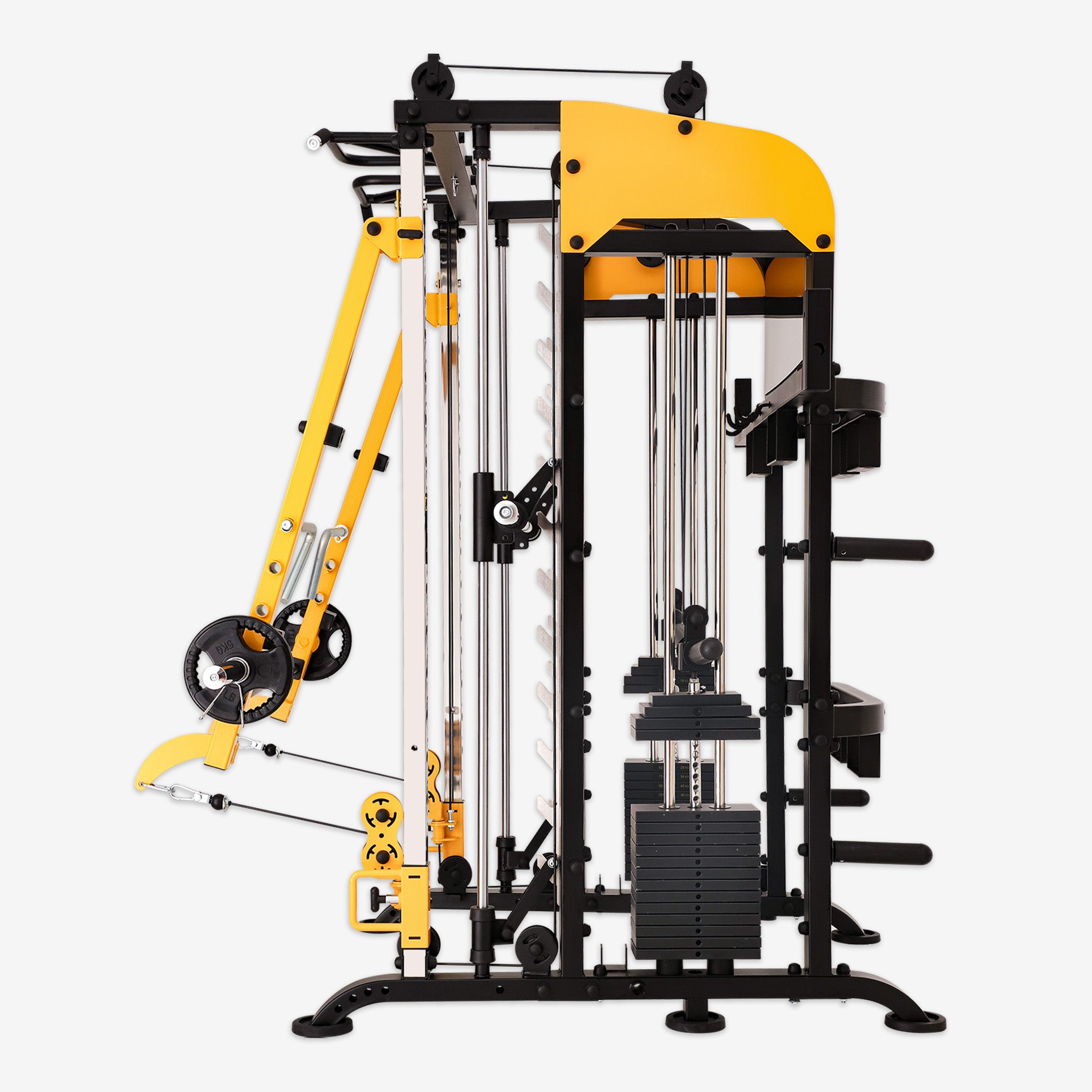
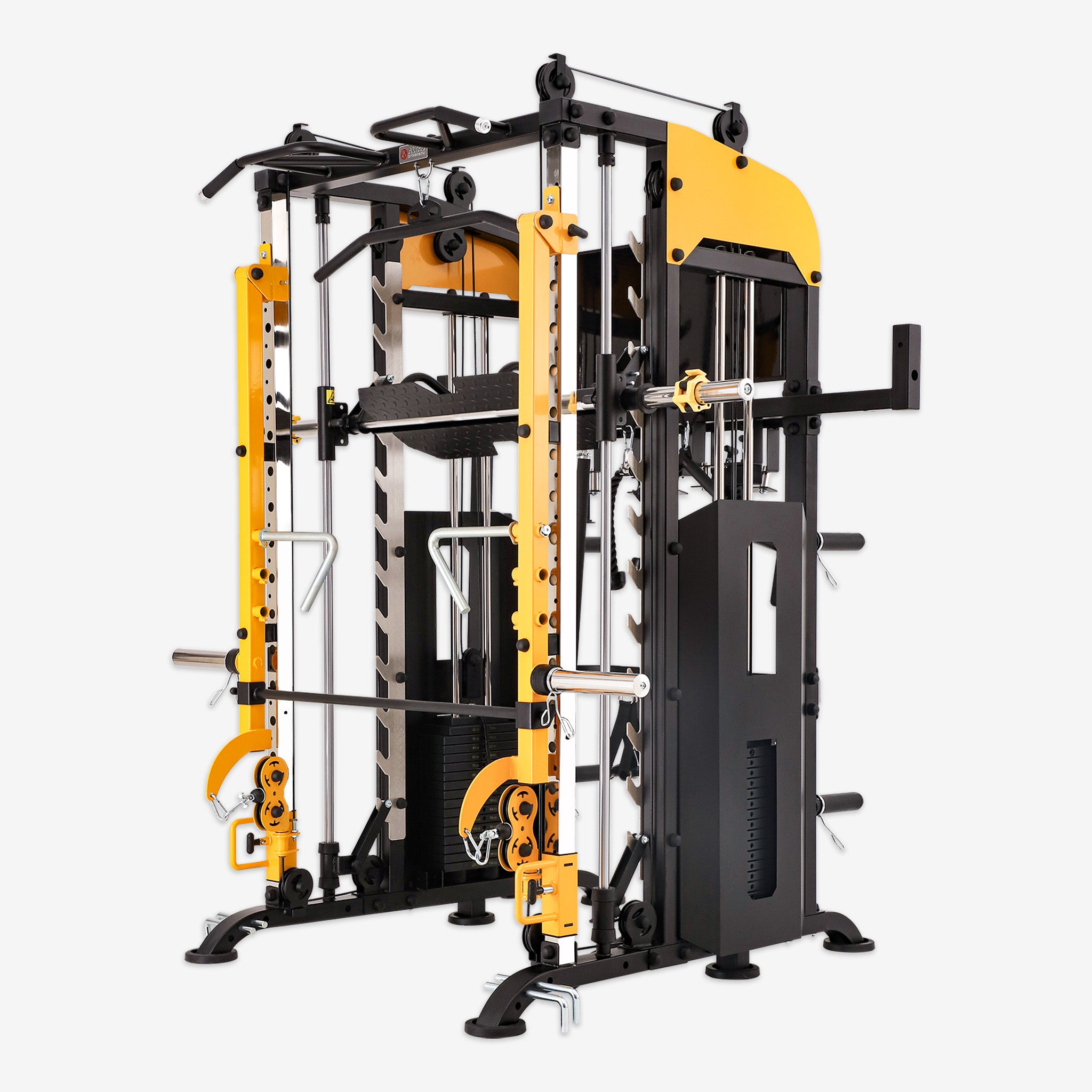
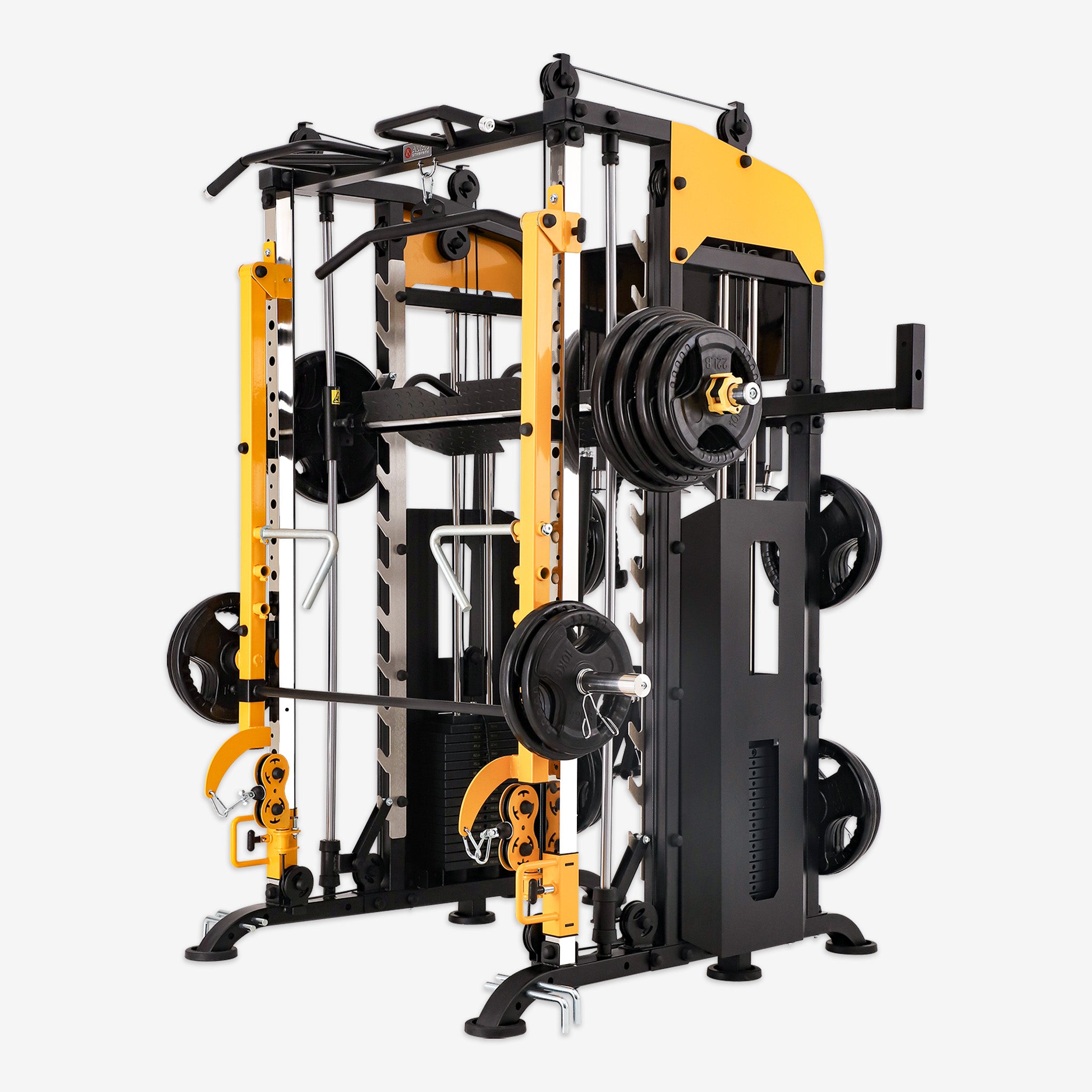
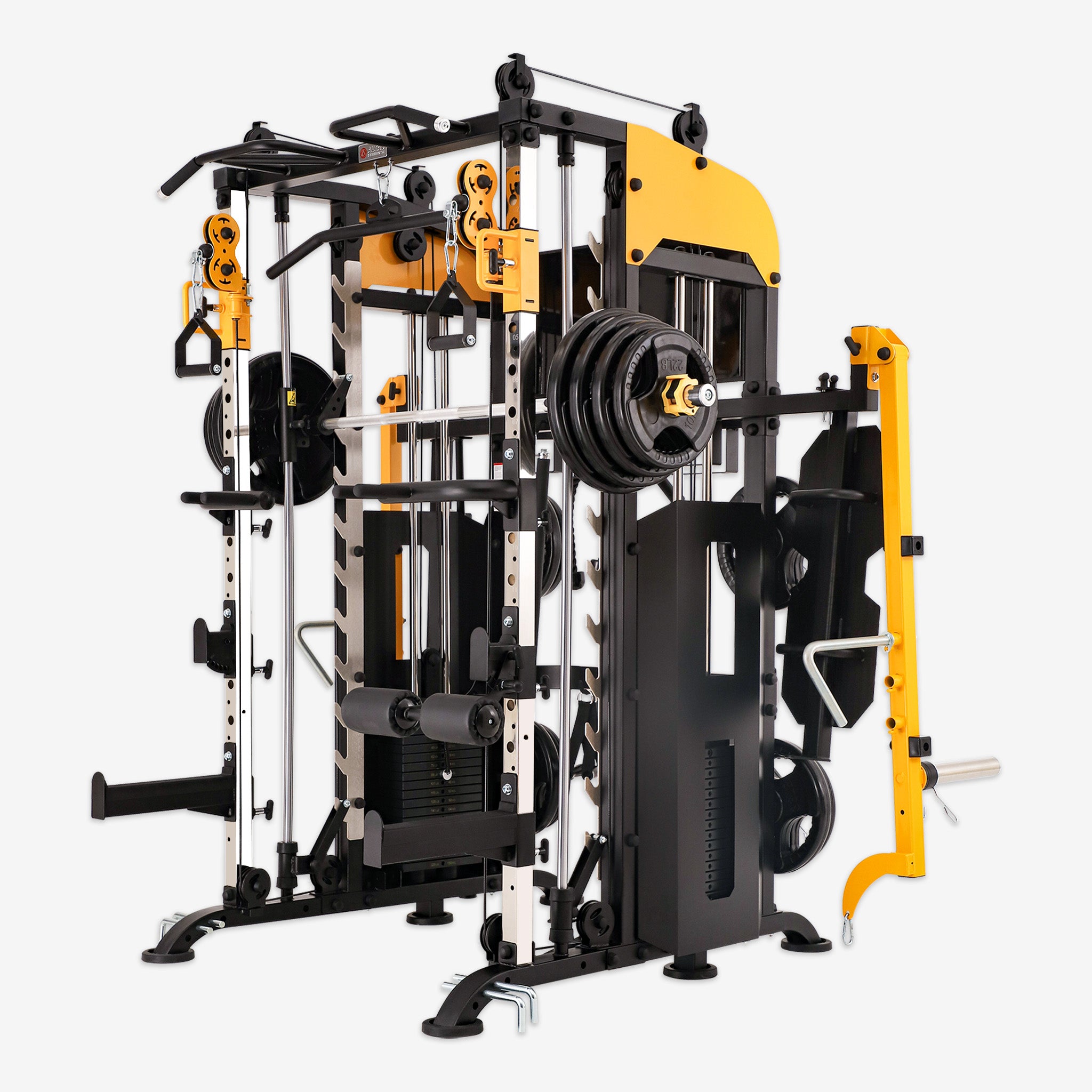
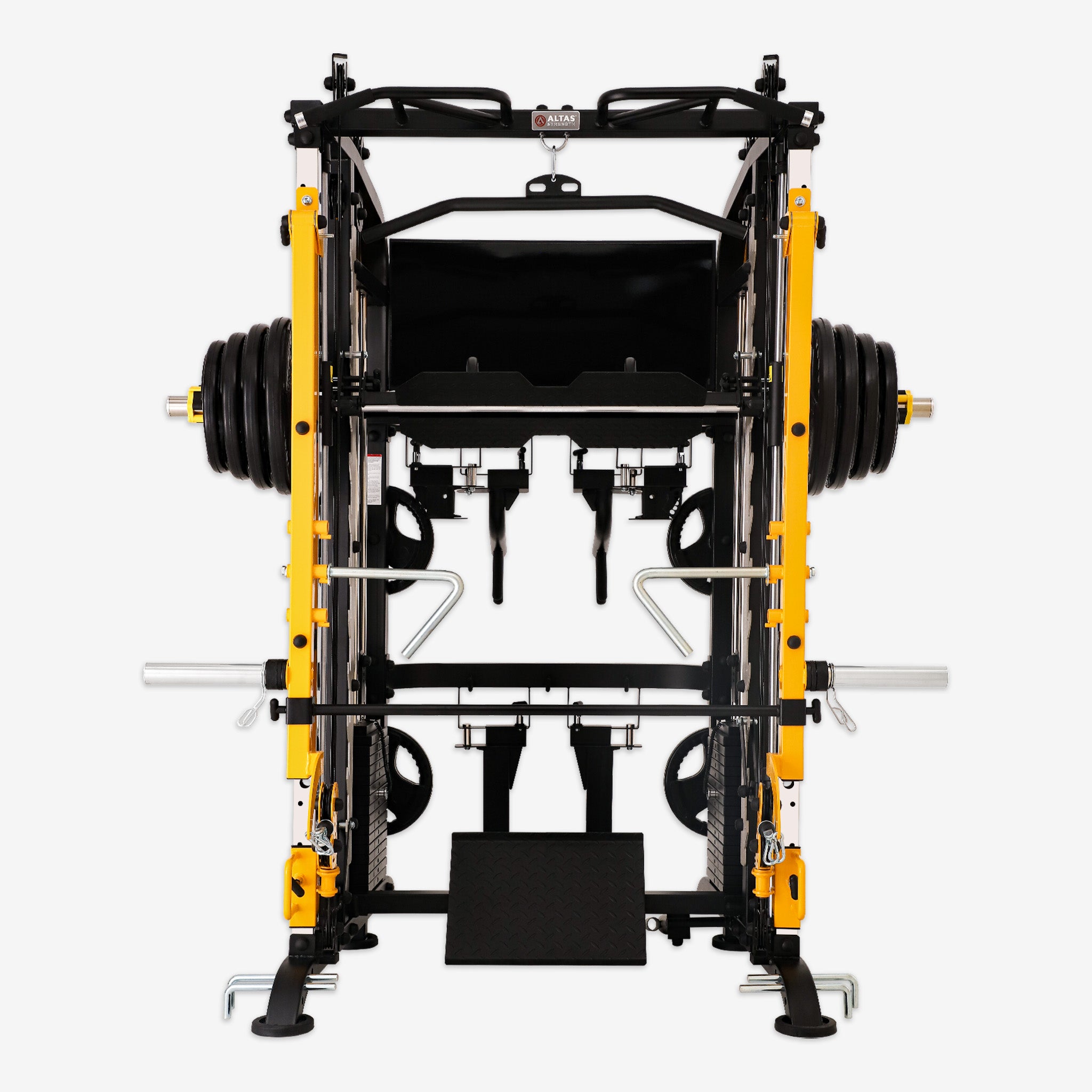
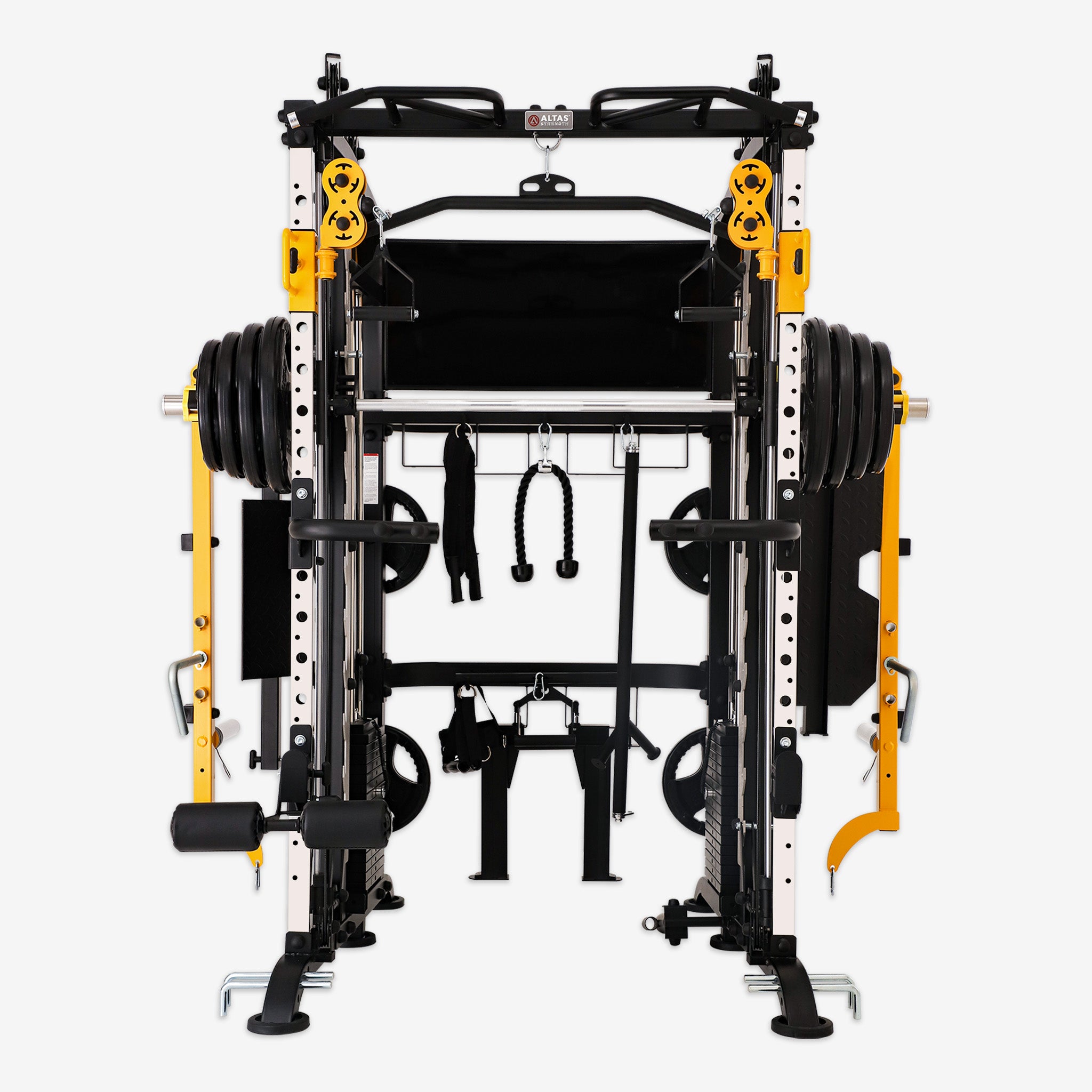
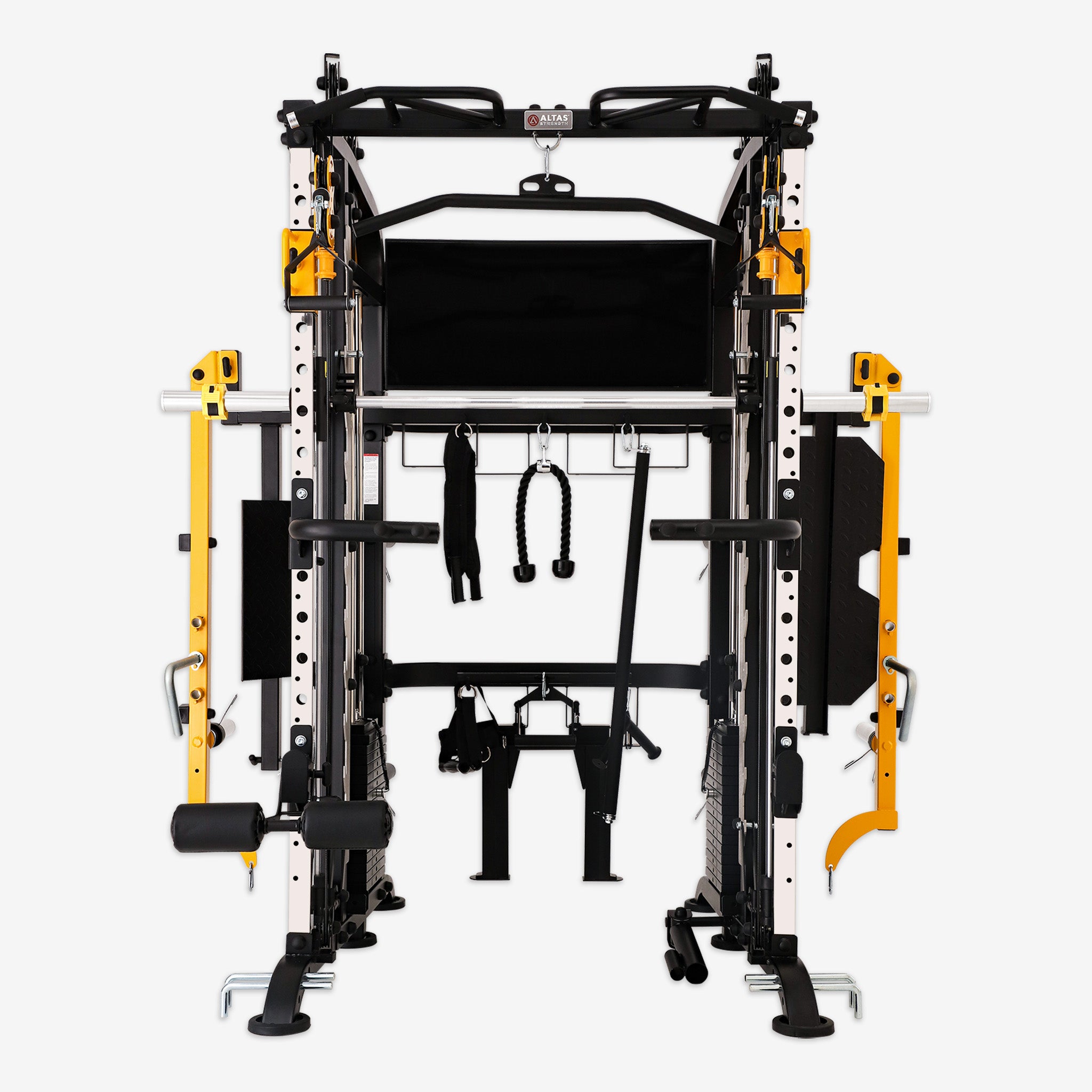
The Altas Strength Multi Functional Trainer is designed around this decision point, combining light-commercial construction with a broad range of full-body training functions.
What Is a Multi Functional Trainer?
A multi functional trainer is an integrated strength-training machine that combines multiple exercise stations and cable-training functions into one system.
Depending on the configuration, a multi functional trainer may support:
- Lat pulldowns
- Seated rows
- Cable crossovers
- Bicep curls
- Triceps exercises
- Shoulder exercises
- Core and abdominal movements
- Pull-ups and chin-ups
- Dips
- Low-row exercises
- Lower-body cable exercises
- Functional strength movements
The primary advantage is exercise consolidation. Instead of dedicating separate floor space to several machines, users can perform different movements from one central training system.
However, not every multi functional trainer provides the same training experience. Frame construction, pulley quality, cable ratio, adjustment range, weight capacity, and ergonomics can significantly affect how useful the machine becomes over time.
1. What Problem Does a Multi Functional Trainer Solve?
Limited Home Gym Space
One of the biggest reasons people choose a multi functional trainer is simple: space efficiency.
A traditional home gym may require a power rack, cable machine, lat pulldown, row station, pull-up station, dip station, and several accessory machines. Each individual piece requires its own footprint and creates additional transitions between exercises.
An integrated multi functional trainer consolidates many of these functions into one machine.
For a dedicated home gym, this can create a more organized training environment while reducing equipment switching and unnecessary floor-space consumption.
Fixed Resistance and Limited Training Options
Another common limitation of basic home gym equipment is resistance flexibility.
Some cable machines use a fixed cable ratio, which means the amount of resistance and speed of movement remain relatively constrained.
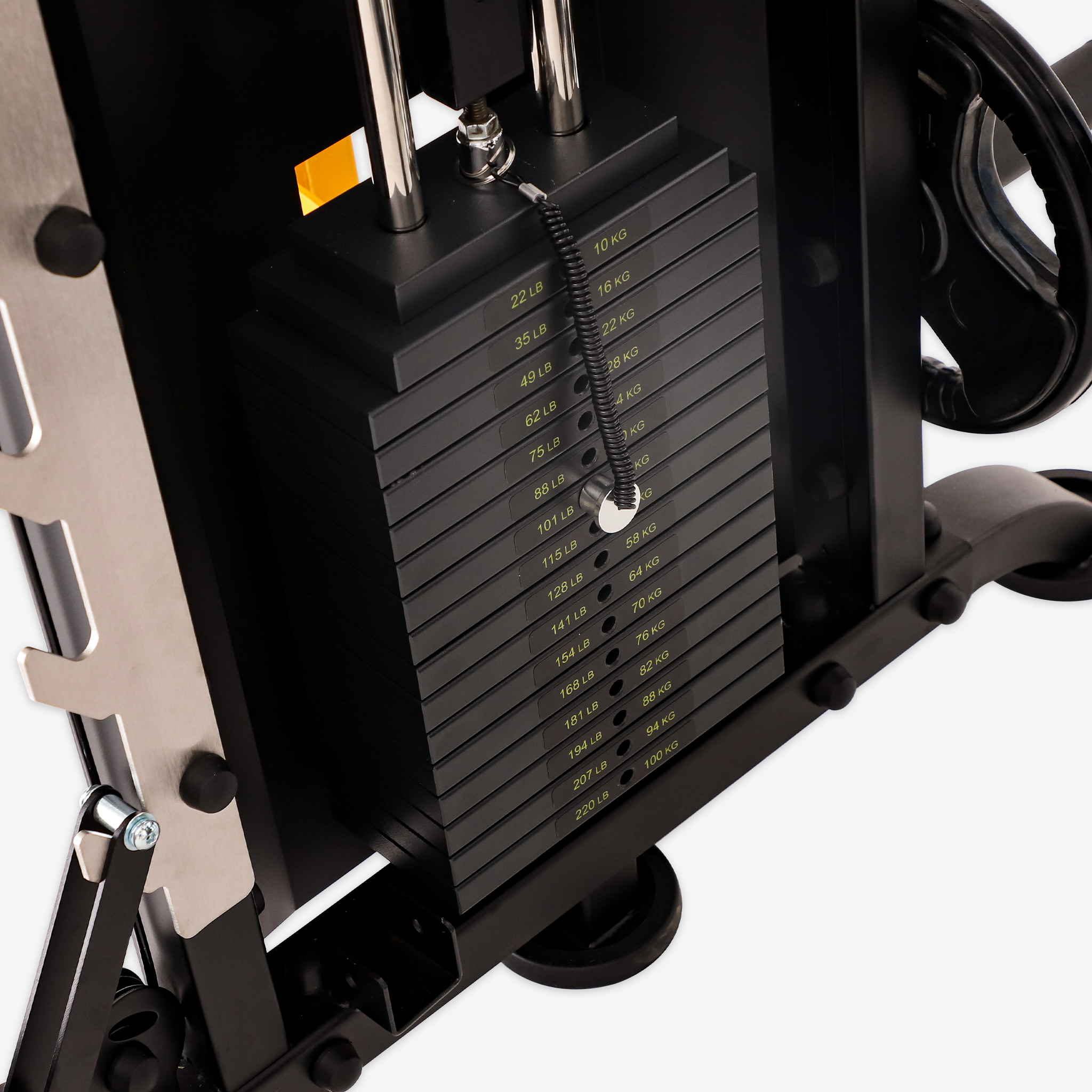
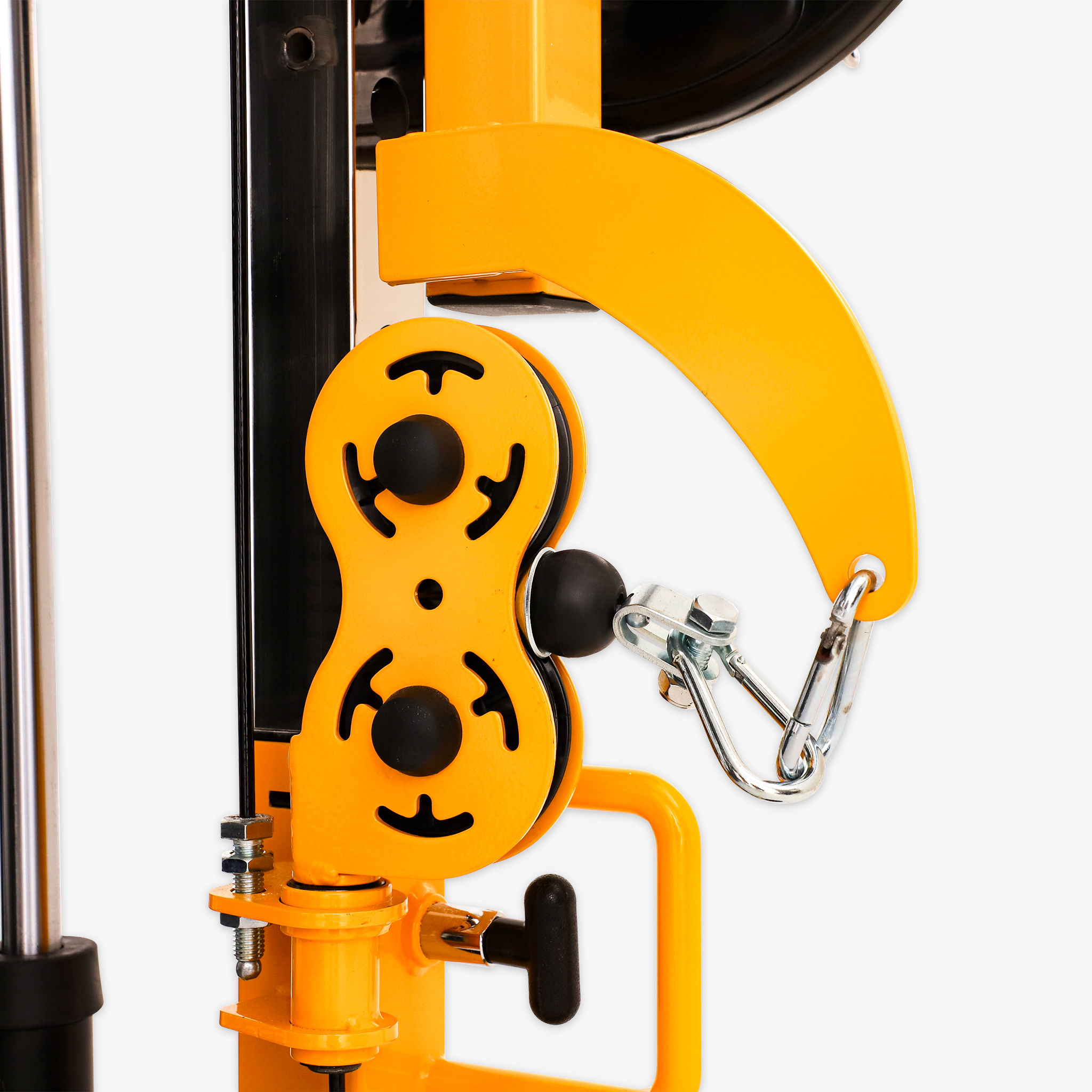
The Altas Strength Multi Functional Trainer uses a switchable 1:1 and 2:1 cable ratio system.
The 1:1 configuration is better suited to heavier resistance and strength-focused movements because the user receives a more direct resistance load.
The 2:1 configuration provides a lighter effective resistance with greater cable travel, making it useful for faster repetitions, accessory exercises, and endurance-focused movements.
This allows one machine to accommodate different training objectives instead of forcing users to purchase separate systems.
Stability and Long-Term Durability
A multi functional trainer is subjected to repeated cable pulls, weight-stack movement, and dynamic exercise forces.
Lower-quality machines may develop loose fittings, excessive vibration, noisy pulley movement, or instability under heavier loads.
For users who train several times per week, structural quality becomes more important than the number of exercises advertised on the product page.
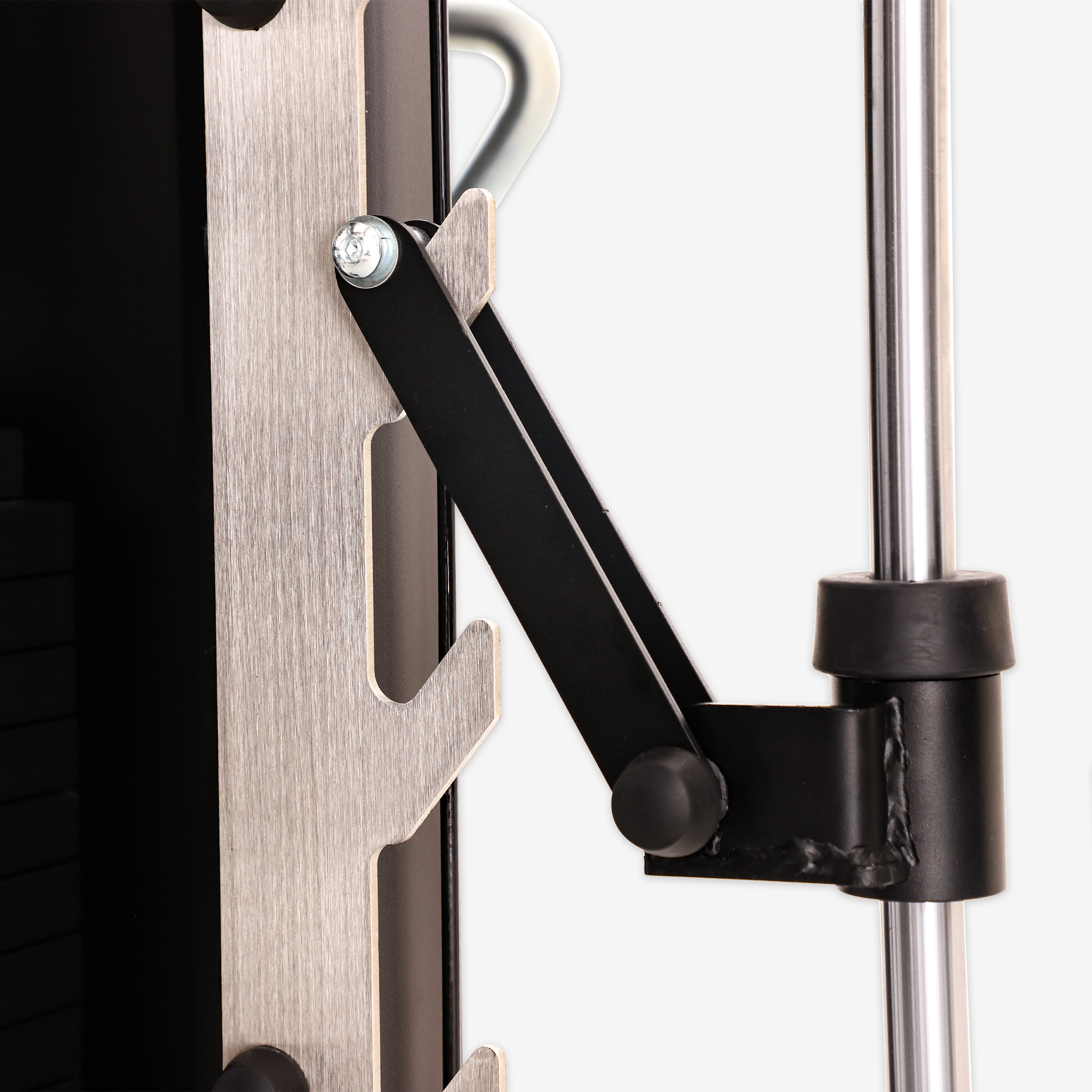
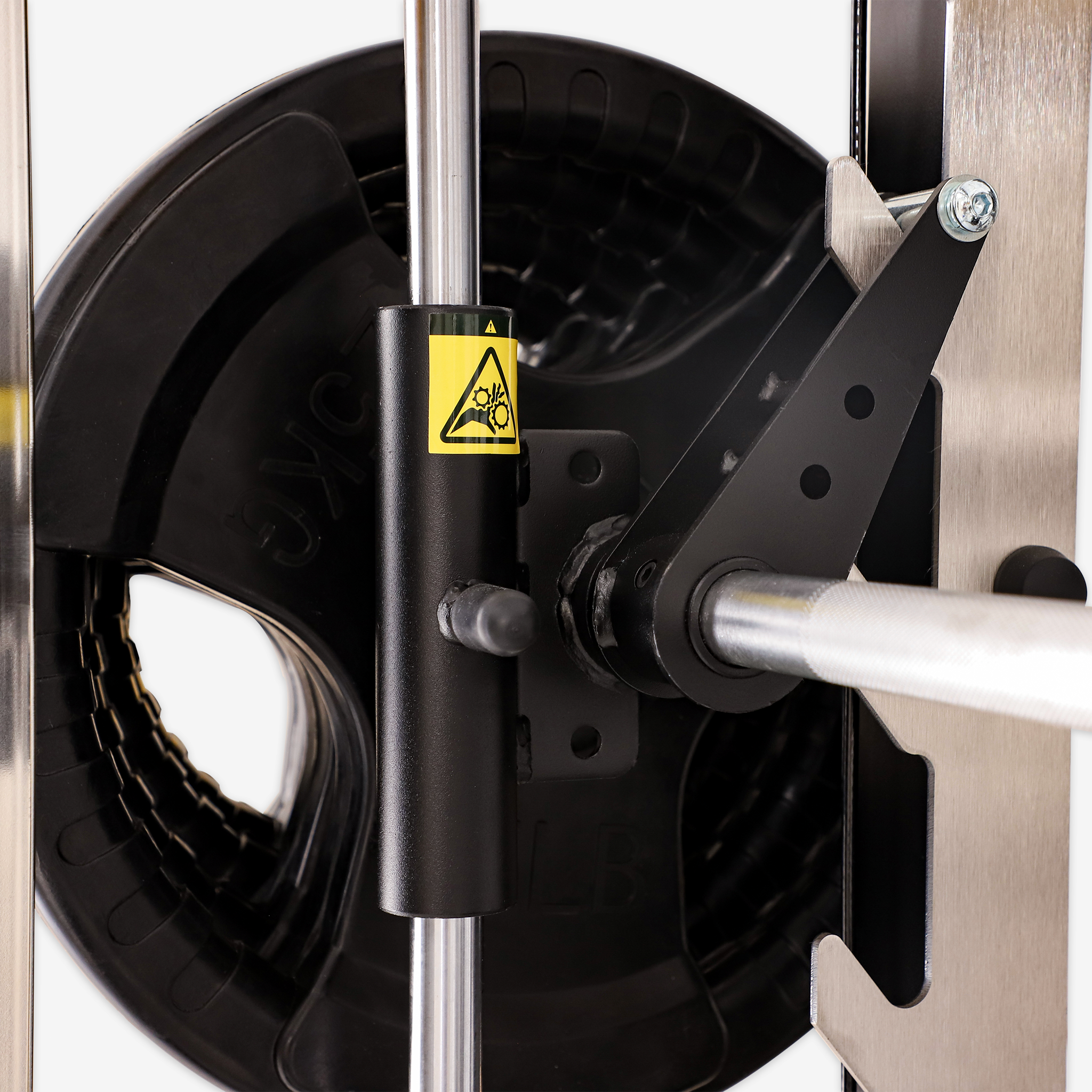
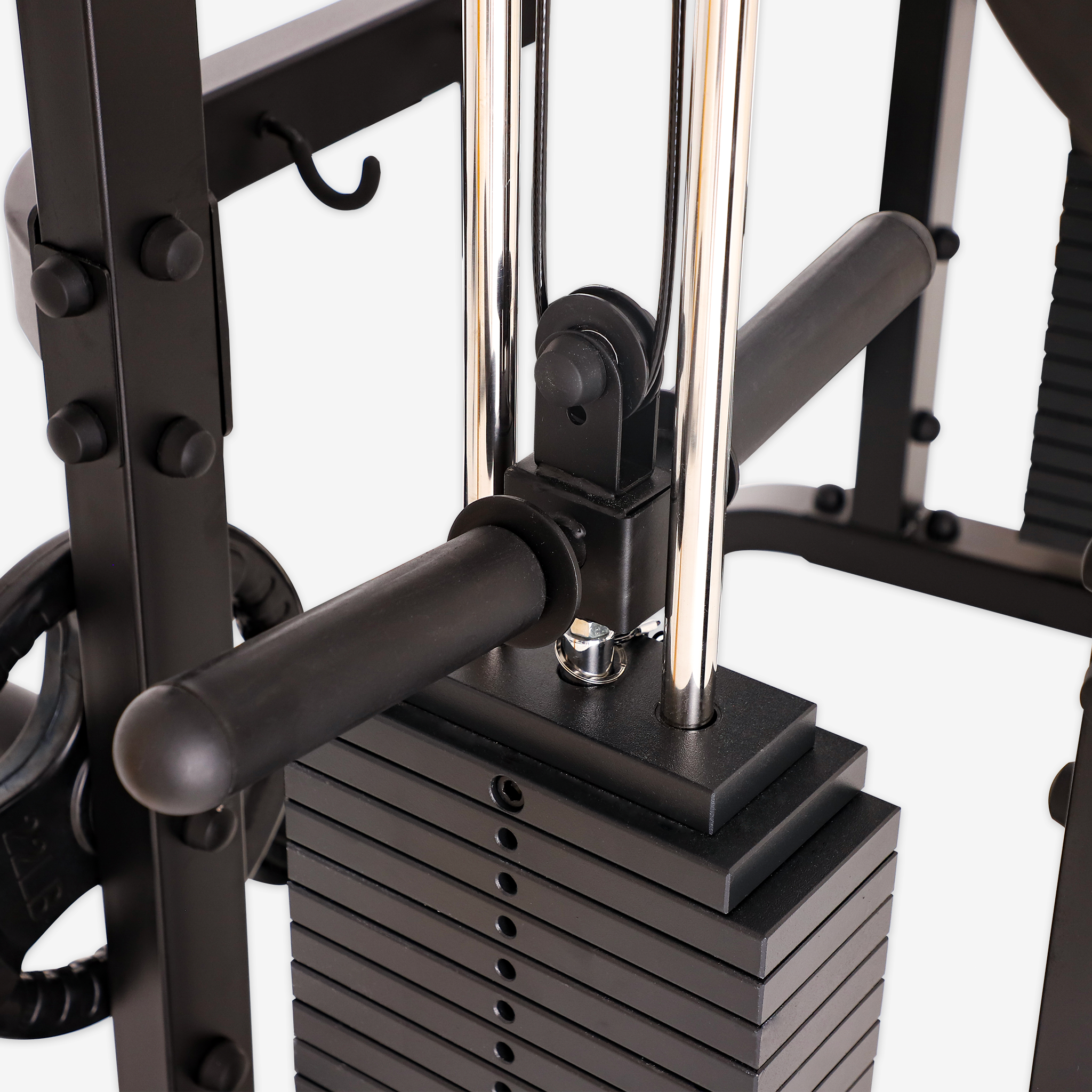
The Altas Strength system uses an alloy-steel structure and reinforced high-strength hardware designed for demanding home and light-commercial use.
The machine is built around a 1000-pound overall weight capacity and 2,150-pound cable capacity, providing substantial structural headroom for serious strength training.
2. Which Features Matter Most When Choosing a Multi Functional Trainer?
Not all specifications have the same impact on the actual training experience. The most important features are generally resistance flexibility, pulley quality, structural stability, and ergonomic adjustability.
Switchable 1:1 / 2:1 Cable Ratio
The dual cable ratio is one of the defining features of the Altas Strength Multi Functional Trainer.
A 1:1 ratio provides a more direct resistance relationship, making it useful for heavier cable training and strength-oriented exercises.
A 2:1 ratio reduces the effective resistance while increasing cable travel, which can be useful for controlled accessory movements, higher repetitions, and faster exercises.
The ability to switch between the two configurations gives users more control over how the same weight stack behaves.
Smooth Alloy Pulley System
Pulley quality has a direct effect on how a cable machine feels during exercise.
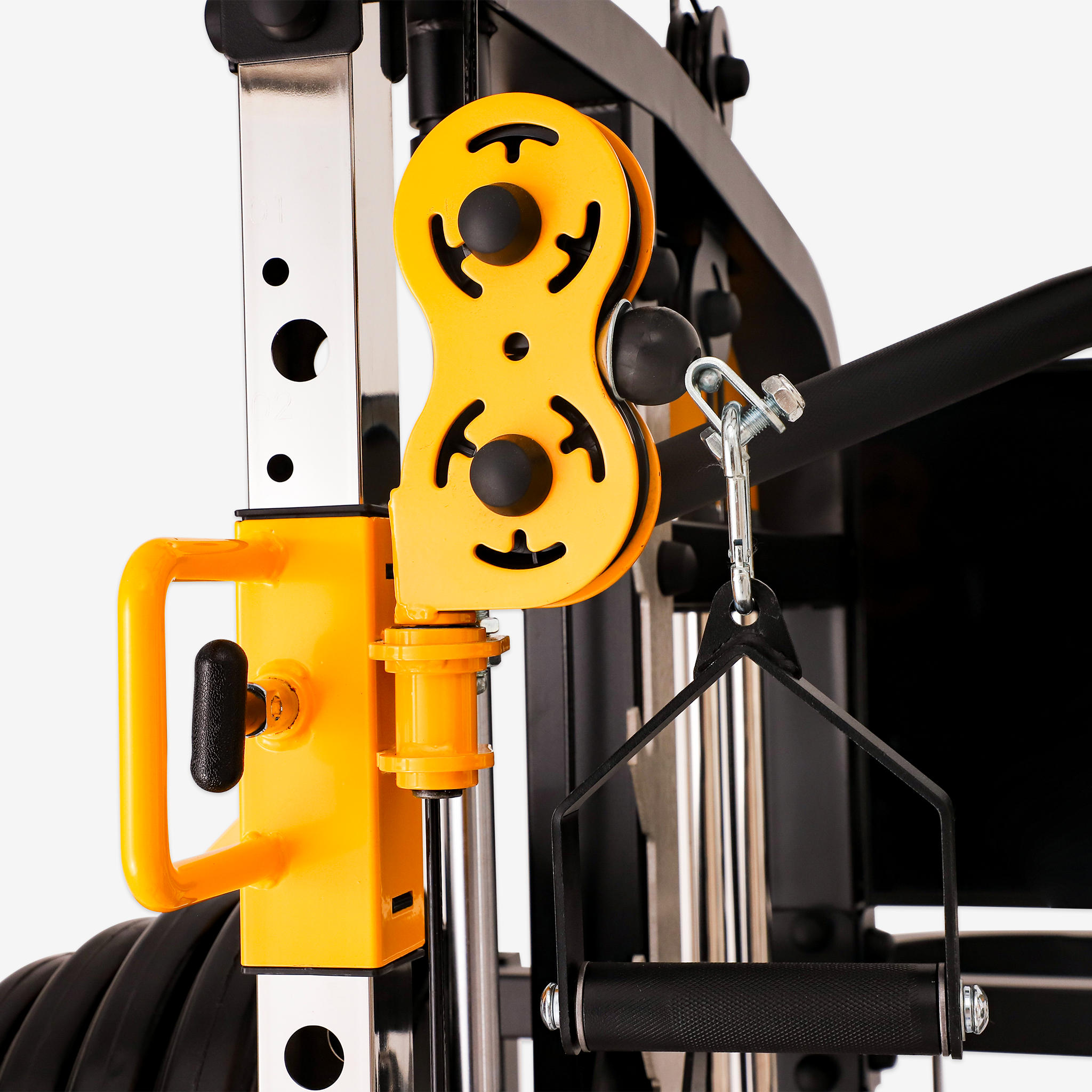
Low-quality pulleys can produce inconsistent movement, excessive noise, and greater friction. A smoother pulley system helps create more consistent cable travel and resistance throughout the movement.
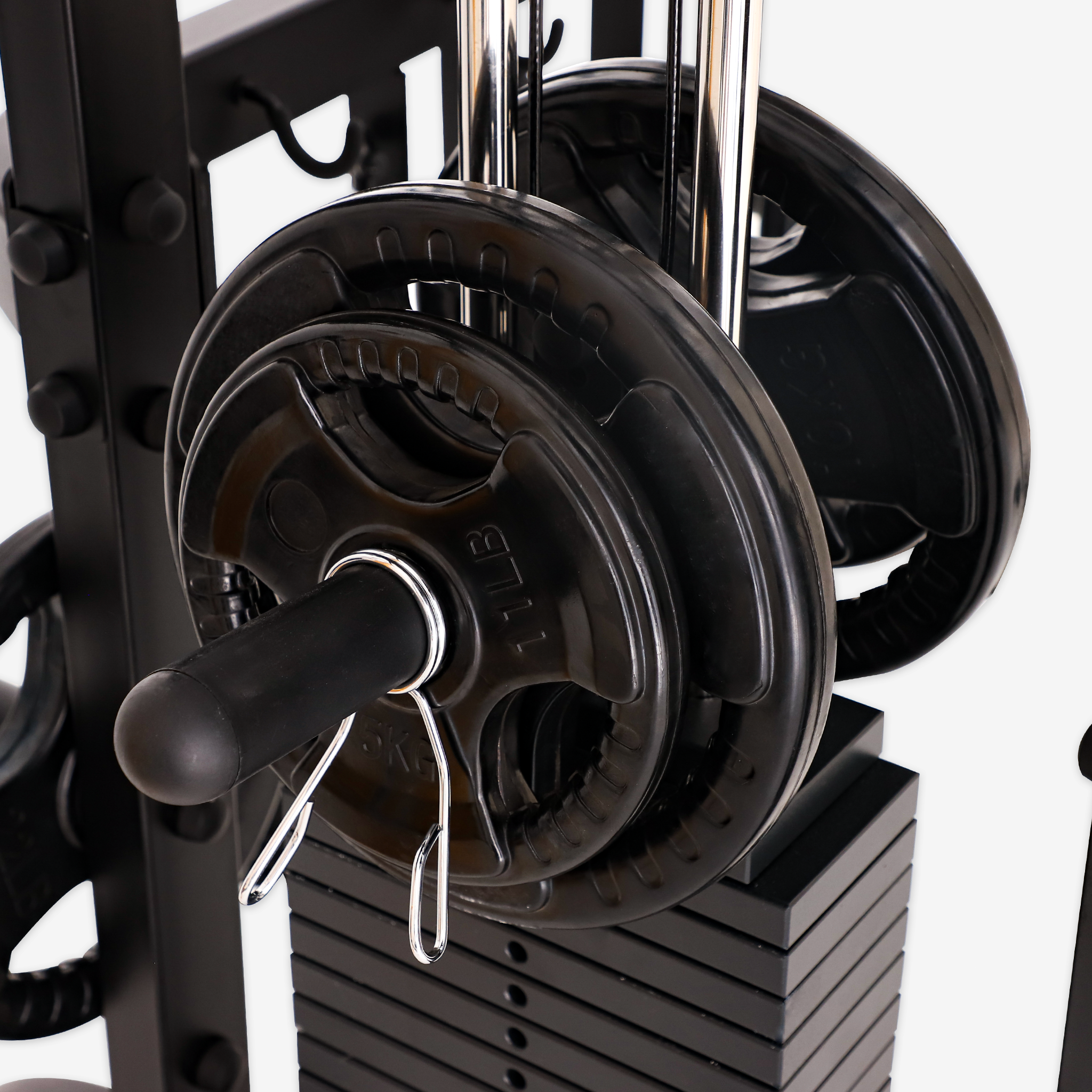
The Altas Strength trainer uses aluminum alloy pulleys designed for smooth, quiet operation and reduced friction.
For users performing cable exercises regularly, this is more than a cosmetic upgrade. Smooth movement can make the machine feel more predictable and comfortable during repeated training sessions.
Heavy-Duty Frame Construction
A multi functional trainer needs to remain stable while users perform heavy pulls, rows, presses, and dynamic cable exercises.
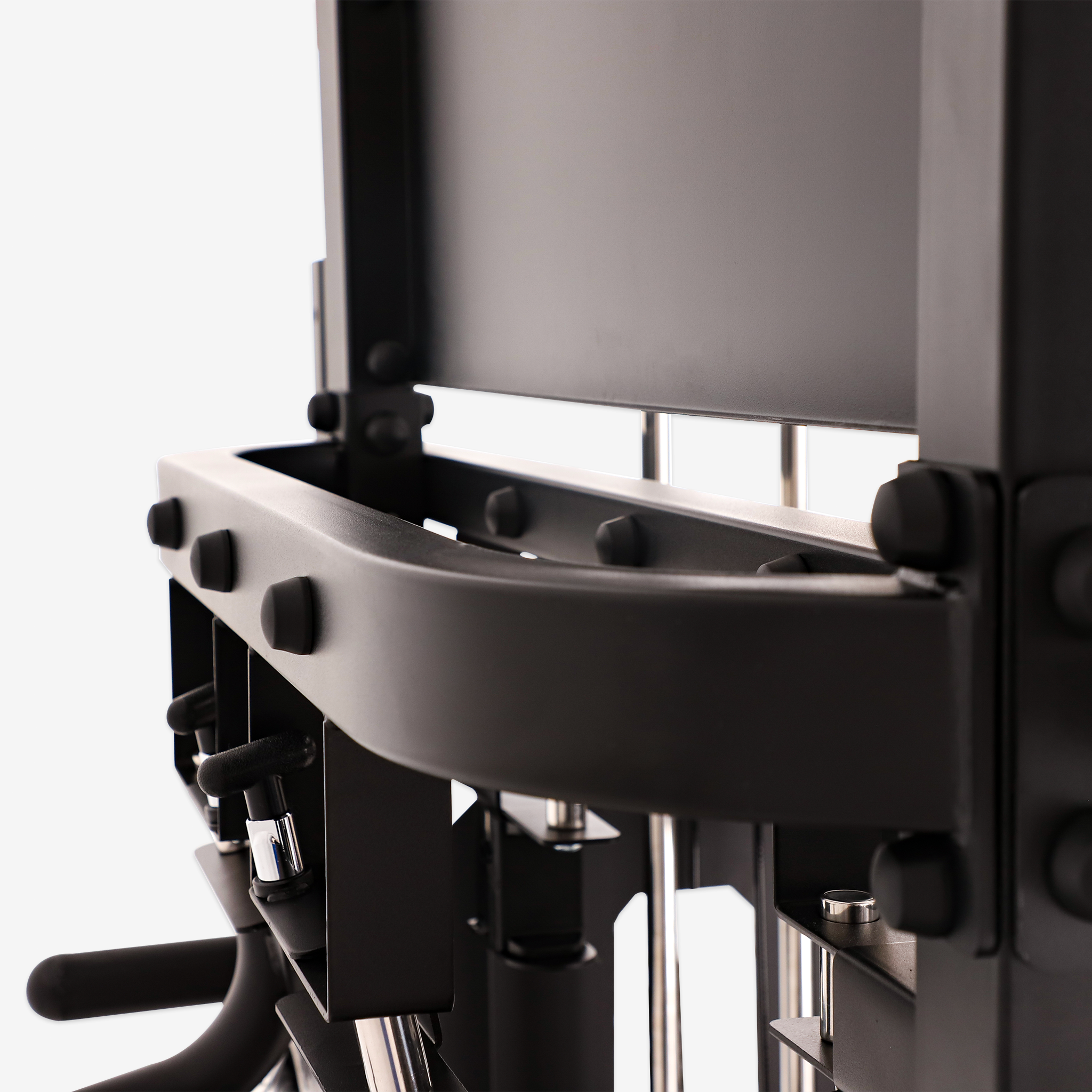
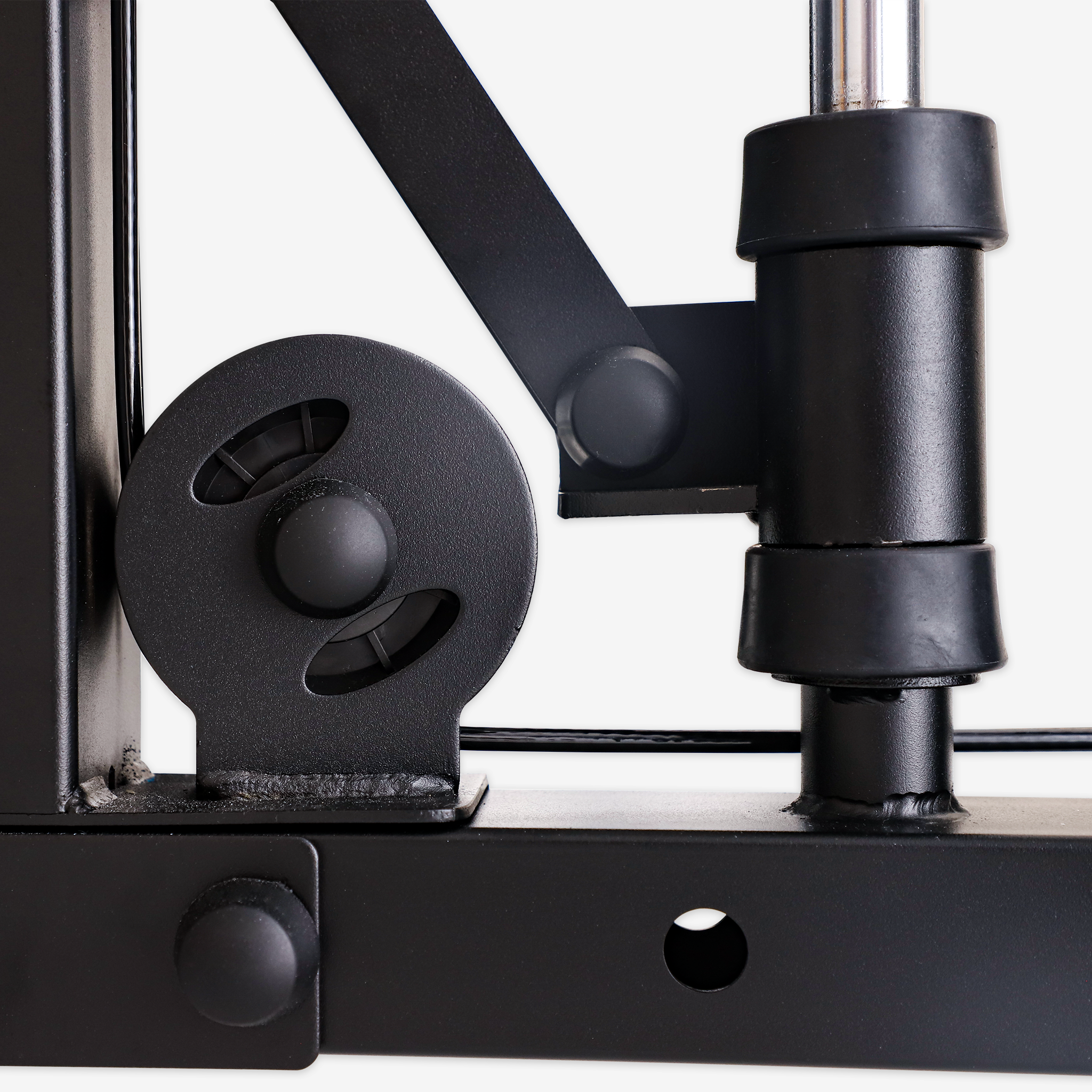
The Altas Strength model is constructed with an alloy-steel frame and reinforced high-strength bolts, targeting users who want a more substantial alternative to lightweight home-gym machines.
This construction is particularly relevant for people who expect to keep the equipment for many years rather than treat it as temporary fitness equipment.
Adjustable Training Positions
A good multi functional trainer should accommodate different users and exercise positions.
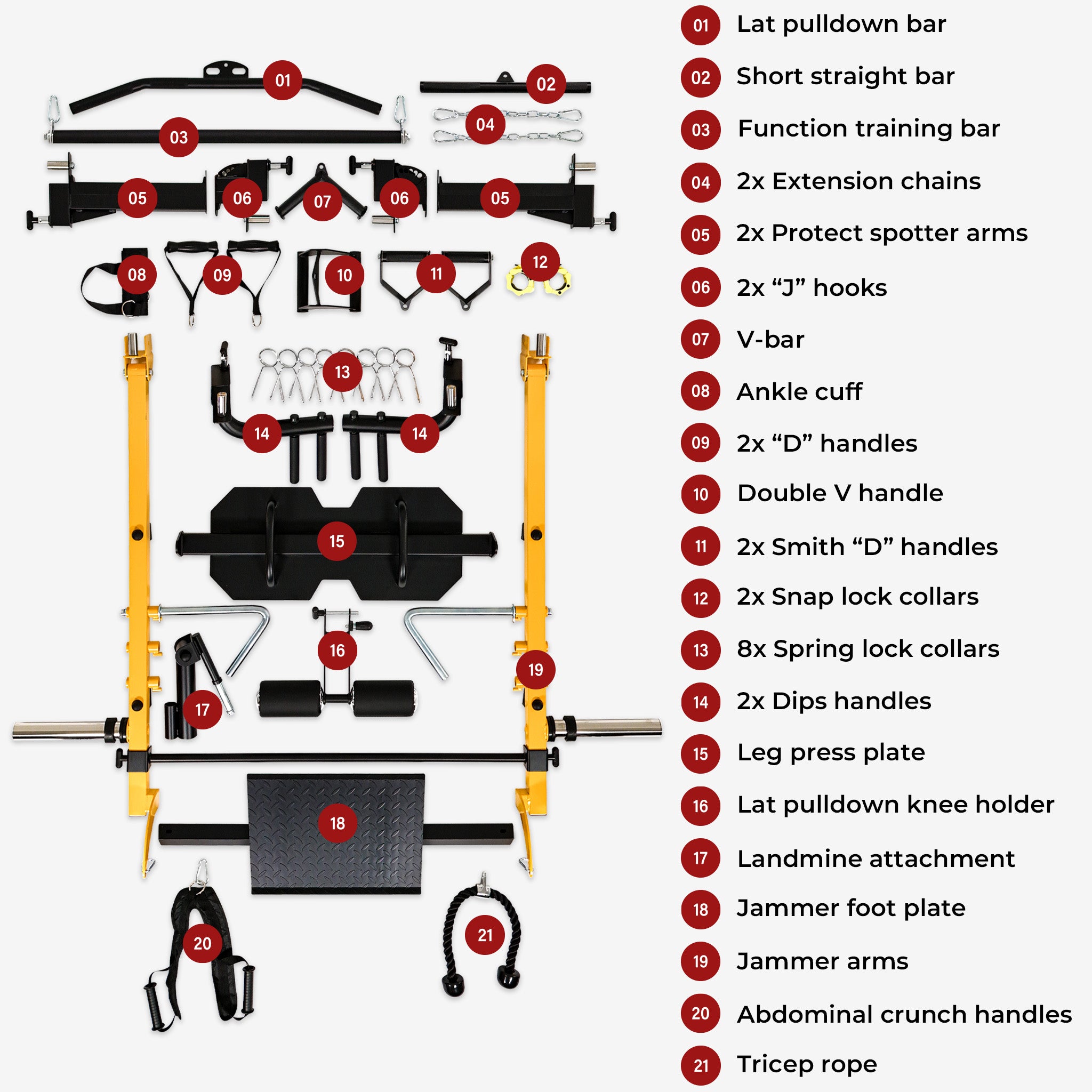
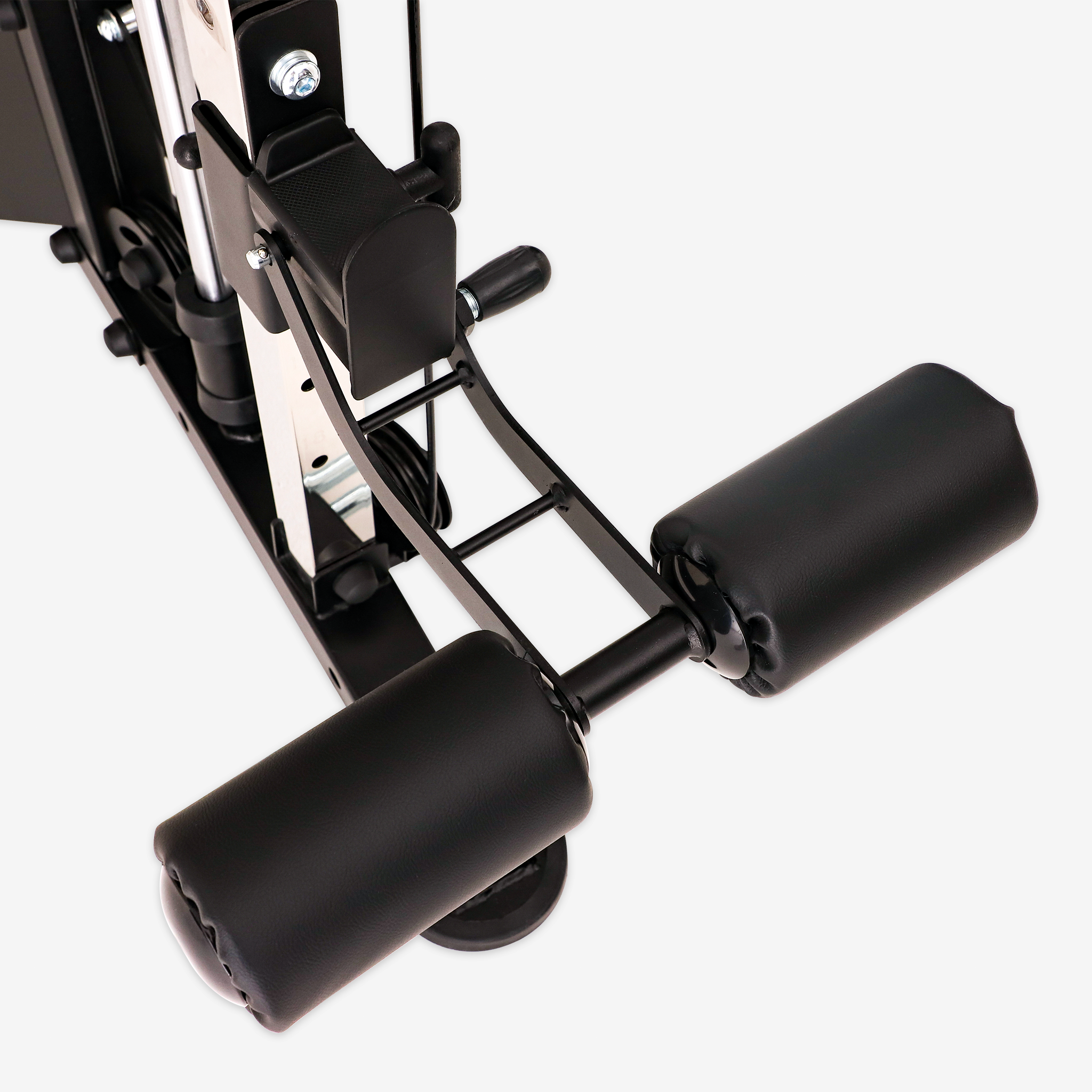
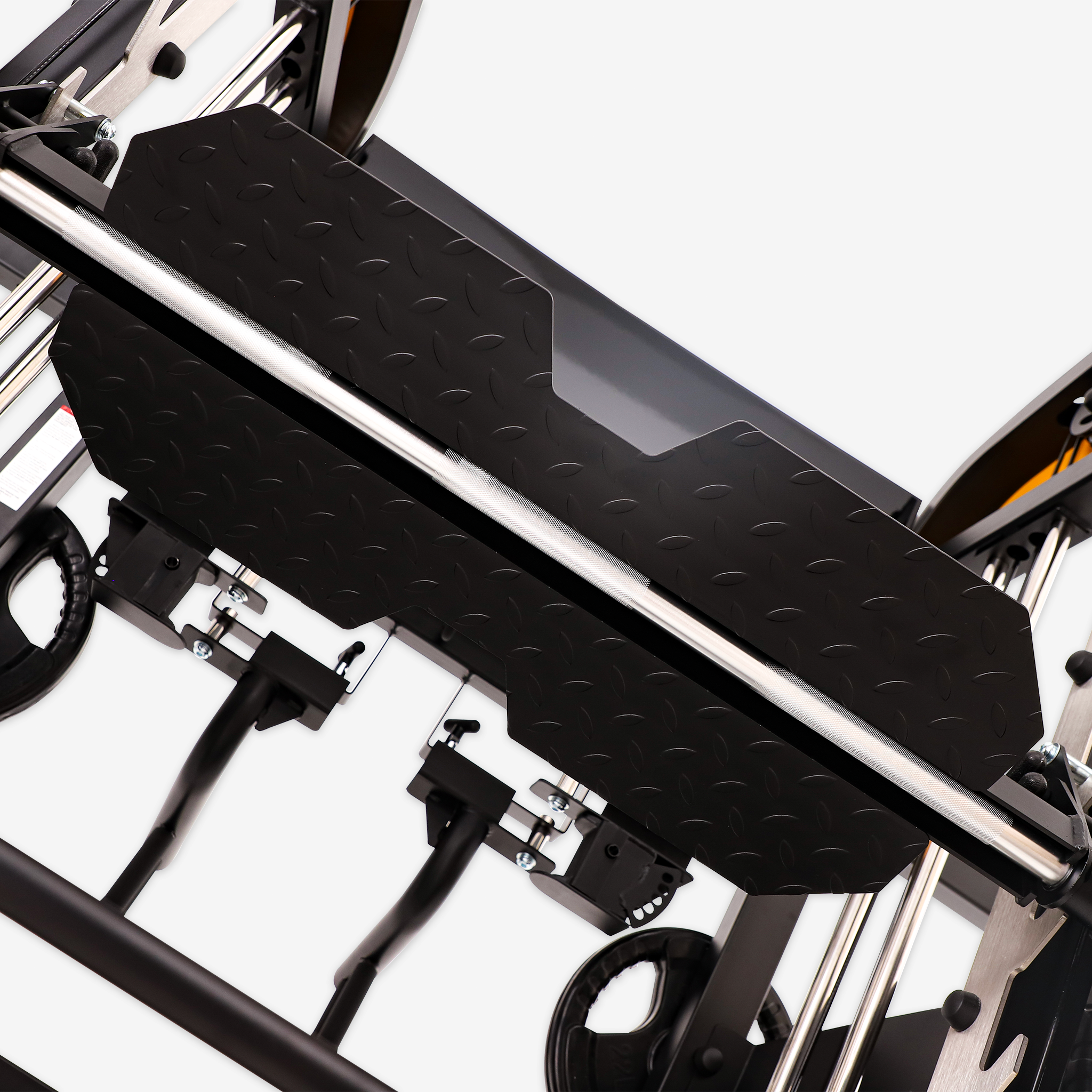
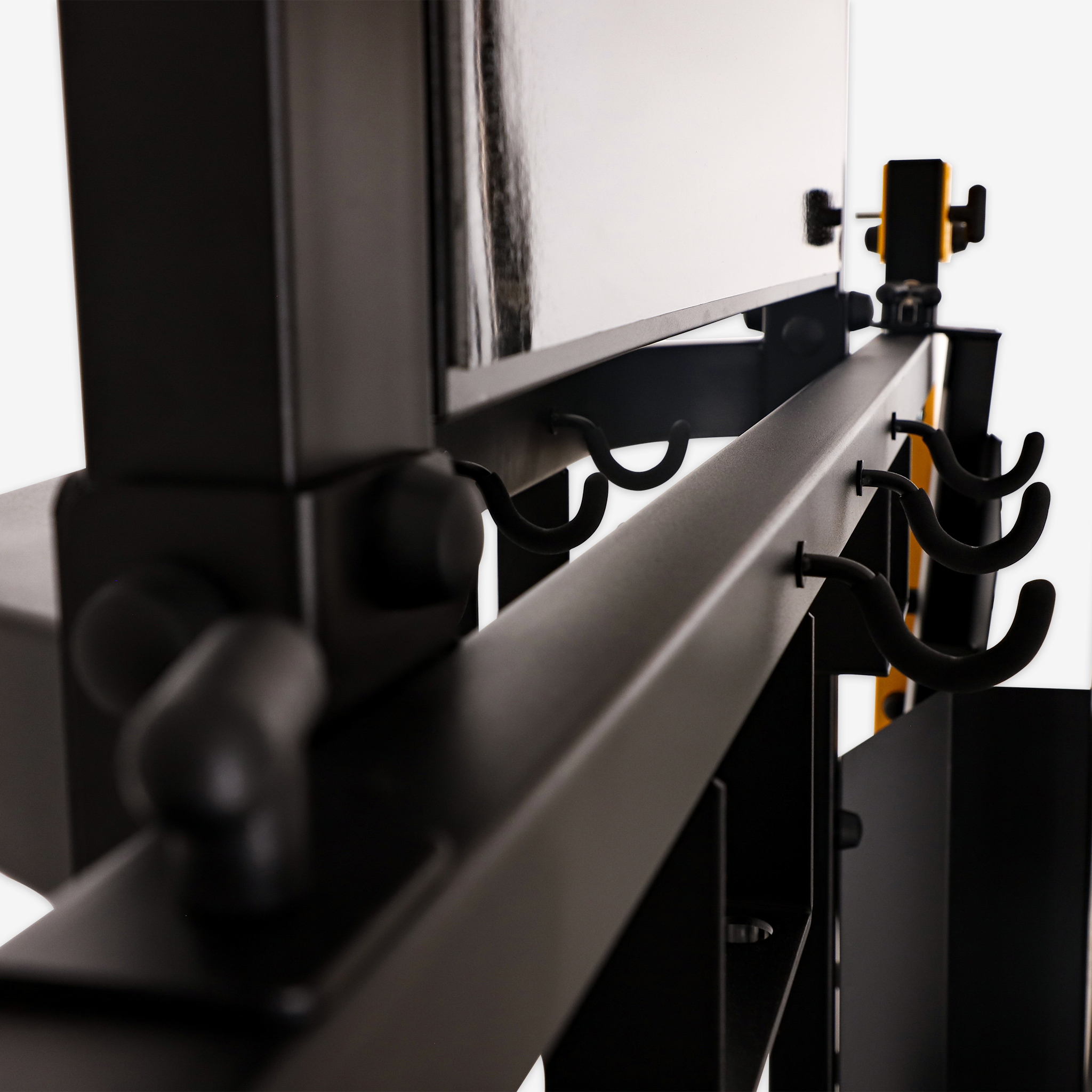
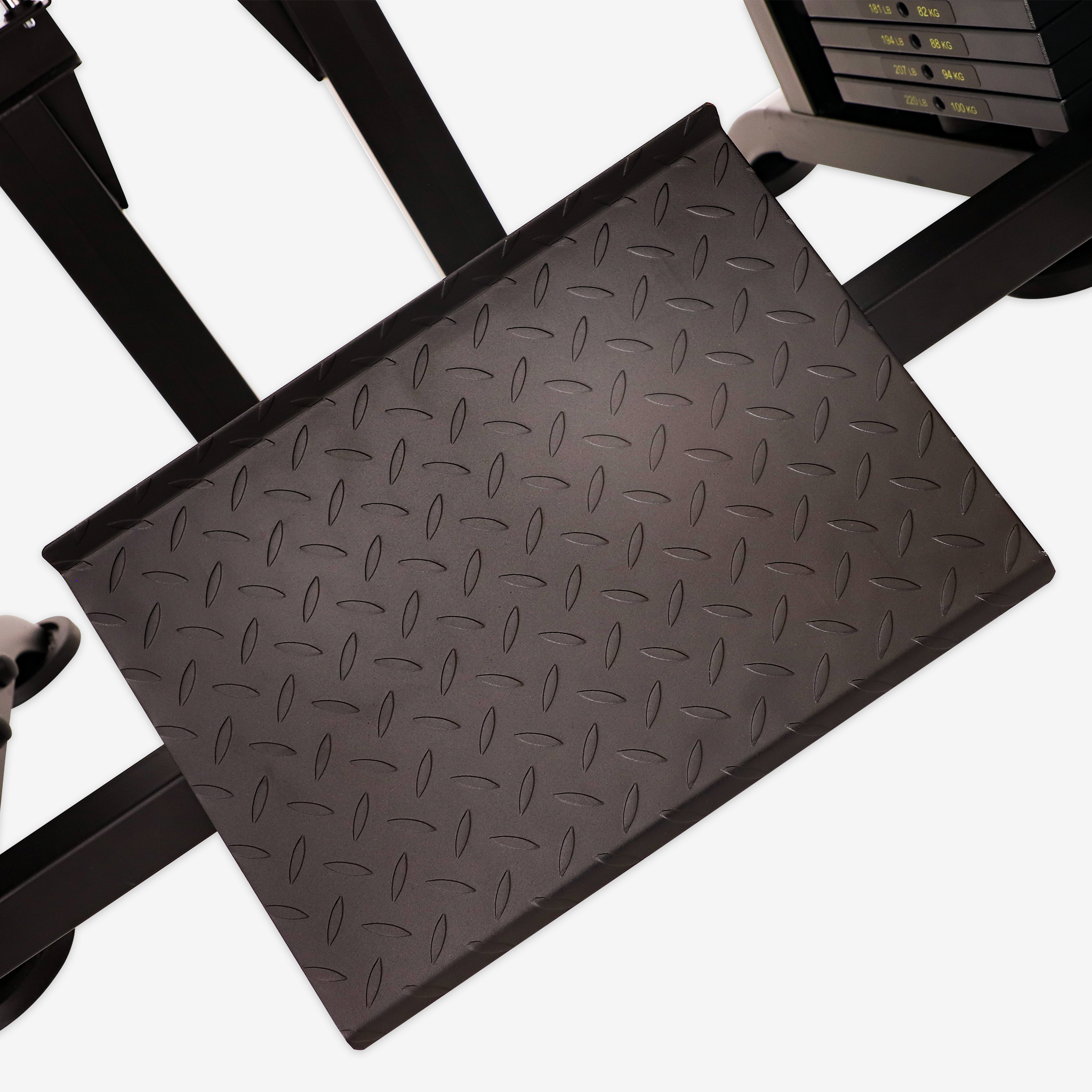
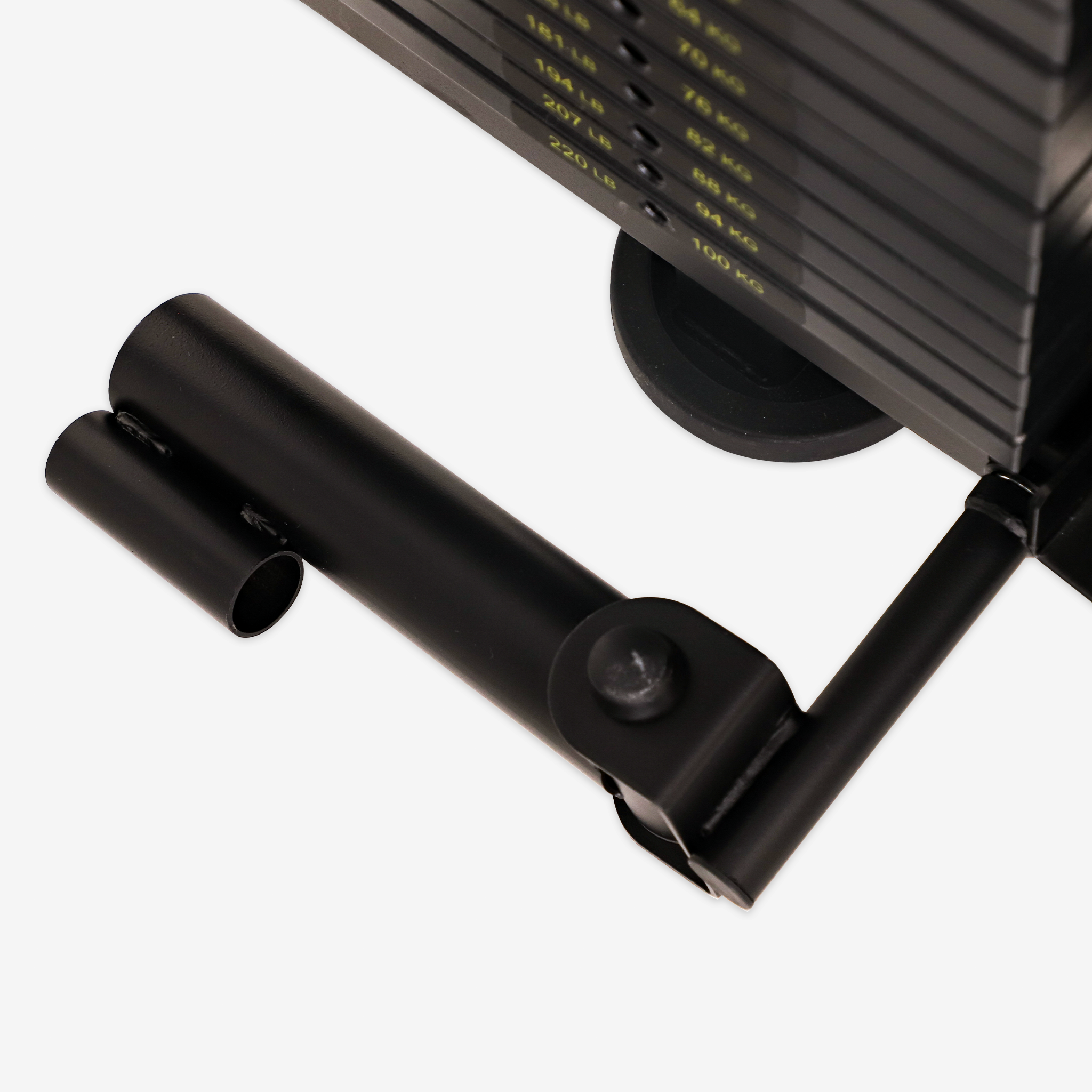
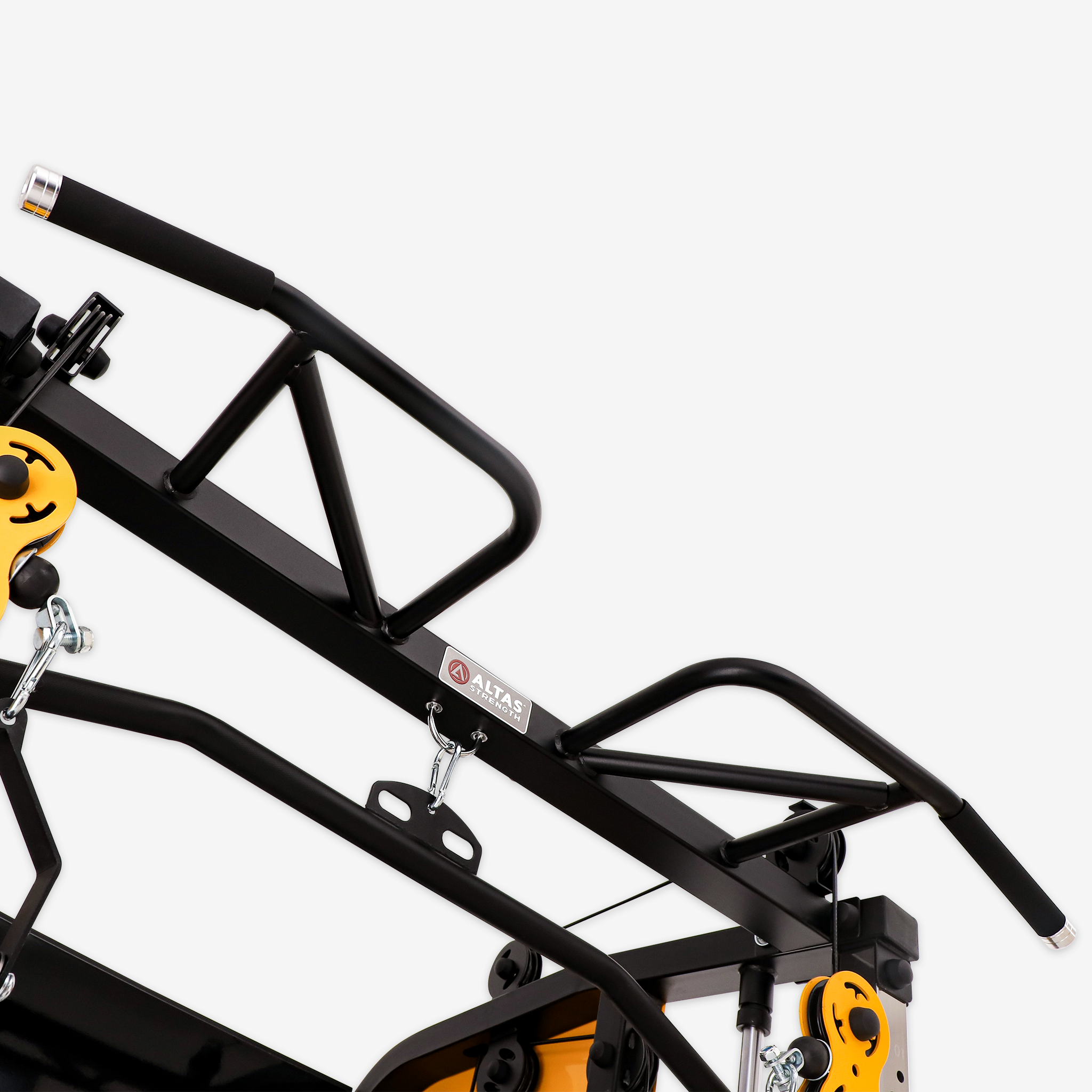
Features such as multi-angle chin-up handles, adjustable dip handles, and an adjustable low-row foot pedal allow users to change their positioning according to the movement being performed.
This increases exercise variety while allowing users to create more personalized training routines.
3. What Are the Main Advantages of a Multi Functional Trainer?
The biggest advantage is not simply the number of exercises. It is the ability to create a complete strength-training environment around one integrated system.
Full-Body Training
A multi functional trainer can support upper-body, lower-body, and core exercises without requiring multiple standalone machines.
For example, one training session could include:
- Lat pulldowns for back training
- Cable rows for horizontal pulling
- Cable presses for chest and shoulders
- Curls and extensions for the arms
- Cable crunches for the core
- Pull-ups and dips using integrated stations
- Low cable exercises for the lower body
This makes the machine suitable for users who want to build structured full-body or split-training programs.
Better Space-to-Function Value
Buying several individual machines can provide excellent functionality, but it also increases the amount of space required.
A multi functional trainer combines many of those functions into one coordinated system.
For dedicated home gyms, this can provide a better balance between equipment versatility and available floor space.
Reduced Equipment Switching
With standalone equipment, changing from one exercise to another may require moving around the gym or changing machines completely.
An integrated trainer allows many exercises to be performed from the same central station.
That can make workouts more efficient and maintain training momentum between movements.
Suitable for Progressive Training
A serious strength-training machine needs to remain useful as the user becomes stronger.
A trainer with adjustable cable ratios, substantial structural capacity, and multiple exercise positions can support a wider range of training levels than a basic fixed-function machine.
This is particularly important for intermediate and advanced users who expect their training requirements to change over time.
4. Multi Functional Trainer vs. Other Home Gym Options
Choosing the right equipment depends on what the user actually wants to accomplish.
| Equipment | Main Strength | Main Limitation |
|---|---|---|
| Basic Home Gym Trainer | Affordable and compact | Limited durability and exercise flexibility |
| Standard Functional Trainer | Excellent cable training | May have fixed resistance ratio |
| Smith Machine | Guided barbell exercises | Less cable-training versatility |
| Standalone Cable Machine | Strong cable functionality | Requires additional equipment |
| Multiple Individual Machines | Maximum specialization | Large footprint and higher total cost |
| Multi Functional Trainer | Full-body versatility in one system | Requires dedicated space and higher investment |
The key difference is that a multi functional trainer is designed as an integrated training ecosystem, rather than a single-purpose machine.
5. Why Choose an Altas Strength Multi Functional Trainer?
The decision to purchase a premium multi functional trainer usually comes down to several factors.
Dual Cable Ratio Flexibility
The switchable 1:1 and 2:1 system allows users to change the resistance relationship depending on the exercise and training objective.
This provides more versatility than a fixed-ratio cable system.
Commercial-Level Construction for Dedicated Home Gyms
The heavy-duty alloy-steel construction is designed for users who want more than entry-level home-gym durability.
The machine is positioned between lightweight residential equipment and large commercial gym systems, making it particularly relevant for serious home gym owners and small training facilities.
Smooth and Quiet Operation
The aluminum alloy pulley system is designed to reduce friction and operational noise while maintaining consistent cable movement.
For users training frequently, this contributes to a more refined training experience.
One Machine, Multiple Training Stations
Instead of purchasing separate equipment for pulldowns, rows, pull-ups, dips, cable exercises, and core training, users can consolidate many of these functions into one machine.
This is where the multi functional trainer provides its strongest space-to-function advantage.
6. Who Should Buy a Multi Functional Trainer?
A multi functional trainer is particularly suitable for:
Dedicated home gym owners: Users with a permanent training area who want comprehensive strength-training capability.
Intermediate and advanced lifters: People who need more resistance flexibility and exercise variety than basic home equipment provides.
Families sharing one home gym: Multiple users can perform different exercises without requiring several specialized machines.
Small personal training studios: The integrated design can provide broad exercise functionality within a controlled footprint.
Long-term equipment buyers: Users who prioritize structural durability and expect to train consistently for years.
7. Who Should Not Buy One?
A multi functional trainer is not automatically the best choice for everyone.
Small Apartment Users
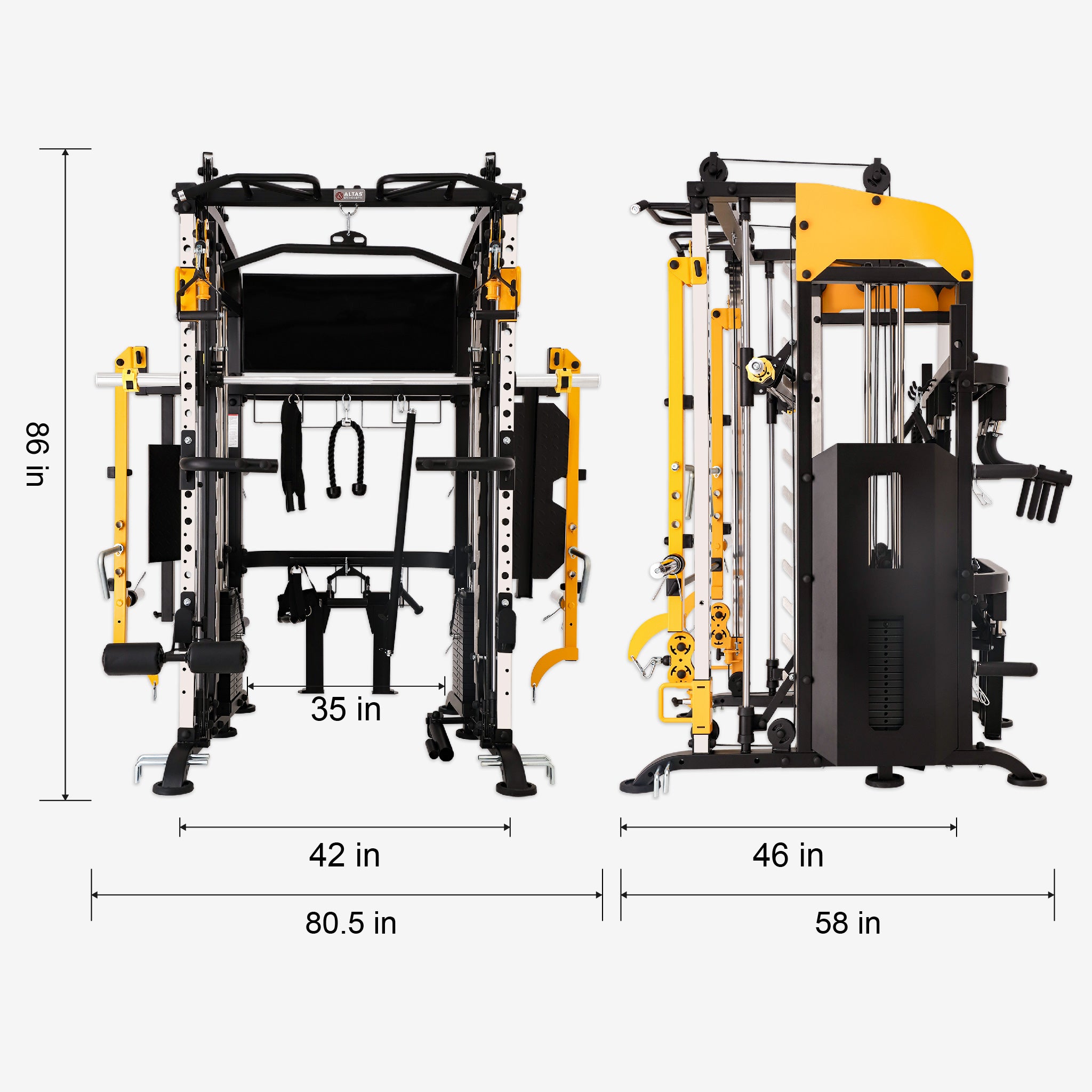
A light-commercial trainer can be physically large and extremely heavy. The Altas Strength model measures approximately 84 × 60 × 87 inches and weighs about 1,696 pounds with the full weight stacks.
This makes it unsuitable for users who need equipment that can be folded, stored, or moved frequently.
Casual Users
If someone only wants occasional light workouts, the cost and complexity of a premium multi functional trainer may not be justified.
A simpler cable station or compact home-gym system may provide better value for low-frequency use.
Users Without Dedicated Installation Space
Because of the machine's size and weight, installation requires careful planning.
It is not designed to be repeatedly moved around a room or transported between locations.
Beginners Looking for Maximum Simplicity
The flexibility of a multi functional trainer can also create a learning curve.
Users unfamiliar with cable ratios, attachment positions, and exercise adjustments may need time to understand how to use the machine effectively.
8. Is a Multi Functional Trainer Worth It?
For the right user, the answer is yes—but the value depends on training frequency, available space, and long-term goals.
A basic home gym may be sufficient for someone who performs occasional workouts.
For someone training consistently and wanting access to pulling, pressing, cable, bodyweight, core, and lower-body movements, a multi functional trainer can eliminate the need to purchase several separate machines.
The most important question is therefore not:
“How many exercises can this machine perform?”
Instead, ask:
“Can this machine replace the equipment I would otherwise need, while remaining useful as my training progresses?”
For serious home gym owners, that is the more meaningful measure of value.
Final Verdict
A multi functional trainer is best understood as an all-in-one strength-training platform rather than simply another home gym machine.
The Altas Strength Multi Functional Trainer addresses three major problems faced by serious home gym users: limited space, limited resistance flexibility, and insufficient durability.
Its switchable 1:1/2:1 cable ratio provides greater resistance versatility, while the alloy pulley system supports smooth and quiet cable movement. The heavy-duty alloy-steel construction and high load capacity are designed for demanding home and light-commercial applications.
Its size and weight mean it is not suitable for small apartments, temporary setups, or casual users looking for basic exercise equipment.
For users with a dedicated training space who want one machine capable of supporting a broad full-body strength program, however, a multi functional trainer can offer a strong combination of versatility, durability, space efficiency, and long-term training value.
The right buying decision ultimately depends on matching the machine's capabilities to the user's actual training goals, available space, and expected frequency of use.