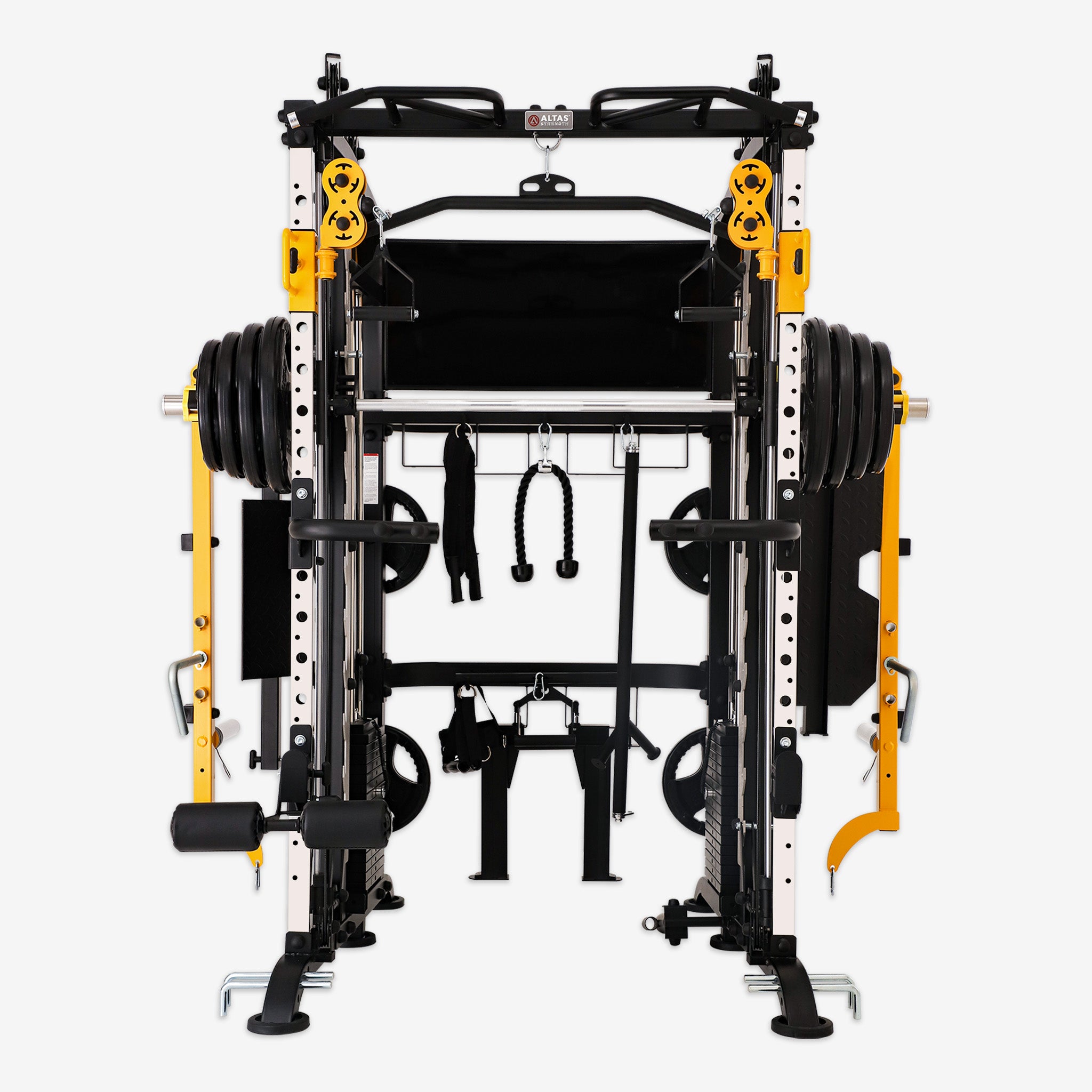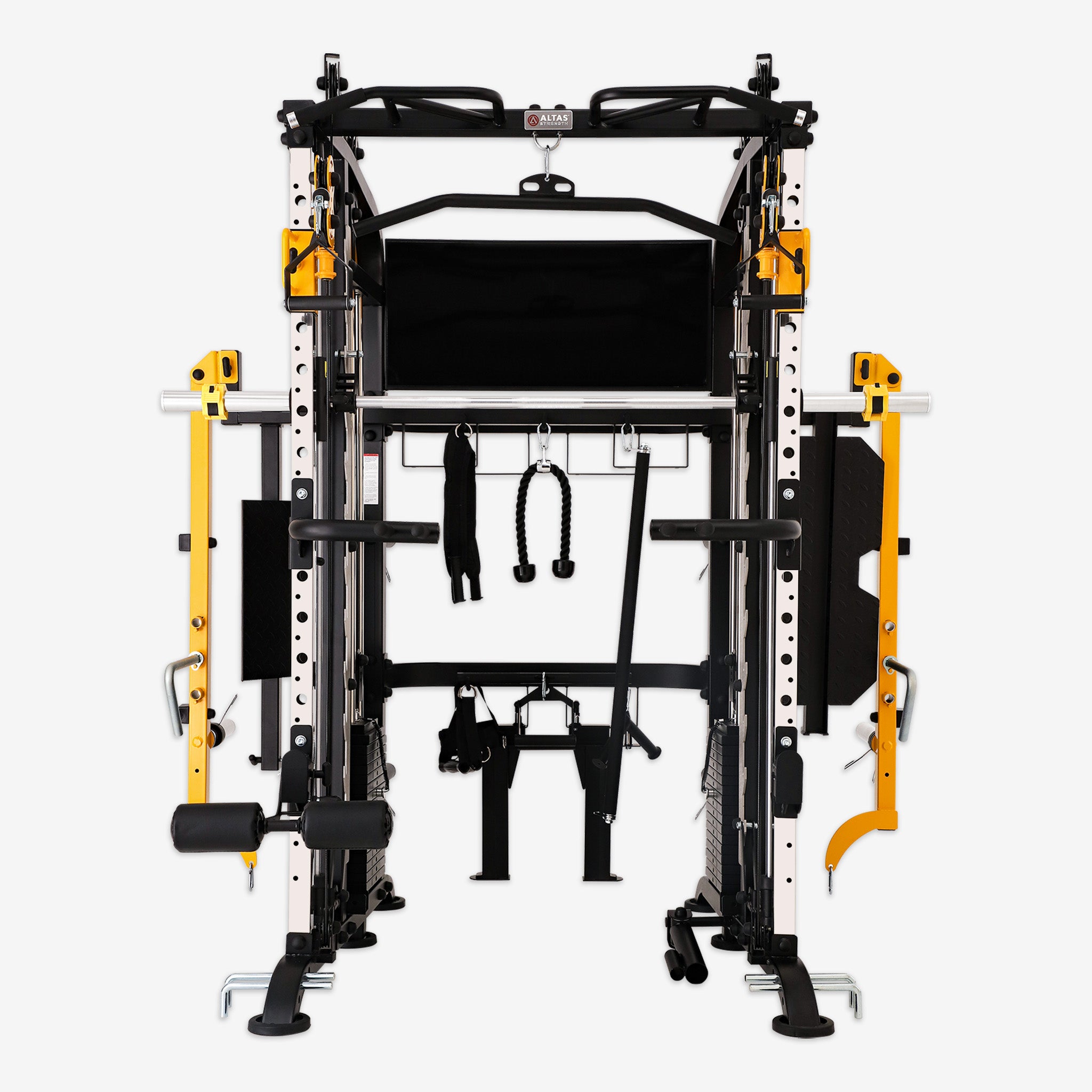
A back hyperextension machine is designed for controlled posterior-chain exercises, most commonly back extensions or hyperextensions.
For home gym buyers, the search usually comes from a practical question:
Do I need a dedicated back extension machine, or can I get the same training benefits from a Roman chair, adjustable bench, reverse hyper, or other home gym equipment?
The answer depends on your training goals.
A dedicated hyperextension machine can provide a stable platform for training the erector spinae, glutes, and hamstrings, while some designs also support core and rotational exercises.
However, it is not a replacement for every type of lower-back or posterior-chain equipment.
This guide explains what a back hyperextension machine does, what features matter, how it compares with alternatives, and which users are most likely to benefit from one.
What Problem Does a Back Hyperextension Machine Solve?
The primary problem is limited access to dedicated posterior-chain training in a home gym.
Exercises such as squats and deadlifts train multiple muscle groups simultaneously, but some users also want accessory exercises that specifically target the posterior chain.
A back extension machine provides a dedicated setup for movements involving controlled trunk extension.
Depending on the machine, users may also perform:
- Back extensions
- Hip extensions
- Glute-focused extensions
- Roman-chair style movements
- Oblique exercises
- Core exercises
For a home gym, the machine can therefore provide more specialized training than a standard flat bench.
What Muscles Does a Back Hyperextension Machine Train?
The primary muscles involved depend on the exercise technique, machine design, and body position.
Generally, back extension movements involve the erector spinae, while the glutes and hamstrings also contribute to hip extension.
Erector Spinae
These muscles run along the spine and help maintain and extend the torso.
Glutes
The gluteal muscles contribute to hip extension, particularly when the movement is performed with deliberate hip movement rather than excessive lumbar extension.
Hamstrings
The hamstrings assist with hip extension and contribute to posterior-chain strength.
This makes the hyperextension machine a useful accessory to compound lower-body movements.
Back Hyperextension vs. Back Extension
The terms back extension and hyperextension are often used interchangeably when describing this type of equipment.
However, the important training consideration is not how far the torso moves beyond a neutral position.
The goal should generally be controlled movement through an appropriate range of motion, rather than deliberately forcing excessive spinal extension.
That distinction is important when evaluating equipment and exercise instructions.
Key Features to Look for in a Back Hyperextension Machine
1. Adjustable Positioning
Adjustability is one of the most important features.
Users have different:
- Heights
- Leg lengths
- Torso lengths
- Mobility levels
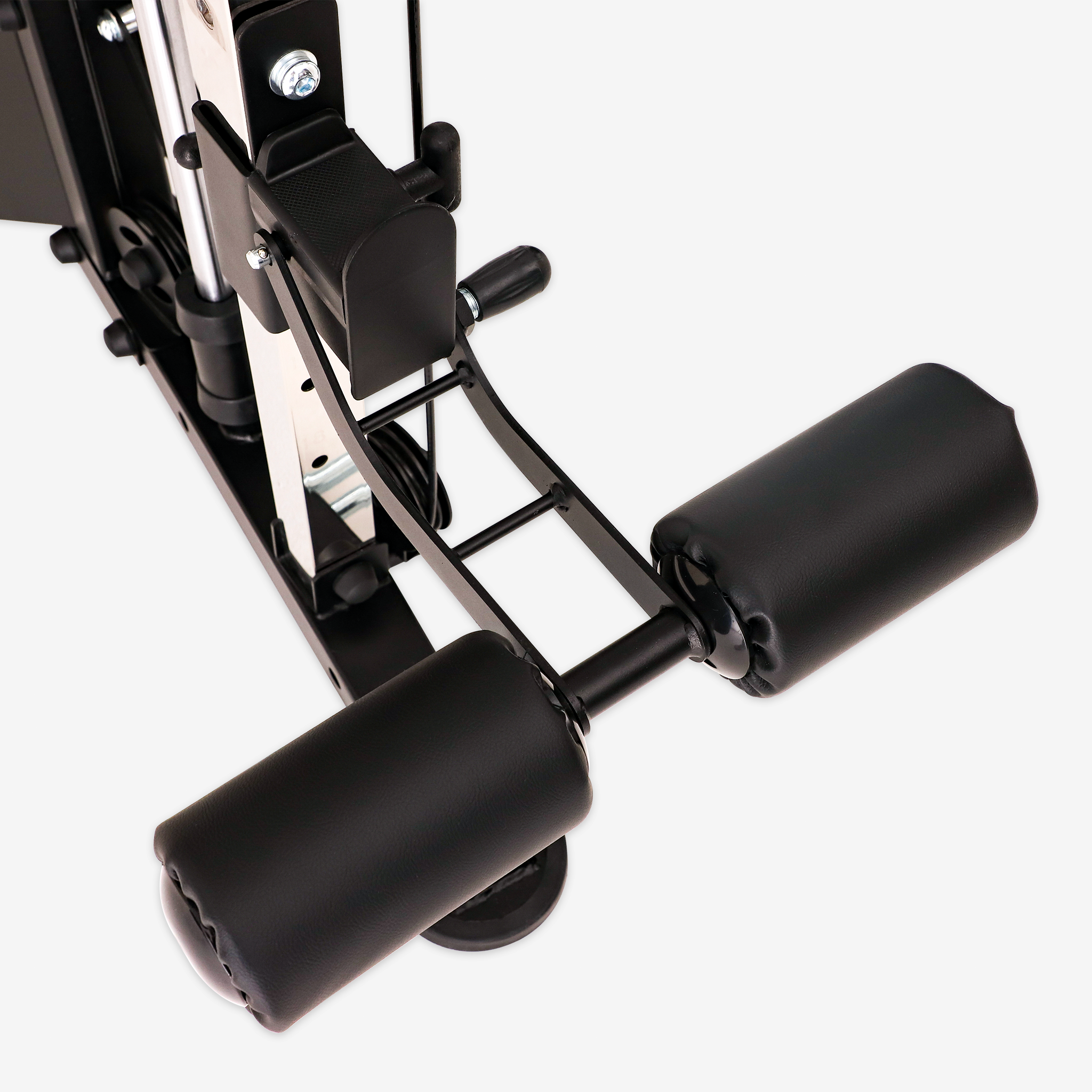
A machine should allow the user to establish an appropriate relationship between the thigh pad, foot support, and torso.
For a home gym shared by multiple people, adjustability becomes even more valuable.
2. Stable Frame
A back extension machine should remain stable during normal exercise.
Look for:
- Strong frame construction
- Wide or stable base
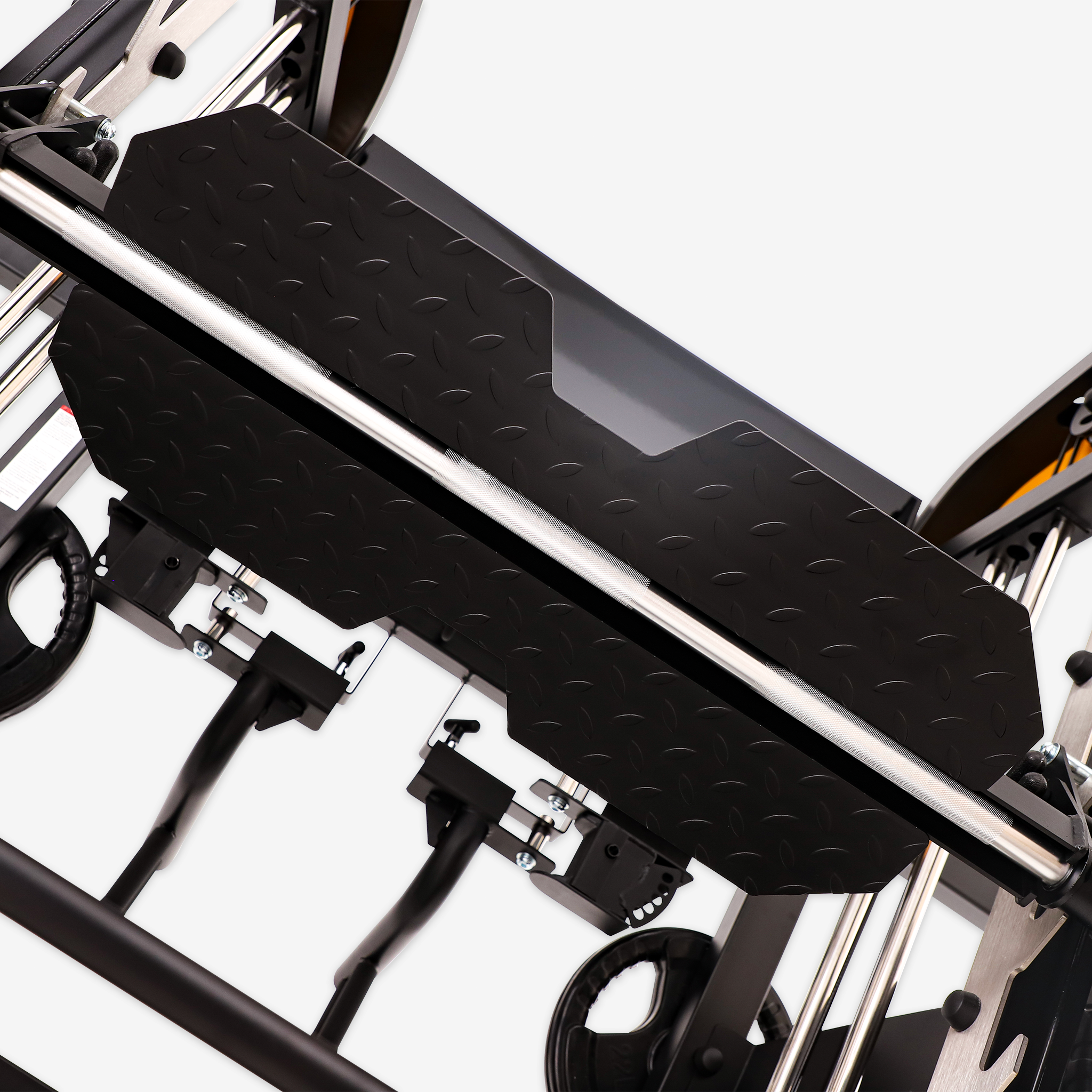
- Secure foot supports
- Reliable adjustment hardware
- Durable connection points
Stability is particularly important when users add external resistance.
3. Comfortable Padding
The user's body may remain in contact with the machine for multiple sets.
Important contact points include:
- Thigh pad
- Hip support
- Torso support
- Foot area
Padding should provide sufficient support without interfering with movement.
4. Appropriate Range of Motion
More movement is not automatically better.
A good machine should allow users to perform a controlled range of motion appropriate for the exercise and their individual mobility.
The equipment should not force users into an uncomfortable position.
5. Exercise Versatility
Some hyperextension machines are dedicated almost entirely to back extensions.
Others support additional exercises such as:
- Sit-ups
- Oblique crunches
- Hip extensions
- Glute-focused movements
- Core exercises
For a home gym, additional functionality can improve the value of the equipment.
Why Users Consider an Altas Strength Back Hyperextension Machine
The strongest product positioning for an Altas Strength hyperextension machine is:
A stable, adjustable posterior-chain training station that provides dedicated back-extension training while supporting additional core and lower-body exercises.
This positioning connects the product to a specific user problem rather than simply describing it as a piece of gym equipment.
For home gym owners, the main value comes from combining:
Stability + Adjustability + Posterior-Chain Training + Exercise Versatility
Common User Concerns
A useful buying guide should also explain the trade-offs.
Assembly
Heavy-duty equipment can take longer to assemble than a basic flat bench.
Before purchasing, buyers should consider:
- Number of components
- Assembly instructions
- Required tools
- Available installation space
Fixed Footprint
A rigid frame can provide excellent stability, but it may be less convenient to store than a foldable Roman chair.
Measure the available floor space before purchasing.
Remember to account for the user's movement area, not just the machine's dimensions.
Resistance May Need to Be Added Separately
Many hyperextension machines use body weight as the primary resistance.
Users who want additional loading may need:
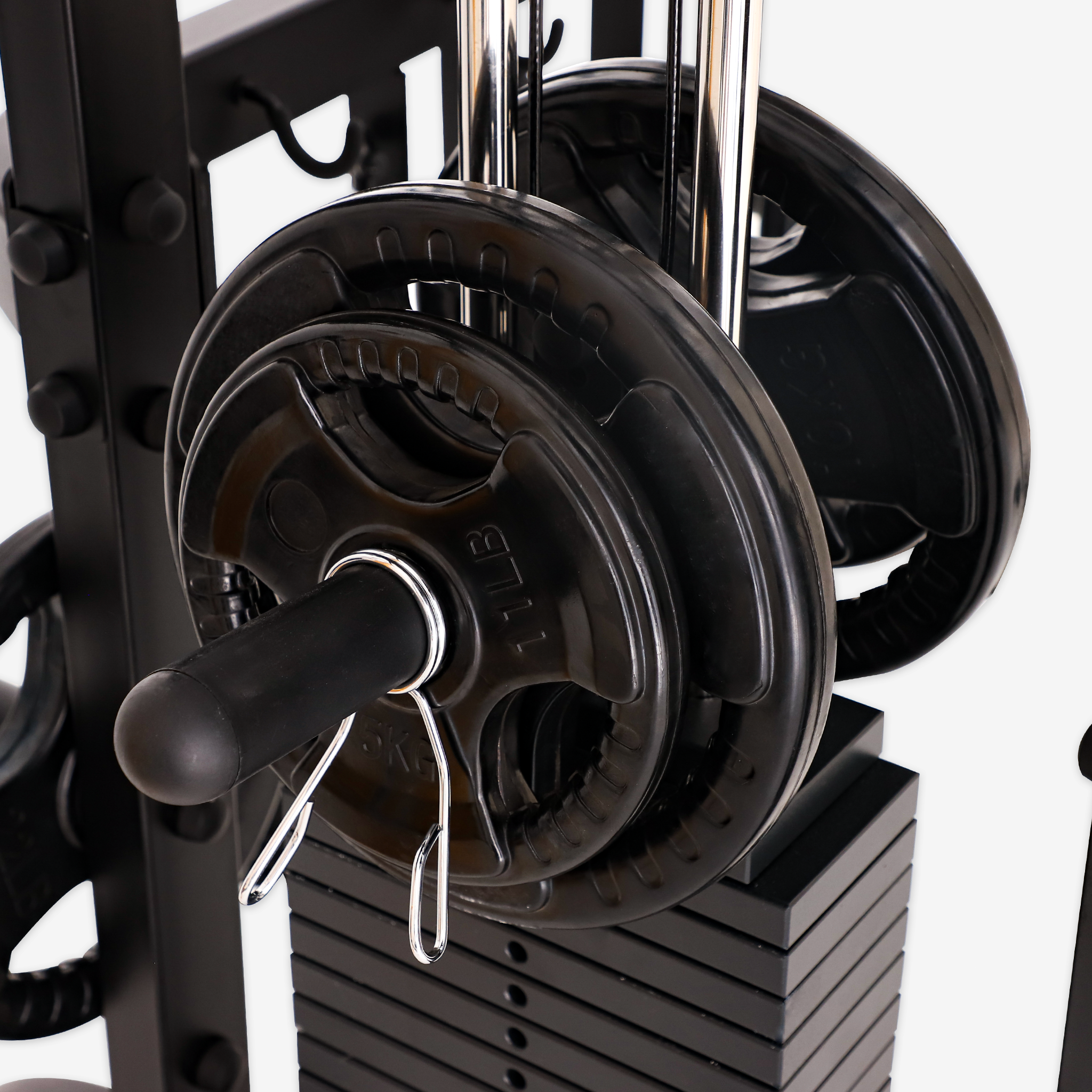
- Weight plates
- Dumbbells
- Resistance accessories
depending on the machine's design and manufacturer specifications.
Fit for Very Tall or Short Users
Adjustability helps accommodate different body sizes, but no machine fits every user equally well.
Check the manufacturer's adjustment range and dimensions if you are significantly taller or shorter than average.
Back Hyperextension Machine vs. Roman Chair
The Roman chair is one of the most direct alternatives.
Both can support back-extension movements.
A traditional Roman chair may have a relatively simple structure, while a more adjustable hyperextension machine can provide greater control over:
- Pad position
- Foot placement
- Body positioning
- Exercise setup
Choose a Roman chair when:
You want a simple, compact back-extension station.
Consider an adjustable hyperextension machine when:
You prioritize greater adjustability and broader exercise options.
Back Hyperextension Machine vs. Reverse Hyper
These machines are often confused, but they are not the same.
A back hyperextension machine typically involves moving the torso relative to a supported lower body.
A reverse hyper generally involves moving the legs relative to a supported upper body.
They therefore provide different exercise patterns.
Hyperextension Machine
Best suited to:
- Back extensions
- Posterior-chain accessory work
- Glute-focused extensions
- Core variations
Reverse Hyper
Best suited to users specifically looking for reverse-hyperextension training.
If reverse hyper training is your primary objective, a dedicated reverse hyper machine is the more direct solution.
Back Hyperextension Machine vs. Standard Weight Bench
A weight bench can support many exercises, but it is not automatically a substitute for a dedicated hyperextension machine.
A dedicated machine provides:
- Specific thigh support
- Foot positioning
- Torso positioning
- A purpose-built movement setup
A standard bench is more versatile overall, but it does not provide the same dedicated back-extension configuration.
Back Hyperextension Machine vs. Multifunctional Home Gym
An all-in-one Smith machine or functional trainer may offer many exercises.
However, the more functions a machine provides, the less specialized each individual station may be.
A dedicated hyperextension machine makes more sense when posterior-chain accessory training is a meaningful part of your workout routine.
What Do Buyers Ultimately Compare?
The decision can be simplified into four categories:
| Option | Main Advantage | Main Limitation |
|---|---|---|
| Back Hyperextension Machine | Dedicated posterior-chain training | Requires dedicated floor space |
| Roman Chair | Simple and compact | Usually fewer adjustments |
| Reverse Hyper | Specialized reverse-hyper movement | Less versatile for general users |
| Adjustable Weight Bench | Broad exercise versatility | Not purpose-built for hyperextensions |
There is no universal winner.
The correct choice depends on the user's primary training objective.
Who Should Buy a Back Hyperextension Machine?
A hyperextension machine is particularly relevant for:
Home Gym Owners
Users who want dedicated posterior-chain training in their home setup.
Strength Training Enthusiasts
Lifters who use squats, deadlifts, and other compound movements and want additional posterior-chain exercises.
Users Who Want More Than a Basic Bench
People who want dedicated back-extension positioning rather than adapting a general-purpose bench.
Users Sharing Equipment
An adjustable machine can be useful when multiple people of different heights use the same equipment.
Users Looking for Multifunctionality
If the specific model supports core, glute, and other accessory exercises, it can provide more value than a single-purpose station.
Who May Want a Different Product?
A back hyperextension machine may not be the best choice for:
Users With Extremely Limited Space
A fixed machine requires dedicated floor area.
Users Who Only Need Occasional Back Extensions
A simpler Roman chair or alternative may be sufficient.
Athletes Specifically Seeking Reverse Hyper Training
A dedicated reverse hyper machine is more appropriate for that specific movement.
Users Looking for a Complete Full-Body Machine
A Smith machine, power rack, or functional trainer may be a better primary investment if you still need equipment for most other exercises.
Users With Specific Medical or Rehabilitation Needs
A hyperextension machine should not be treated as a substitute for professional medical or rehabilitation guidance. If you are recovering from a back injury or have a diagnosed condition, exercise selection and range of motion should be determined with an appropriate healthcare professional.
Is a Back Hyperextension Machine Worth It?
The answer depends on how important posterior-chain accessory training is to your workout.
It is worth considering if you:
- Regularly perform back extensions
- Want dedicated posterior-chain training
- Train at home
- Want more stability than a makeshift setup
- Need adjustable positioning
- Want additional core or glute exercises
It may not be necessary if you:
- Have very limited space
- Rarely perform back extensions
- Already own suitable posterior-chain equipment
- Primarily want a general-purpose bench
The important question is not:
"Is a hyperextension machine good?"
It is:
"Does dedicated hyperextension training justify the space and cost in my gym?"
The Altas Strength Decision Framework
For shoppers considering an Altas Strength back hyperextension machine, the purchase decision can be reduced to five factors:
1. Stability
Does the frame remain stable during your intended exercises?
2. Adjustability
Can the machine accommodate your body dimensions and preferred setup?
3. Exercise Variety
Does it support only back extensions, or can it also be used for core and glute exercises?
4. Footprint
Do you have enough space for both the machine and the user's movement area?
5. Training Goals
Are you looking for general posterior-chain training or a highly specialized movement such as the reverse hyper?
These questions provide a more useful buying framework than comparing machines solely by advertised weight capacity.
Final Verdict
A back hyperextension machine is a specialized home gym tool for controlled posterior-chain training.
Its primary value is not that it replaces every lower-body exercise.
Instead, it provides a dedicated setup for exercises involving the erector spinae, glutes, and hamstrings, while some multifunctional models can also support core and accessory movements.
Compared with a basic Roman chair, an adjustable model may provide greater positioning flexibility.
Compared with a reverse hyper, it offers a different movement pattern and broader general-purpose use.
Compared with a standard weight bench, it provides a purpose-built setup for back-extension training.
For home gym users who regularly want dedicated posterior-chain accessory work, an Altas Strength back hyperextension machine can be a practical addition to a broader strength-training system.
The simple decision rule is:
Choose a back hyperextension machine when dedicated, adjustable posterior-chain training is important enough to justify a permanent piece of equipment.
And before purchasing, verify the specific model's dimensions, adjustment range, weight capacity, exercise compatibility, and intended use rather than assuming every hyperextension machine offers the same experience.