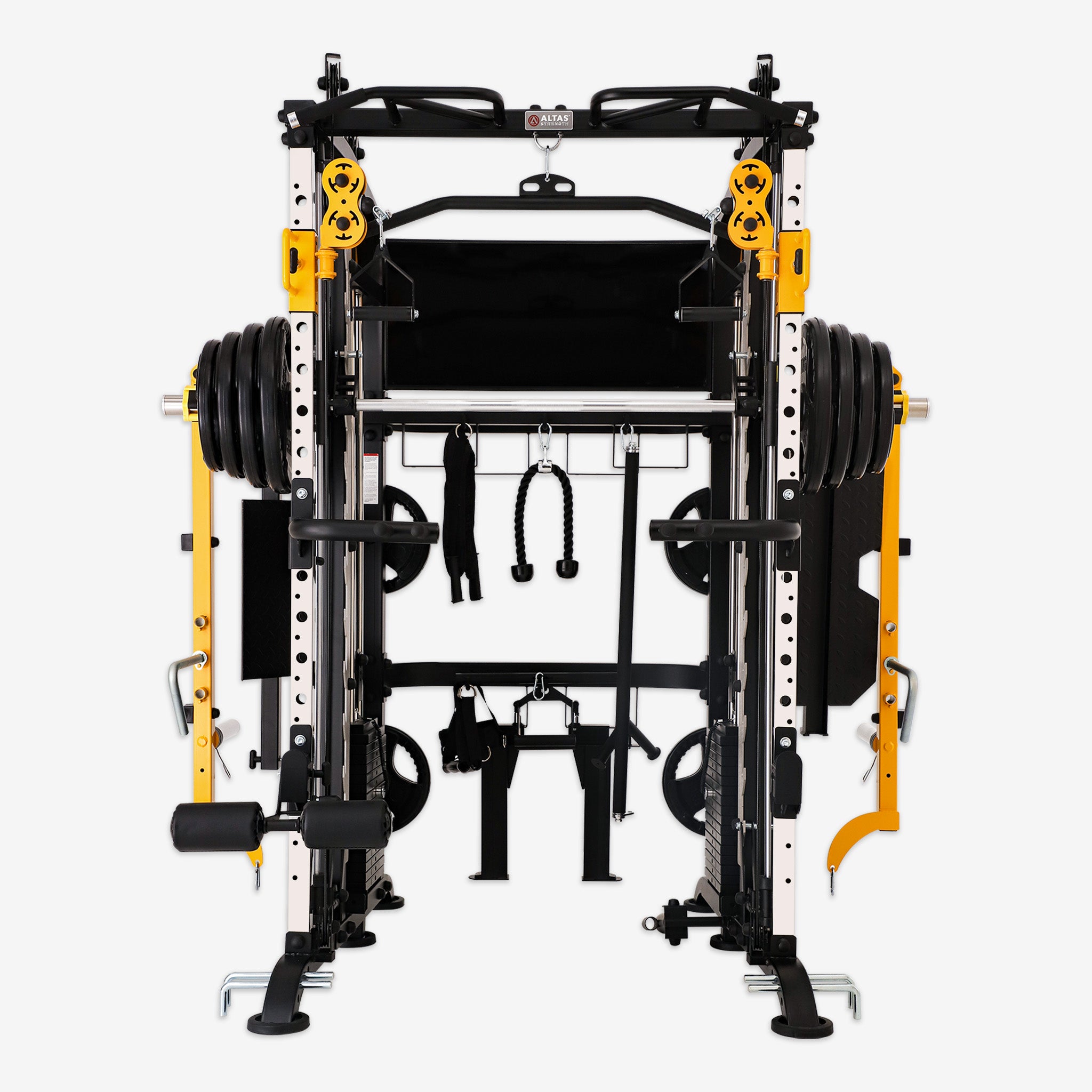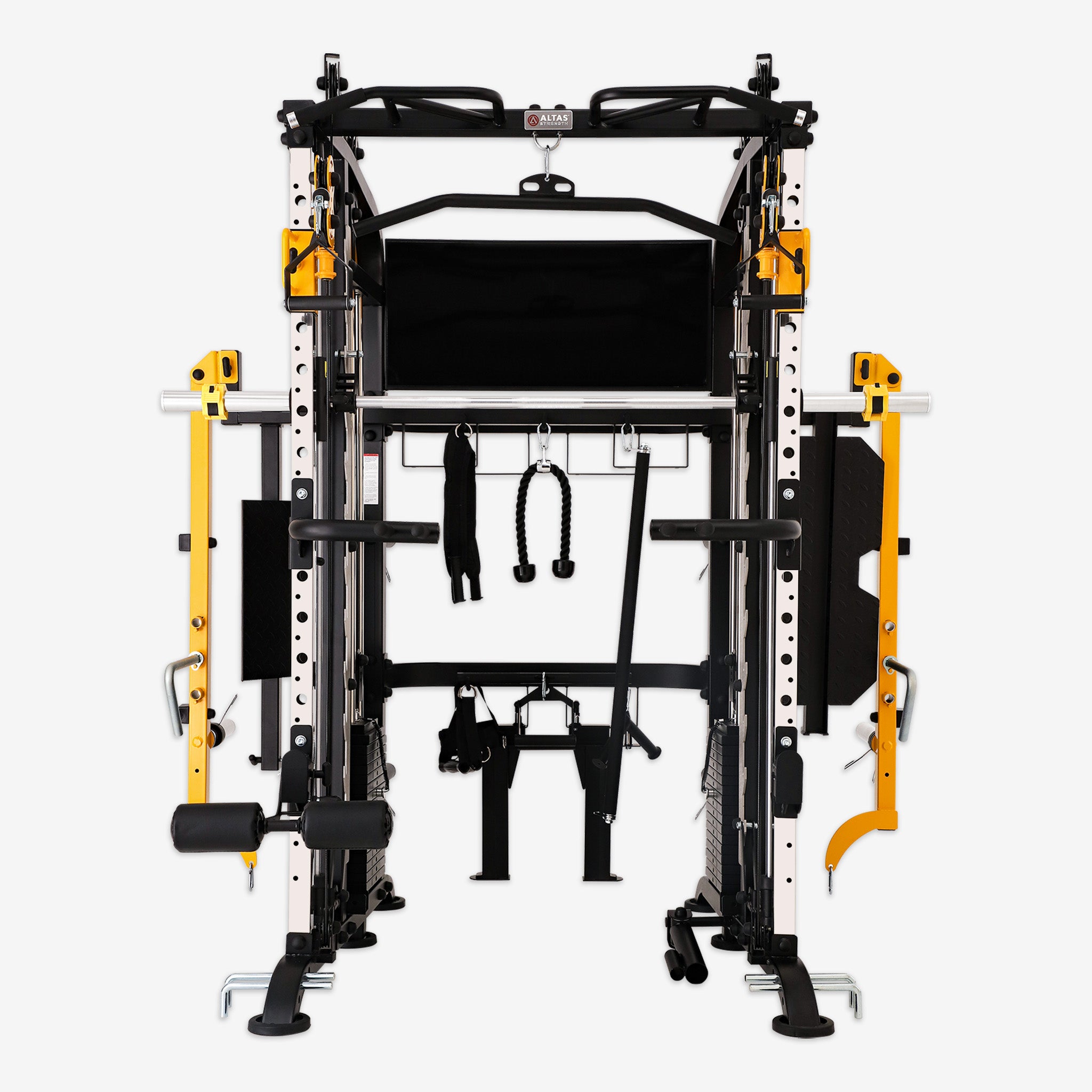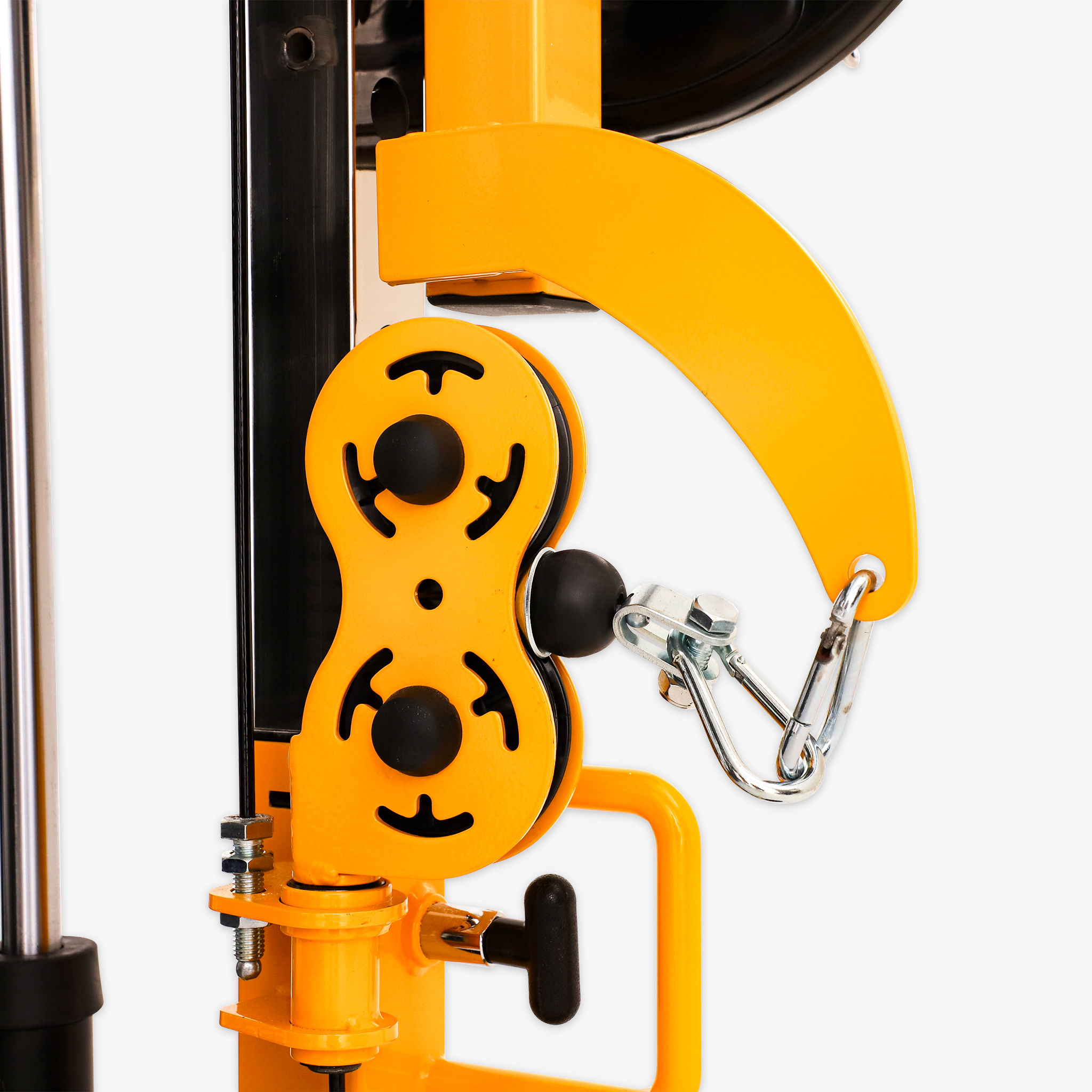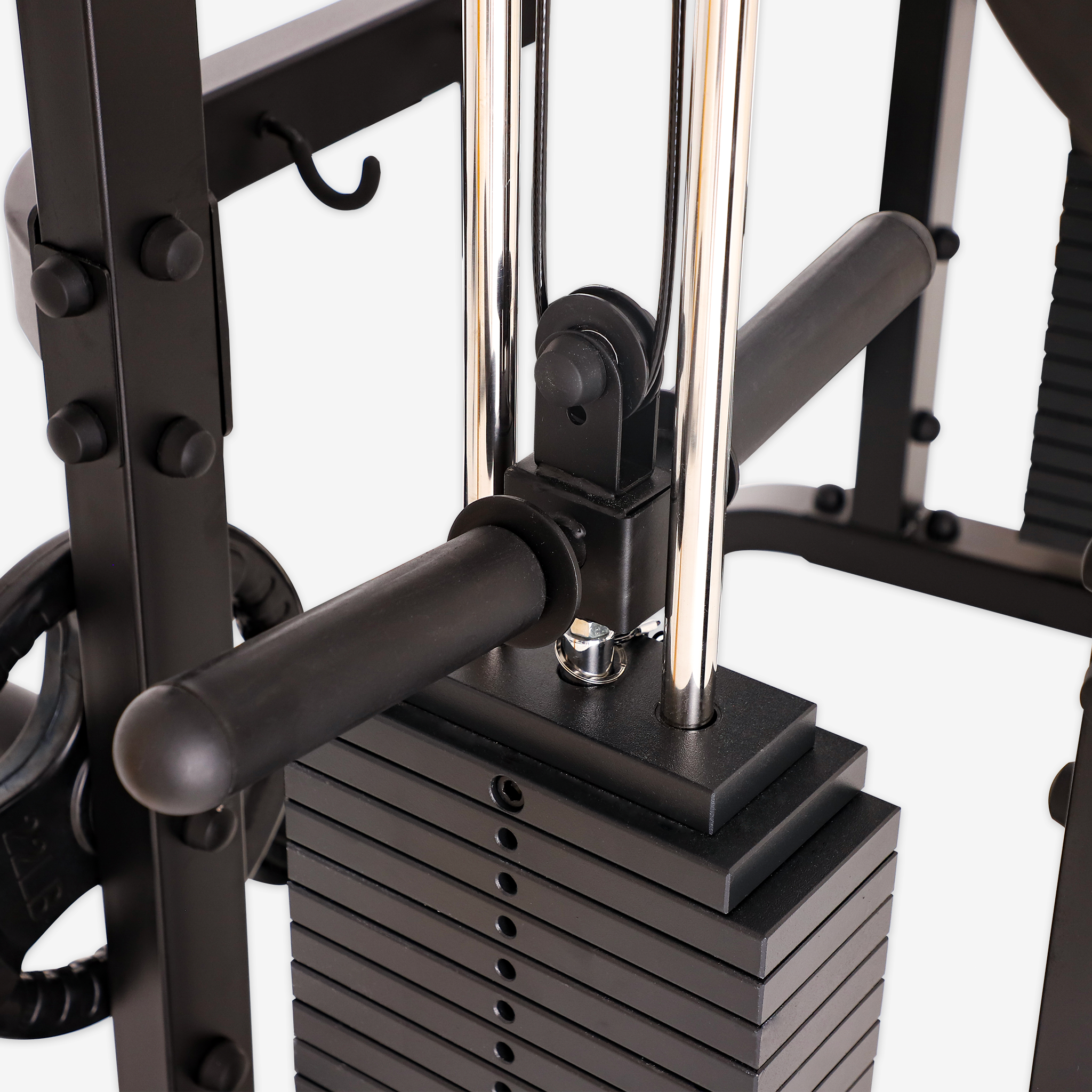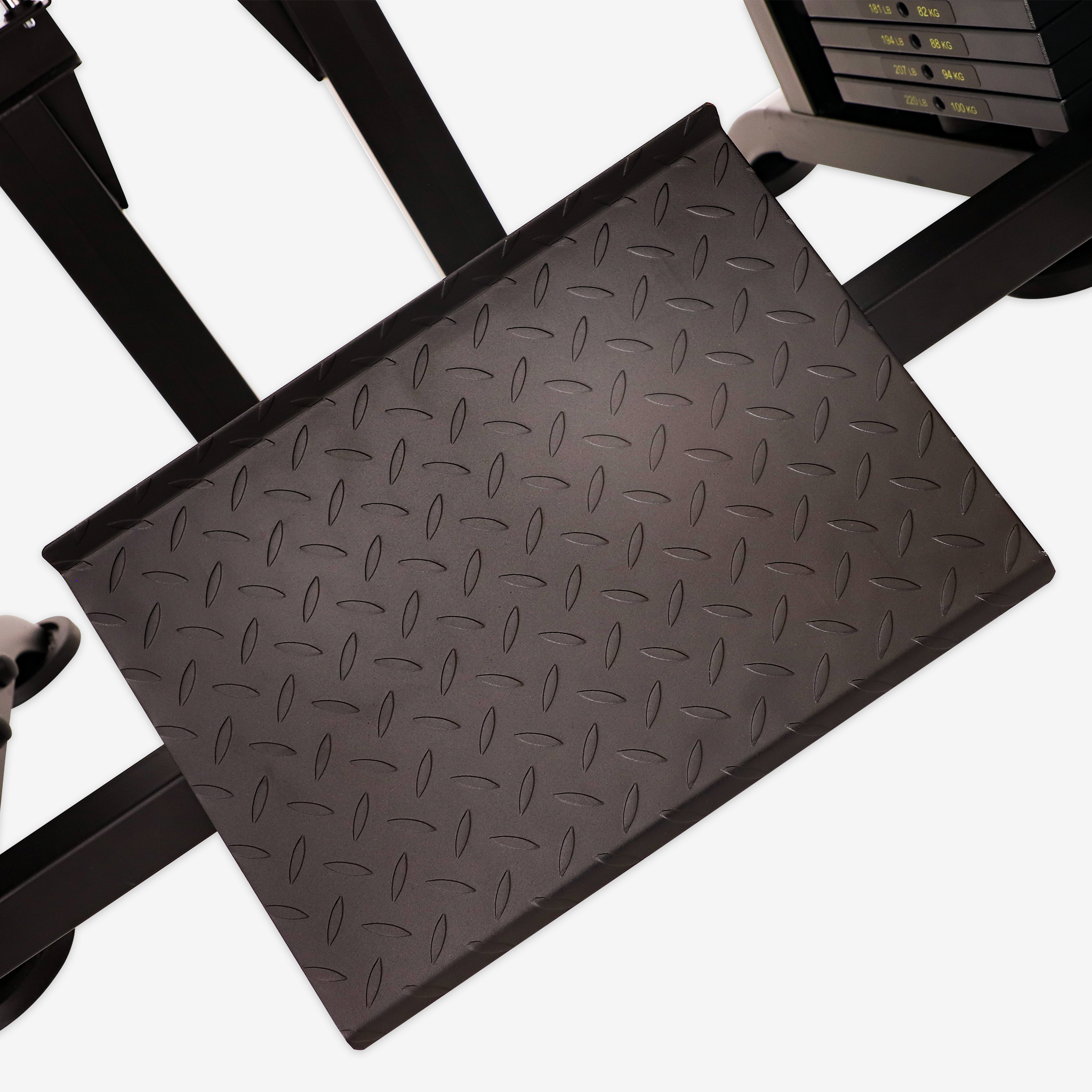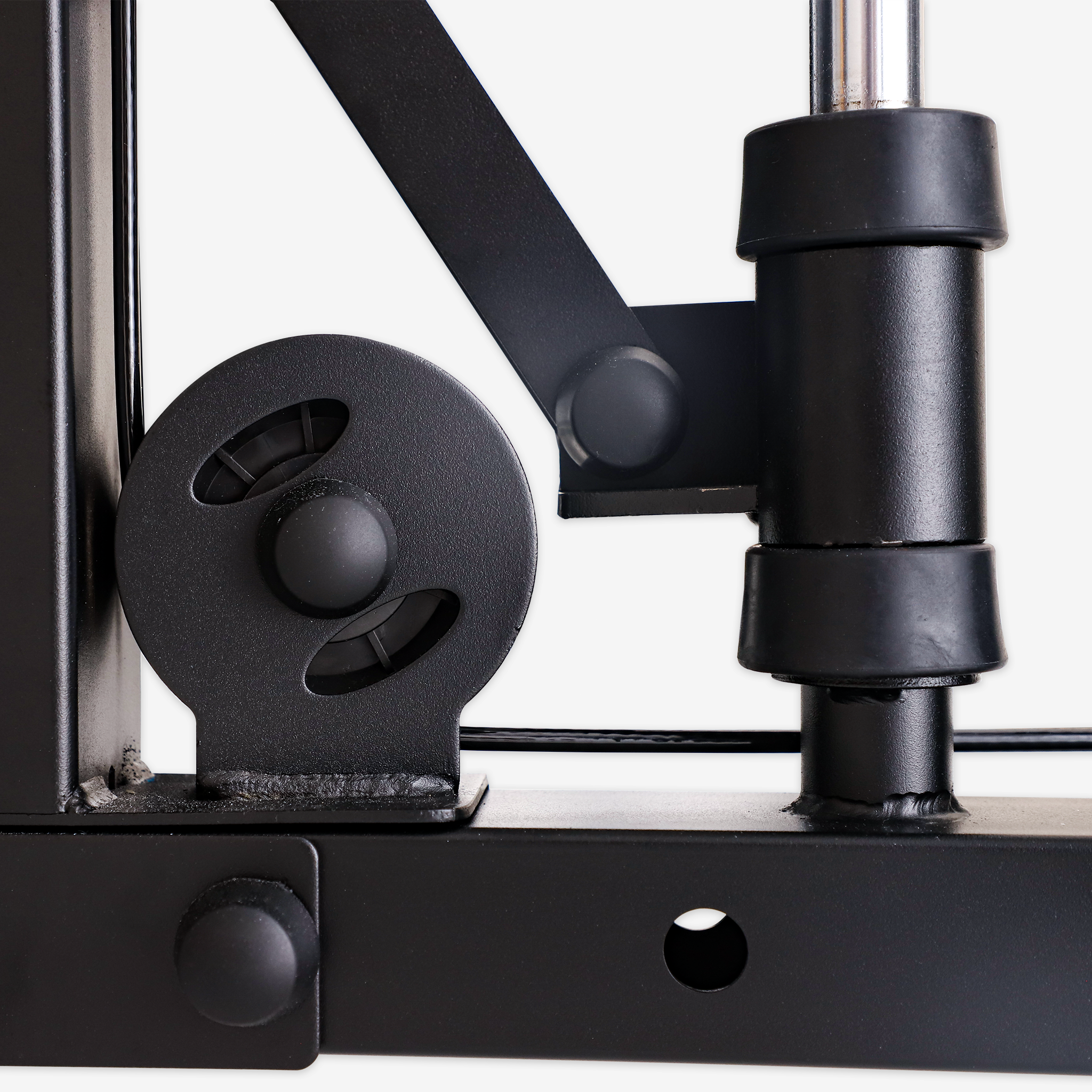
The Romanian chair is one of the most underrated pieces of fitness equipment found in gyms and home workout spaces. While many people focus on squat racks, Smith machines, and cable trainers, the Romanian chair quietly delivers some of the most effective exercises for strengthening the posterior chain, improving posture, and building a resilient core.
Whether you're a beginner looking to improve lower back health or an experienced lifter wanting stronger glutes and hamstrings, the Romanian chair can become a valuable addition to your training routine.
What Is a Romanian Chair?
A Romanian chair, often called a hyperextension bench or back extension bench, is a specialized exercise station designed to support the lower body while allowing the upper body to move freely through a hip-hinge motion.
The machine typically includes:
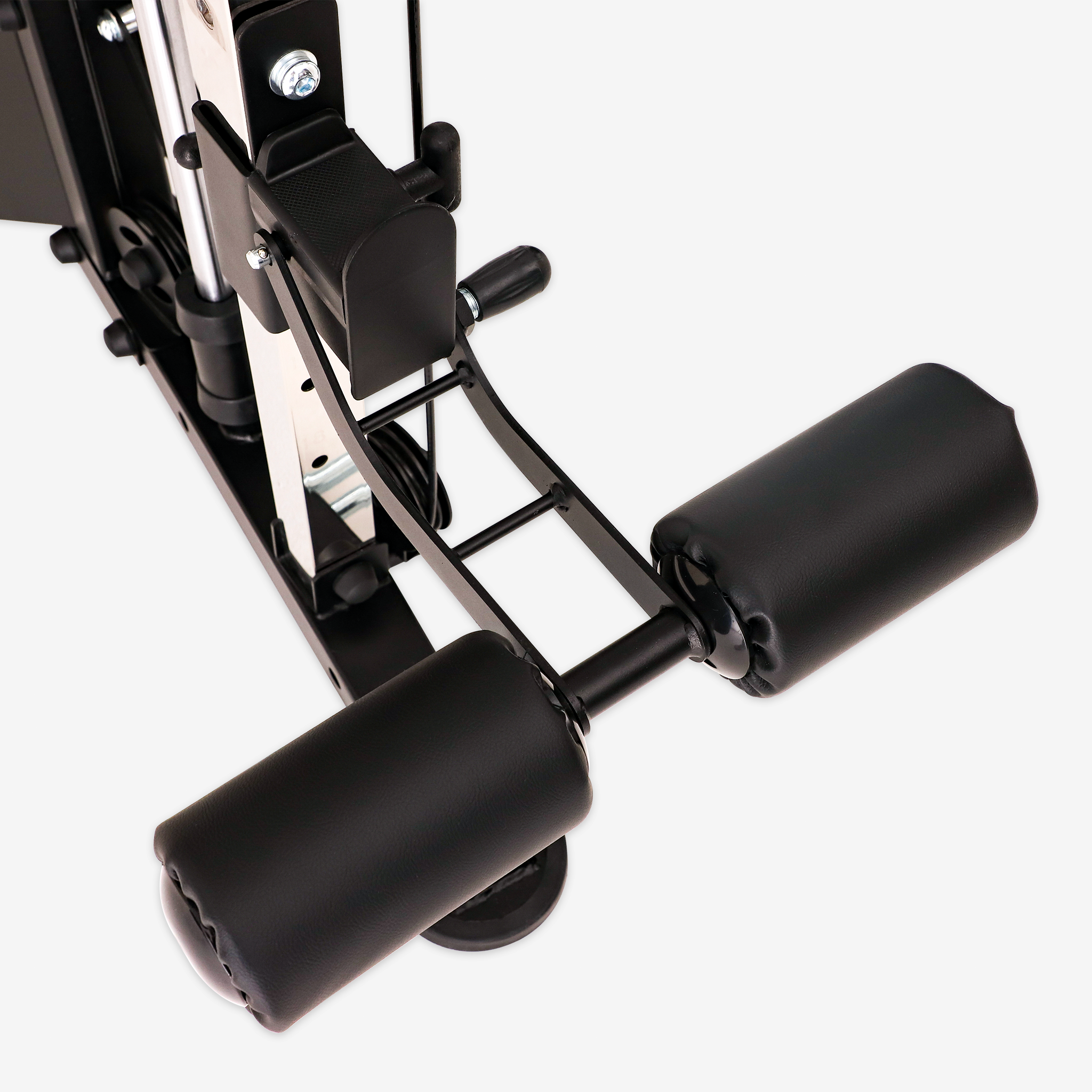
- Adjustable thigh pads
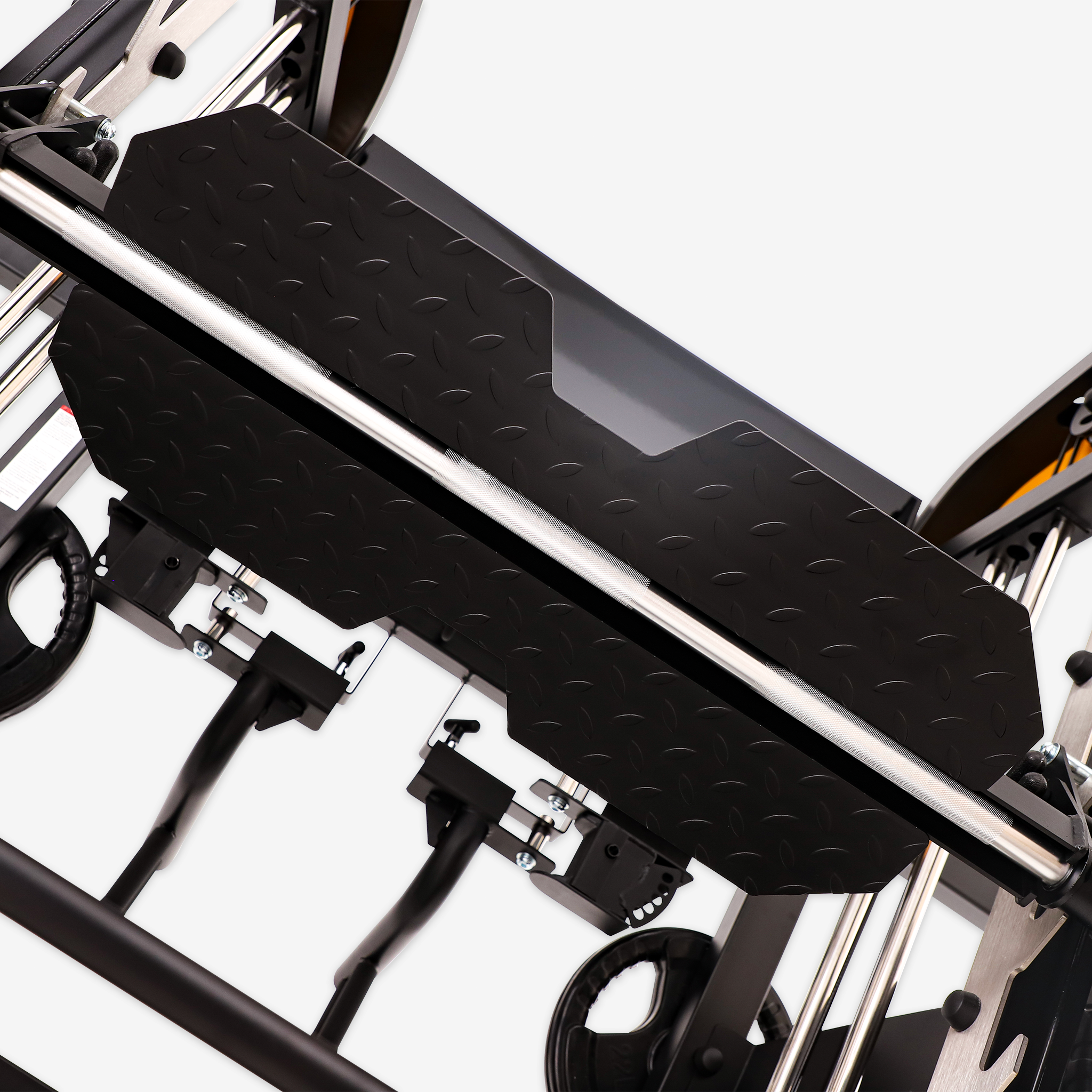
- Foot support platform
- An angled frame
- An open range of motion for the torso
Unlike traditional weight benches, the Romanian chair is specifically designed to strengthen the posterior chain—the muscles along the back side of the body.
What Muscles Does a Romanian Chair Work?
One reason the Romanian chair remains popular among trainers is its ability to target multiple muscle groups simultaneously.
Primary Muscles Worked
Lower Back (Erector Spinae)
The erector spinae muscles run alongside your spine and help maintain posture and spinal stability. Romanian chair exercises strengthen these muscles, reducing weakness and improving overall back support.
Glutes
The gluteus maximus plays a major role during hip extension movements performed on the Romanian chair. Strong glutes contribute to better athletic performance, lifting strength, and posture.
Hamstrings
Located on the back of the thighs, the hamstrings assist the glutes during hip hinging and help generate power during running, jumping, and lifting.
Secondary Muscles Worked
Core Muscles
Your abdominal muscles, obliques, and deep stabilizing core muscles work continuously to keep your torso controlled throughout each repetition.
Hip Stabilizers
Smaller muscles surrounding the hips assist with balance and alignment during movement.
Upper Back
When maintaining proper posture, the upper back muscles help stabilize the spine and shoulders.
Benefits of Using a Romanian Chair
1. Improves Posture
Many people spend hours sitting at desks, driving, or looking down at screens. This often leads to rounded shoulders and weakened posterior-chain muscles.
Regular Romanian chair training helps strengthen the muscles responsible for maintaining an upright posture.
Benefits include:
- Reduced slouching
- Better spinal alignment
- Improved body mechanics
- Enhanced athletic posture
2. Strengthens the Posterior Chain
The posterior chain includes:
- Lower back
- Glutes
- Hamstrings
These muscles are responsible for:
- Running
- Jumping
- Lifting
- Climbing stairs
- Everyday movement
A stronger posterior chain often translates to better performance in squats, deadlifts, and athletic activities.
3. Supports Lower Back Health
Weak lower back muscles are a common contributor to discomfort and poor movement patterns.
When performed correctly, Romanian chair exercises help:
- Increase spinal stability
- Improve muscular endurance
- Reduce stress on surrounding structures
- Build resilience against future injury
4. Enhances Core Stability
Unlike crunches that mainly target the front of the abdomen, Romanian chair exercises train the entire core system.
A stronger core helps:
- Improve balance
- Increase lifting performance
- Protect the spine
- Enhance athletic movement
5. Low Impact on Joints
Romanian chair exercises use controlled bodyweight movement, placing minimal stress on:
- Knees
- Ankles
- Hips
This makes them suitable for many fitness levels.
Best Romanian Chair Exercises
1. Romanian Chair Back Extension
Target Muscles
- Lower back
- Glutes
- Hamstrings
How to Perform
- Secure your feet under the foot pads.
- Position your thighs against the support pads.
- Cross your arms over your chest.
- Lower your torso slowly.
- Hinge at the hips until your body forms roughly a 90-degree angle.
- Raise yourself back up until your body forms a straight line.
Recommended Sets
- 3–4 sets
- 10–15 repetitions
2. Weighted Back Extension
Target Muscles
- Lower back
- Glutes
- Hamstrings
- Core
How to Perform
- Hold a weight plate or dumbbell against your chest.
- Perform a standard back extension.
- Move slowly and maintain control throughout the exercise.
Recommended Sets
- 3–4 sets
- 8–12 repetitions
3. Romanian Chair Side Extension
Target Muscles
- Obliques
- Core stabilizers
- Lower back
How to Perform
- Position your body sideways on the bench.
- Secure your feet under the pads.
- Lower your torso toward the floor.
- Raise your body using your oblique muscles.
Recommended Sets
- 3 sets
- 10–12 reps per side
4. Roman Chair Sit-Up
Target Muscles
- Rectus abdominis
- Hip flexors
- Core
This variation increases abdominal engagement compared to traditional floor crunches.
Recommended Sets
- 3 sets
- 12–20 repetitions
Common Romanian Chair Mistakes
Using Momentum
Swinging your body reduces muscle activation and increases injury risk.
Solution: Move slowly and maintain control throughout every repetition.
Overextending the Back
Leaning too far backward at the top can place unnecessary stress on the spine.
Solution: Stop when your body reaches a straight line.
Rounding the Spine
A rounded back reduces effectiveness and may increase strain.
Solution: Keep your chest lifted and maintain a neutral spine.
Moving Too Fast
Fast repetitions decrease time under tension and reduce results.
Solution: Use a controlled tempo, especially during the lowering phase.
Sample Romanian Chair Workout
Beginner Routine
- Back Extension: 3 × 12
- Side Extension: 2 × 10 each side
- Roman Chair Sit-Up: 3 × 15
Intermediate Routine
- Weighted Back Extension: 4 × 10
- Side Extension: 3 × 12 each side
- Roman Chair Sit-Up: 3 × 20
Perform this routine 2–3 times weekly.
Frequently Asked Questions
Is a Romanian chair good for lower back pain?
Yes. When used correctly and progressively, Romanian chair exercises can strengthen the lower back and improve posture. However, individuals with existing injuries should consult a healthcare professional before starting.
Can beginners use a Romanian chair?
Absolutely. Beginners can start with bodyweight back extensions and gradually increase volume or resistance as strength improves.
How often should I use a Romanian chair?
Most people benefit from training on a Romanian chair 2–3 times per week, allowing sufficient recovery between sessions.
Is a Romanian chair the same as a hyperextension bench?
In most gyms, the terms are used interchangeably. Both refer to equipment designed primarily for back extension and posterior-chain exercises.
Final Thoughts
The Romanian chair is one of the most effective tools for developing a strong posterior chain, improving posture, and building a resilient core. By targeting the lower back, glutes, hamstrings, and abdominal muscles, it provides benefits that carry over into sports, strength training, and everyday life.
Whether you're trying to reduce back discomfort, improve athletic performance, or strengthen your core, incorporating Romanian chair exercises into your weekly routine can deliver long-term results with minimal equipment and minimal joint stress.