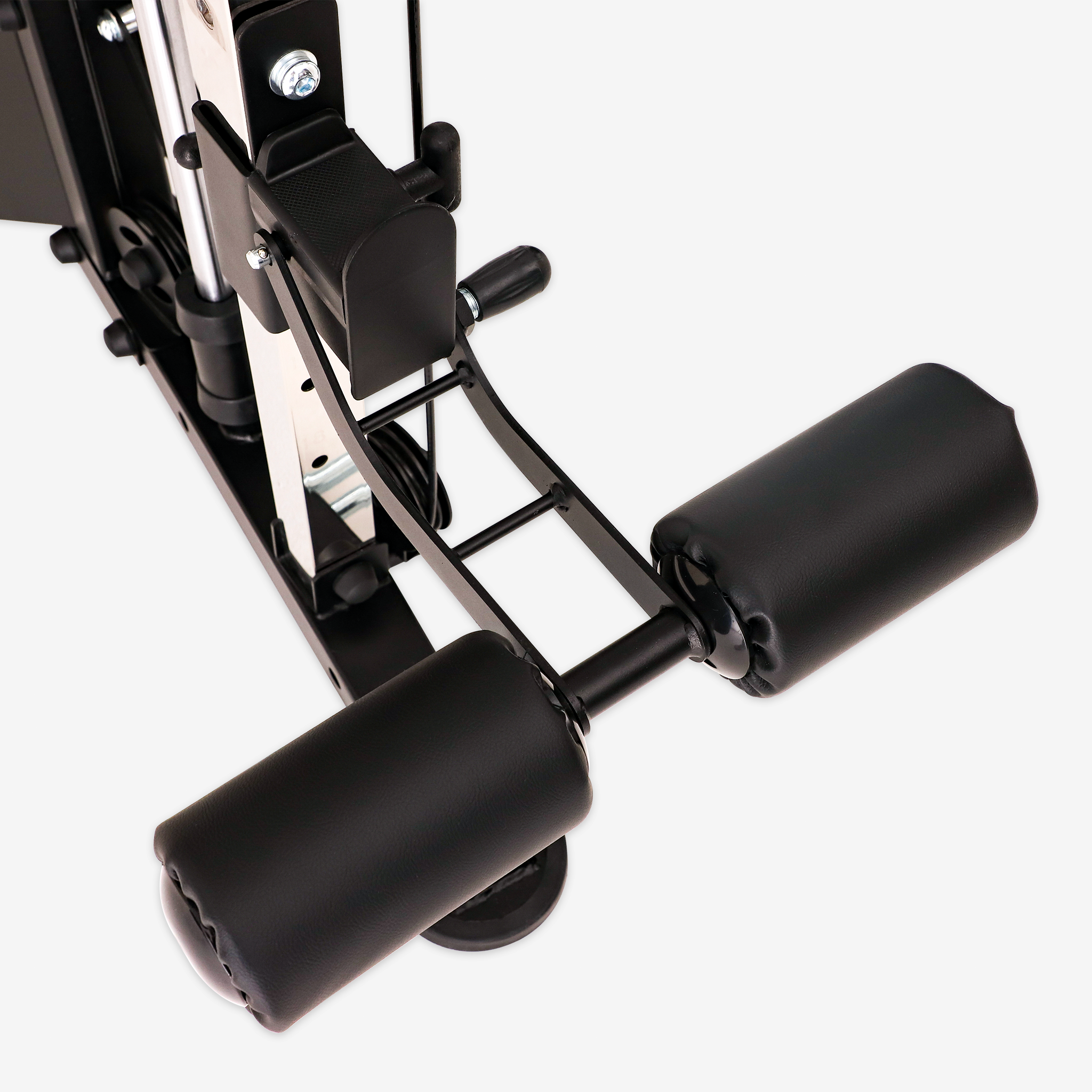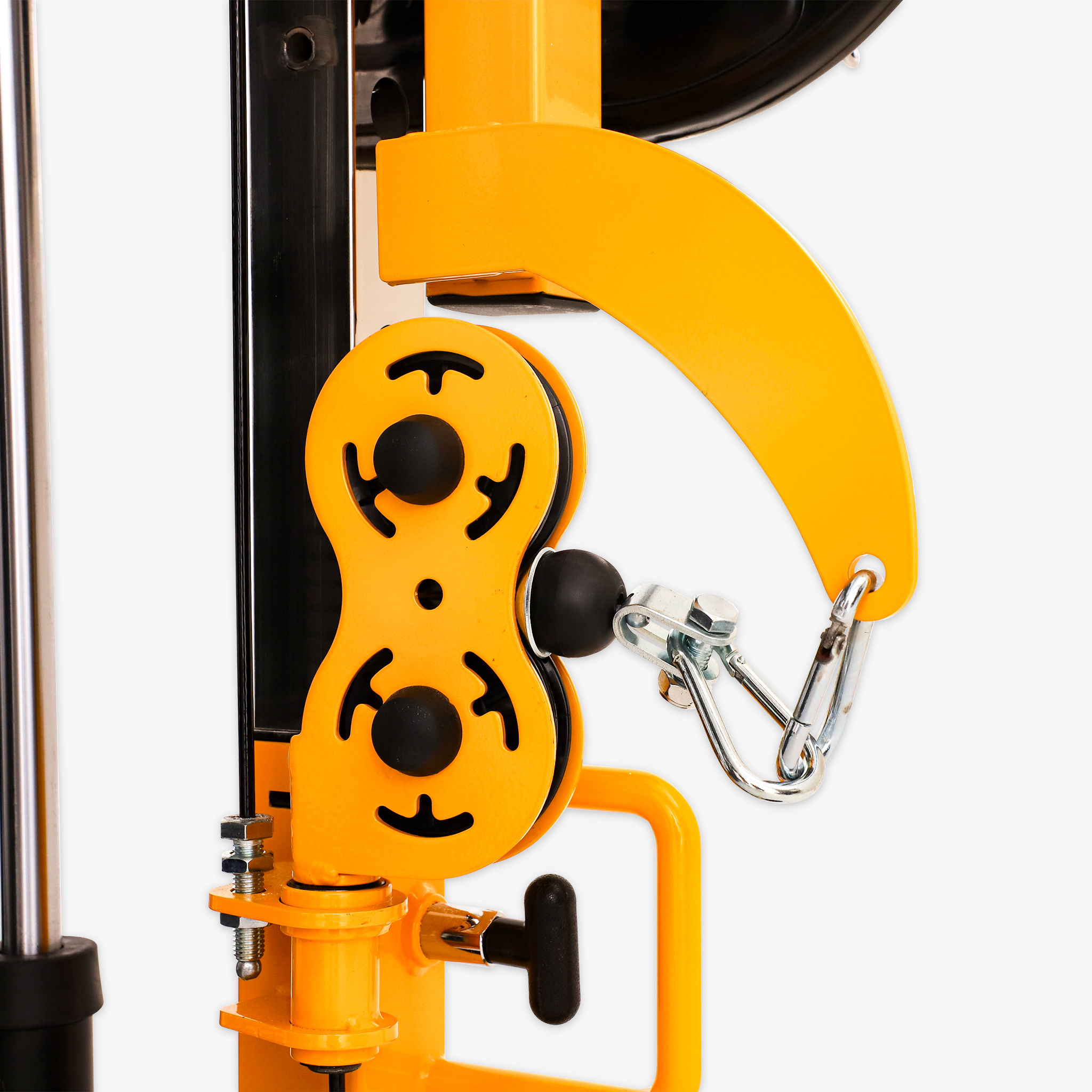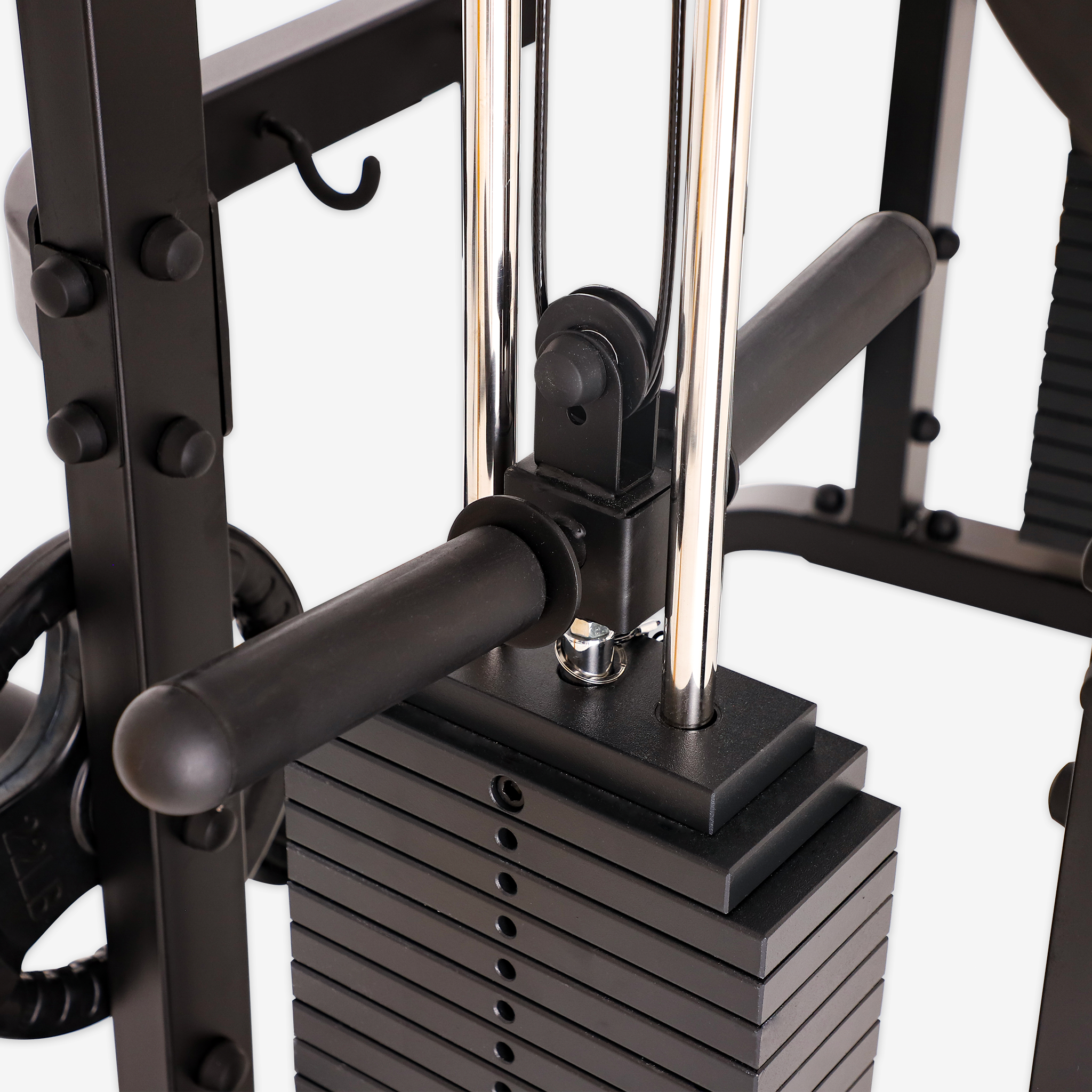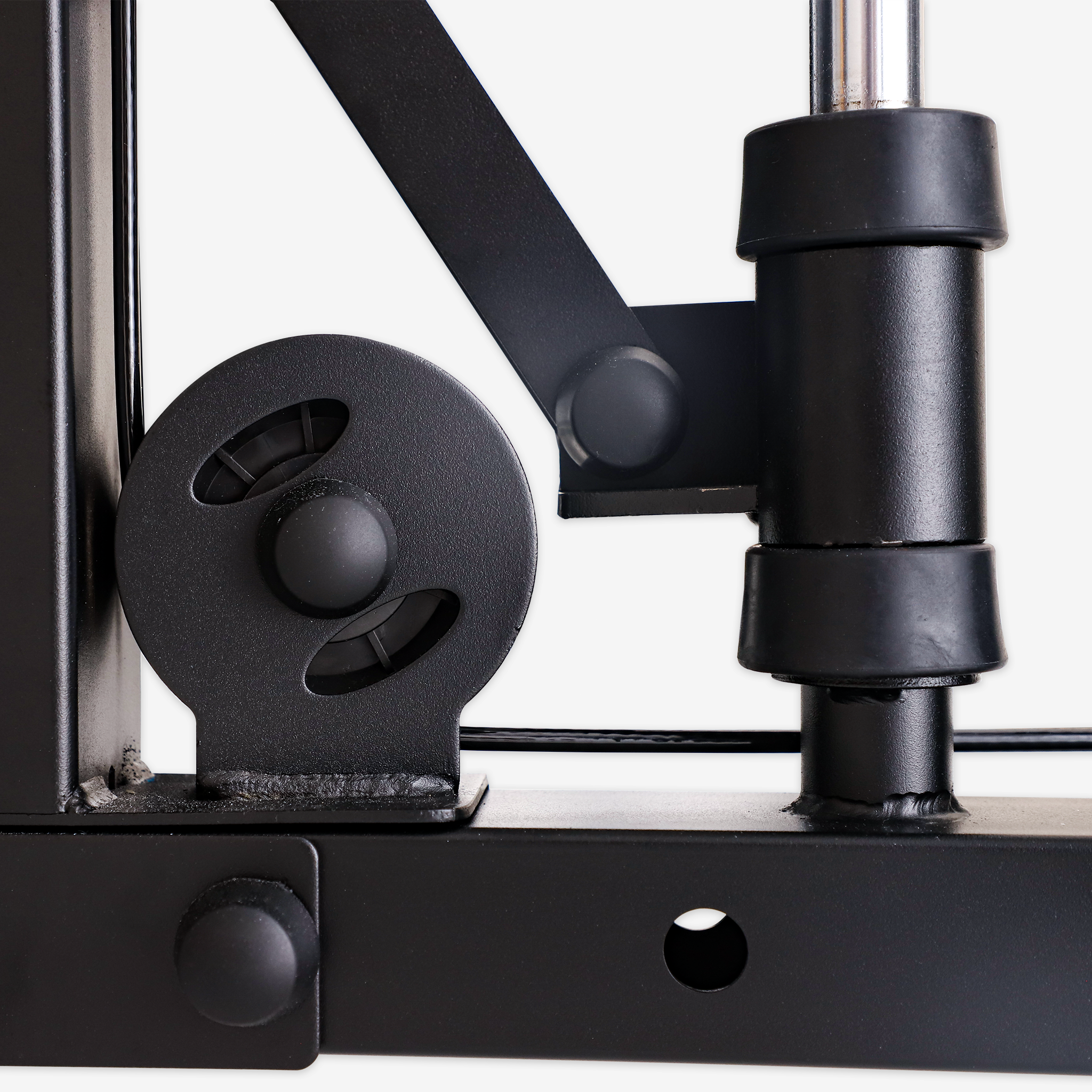
Leg curls are one of the most effective lower-body isolation exercises for building stronger, more defined legs. If you've ever wondered what do leg curls target, the primary answer is simple: leg curls mainly target the hamstrings, the group of muscles located on the back of your thighs.
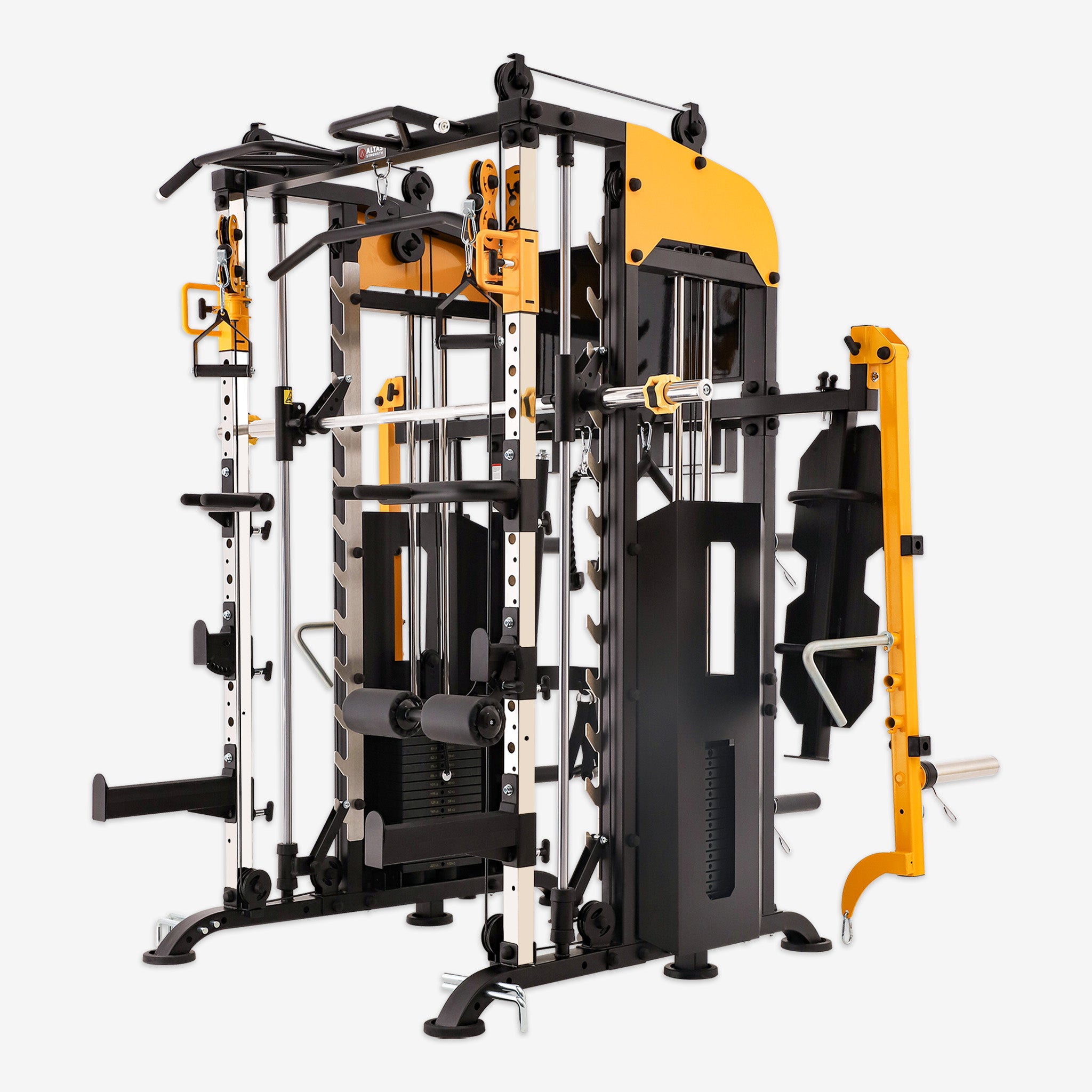
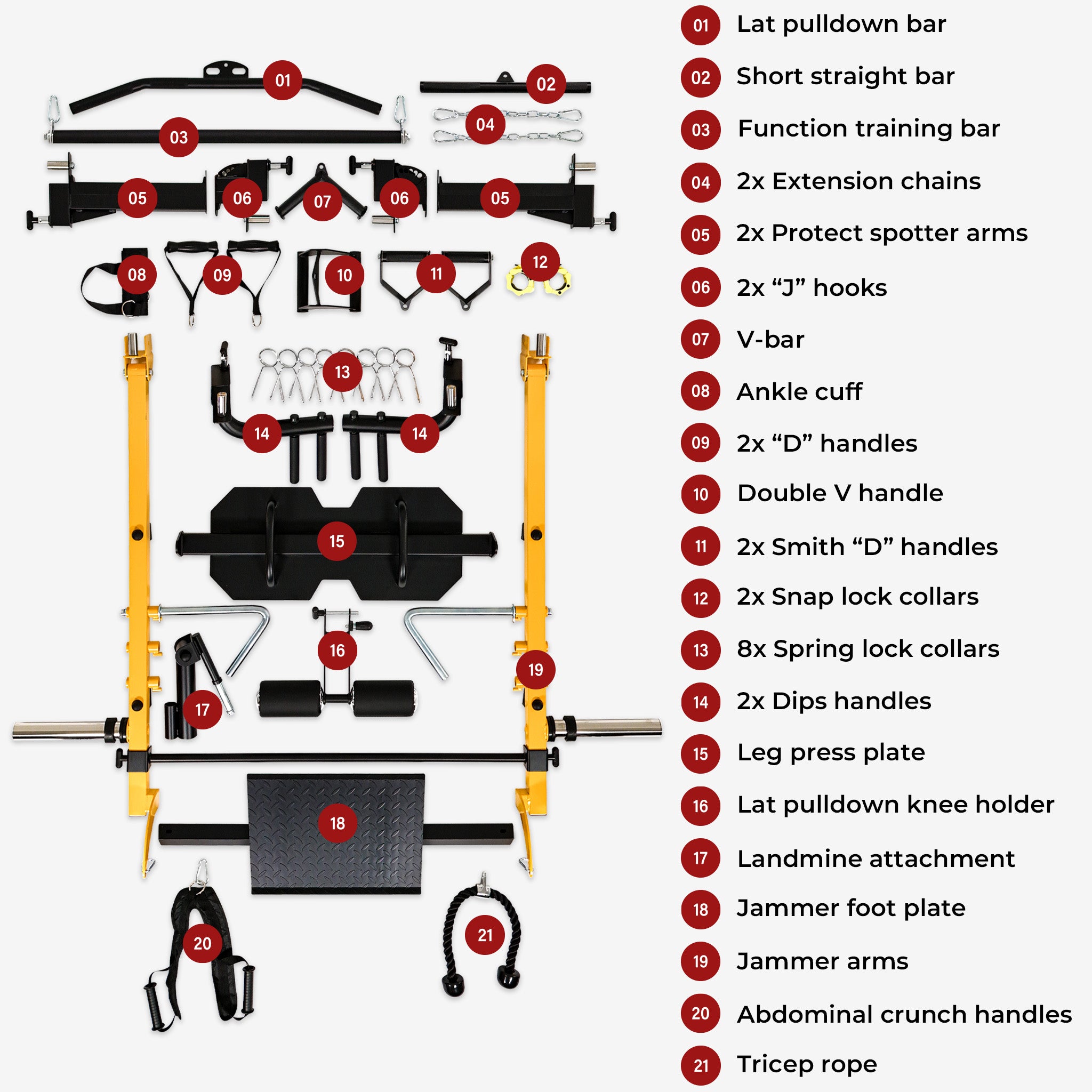
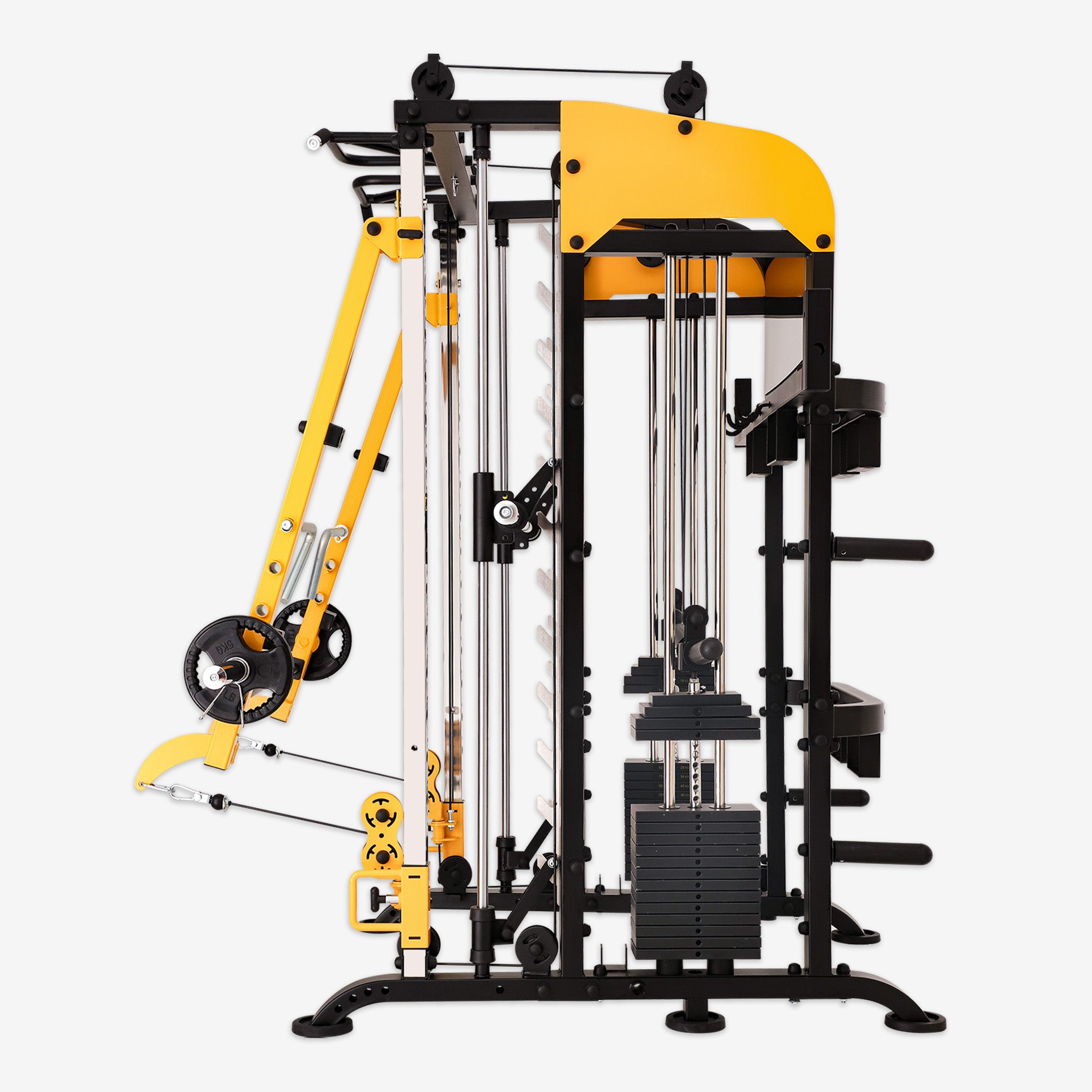
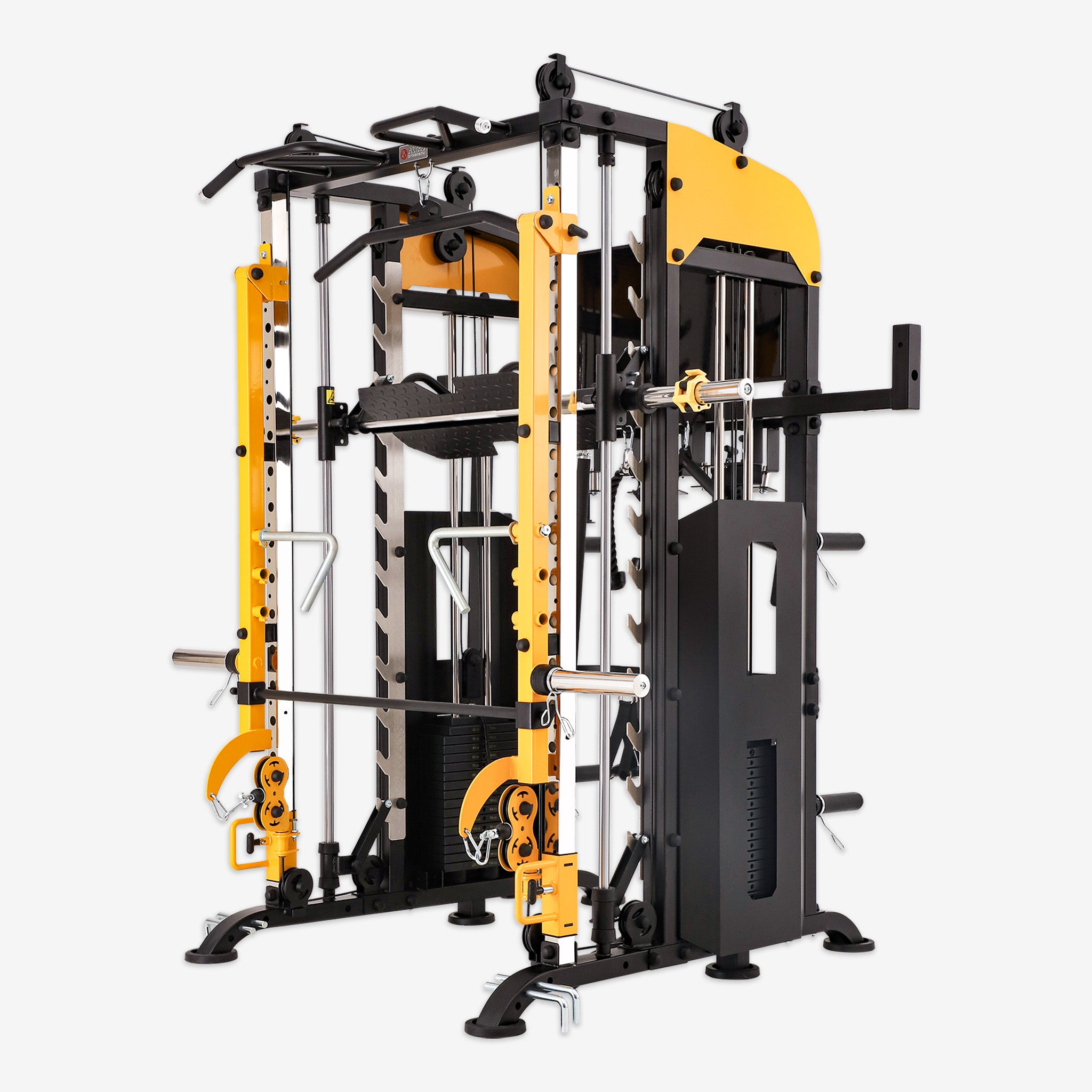
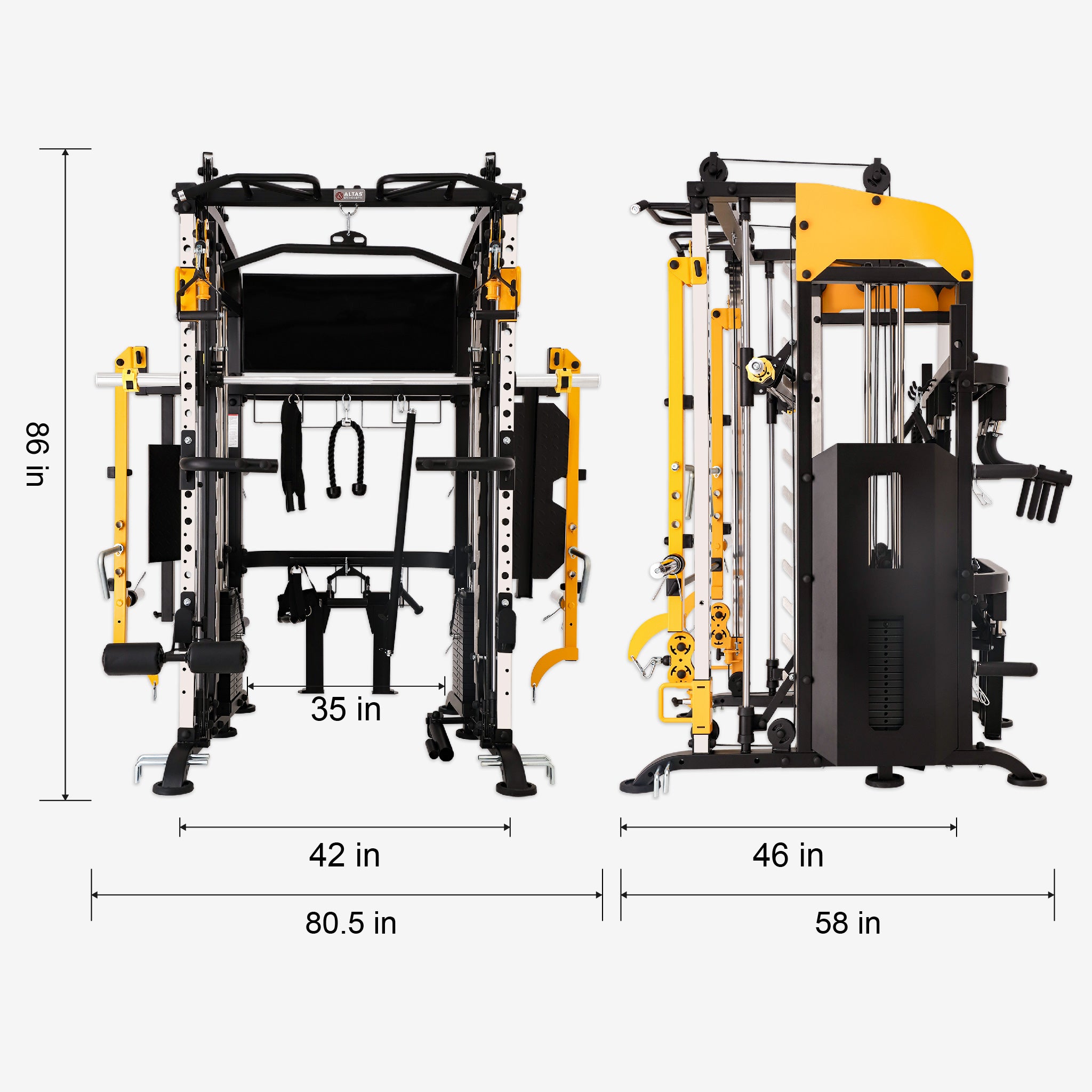
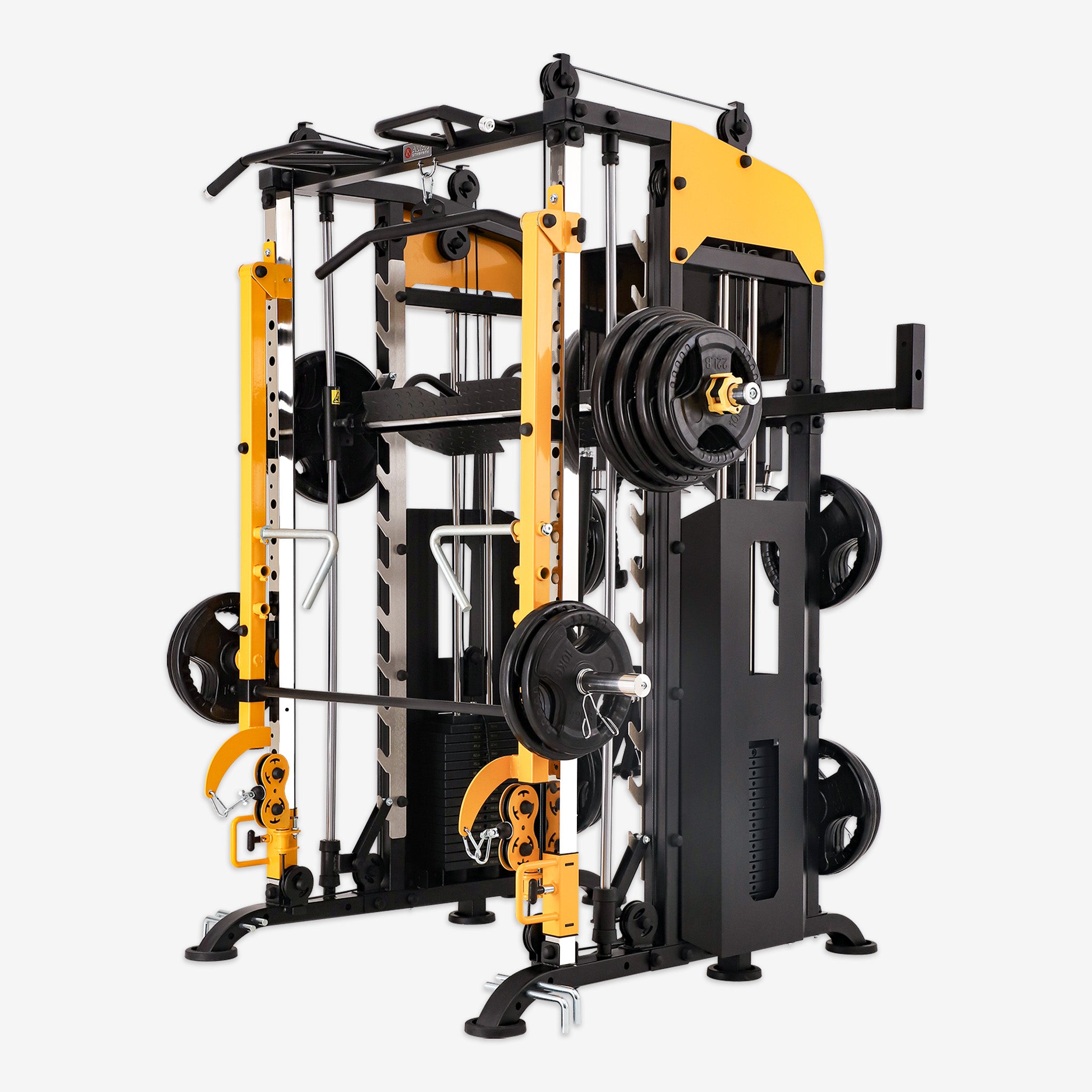
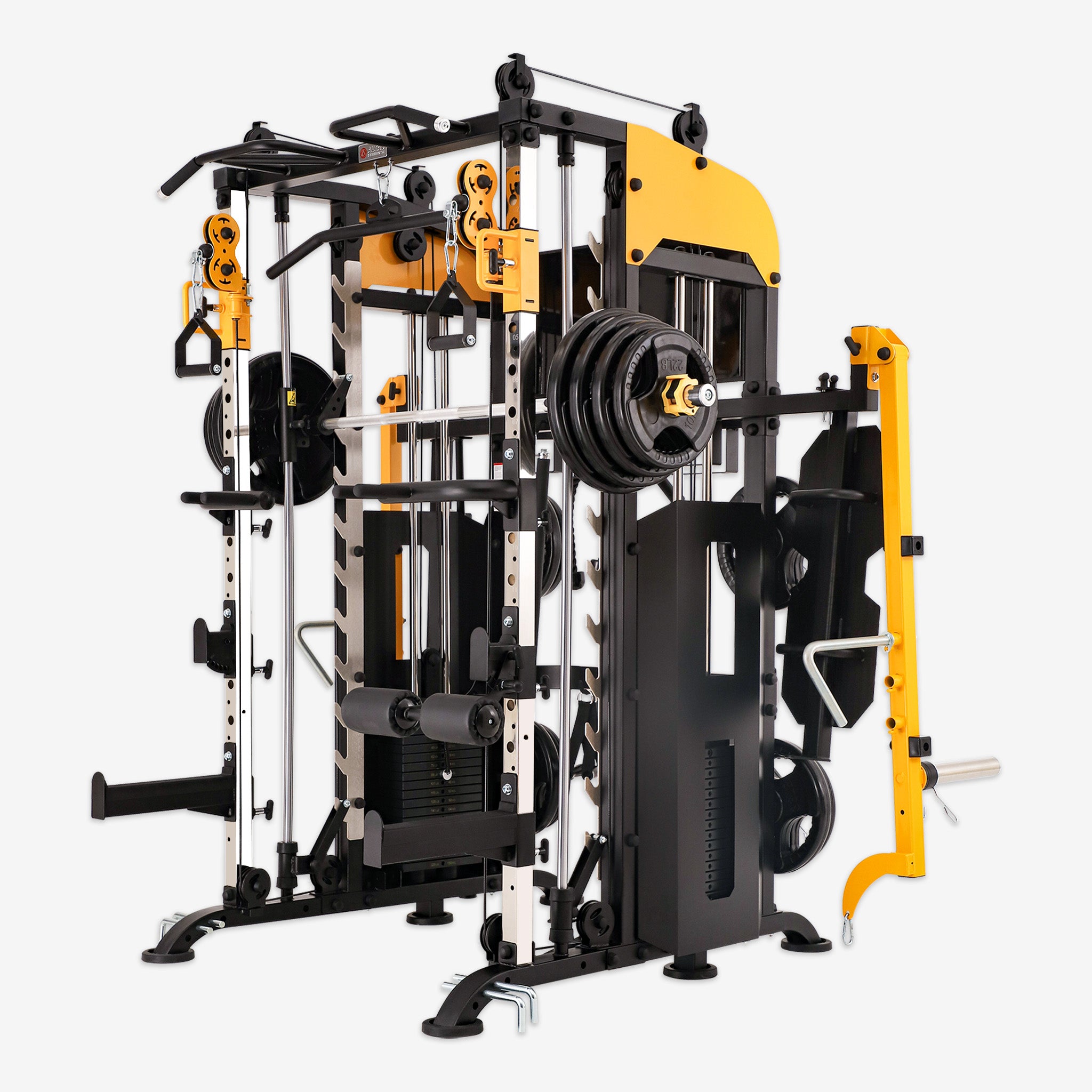
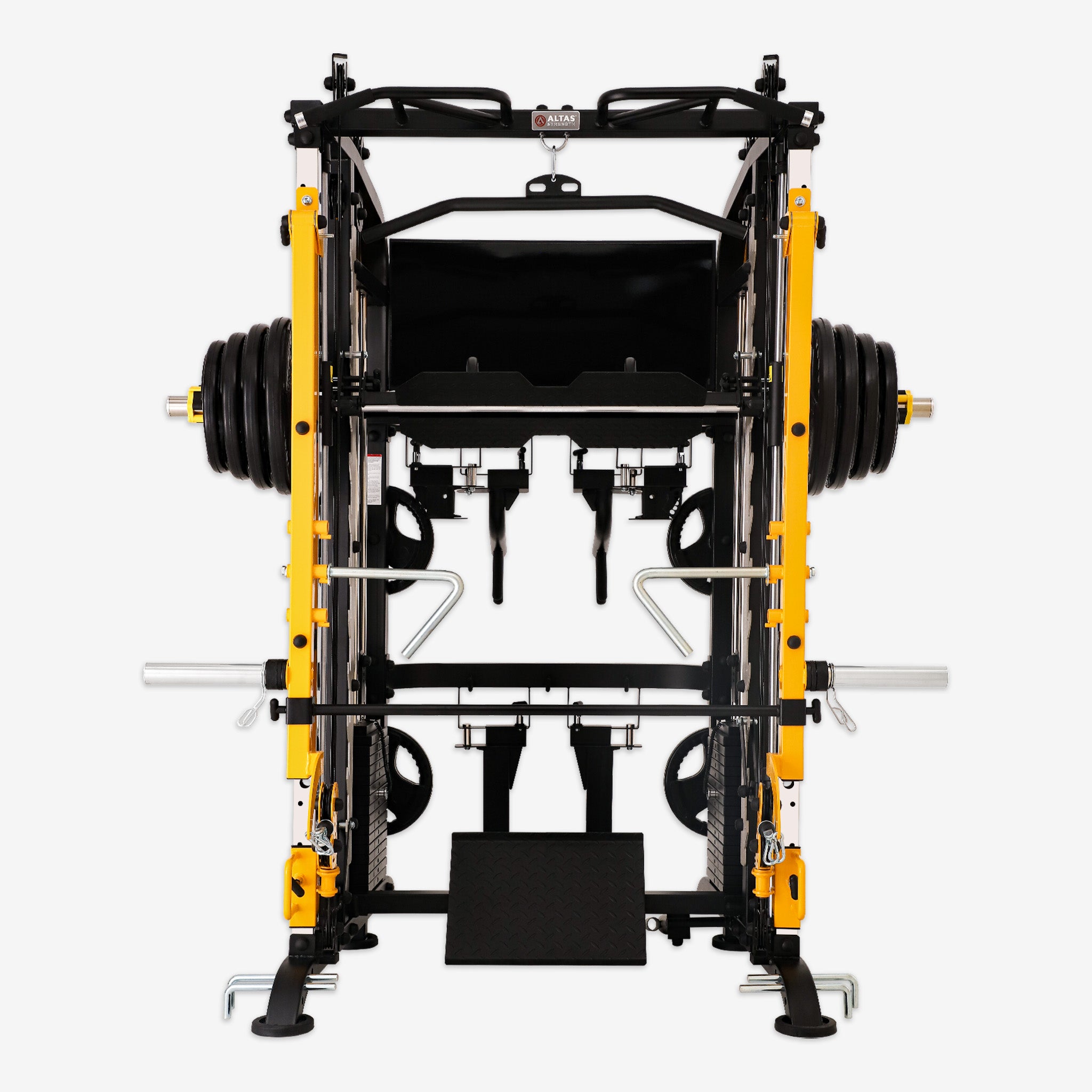
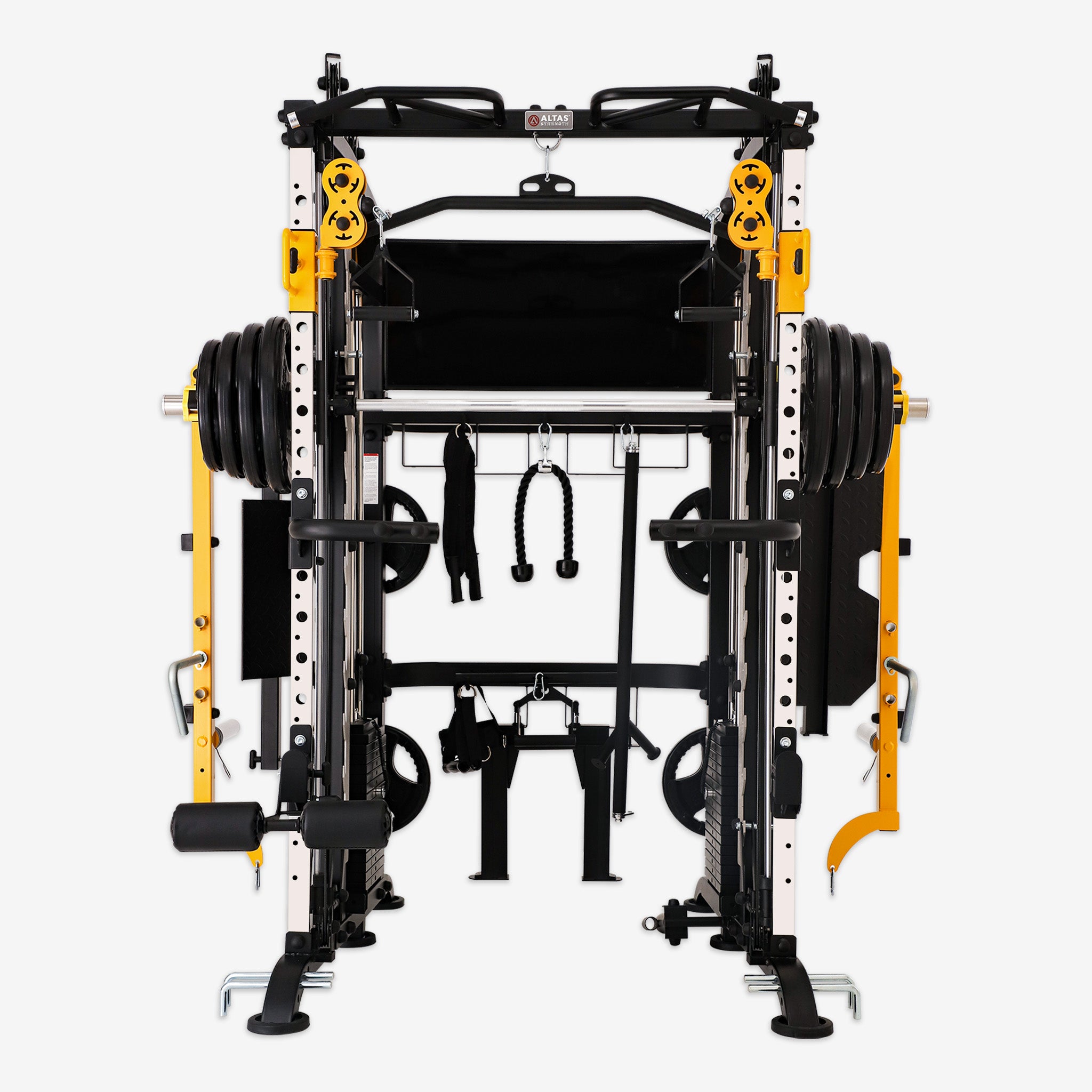
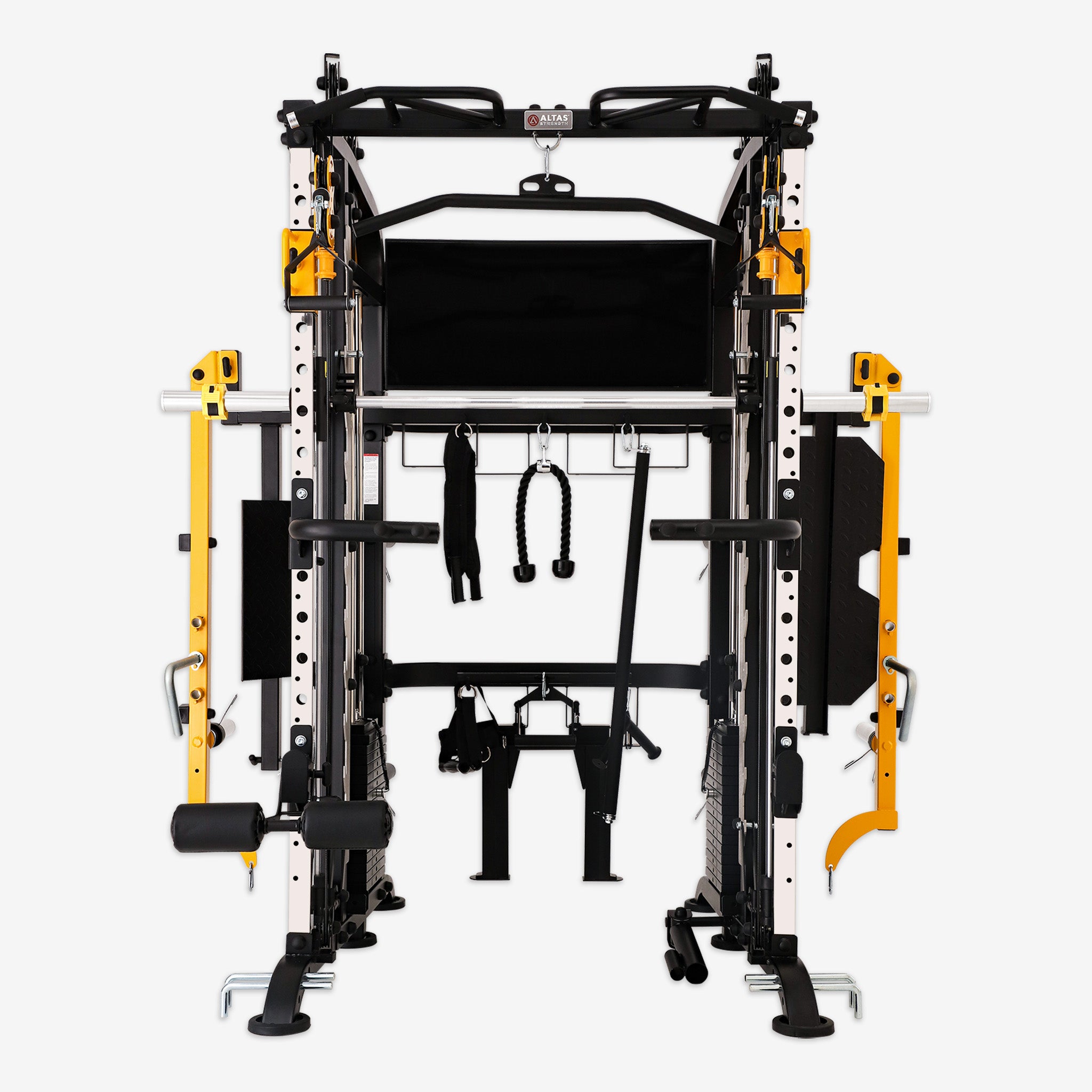
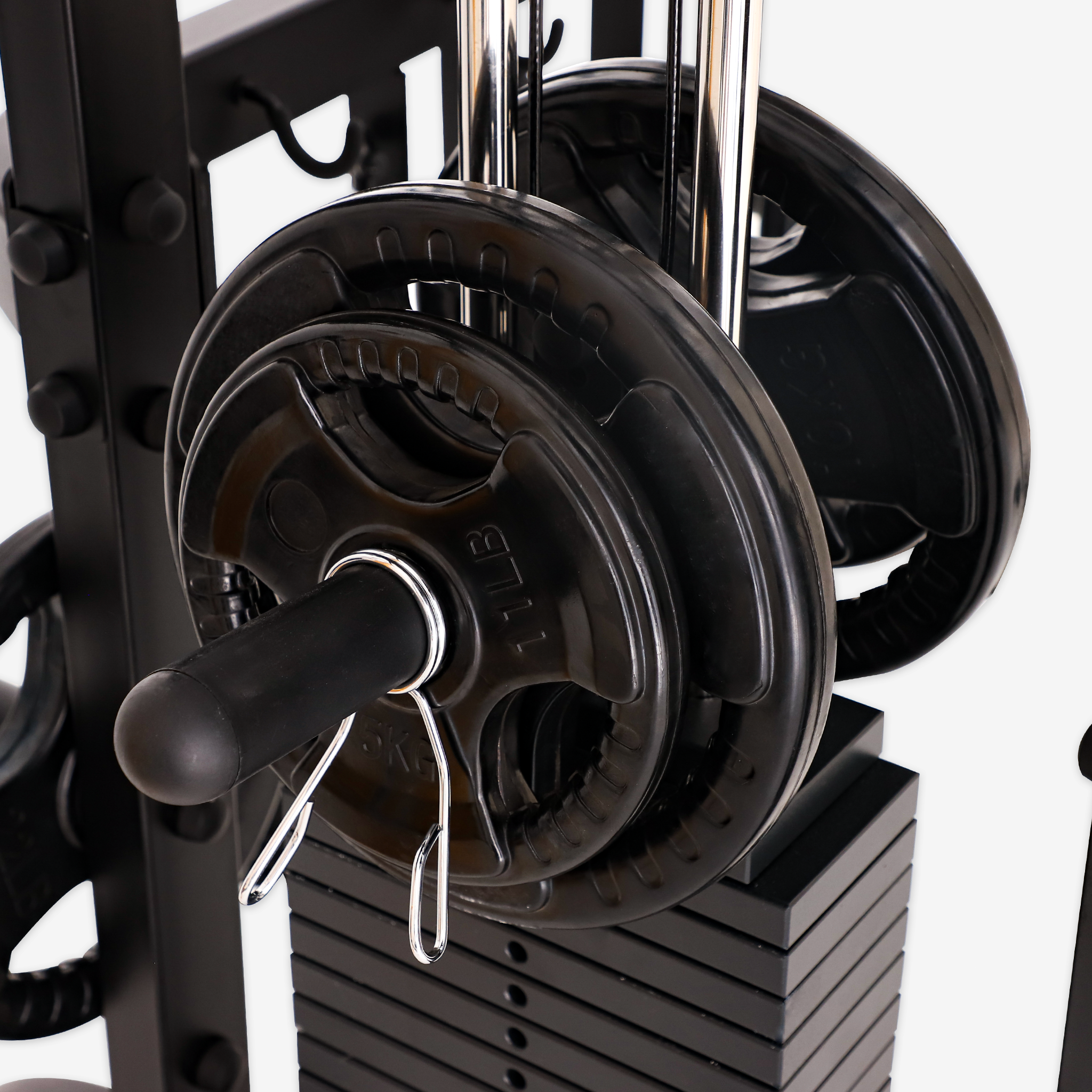
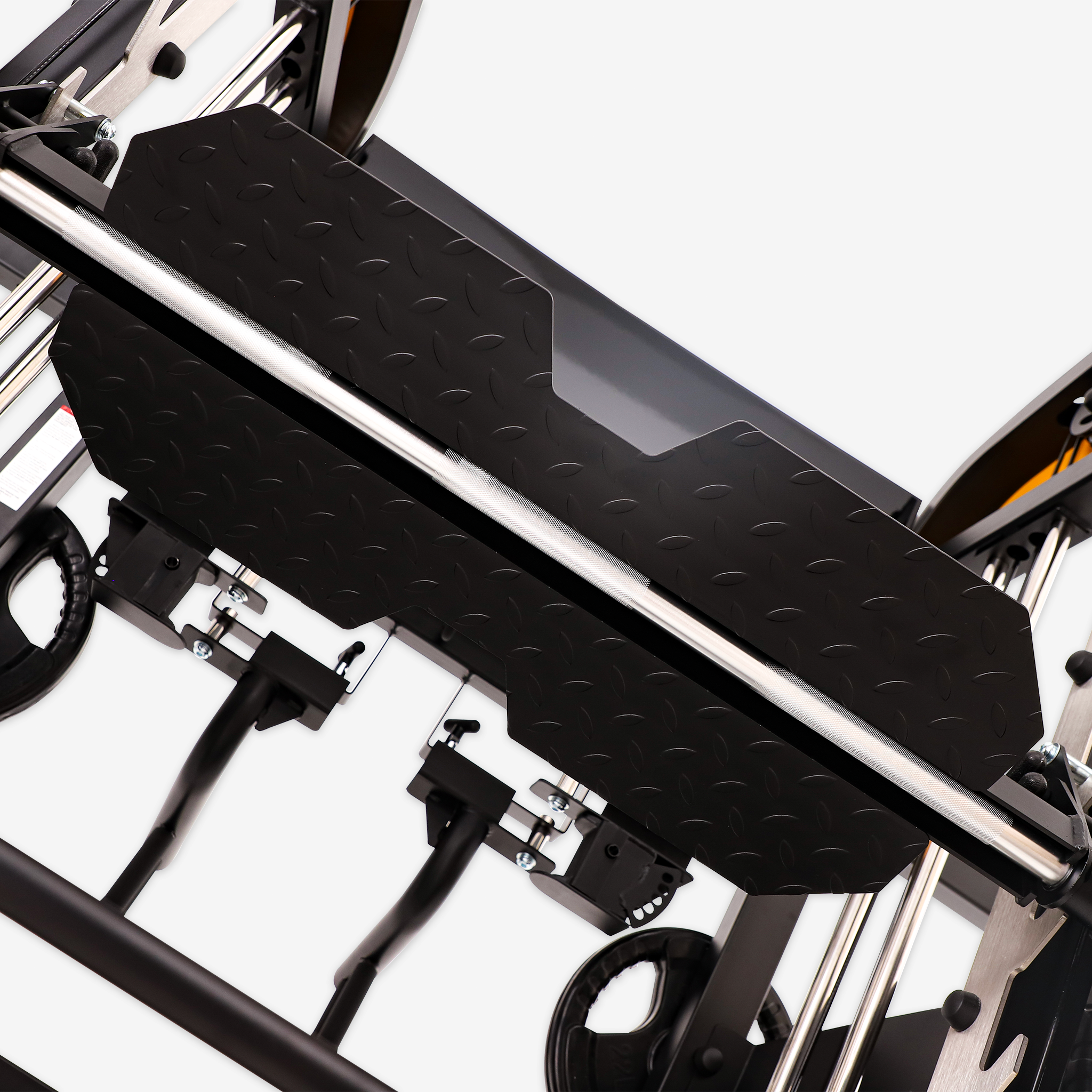
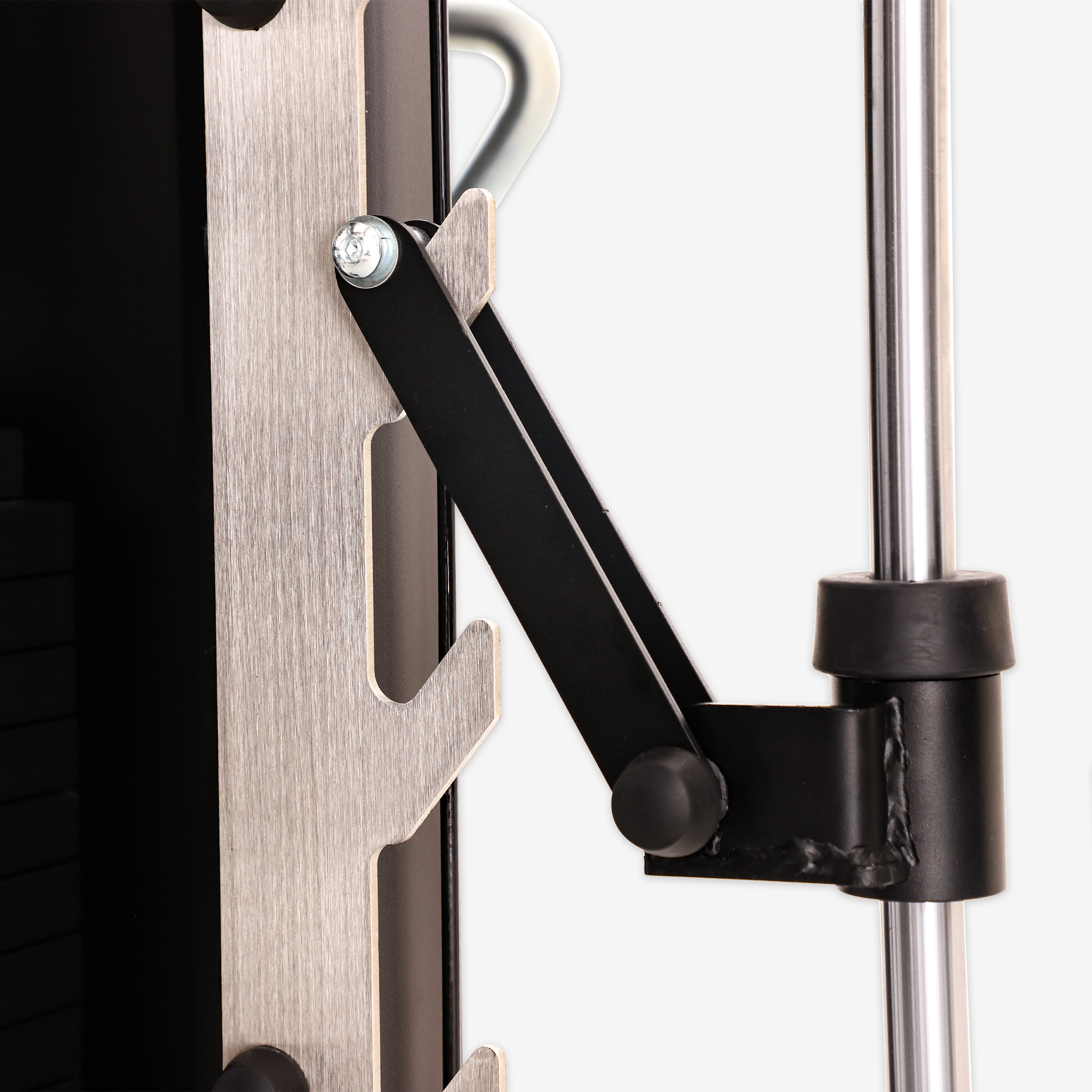
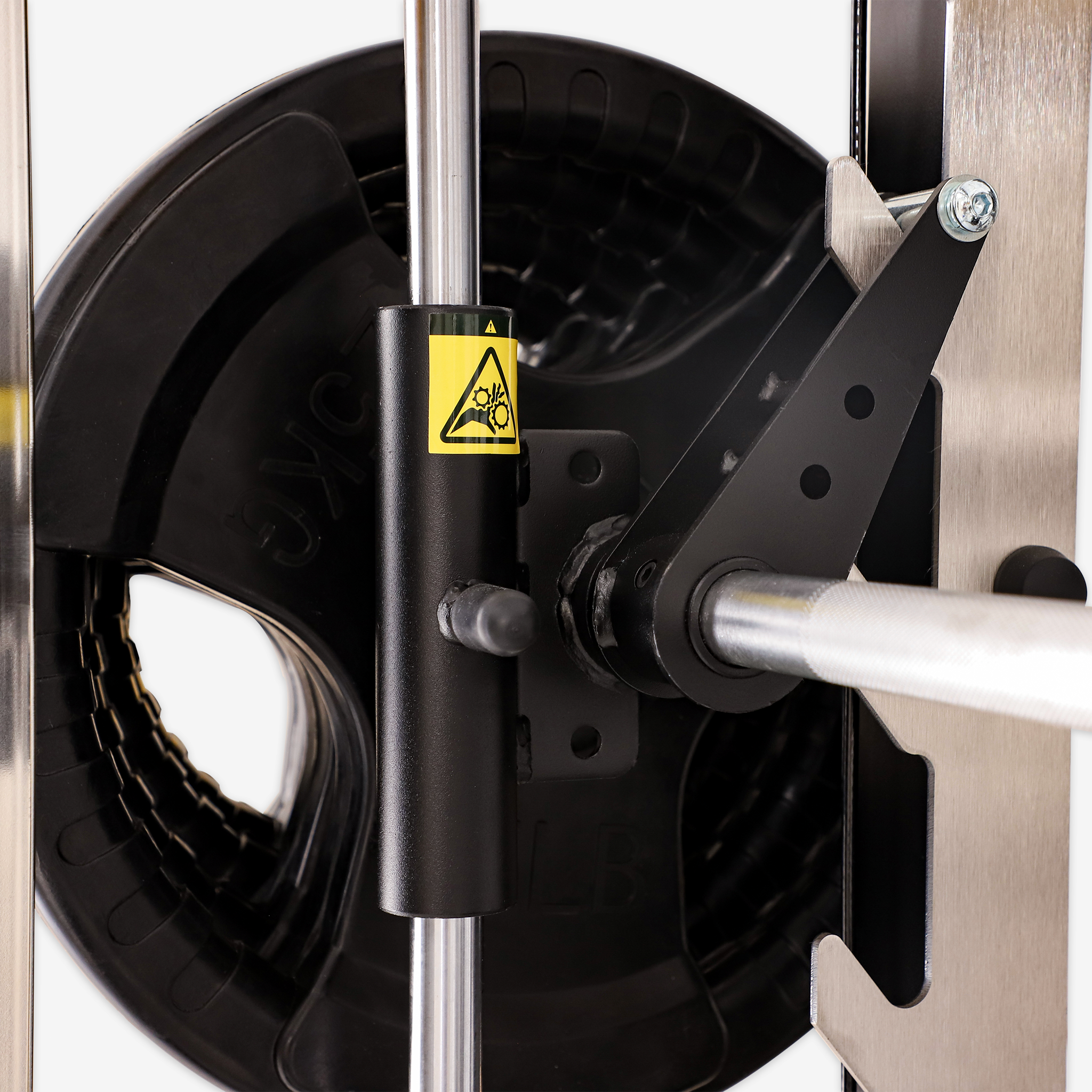
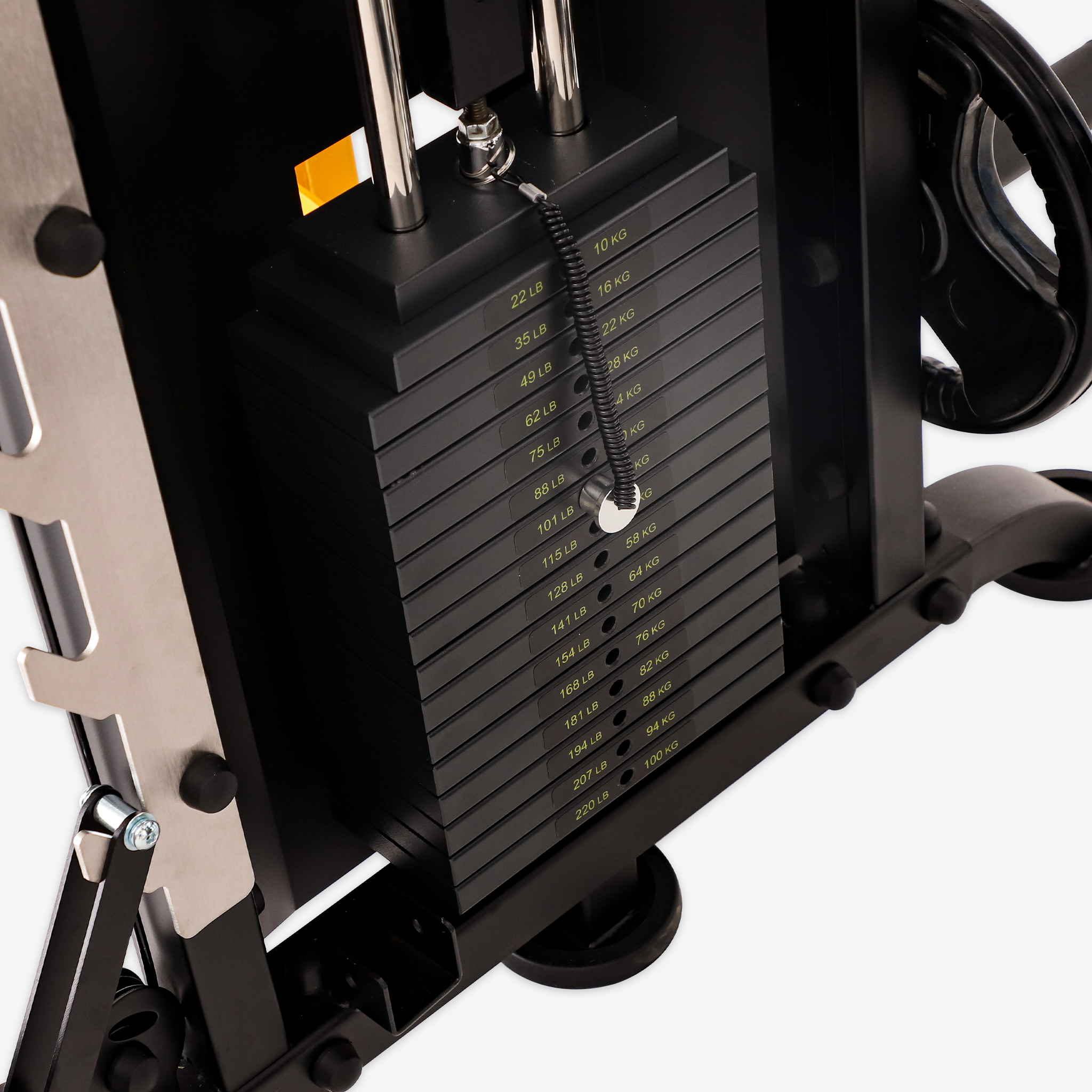
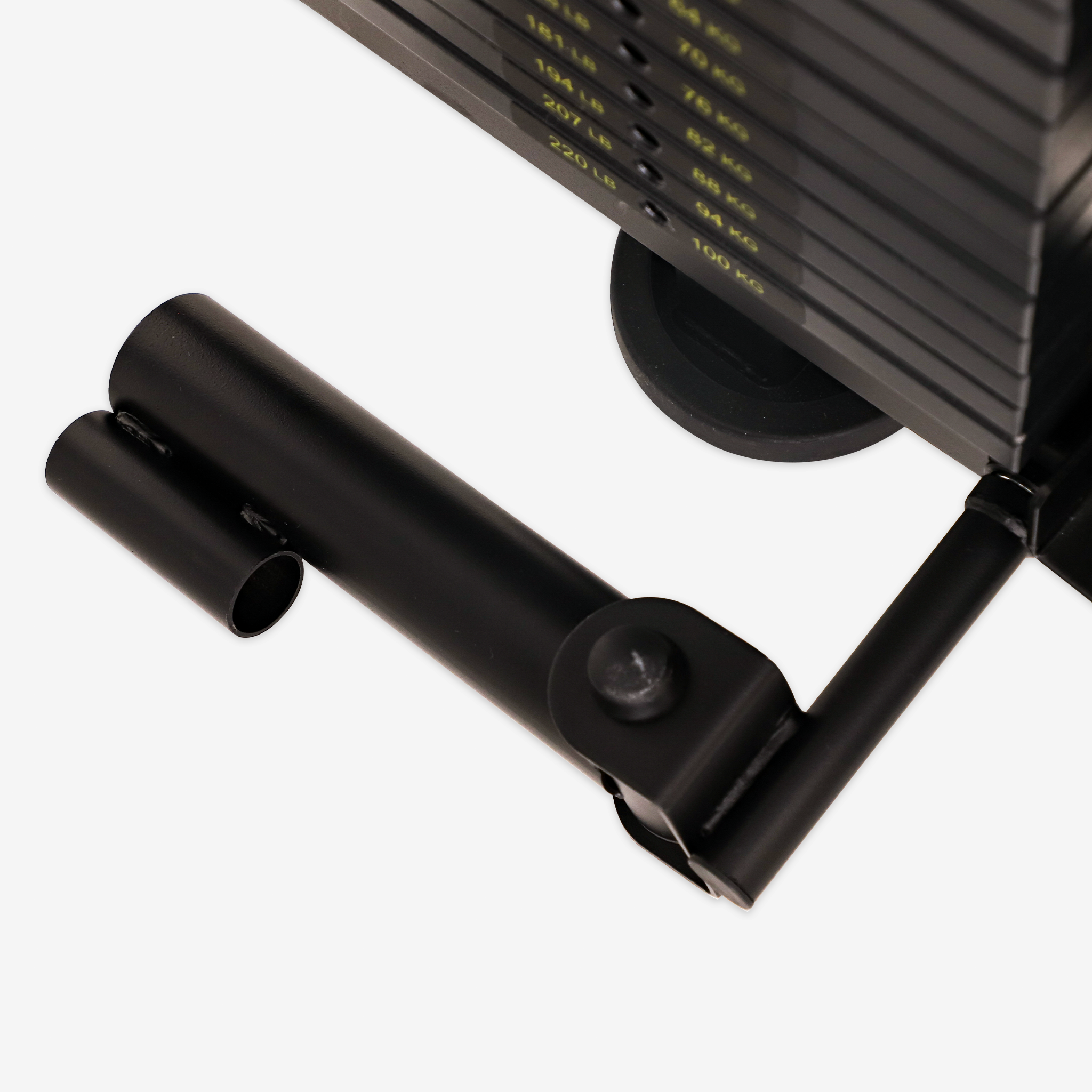
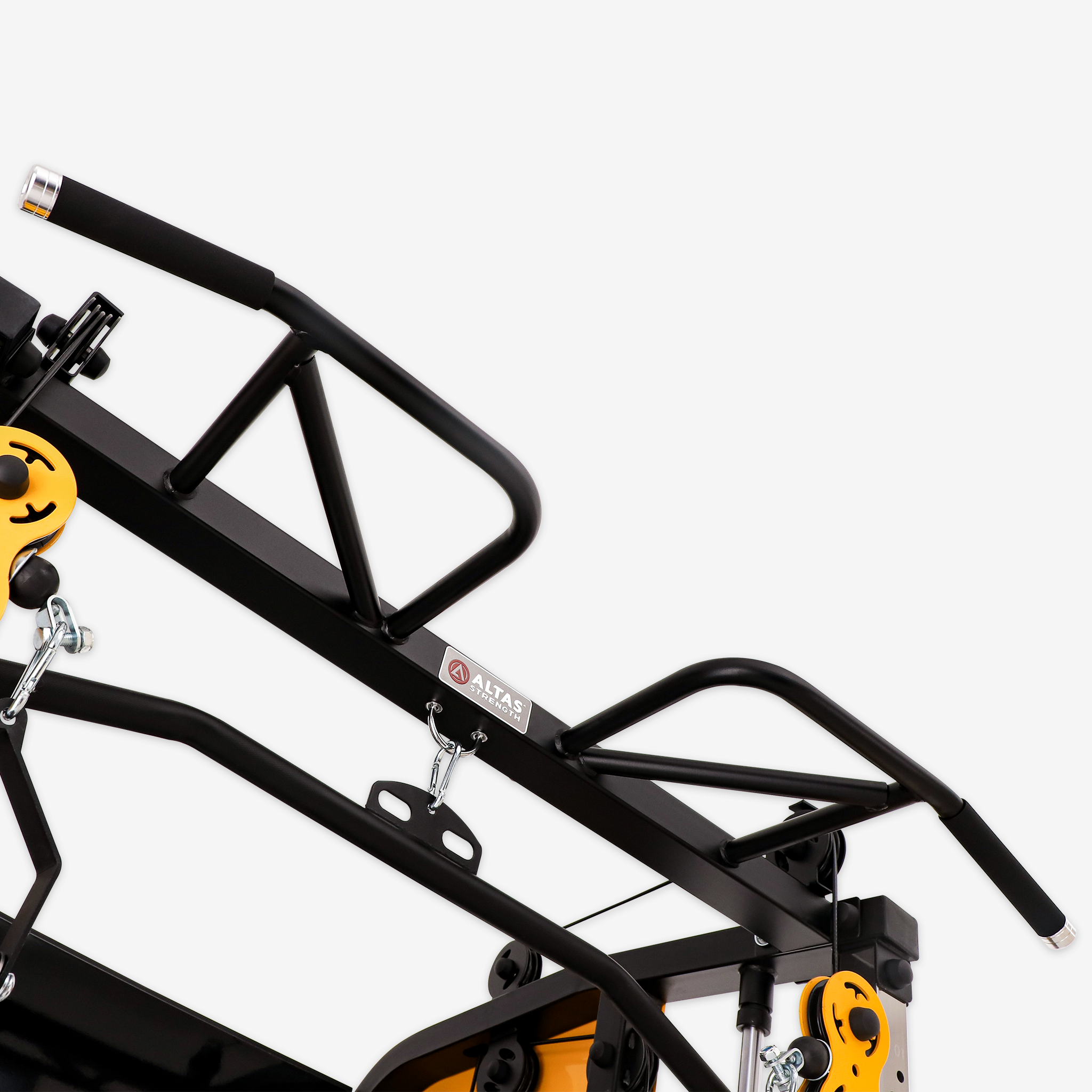
Whether performed on a seated leg curl machine, lying leg curl machine, standing leg curl station, or a home gym Smith machine with leg curl attachment, this exercise helps strengthen the posterior chain while improving knee stability and athletic performance.
What Muscles Do Leg Curls Target?
Primary Muscle Group: Hamstrings
The hamstrings are the main muscles activated during leg curls. This muscle group consists of:
- Biceps Femoris
- Semitendinosus
- Semimembranosus
These muscles are responsible for:
- Knee flexion
- Hip extension
- Sprinting power
- Jumping performance
- Lower-body stability
During a leg curl, the hamstrings contract to pull your heels toward your glutes, making them the primary movers throughout the exercise.
Secondary Muscles Worked During Leg Curls
While hamstrings perform most of the work, several supporting muscles assist the movement.
Calves (Gastrocnemius)
The gastrocnemius crosses both the knee and ankle joints. As you bend your knees during leg curls, your calf muscles assist with stabilization and force production.
Glutes
The gluteus maximus helps stabilize the hips and pelvis during the movement. Although leg curls are not considered a glute-focused exercise, the glutes contribute to maintaining proper body position.
Core Muscles
Your abdominal and lower back muscles engage to keep your torso stable and prevent unwanted movement, especially during standing leg curls.
Knee Stabilizers
Smaller muscles and connective tissues around the knee joint help maintain alignment and control throughout the exercise.
Why Are Leg Curls Important?
Many gym-goers focus heavily on squats, leg presses, and lunges, which often emphasize the quadriceps. This can create muscle imbalances if hamstrings are neglected.
Adding leg curls to your training routine helps:
Improve Muscle Balance
Balanced hamstring and quadriceps development reduces stress on the knees and improves overall lower-body symmetry.
Reduce Injury Risk
Strong hamstrings help protect the ACL and other knee ligaments, making leg curls valuable for athletes and recreational lifters alike.
Increase Athletic Performance
Powerful hamstrings contribute to:
- Sprinting speed
- Jumping ability
- Explosive movement
- Change-of-direction performance
Support Bigger Lifts
Stronger hamstrings improve performance in:
- Squats
- Deadlifts
- Romanian deadlifts
- Good mornings
- Hip thrusts
Types of Leg Curls and Their Muscle Focus
Seated Leg Curl
The seated variation places the hips in a flexed position, creating a greater stretch on the hamstrings.
Benefits:
- Excellent hamstring activation
- Comfortable for most users
- Lower back friendly
Lying Leg Curl
Also known as the prone leg curl, this variation is commonly found in commercial gyms.
Benefits:
- Strong contraction of the hamstrings
- Great for building muscle mass
- Popular among bodybuilders
Standing Leg Curl
Performed one leg at a time, standing leg curls improve unilateral strength and muscular balance.
Benefits:
- Corrects left-right imbalances
- Improves stability
- Engages supporting muscles
How to Get Better Hamstring Activation During Leg Curls
To maximize results, focus on proper technique:
Control the Movement
Avoid using momentum. Lift and lower the weight slowly to keep tension on the hamstrings.
Squeeze at the Top
Pause for one second when your heels are closest to your glutes.
Use Full Range of Motion
Fully extend your legs before beginning each repetition.
Don't Lift Too Heavy
Excessive weight often causes poor form and reduced hamstring activation.
Recommended Sets and Reps
Muscle Growth (Hypertrophy)
- 3–4 sets
- 8–15 reps
Strength Development
- 4–5 sets
- 6–10 reps
Endurance Training
- 2–4 sets
- 15–20 reps
Train leg curls 1–2 times per week as part of a balanced leg workout.
Leg Curls vs Leg Extensions
Many people confuse these two isolation exercises.
| Exercise | Primary Muscle Target |
|---|---|
| Leg Curls | Hamstrings |
| Leg Extensions | Quadriceps |
For complete leg development, most trainers recommend including both exercises in your program.
Common Mistakes to Avoid
Using Momentum
Swinging the weight reduces hamstring engagement.
Short Repetitions
Partial reps limit muscle activation and growth.
Arching the Lower Back
Keep your torso stable to avoid unnecessary strain.
Skipping Eccentric Control
Lower the weight slowly to maximize muscle-building stimulus.
Final Thoughts
If you're asking what do leg curls target, the answer is clear: leg curls primarily target the hamstrings while also engaging the calves, glutes, core, and knee stabilizers. They are one of the best exercises for strengthening the back of your legs, improving athletic performance, reducing injury risk, and supporting bigger compound lifts.
Whether you train in a commercial gym or use a home gym setup with a Smith machine and leg curl attachment, adding leg curls to your weekly routine can help build stronger, healthier, and more balanced legs.