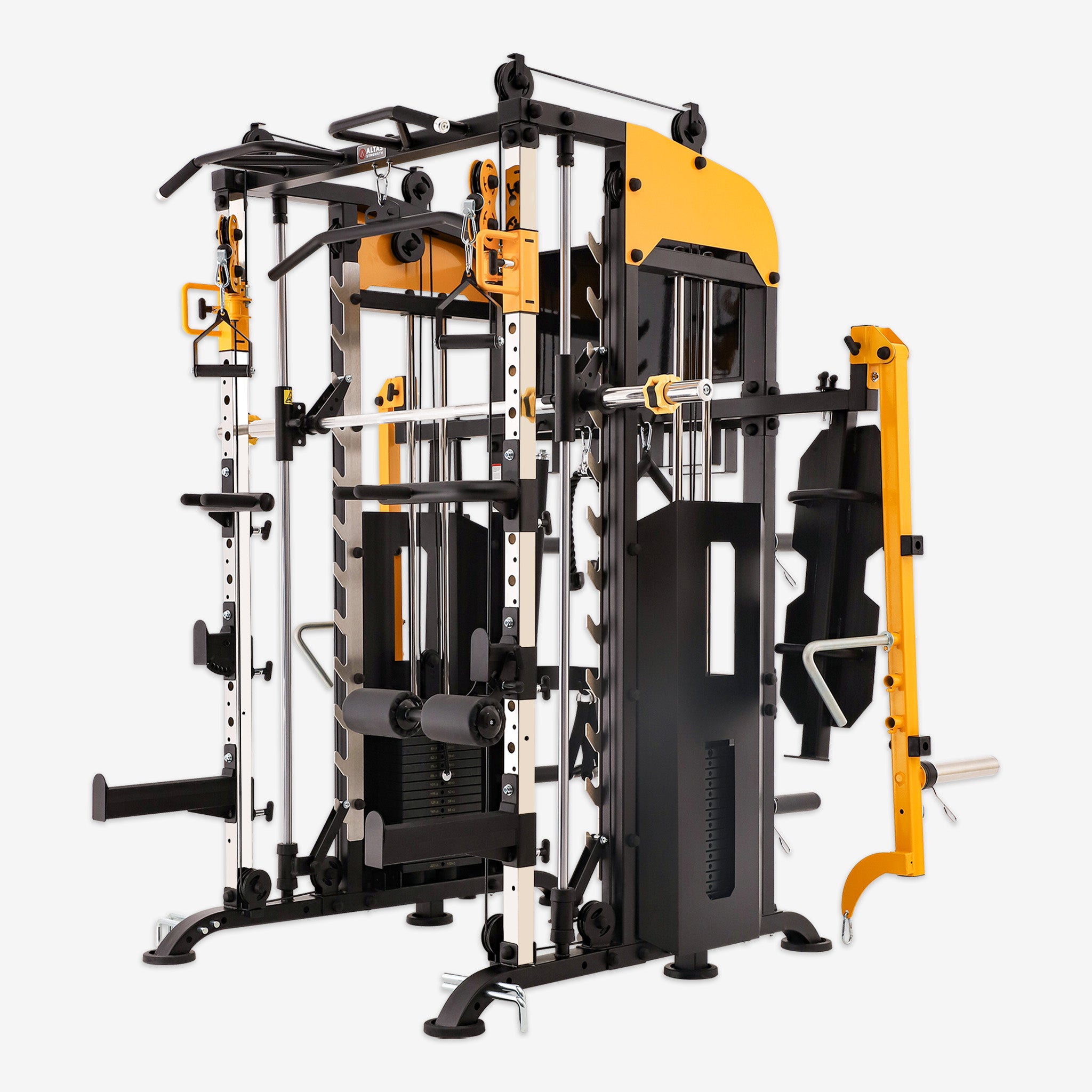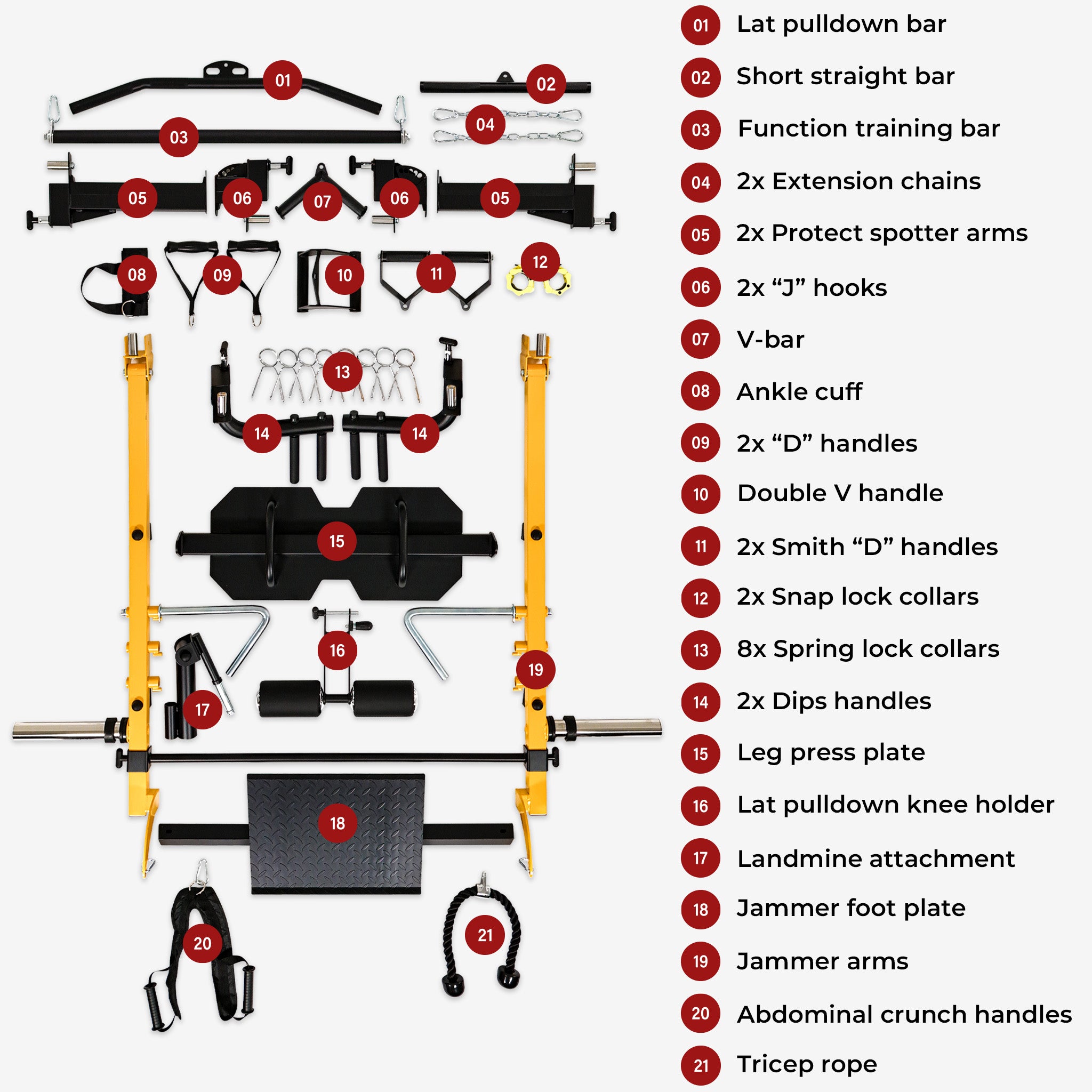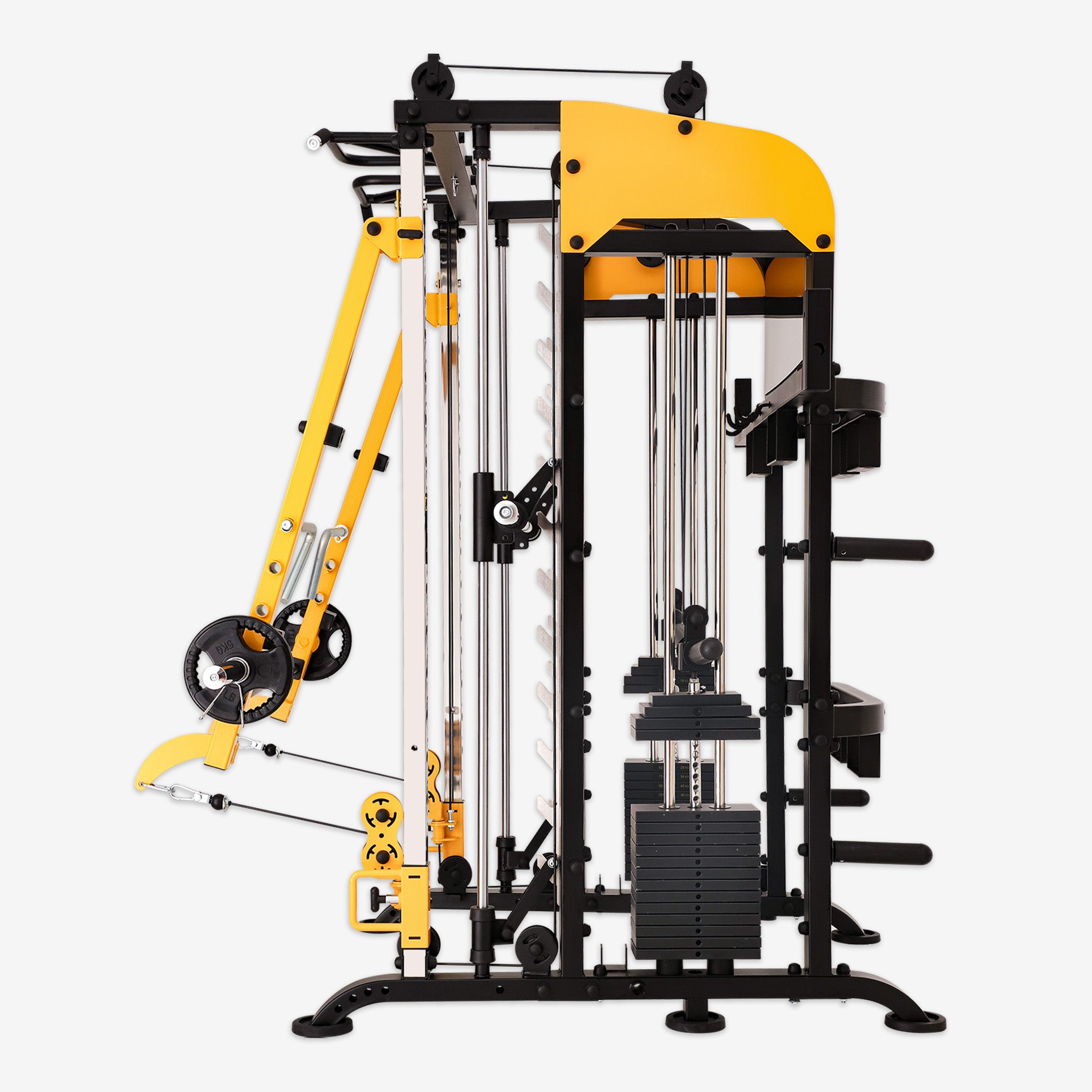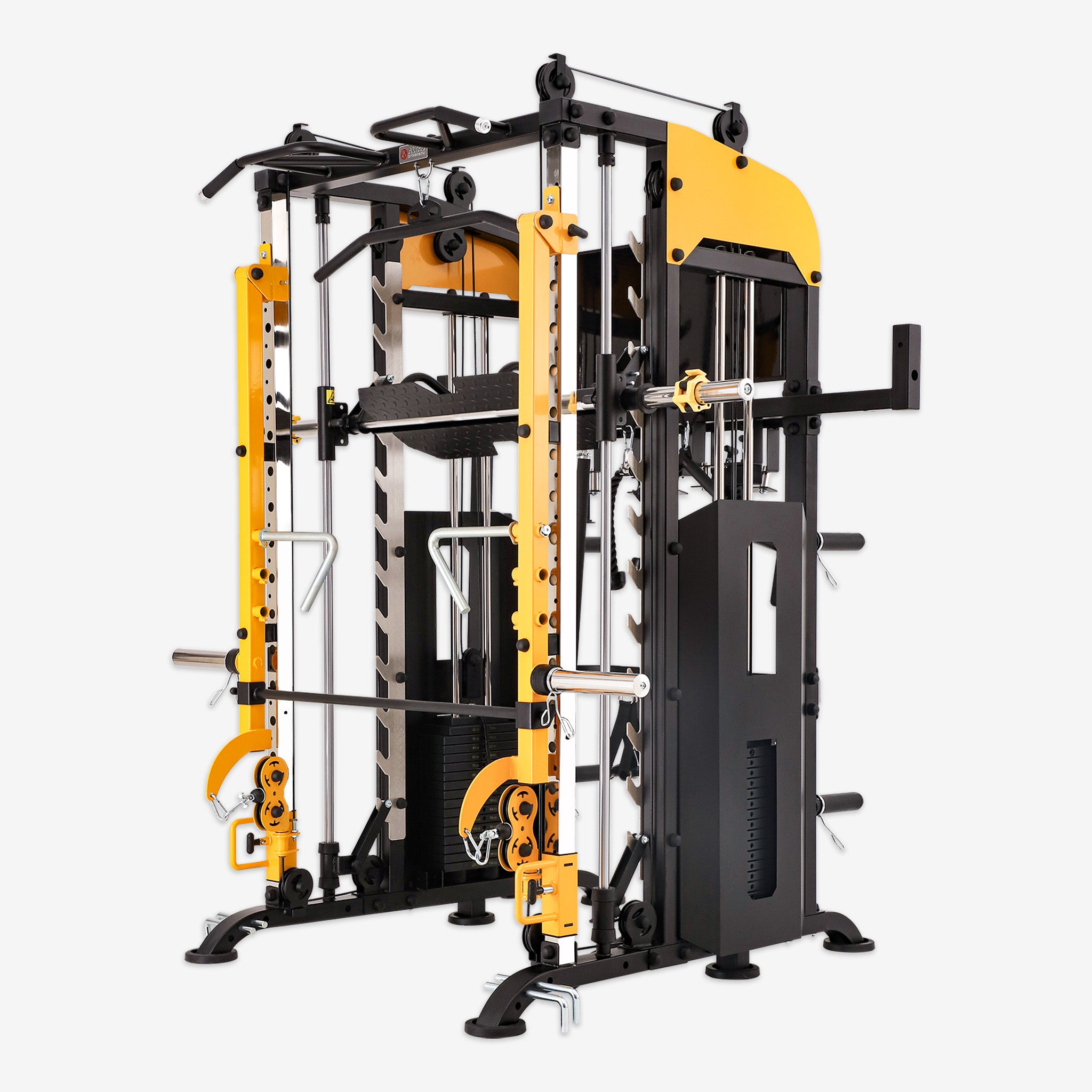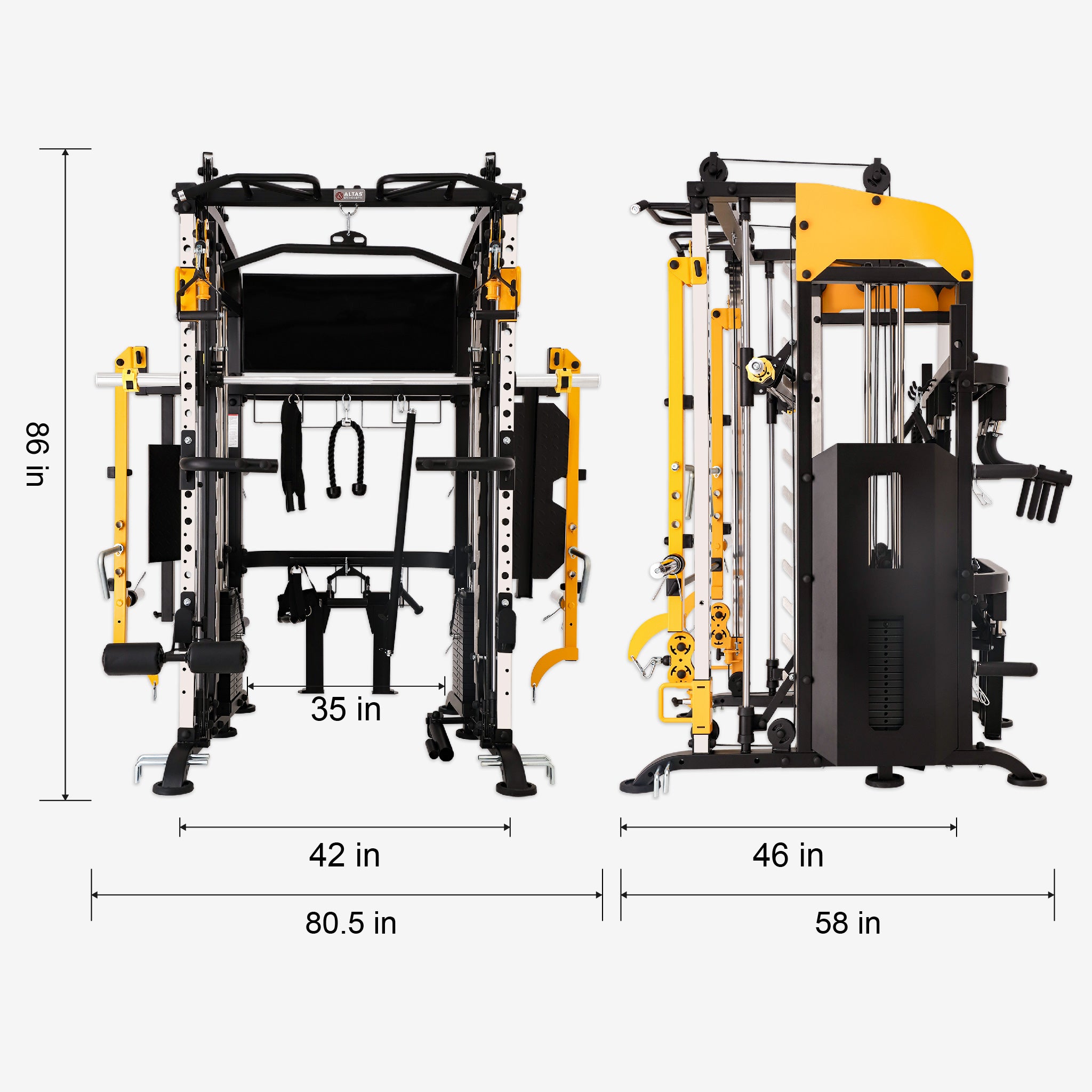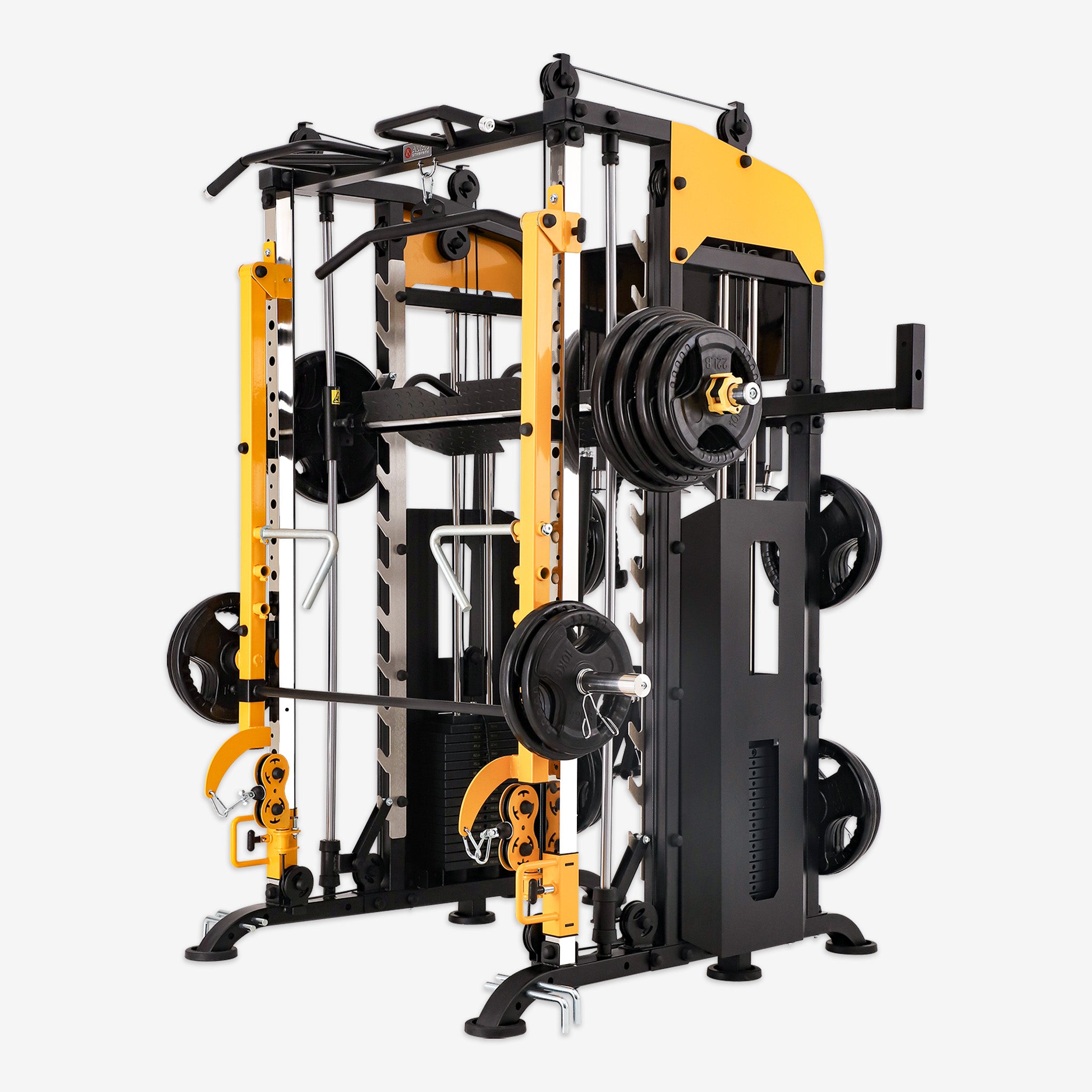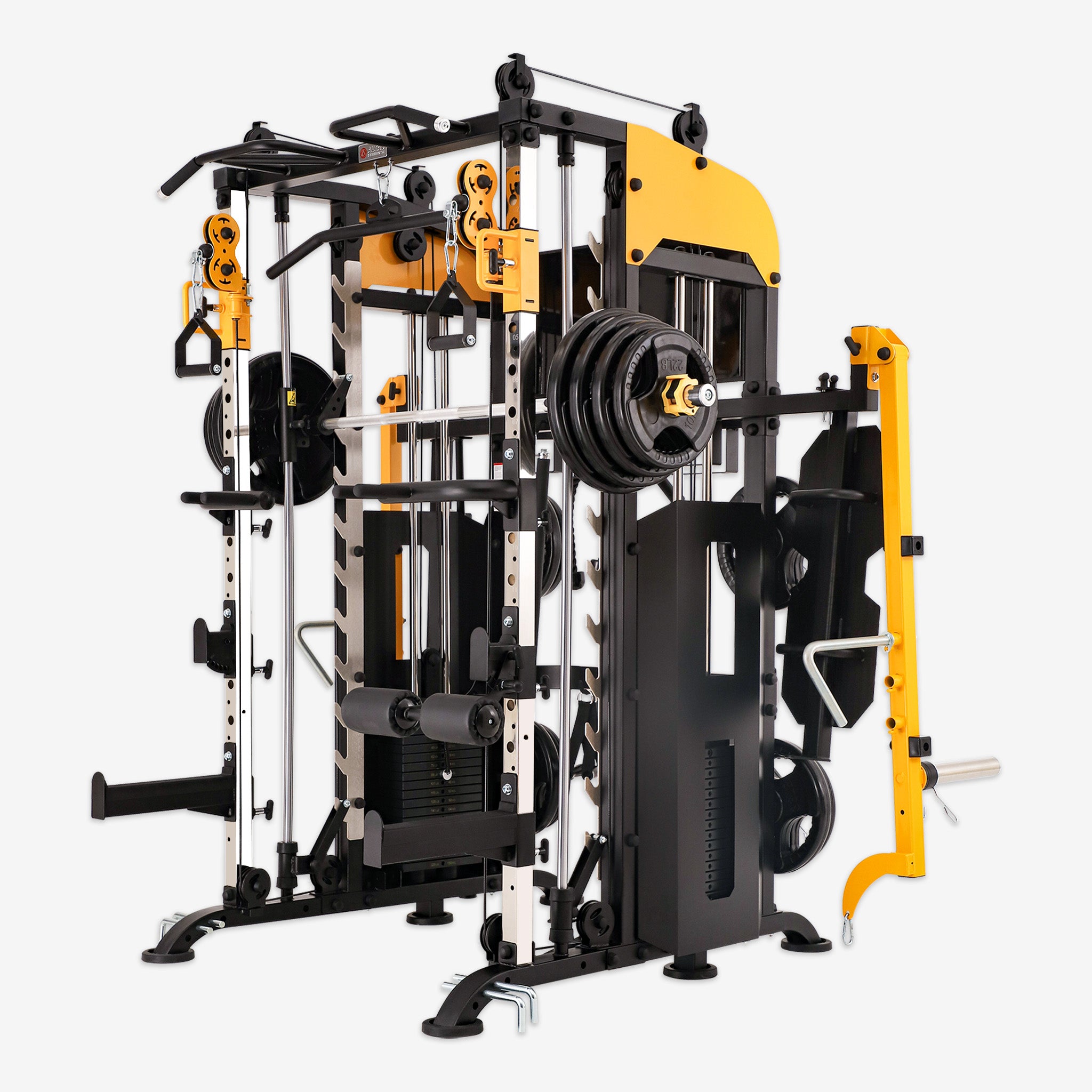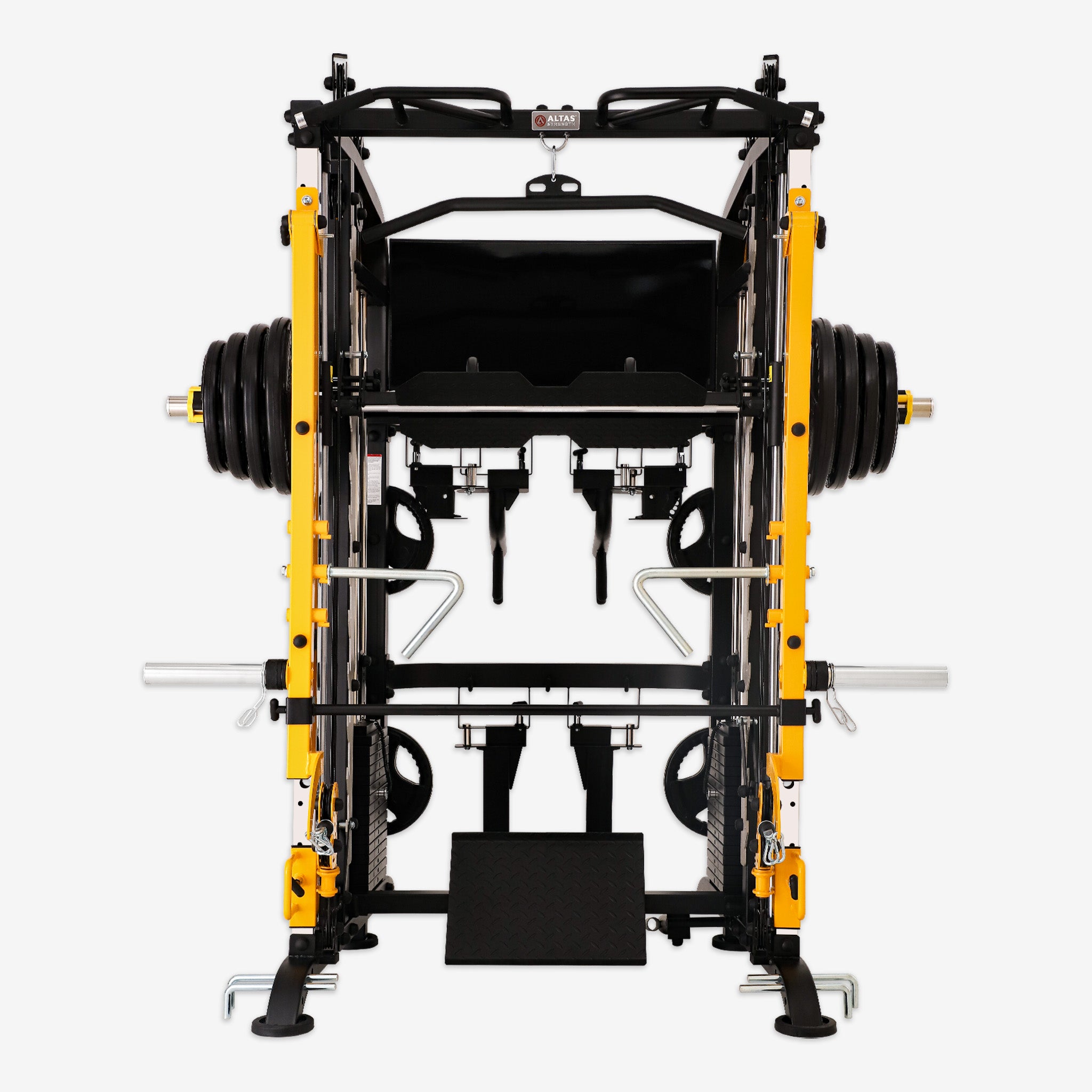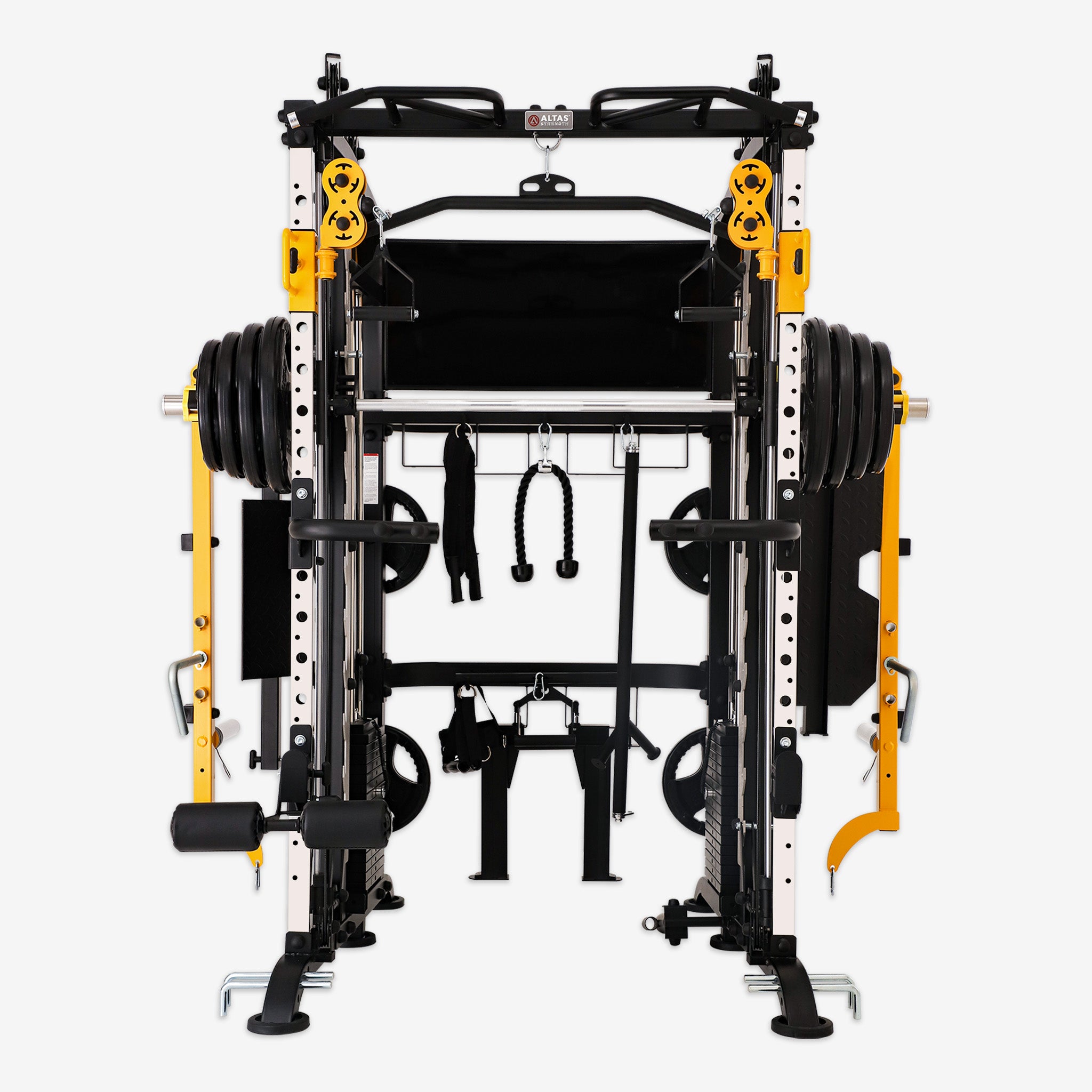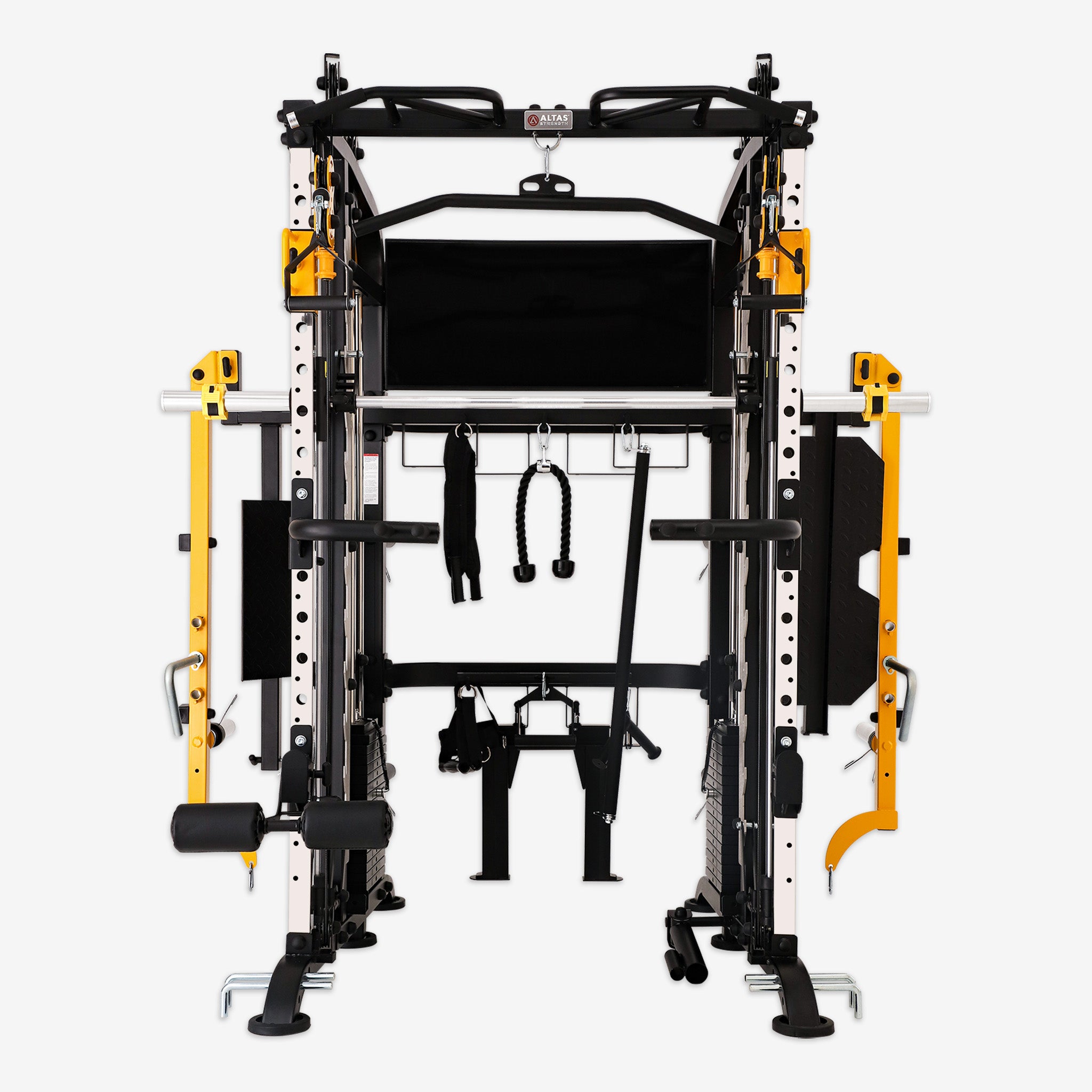
If you want stronger hamstrings, bigger glutes, and safer posterior chain training, the Smith Machine RDL is one of the best exercises you can add to your routine. Whether you’re a beginner learning proper hip hinge mechanics or an experienced lifter looking for more controlled volume work, the Smith Machine RDL offers stability, safety, and excellent muscle activation.
Unlike traditional Romanian deadlifts with free weights, the Smith machine guides the bar on a fixed path. This reduces balance demands and allows you to focus entirely on form, muscle stretch, and controlled movement.
What Is a Smith Machine RDL?
A Smith Machine RDL (Romanian Deadlift) is a variation of the Romanian deadlift performed on a Smith machine instead of with a free barbell.
The movement focuses on:
- Hip hinging
- Hamstring stretch
- Glute activation
- Posterior chain development
Because the Smith machine stabilizes the bar, the exercise becomes easier to control, especially for:
- beginners
- solo lifters
- home gym users
- people recovering from mild back strain
Muscles Worked in Smith Machine RDL
The Smith Machine RDL primarily targets the posterior chain muscles:
Main Muscles Worked
- Hamstrings
- Glutes
- Lower back (erector spinae)
- Adductors
Secondary Muscles
- Core stabilizers
- Upper back
- Rear delts
- Forearms/grip muscles
Compared to squats, the Smith Machine RDL places much more emphasis on hamstrings and glutes while minimizing quad dominance.
How to Do a Smith Machine RDL Properly
Correct form is essential for maximizing muscle growth and protecting your lower back.
Step 1: Set Up the Smith Machine
- Position the bar around hip height
- Stand with feet shoulder-width apart
- Grip the bar just outside your thighs
- Keep chest up and core tight
Your spine should remain neutral throughout the entire movement.
Step 2: Start the Hip Hinge
Instead of squatting down:
- push your hips backward
- keep knees slightly bent
- maintain a flat back
The movement should come from the hips, not the knees.
Step 3: Lower the Bar Slowly
Let the Smith machine bar slide close to your thighs and shins.
Lower until:
- you feel a strong hamstring stretch
- your back stays neutral
- your hips stop moving backward naturally
For most people, this is around mid-shin level.
Step 4: Drive Back Up
Push your hips forward and squeeze your glutes to return to standing.
Avoid:
- jerking the weight
- swinging upward
- rounding the lower back
Control every rep from start to finish.
Benefits of Smith Machine RDL
1. More Stability & Safety
The guided track keeps the bar stable throughout the movement.
This makes the Smith Machine RDL ideal for:
- solo training
- home gyms
- beginners learning deadlift mechanics
You can also lock the bar instantly if fatigue sets in.
2. Easier to Learn Proper Form
Many lifters struggle with balance during free-weight RDLs.
The Smith Machine RDL simplifies the movement by:
- controlling the bar path
- reducing wobble
- reinforcing proper hip hinge mechanics
3. Better Hamstring Isolation
Because stability demands are reduced, you can focus more directly on:
- hamstring tension
- glute contraction
- slow eccentric control
This often leads to stronger muscle activation.
4. Lower Back Friendly
The fixed path can reduce uneven stress on the lumbar spine.
For lifters with mild lower back sensitivity, the Smith Machine RDL often feels:
- safer
- smoother
- easier to recover from
5. Excellent for Progressive Overload
The controlled setup makes adding weight simple and safe.
You can gradually increase resistance while maintaining:
- stable technique
- consistent reps
- controlled tempo
Smith Machine RDL vs Free Weight RDL
Smith Machine RDL
Pros
- safer for beginners
- easier form control
- reduced balance stress
- great for muscle isolation
Cons
- less stabilizer activation
- slightly less functional movement pattern
Free Weight RDL
Pros
- trains full-body stability
- improves athletic coordination
- more natural movement freedom
Cons
- harder to master
- greater injury risk with poor form
- requires more balance and control
Both versions are effective and can work well together in the same program.
Common Smith Machine RDL Mistakes
Turning It Into a Squat
Bending the knees too much removes tension from the hamstrings.
Keep knees soft, not deeply bent.
Rounding the Lower Back
This places unnecessary stress on the spine.
Always maintain:
- neutral spine
- tight core
- chest up position
Letting the Bar Drift Forward
The bar should stay close to your body the entire time.
Going Too Low
Lowering too far can overstretch the hamstrings and compromise form.
Only go as low as your mobility allows while maintaining spinal alignment.
Who Should Use Smith Machine RDL?
The Smith Machine RDL is excellent for:
- beginners learning deadlift mechanics
- home gym users
- people training alone
- bodybuilders targeting hamstring growth
- lifters managing mild lower back discomfort
- intermediate lifters adding posterior chain volume
Final Thoughts
The Smith Machine RDL is one of the most effective exercises for building hamstrings, glutes, and posterior chain strength in a controlled and beginner-friendly way.
Its guided movement pattern improves safety, simplifies technique, and allows focused muscle training without the instability of free weights.
Whether your goal is:
- muscle growth
- better posture
- stronger deadlift mechanics
- or safer home gym training
the Smith Machine RDL deserves a place in your workout routine.