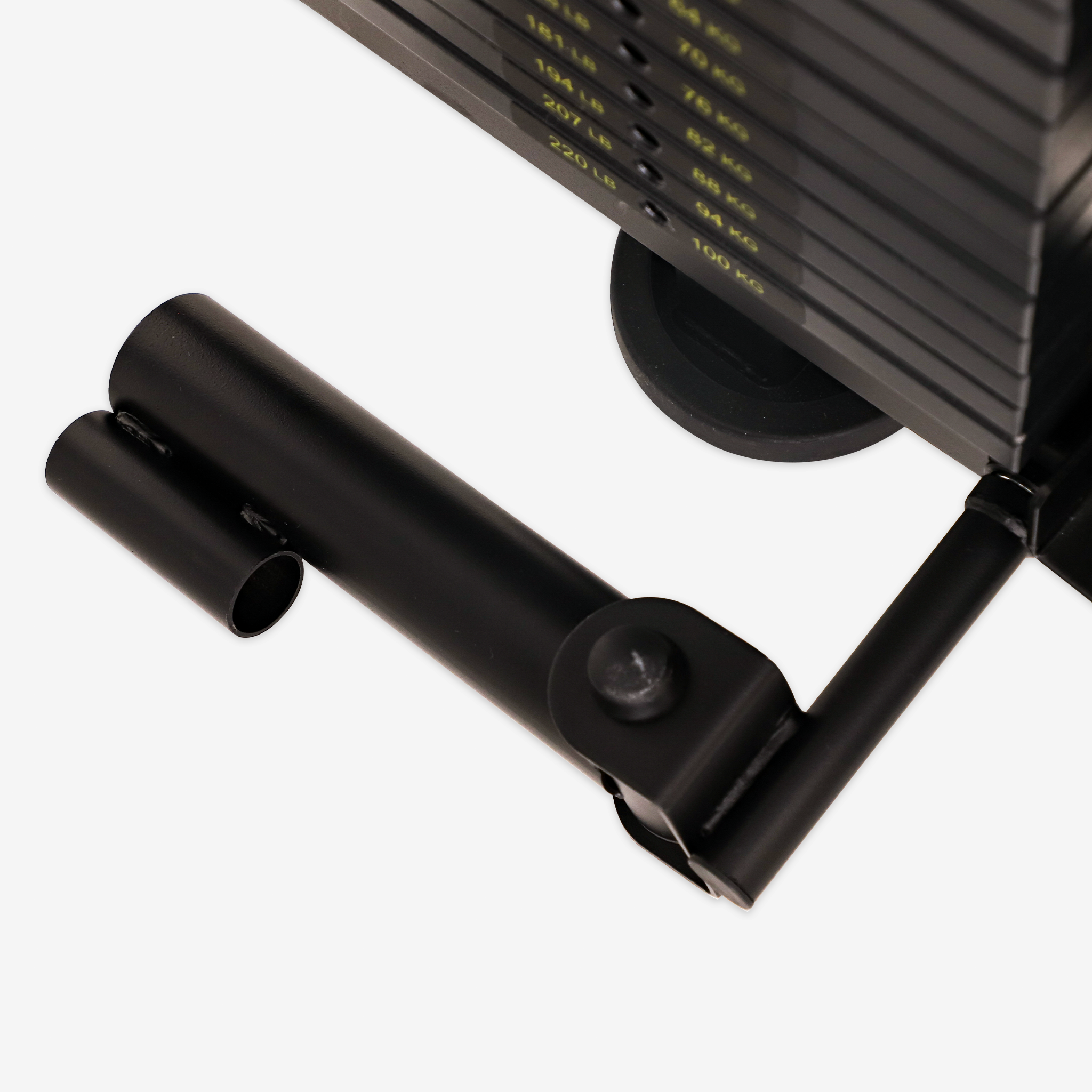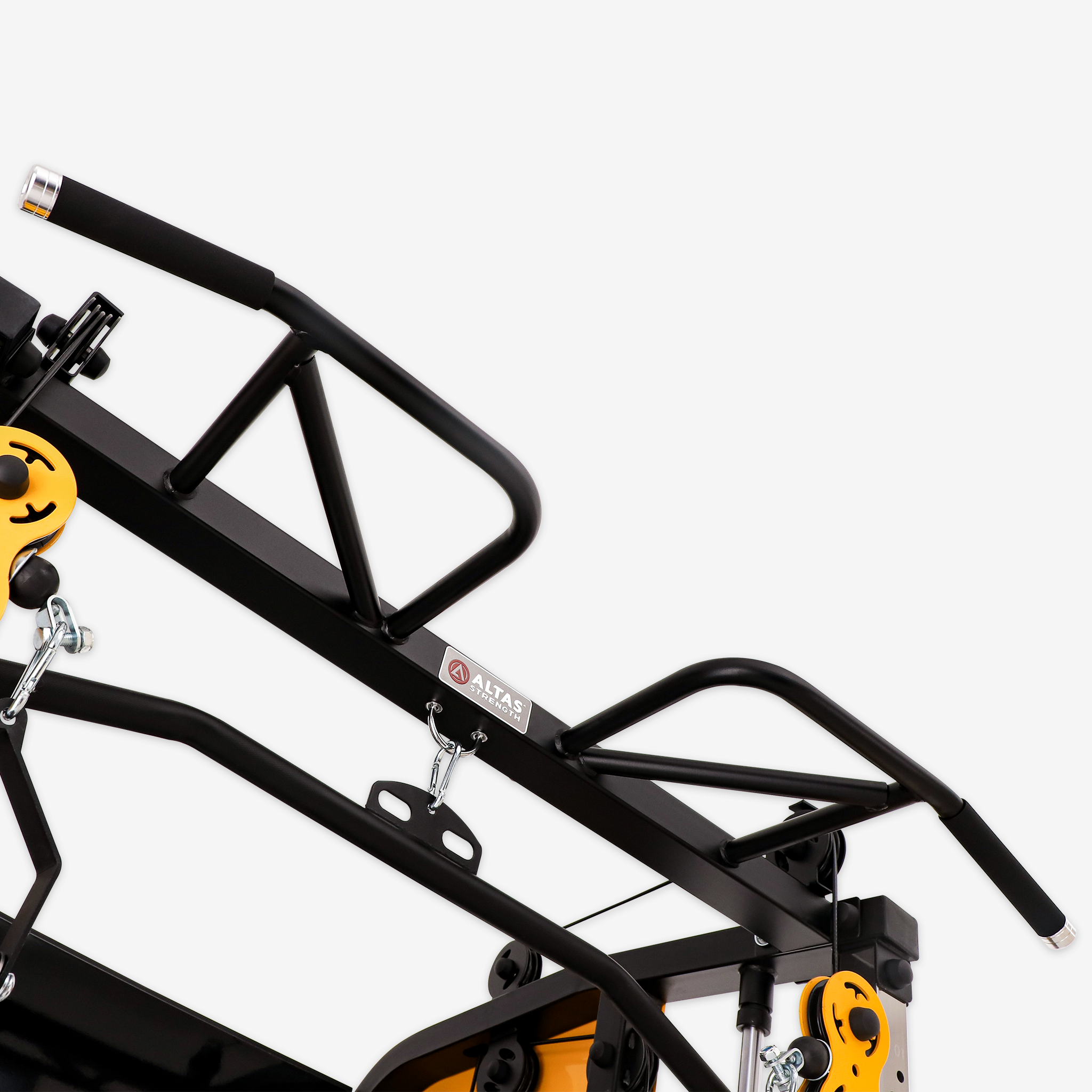
When it comes to chest training, one debate never disappears: smith machine vs bench press. Both exercises target the chest, shoulders, and triceps, but they feel very different and produce different training results.
Some lifters prefer the stability and safety of the Smith machine, while others swear by the raw strength benefits of the traditional free-weight bench press. The right choice depends on your experience level, fitness goals, training style, and gym setup.
In this guide, we’ll break down the key differences between the smith machine vs bench press, including muscle activation, safety, progression, pros and cons, and which option may work best for you.
What Is a Smith Machine Bench Press?
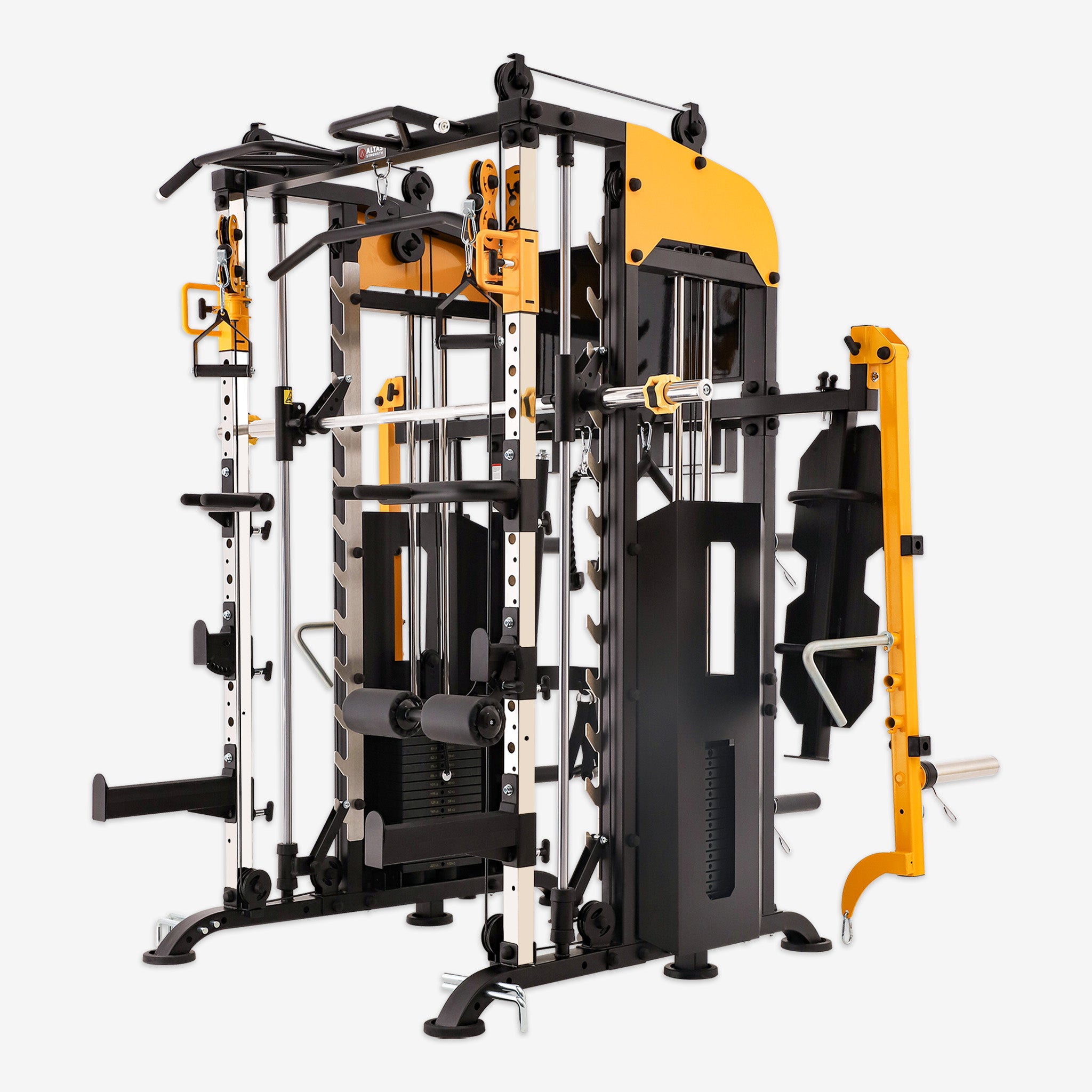
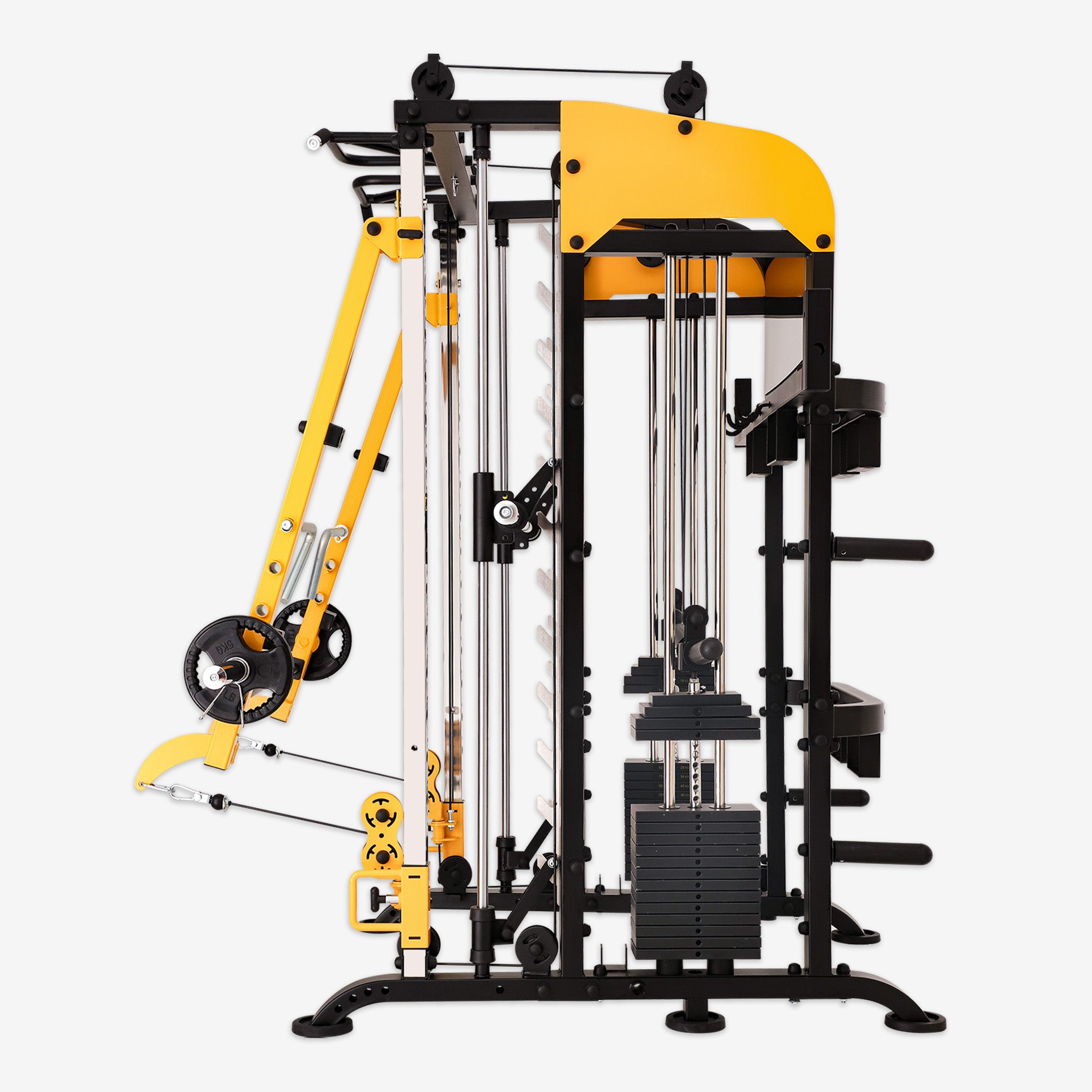
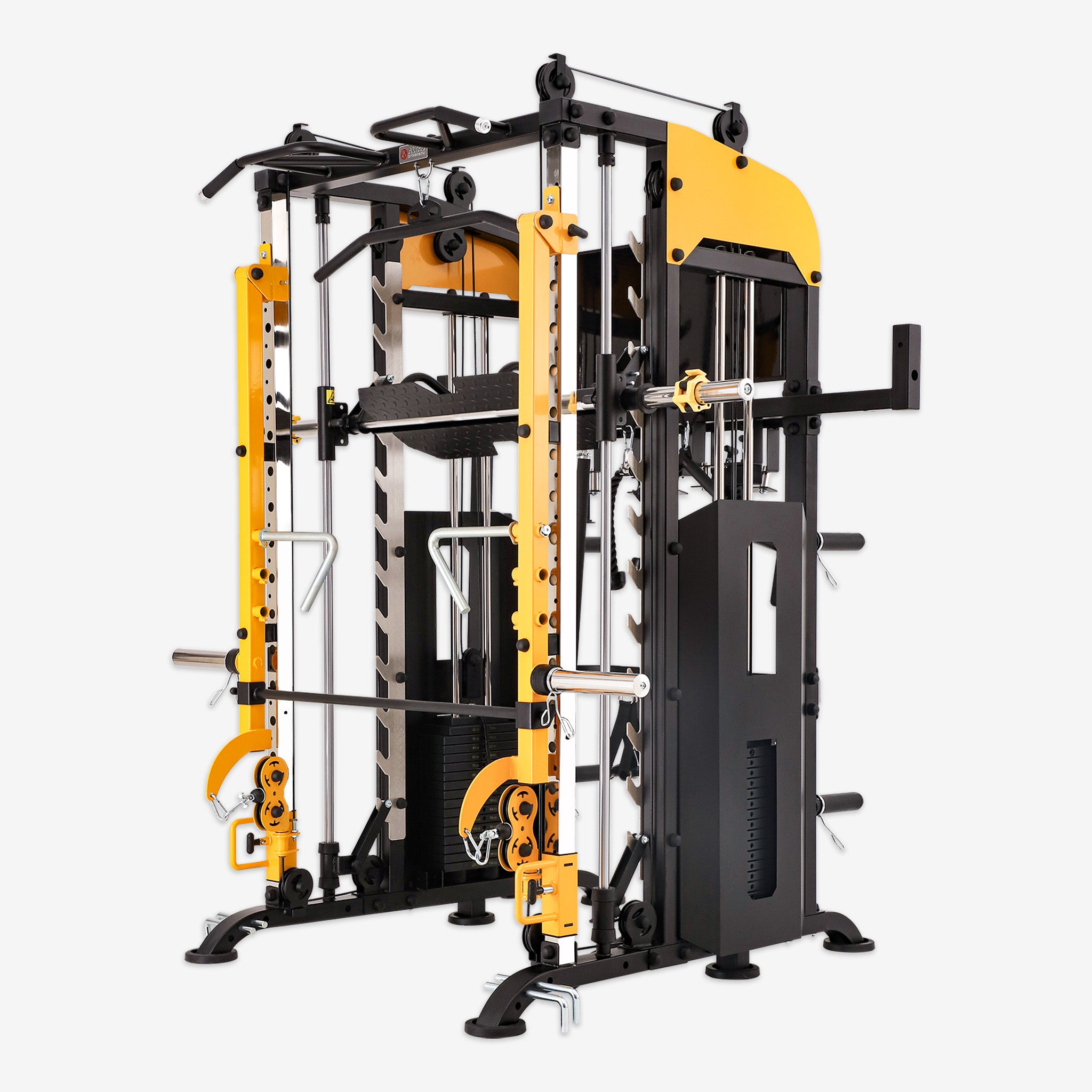
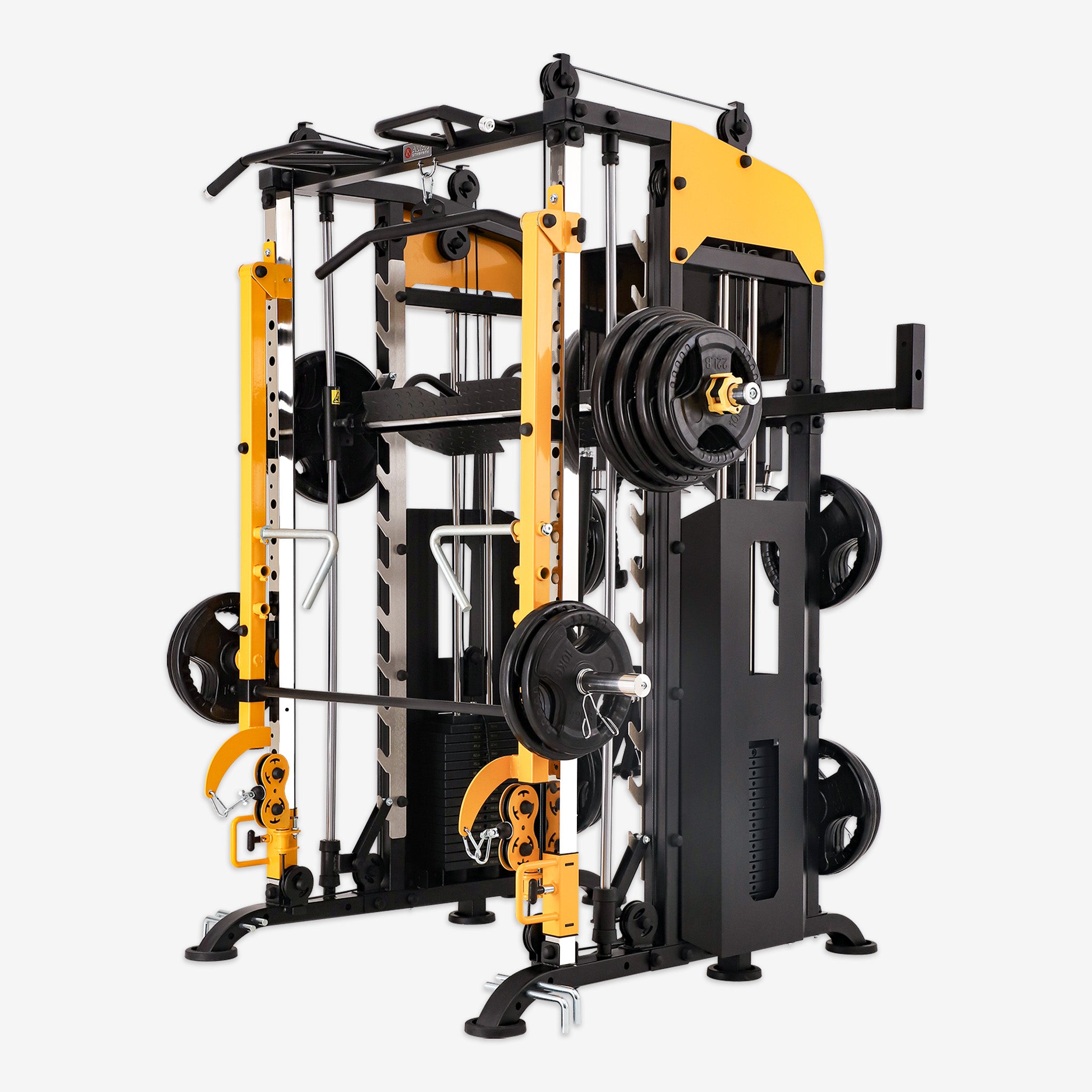
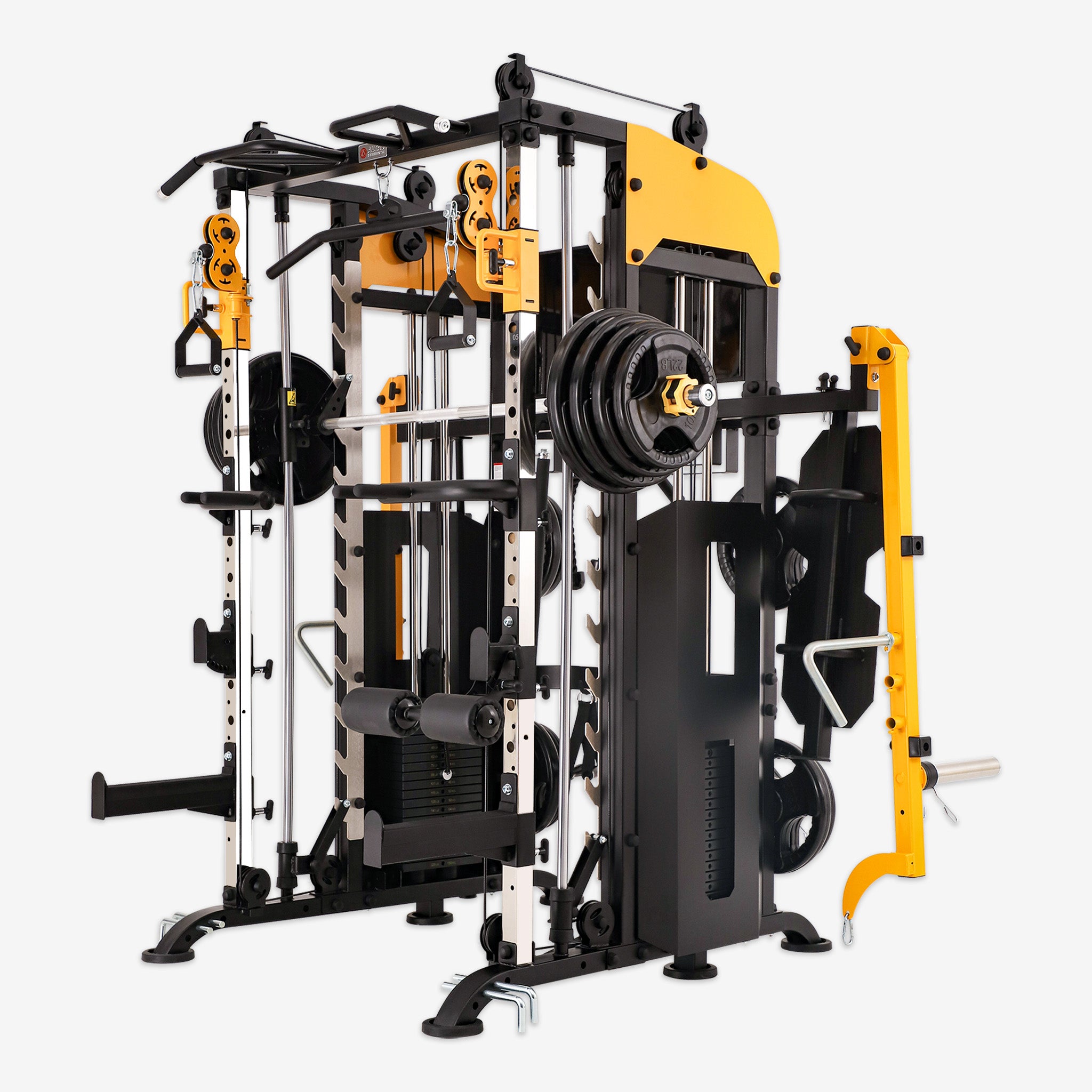
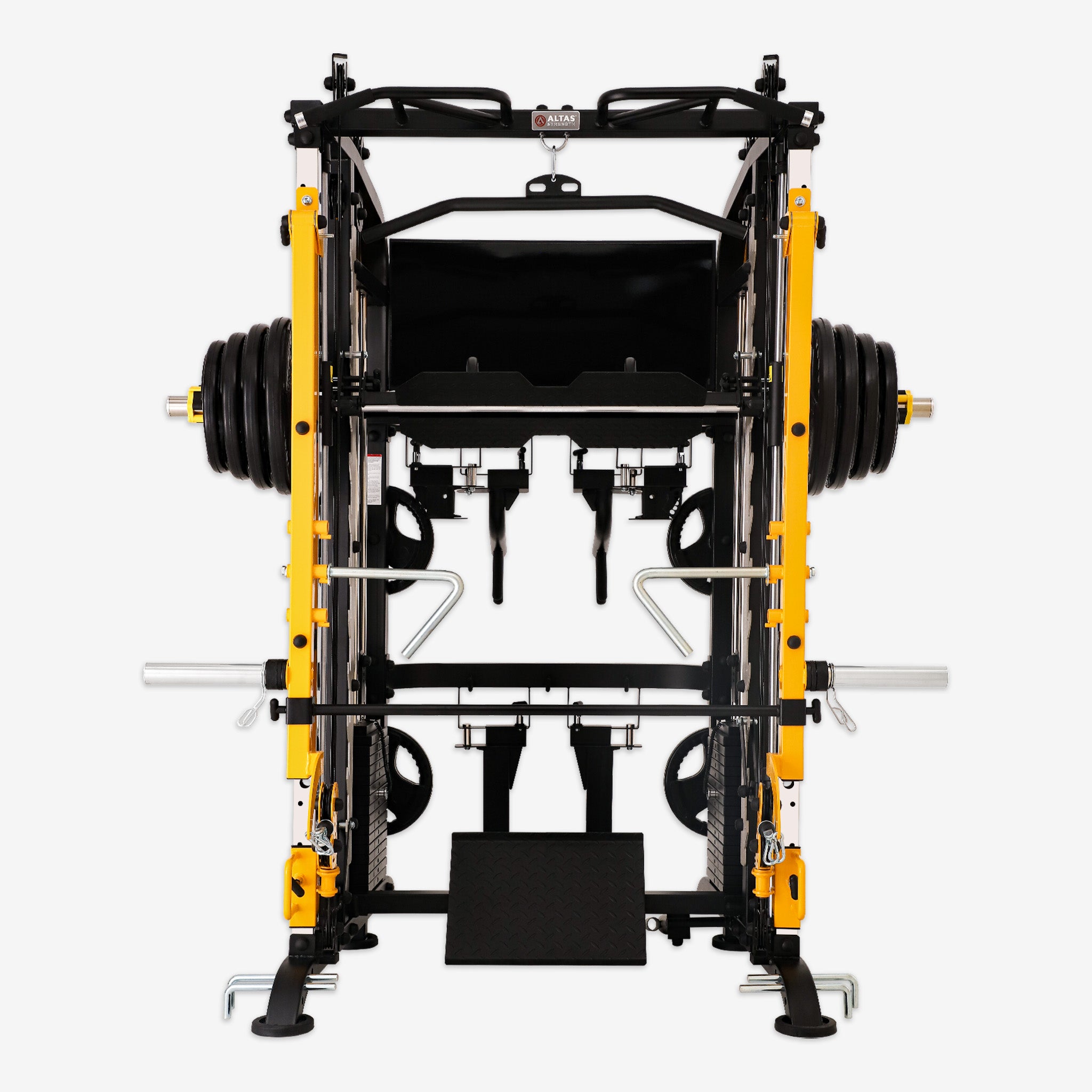
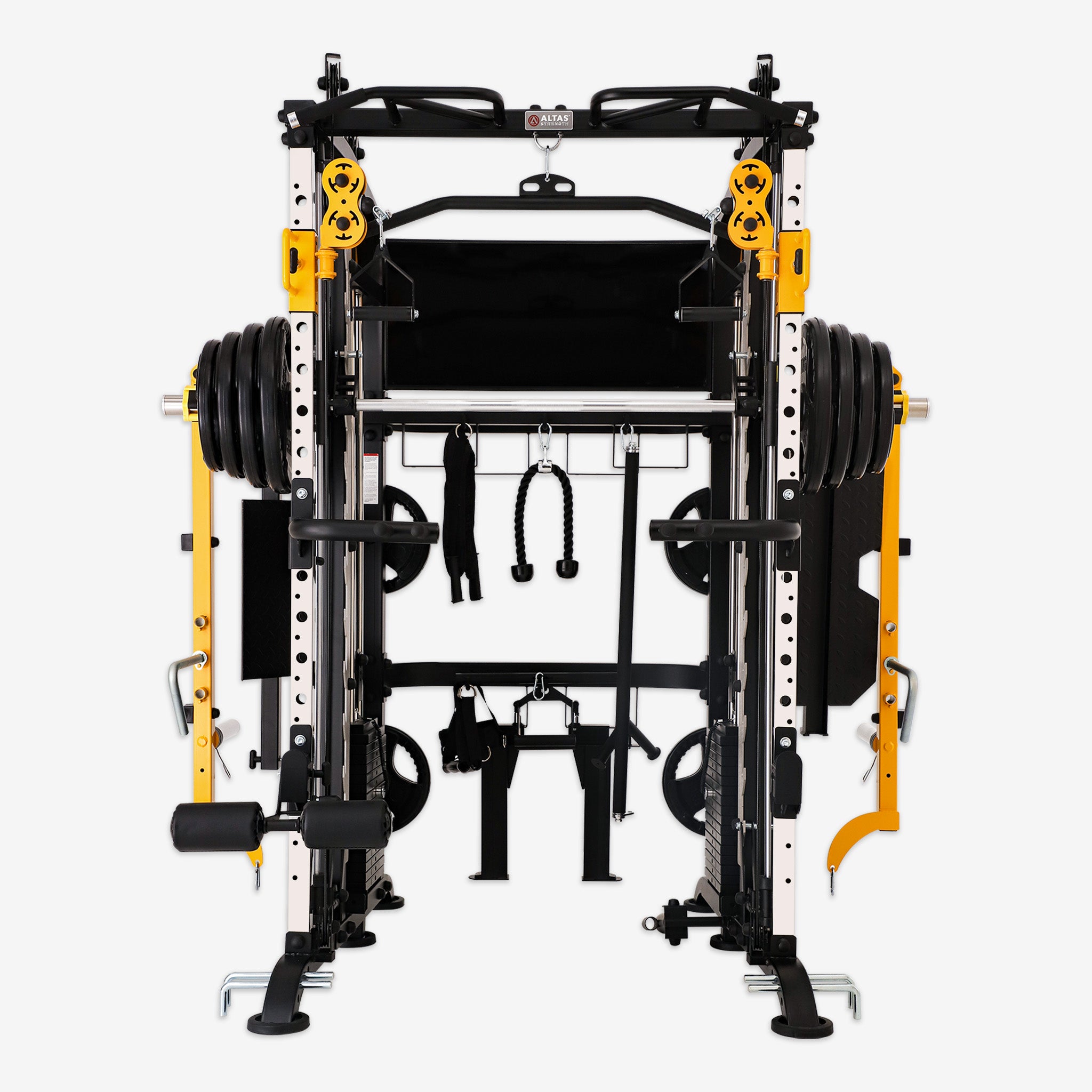
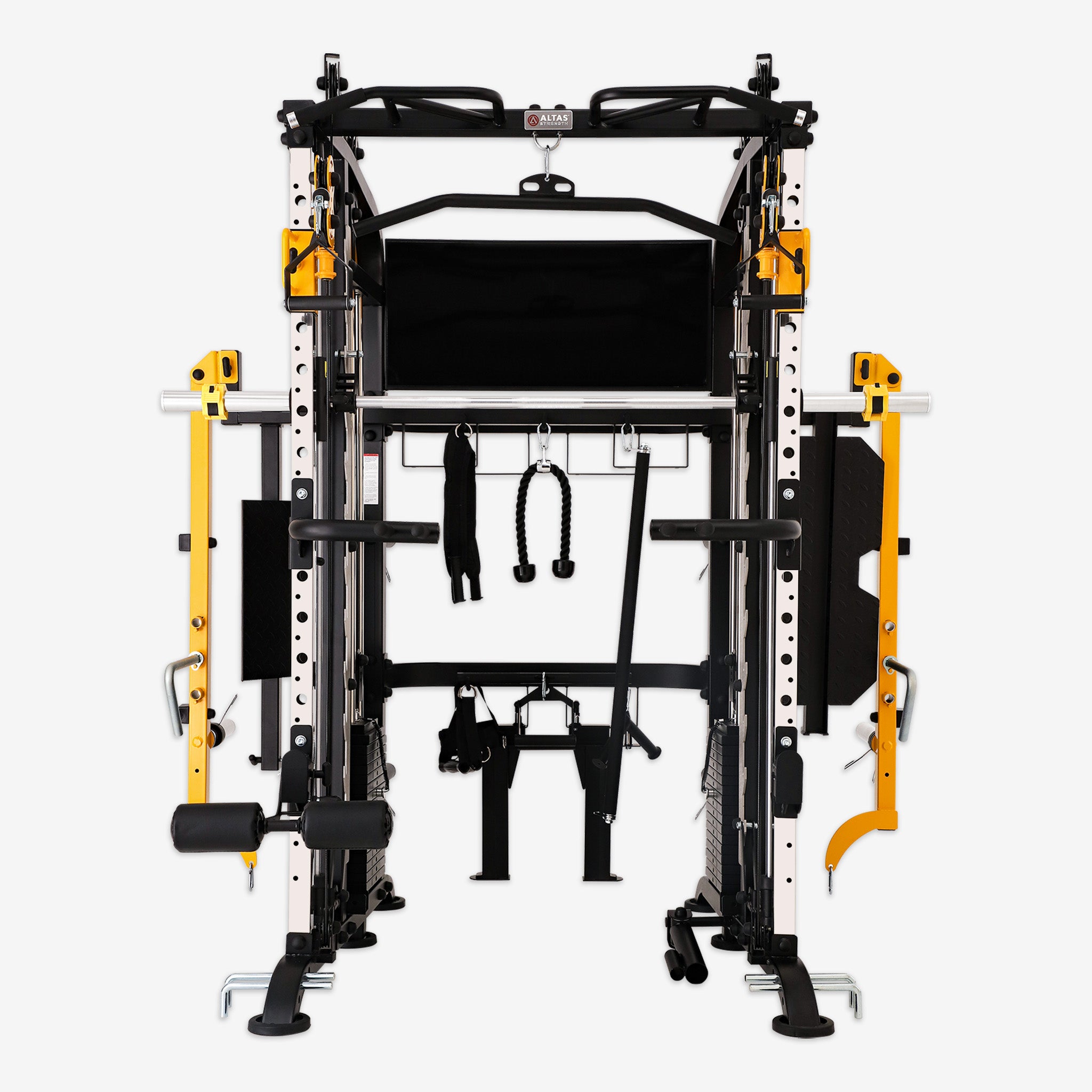
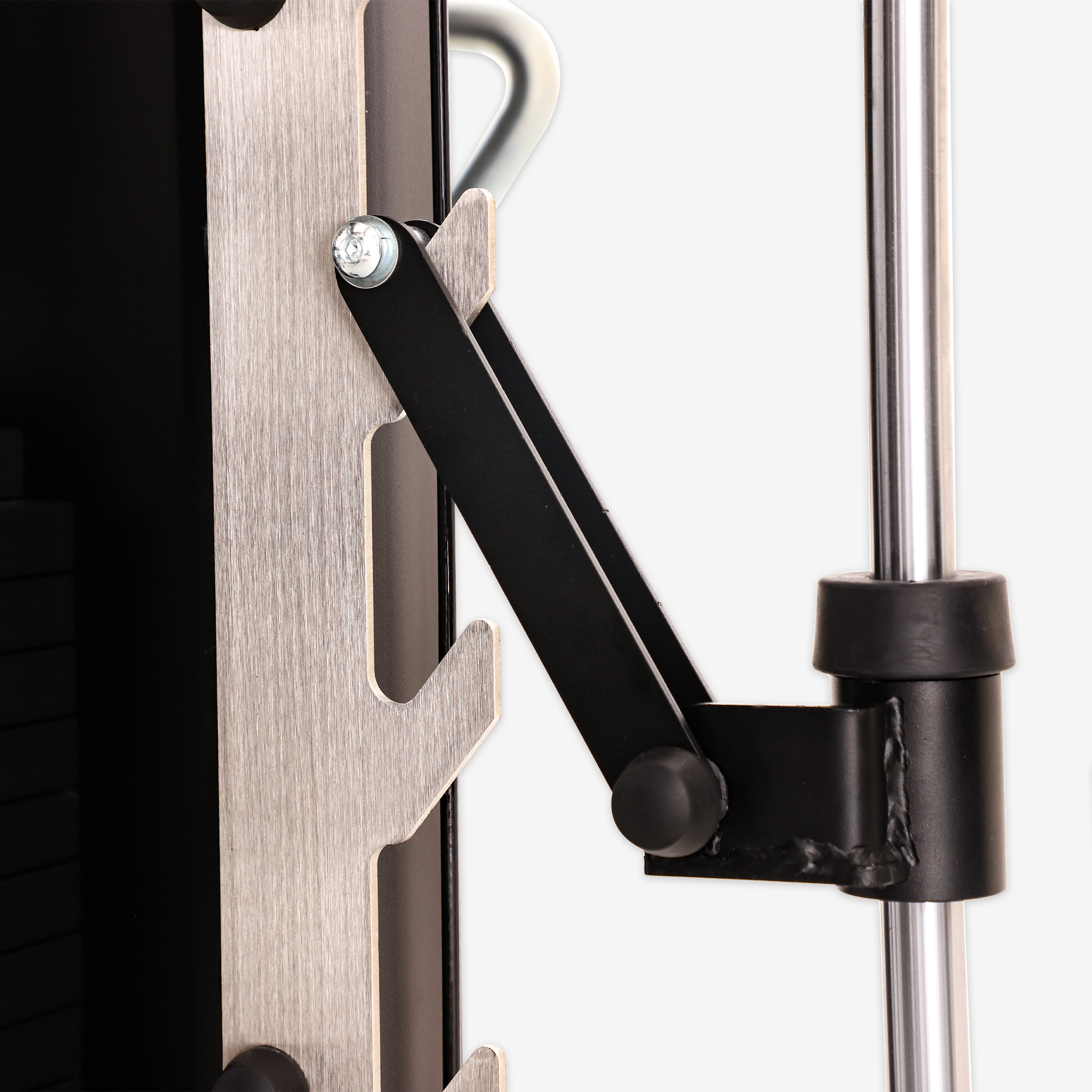
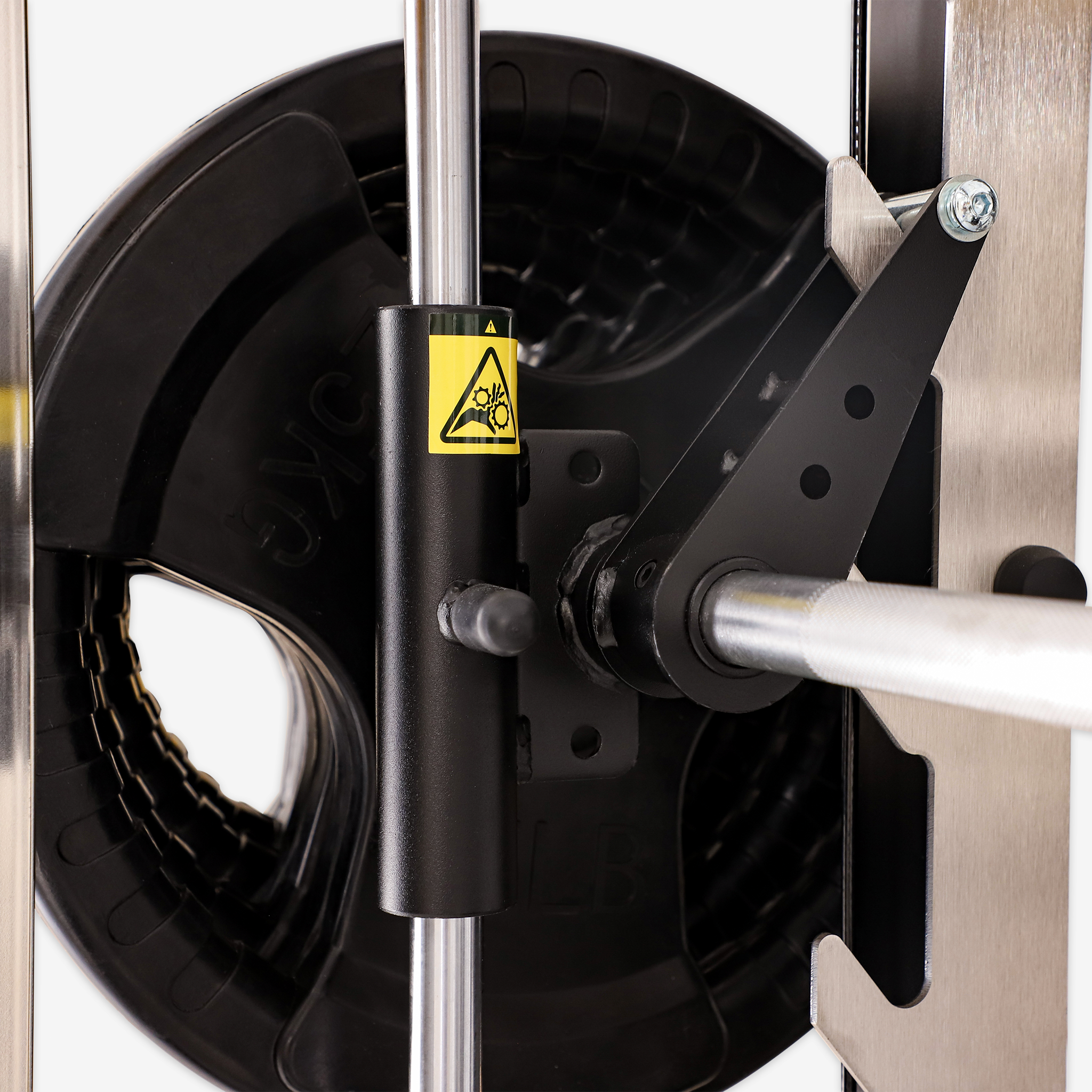
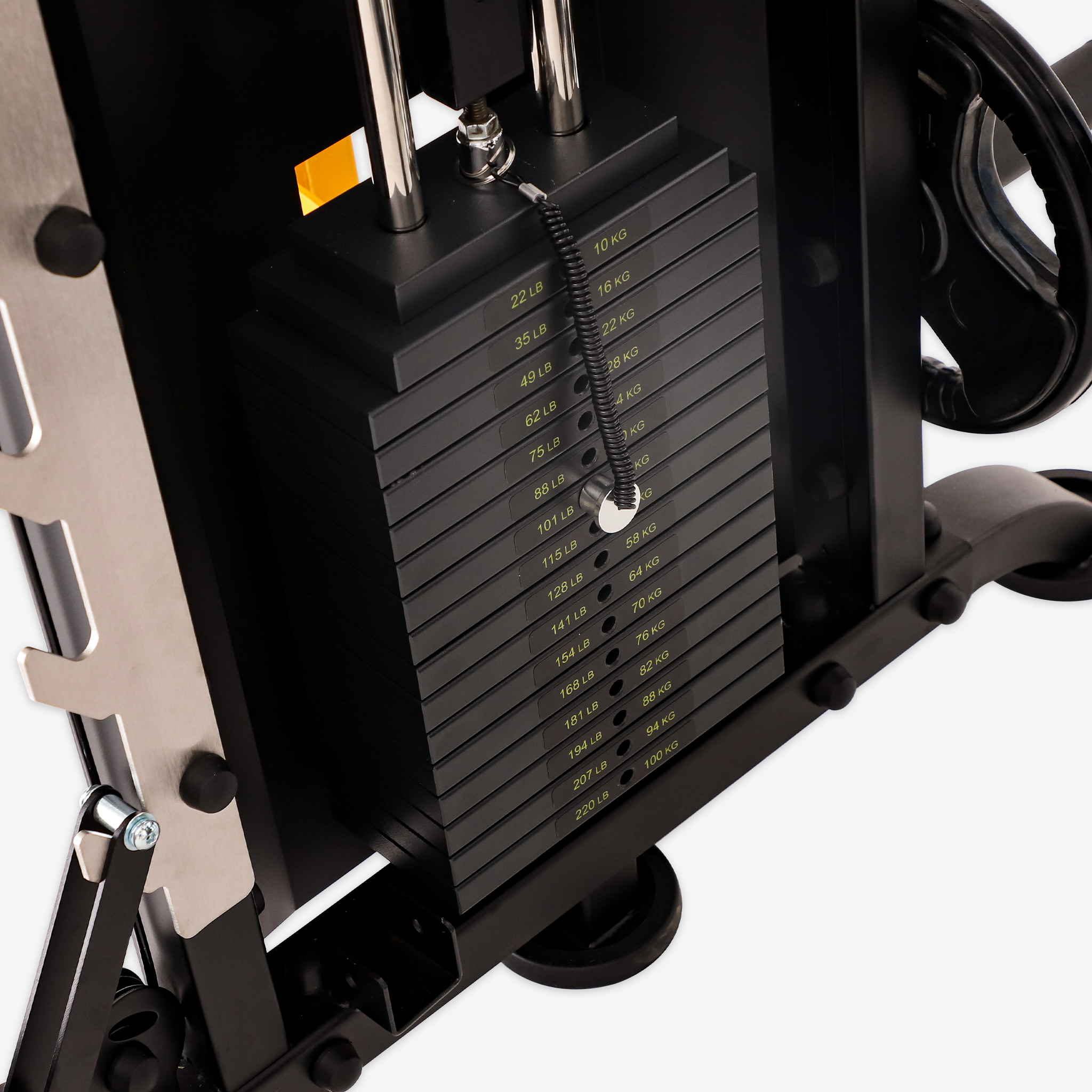
A Smith machine bench press is performed using a bar attached to fixed vertical rails. The machine guides the bar path, allowing only up-and-down movement.
Because the bar is stabilized by the machine:
- balancing is easier
- movement feels more controlled
- solo training becomes safer
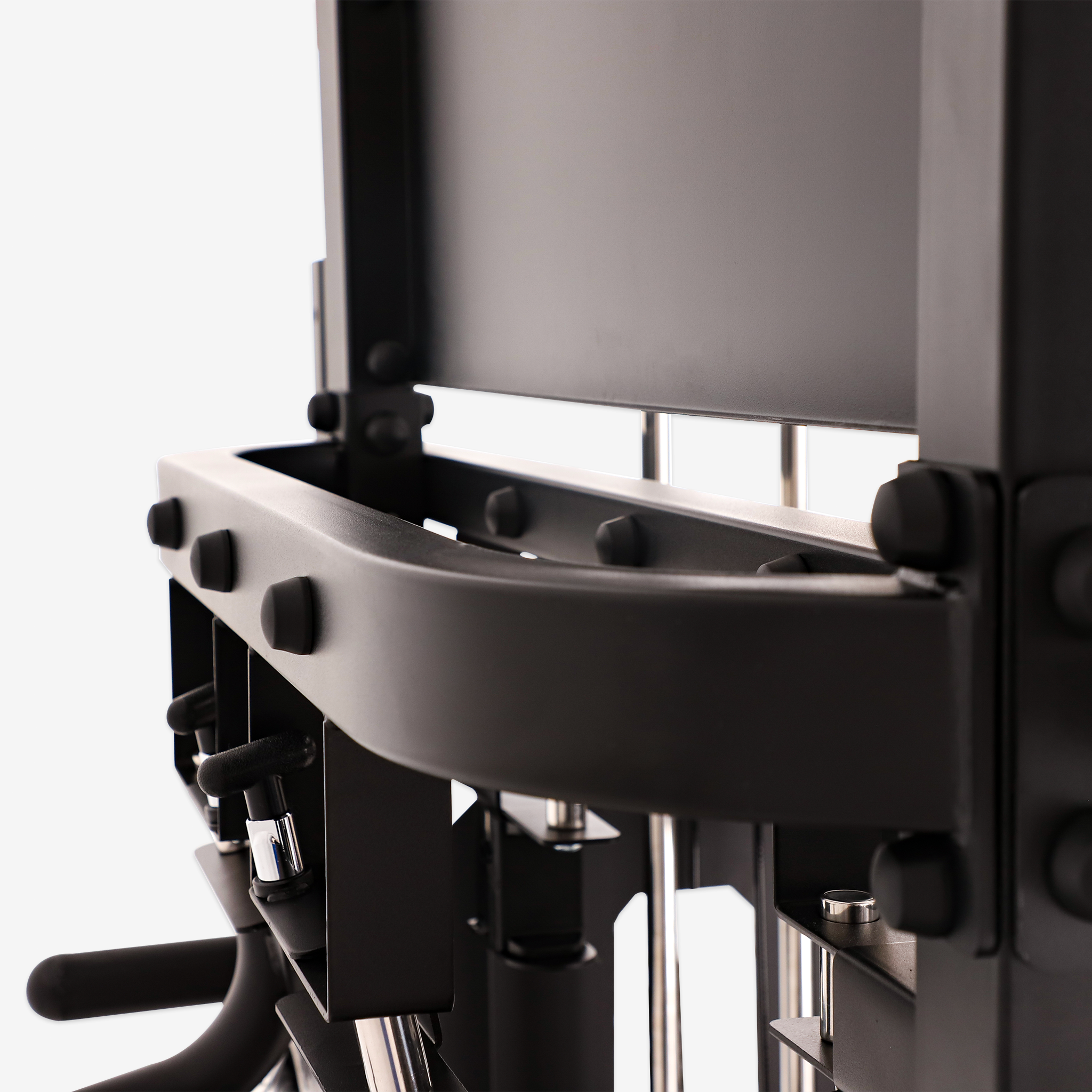
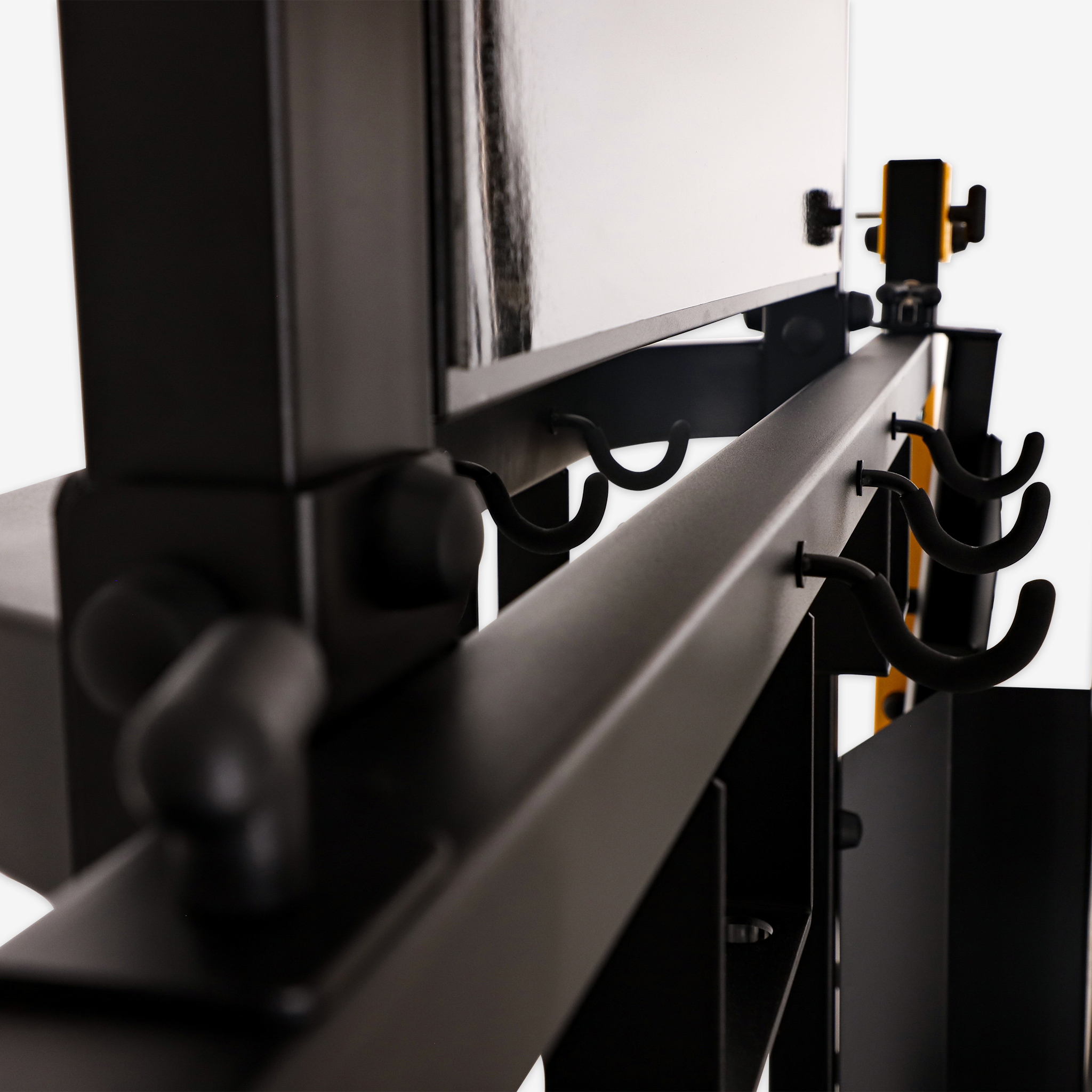
Most Smith machines also include built-in safety hooks, allowing you to lock the bar instantly during a failed rep.
This makes the Smith machine especially popular for:
- beginners
- home gyms
- solo lifters
- controlled hypertrophy training
What Is a Traditional Bench Press?
A traditional bench press uses a free-weight barbell on a flat bench and rack system.
Unlike the Smith machine:
- the bar moves freely
- you control the full movement path
- stabilizer muscles work much harder
The free-weight bench press is widely considered one of the best compound exercises for upper-body strength and athletic performance.
It is commonly used in:
- powerlifting
- bodybuilding
- sports performance training
- functional strength programs
Smith Machine vs Bench Press: Key Differences
1. Stability & Safety
Smith Machine
The guided rails create a highly stable movement pattern.
Benefits include:
- lower injury risk
- easier solo training
- safer heavy lifting
- simple bar reracking
This is ideal for people training alone without a spotter.
Traditional Bench Press
The free-weight bench press requires full control of the bar.
While effective, it carries:
- greater balance demands
- higher injury risk if form breaks down
- more reliance on a spotter during heavy lifts
2. Muscle Activation
Smith Machine
The machine stabilizes the bar for you, reducing stabilizer muscle involvement.
Primary muscles targeted:
- chest
- triceps
- shoulders
However, less work is required from:
- core muscles
- rotator cuff
- upper back stabilizers
Traditional Bench Press
The free-weight bench press recruits significantly more stabilizer muscles.
This creates:
- greater overall muscle activation
- improved coordination
- stronger functional strength development
3. Learning Curve
Smith Machine
The fixed movement path makes technique easier to learn.
Beginners often find it:
- less intimidating
- easier to control
- more confidence-building
Traditional Bench Press
The free-weight bench press takes more practice.
You must learn:
- proper unracking
- bar path control
- shoulder positioning
- foot drive
- stabilization mechanics
4. Weight Progression
Smith Machine
Many lifters can press heavier weights because stabilization demands are reduced.
This allows:
- easier progressive overload
- safer heavy sets
- more chest-focused isolation
Traditional Bench Press
Progress tends to develop more gradually because:
- stabilizers must strengthen too
- coordination improves over time
- balance plays a larger role
But these gains often transfer better to sports and real-world strength.
5. Home Gym Suitability
Smith Machine
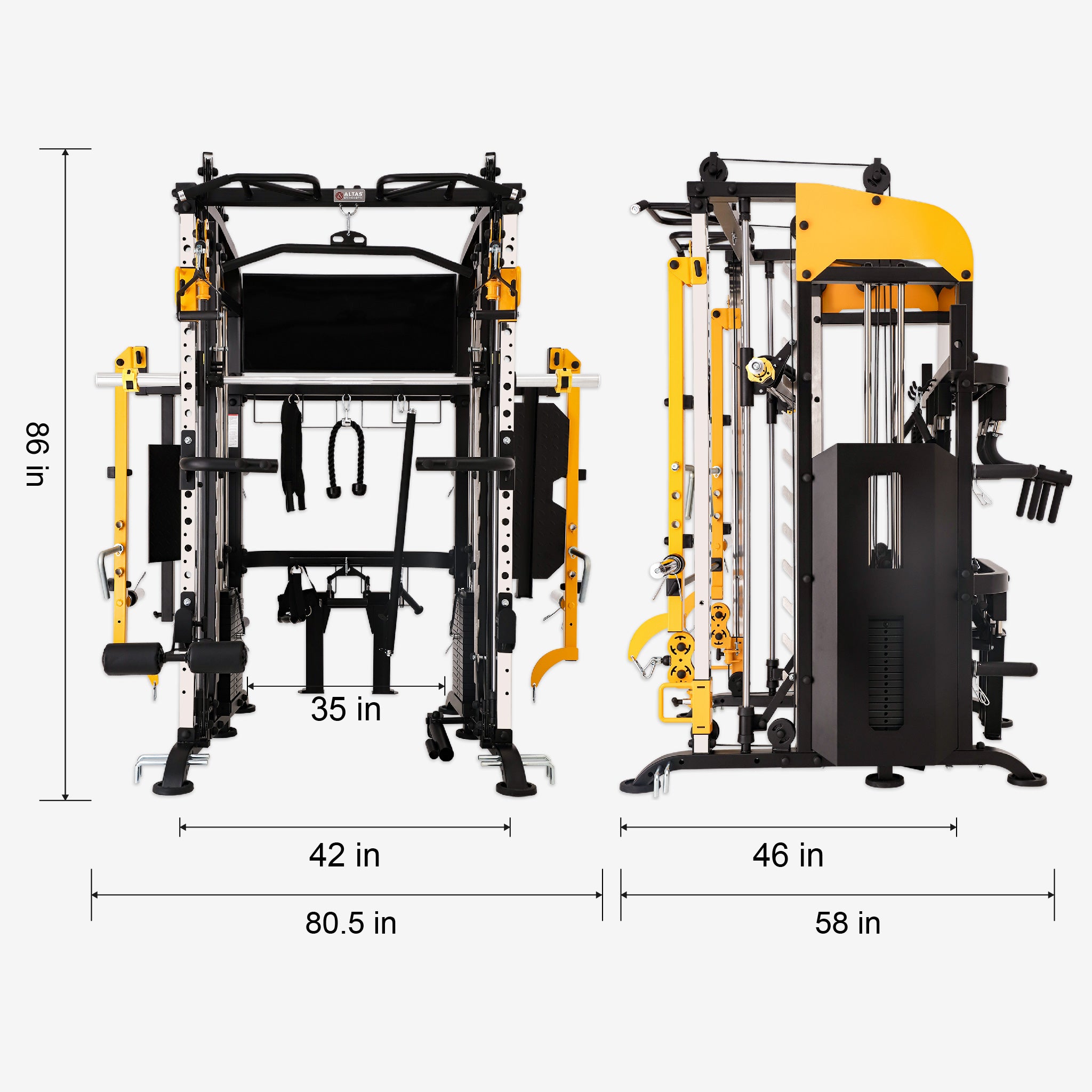
For home gyms, the Smith machine is extremely space-efficient.
One machine can support:
- bench press
- squats
- shoulder press
- lunges
- rows
This makes it ideal for smaller training spaces.
Traditional Bench Press
A full free-weight setup usually requires:
- power rack
- barbell
- bench
- safety bars
- extra floor space
This setup can become expensive and bulky.
Pros & Cons of Smith Machine Bench Press
Pros
- safer for solo training
- beginner-friendly
- easier to learn
- allows controlled heavy lifting
- ideal for hypertrophy work
- excellent for home gyms
Cons
- less stabilizer activation
- fixed movement can feel unnatural
- reduced functional carryover
- limited athletic movement development
Pros & Cons of Traditional Bench Press
Pros
- greater full-body muscle activation
- builds stabilizer strength
- improves athletic performance
- natural movement pattern
- excellent for maximal strength development
Cons
- higher injury risk without a spotter
- more difficult technique
- requires more equipment and space
- longer learning curve
Which One Should You Choose?
Choose Smith Machine Bench Press If:
- you are a beginner
- you train alone
- you want safer heavy lifting
- you prioritize muscle isolation
- you have limited home gym space
Choose Traditional Bench Press If:
- you want maximum functional strength
- you train for sports or athletics
- you compete in powerlifting
- you want full stabilizer development
- you prefer natural movement patterns
Can You Use Both?
Absolutely.
Many experienced lifters combine both methods:
- free-weight bench press for strength development
- Smith machine bench press for accessory work and hypertrophy
This combination provides:
- functional strength
- muscle growth
- safer high-volume training
Final Thoughts
The smith machine vs bench press debate has no single winner because both exercises serve different purposes.
The Smith machine offers:
- safety
- simplicity
- controlled movement
- beginner-friendly training
The traditional bench press offers:
- greater muscle activation
- functional strength
- athletic carryover
- superior stabilization development
The best choice depends on:
- your goals
- training experience
- available equipment
- and personal comfort level
For many lifters, combining both styles creates the strongest and most balanced chest training program possible.