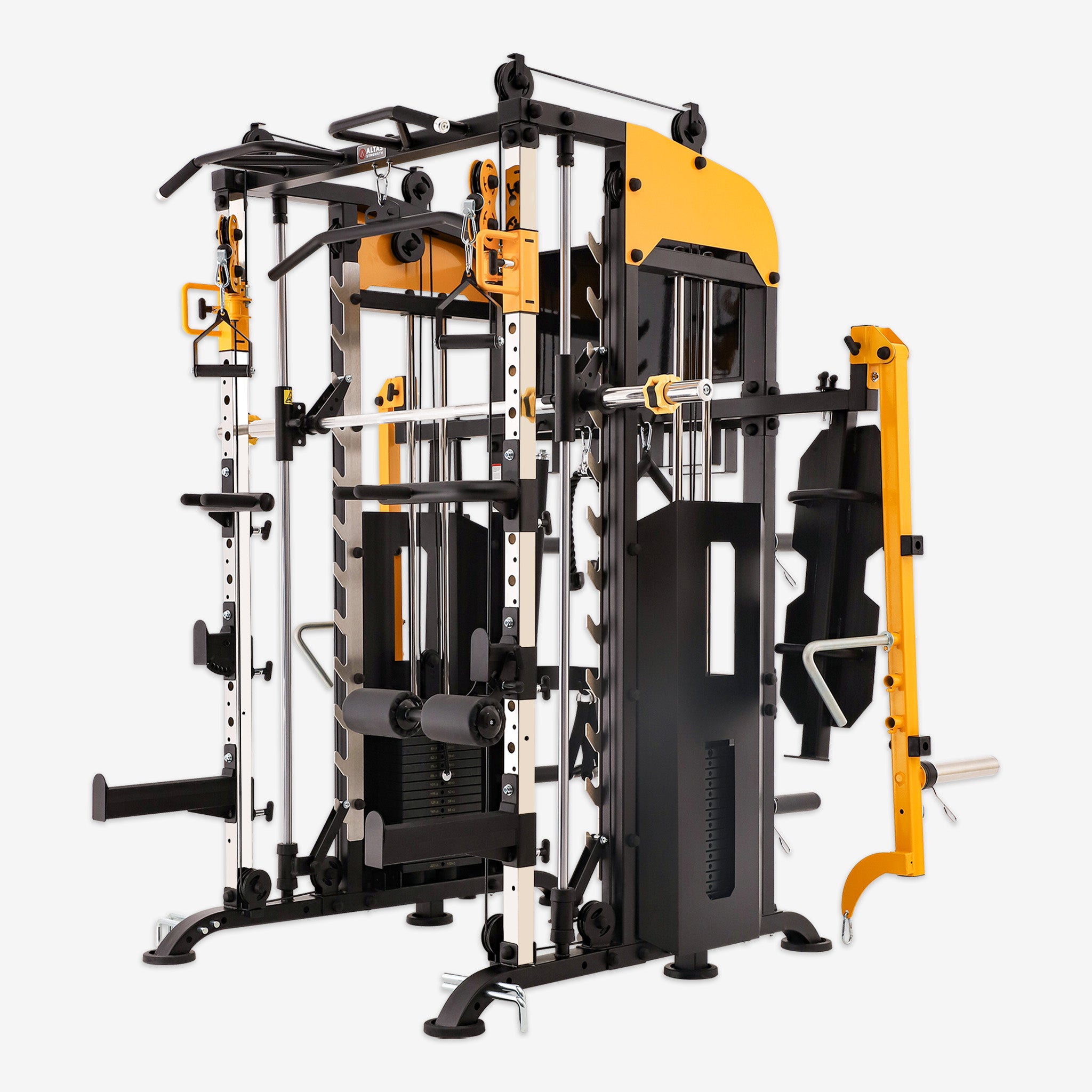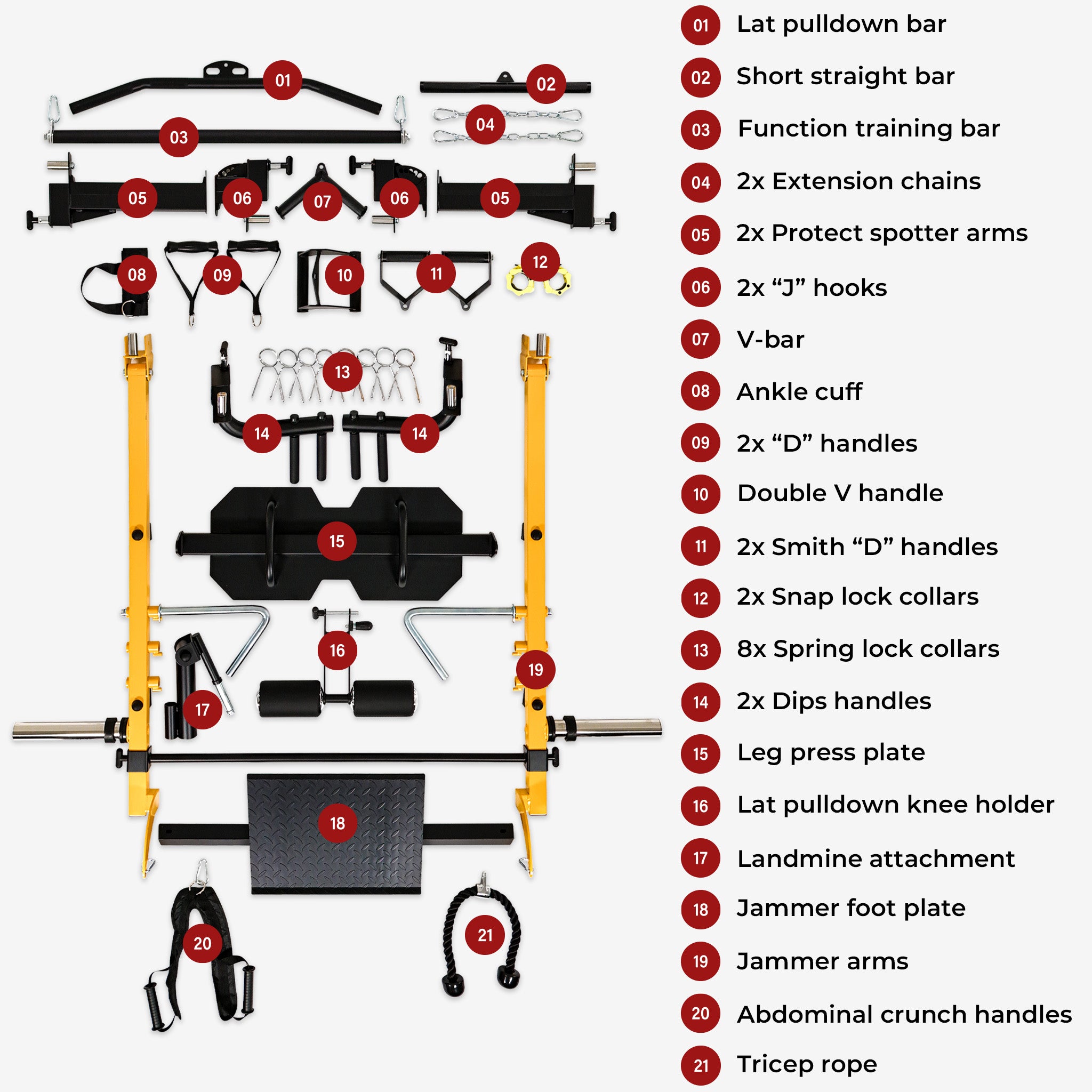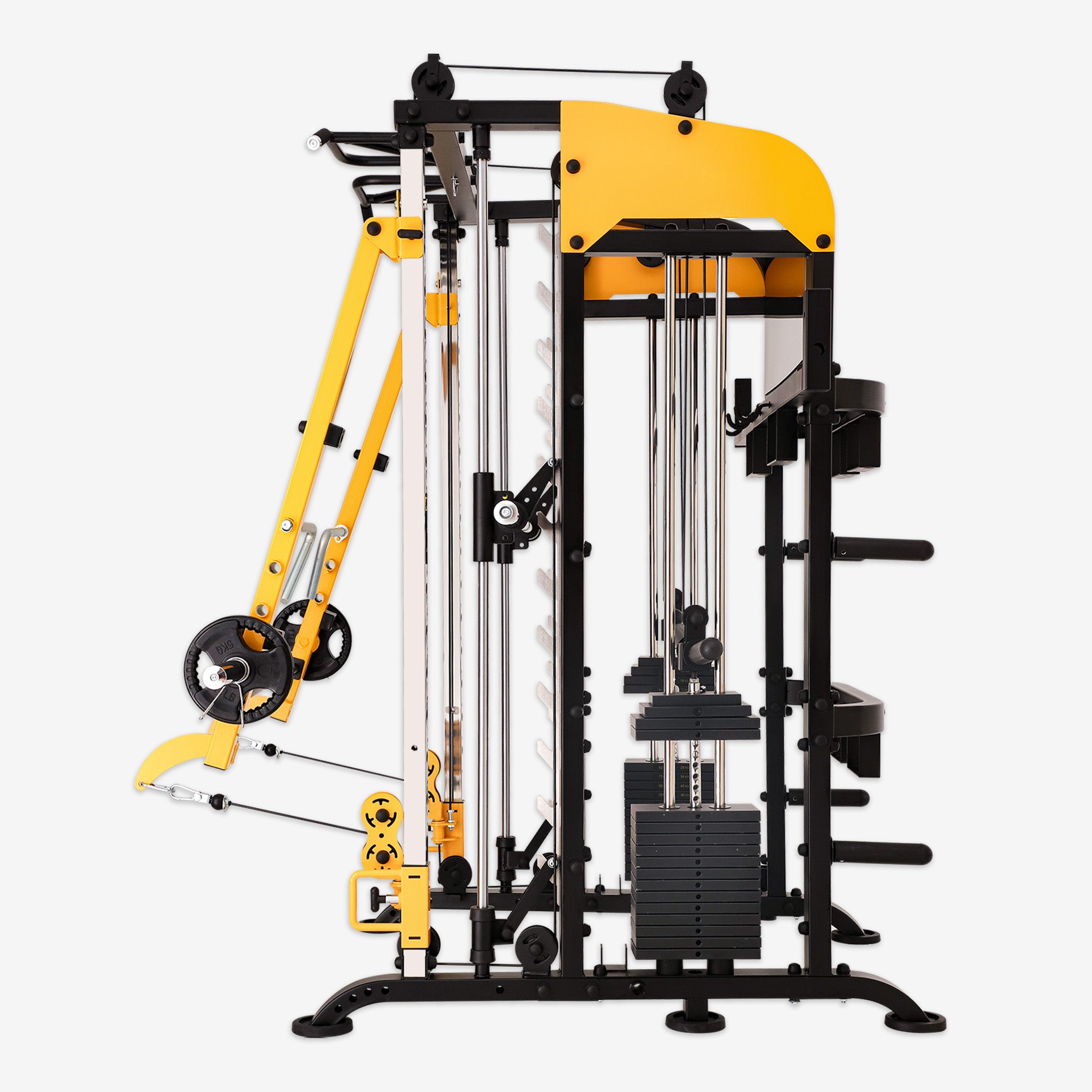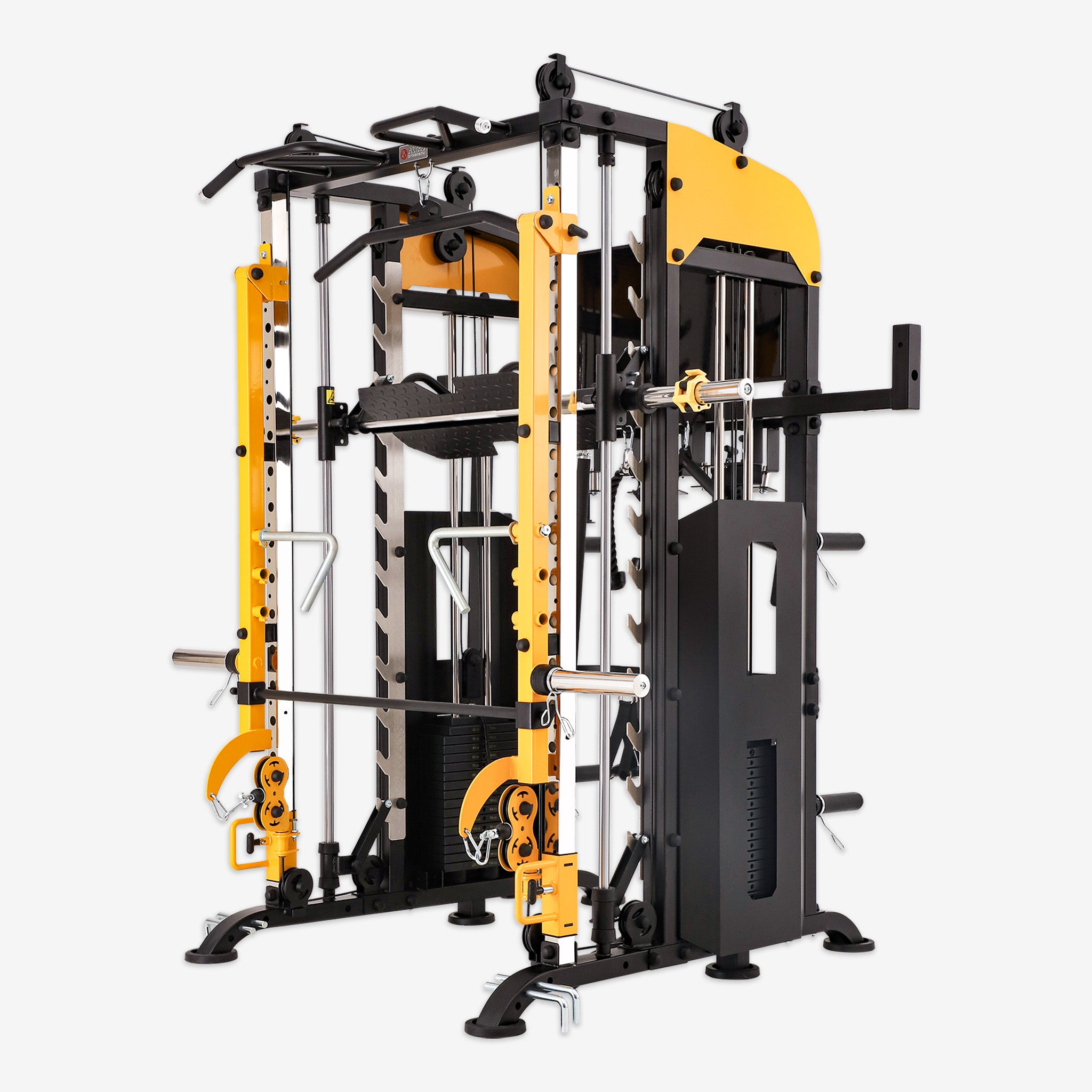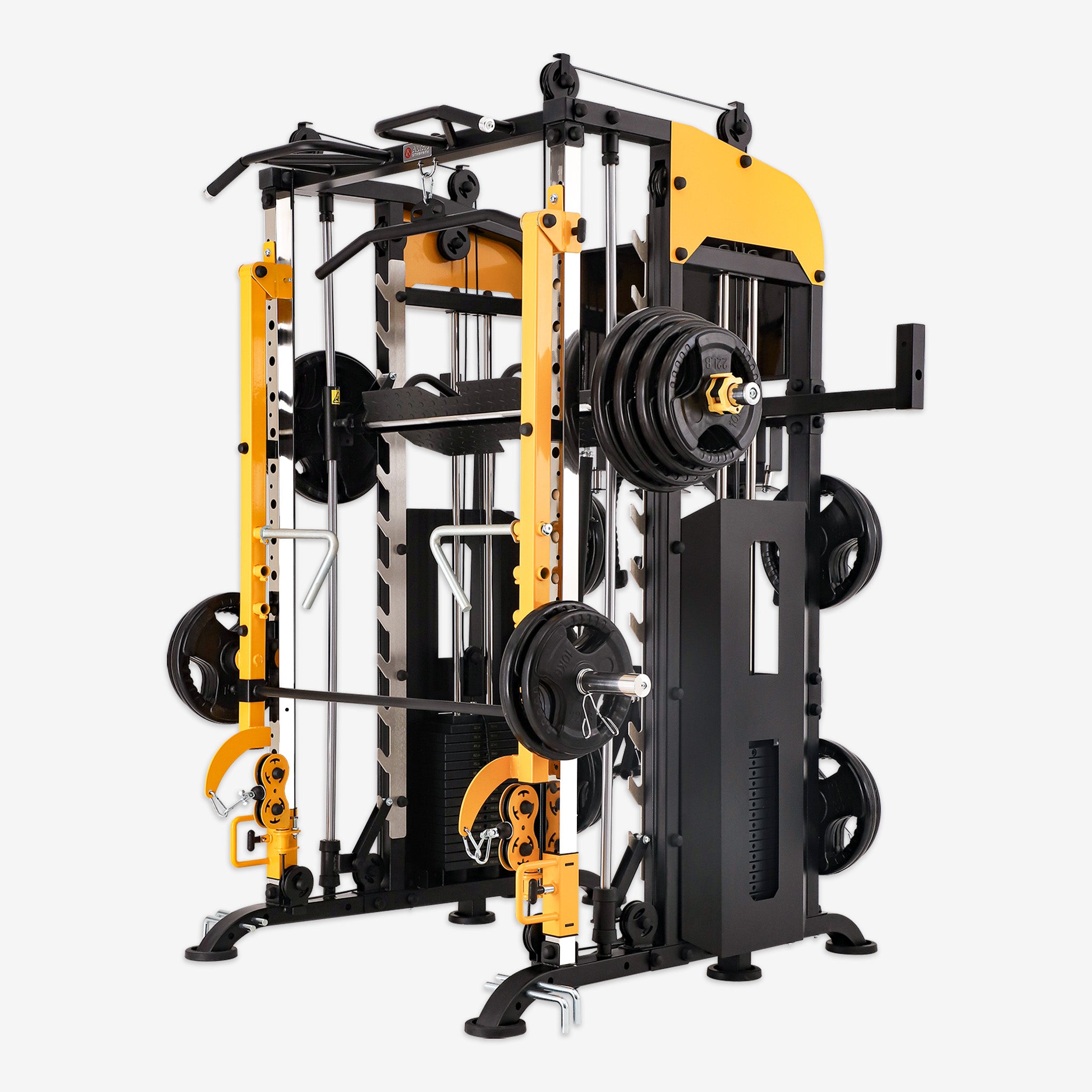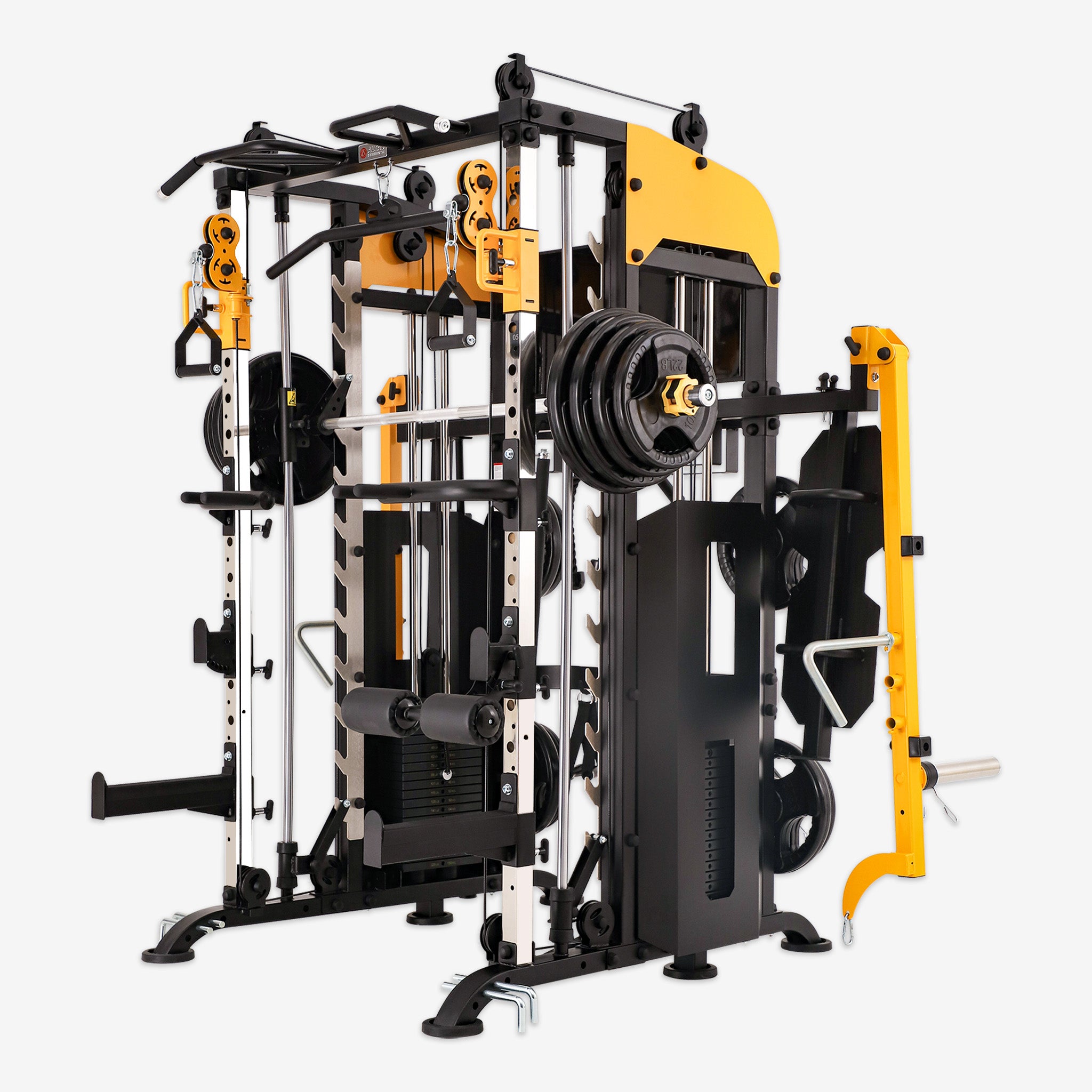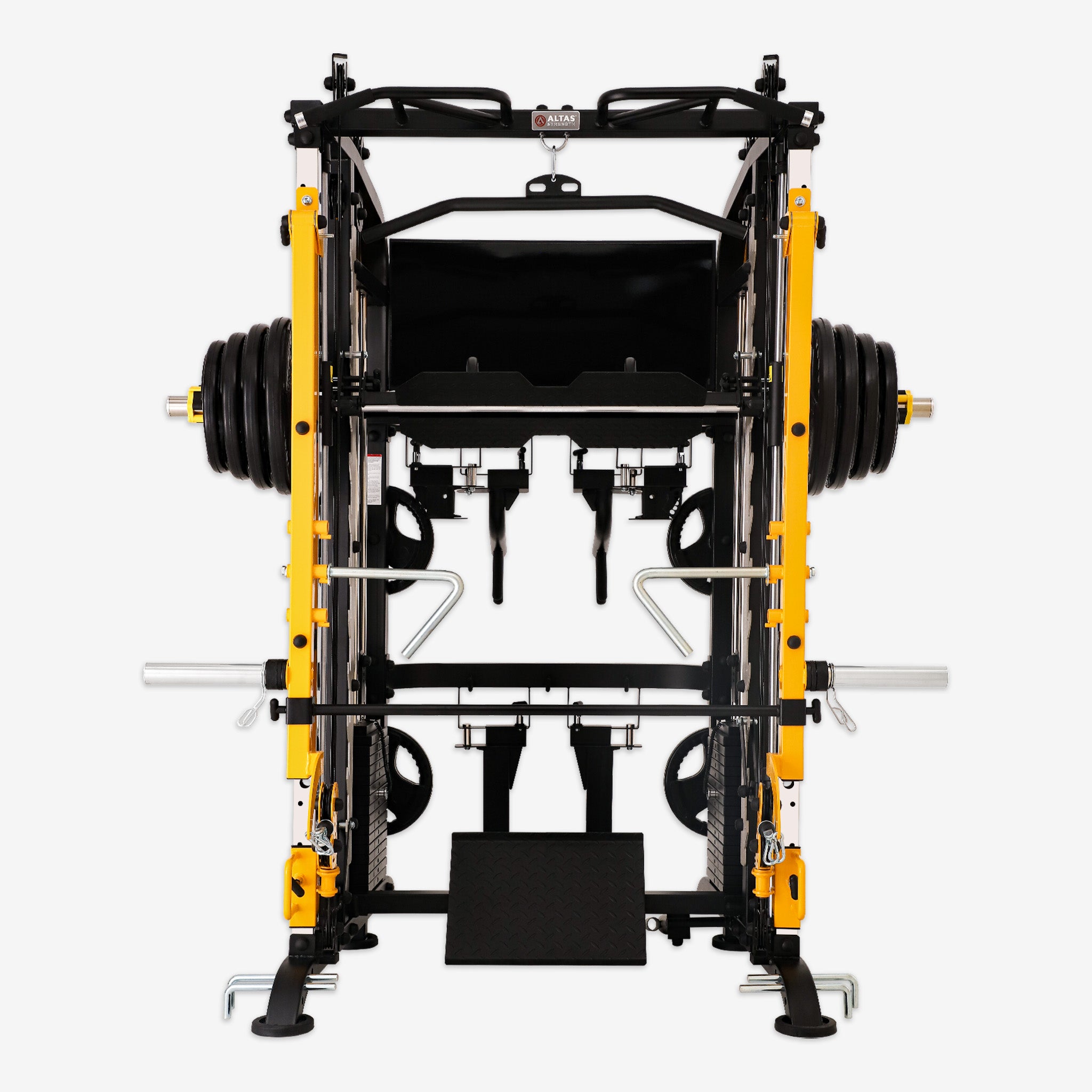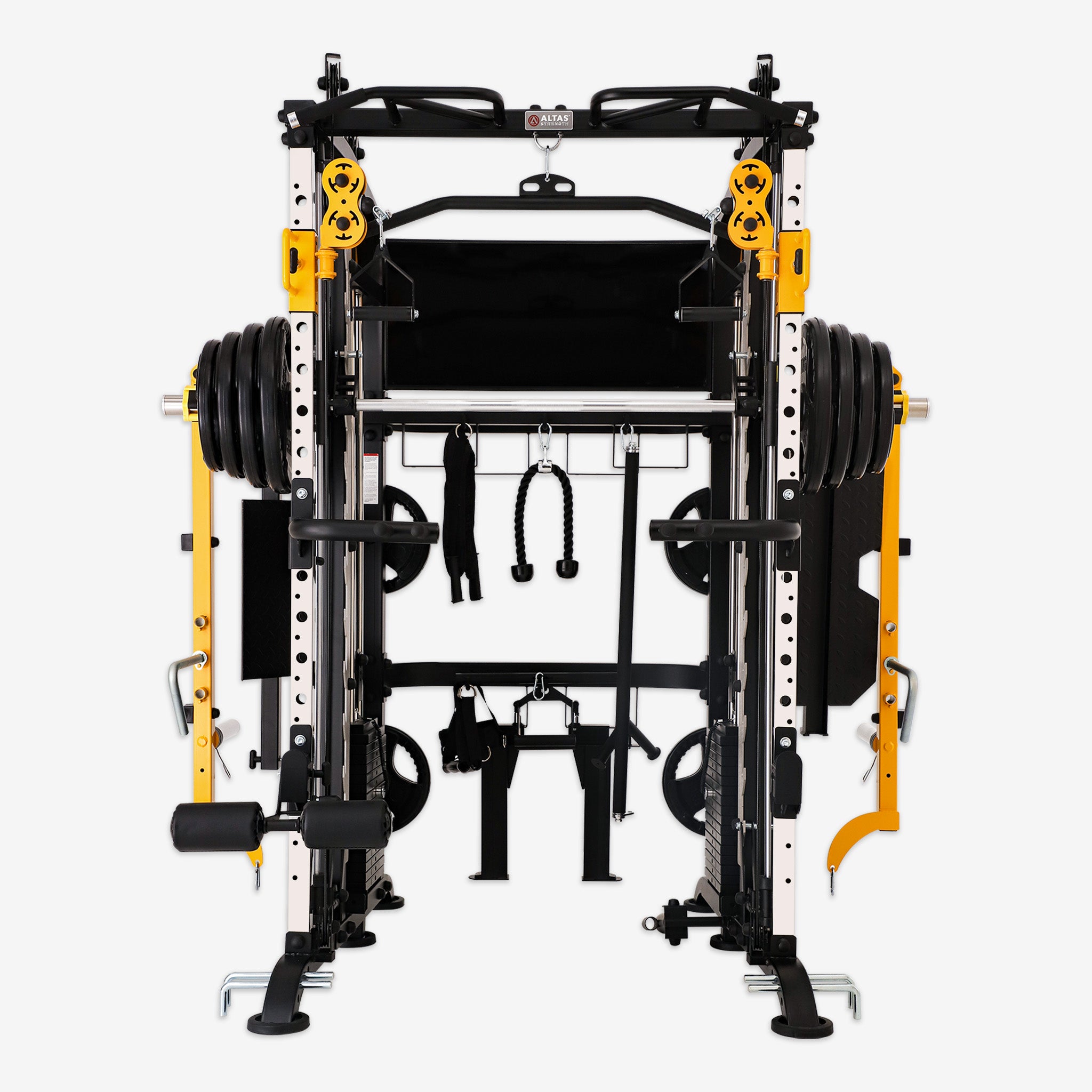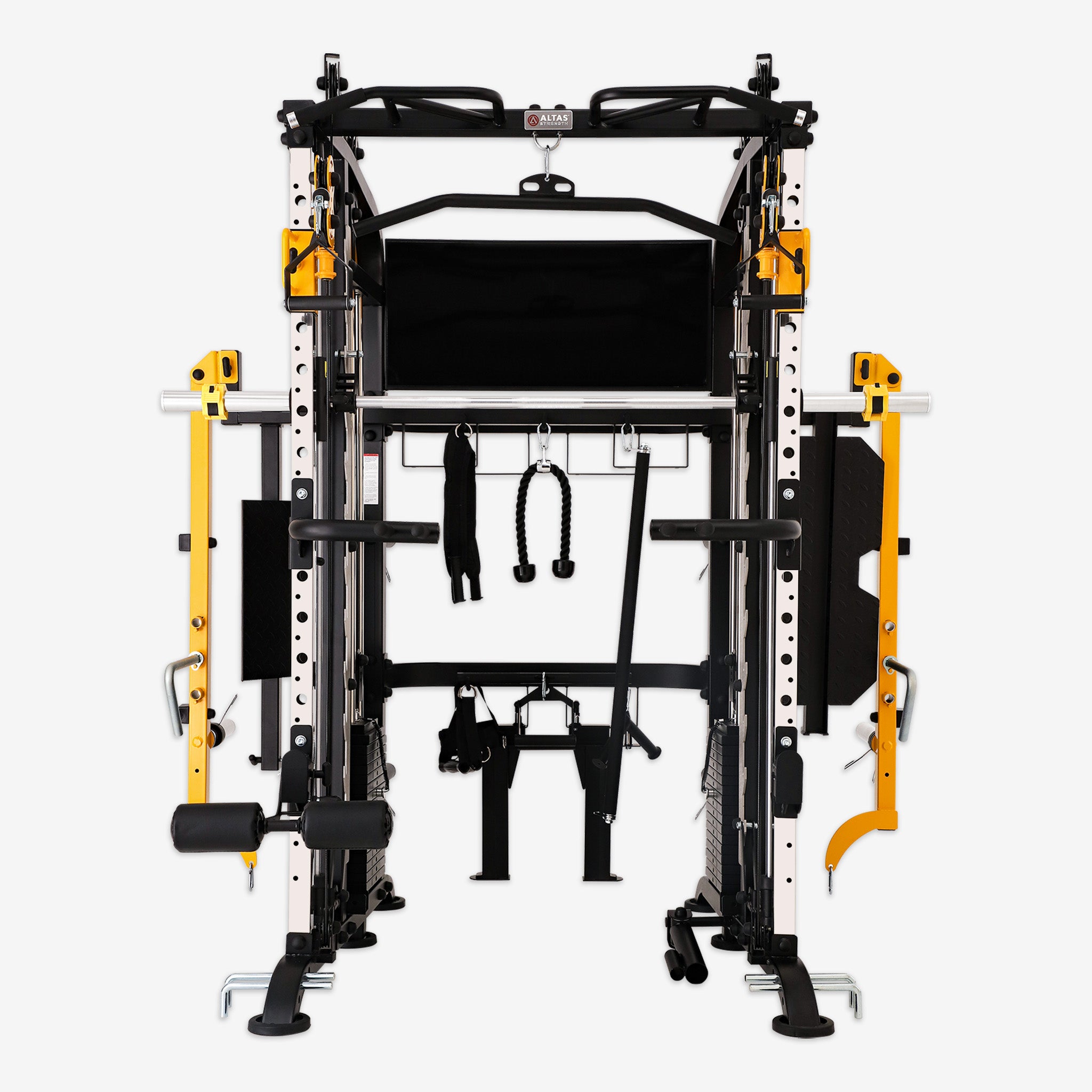
The Smith machine sumo squat is one of the best lower-body exercises for building stronger glutes, inner thighs, and quadriceps while providing more stability than traditional barbell squats. Because the bar follows a fixed vertical path, it allows beginners to learn proper squat mechanics while giving experienced lifters an excellent tool for muscle hypertrophy and high-volume training.
Whether you're training in a commercial gym or using a multifunctional Smith machine at home, the Smith machine sumo squat can help you safely increase lower-body strength while reducing balance demands.
What Is a Smith Machine Sumo Squat?
A Smith machine sumo squat is a variation of the traditional squat performed using a Smith machine with a wide stance.
Instead of standing shoulder-width apart, your feet are positioned significantly wider than your shoulders, with your toes pointing outward approximately 30–45 degrees.
This stance shifts more emphasis toward the:
- Gluteus maximus
- Hip adductors (inner thighs)
- Hamstrings
- Quadriceps
Unlike free-weight squats, the guided rails eliminate the need to balance the bar, allowing you to concentrate on proper movement mechanics and muscle contraction.
Muscles Worked During Smith Machine Sumo Squats
The Smith machine sumo squat is a compound exercise that targets multiple lower-body muscles.
Primary muscles
- Gluteus Maximus
- Gluteus Medius
- Adductors (Inner Thighs)
- Quadriceps
Secondary muscles
- Hamstrings
- Core
- Calves
- Lower Back
The wide stance creates greater hip involvement than conventional squats, making this variation especially effective for glute development.
Benefits of Smith Machine Sumo Squats
1. Better Glute Activation
The wide stance increases hip flexion and places greater tension on the glutes throughout the movement.
If your goal is stronger, fuller glutes, this is one of the best squat variations available.
2. Increased Inner Thigh Development
The adductor muscles work harder to stabilize your legs during the squat.
Regular Smith machine sumo squats help strengthen and develop the inner thighs while improving hip stability.
3. Safer for Beginners
Because the Smith machine controls the bar path, beginners don't need to worry about balancing a heavy barbell.
This allows new lifters to focus on:
- Squat depth
- Knee tracking
- Hip movement
- Proper breathing
before progressing to free weights.
4. Excellent for Solo Training
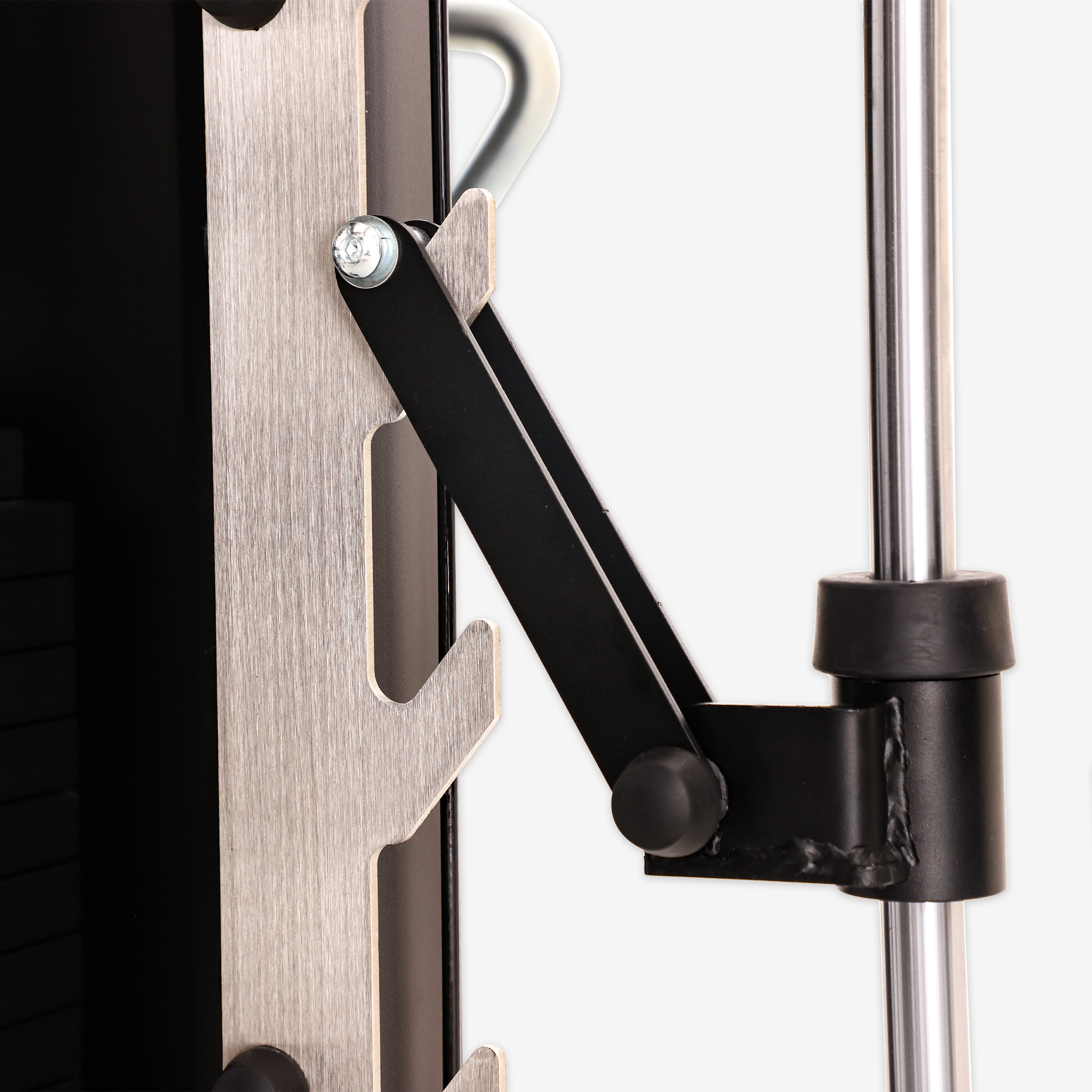
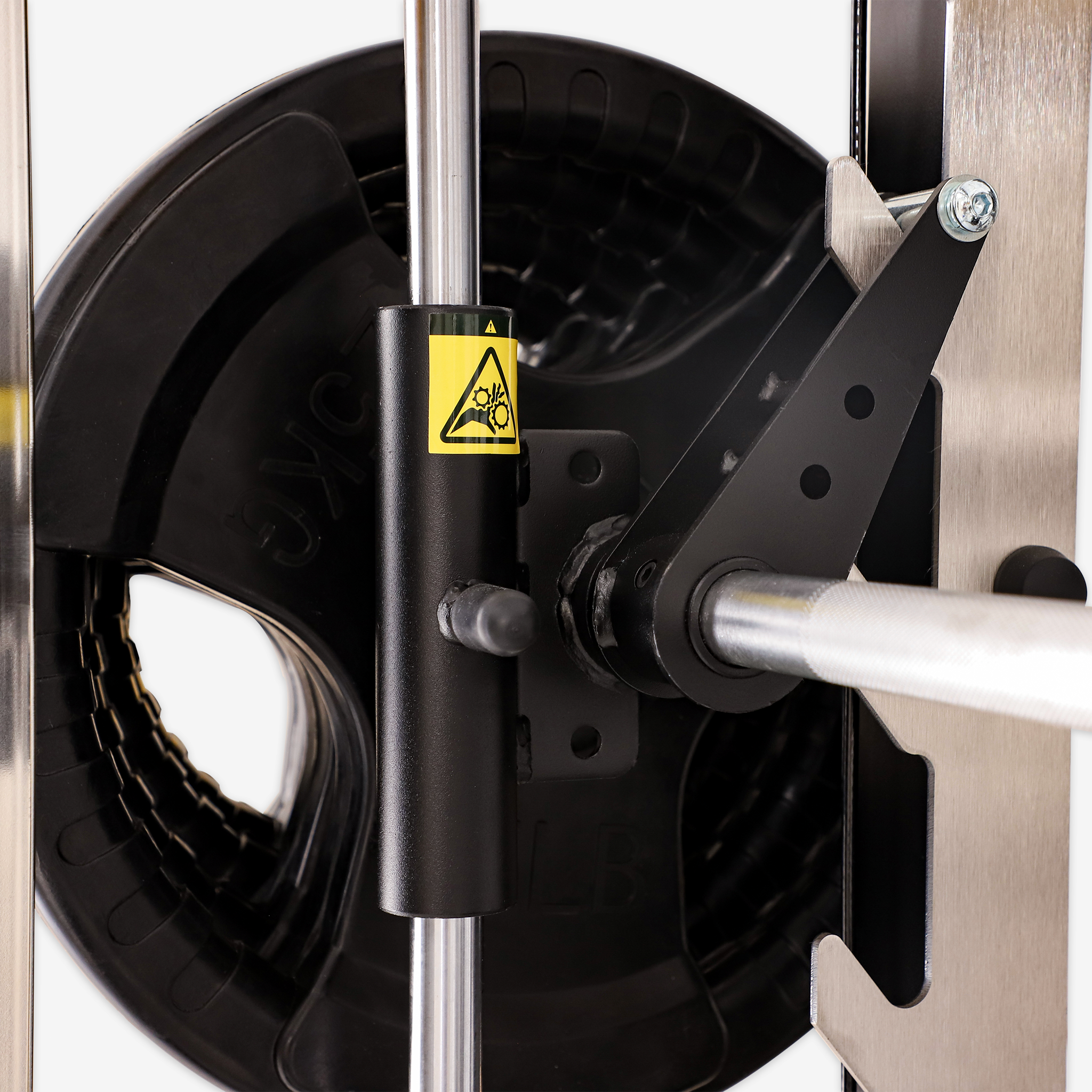
The built-in safety hooks allow you to lock the bar instantly if you fail a repetition.
This makes Smith machine sumo squats much safer when training alone.
5. Supports Progressive Overload
Since stability demands are lower, many lifters can focus entirely on increasing weight, repetitions, or training volume over time.
This makes the exercise excellent for muscle hypertrophy.
How to Perform a Smith Machine Sumo Squat
Step 1
Set the bar just below shoulder height.
Place it comfortably across your upper traps.
Step 2
Stand with:
- Feet wider than shoulder-width
- Toes pointed outward
- Chest up
- Core tight
Step 3
Unlock the bar and slowly lower yourself.
Push your hips backward while bending your knees.
Keep your knees tracking over your toes.
Step 4
Lower until your thighs are at least parallel to the floor.
Only squat deeper if you can maintain proper spinal alignment.
Step 5
Drive through your heels.
Push your hips forward while squeezing your glutes.
Return to the starting position.
Repeat.
Common Smith Machine Sumo Squat Mistakes
Feet Too Narrow
Without a wide stance, the movement becomes a standard squat and reduces glute and adductor activation.
Knees Caving In
Always push your knees outward throughout the movement.
This protects the knees and increases glute engagement.
Leaning Too Far Forward
Keep your chest upright.
Excessive forward lean places unnecessary stress on the lower back.
Using Too Much Weight
The Smith machine often feels easier than free weights.
Don't sacrifice technique simply because balancing isn't required.
Rushing the Movement
Control both the lowering and lifting phases.
Slow repetitions produce greater muscle tension and better hypertrophy.
Smith Machine Sumo Squat vs Regular Smith Machine Squat
| Smith Machine Sumo Squat | Regular Smith Machine Squat |
|---|---|
| Wide stance | Shoulder-width stance |
| More glute activation | More quad activation |
| Greater inner thigh involvement | Greater knee flexion |
| Better hip mobility training | Better overall leg development |
| Excellent for glute growth | Excellent for balanced leg strength |
Best Rep Range
Your training goal determines your ideal repetition range.
Strength
- 4–6 reps
- 4–5 sets
Muscle Growth
- 8–12 reps
- 3–4 sets
Muscular Endurance
- 15–20 reps
- 2–4 sets
Who Should Perform Smith Machine Sumo Squats?
This exercise is ideal for:
- Beginners learning squat mechanics
- Home gym users
- Solo lifters
- People focused on glute growth
- Athletes improving hip strength
- Lifters recovering from minor injuries
- Anyone wanting safer heavy squat training
Frequently Asked Questions
Is the Smith machine sumo squat good for glutes?
Yes. The wide stance places more emphasis on the gluteus maximus and gluteus medius than a standard Smith machine squat, making it one of the best exercises for glute development.
How wide should my feet be?
Most lifters should place their feet about 1.5 to 2 times shoulder width apart with toes turned outward 30–45 degrees.
Adjust based on your hip mobility.
Is the Smith machine better than free-weight sumo squats?
Both are effective.
The Smith machine provides more stability and safety, while free-weight sumo squats recruit more stabilizer muscles and improve functional strength.
Many lifters benefit from including both variations in their training program.
Are Smith machine sumo squats safe for bad knees?
When performed with proper technique and moderate weight, they can reduce knee stress by shifting more load to the hips and glutes.
If you have existing knee pain, consult a healthcare professional before beginning any strength-training program.
Final Thoughts
The Smith machine sumo squat is one of the safest and most effective compound exercises for building stronger glutes, inner thighs, and legs. Its guided movement allows beginners to develop confidence while giving advanced lifters an excellent option for progressive overload and muscle growth.
When combined with exercises like Romanian deadlifts, lunges, leg presses, and hip thrusts, the Smith machine sumo squat can become a cornerstone of a complete lower-body training program, helping you build strength, improve movement quality, and achieve long-term fitness goals.