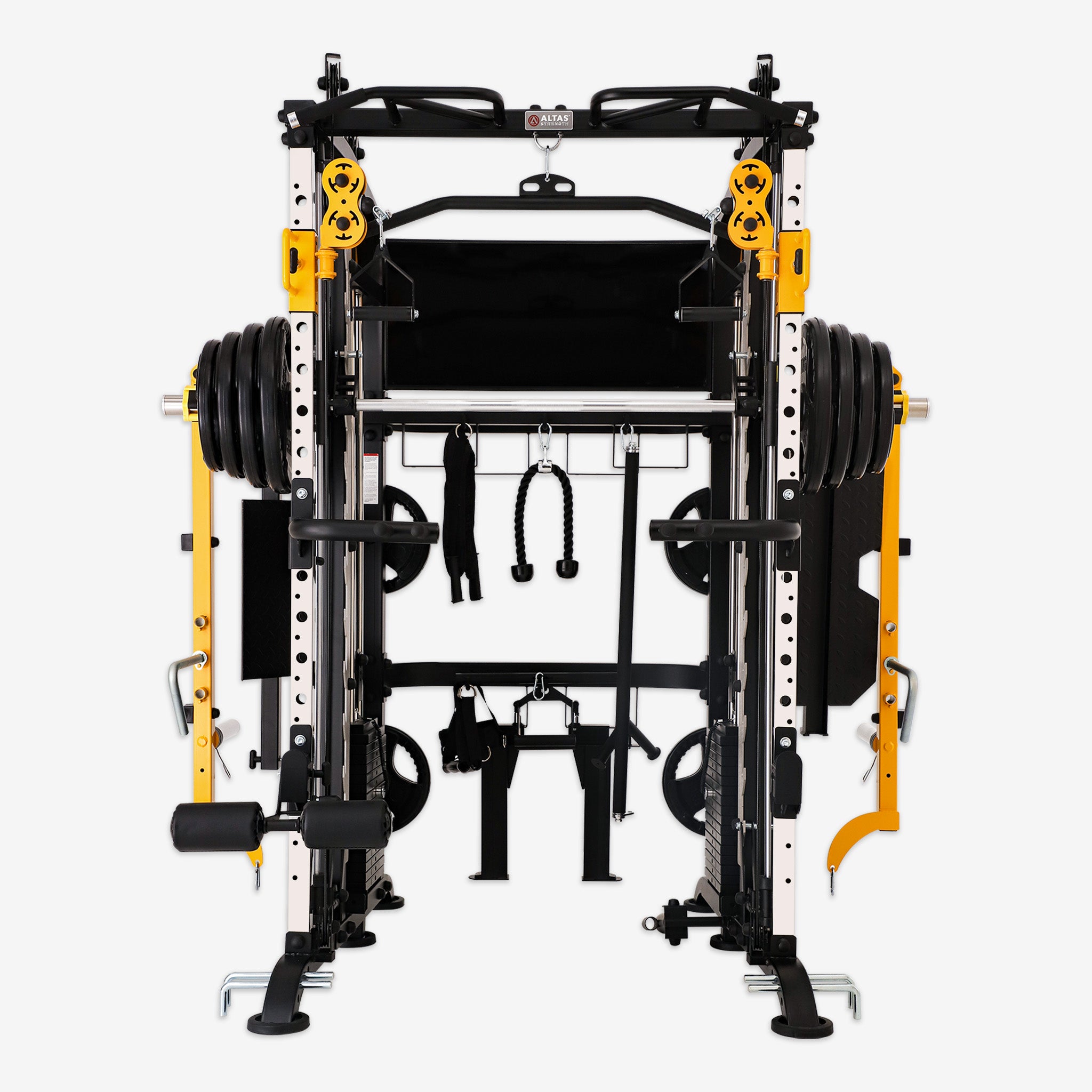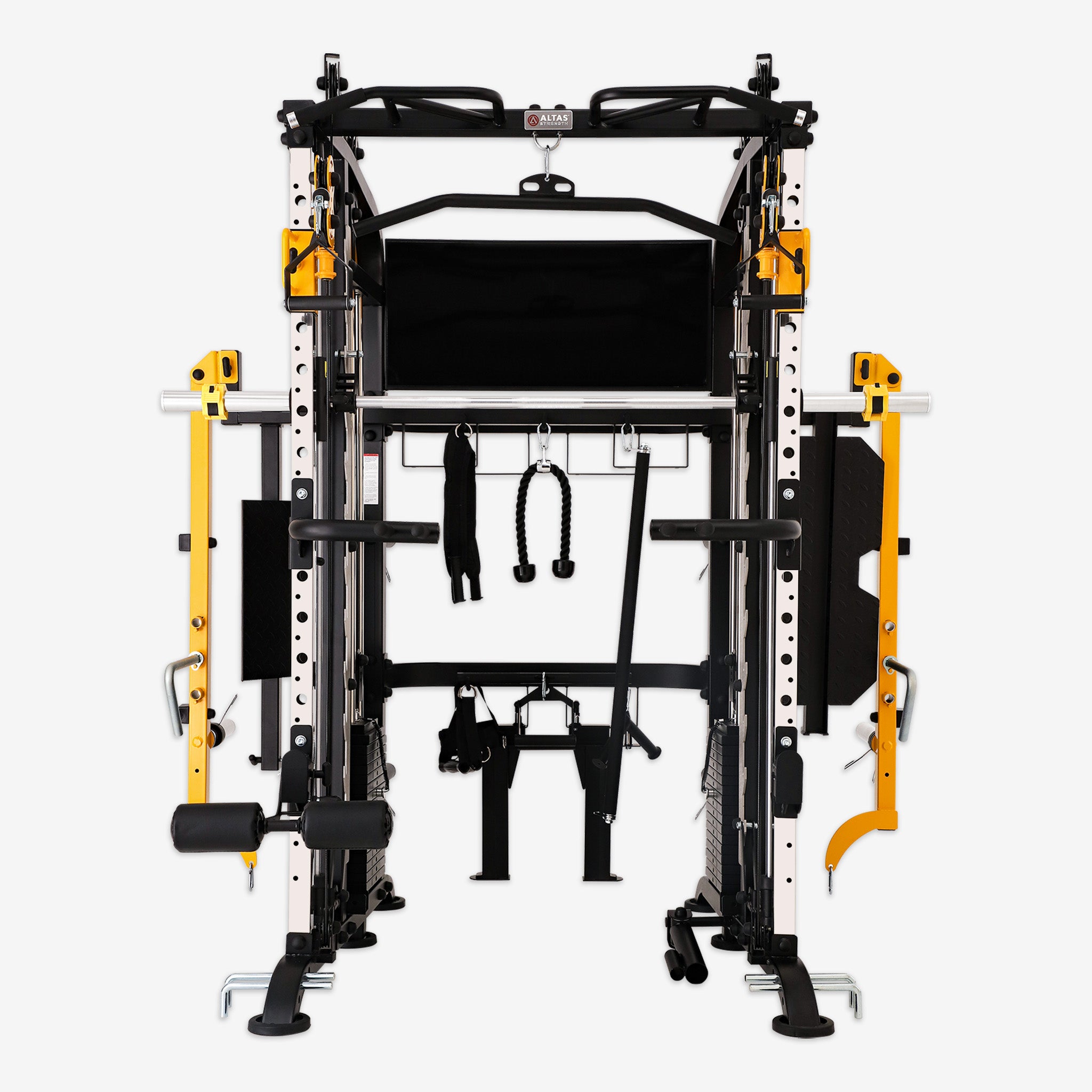
If you've ever moved from a Smith machine to a free-weight bench press—or the other way around—you've probably noticed a significant difference in how much weight you can lift.
The Smith machine vs bench press weight difference surprises many lifters. Some people can press 20–30 pounds more on a Smith machine, while others notice only a small gap.
So which one is stronger? And how much should you adjust your training weight?
This guide explains the real difference, why it exists, and how to safely convert your lifting numbers.
Quick Answer
Most lifters can bench 10–30 lbs (5–15 kg) more on a Smith machine than with a traditional free-weight bench press.
The exact difference depends on:
- Smith machine design
- Counterbalanced bar weight
- Training experience
- Stabilizer muscle strength
- Individual lifting technique
There is no universal conversion, but most gym-goers fall within this range.
Why Is the Smith Machine Easier?
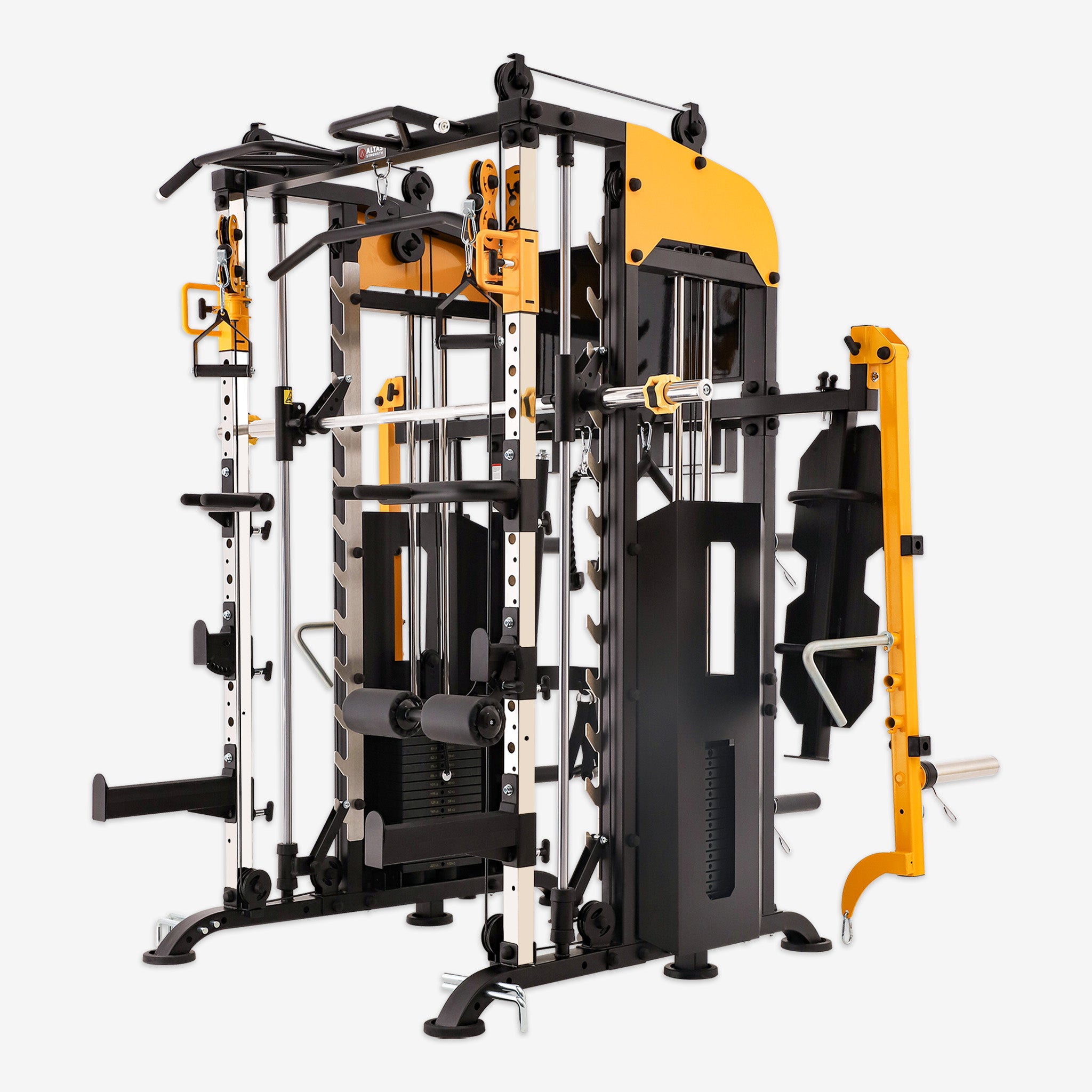
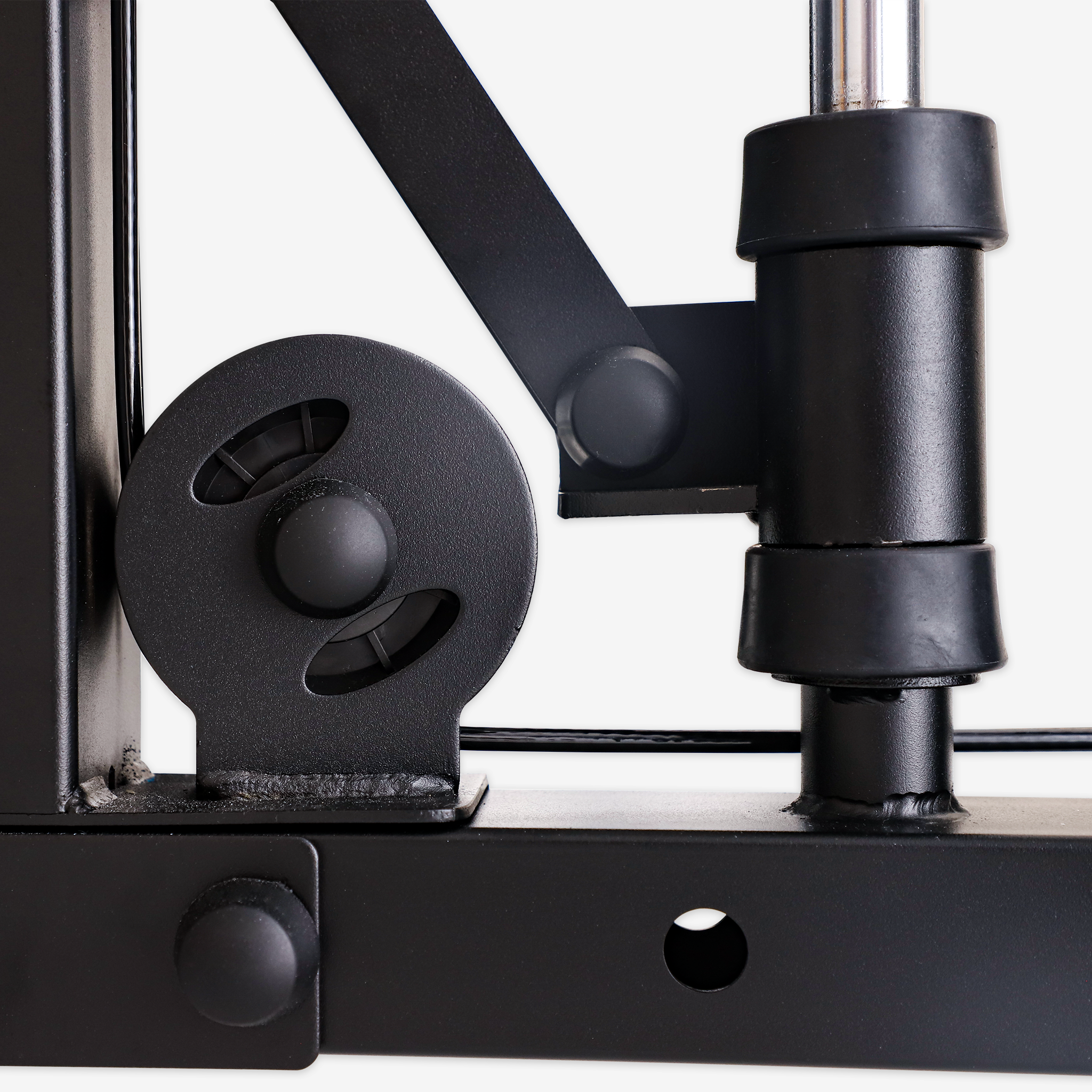
The biggest reason for the Smith machine vs bench press weight difference is stability.
A free-weight bench press requires your body to stabilize the bar throughout the entire lift. Your chest, shoulders, triceps, rotator cuff, upper back, and core all work together to control the bar path.
A Smith machine removes most of that stabilization.
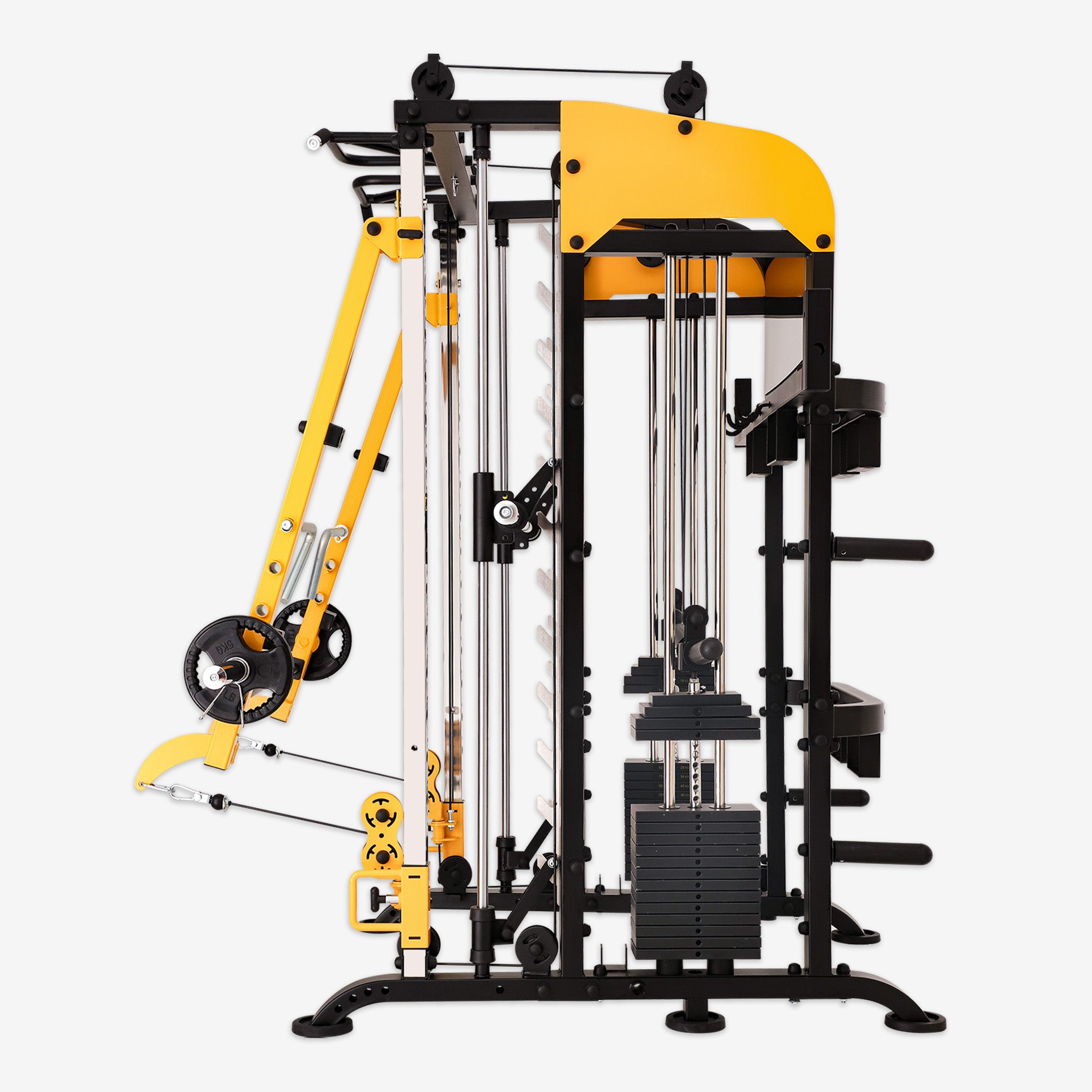
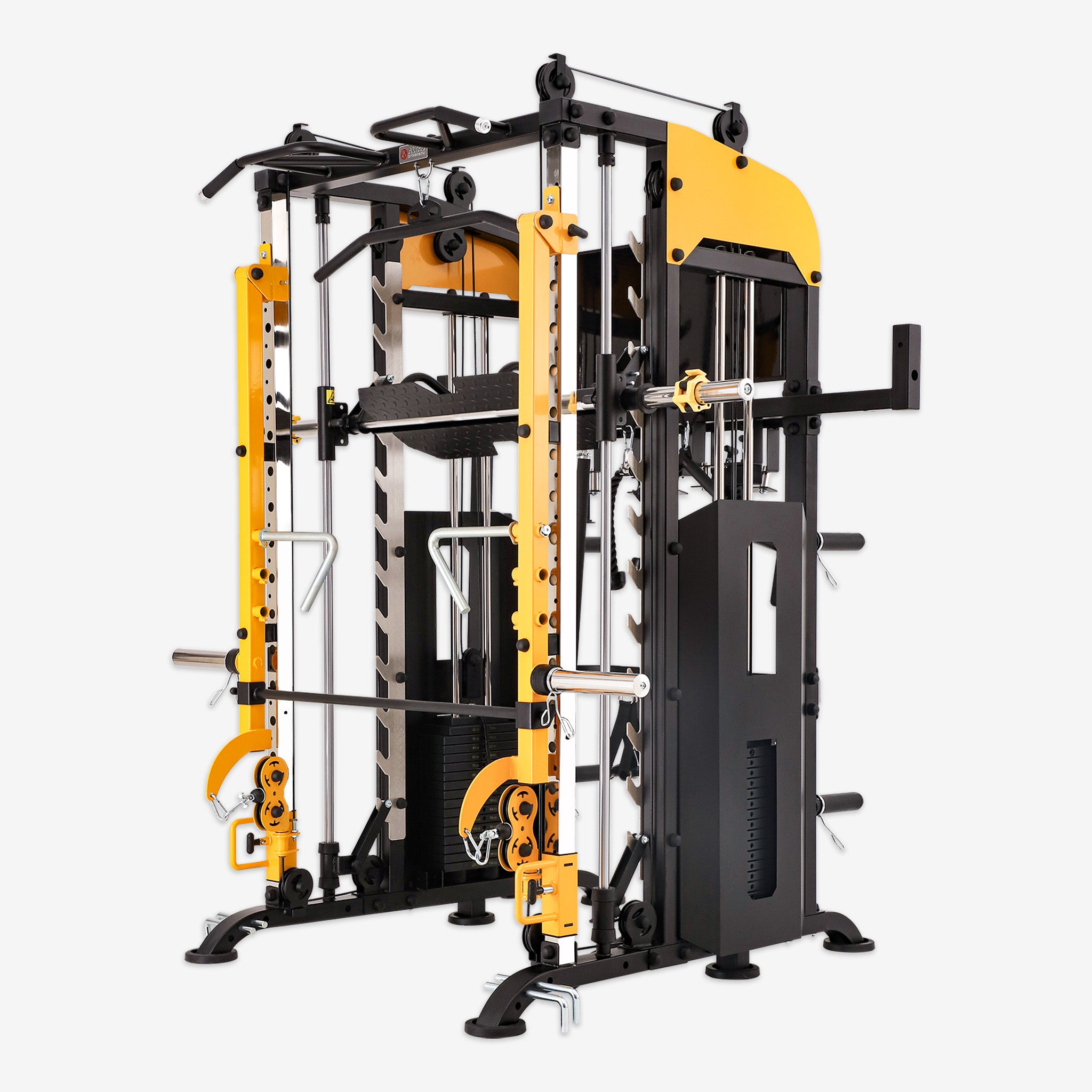
Because the bar travels on fixed rails, your body only needs to produce pressing force instead of balancing the weight.
This allows many people to lift heavier loads with less effort.
Counterbalanced Bars Also Make a Difference
Another major factor is the Smith machine itself.
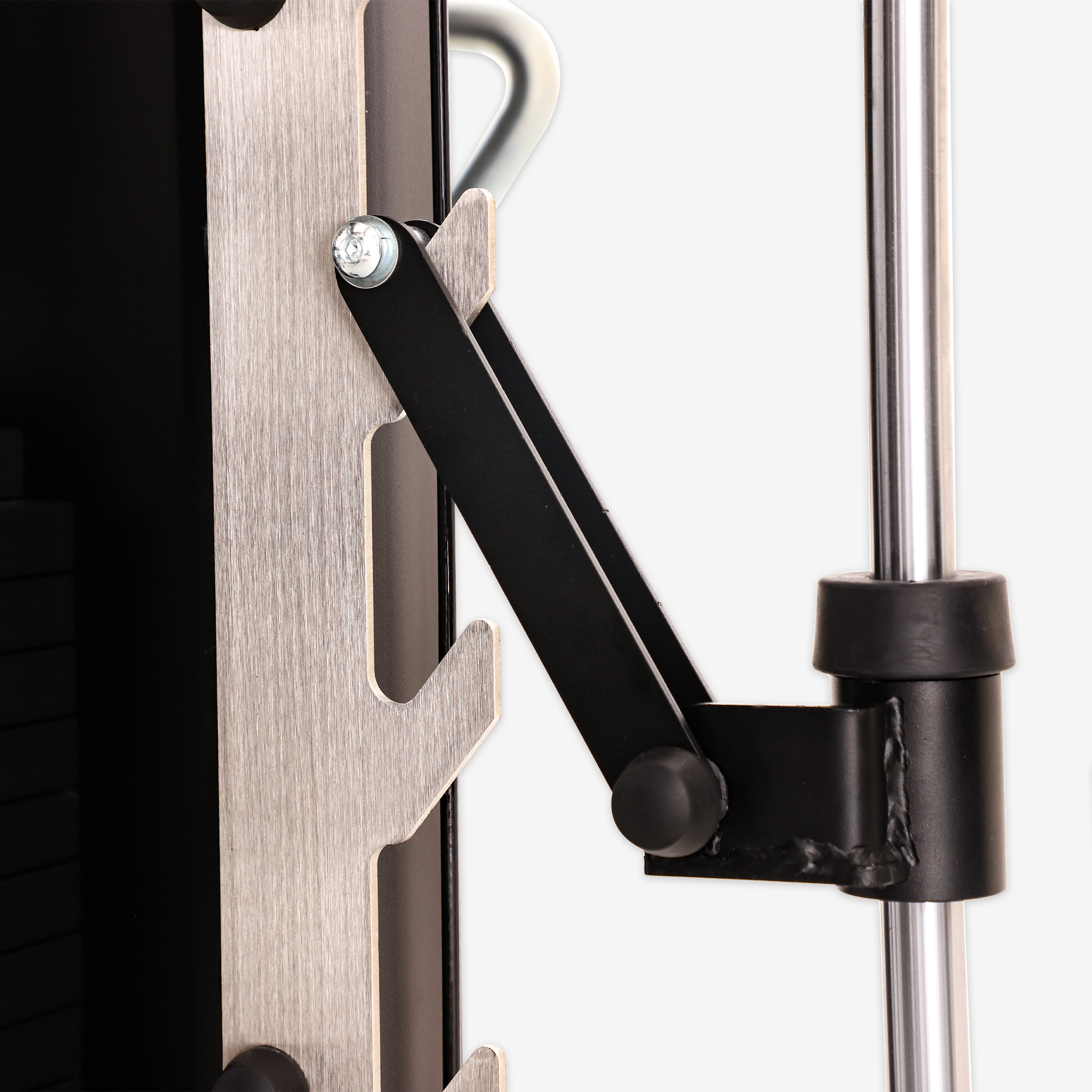
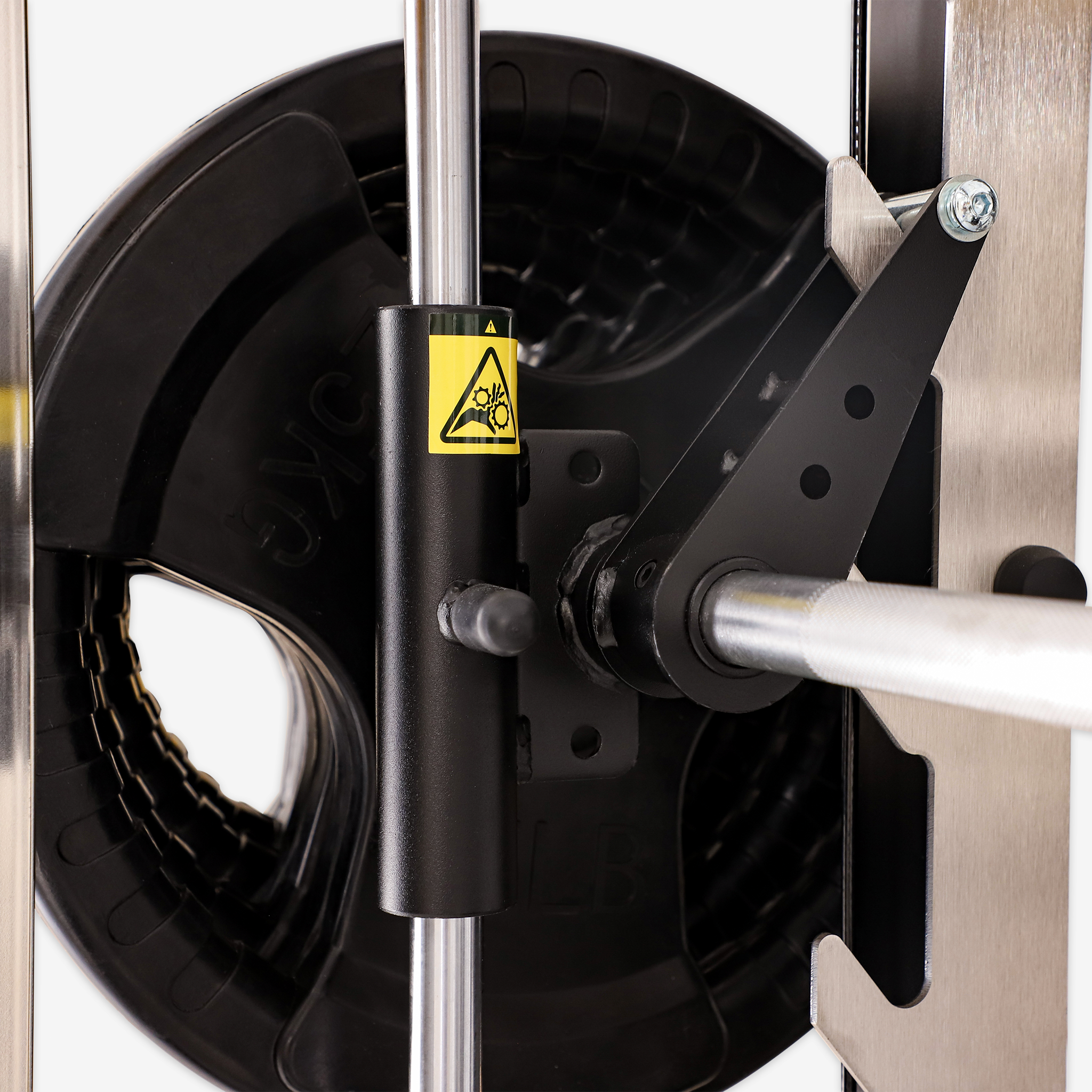
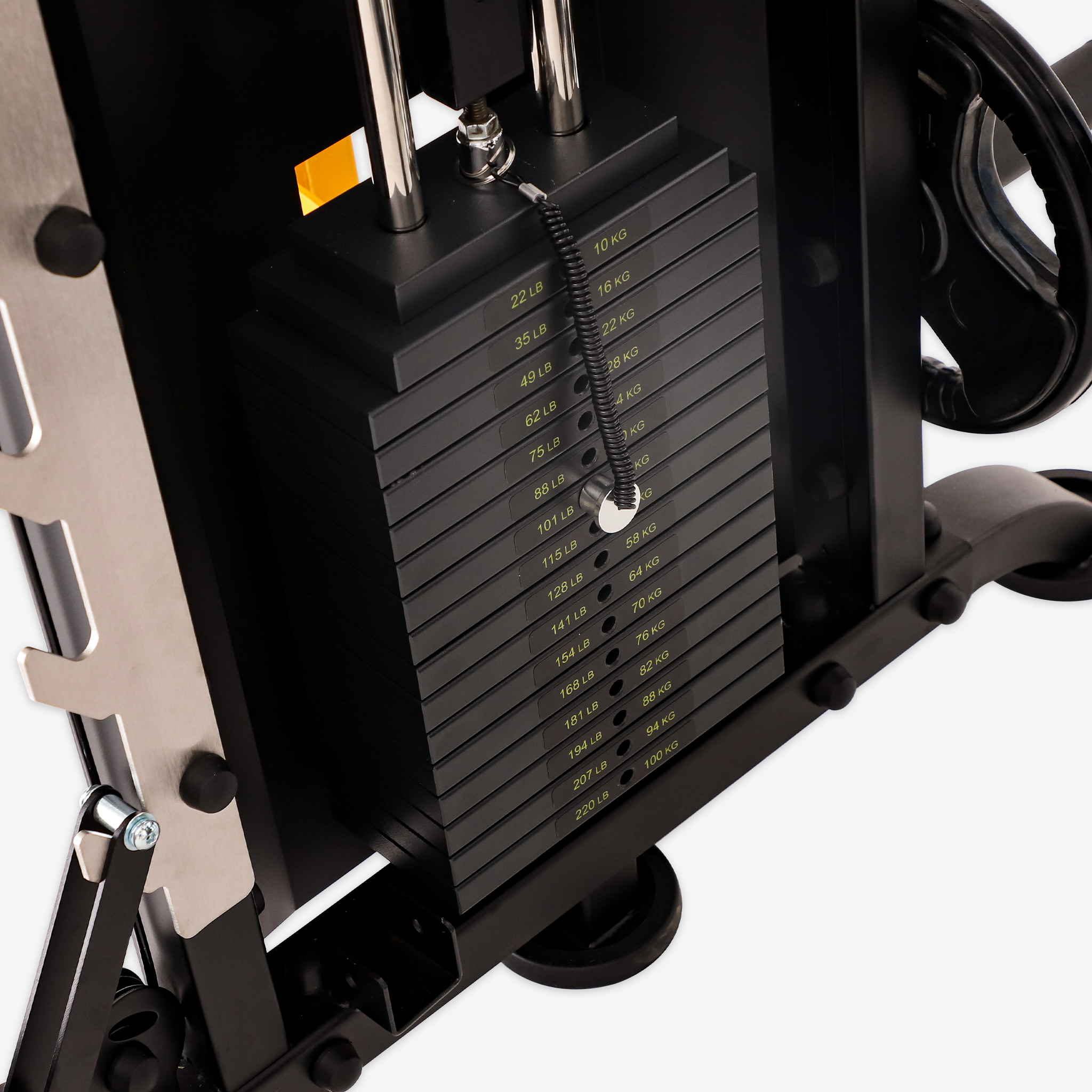
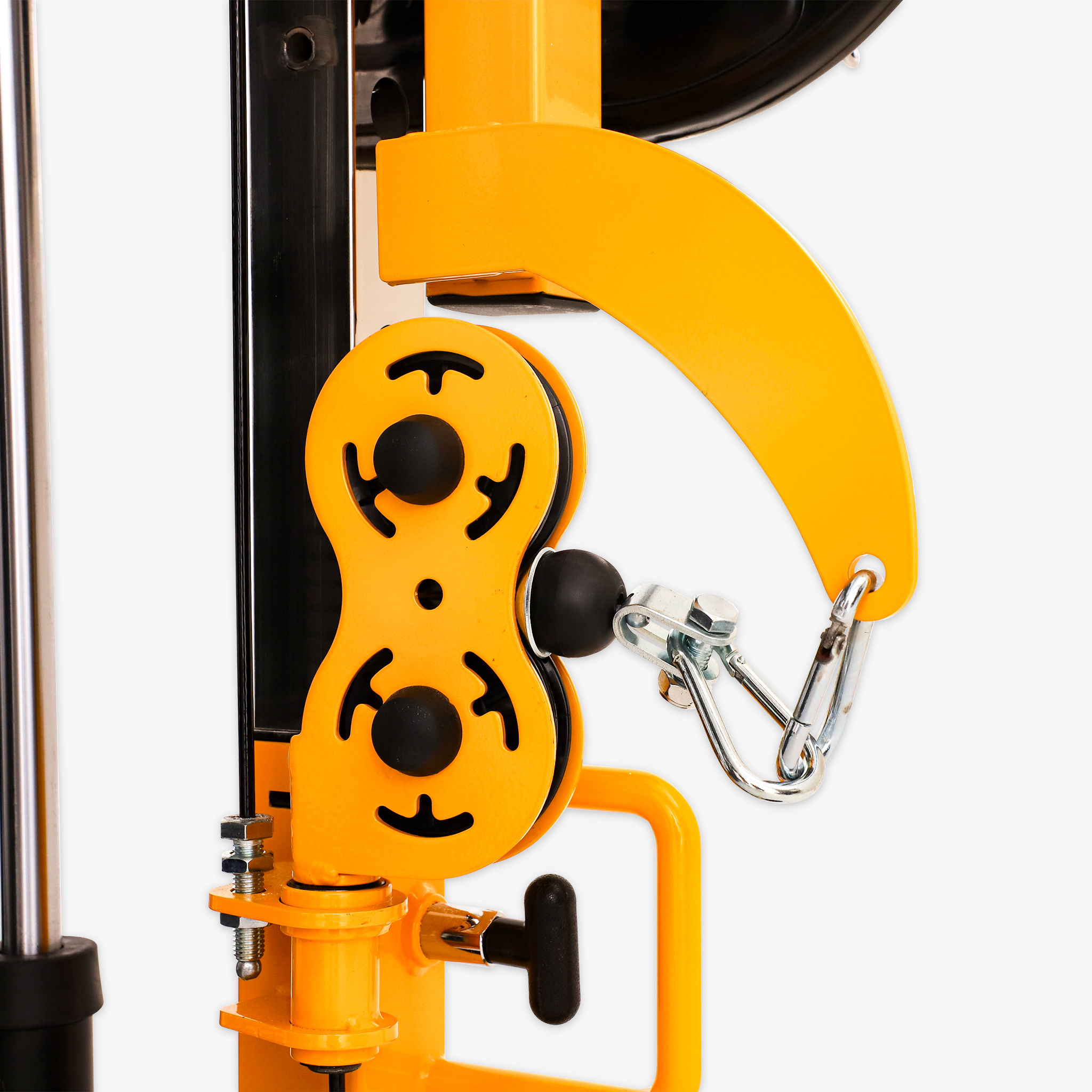
Many commercial Smith machines include a counterbalance system that reduces the starting resistance.
For example:
| Equipment | Empty Bar Weight |
|---|---|
| Olympic Barbell | 20 kg (45 lbs) |
| Counterbalanced Smith Machine | 5–15 kg effective weight |
| Non-counterbalanced Smith Machine | 15–20 kg |
If your gym's Smith machine has a light counterbalanced bar, the Smith machine vs bench press weight difference becomes even larger.
Typical Weight Difference by Experience Level
Beginners
Most beginners have weaker stabilizer muscles.
Typical difference:
- Free bench: 100 lbs
- Smith machine: 120–130 lbs
Difference:
20–30 lbs
Intermediate Lifters
As stabilizer muscles improve, the gap becomes smaller.
Typical difference:
- 10–20 lbs
Most recreational lifters fall into this category.
Advanced Lifters
Experienced lifters develop excellent bar control.
Typical difference:
- 5–10 lbs
Some competitive powerlifters notice almost no difference when using a non-counterbalanced Smith machine.
How to Convert Between Smith Machine and Bench Press
Moving From Free Bench to Smith Machine
Increase your working weight by approximately:
- 10–25 lbs (5–12 kg)
The guided movement allows greater focus on chest activation while reducing stabilization demands.
Moving From Smith Machine to Free Bench
Reduce your working weight by approximately:
- 10–30 lbs (5–15 kg)
Never assume your Smith machine numbers directly transfer to free weights.
Free-weight bench pressing requires greater shoulder stability and overall coordination.
Which Exercise Builds More Muscle?
Both exercises can build impressive chest muscles.
Smith Machine Advantages
- Better muscle isolation
- Consistent movement pattern
- Easier progressive overload
- Safer for solo training
- Lower injury risk
Free Bench Press Advantages
- Greater stabilizer activation
- Better functional strength
- Improved athletic performance
- More transferable to sports
- Standard competition movement
For hypertrophy, research shows both exercises can be highly effective when training volume and intensity are matched.
Common Mistakes
Assuming Every Smith Machine Is the Same
Different manufacturers use different:
- Counterbalance systems
- Rail angles
- Bar weights
- Bearing systems
Always test your gym's machine before comparing numbers.
Comparing PRs Directly
A 225-lb Smith machine bench press does not automatically equal a 225-lb free-weight bench press.
Your stabilizer muscles must also support the weight during a traditional bench press.
Ignoring the Empty Bar Weight
Some Smith machine bars weigh only 15 lbs.
Others weigh 25 lbs.
Some feel almost weightless because of heavy counterbalancing.
Always include the actual bar weight in your training log.
Which One Should You Choose?
Choose a Smith machine if you:
- Train alone
- Want extra safety
- Focus on muscle growth
- Recover from injuries
- Need controlled movement
- Own a home gym
Choose a free-weight bench press if you:
- Want maximum strength
- Compete in powerlifting
- Improve athletic performance
- Develop stabilizer muscles
- Build functional pressing strength
Many experienced lifters use both in the same program.
Frequently Asked Questions
Is the Smith machine easier than a bench press?
Yes. Most people can lift more weight because the machine stabilizes the bar and reduces the demand on supporting muscles.
How much heavier can I bench on a Smith machine?
Most lifters can bench 10–30 lbs (5–15 kg) more than with free weights, although the exact amount depends on the machine and the individual.
Does the Smith machine build chest muscles?
Absolutely. When combined with progressive overload and proper technique, the Smith machine is highly effective for chest hypertrophy.
Should beginners use the Smith machine?
Yes. The guided movement helps beginners learn proper pressing mechanics while reducing injury risk during solo workouts.
Final Thoughts
Understanding the Smith machine vs bench press weight difference helps you train smarter and avoid unrealistic expectations.
Most people will lift slightly more on a Smith machine because the fixed bar path removes much of the stabilization required during a traditional bench press. However, free-weight bench pressing remains the gold standard for developing overall upper-body strength and functional performance.
For the best long-term results, combine both exercises in your training program. Use the Smith machine for controlled hypertrophy work and heavy solo sessions, while relying on the free-weight bench press to build real-world strength, stability, and balanced muscle development.