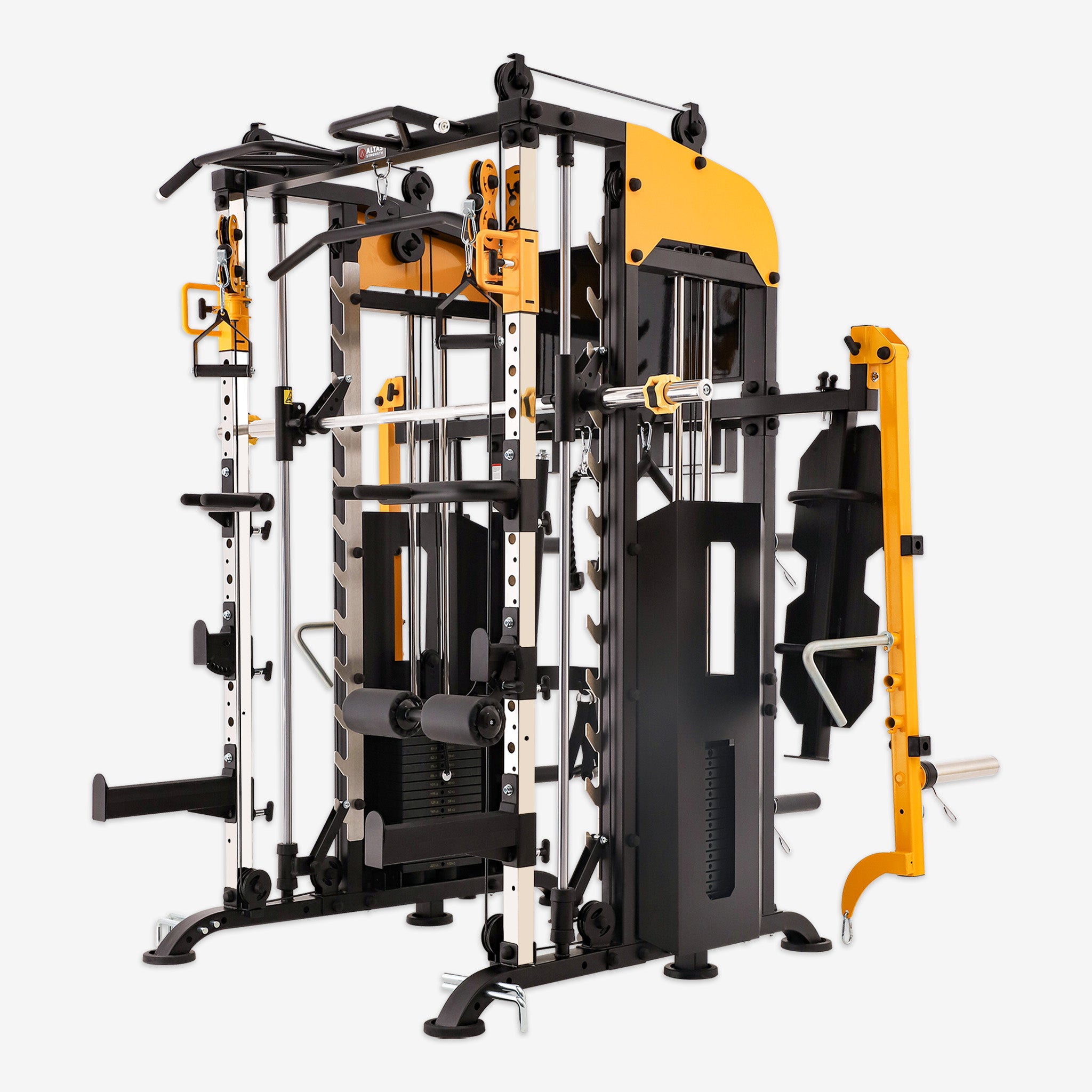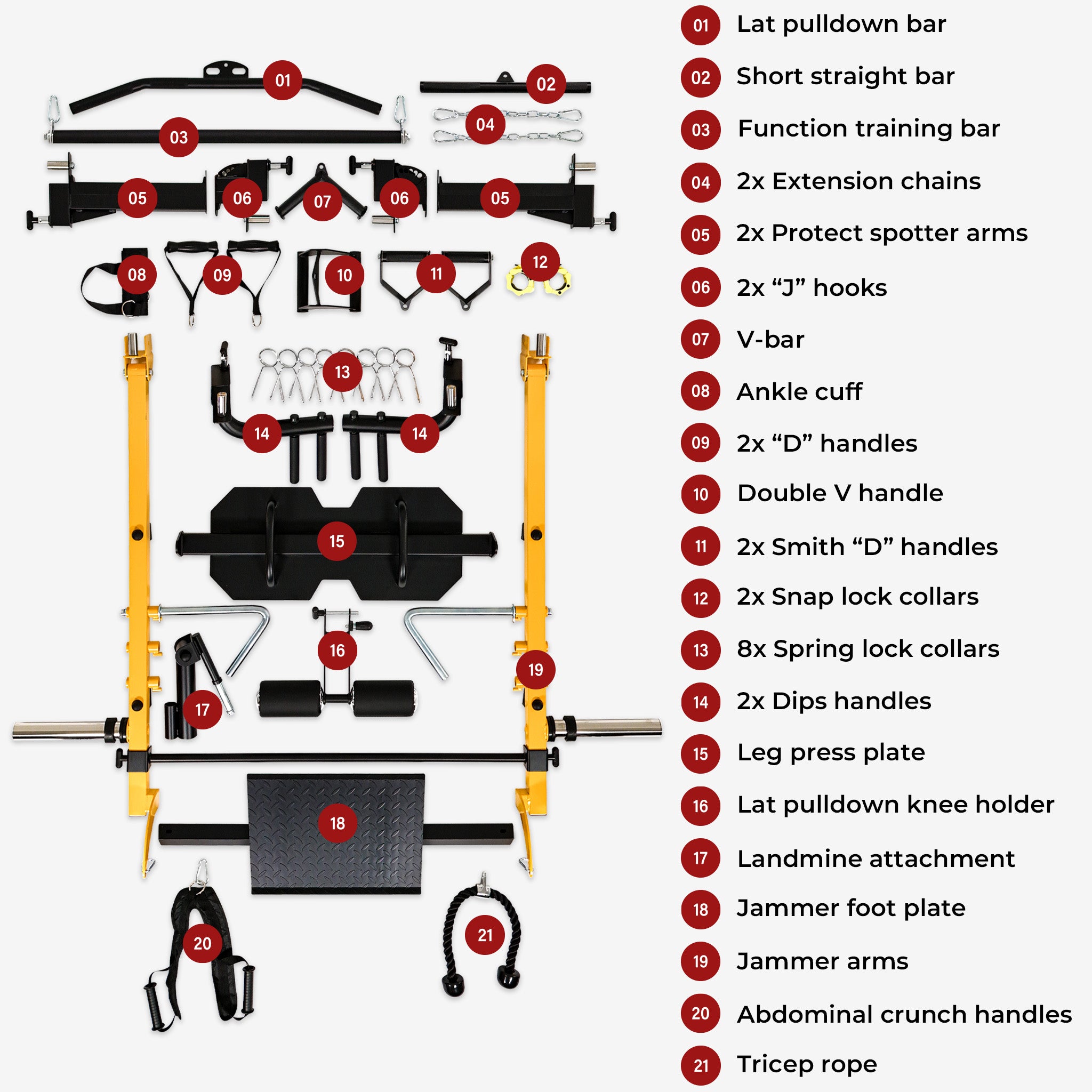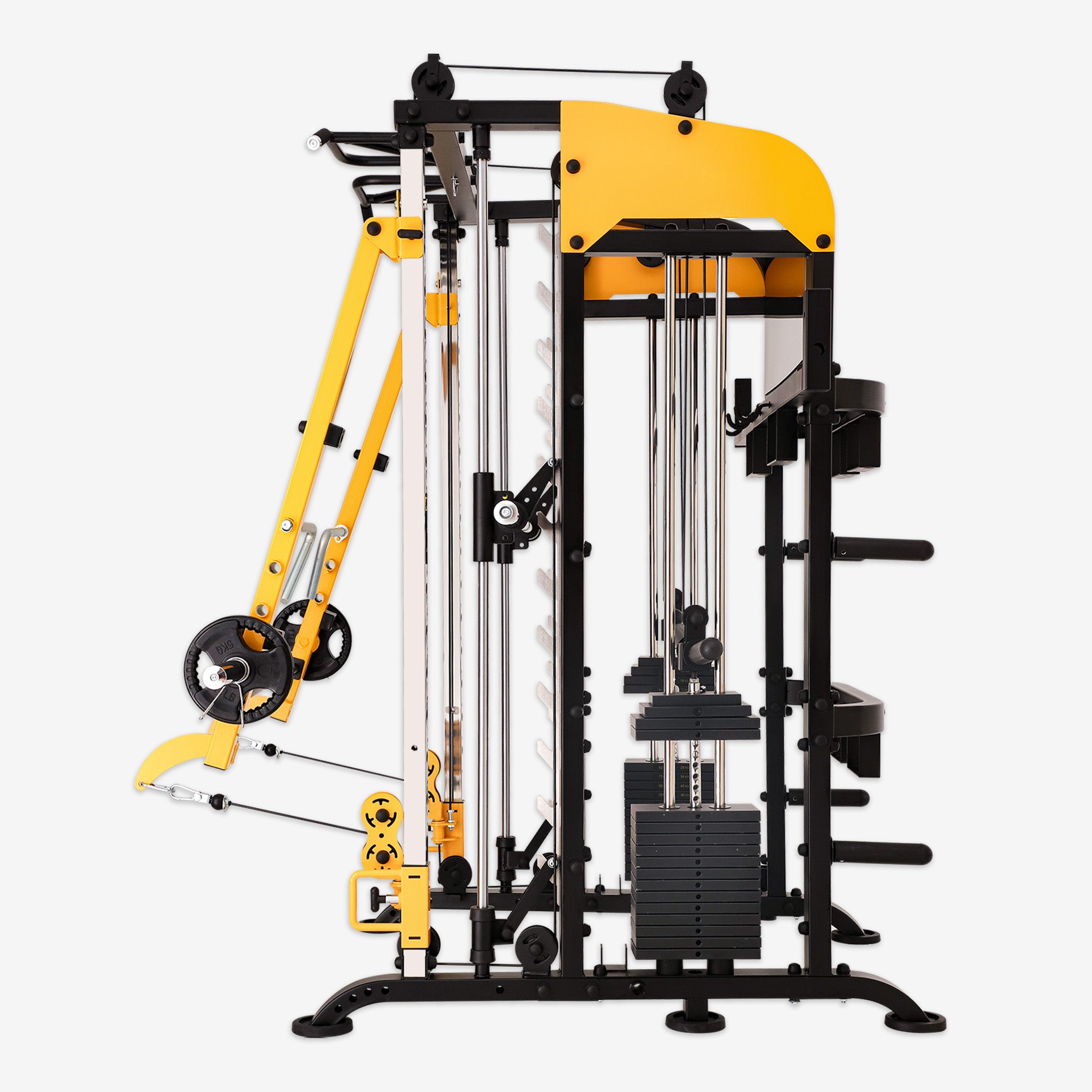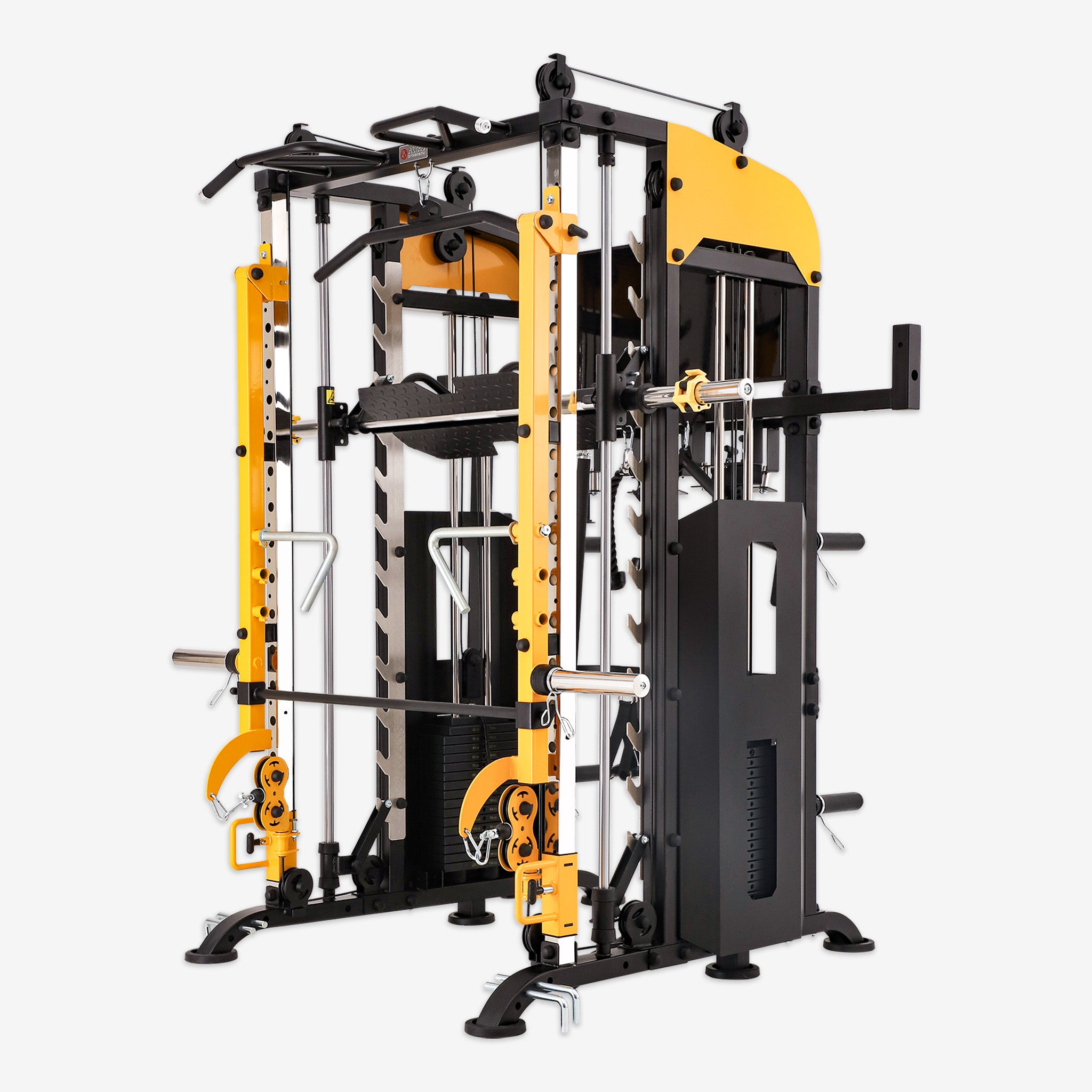
Weight of Smith Machine Bar KG: Everything You Need to Know
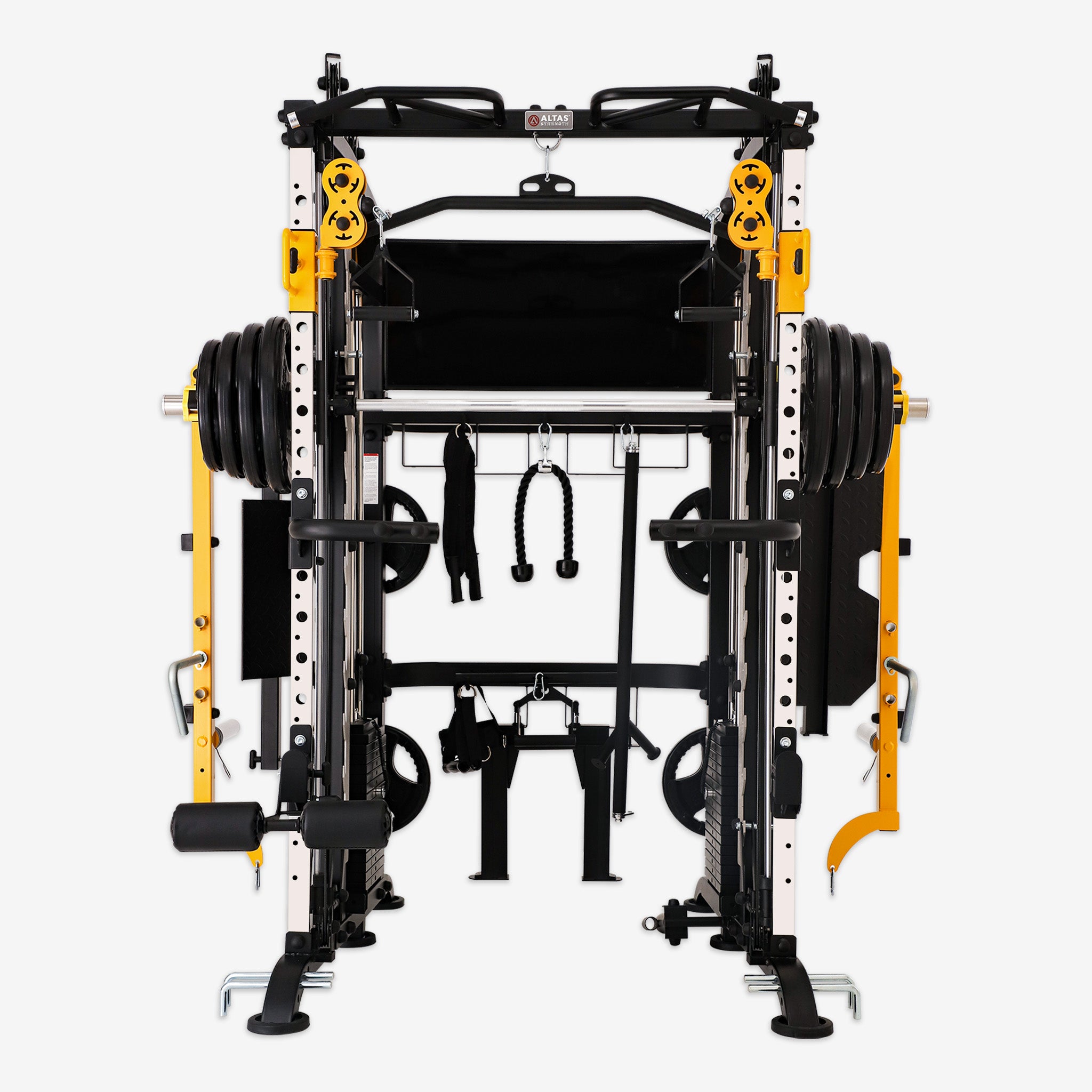
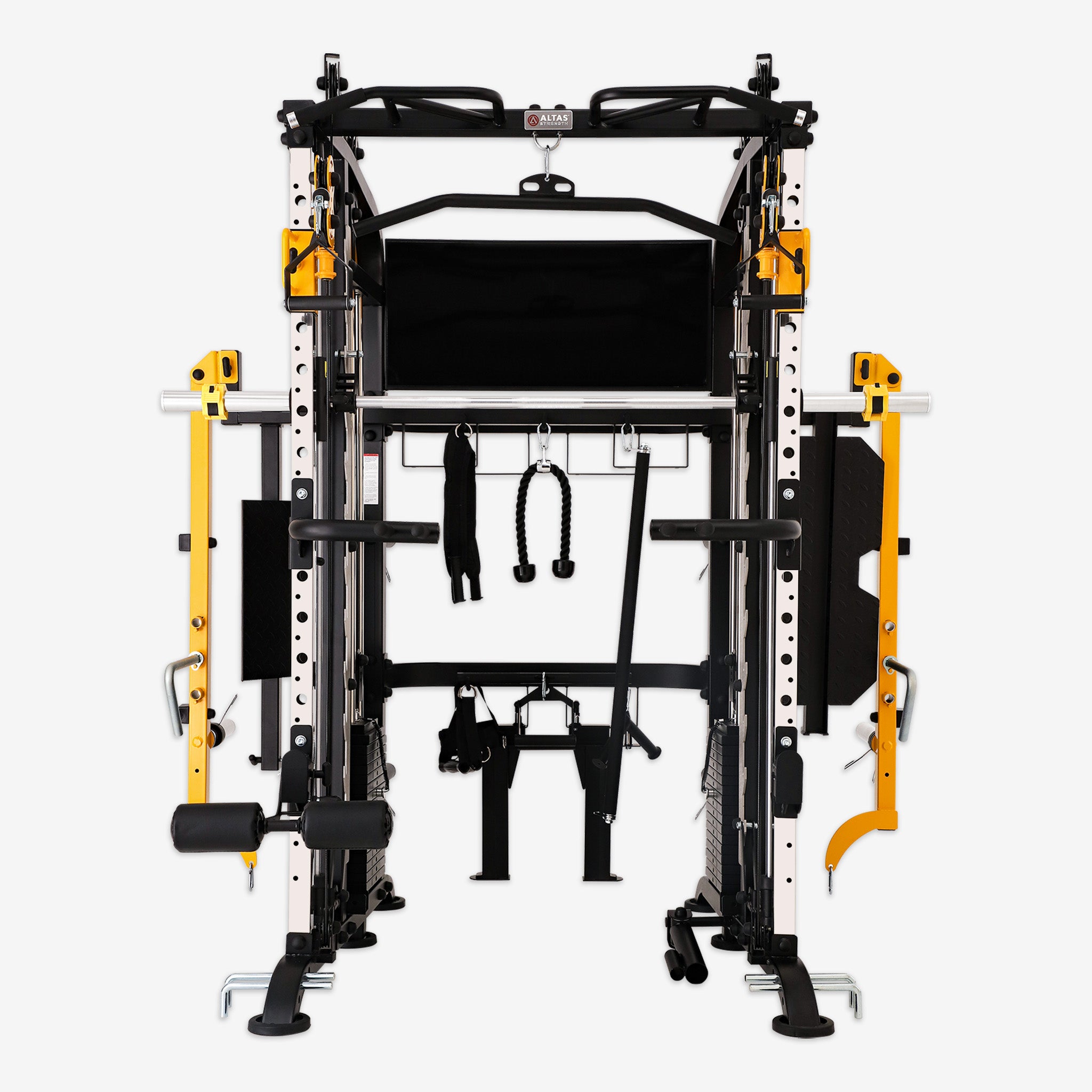
If you've ever trained on different Smith machines, you've probably noticed that the empty bar doesn't always feel the same. That's because the weight of Smith machine bar kg varies depending on the manufacturer, counterbalance system, and whether the machine is designed for commercial or home use.
Understanding the correct weight of Smith machine bar kg is essential for accurately tracking workouts, applying progressive overload, comparing lifts between gyms, and avoiding training mistakes.
This guide explains the standard Smith machine bar weights, why they differ from Olympic barbells, and how to determine the exact bar weight before your workout.
What Is the Standard Weight of Smith Machine Bar KG?
Unlike Olympic barbells, there is no universal standard for the weight of Smith machine bar kg.
Most machines fall into the following categories.
Commercial Gym Smith Machines
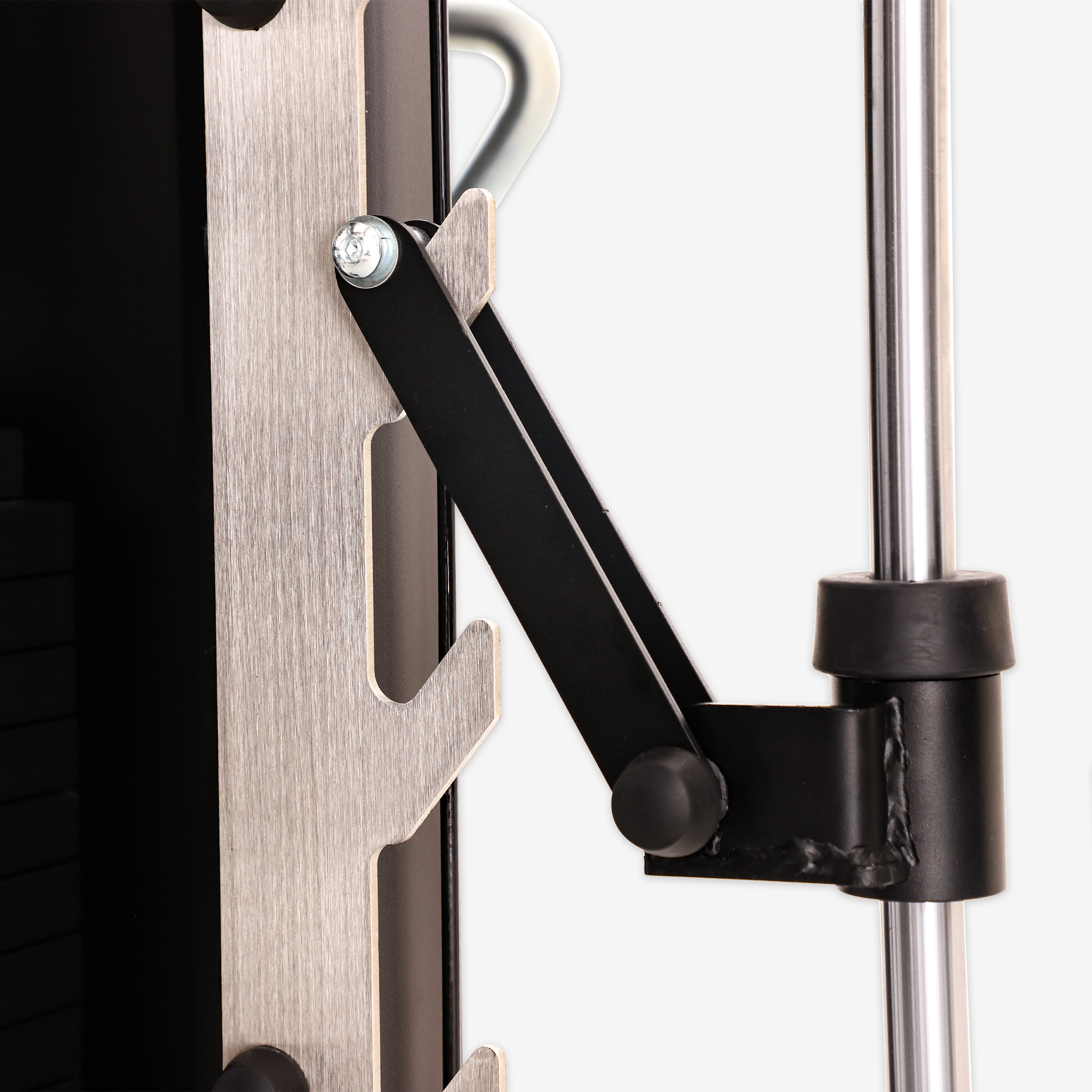
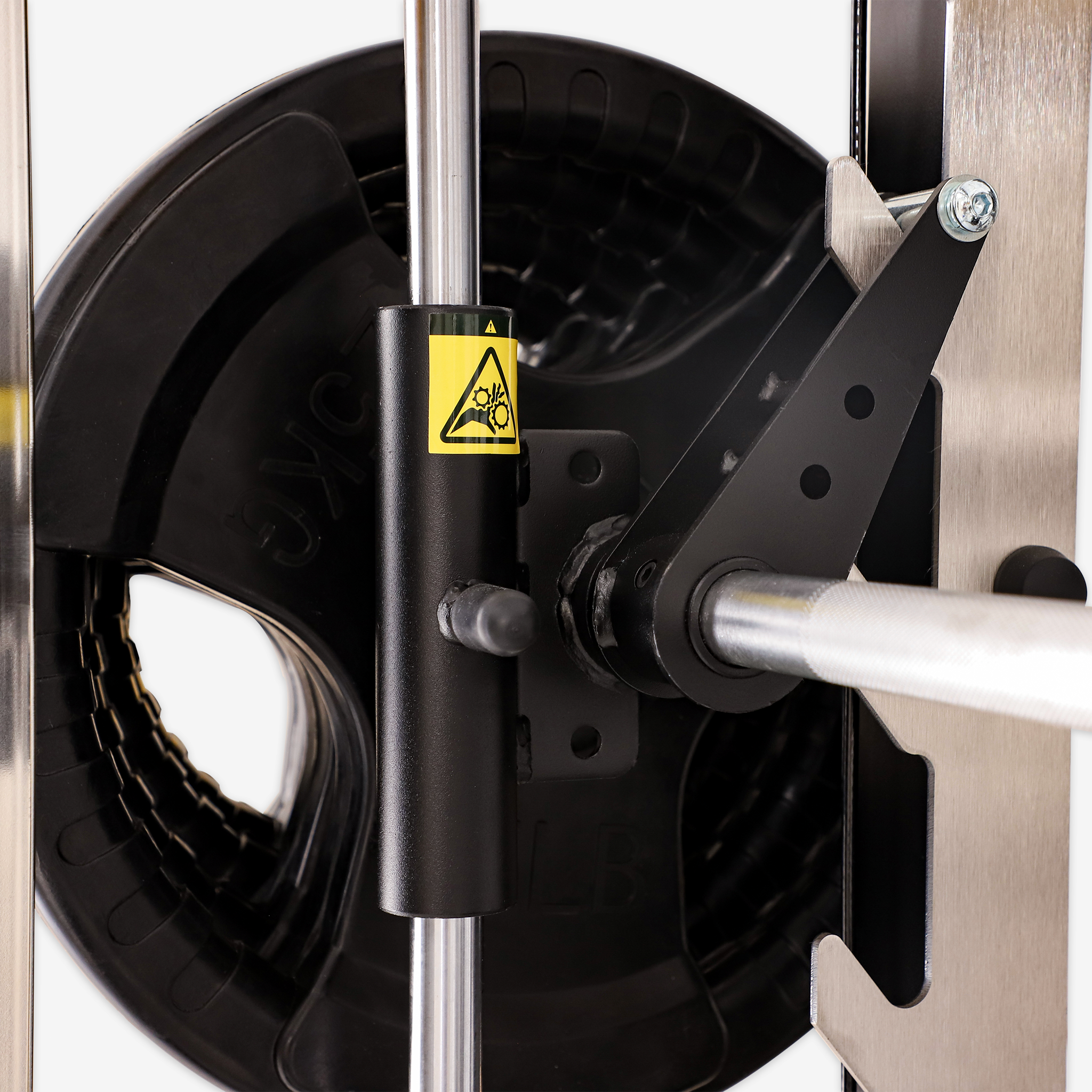
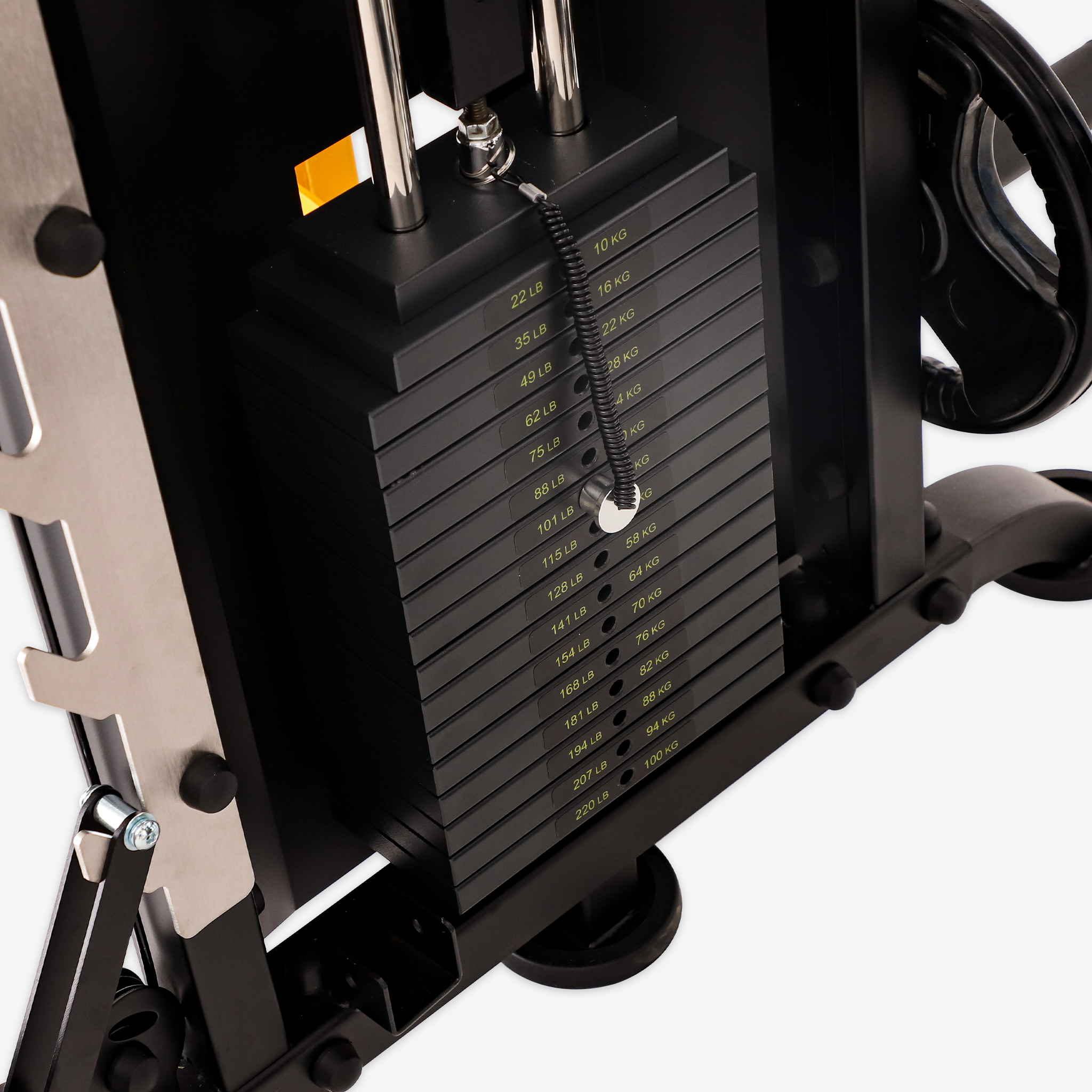
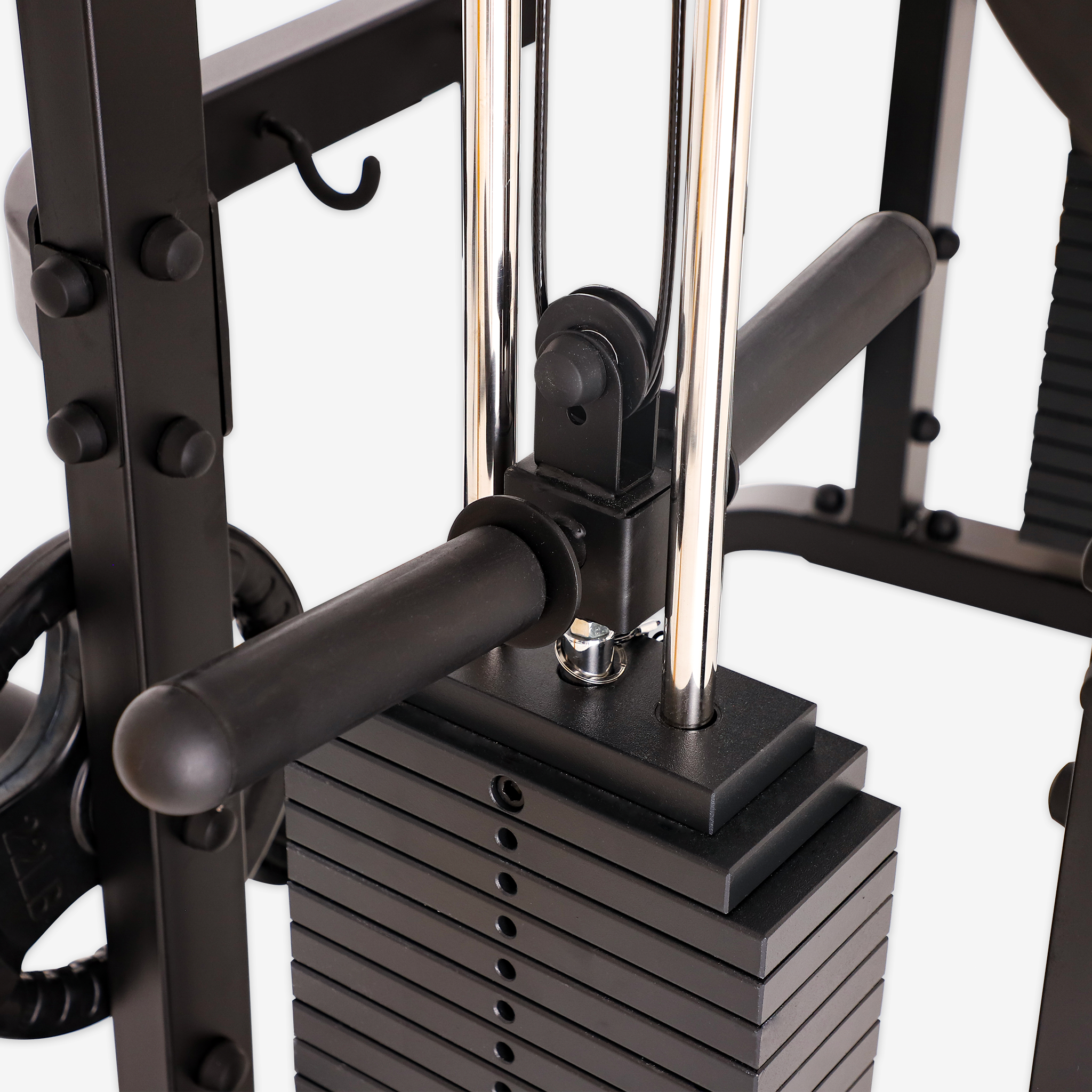
Commercial Smith machines typically use counterbalance systems.
Typical specifications include:
- Physical bar weight: 9–11 kg (20–25 lbs)
- Effective lifting weight: 5–10 kg, depending on the counterbalance system
Large commercial gyms often choose lighter effective starting weights so beginners can safely learn compound lifts.
Home Gym Smith Machines
Home gym equipment generally uses lighter bars.
Typical ranges include:
- Compact home models: 7–10 kg
- Heavy-duty home models: 10–15 kg
- Premium commercial-style home systems: 15–20 kg
Many all-in-one home gyms include partial counterbalance systems to improve safety during solo workouts.
Non-Counterbalanced Smith Machines
Some heavy-duty commercial machines eliminate the counterbalance completely.
Typical weight:
- 20 kg, matching a standard Olympic barbell
These machines provide lifting resistance that's much closer to free-weight training.
Average Weight of Smith Machine Bar KG
| Smith Machine Type | Physical Bar Weight | Effective Starting Weight |
|---|---|---|
| Commercial Counterbalanced | 9–11 kg | 5–10 kg |
| Partial Counterbalanced | 10–15 kg | 8–12 kg |
| Home Gym | 7–12 kg | 7–12 kg |
| Heavy-Duty Home | 15–20 kg | 12–20 kg |
| Non-Counterbalanced | 20 kg | 20 kg |
Why Does the Weight of Smith Machine Bar KG Vary?
Several factors determine the effective weight you feel.
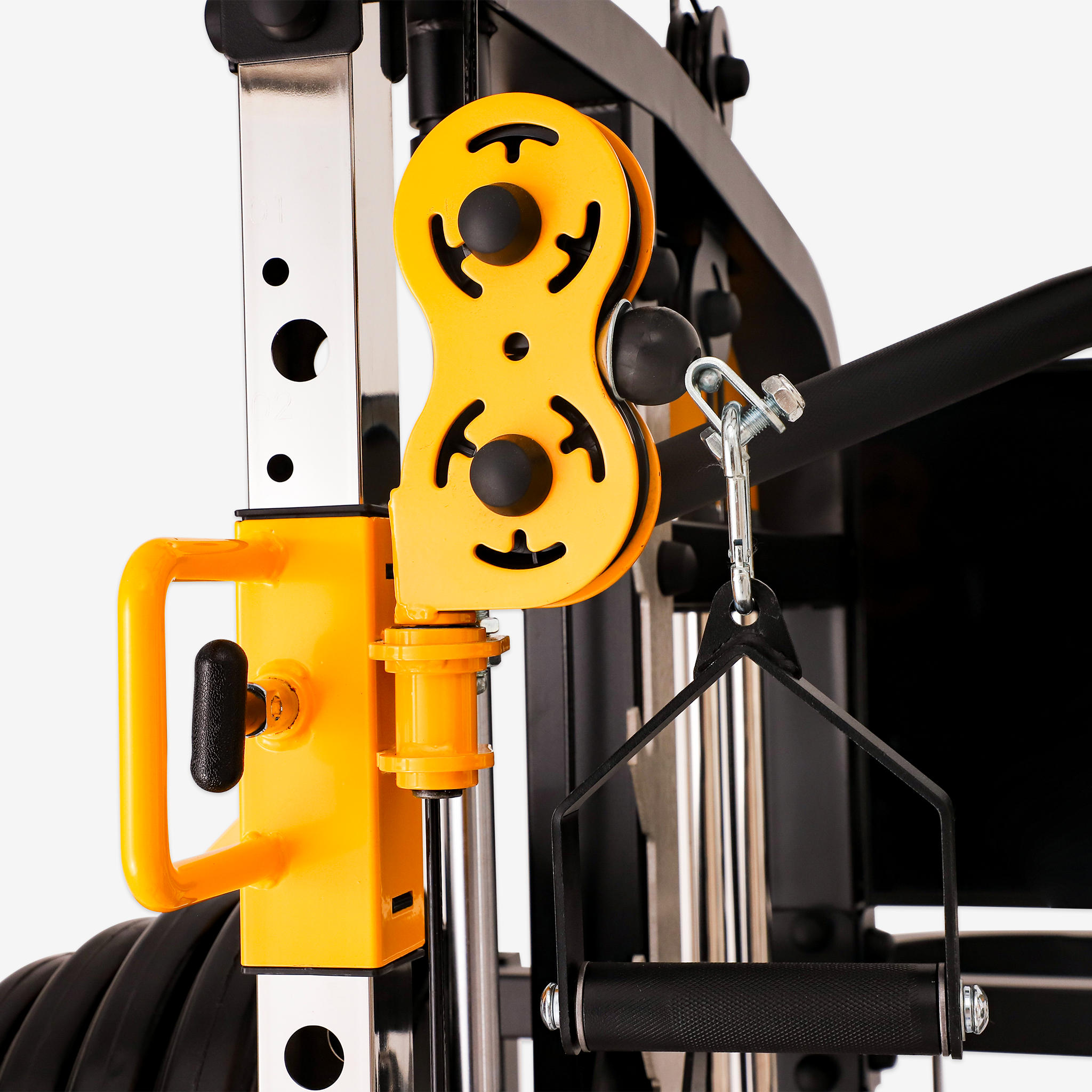
Counterbalance System
The biggest difference comes from built-in counterweights.
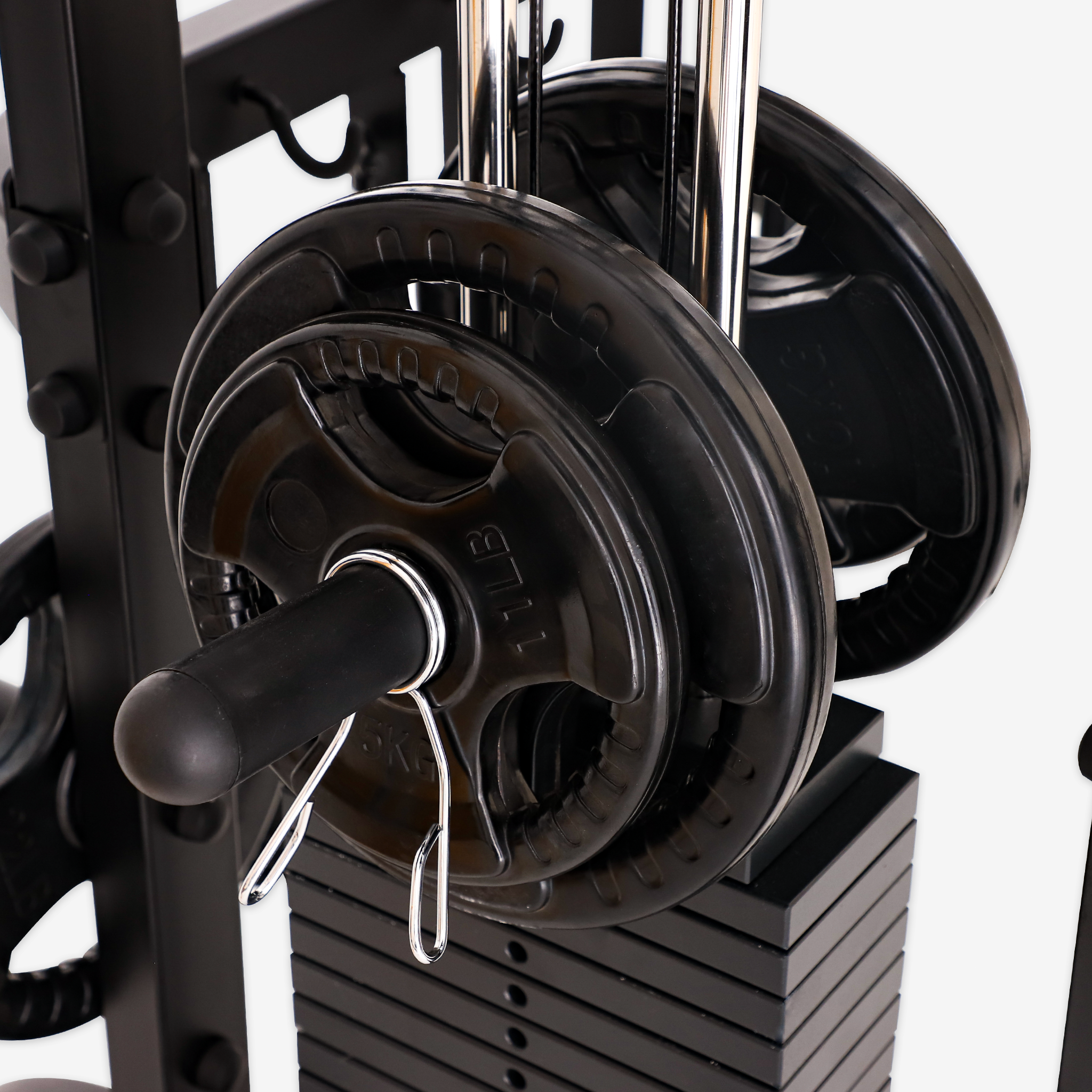
Counterweights reduce the effort required to lift the empty bar.
For example:
- Physical bar weight: 10 kg
- Counterbalance assistance: 4 kg
- Effective lifting weight: 6 kg
This makes the machine easier for beginners while maintaining smooth movement.
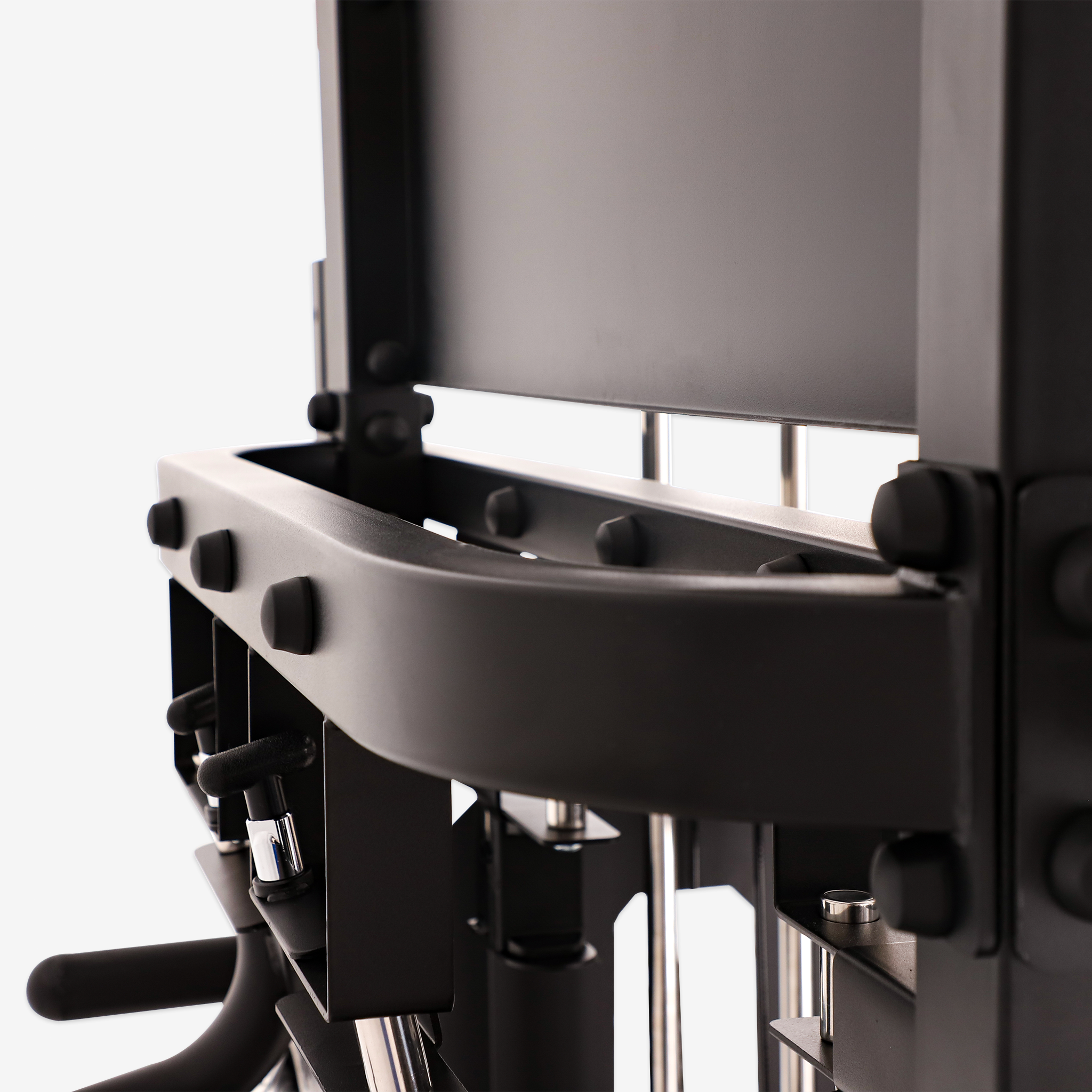
Guide Rails
Unlike free barbells, Smith machine bars travel along steel guide rails.
These rails:
- Remove balance requirements
- Reduce stabilizer muscle involvement
- Create smoother movement
- Change how heavy the bar feels
Even when two bars weigh exactly the same, the Smith machine often feels easier because you don't have to stabilize the load.
Manufacturer Design
Every manufacturer builds Smith machines differently.
Differences include:
- Rail thickness
- Bearing systems
- Counterweight design
- Steel construction
- Locking mechanisms
These variations explain why the weight of Smith machine bar kg differs between gyms.
Smith Machine Bar vs Olympic Bar
| Feature | Smith Machine | Olympic Bar |
|---|---|---|
| Standard Weight | 5–20 kg | 20 kg |
| Fixed Path | Yes | No |
| Counterbalanced | Often | No |
| Requires Stabilization | Minimal | High |
| Beginner Friendly | Excellent | Moderate |
Olympic bars always weigh 20 kg, while Smith machine bars can vary significantly.
How to Check the Weight of Smith Machine Bar KG
Before logging your workout, verify the actual bar weight.
1. Check the Equipment Label
Many manufacturers place a sticker on the machine listing:
- Physical bar weight
- Effective starting weight
- Maximum capacity
This is the easiest and most reliable method.
2. Ask Gym Staff
Commercial gyms often know the specifications of their equipment.
Staff can usually provide:
- Manufacturer
- Model
- Counterbalance information
- Bar weight
3. Review the Owner's Manual
If you own a home gym, the manual usually lists:
- Bar weight
- Counterbalance
- Weight capacity
Keep this information for future workout tracking.
4. Measure the Effective Weight
If no information is available, you can estimate the effective weight using calibrated plates or a luggage scale.
This method provides a more accurate starting point for recording workouts.
Why Knowing the Weight of Smith Machine Bar KG Matters
Accurate Progressive Overload
Strength gains depend on gradually increasing total training load.
If you ignore the Smith bar weight, your workout log becomes inaccurate.
Better Workout Tracking
Recording the correct total weight allows you to:
- Compare workouts
- Track personal records
- Measure long-term progress
Easier Gym-to-Gym Comparison
Different gyms use different Smith machines.
Knowing the exact weight of Smith machine bar kg helps maintain consistent programming when switching locations.
Reduced Injury Risk
Incorrect assumptions often lead lifters to overload the machine.
Knowing the real starting weight helps you choose safer working loads.
Common Mistakes
Assuming Every Smith Bar Is 20 kg
This is one of the biggest misconceptions.
Only non-counterbalanced commercial models typically match the weight of a standard Olympic bar.
Ignoring Counterbalance
Many lifters record only plate weight.
Always include the effective starting weight when tracking workouts.
Comparing Smith Machine PRs to Free Weights
Because Smith machines remove stabilization demands, lifts usually cannot be compared directly with free-weight personal records.
Tips for Accurate Workout Logging
For the best consistency:
- Record the verified weight of Smith machine bar kg for every gym you visit.
- Include the bar weight in every workout log.
- Note whether the machine is counterbalanced.
- Keep separate records for Smith machine and free-weight lifts.
- Recheck specifications whenever using a different Smith machine.
Frequently Asked Questions
Is every Smith machine bar 20 kg?
No. Most Smith machine bars weigh between 7 kg and 15 kg, while heavy-duty non-counterbalanced machines may weigh 20 kg.
Does counterbalance reduce the actual weight?
No.
Counterbalance reduces the effective lifting resistance, but the physical bar weight remains unchanged.
Why does my gym's Smith machine feel lighter?
The machine likely uses a counterweight system and guided rails that reduce the effort required to move the bar.
Should I include the Smith bar weight in my workout log?
Yes.
Always include both the bar weight and the weight plates for accurate strength tracking.
Final Thoughts
The weight of Smith machine bar kg varies considerably across commercial gyms, home gym systems, and manufacturers. While many commercial counterbalanced machines provide an effective starting weight between 5 and 10 kg, home models generally range from 7 to 12 kg, and non-counterbalanced machines may match the standard 20 kg Olympic bar.
Before starting a training program, take a few moments to verify your machine's actual bar weight. Accurate tracking leads to better progressive overload, more reliable strength measurements, safer workouts, and more consistent long-term results.