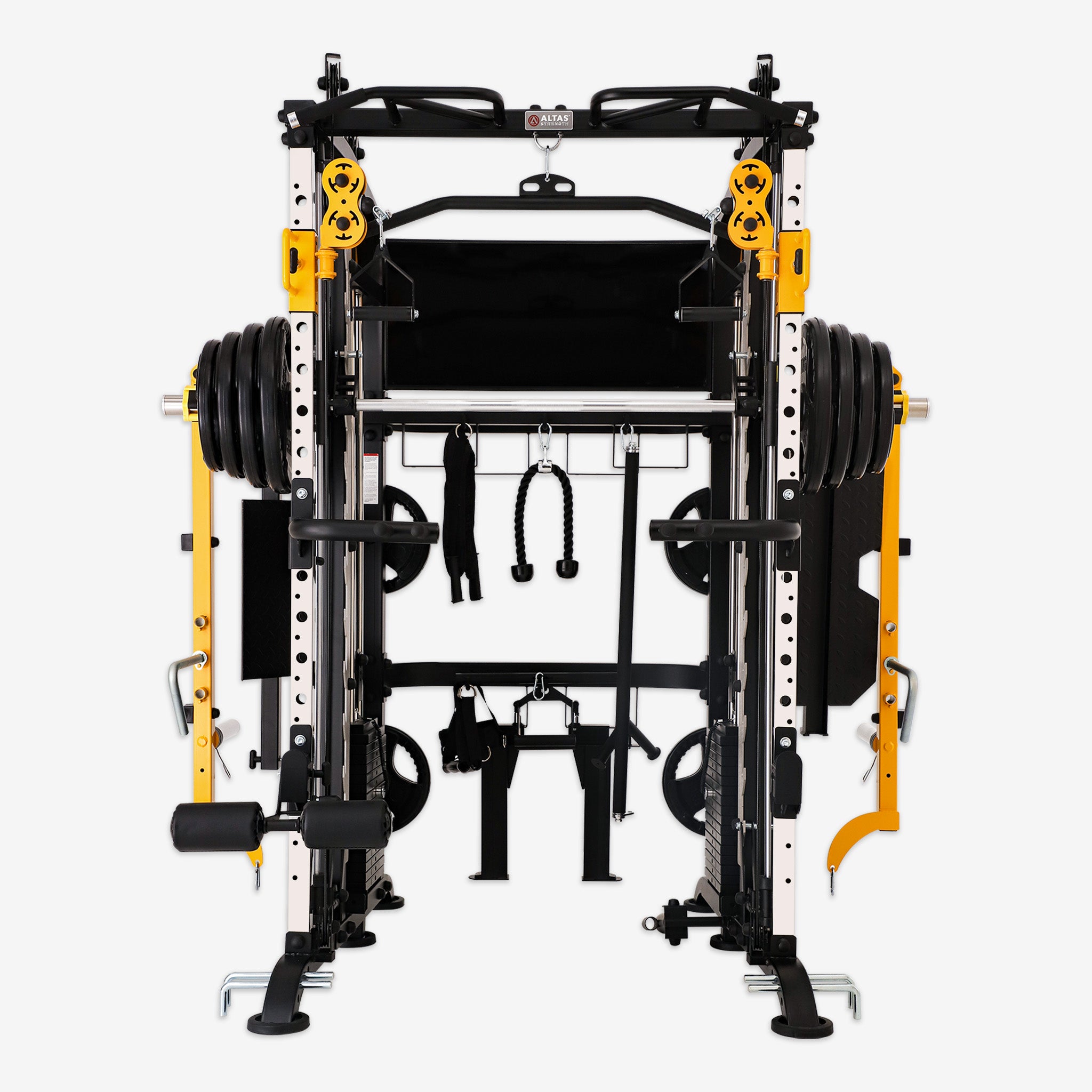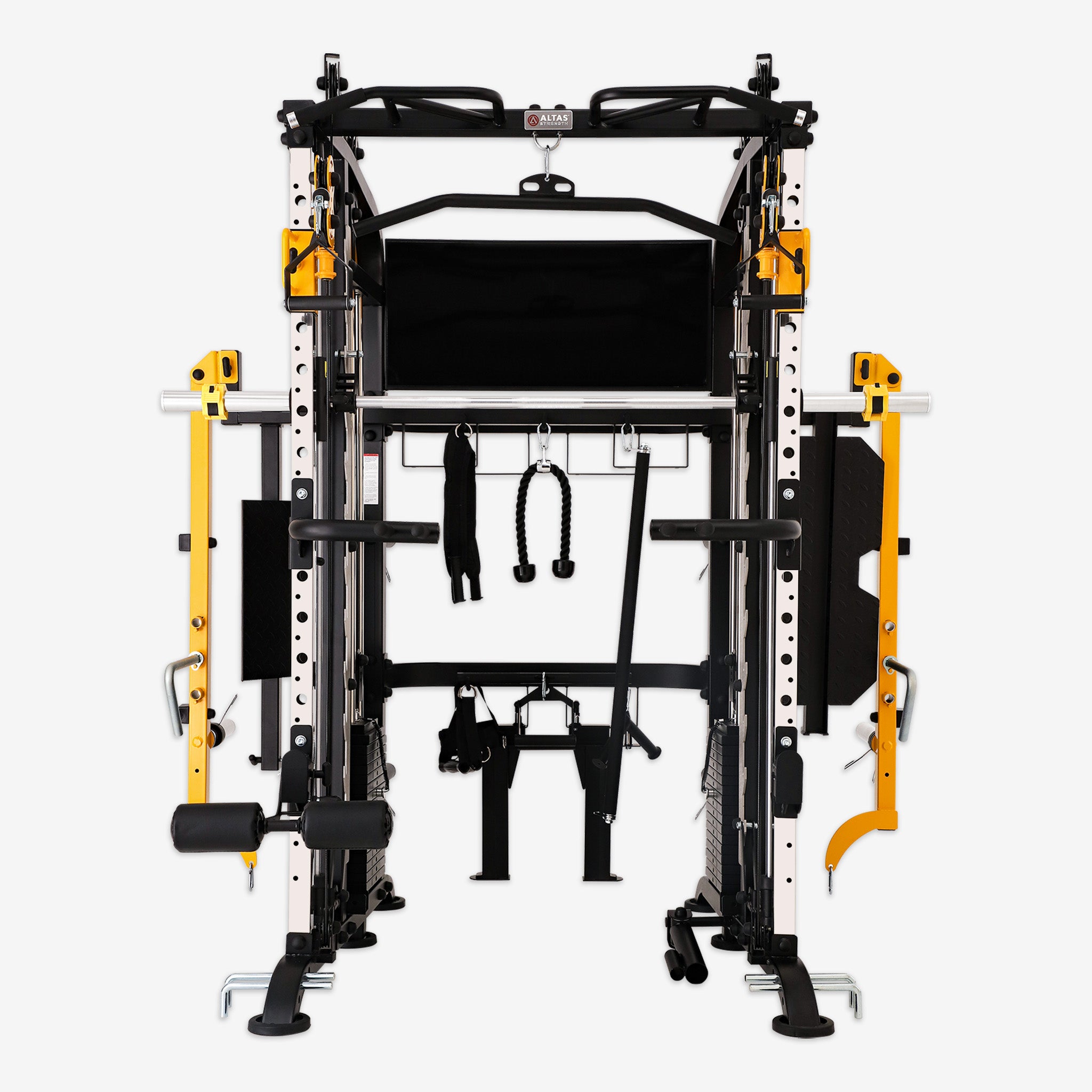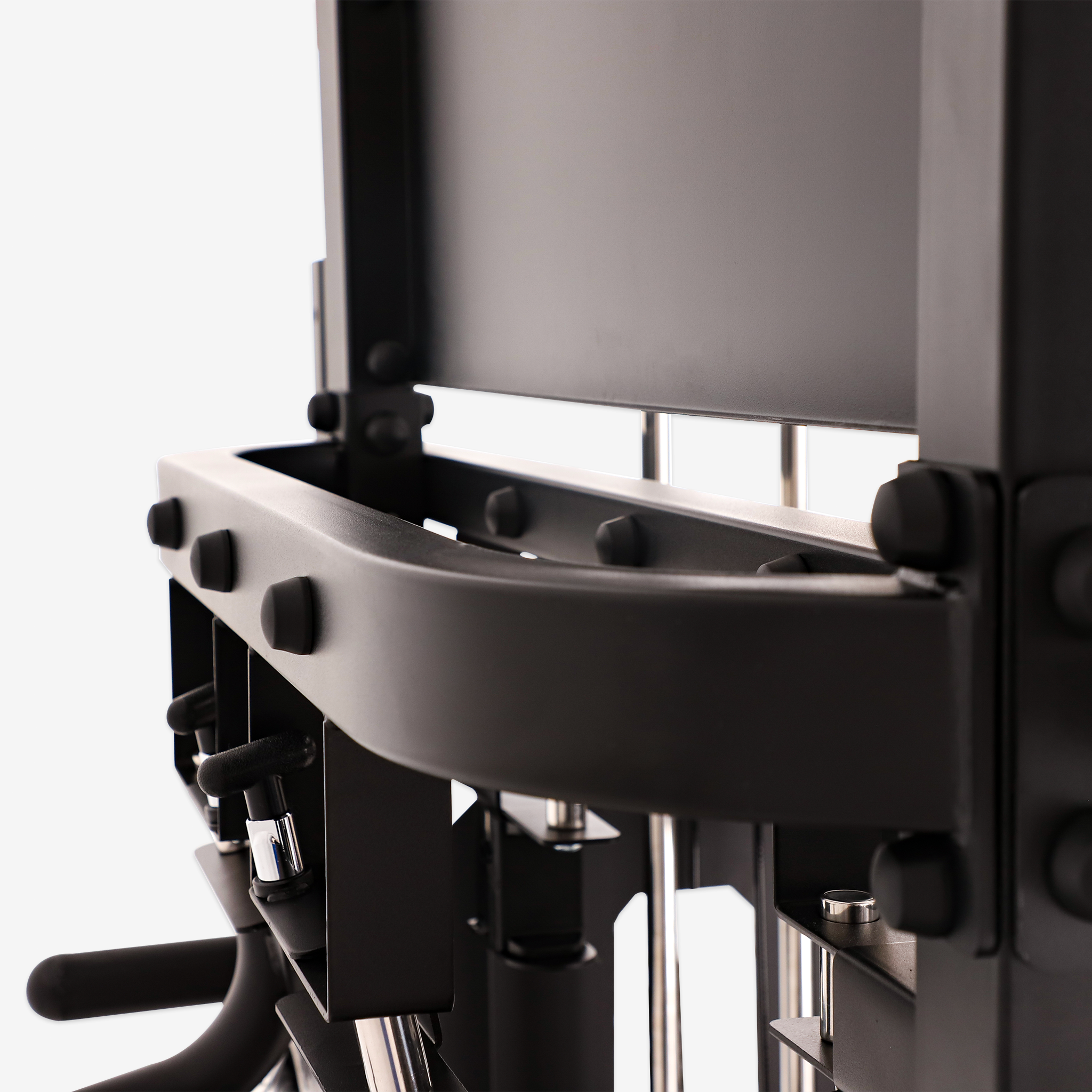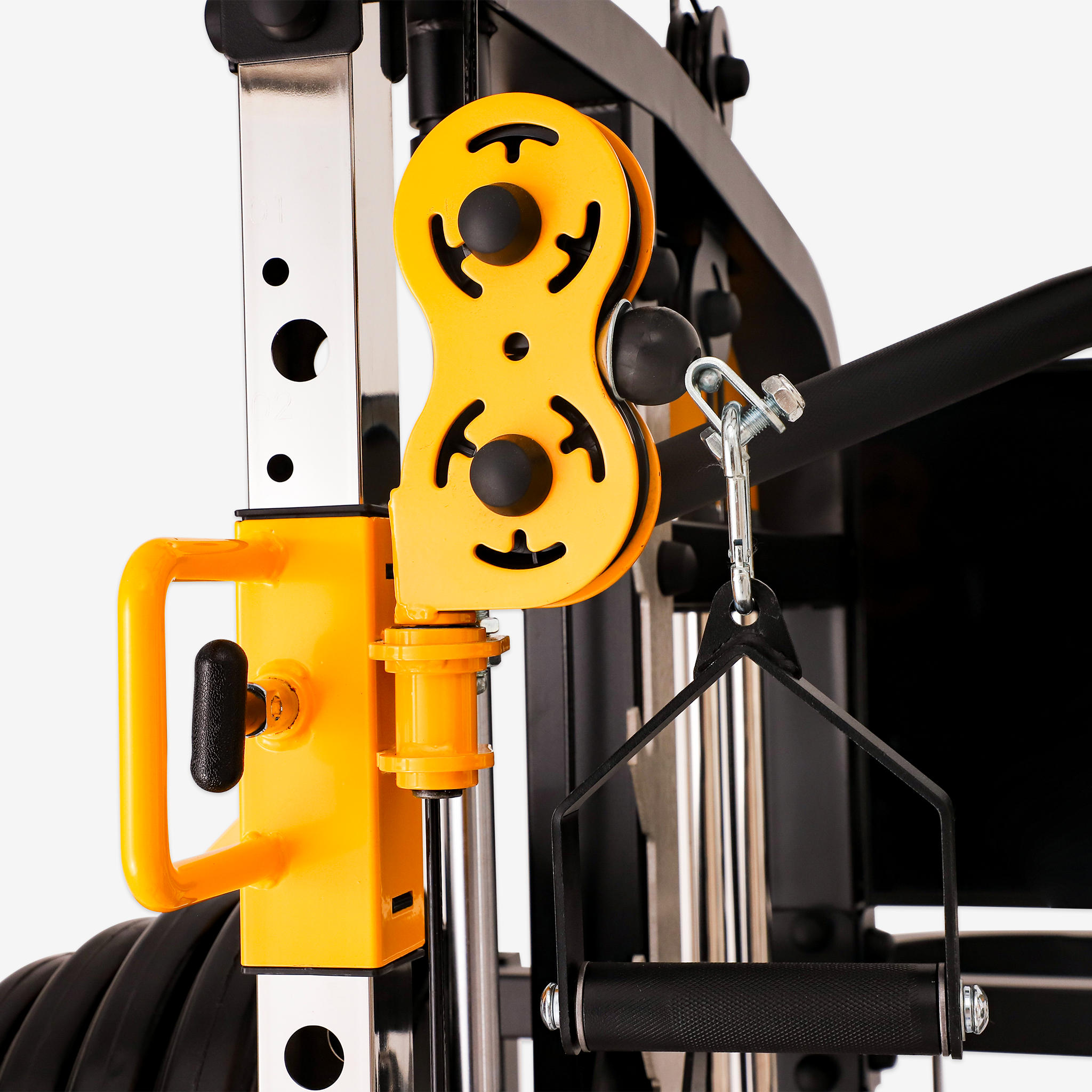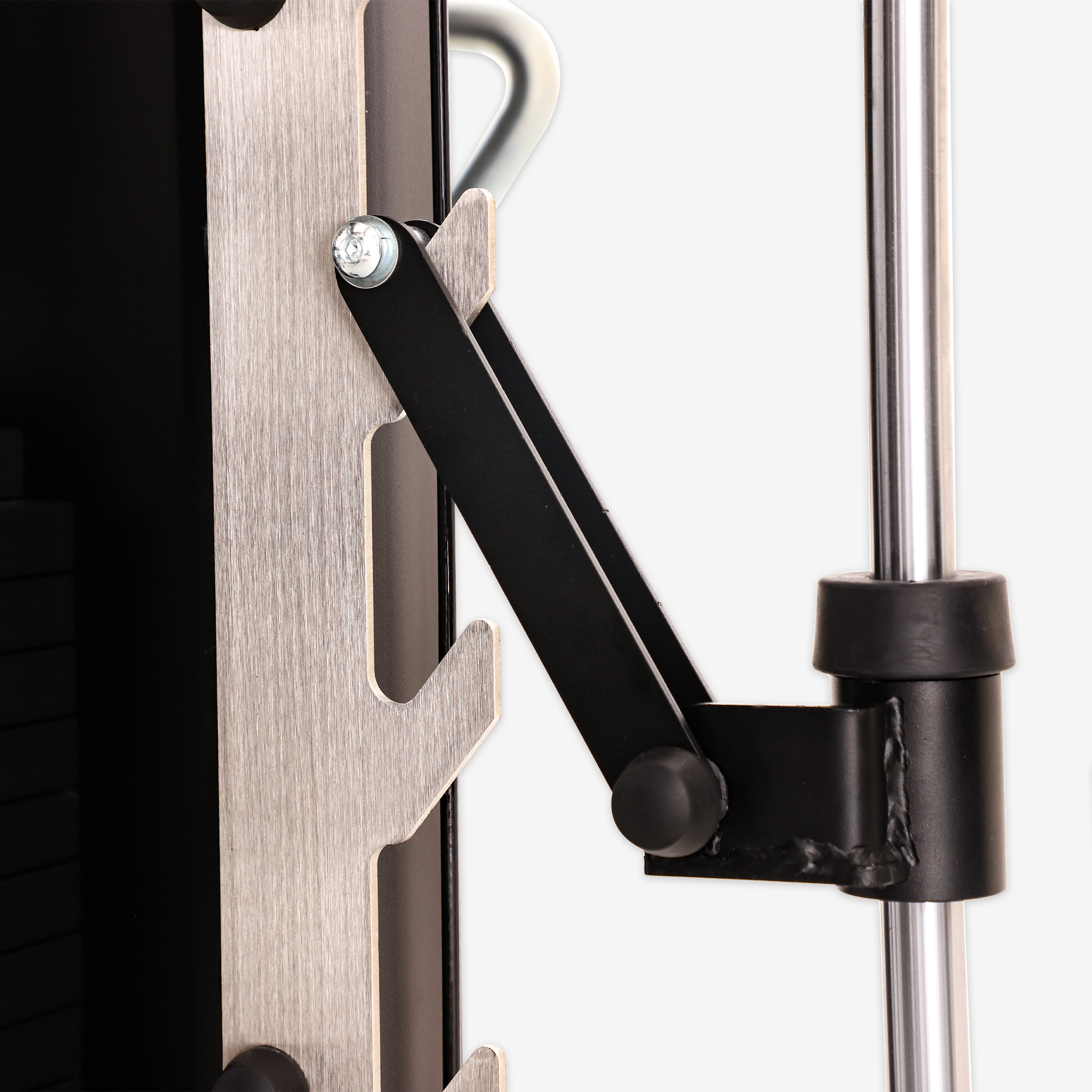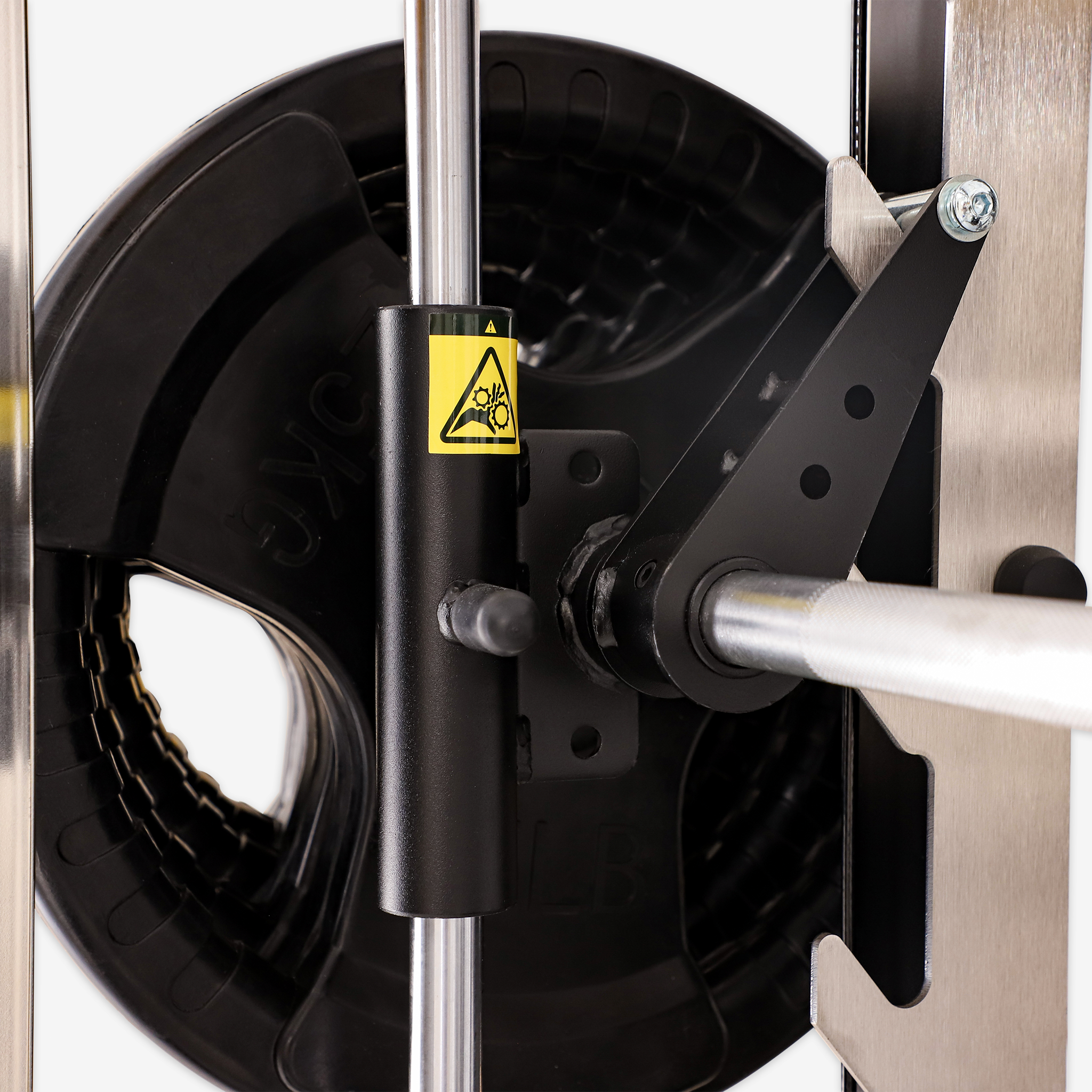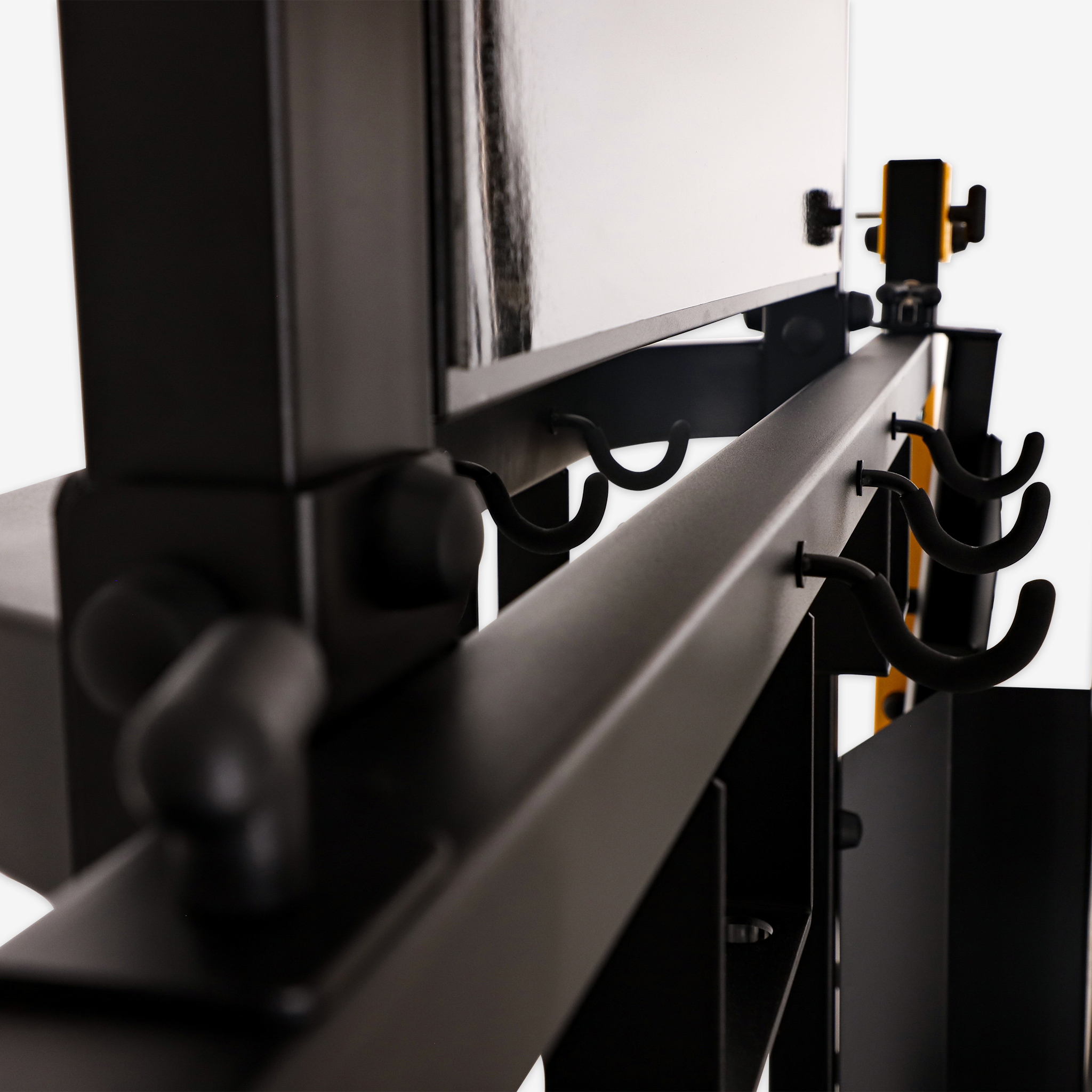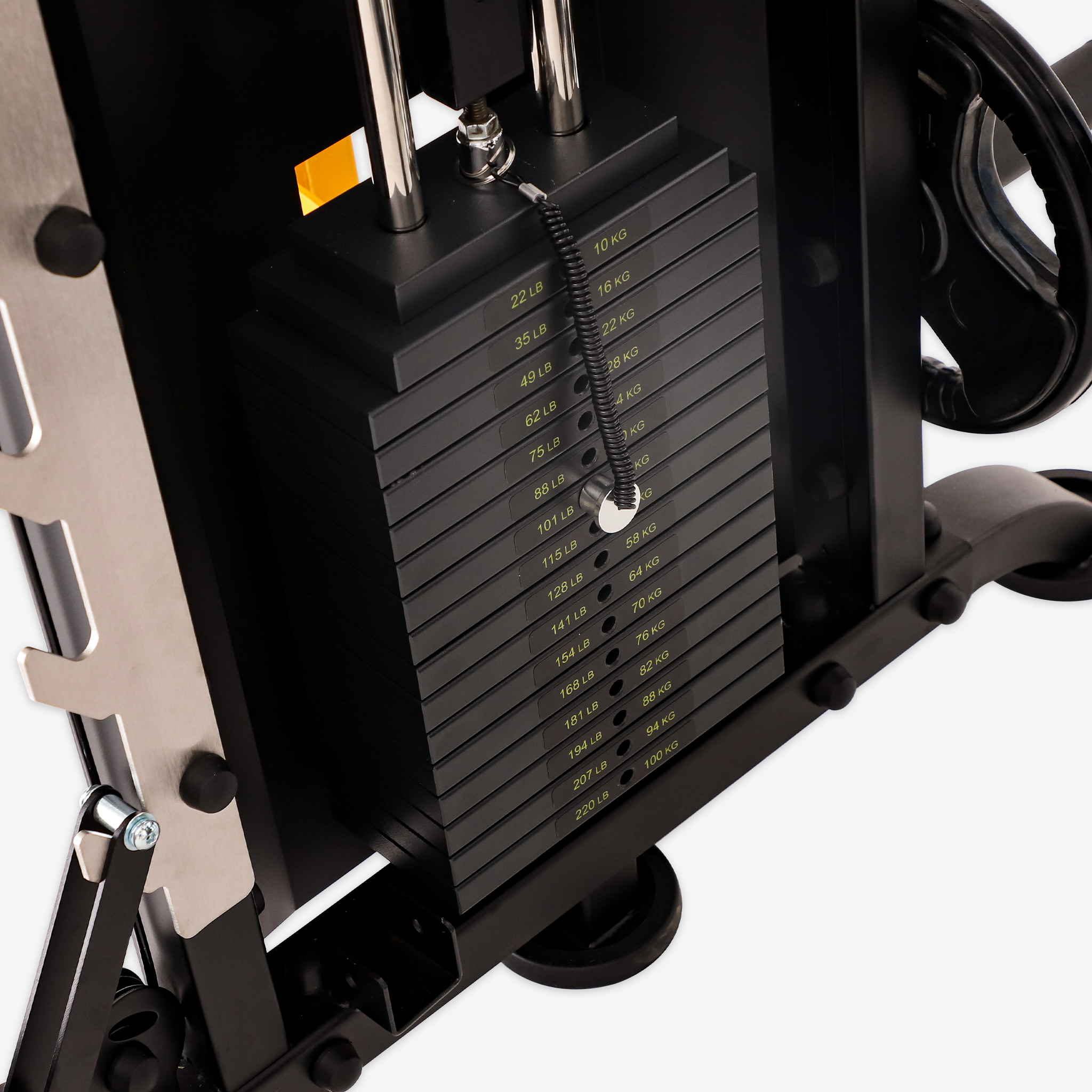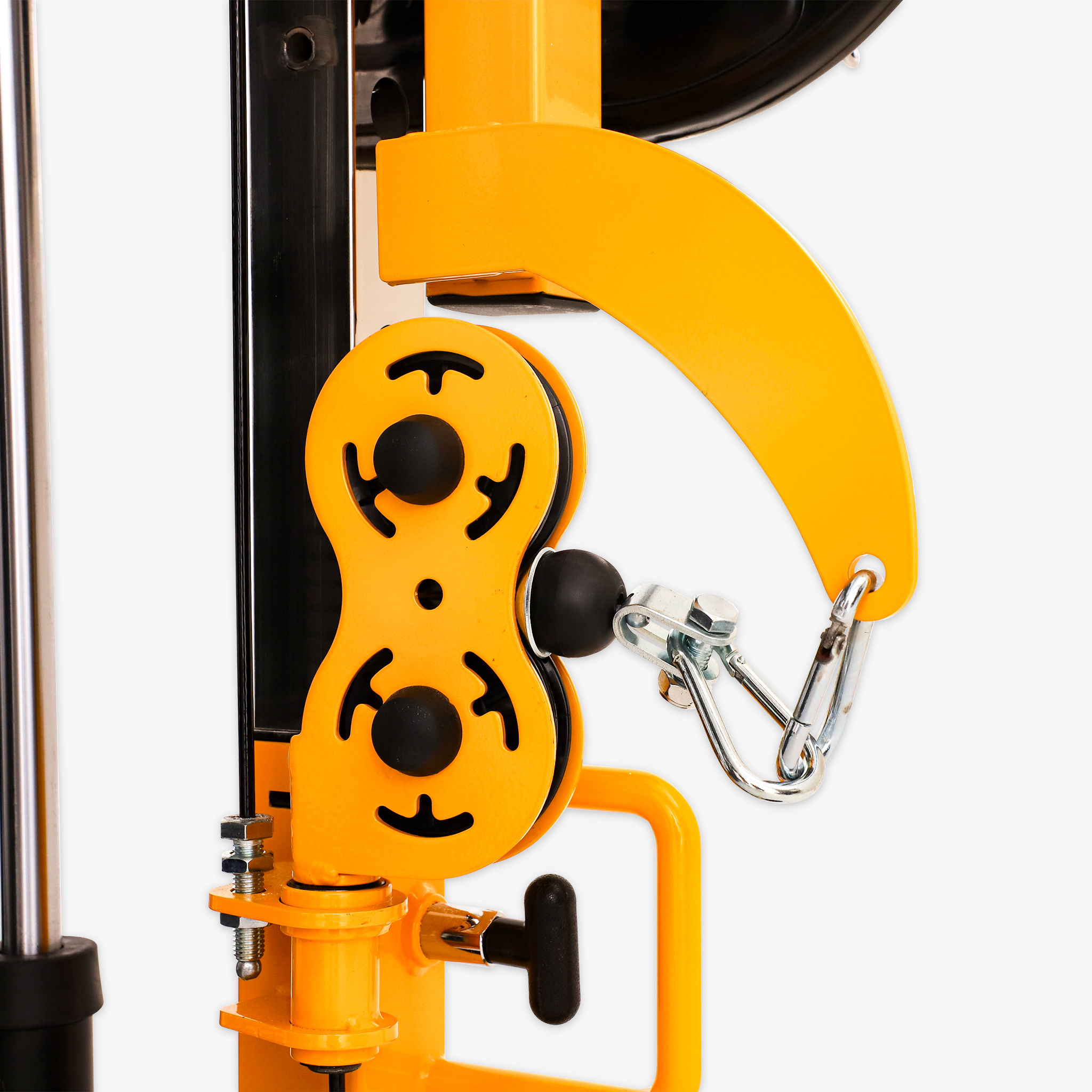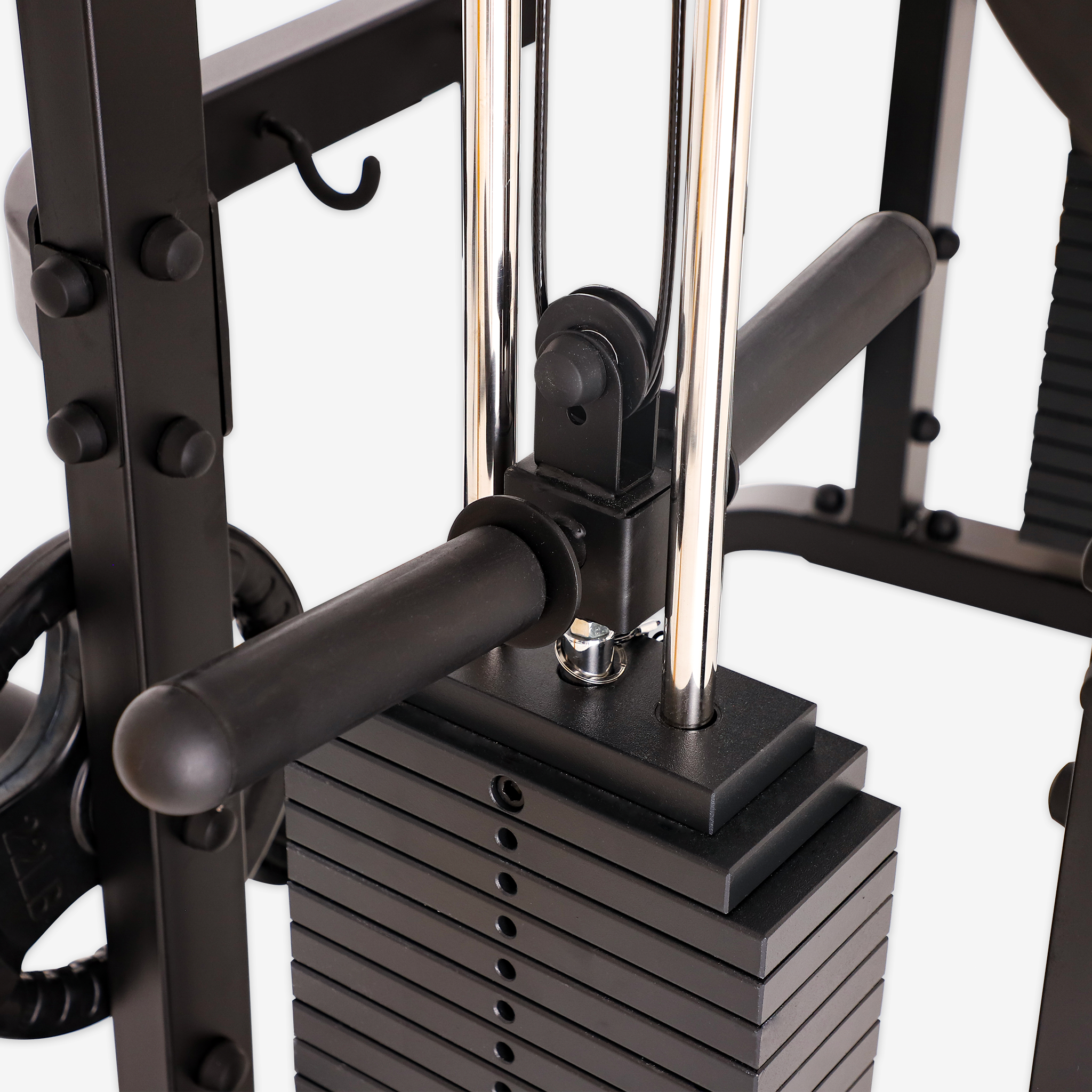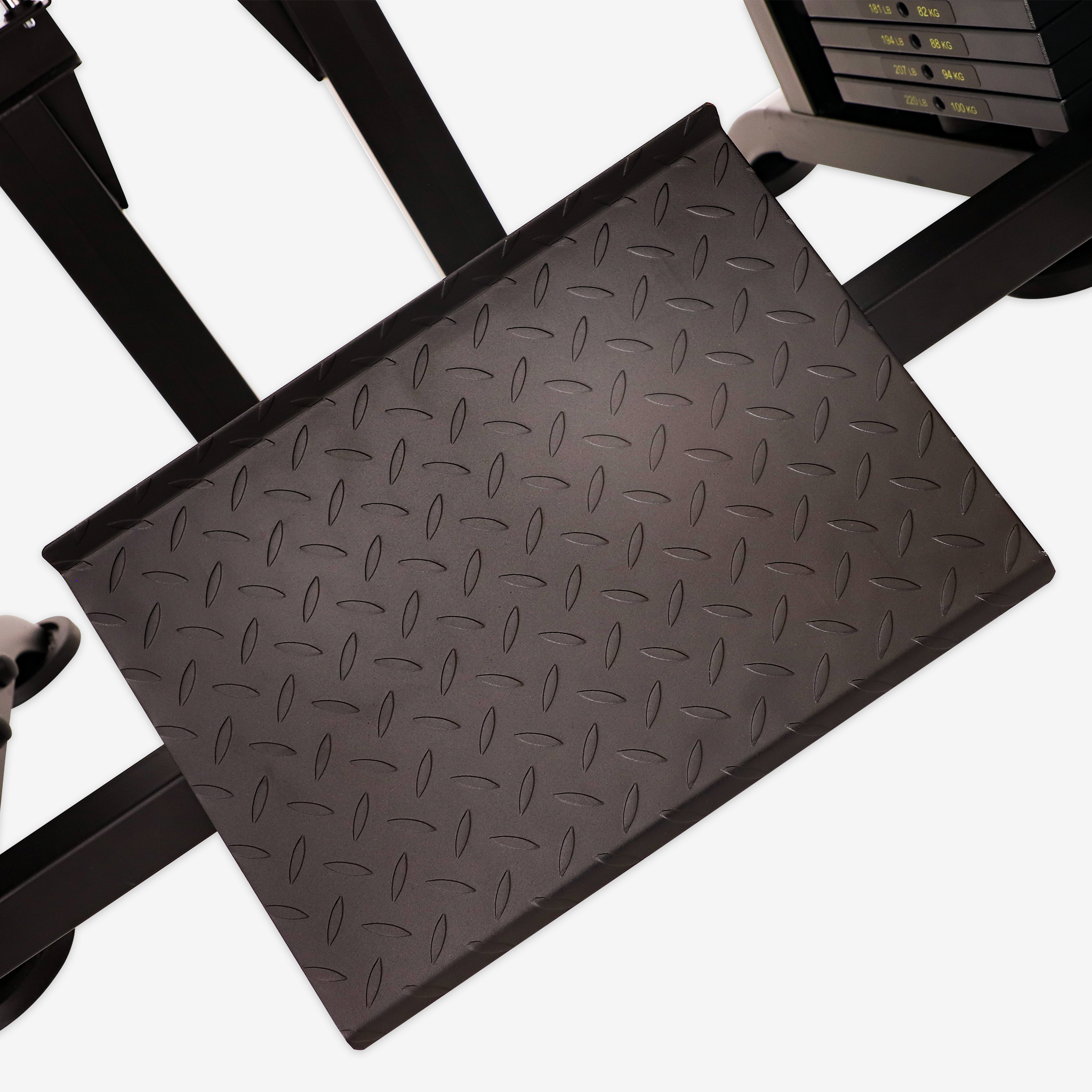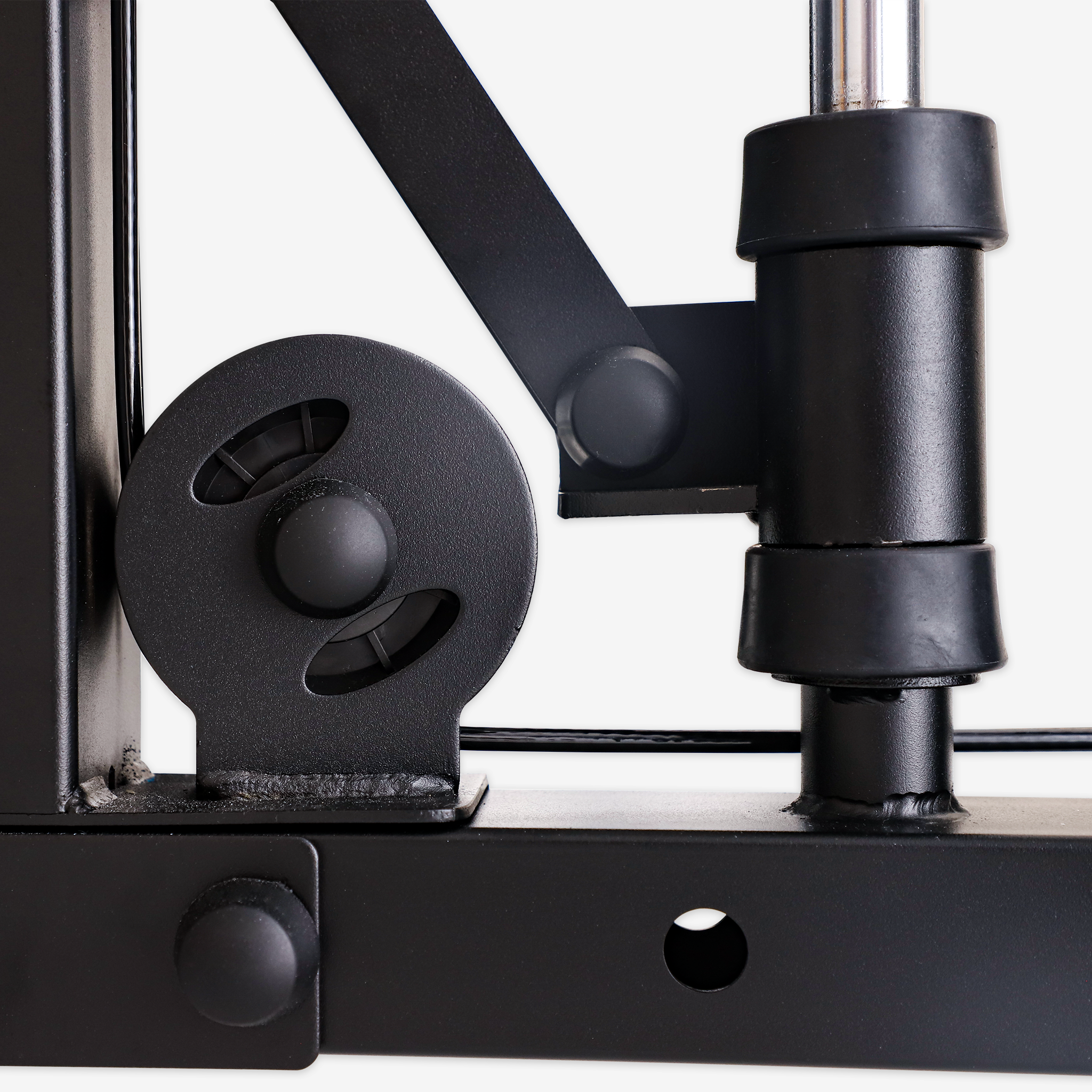
The biggest advantages of a Smith machine are safety, stability, ease of use, and controlled movement, making it an excellent option for beginners, solo lifters, and home gym users. Its main disadvantages are reduced stabilizer muscle activation, a fixed bar path that may not suit every body type, and less carryover to functional strength compared with free weights.
For most people, the Smith machine is best used alongside free weights rather than replacing them completely.
What Is a Smith Machine?
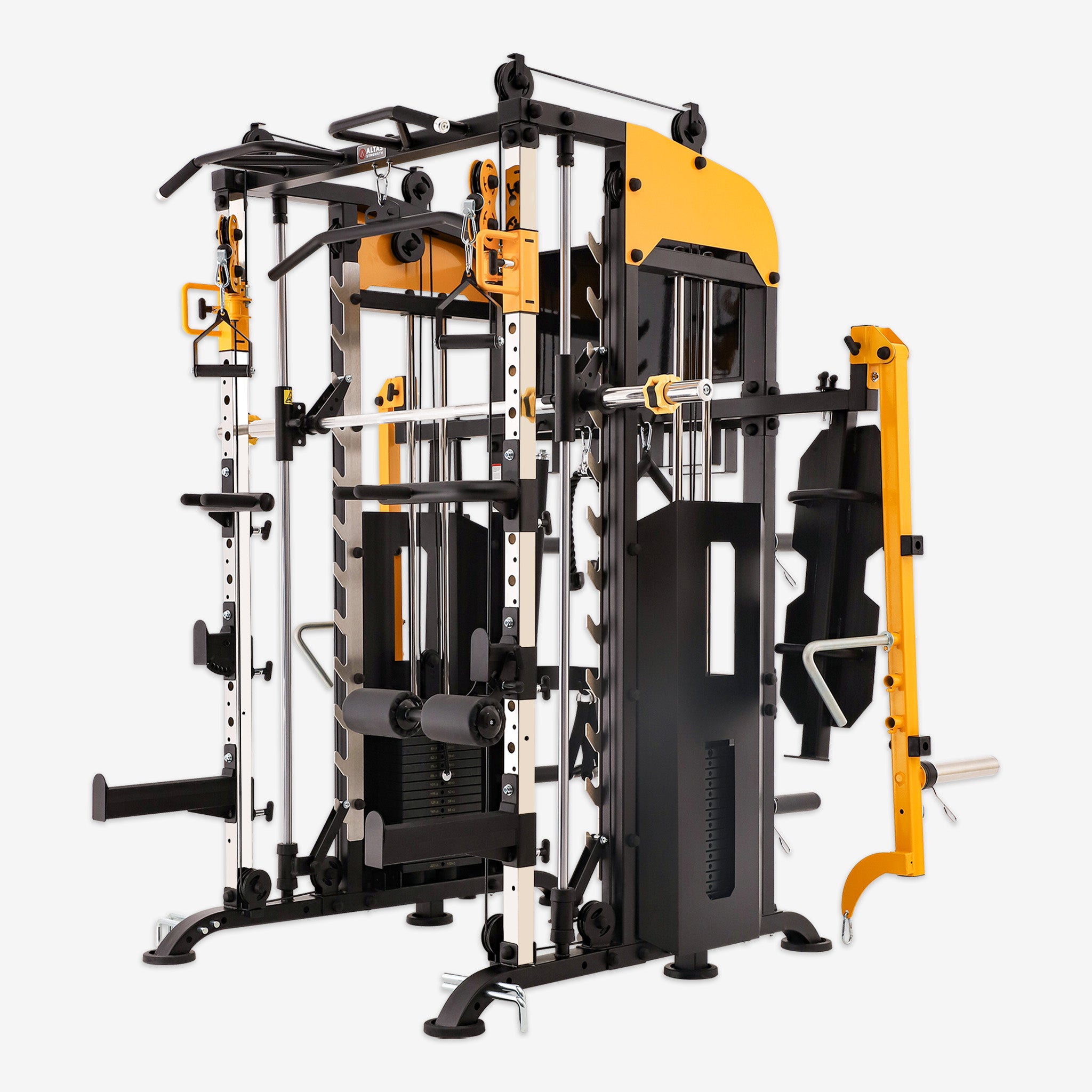
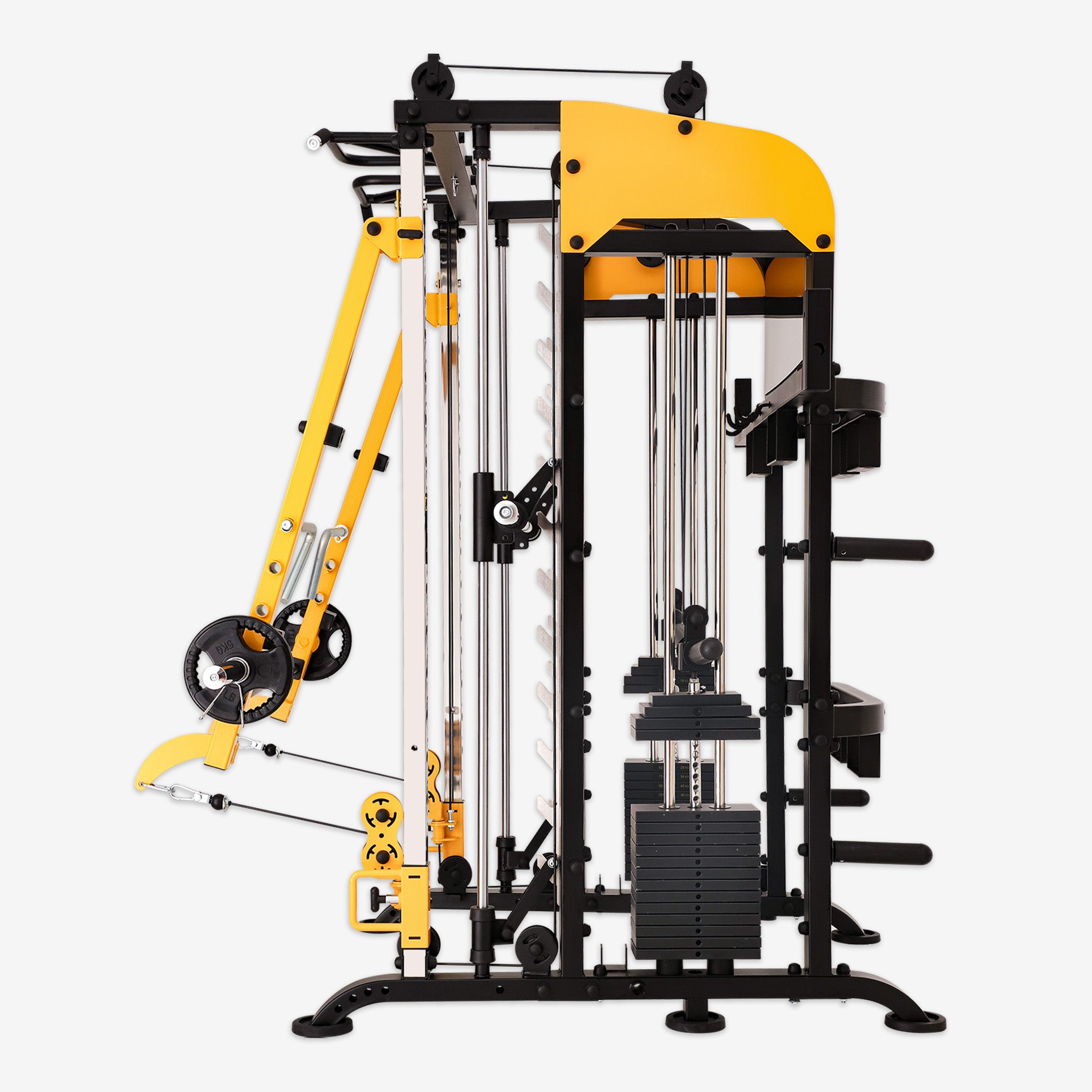
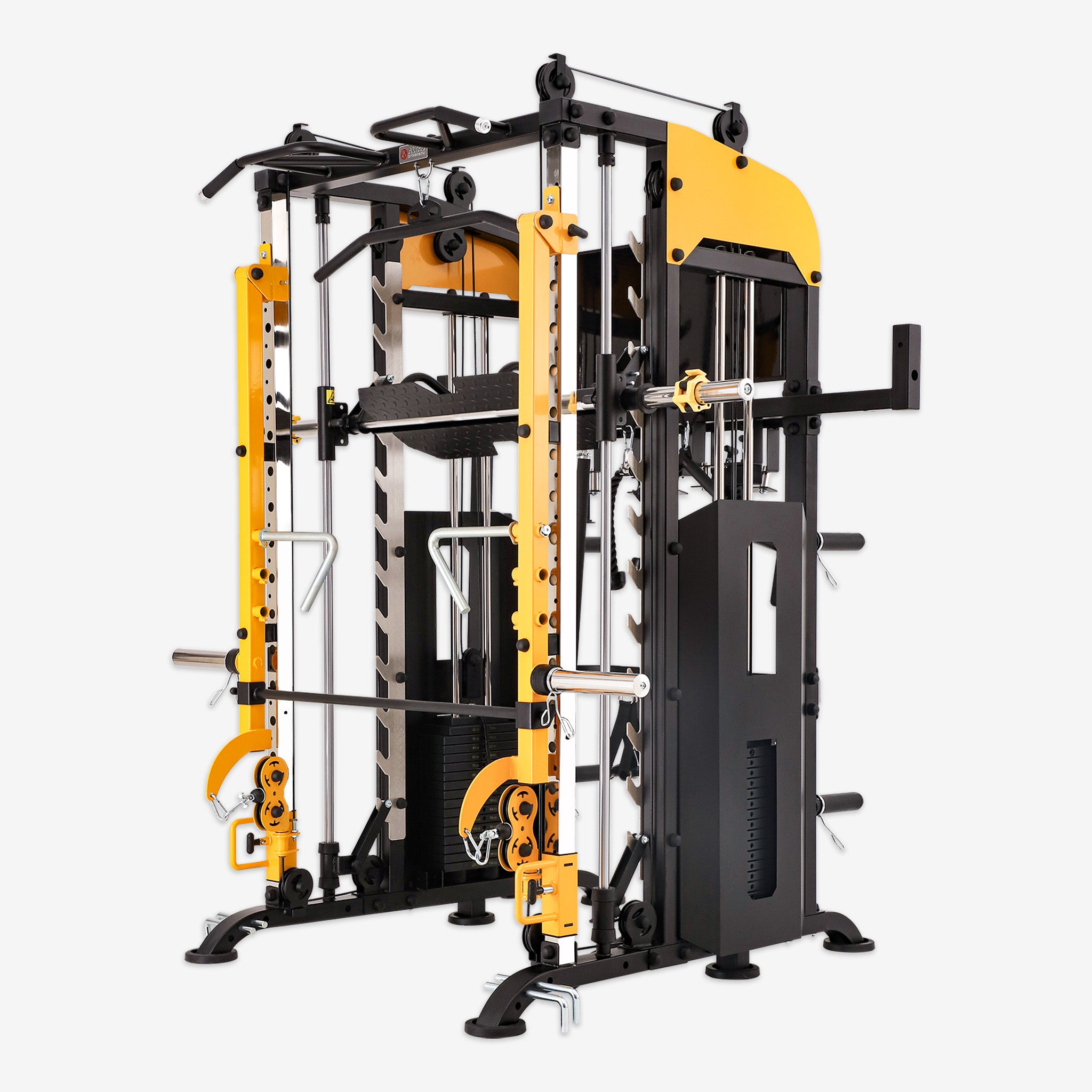
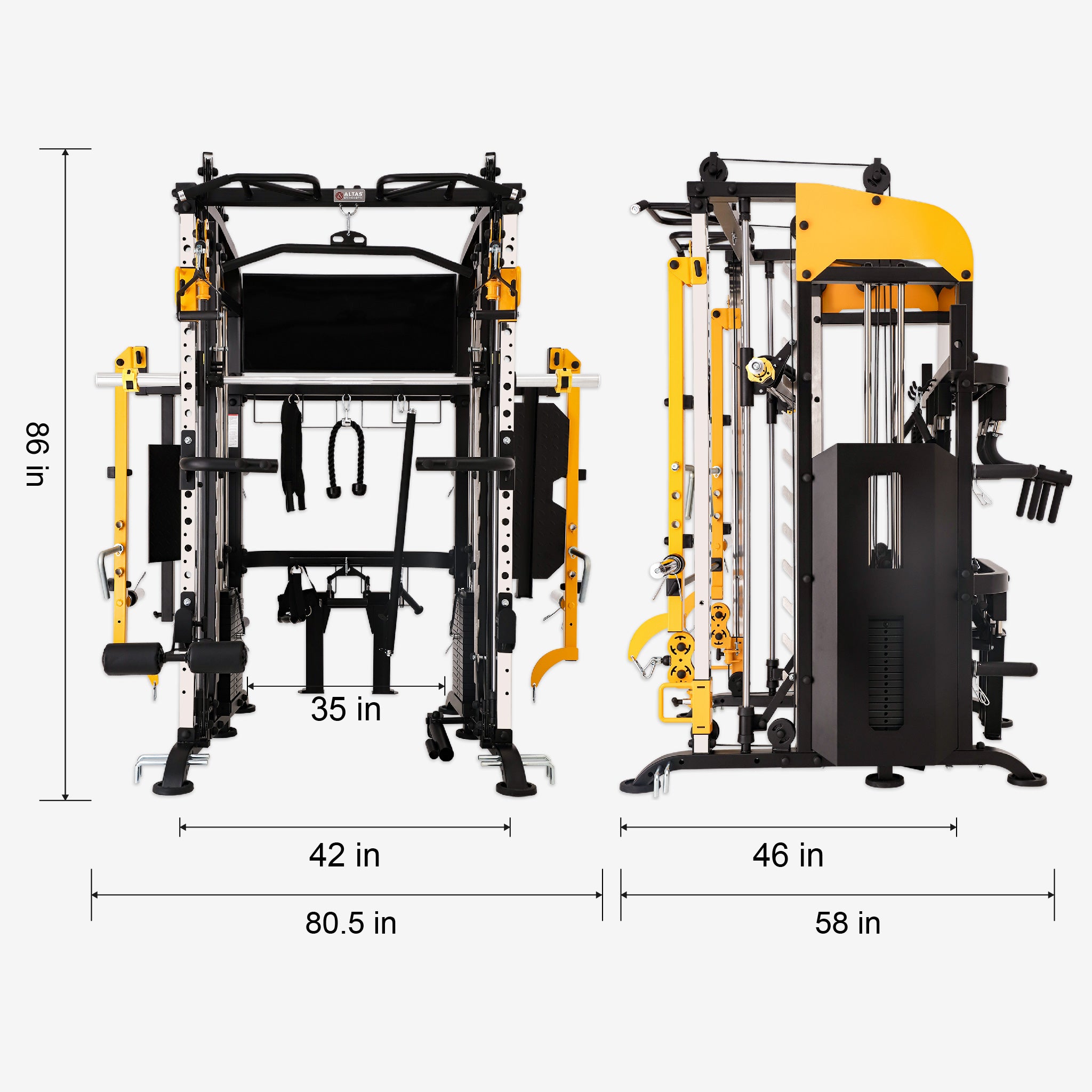
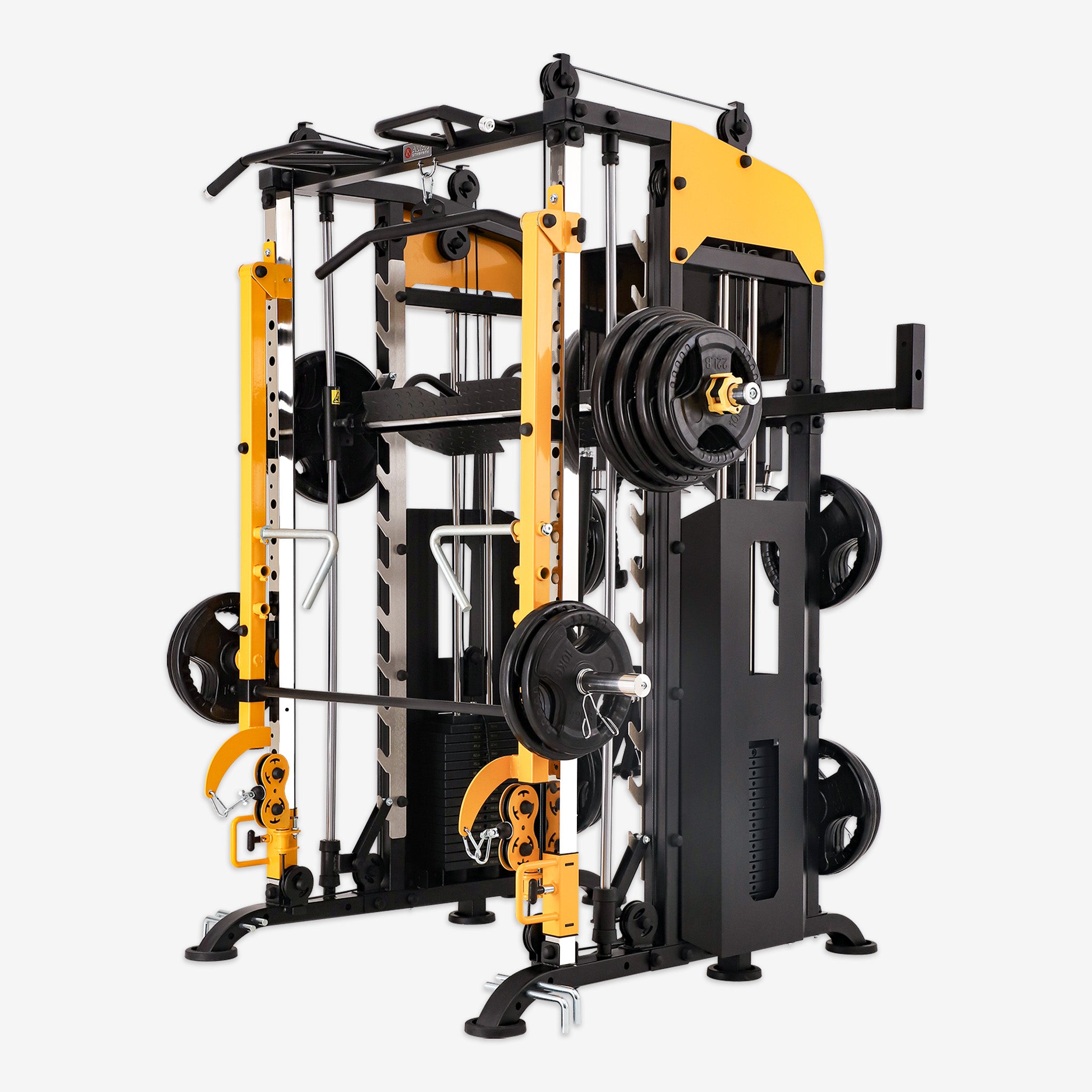
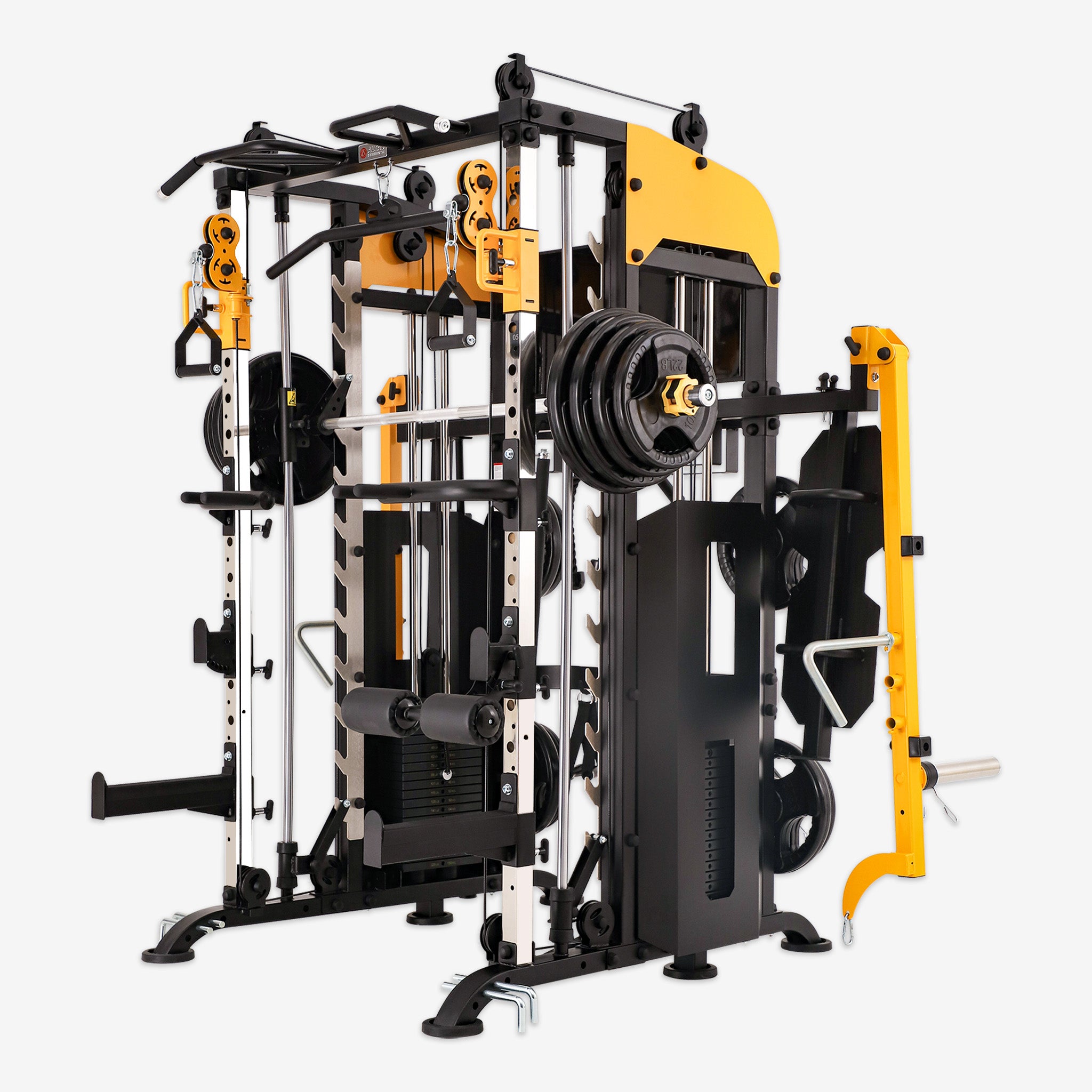
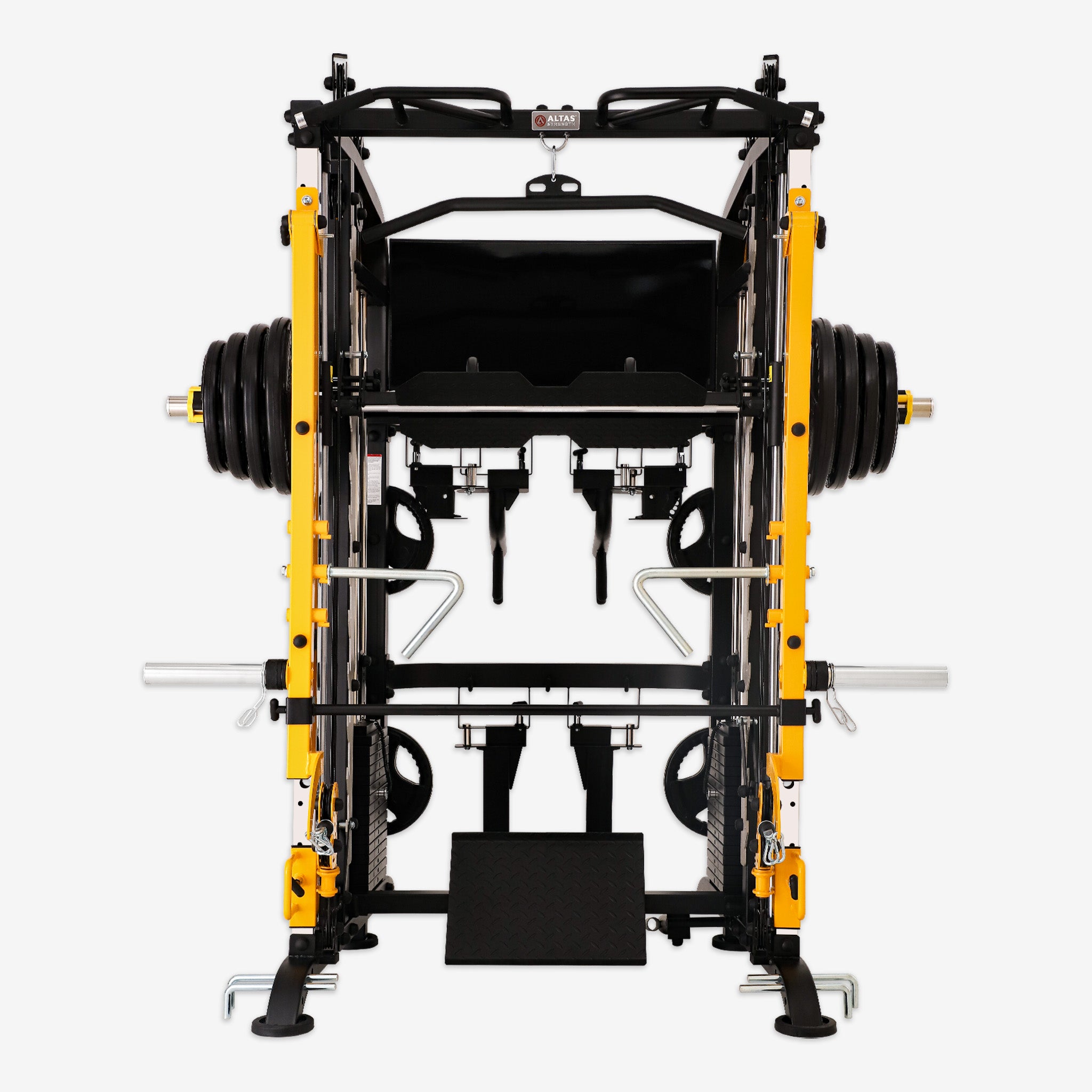
A Smith machine is a guided barbell system that moves along fixed vertical or slightly angled steel rails. Unlike a traditional Olympic barbell, the bar cannot move freely in every direction, allowing users to lift with greater stability and built-in safety.
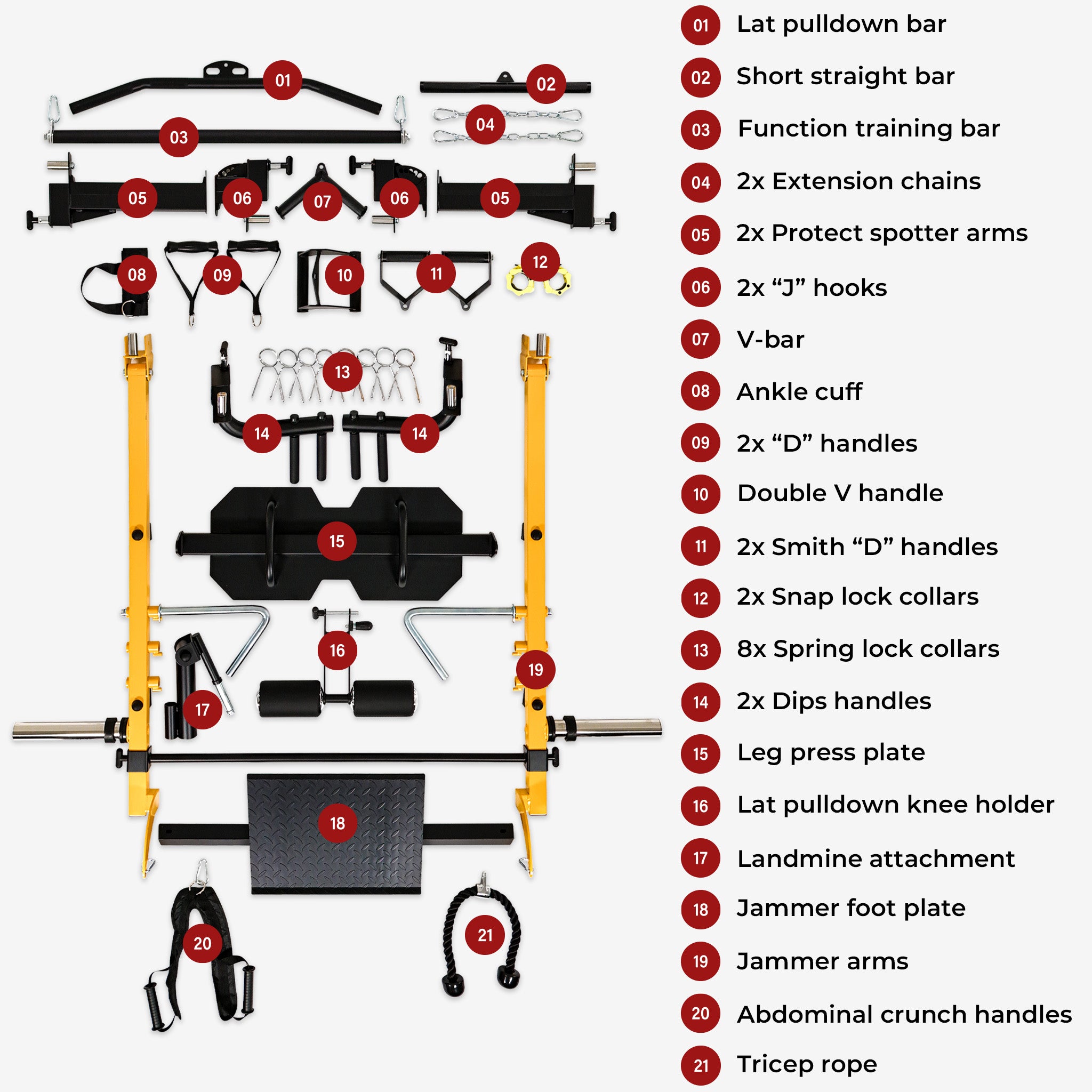
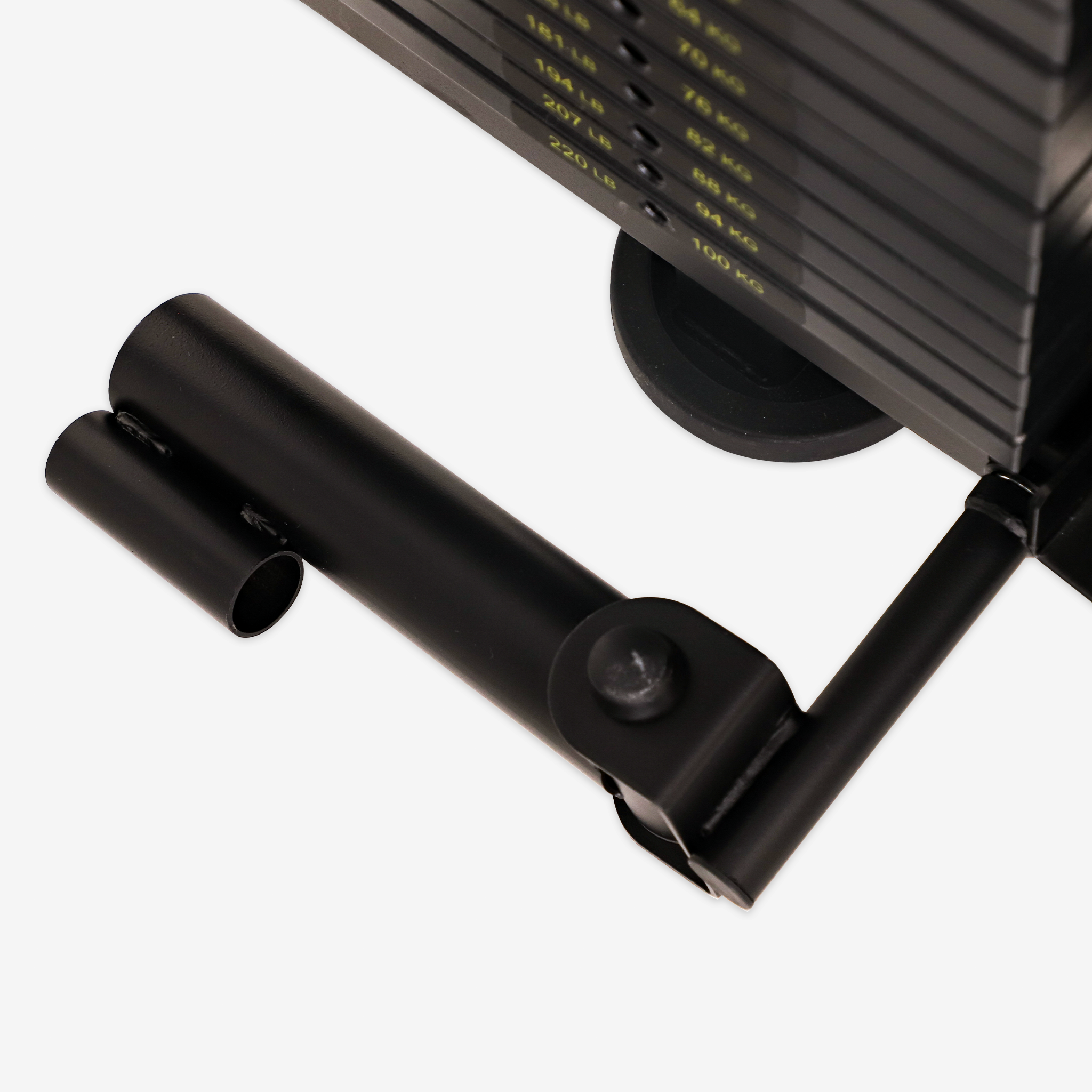
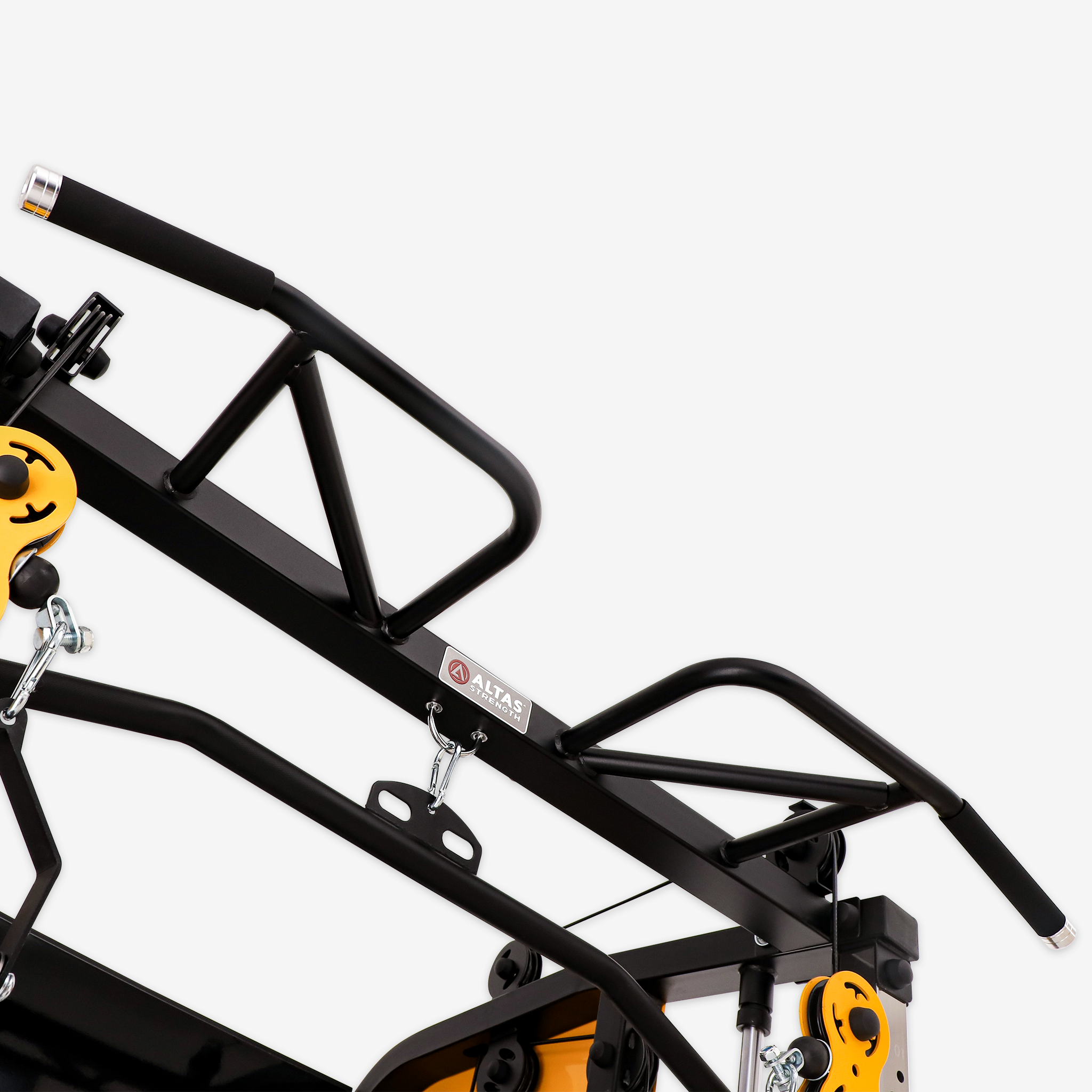
Most modern Smith machines also include features such as:
- Adjustable safety catches
- Pull-up bars
- Cable pulley systems
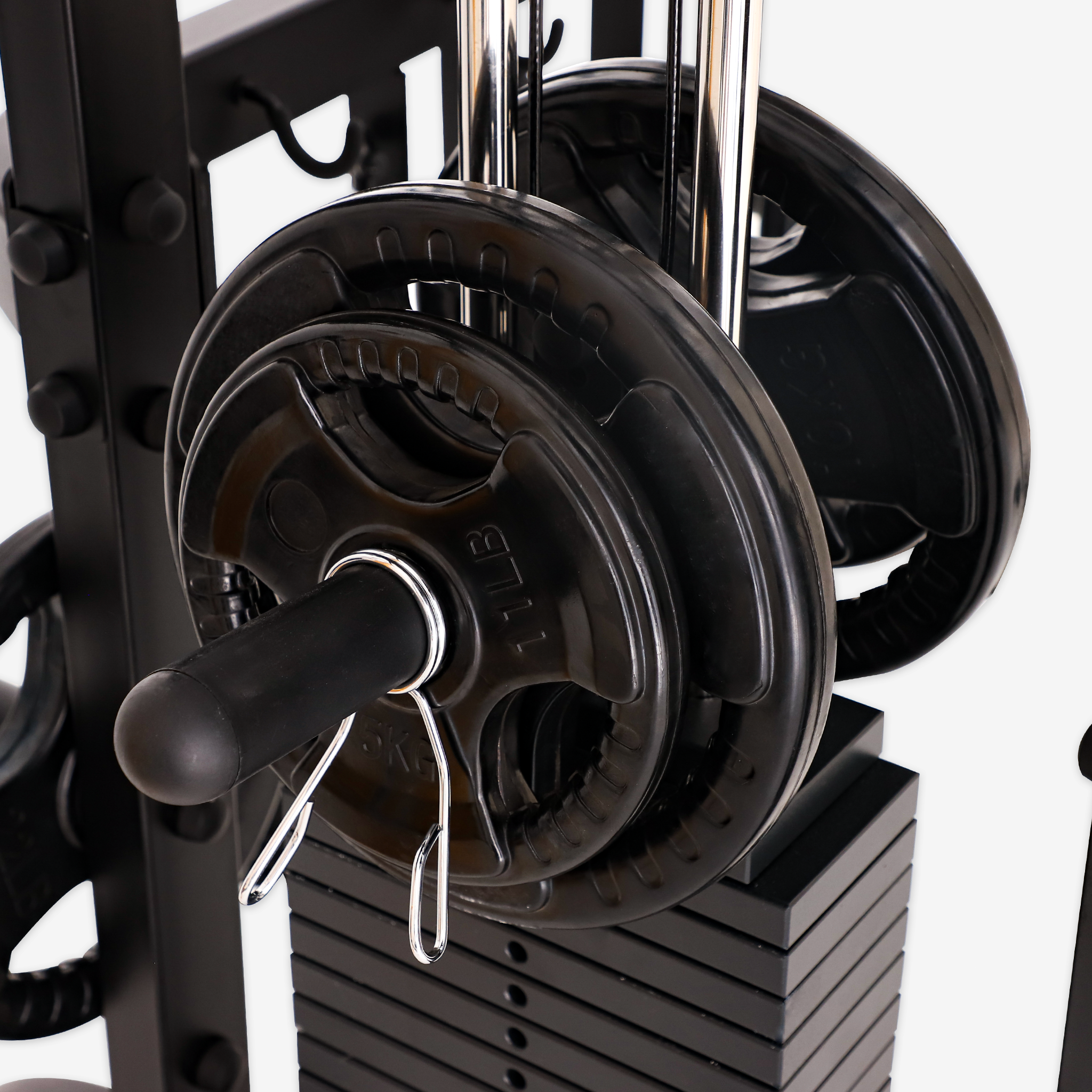
- Weight storage pegs
- Lat pulldown attachments
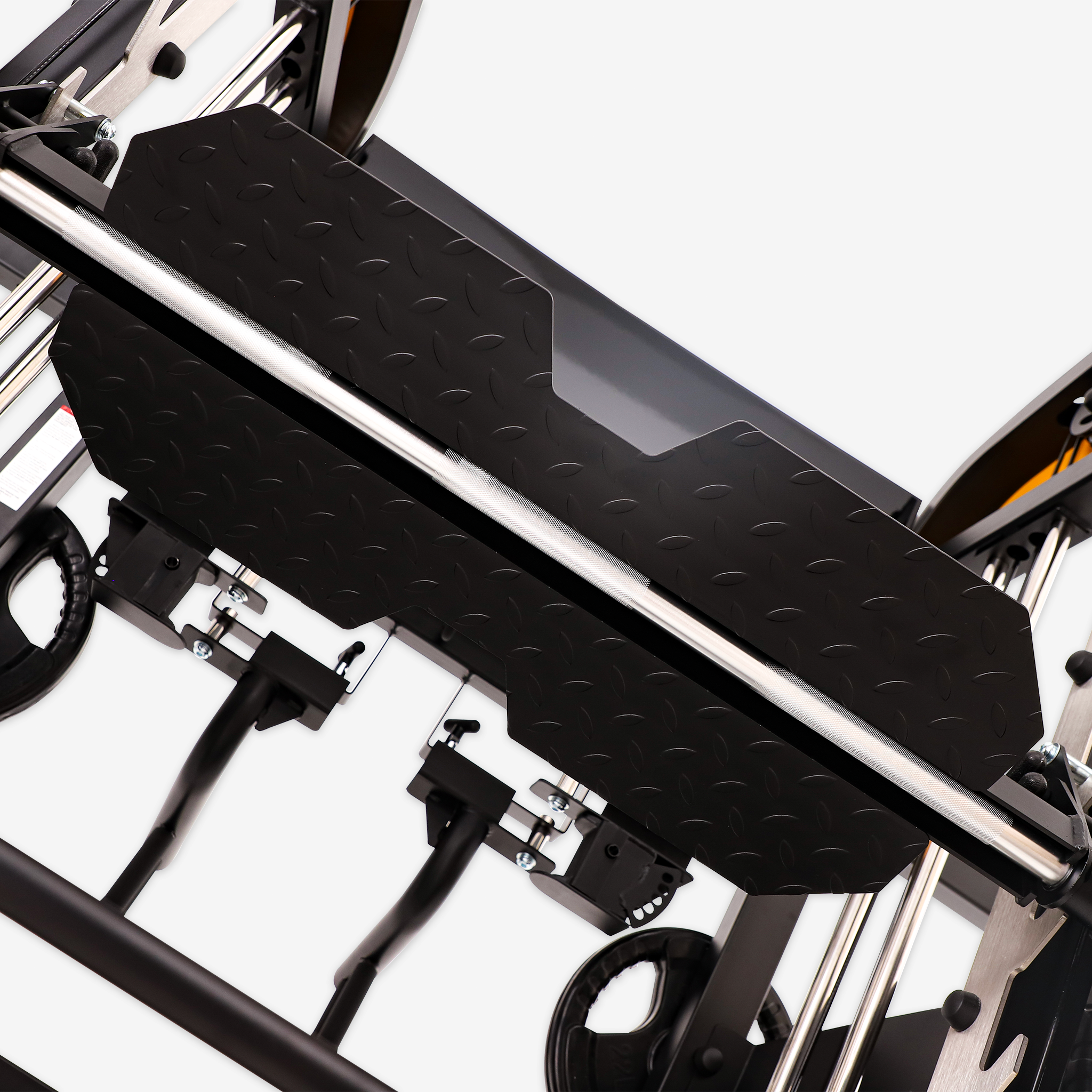
- Low-row stations
Because multiple training stations are combined into one frame, the Smith machine has become one of the most popular pieces of equipment in commercial gyms and home gyms.
Smith Machine Pros and Cons at a Glance
| Pros | Cons |
|---|---|
| Safer for solo training | Less stabilizer muscle activation |
| Beginner friendly | Fixed movement path |
| Easy to learn proper form | Doesn't perfectly mimic free weights |
| Excellent for hypertrophy | Strength numbers aren't directly comparable |
| Great for home gyms | Limited athletic carryover |
| Built-in safety catches | Some exercises feel less natural |
Advantages of a Smith Machine
1. Outstanding Safety for Solo Training
Safety is the biggest reason many people choose a Smith machine.
Unlike free barbells, the bar travels along fixed rails and can be locked instantly by rotating your wrists. If you fail a squat or bench press repetition, simply hook the bar onto the nearest safety notch.
This greatly reduces the risk of being trapped under heavy weight and makes heavy lifting possible without a spotter.
Ideal for:
- Home gym owners
- Solo lifters
- Beginners
- Older adults
2. Easier to Learn Proper Technique
Free-weight exercises require balance, coordination and stabilizer muscle control.
A Smith machine removes much of this balancing requirement, allowing beginners to concentrate on:
- squat depth
- bench press technique
- shoulder alignment
- controlled movement tempo
Instead of worrying about keeping the bar balanced, users can focus on proper lifting mechanics and muscle contraction.
3. Better Muscle Isolation
Since less effort is spent stabilizing the bar, more energy can be directed toward the target muscles.
This makes the Smith machine particularly effective for hypertrophy-focused exercises including:
- Smith machine squats
- Bench press
- Hip thrusts
- Lunges
- Shoulder press
- Calf raises
Bodybuilders often use Smith machines to achieve consistent muscle tension throughout each repetition.
4. Excellent for Home Gyms
Modern Smith machines often combine several pieces of equipment into one compact frame.
Many models include:
- Cable crossover
- Pull-up station
- Lat pulldown
- Low row
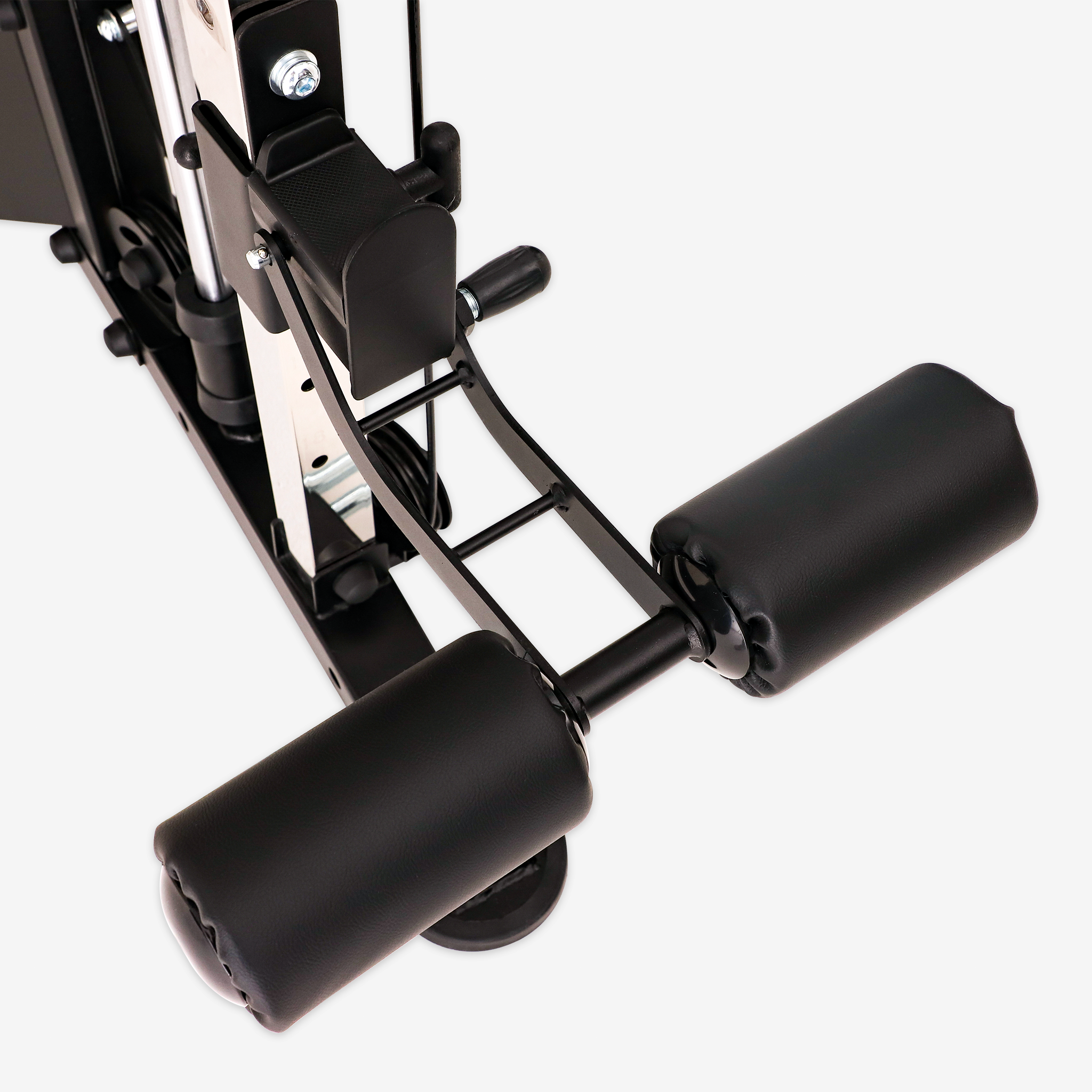
- Leg developer
- Plate storage
Instead of buying several separate machines, one Smith machine can support dozens of full-body exercises while saving valuable floor space.
5. Supports Progressive Overload
The guided bar path allows users to increase weight confidently while maintaining consistent lifting mechanics.
Because each repetition follows the same movement pattern, it becomes easier to:
- track progress
- compare workouts
- increase training volume
- improve muscle growth over time
Disadvantages of a Smith Machine
1. Less Stabilizer Muscle Activation
One of the biggest drawbacks is that the machine performs much of the balancing work for you.
Compared with free weights, exercises on a Smith machine generally require less involvement from:
- core muscles
- rotator cuff muscles
- hip stabilizers
- upper back stabilizers
Relying exclusively on Smith machine training may reduce overall stabilizer muscle development.
2. Fixed Movement Path May Not Fit Everyone
Every person's body proportions are different.
Because the Smith machine follows a predetermined path, some users may experience less natural movement during:
- squats
- bench press
- overhead press
People with longer limbs or limited mobility may need to adjust their foot placement or grip width for greater comfort.
3. Strength Numbers Don't Transfer Perfectly
Many Smith machines use counterbalanced bars that feel lighter than standard Olympic barbells.
In addition, the guided rails reduce the need for balance.
As a result, lifting 225 lbs on a Smith machine does not necessarily mean you can lift the same weight with free barbells.
When tracking progress, treat Smith machine personal records separately from free-weight records.
4. Limited Functional Strength Development
Athletic movements require your body to stabilize loads through multiple planes of motion.
Because the Smith machine controls the bar path, it cannot fully replicate the coordination required during:
- sports
- Olympic lifting
- powerlifting
- functional movement
For athletic performance, combining Smith machine training with free weights produces the best results.
Smith Machine vs Free Weights
| Smith Machine | Free Weights |
|---|---|
| Safer | More functional |
| Beginner friendly | Higher skill requirement |
| Fixed movement path | Natural movement |
| Better for muscle isolation | Better for stabilizer development |
| Ideal for solo lifting | Often requires a spotter |
| Easier to learn | Builds more athletic strength |
Neither option is inherently better. The best choice depends on your training goals.
Who Should Use a Smith Machine?
A Smith machine is an excellent choice for:
- Beginners learning lifting technique
- Home gym owners
- Solo lifters
- Older adults
- Injury rehabilitation
- Muscle-building programs
- High-volume hypertrophy training
Who Should Limit Smith Machine Use?
Consider using more free-weight exercises if your primary goal is:
- Powerlifting
- Olympic lifting
- Athletic performance
- Functional strength
- Competitive sports
The Smith machine works best as a supplement rather than a complete replacement for free weights.
Expert Tips for Getting Better Results
- Learn proper movement patterns before adding heavy weight.
- Always set the safety stops correctly.
- Check whether your Smith machine uses a counterbalanced bar.
- Combine Smith machine compound lifts with dumbbell or barbell accessory work.
- Track total training volume instead of comparing Smith machine numbers directly with free weights.
Frequently Asked Questions
Is a Smith machine better than free weights?
Neither is universally better. Smith machines offer greater safety and stability, while free weights develop more functional strength and stabilizer muscles.
Can you build muscle with a Smith machine?
Yes. Progressive overload, proper nutrition, and consistent training allow a Smith machine to build muscle just as effectively as many free-weight exercises.
Is a Smith machine good for beginners?
Absolutely. The guided bar path reduces the learning curve, making it easier to develop proper lifting mechanics and confidence.
Why do some lifters avoid Smith machines?
Some experienced lifters prefer free weights because they require greater balance, coordination, and stabilizer muscle activation.
Should I replace barbell squats with Smith machine squats?
Not completely. Smith machine squats are excellent for muscle growth and safety, while free-weight squats better develop overall strength and athletic performance.
Final Verdict
The Smith machine remains one of the most versatile pieces of strength-training equipment available. Its guided movement, built-in safety features, and ease of use make it ideal for beginners, solo lifters, home gym owners, and anyone focused on muscle growth.
However, it shouldn't completely replace free-weight training. Free weights remain the better option for developing functional strength, balance, and athletic performance.
For the best long-term results, combine both training styles: use the Smith machine for safe, controlled hypertrophy work and free weights for building real-world strength and coordination. This balanced approach allows you to maximize muscle growth while improving overall fitness and reducing injury risk.