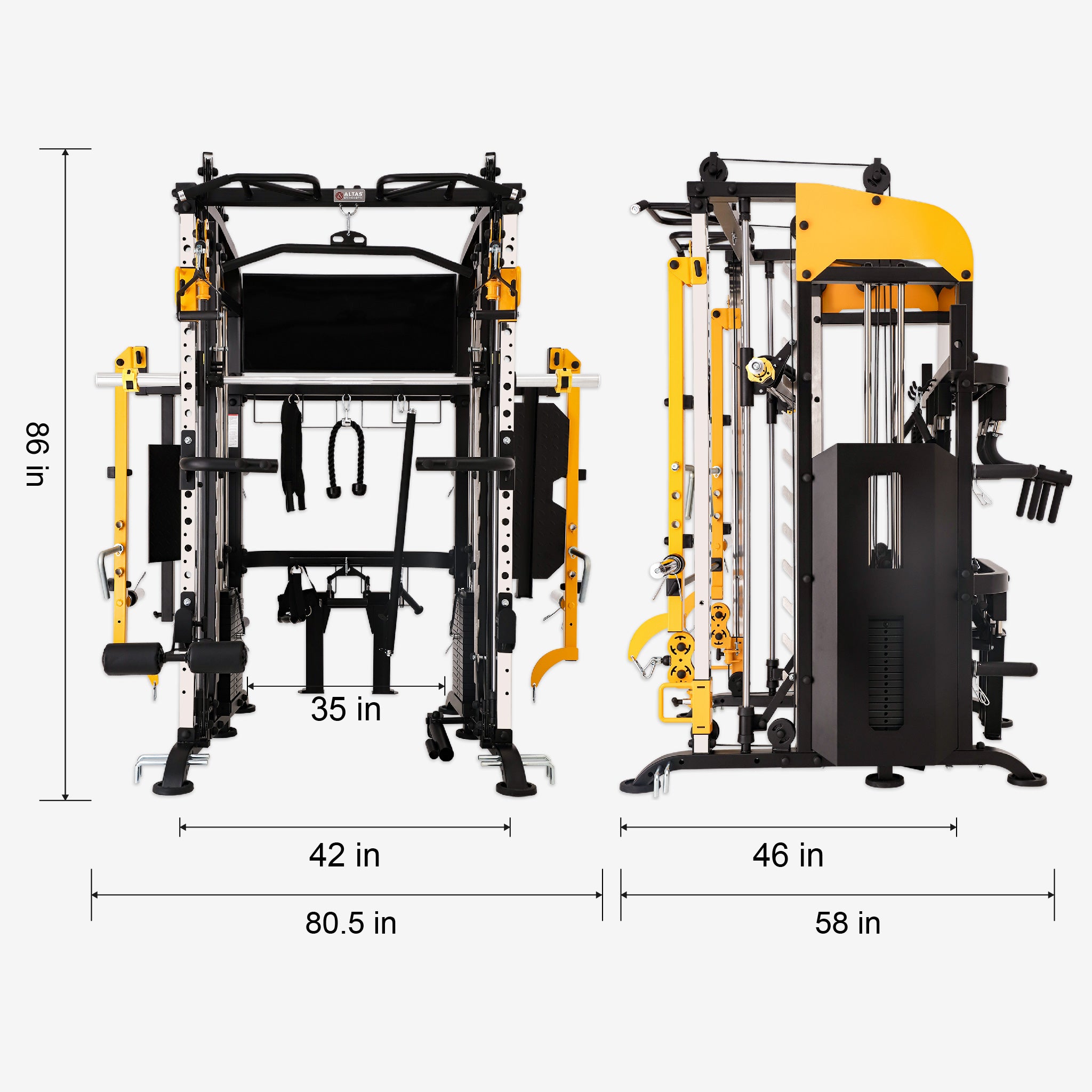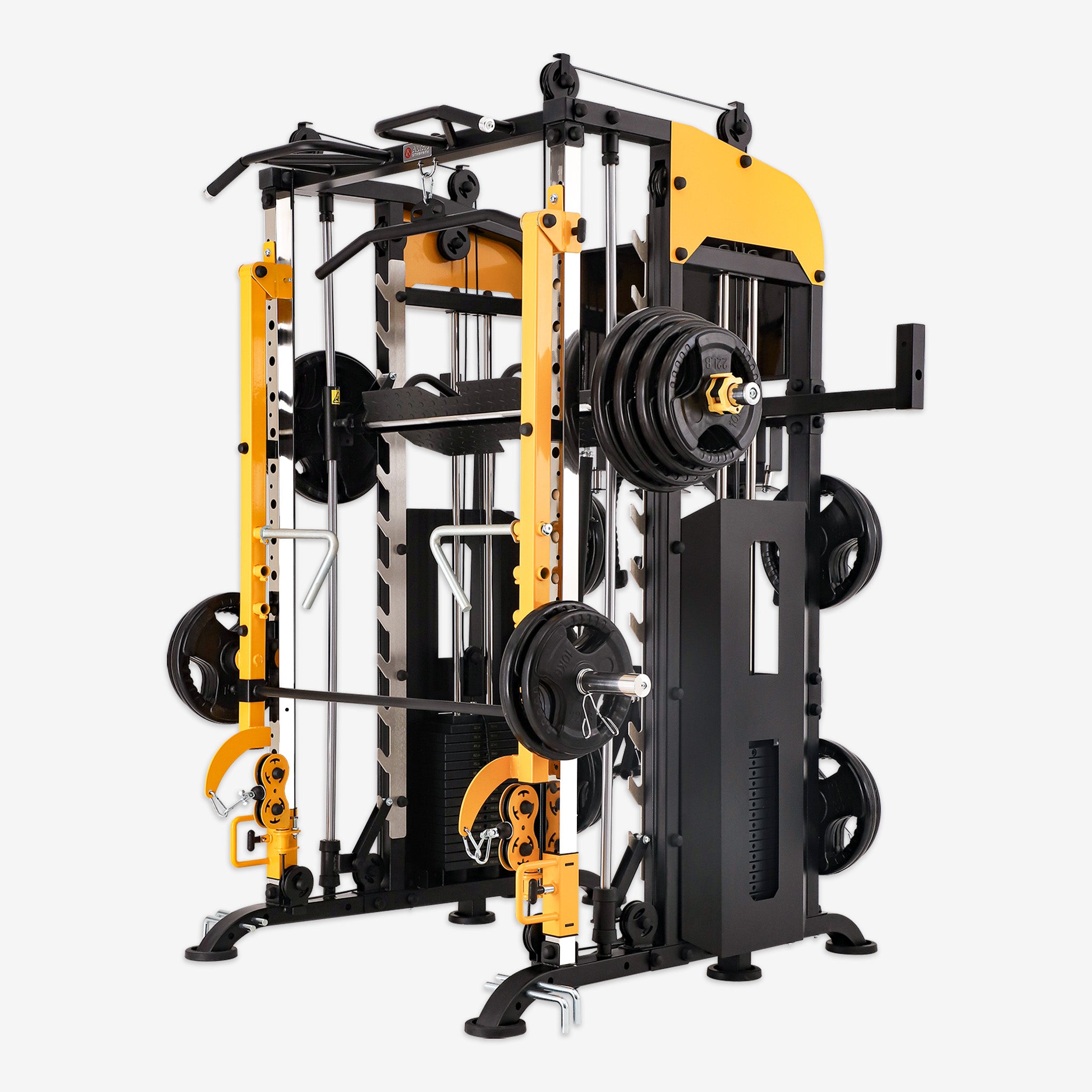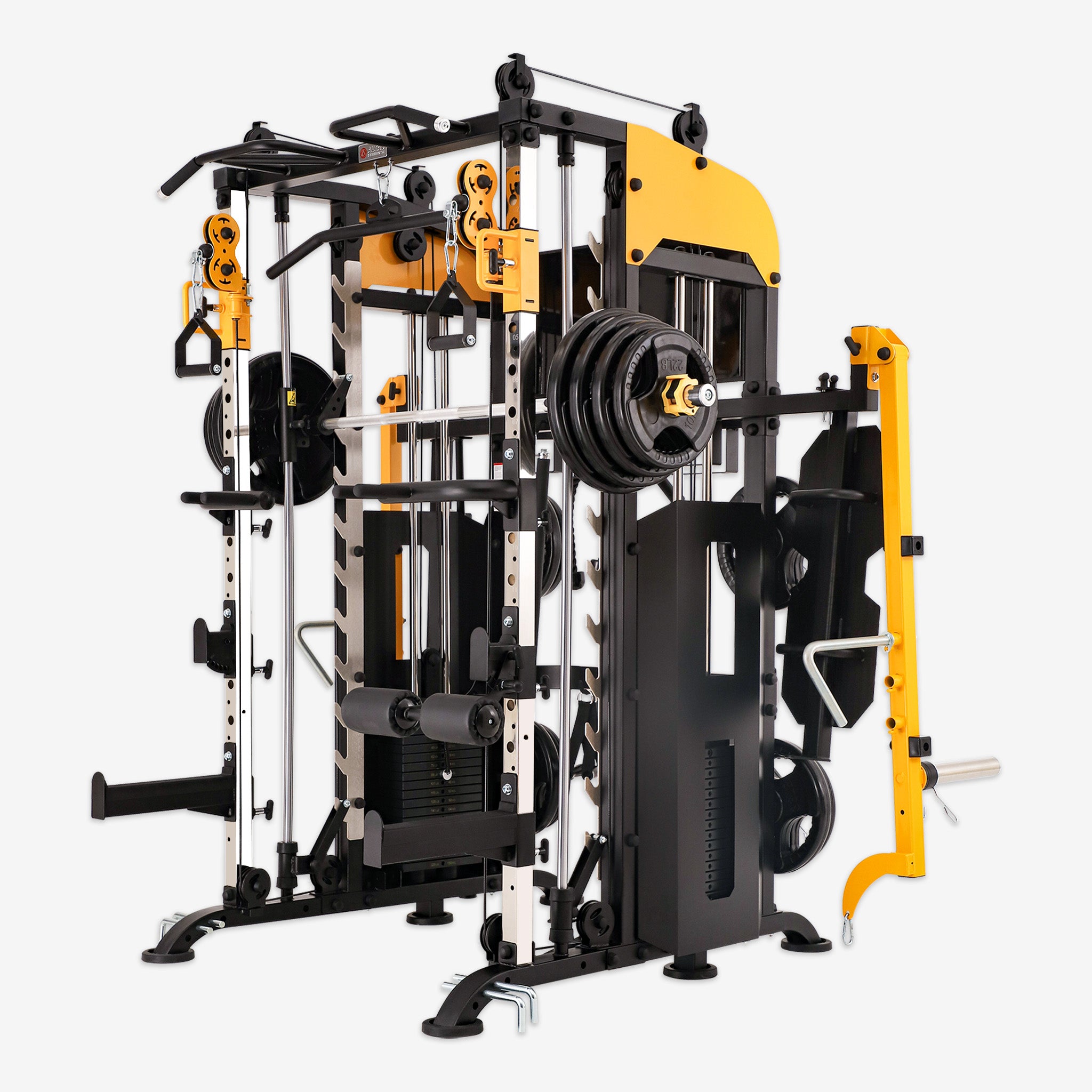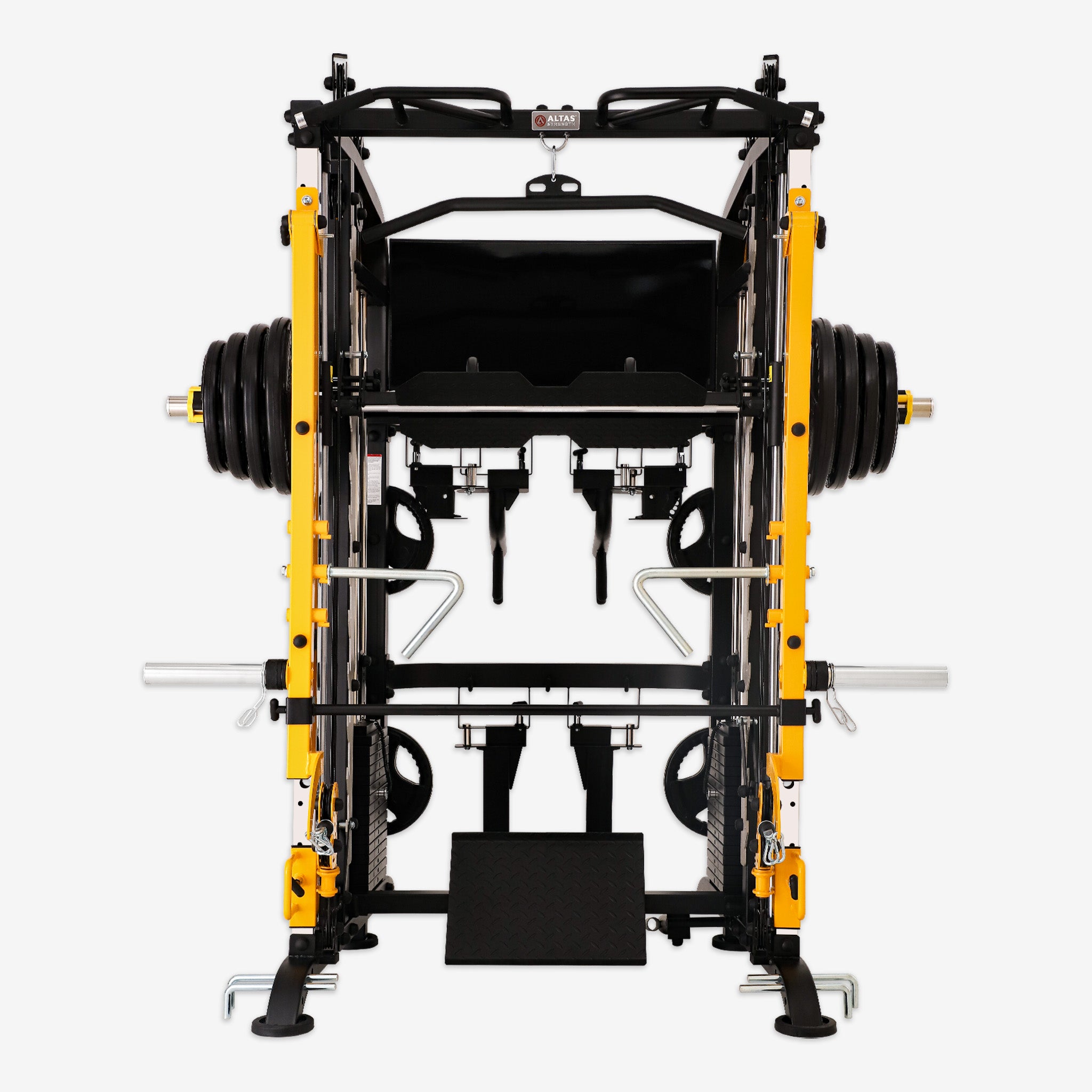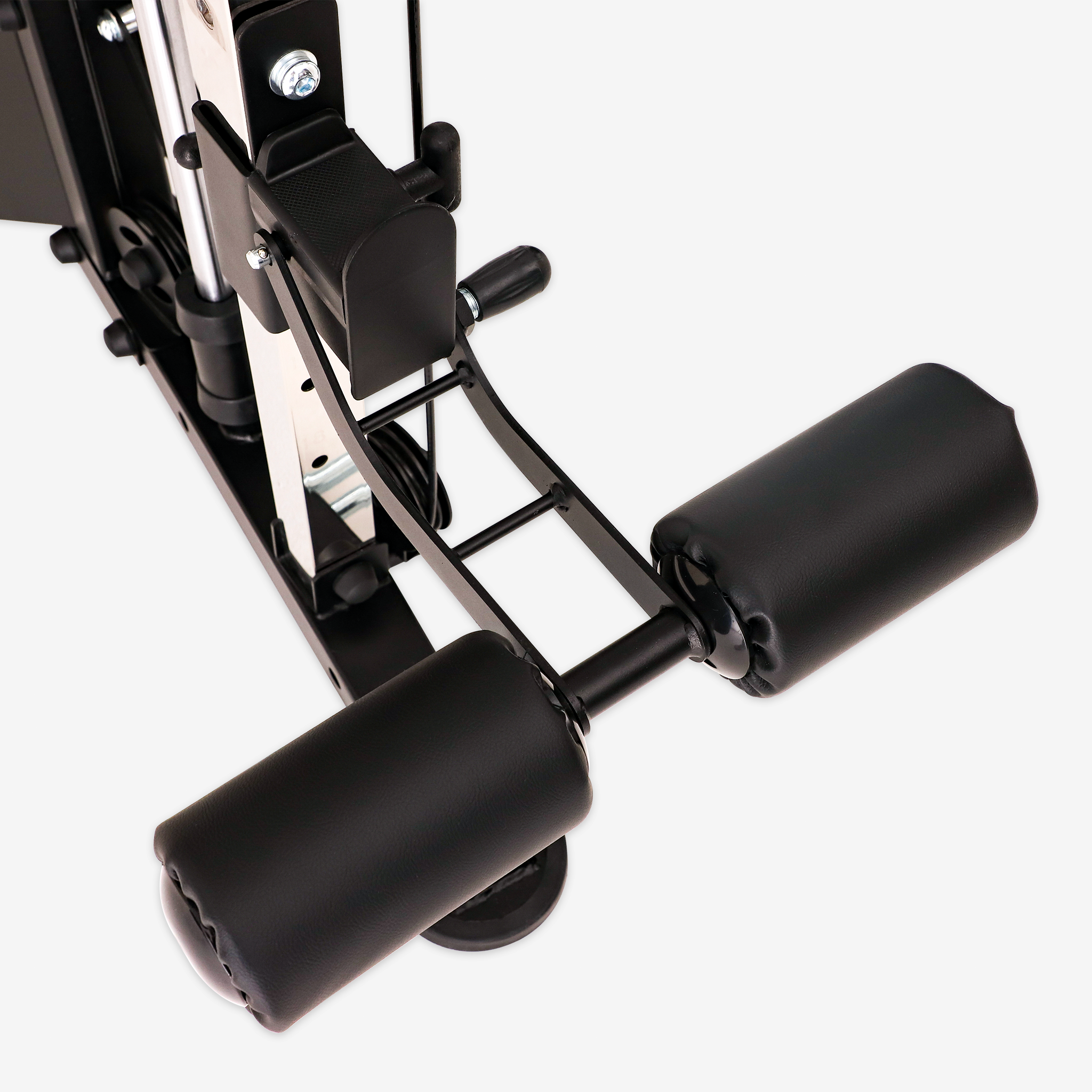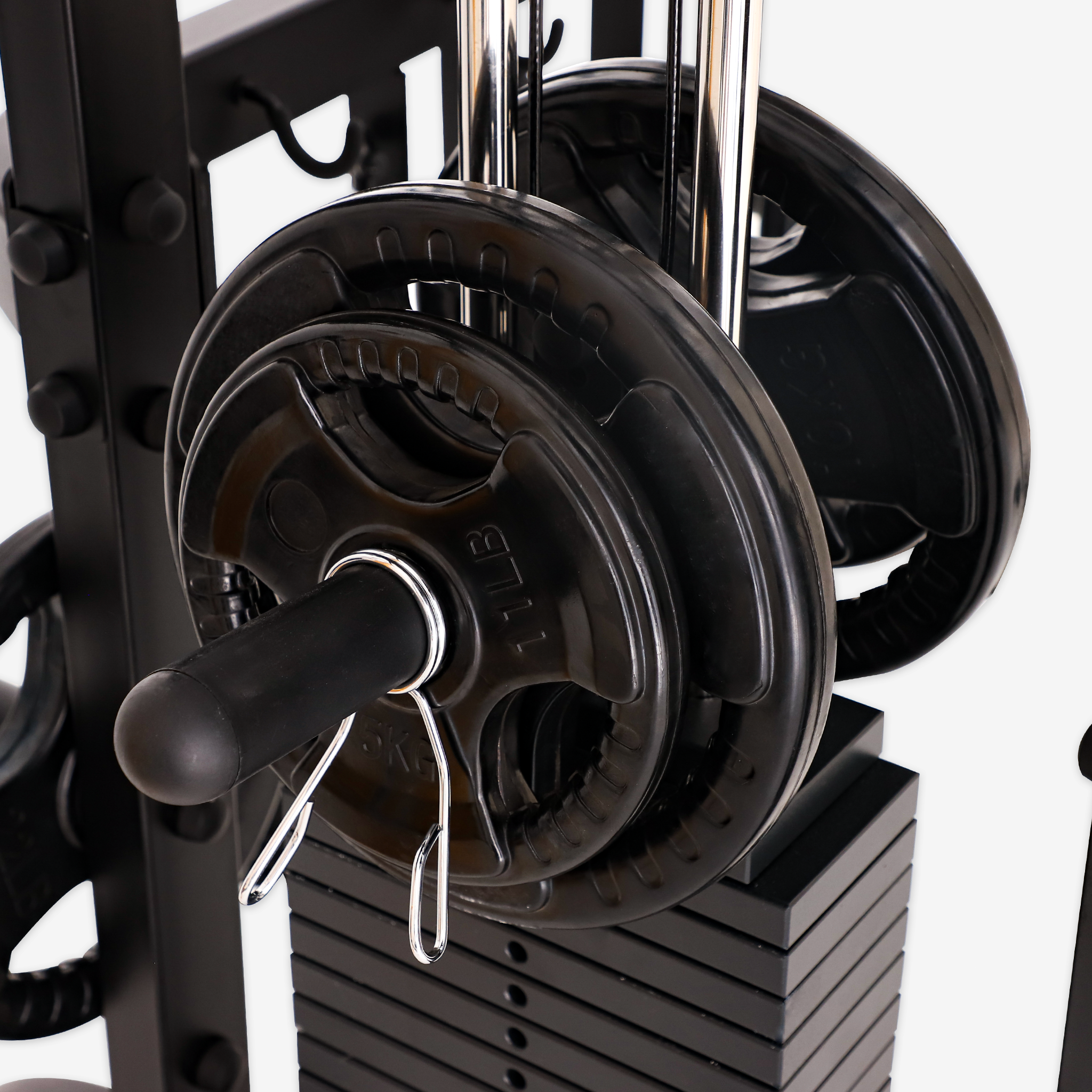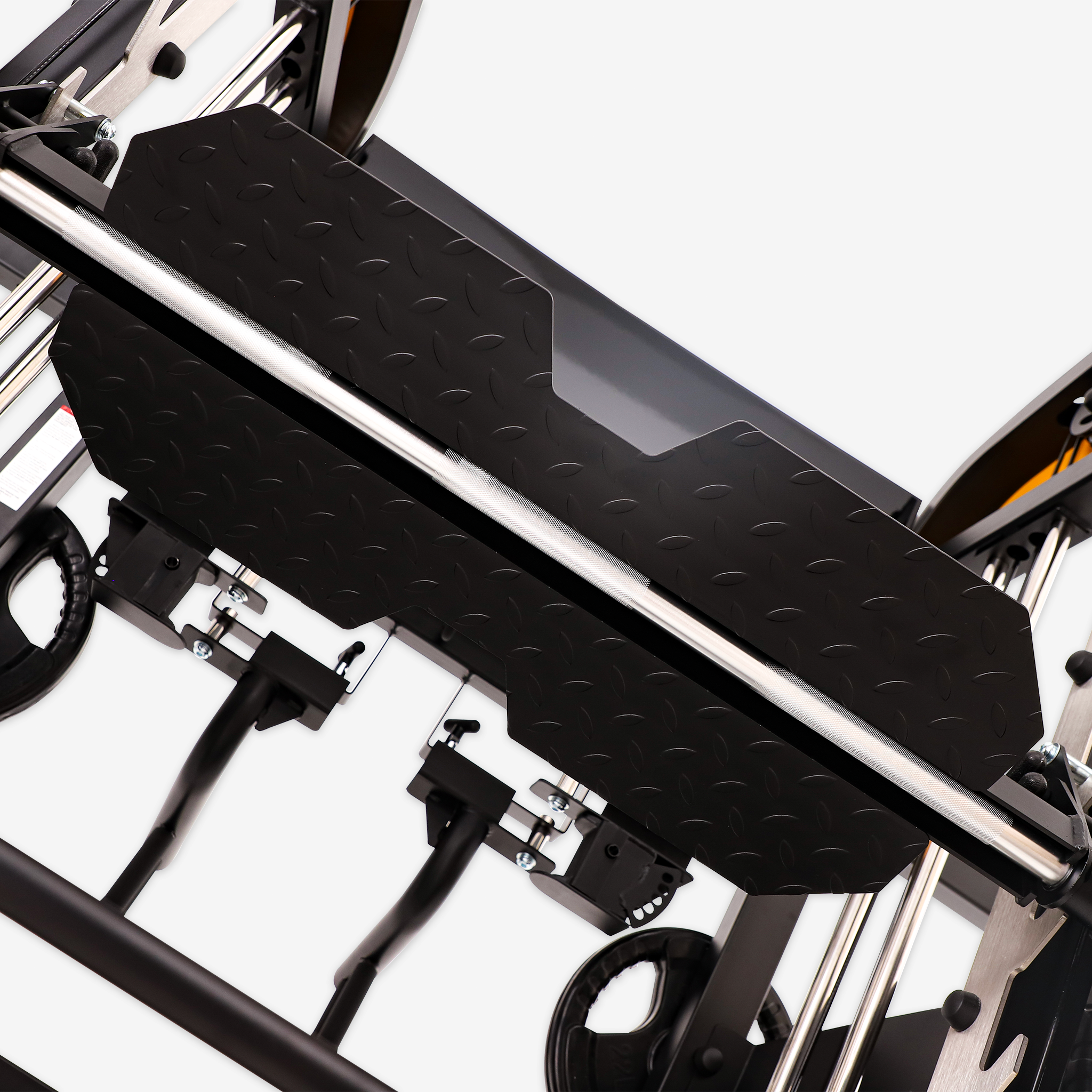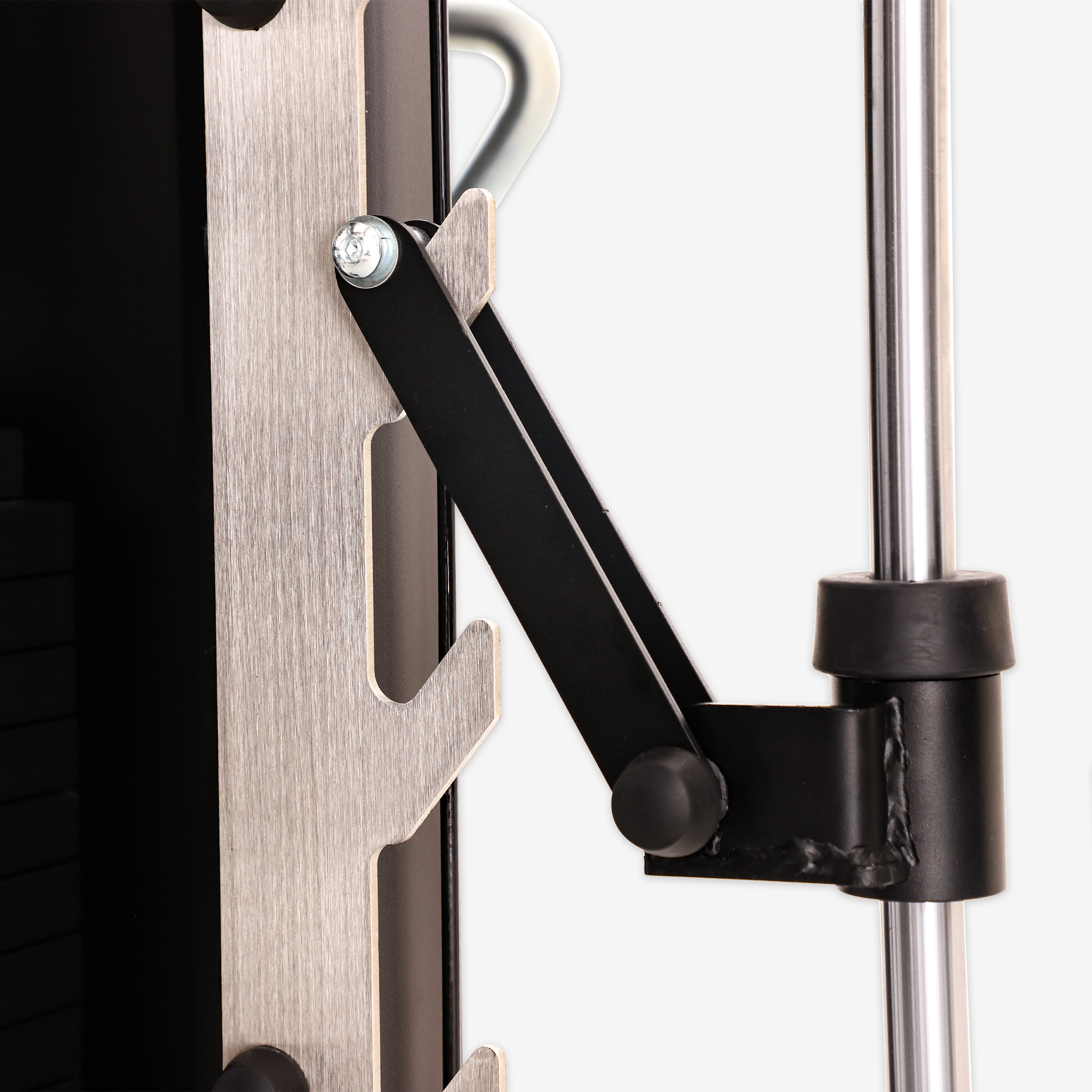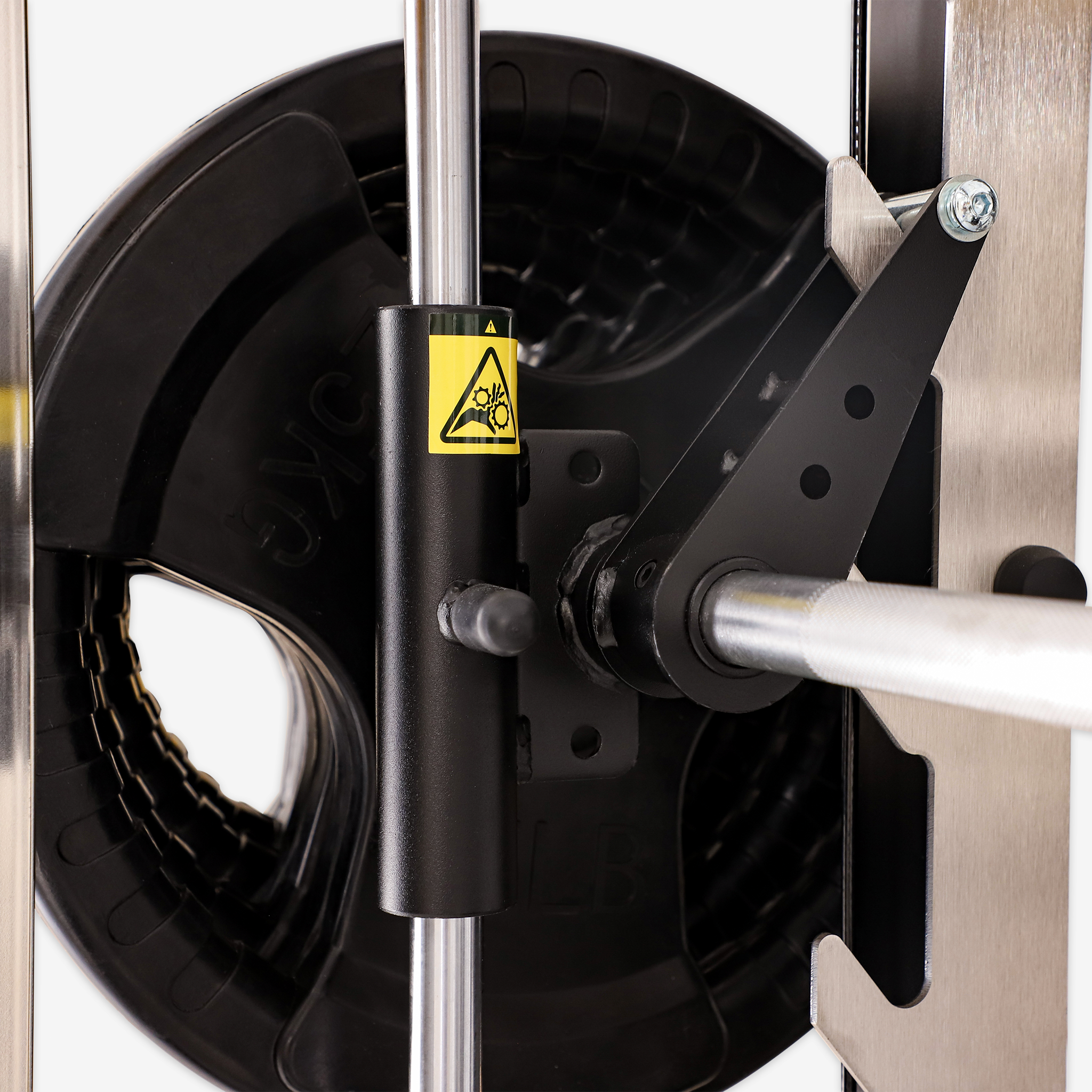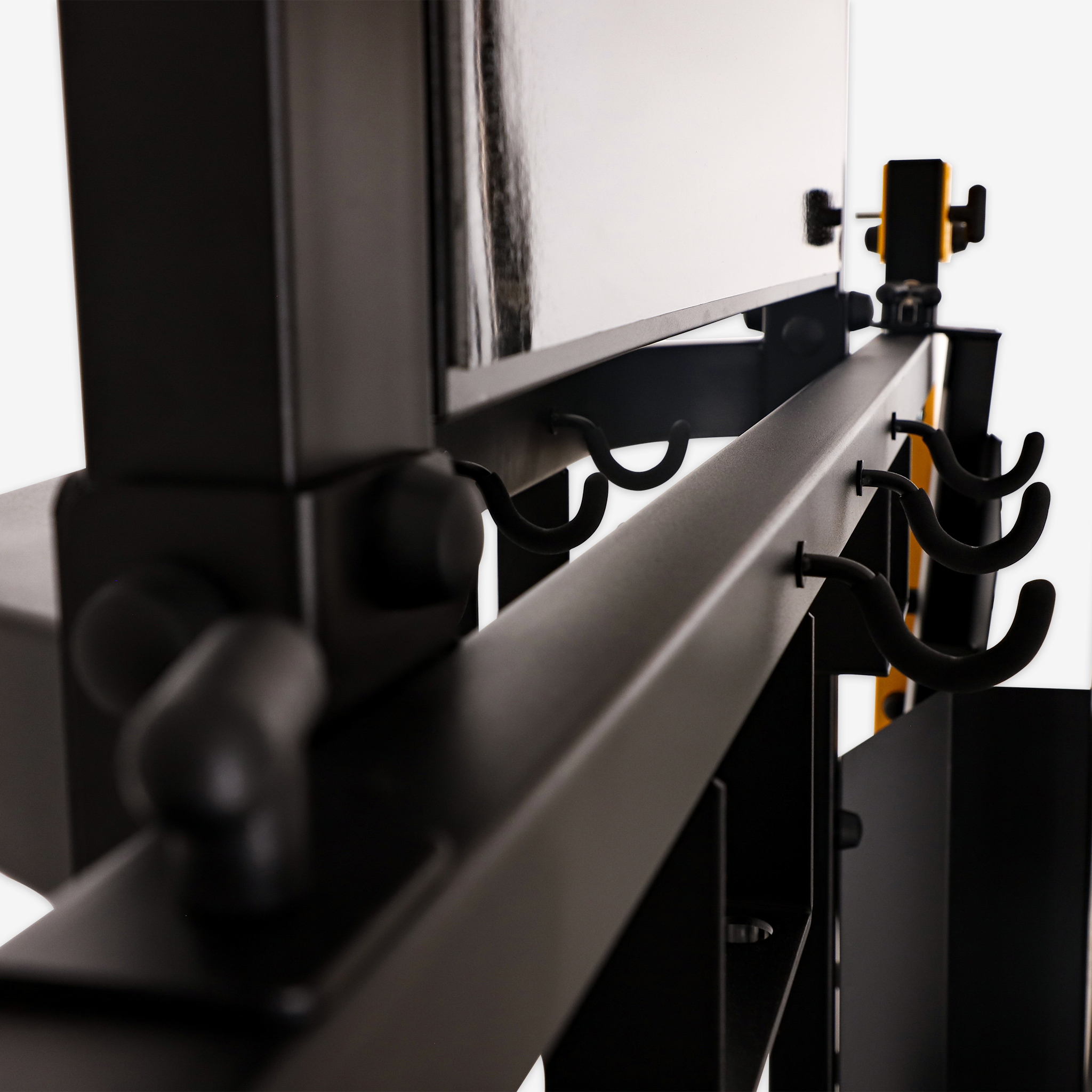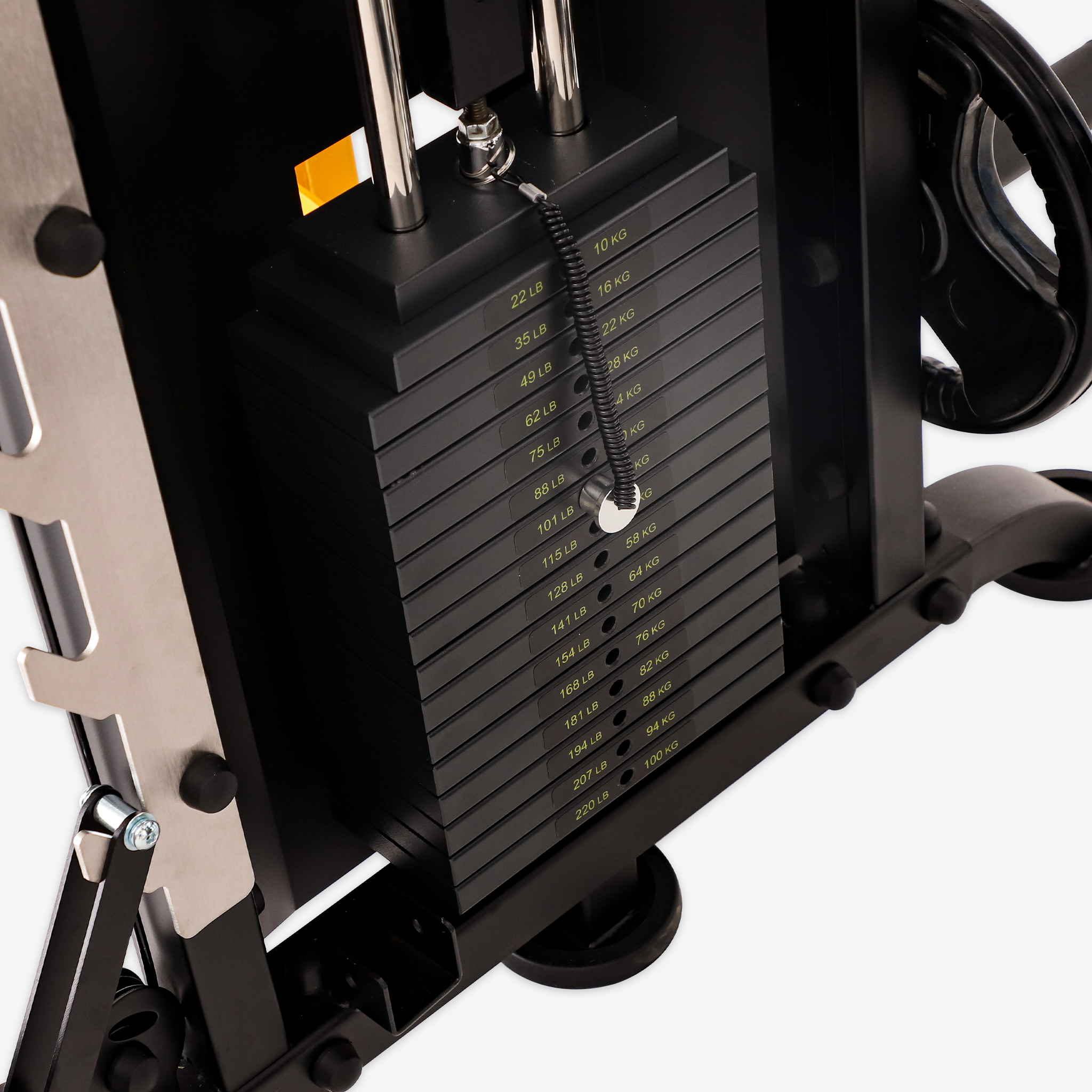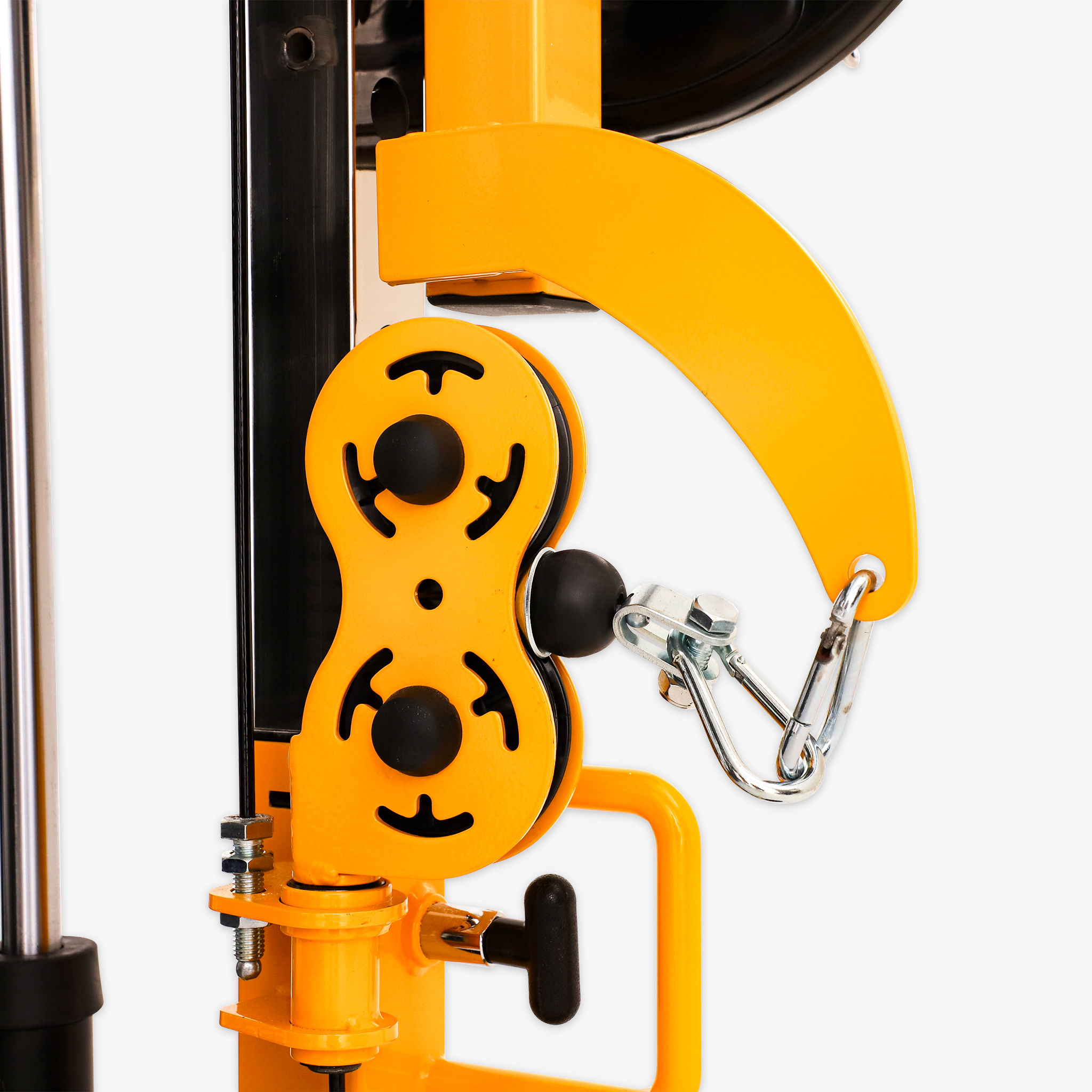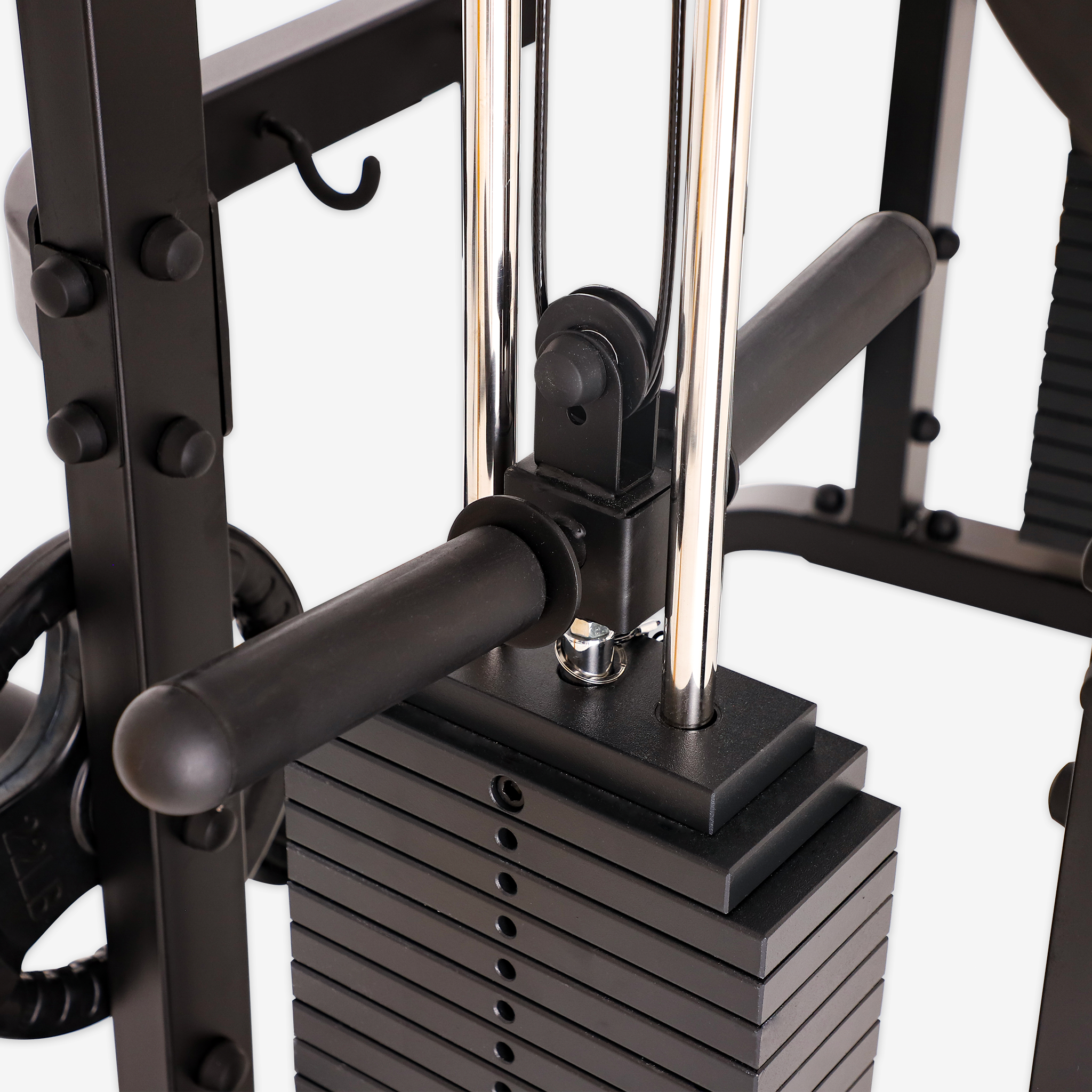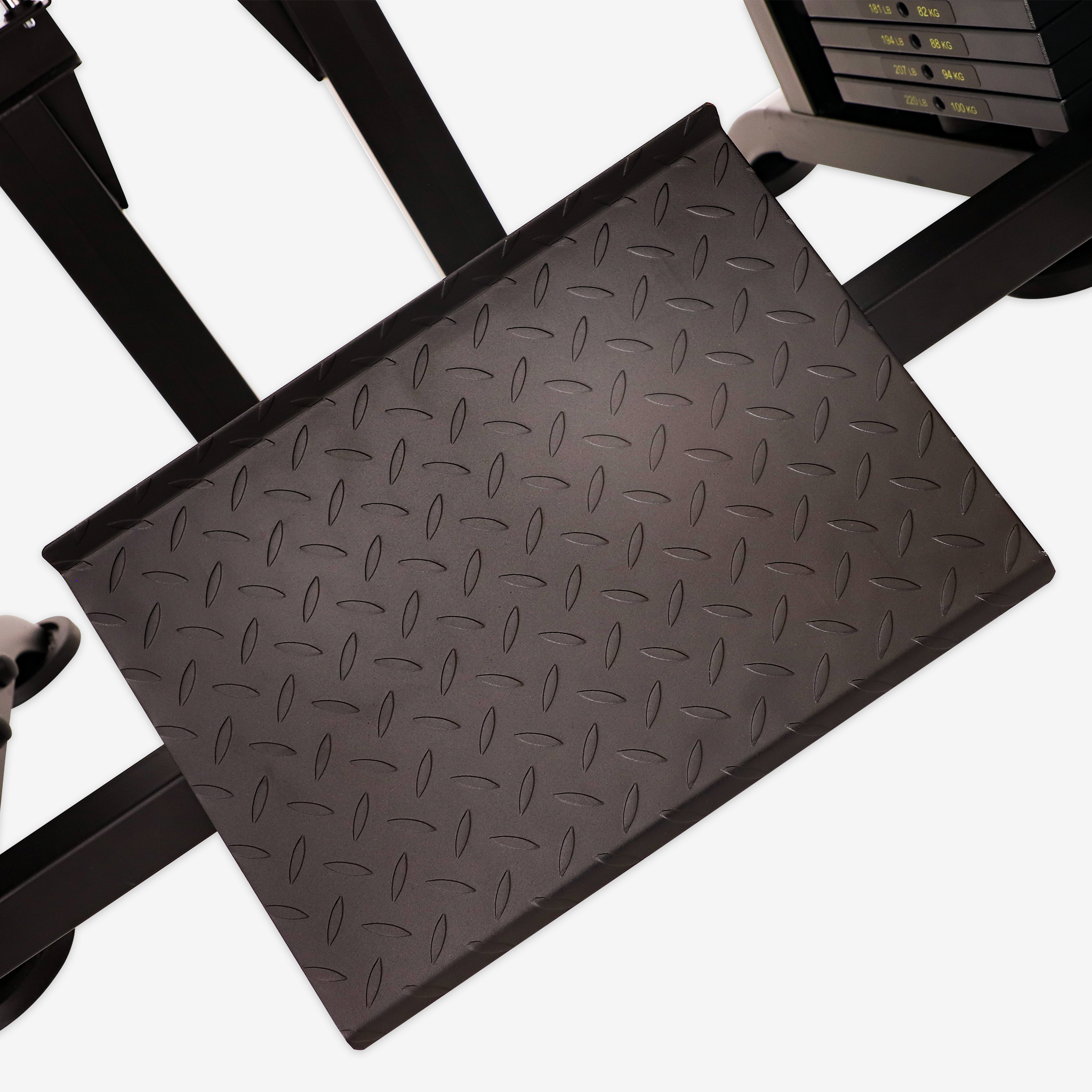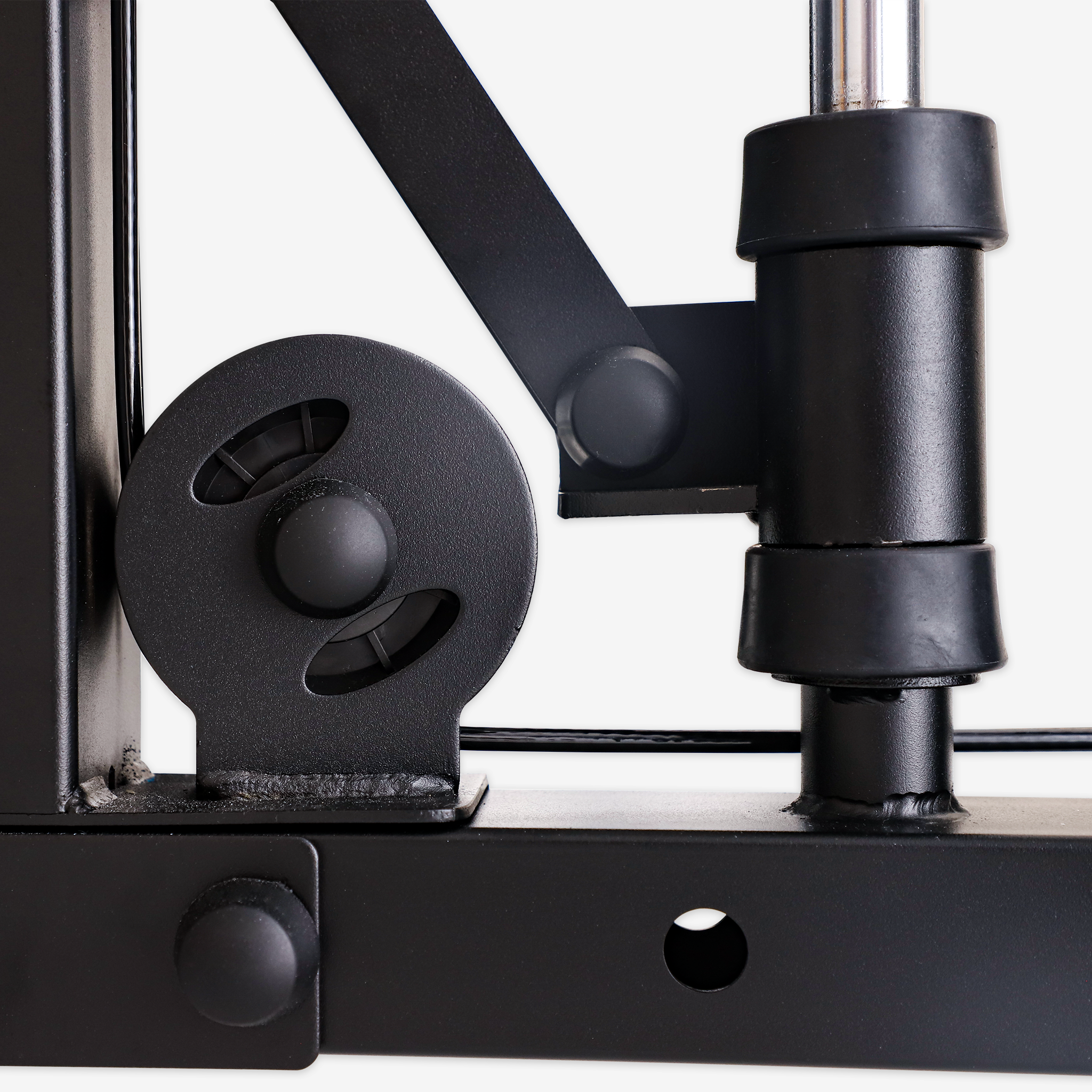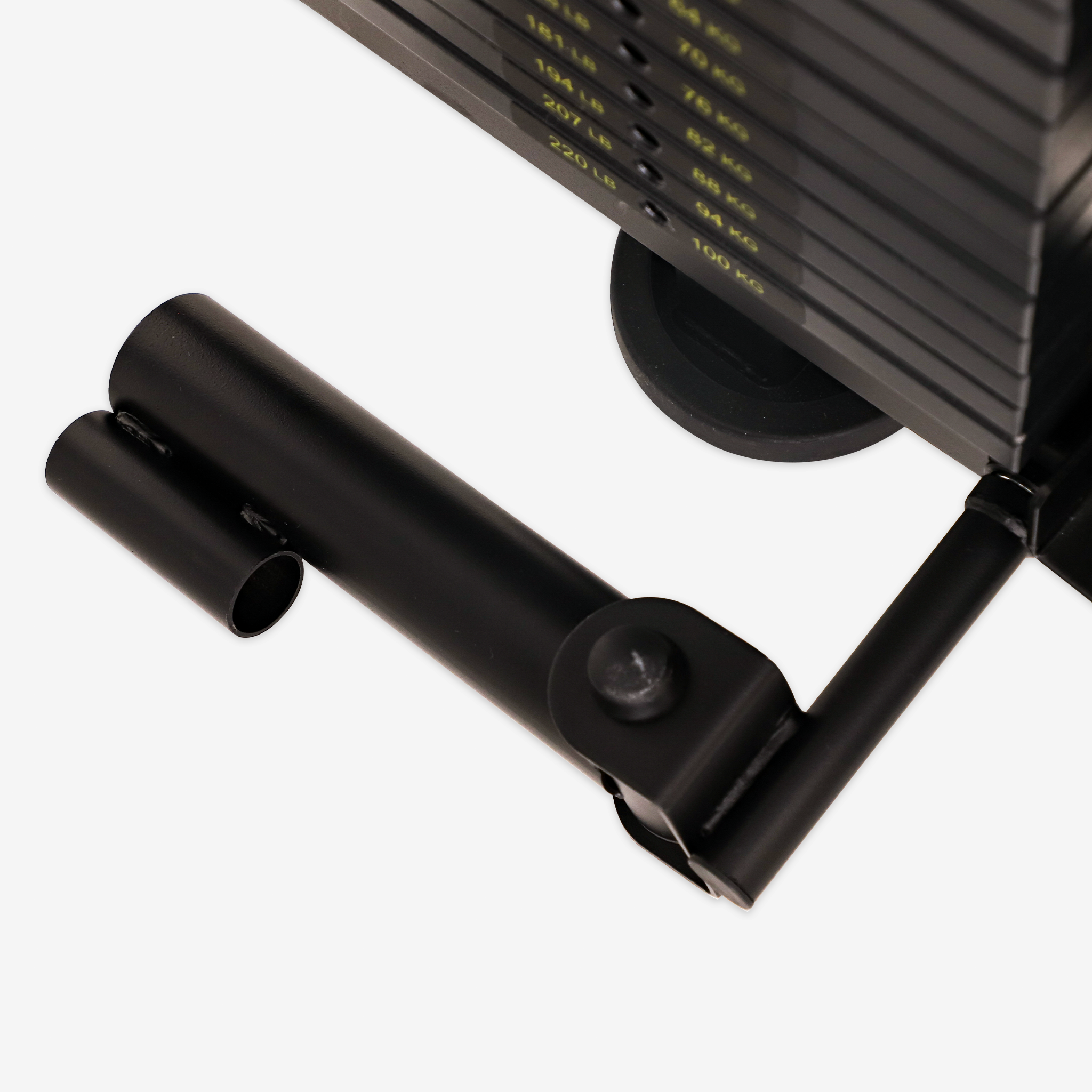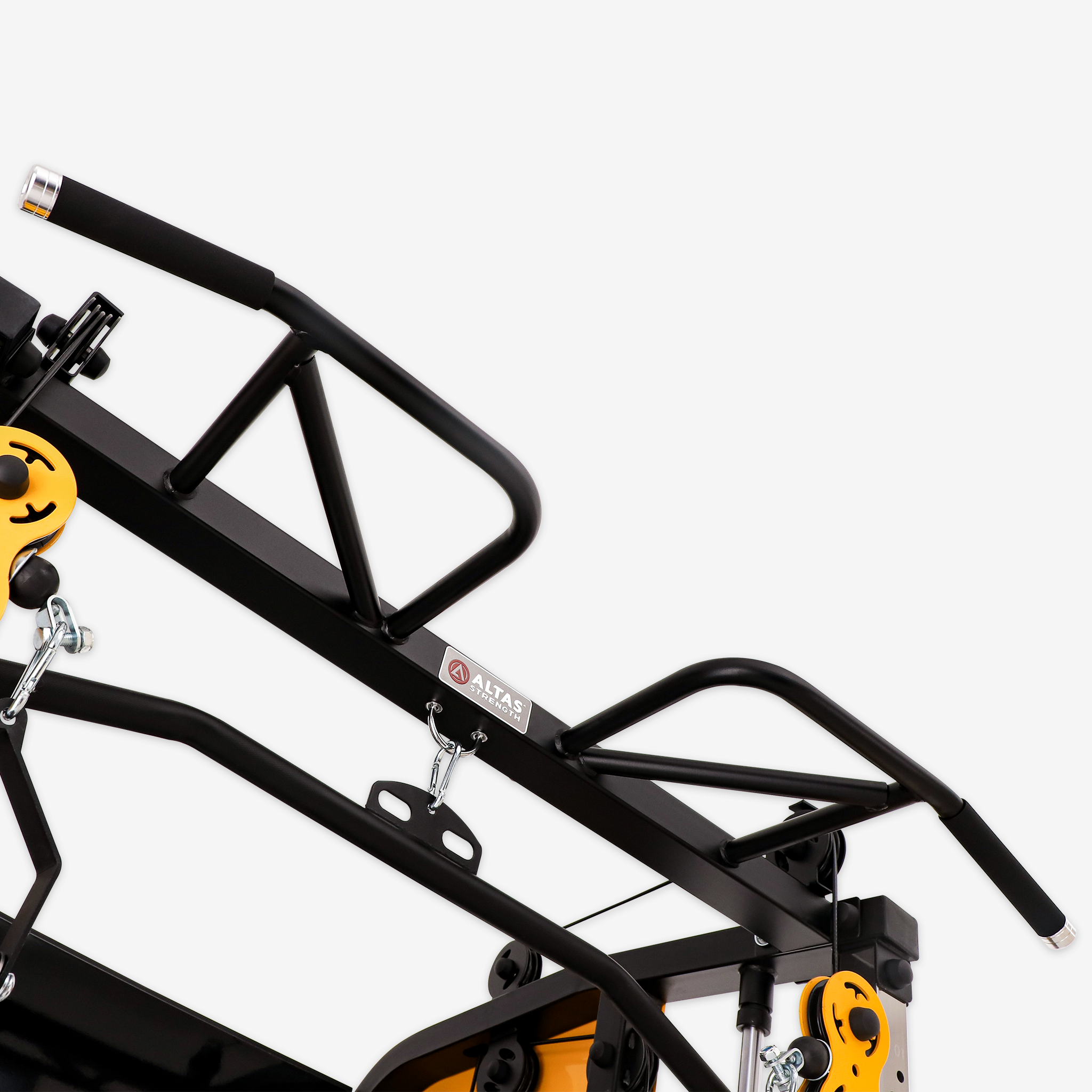
A hack squat is a guided lower-body strength exercise typically performed on a dedicated hack squat machine. The machine supports the user's back and guides the resistance along a predetermined path, allowing the legs to perform the primary movement without requiring the same level of balance and stabilization as a free-weight squat.
Hack squats are commonly used for lower-body strength and muscle development, particularly when the goal is to place substantial training emphasis on the quadriceps.
But a hack squat is not simply a replacement for the barbell squat. Each exercise has different movement characteristics, equipment requirements, and training benefits.
This guide explains what a hack squat is, how it works, how it compares with other lower-body exercises, and who should consider adding a hack squat machine to a home or commercial gym.
What Is a Hack Squat?
A hack squat is a guided squat variation performed on a specialized machine.
On a typical machine, the user places their back against a supported pad and their feet on a platform. The resistance travels along a fixed or guided path as the user bends and extends the knees and hips.
This design changes the training experience compared with a barbell back squat.
Instead of controlling a free barbell through space, the machine provides support and controls the resistance path.
The Main Characteristics of a Hack Squat
A typical hack squat machine provides:
-
A supported back position
-
A dedicated foot platform
-
A guided resistance path
-
Adjustable safety stops or locking positions
-
Plate-loaded or other resistance systems
-
A relatively stable lower-body training position
The exact movement and available adjustments vary between machines.
What Does a Hack Squat Work?
Hack squats primarily train the quadriceps, while also involving the glutes and other muscles responsible for extending the hips and knees.
The amount of emphasis placed on different muscles can change with factors such as:
-
Foot position
-
Stance width
-
Depth
-
Machine geometry
-
Individual body proportions
-
Range of motion
For this reason, it is more accurate to describe the hack squat as a quad-focused lower-body compound exercise rather than an exercise that completely isolates the quadriceps.
It can be particularly useful when a lifter wants to train the legs without making balance and barbell stabilization the primary limitation.
Why Do People Use Hack Squats?
1. Reduce the Balance Demands of Squatting
A free-weight squat requires the lifter to control the barbell while maintaining balance throughout the movement.
A hack squat machine provides back support and guides the resistance.
This allows users to concentrate more directly on the leg movement rather than controlling a free bar through space.
That can be useful for lifters who want a more supported squat variation.
2. Emphasize Lower-Body Muscle Training
Because the machine provides support, users can focus on knee and hip extension without the same stabilization requirements as a barbell squat.
This makes hack squats a popular option for hypertrophy-oriented lower-body training.
3. Provide a Repeatable Movement Pattern
The guided path creates a more consistent movement pattern from repetition to repetition.
This can make the exercise easier to standardize within a structured training program.
However, a fixed path is also a limitation: the machine determines much of the movement pattern instead of allowing the user to choose a completely individual bar path.
4. Support Solo Training
Many hack squat machines incorporate safety stops or locking mechanisms.
These features can be useful when training alone because the machine provides a defined range of movement and a way to secure the resistance.
Users should still learn the machine's safety mechanism and use appropriate resistance rather than assuming that a guided machine eliminates all training risk.
Hack Squat vs. Barbell Squat
This is one of the most important comparisons for anyone considering a hack squat machine.
| Feature | Hack Squat | Barbell Back Squat |
|---|---|---|
| Resistance path | Guided | User-controlled |
| Back support | Yes | No |
| Balance demand | Lower | Higher |
| Stabilizer involvement | More limited | Greater |
| Quadriceps emphasis | Often high | High, depending on technique |
| Equipment | Specialized machine | Rack, barbell, plates |
| Exercise versatility | Primarily lower body | Broad programming potential |
| Space | Dedicated machine footprint | Rack and barbell space |
Neither exercise is universally better.
A hack squat is attractive when the goal is a more supported, repeatable lower-body movement. A barbell squat is more suitable when the lifter also wants to develop free-weight control and stabilization.
A hack squat should therefore be viewed as a complement to free-weight training, not automatically as a replacement.
Hack Squat vs. Leg Press
Hack squats and leg presses are both machine-based lower-body exercises, but their setups are different.
A hack squat generally places the user in a more upright, squat-like position, while a leg press uses a more reclined position against a backrest.
| Feature | Hack Squat | Leg Press |
|---|---|---|
| Body position | More upright | More reclined |
| Movement pattern | Squat-like | Pressing pattern |
| Back support | Supported | Supported |
| Main lower-body emphasis | Often quad-focused | Quads, glutes, hamstrings |
| Balance requirement | Low | Low |
| Typical use | Lower-body strength and hypertrophy | Lower-body strength and hypertrophy |
Both can be useful for leg training.
The better choice depends on the user's preferred movement, available space, equipment budget, and training goals.
Hack Squat vs. Smith Machine Hack Squat
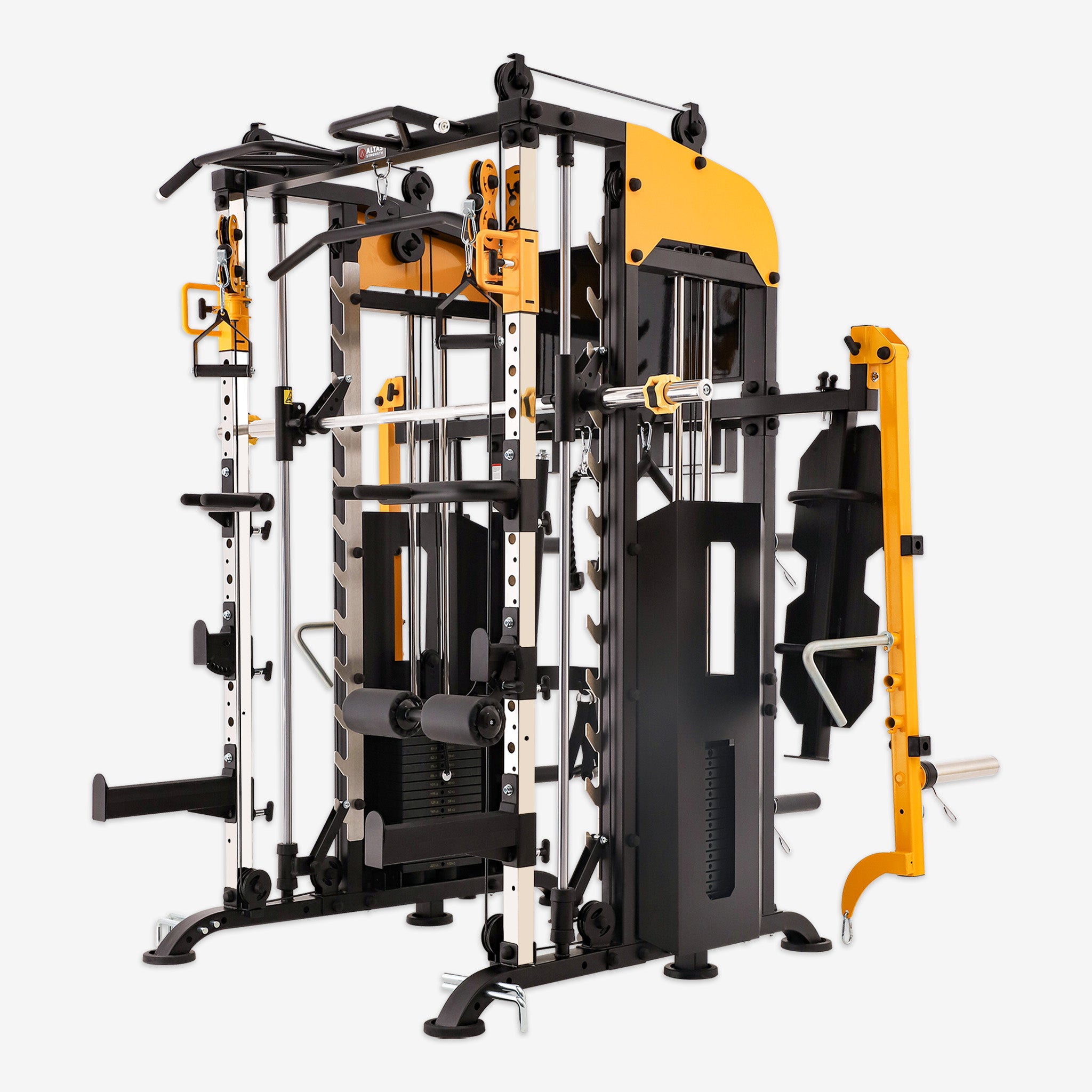
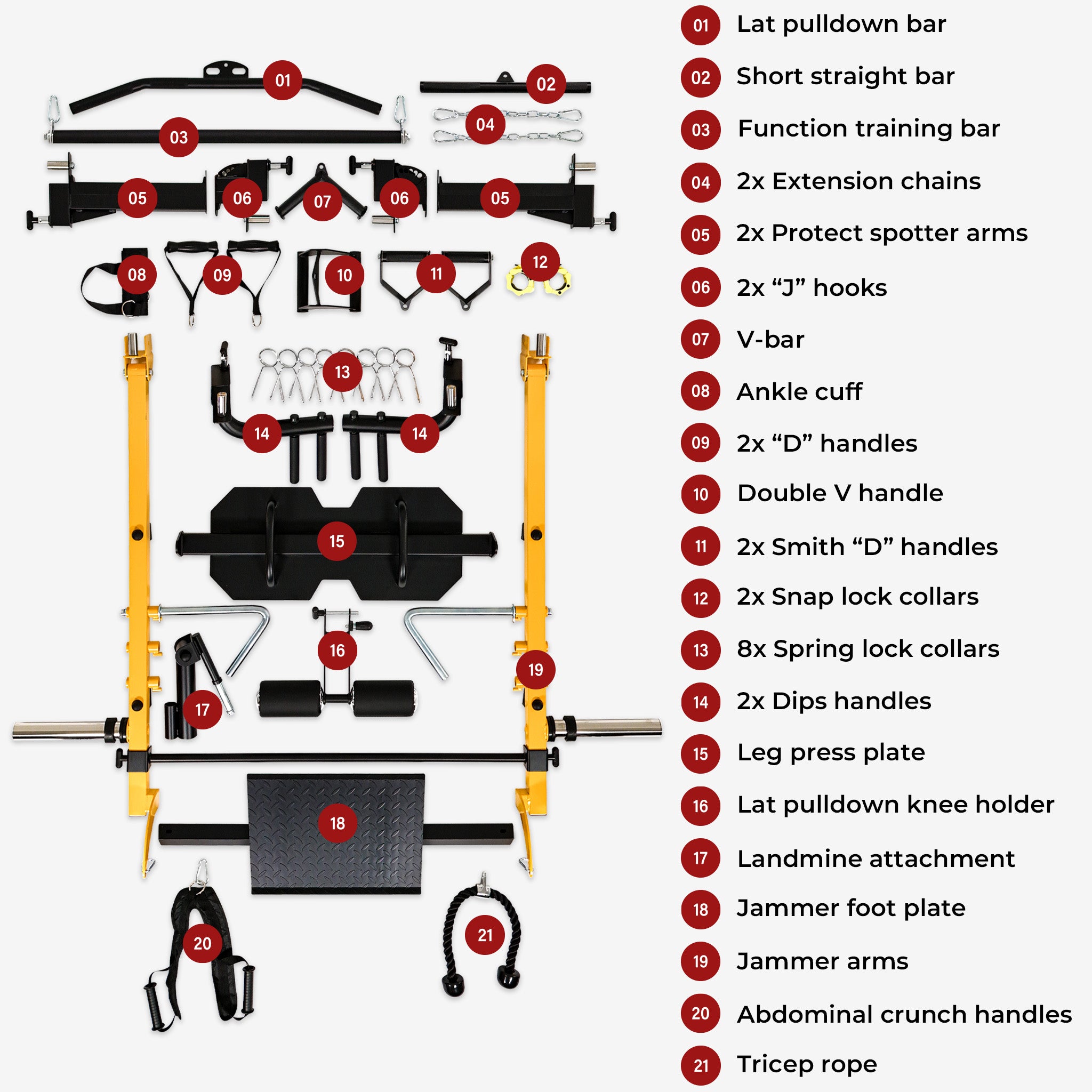
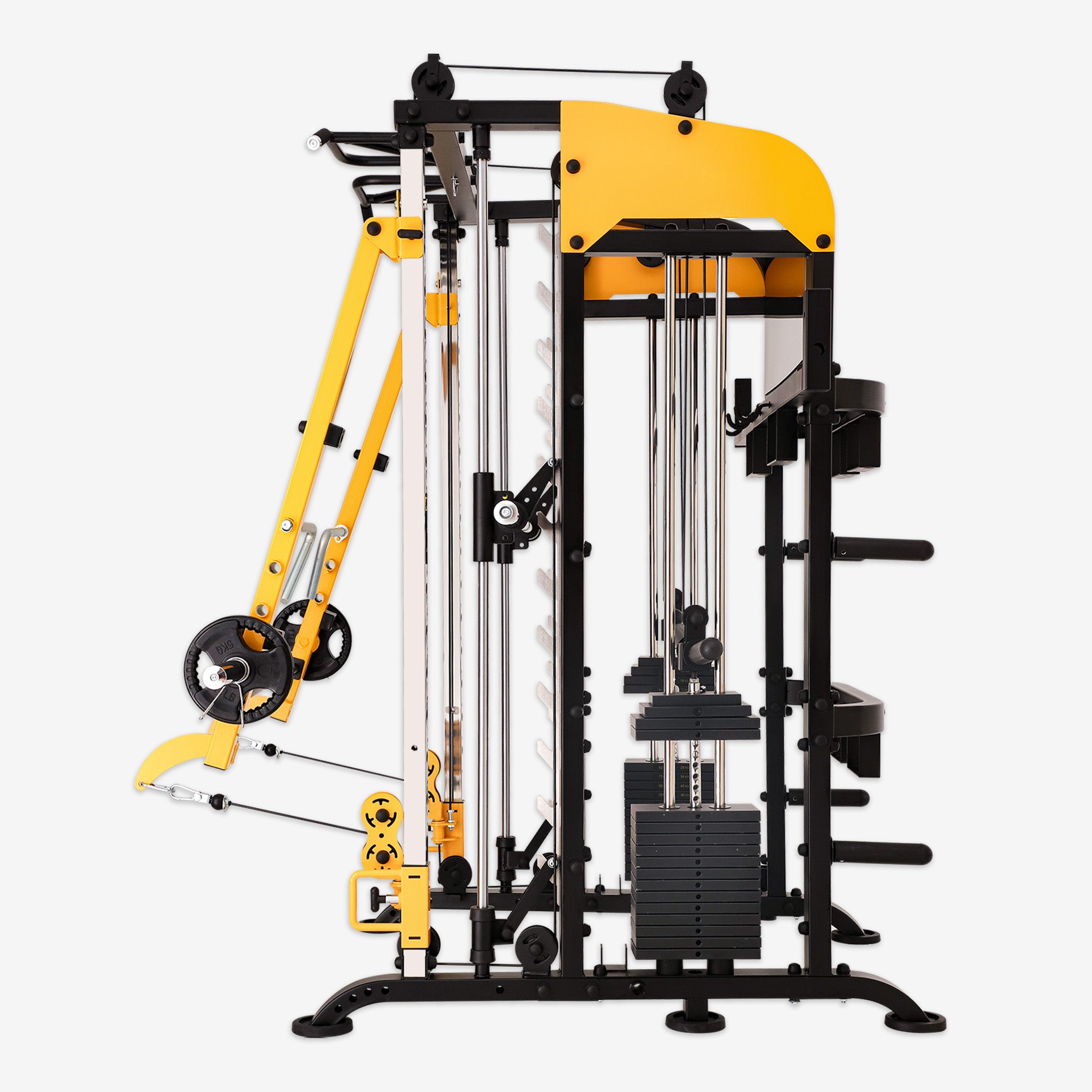
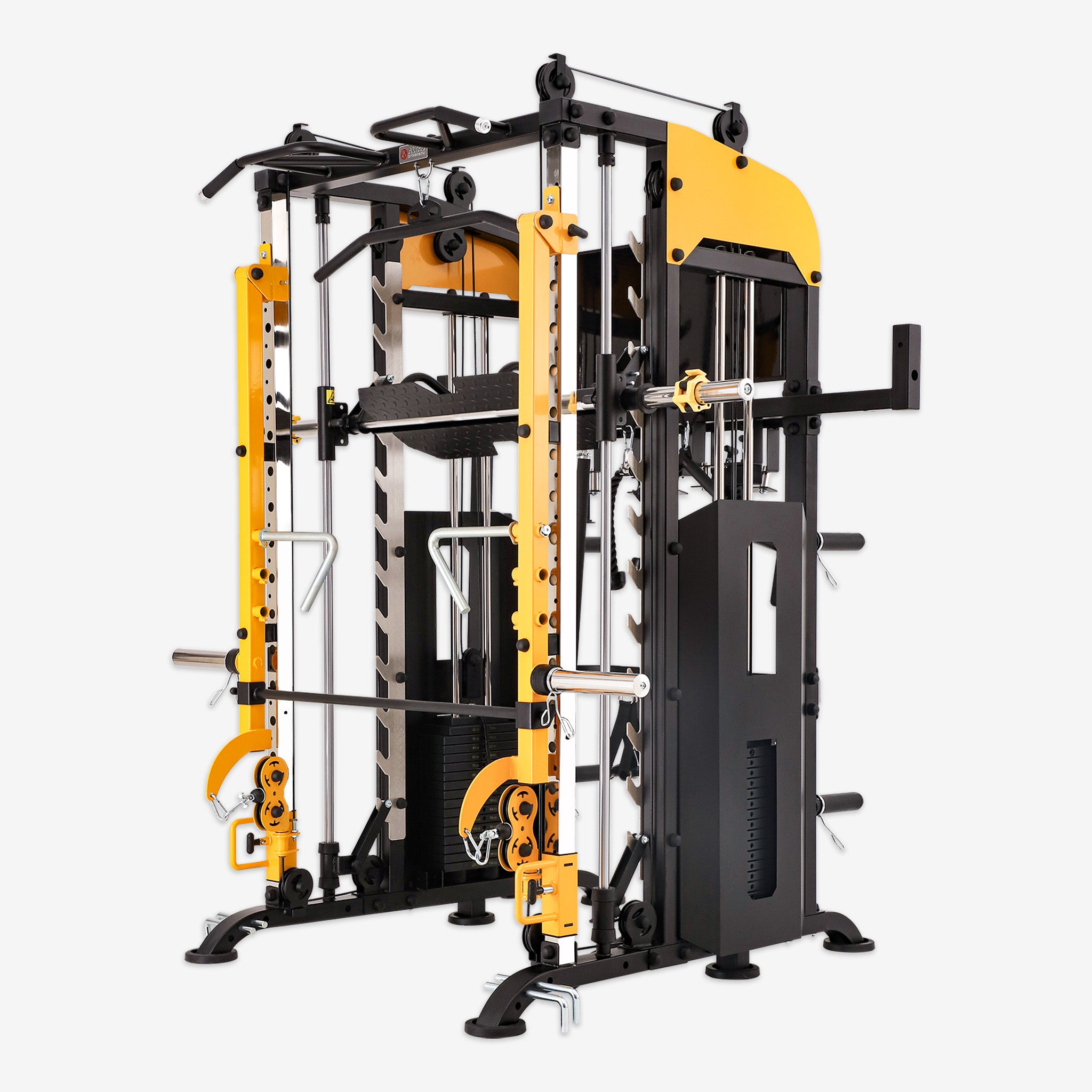
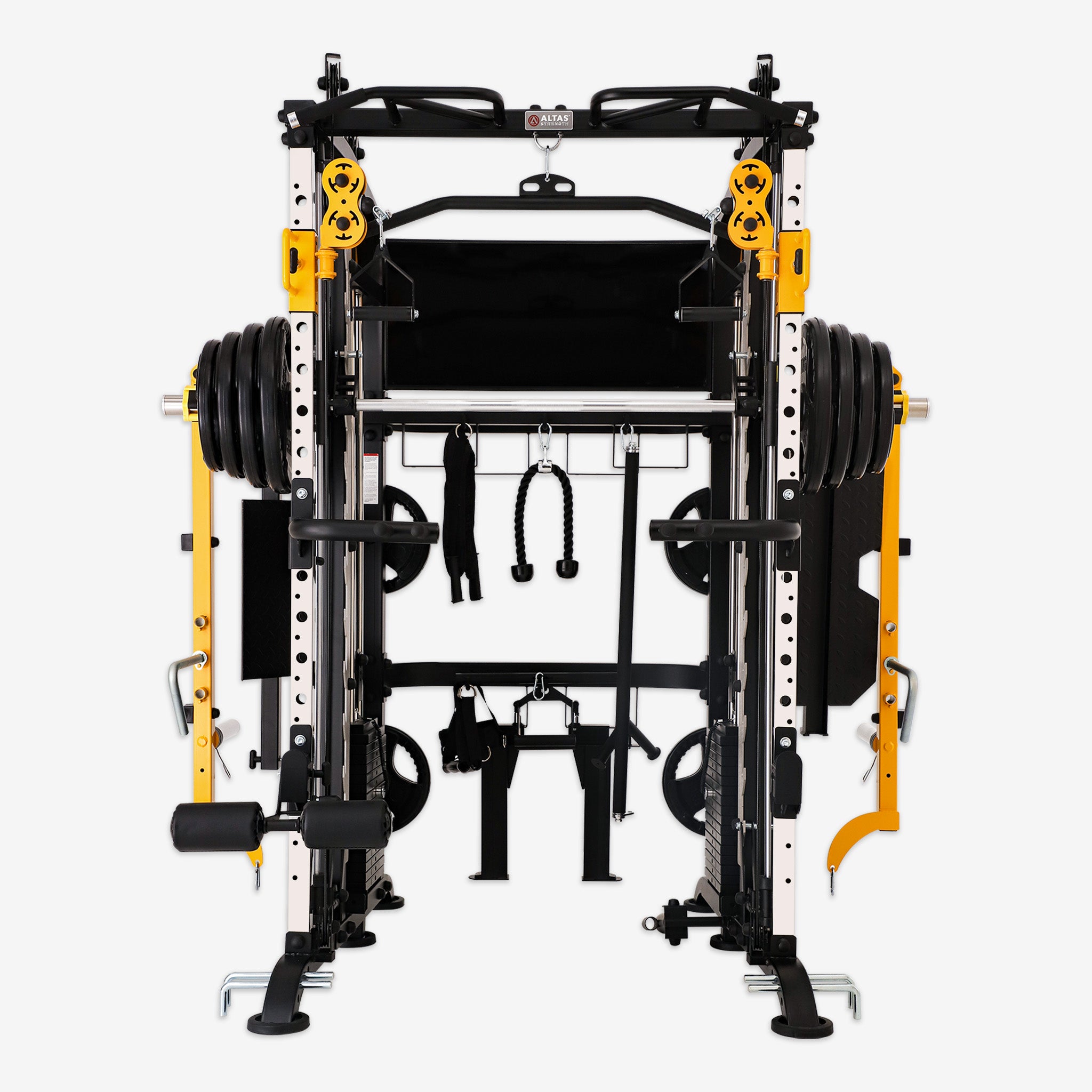
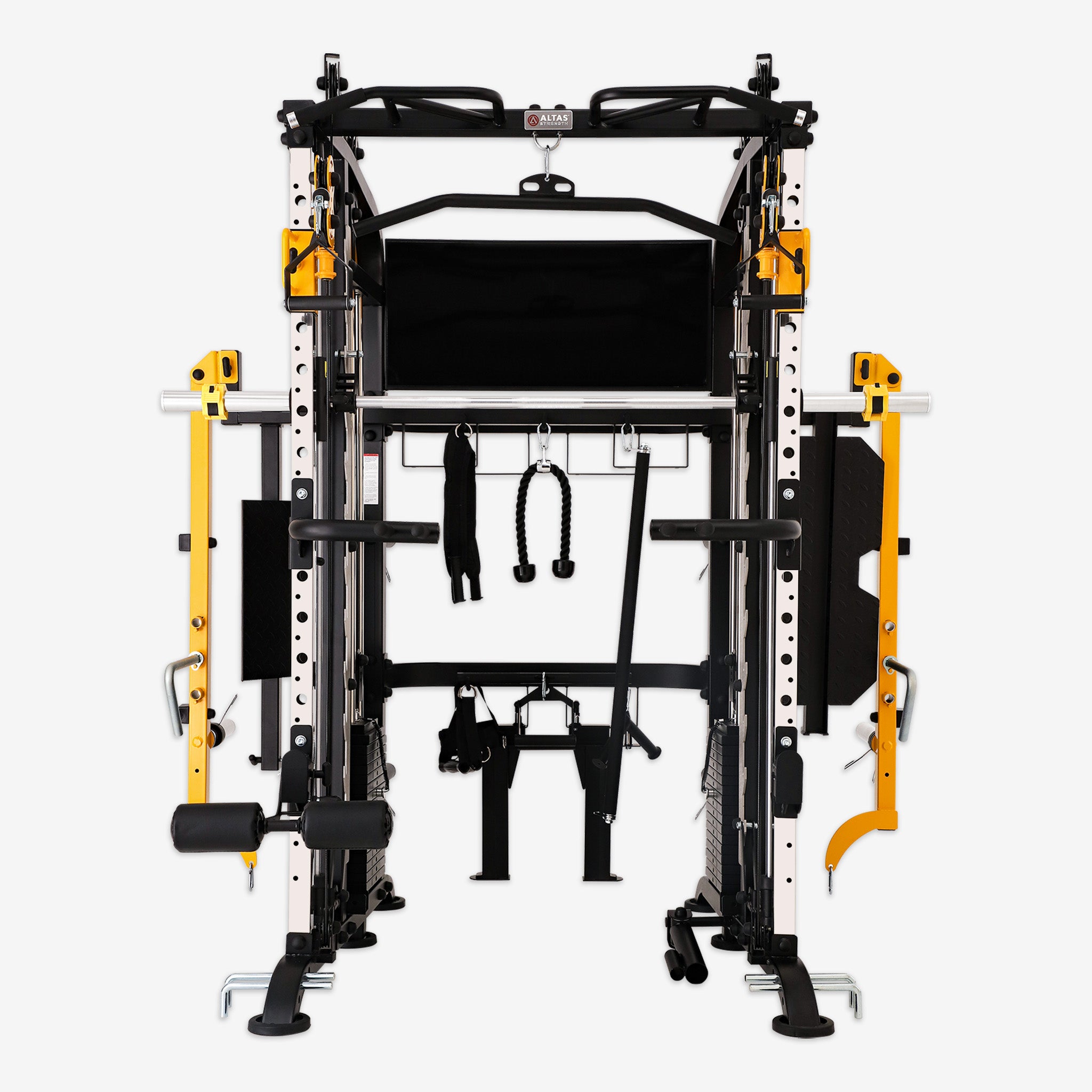
A Smith machine can sometimes be configured for a hack-squat-style movement.
This can be attractive to home gym owners because one Smith machine can support many exercises.
Dedicated Hack Squat
Advantages:
-
Purpose-built movement
-
Dedicated foot platform
-
Integrated machine geometry
-
Often easier to set up for repeated hack squats
Limitations:
-
More specialized
-
Requires dedicated floor space
-
Provides fewer exercises than a multifunction machine
Smith Machine
Advantages:
-
Supports many exercises
-
Can combine several strength-training functions
-
May provide better overall equipment utilization
Limitations:
-
Hack-squat positioning depends on the specific setup
-
Less specialized than a dedicated machine
-
Other users may need to reconfigure the equipment between exercises
For buyers building a complete home gym, the choice often comes down to specialization versus versatility.
Hack Squat vs. Belt Squat
Both exercises can reduce the need to balance a barbell across the upper back, but they accomplish this differently.
A hack squat supports the back and guides the user's body along a machine path.
A belt squat loads the hips through a belt while allowing greater freedom of movement.
A hack squat may therefore appeal more to users who want a highly structured, supported movement, while a belt squat may appeal to those who want more freedom of movement and less machine-guided positioning.
What Features Matter in a Hack Squat Machine?
If you are purchasing a hack squat machine, focus on the equipment rather than marketing terminology.
Frame Construction
Look for:
-
Steel tubing specifications
-
Steel thickness
-
Product weight
-
Base dimensions
-
Stated weight capacity
-
Weld and connection design
A substantial frame can provide a stable foundation for loaded training, but the machine should still be evaluated based on its actual specifications.
Movement System
The sled, rails, bearings, wheels, or other movement components influence how the machine operates.
Look for a movement system that provides consistent travel and does not show obvious binding or excessive play.
Foot Platform
The foot platform affects stance and positioning.
Consider:
-
Platform size
-
Surface texture
-
Angle
-
Available foot positions
-
Stability under load
A larger platform may provide more flexibility for different users and stances.
Safety Mechanism
Check how the machine is secured.
Depending on the design, this may include:
-
Safety stops
-
Locking handles
-
Adjustable catch positions
-
Starting-position locks
Users should understand exactly how these mechanisms work before loading the machine heavily.
Adjustability
Some machines provide adjustable back positions, footplate angles, or other settings.
Adjustability can make the machine easier to accommodate for different users and training preferences.
What Are the Limitations of a Hack Squat?
Hack squats offer several advantages, but they also create trade-offs.
Large Footprint
A dedicated hack squat machine requires substantially more floor space than a barbell and rack alone.
This can make it difficult to justify in a small apartment or compact home gym.
Higher Initial Cost
A specialized machine requires a larger equipment investment than many free-weight alternatives.
The cost is easier to justify when the machine will be used regularly.
Less Stabilizer Training
The guided movement reduces some of the balance and stabilization requirements associated with free-weight squats.
That is an advantage for some training goals but a limitation for users specifically trying to develop free-weight movement skills.
Specialized Function
A hack squat machine is primarily a lower-body machine.
If you need one machine to perform squats, presses, pull-ups, rows, and other exercises, a Smith machine or multifunctional system may provide better overall value.
Starting Resistance
Some plate-loaded machines have a relatively substantial unloaded or starting resistance.
This can make certain models less suitable for users who are new to resistance training or have limited baseline strength.
Always check the machine's starting resistance before purchasing.
Is a Hack Squat Good for Beginners?
A hack squat can provide a more supported movement than a barbell back squat, which may make it easier for some beginners to understand the basic squat pattern.
However, "guided" does not mean "automatically safe."
Beginners still need to learn:
-
Proper machine setup
-
Foot positioning
-
Range of motion
-
Safety mechanism operation
-
Appropriate resistance selection
-
Controlled movement
Someone who is completely new to resistance training may benefit from instruction from a qualified fitness professional.
Who Should Consider a Hack Squat Machine?
A hack squat machine may be a good fit for:
-
Home gym owners with adequate floor space
-
Lifters focused on lower-body strength or hypertrophy
-
Users who prefer guided resistance
-
People who want a supported squat variation
-
Experienced lifters looking for additional quad-focused training
-
Commercial gyms that need dedicated lower-body equipment
It may be less suitable for:
-
Ultra-small home gyms
-
Buyers with very limited equipment budgets
-
Users who want one machine to perform many different exercises
-
Athletes whose primary goal is free-weight movement and stabilization
-
Users who prefer portable equipment
What About a Hack Squat and Leg Press Combination Machine?
Some machines combine hack squat and leg press functions in one unit.
This design can be attractive for home gyms because one machine can provide two major lower-body movements.
The main question is whether the additional functionality justifies the machine's:
-
Price
-
Floor space
-
Weight
-
Assembly requirements
-
Complexity
For a serious home gym with sufficient space, a combination machine can potentially provide more training variety than a single-function hack squat.
For a smaller gym, the machine's footprint may outweigh that additional functionality.
Hack Squat Buying Checklist
Before purchasing a hack squat machine, evaluate:
Training Goal
-
Do you want a quad-focused lower-body movement?
-
Do you already perform barbell squats?
-
Do you want a complementary machine exercise?
Space
-
What is the machine's footprint?
-
Is there enough room around the machine?
-
Can the machine enter the room during delivery?
-
Is the ceiling height sufficient?
Construction
-
What steel specifications are provided?
-
What is the machine's stated capacity?
-
How substantial is the base?
-
How does the movement system work?
User Fit
-
Is the foot platform large enough?
-
Can the machine accommodate your body proportions?
-
Are there useful adjustment positions?
Safety
-
How do the safety stops work?
-
Can the resistance be secured quickly?
-
Can you comfortably enter and exit the machine?
Long-Term Value
-
Will you use the machine regularly?
-
Would a hack squat/leg press combination provide better value?
-
Would a Smith machine provide enough lower-body functionality while serving other training needs?
The Bottom Line
A hack squat is a guided lower-body squat variation designed to provide a supported, repeatable movement with substantial emphasis on the legs, particularly the quadriceps.
Its main advantage over a barbell squat is not that it is universally safer or better. Rather, it changes the training demands by providing back support and a guided resistance path, reducing the balance and stabilization requirements of free-weight squatting.
For buyers considering a dedicated hack squat machine, the key decision factors are movement quality, frame construction, foot platform design, safety mechanisms, starting resistance, adjustability, footprint, and overall training goals.
A dedicated hack squat can be an excellent addition to a larger home or commercial gym, while a Smith machine, leg press, belt squat, or free-weight setup may provide better value for users with different priorities.
Core decision: Choose a hack squat when you want a dedicated, supported lower-body movement and have enough space for a specialized machine. Choose a more versatile system when maximizing the number of exercises per square foot is the higher priority.