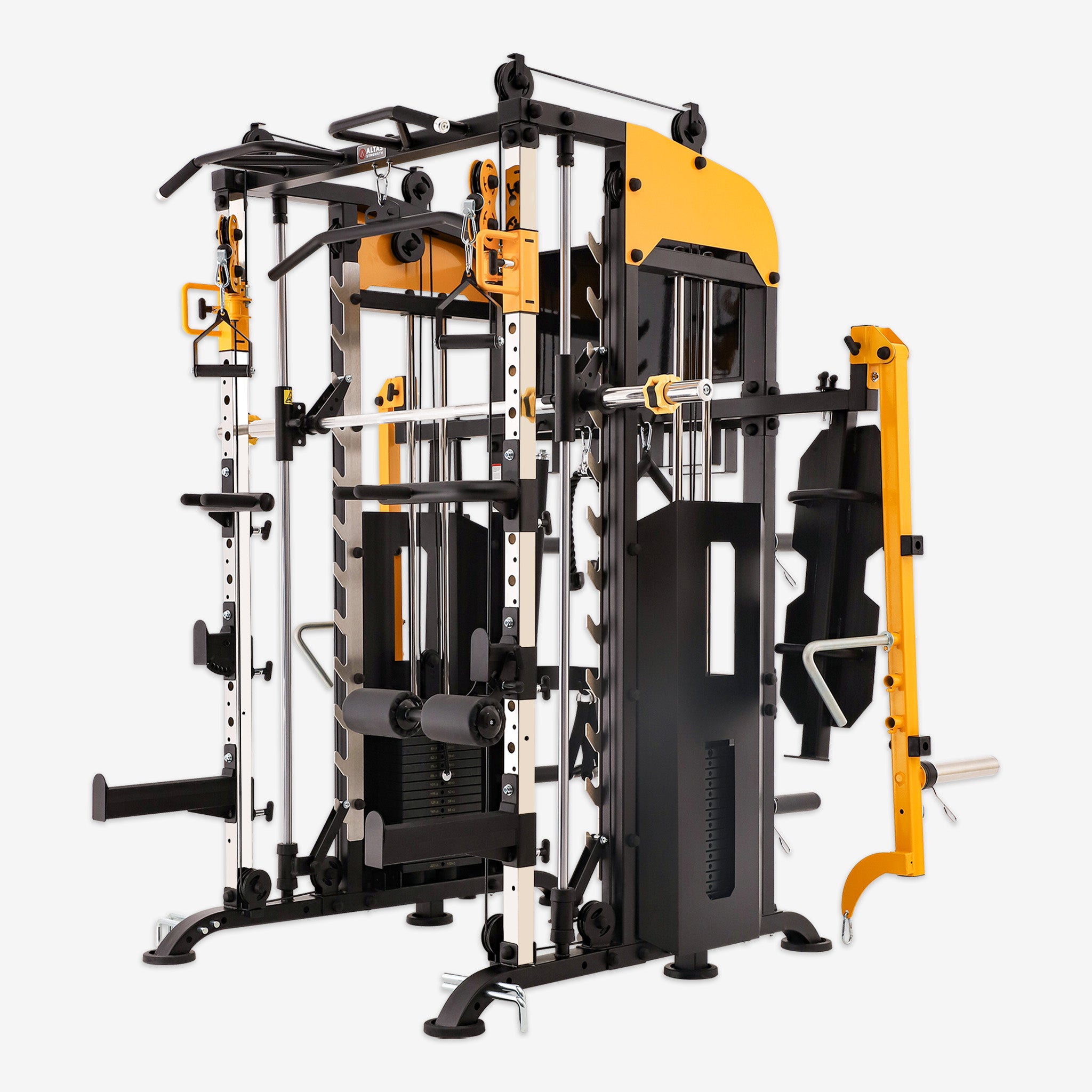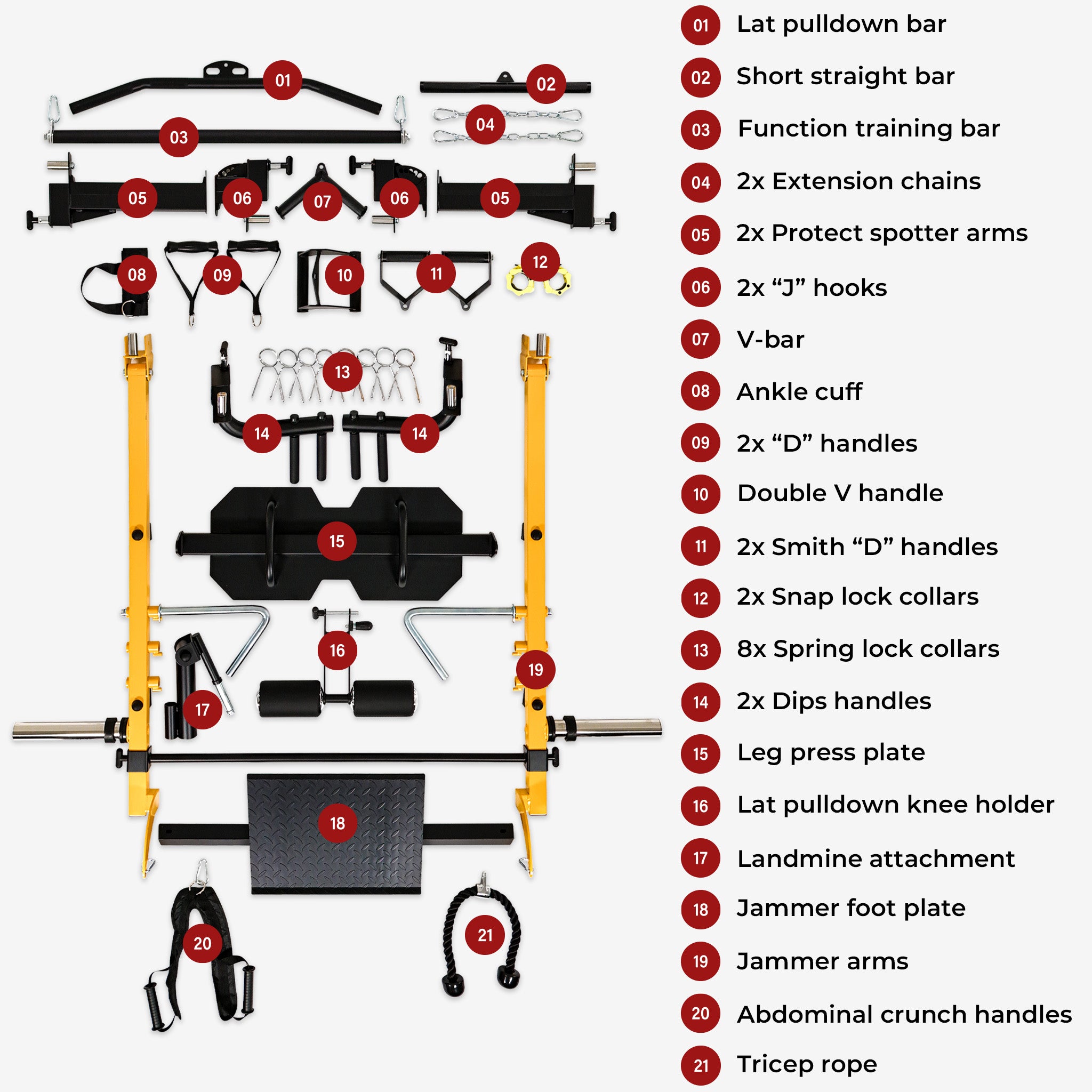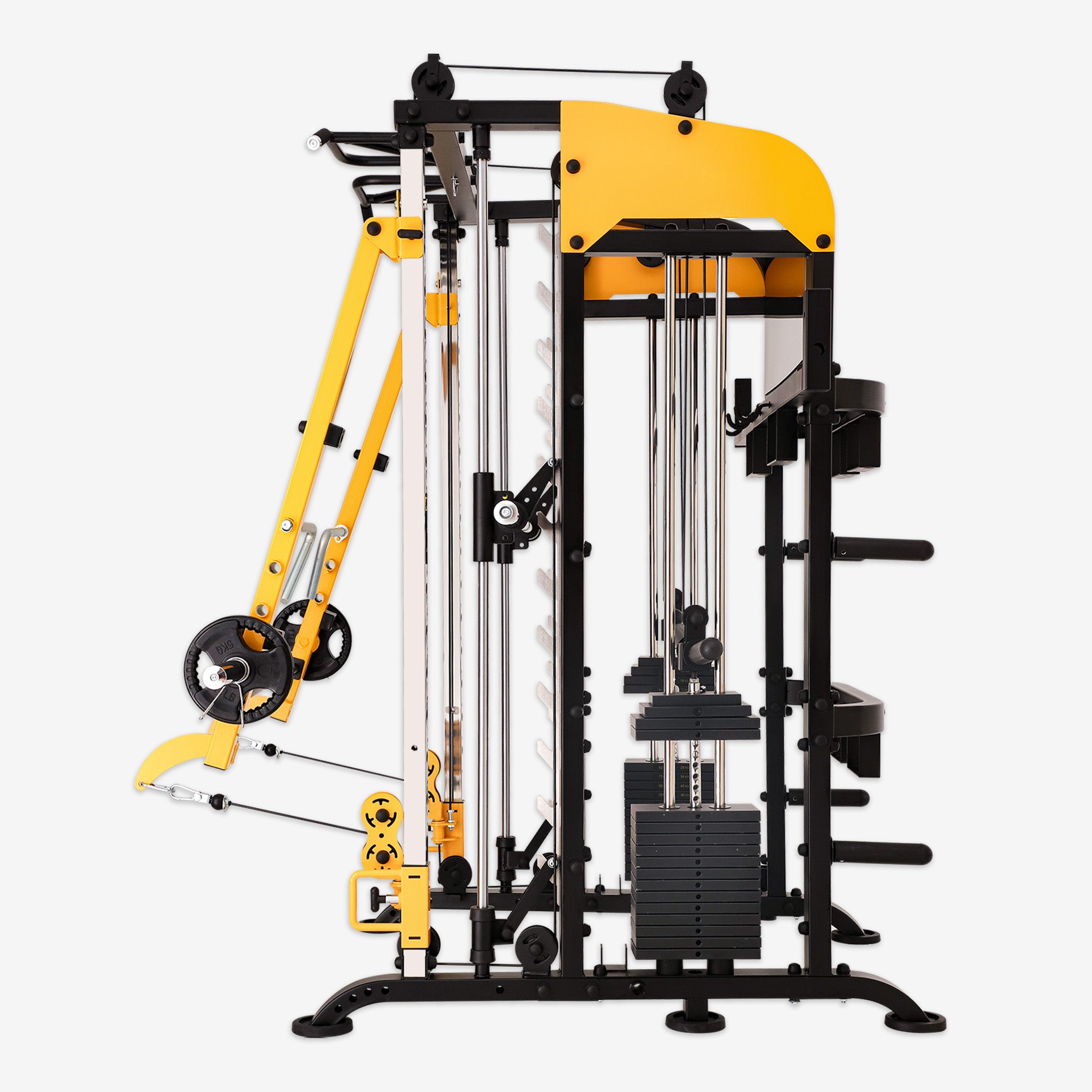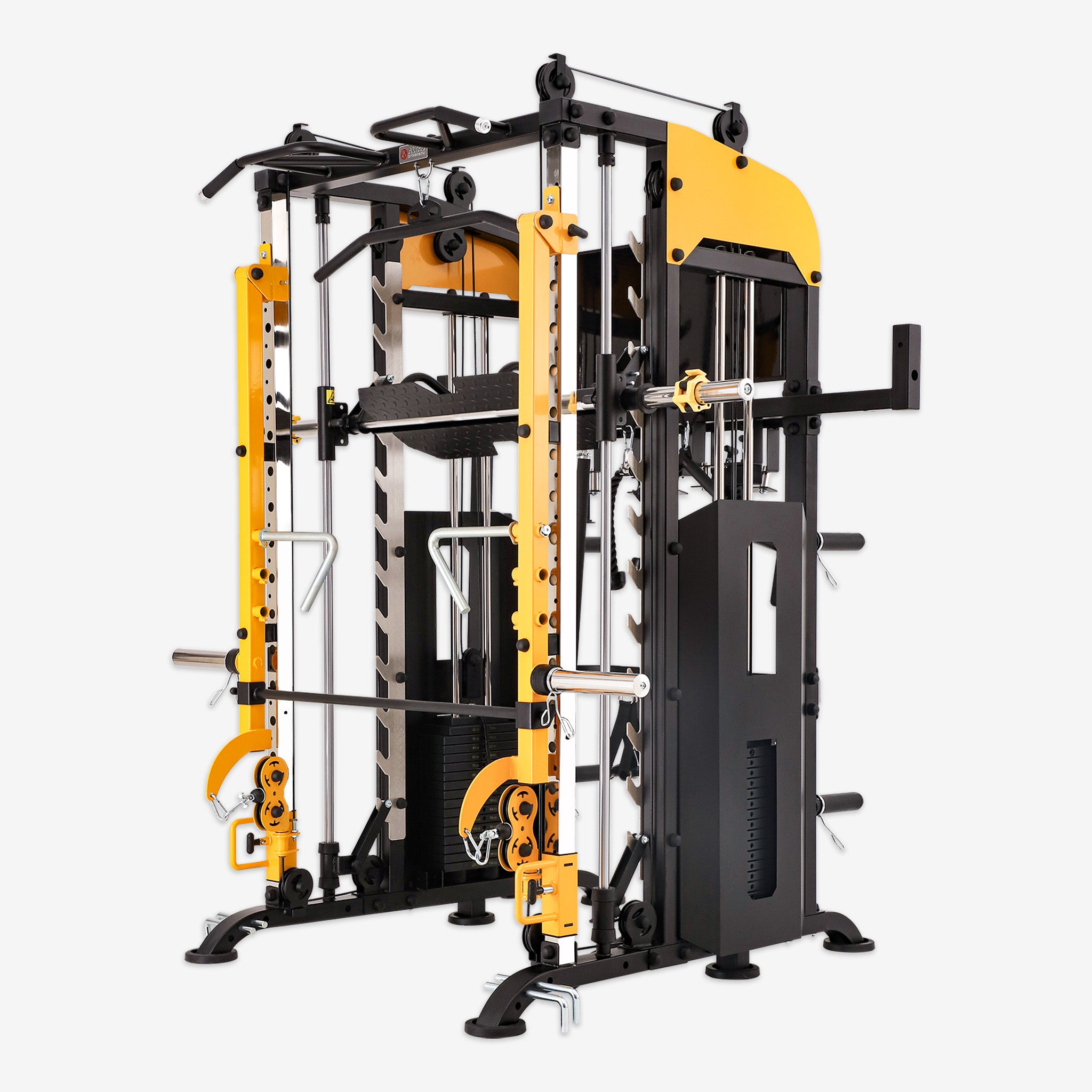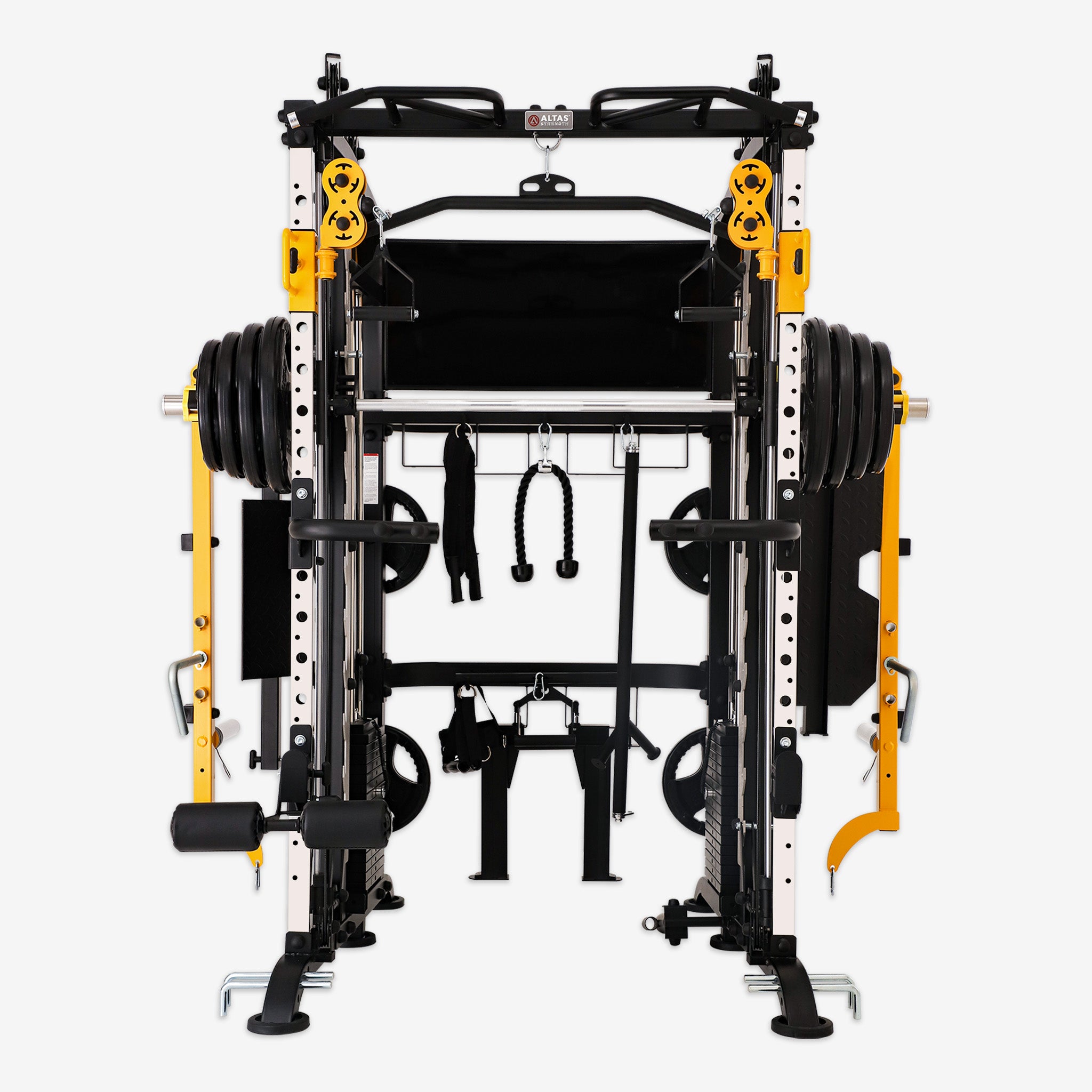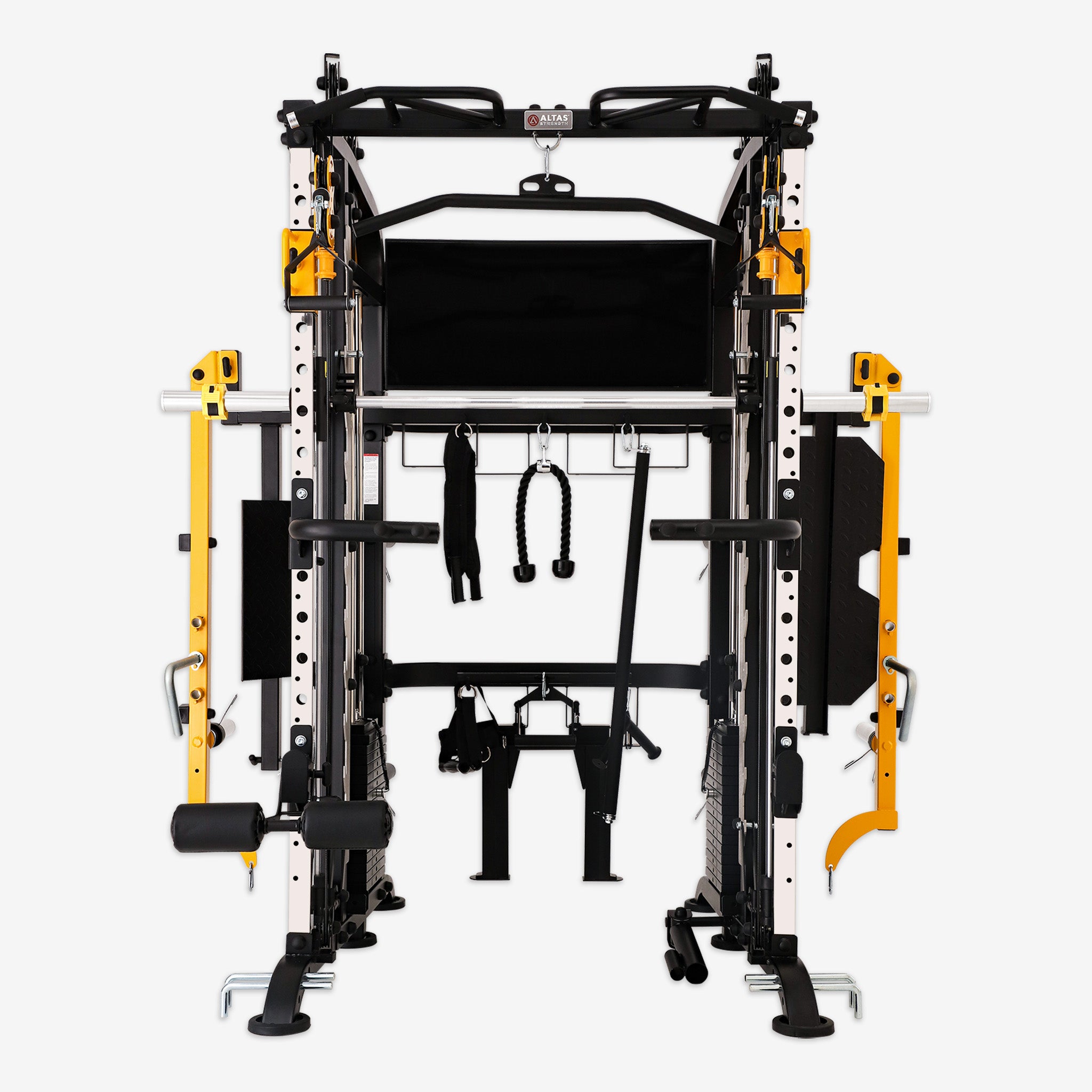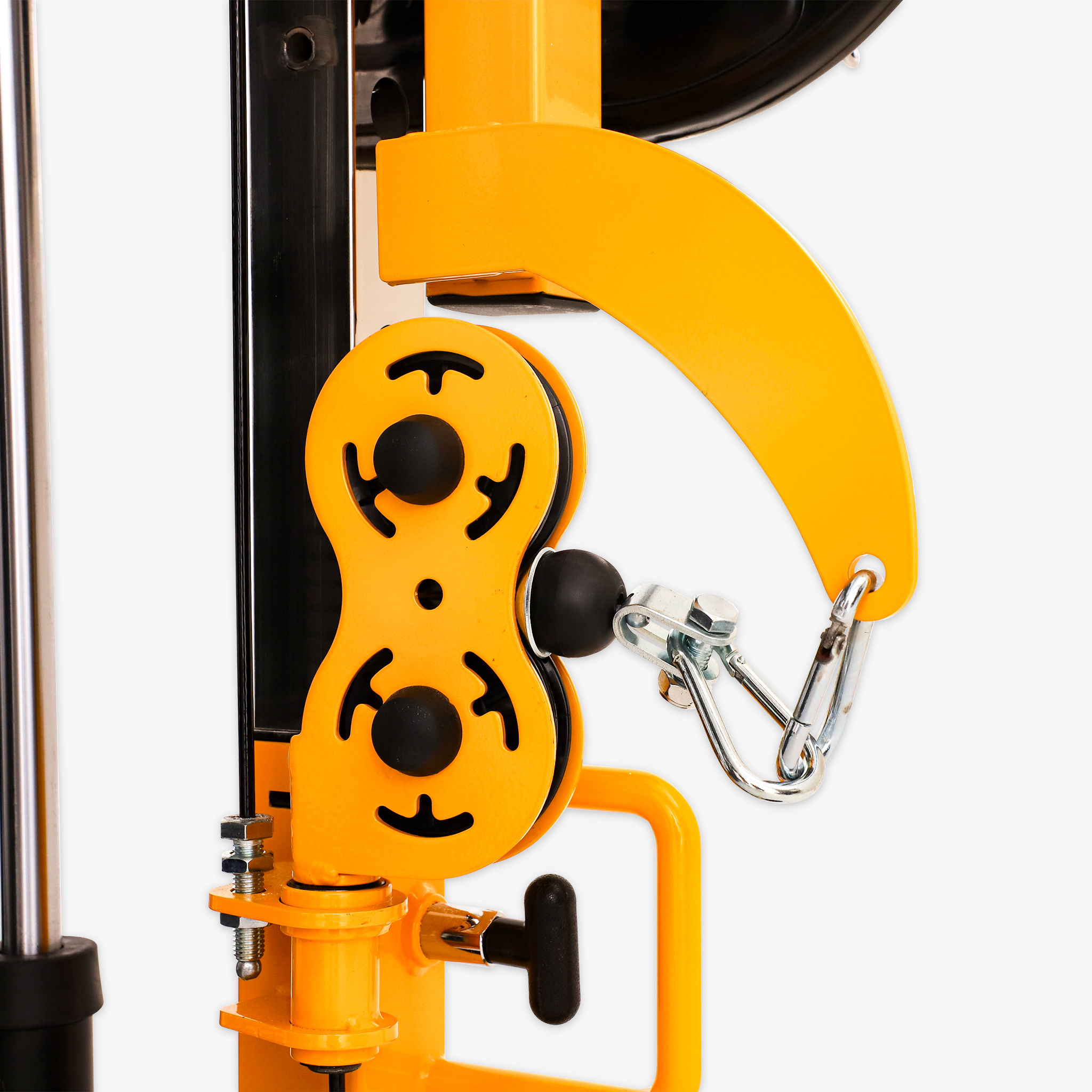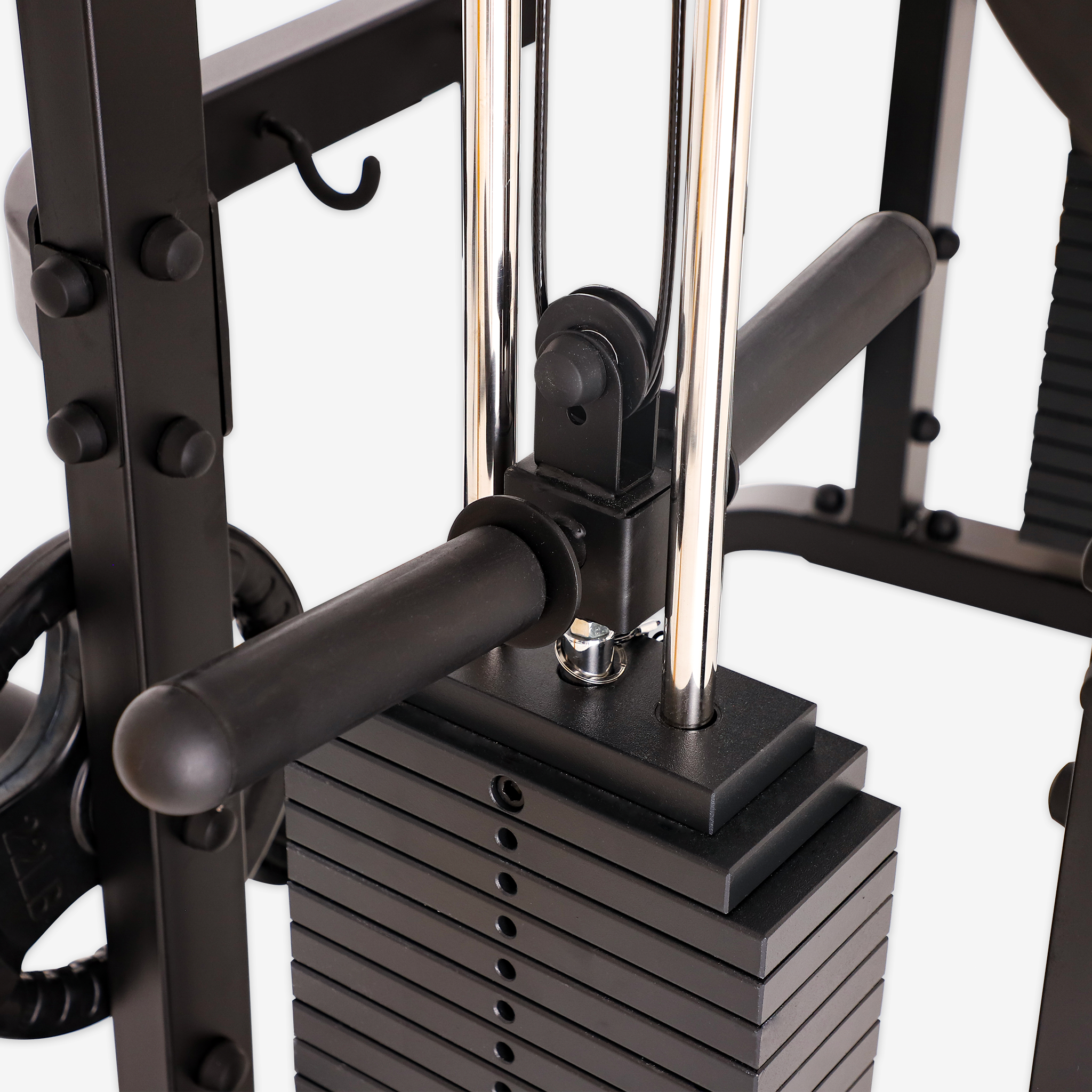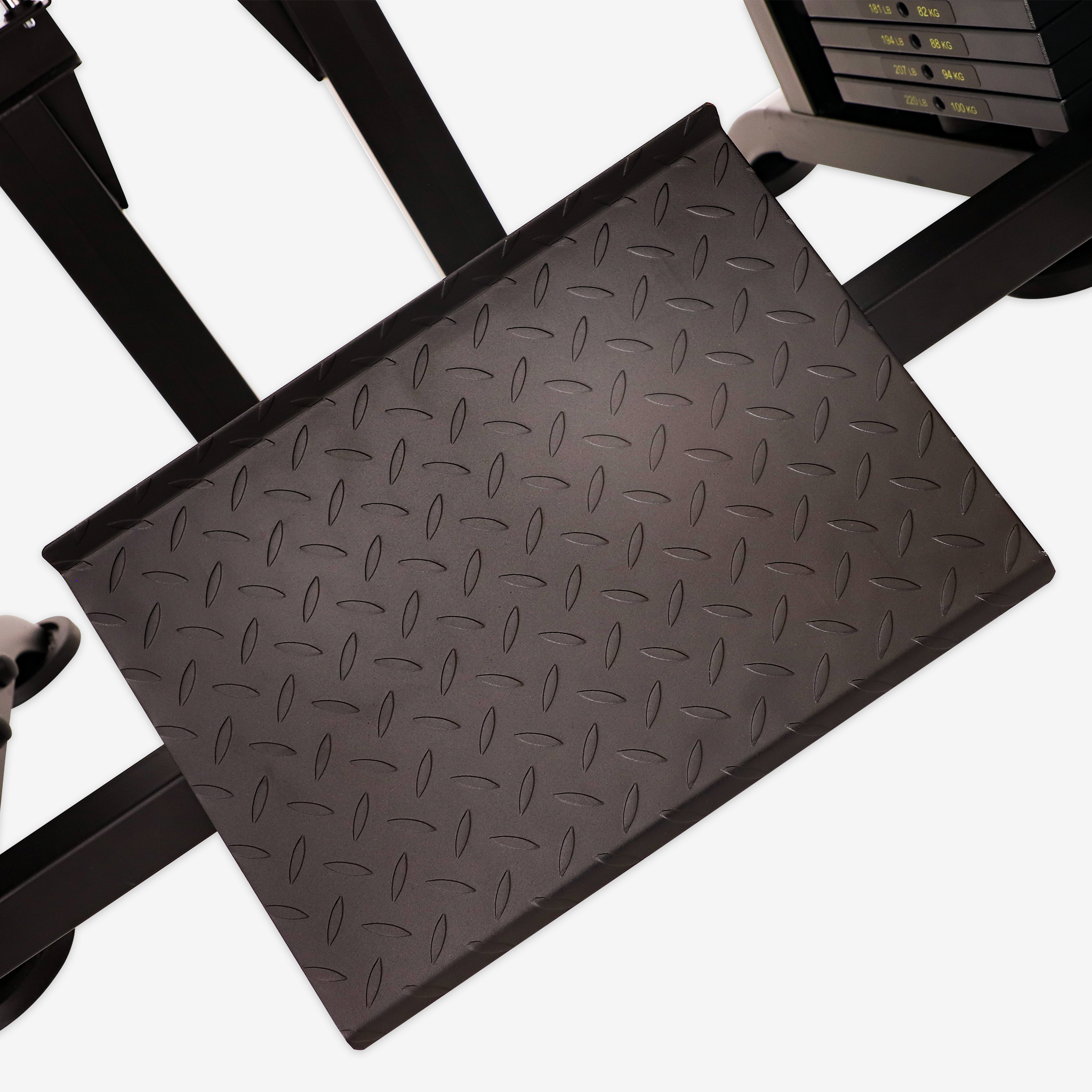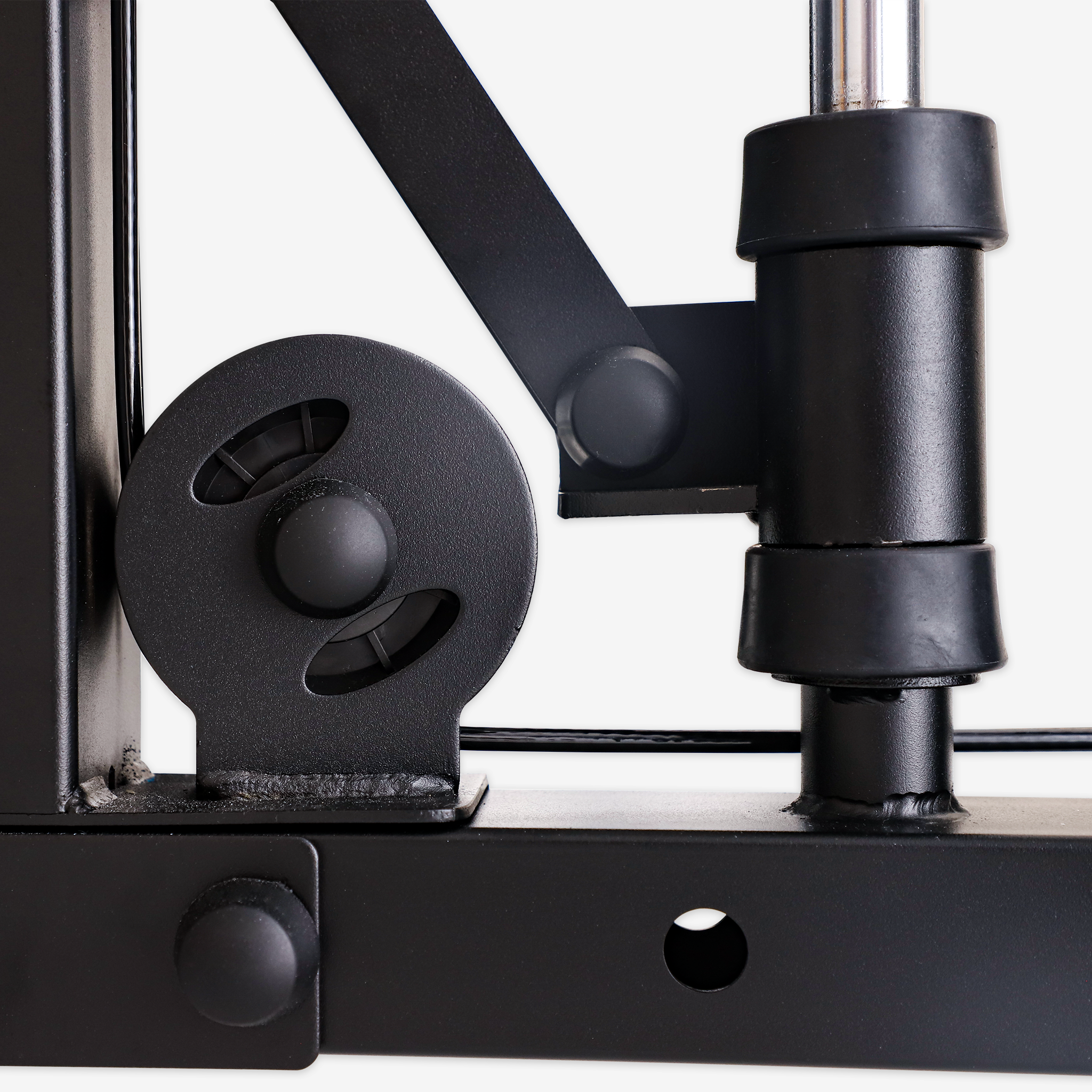
A glute drive machine is designed to provide a dedicated setup for hip-extension training, giving home gym users an alternative to barbell hip thrusts and other free-weight lower-body exercises.
For buyers, the decision is not simply about whether a glute drive machine can train the glutes. The more important questions are whether it provides a stable training platform, fits the available space, offers enough adjustability, and adds enough value to justify purchasing a specialized machine.
This guide explains what a glute drive machine does, what features matter, how it compares with barbell hip thrusts and multifunctional equipment, and who should consider one for a home or light commercial gym.
What Problem Does a Glute Drive Machine Solve?
Traditional glute training can be performed with barbells, dumbbells, benches, Smith machines, and other equipment.
However, free-weight setups require users to manage equipment positioning, body positioning, balance, and resistance at the same time.
A dedicated glute drive machine provides a more structured setup for hip-extension movements.
For home gym users, the main potential advantages are:
-
A dedicated position for hip-extension training
-
A stable platform for repeated sets
-
Adjustable positioning for different users
-
Easier setup than assembling a barbell hip thrust station
-
A specialized alternative to multifunction gym equipment
The machine is therefore best understood as a specialized glute and hip-extension training station, rather than a replacement for every lower-body exercise.
Why Use a Glute Drive Machine?
Dedicated Glute Training
The primary purpose of a glute drive machine is to provide a dedicated environment for hip-extension training.
Compared with a general-purpose bench or Smith machine, a specialized glute machine can reduce the amount of setup required for this particular movement.
This can make it attractive to users who place a high priority on glute-focused training.
A More Structured Alternative to Barbell Hip Thrusts
Barbell hip thrusts are versatile and require relatively little specialized equipment, but setting up the exercise can involve a bench, barbell, weight plates, and appropriate positioning.
A glute drive machine integrates the main components into one station.
This can make repeated hip-extension training more convenient, particularly in a dedicated home gym.
Stable Training Position
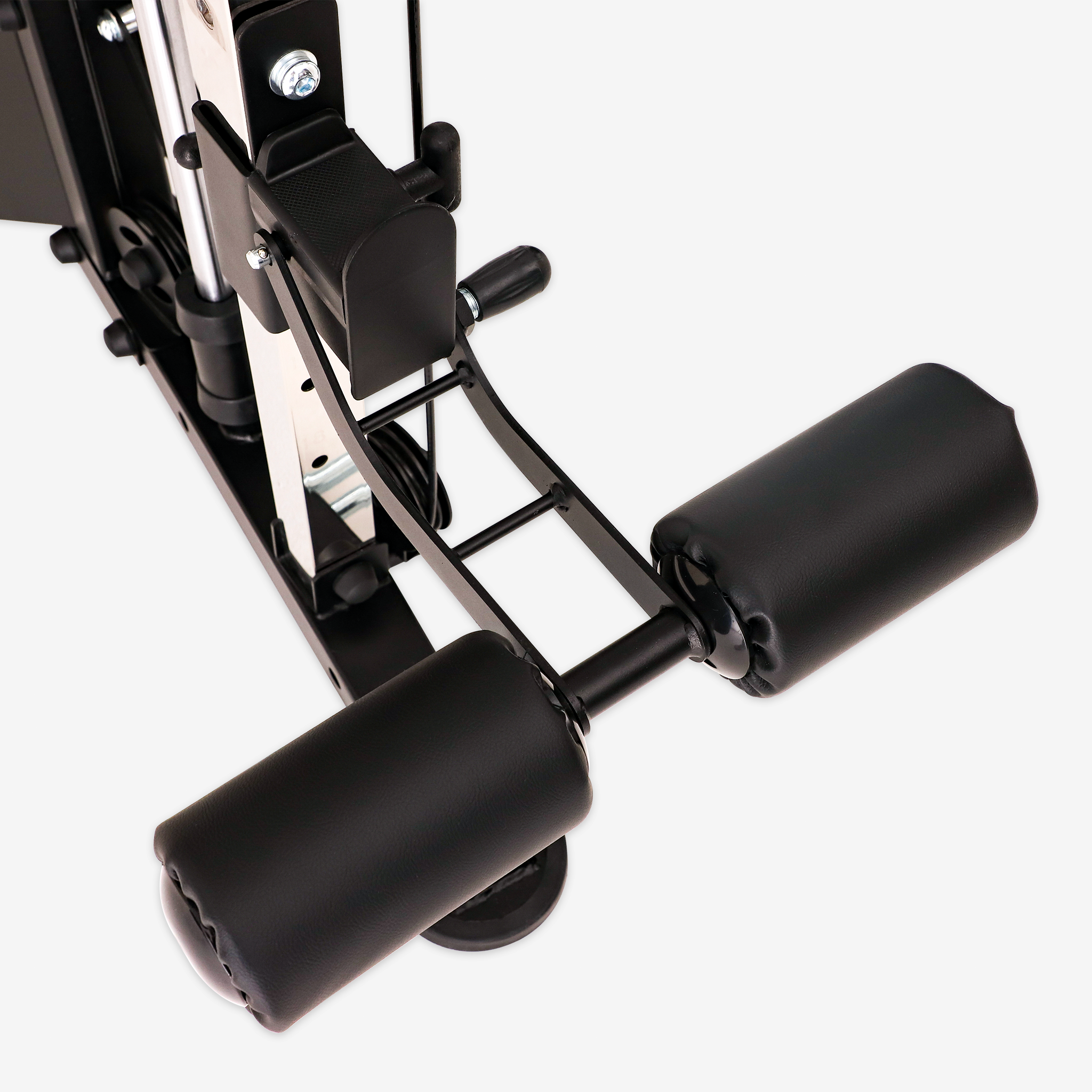
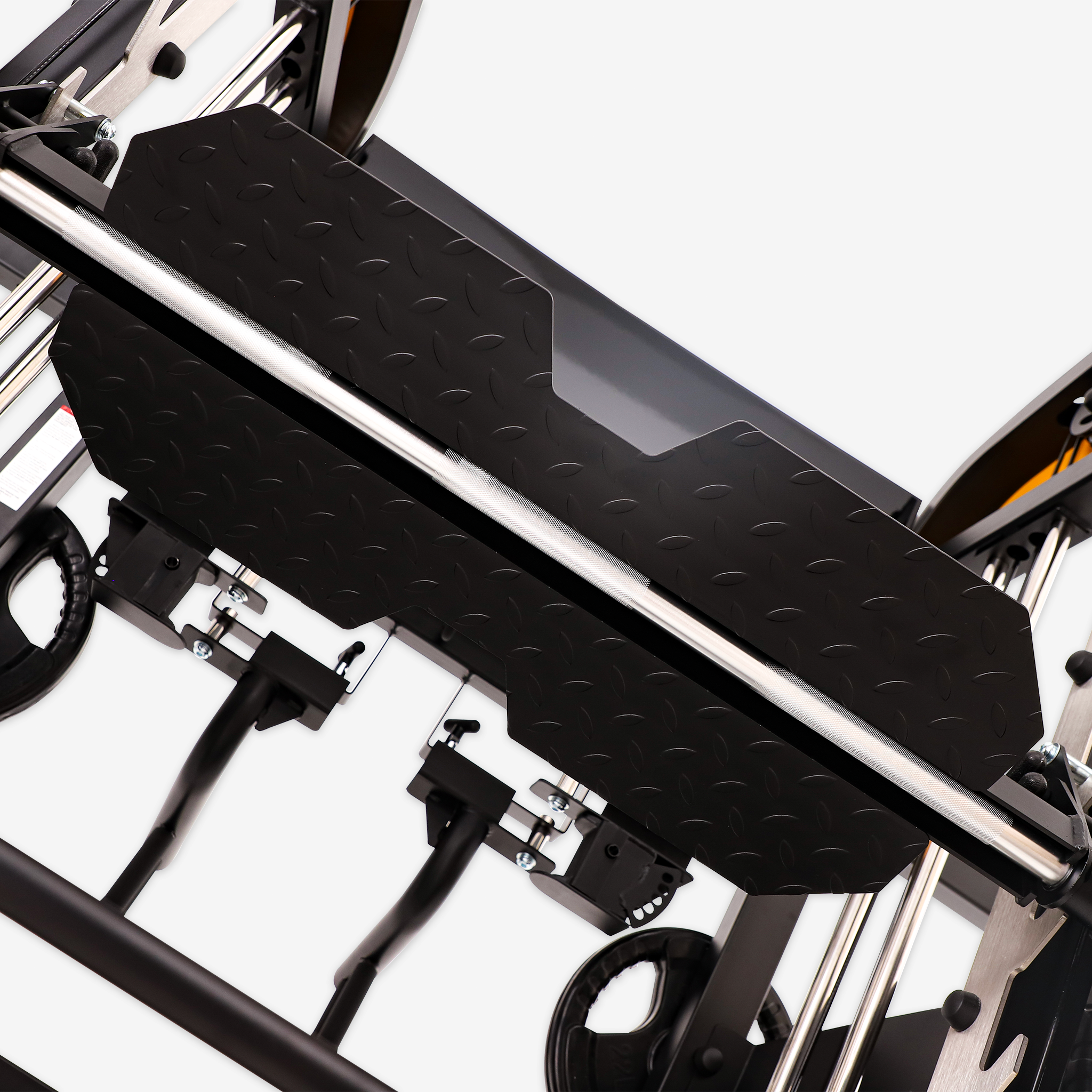
A dedicated machine can provide fixed contact points for the upper body and feet.
This reduces the need to stabilize a separate bench and barbell setup and allows users to focus more directly on the movement.
However, a machine does not automatically make every exercise safe or appropriate for every individual. Correct adjustment, controlled technique, appropriate resistance, and the user's physical condition still matter.
Key Features to Look for in a Glute Drive Machine
1. Frame Construction
A specialized glute machine needs a stable base because the equipment is repeatedly exposed to loaded hip-extension movements.
When comparing models, examine:
-
Steel tubing dimensions
-
Steel thickness
-
Product weight
-
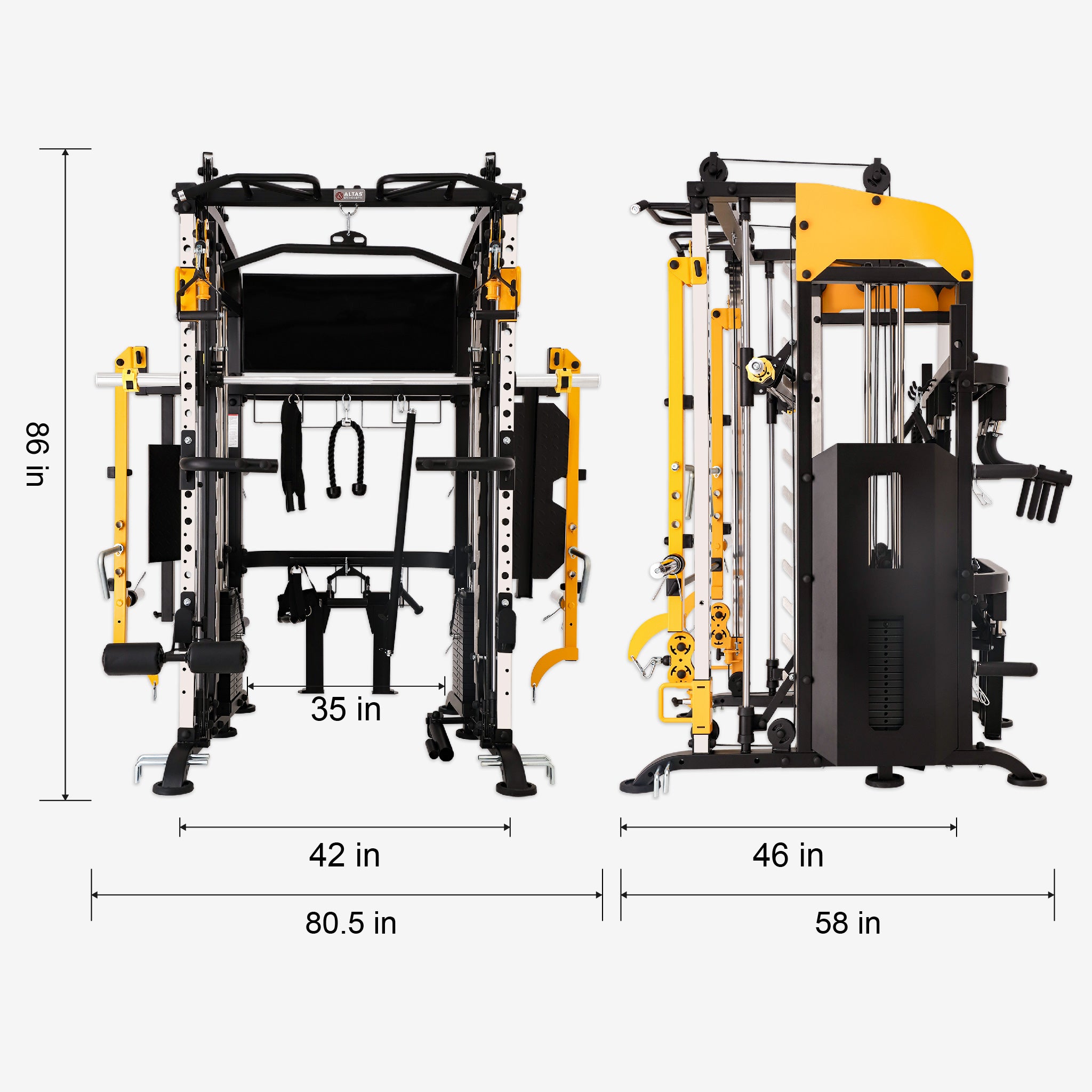
Base footprint
-
Connection points
-
Stated weight capacity
-
Adjustment hardware
Avoid judging construction quality solely by phrases such as "commercial grade" or "heavy duty." Actual specifications provide a more useful basis for comparison.
2. Adjustable User Positioning
Different users have different body proportions.
Useful adjustment points may include:
-
Seat position
-
Back pad position
-
Foot position
-
Starting position
-
Resistance position
The objective is to find a configuration that allows the user to maintain a comfortable and controlled movement pattern.
3. Range of Motion
A good glute drive setup should allow a practical range of hip extension without forcing the user into an uncomfortable starting or finishing position.
The usable range depends on the machine design and the individual user's body proportions.
This is one reason adjustable positioning matters.
4. Weight Capacity
Buyers should compare the machine's stated capacity with their expected training needs.
A high capacity can be useful for long-term progression, but capacity should not be considered separately from frame construction, adjustment quality, and overall machine stability.
5. Padding and Contact Points
Padding affects both comfort and positioning.
Pay attention to:
-
Back pad dimensions
-
Pad thickness
-
Firmness
-
Upholstery material
-
Contact-point stability
A firmer performance-oriented pad may feel different from the softer cushioning used on recreational fitness equipment.
Altas Strength Glute Drive Machine: Where It Fits
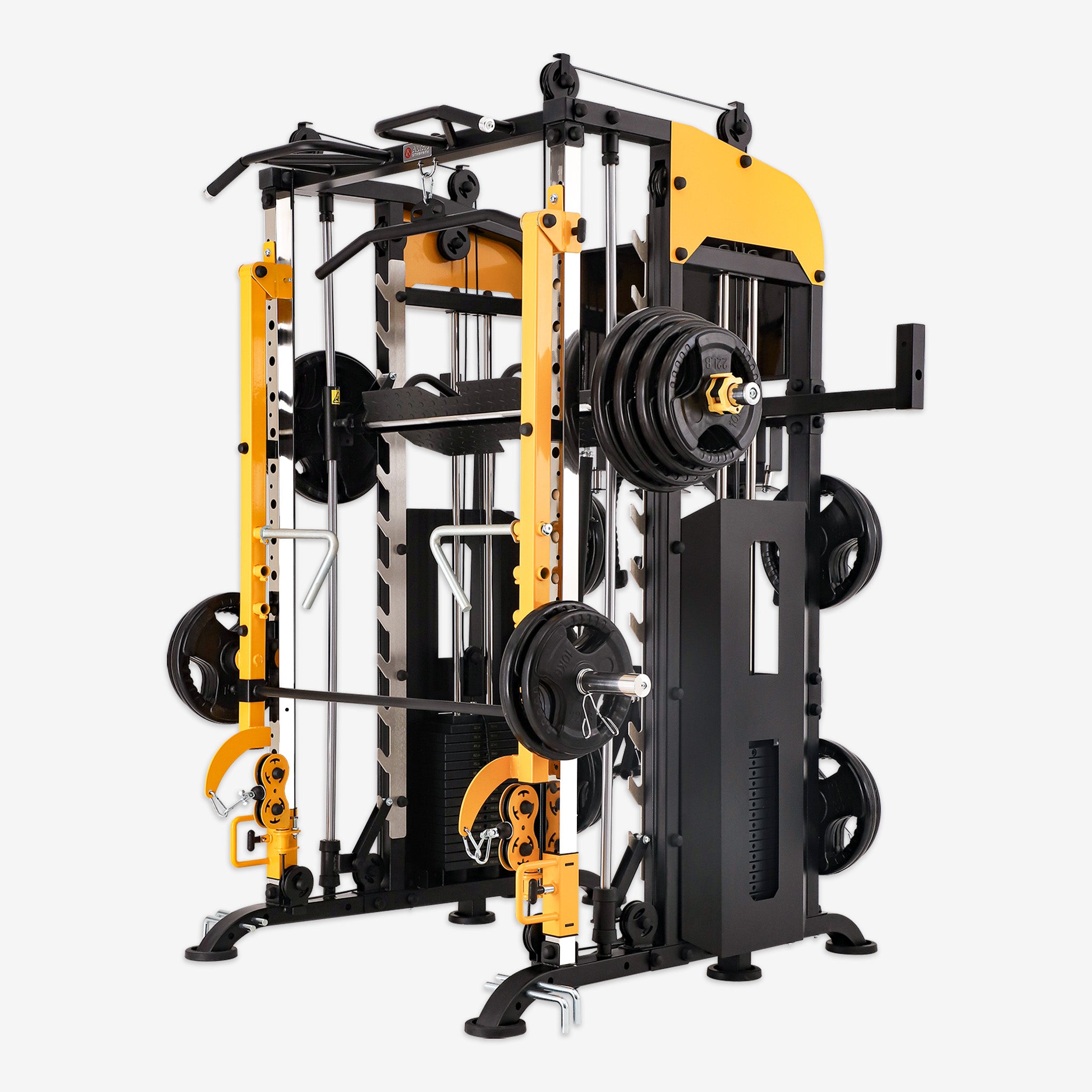
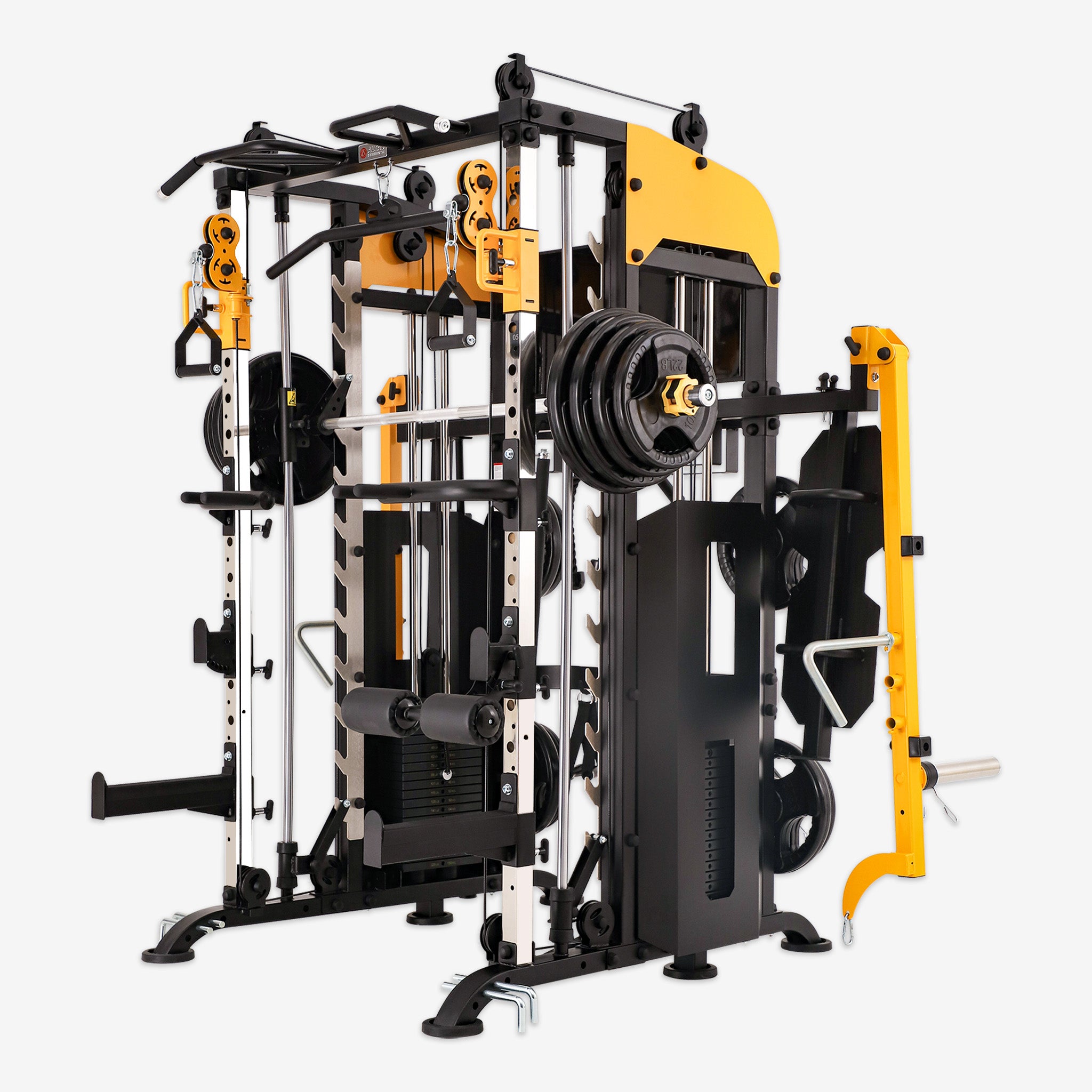
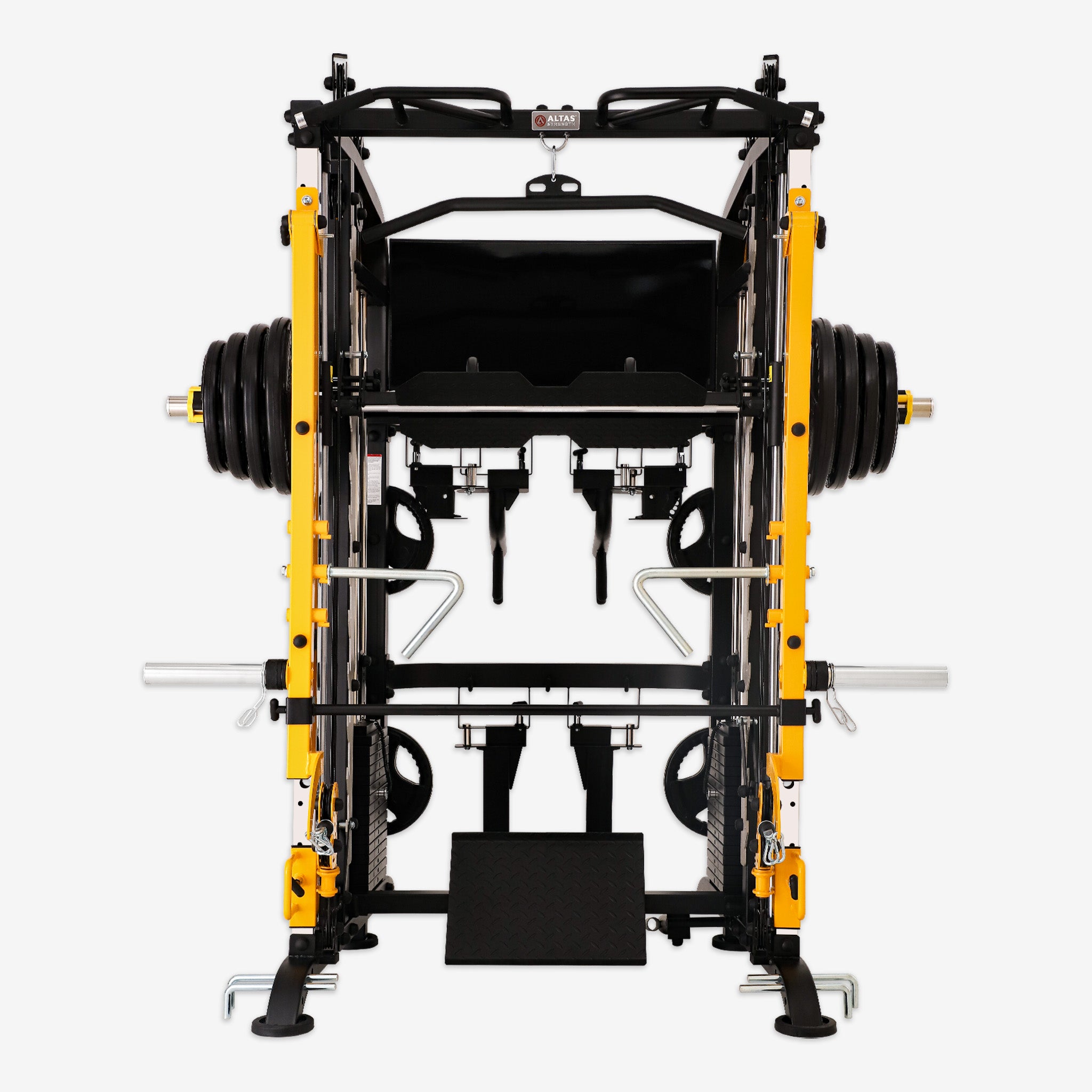
The Altas Strength glute drive machine is positioned as a dedicated lower-body machine for buyers who want more specialized hip-extension training than a standard bench or multifunction station provides.
Its main decision points are:
Dedicated Glute-Focused Design
Rather than adding hip thrusts as one function among many, a dedicated glute drive machine is designed around this specific movement pattern.
This makes it particularly relevant to users who consider glute training an important part of their regular program.
Substantial Frame Design
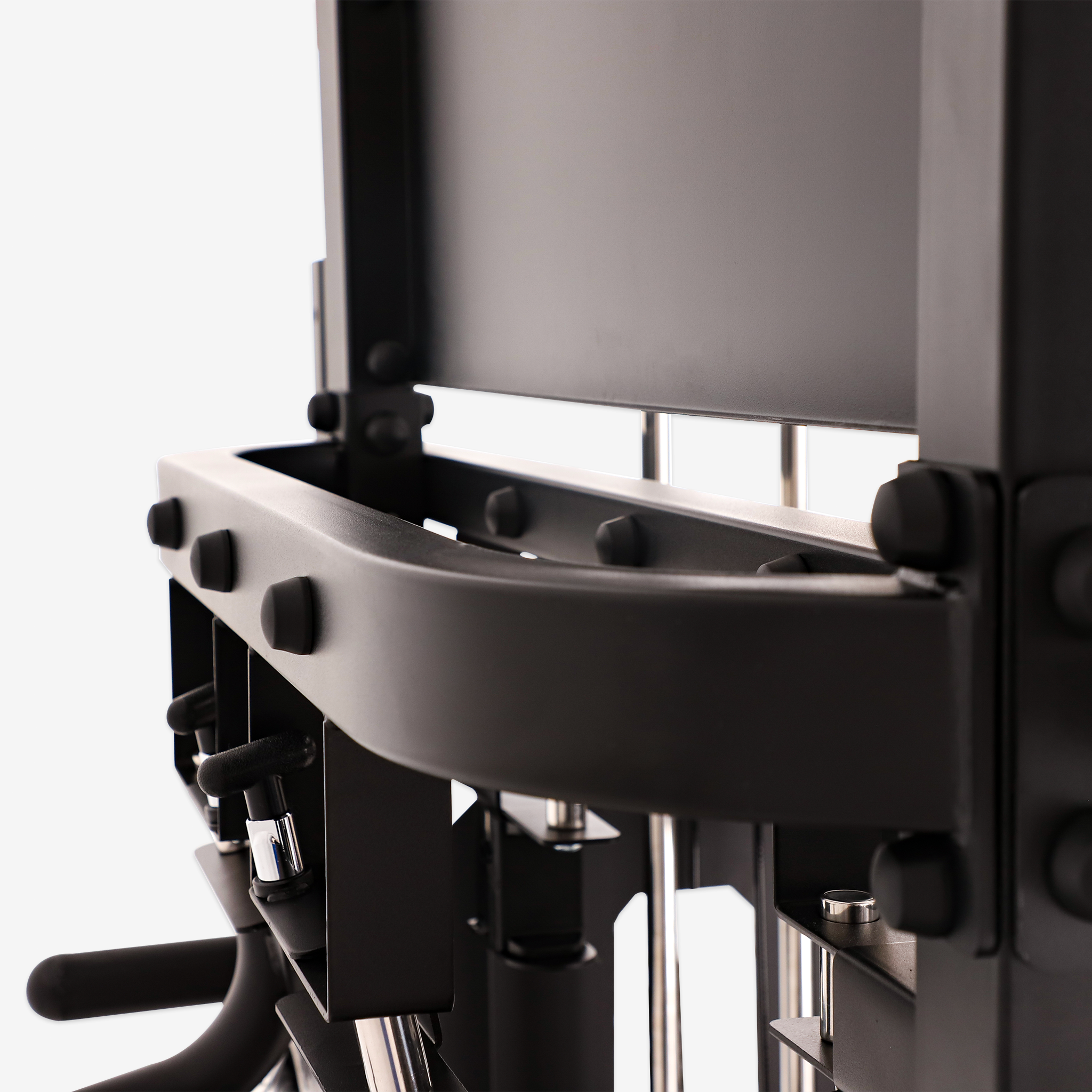
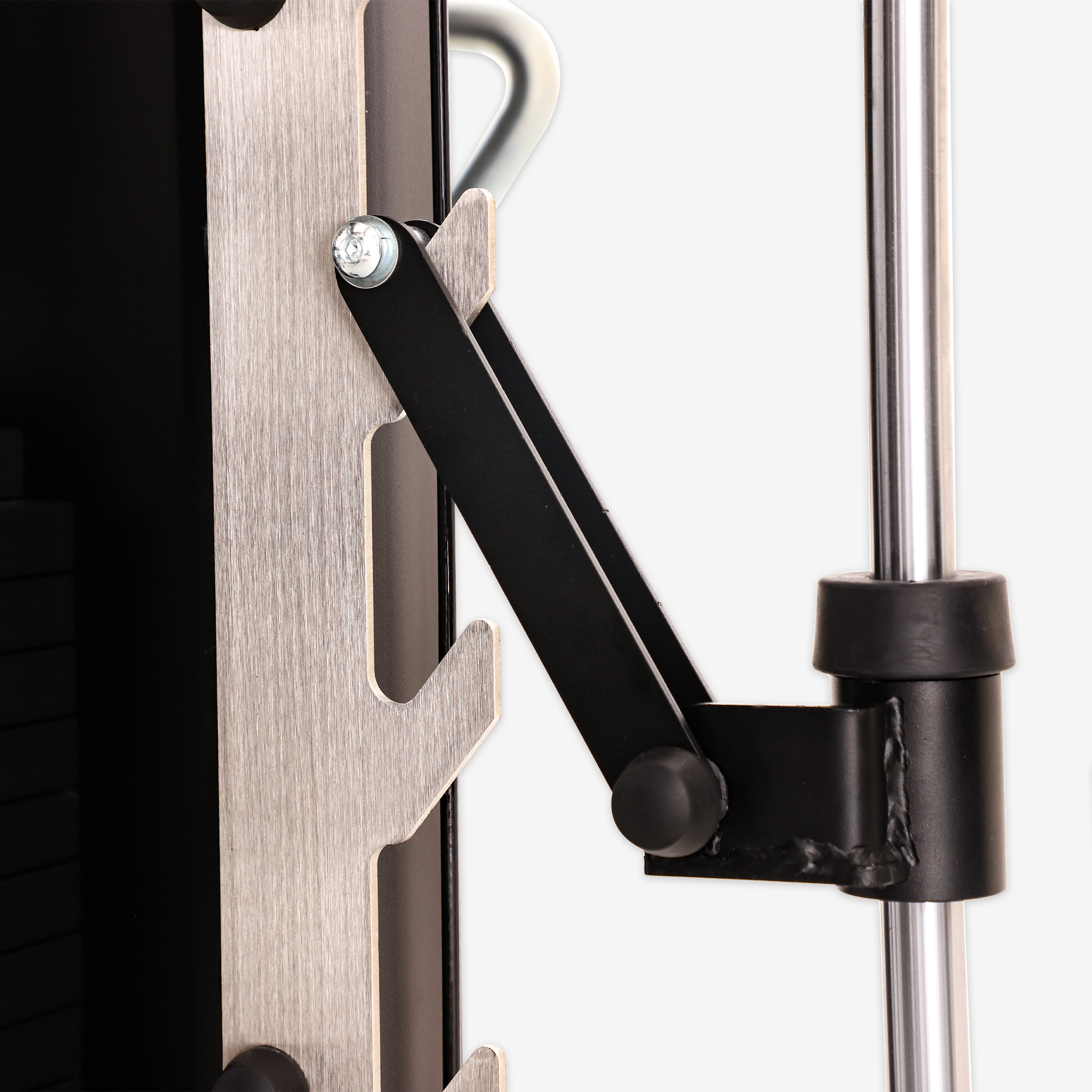
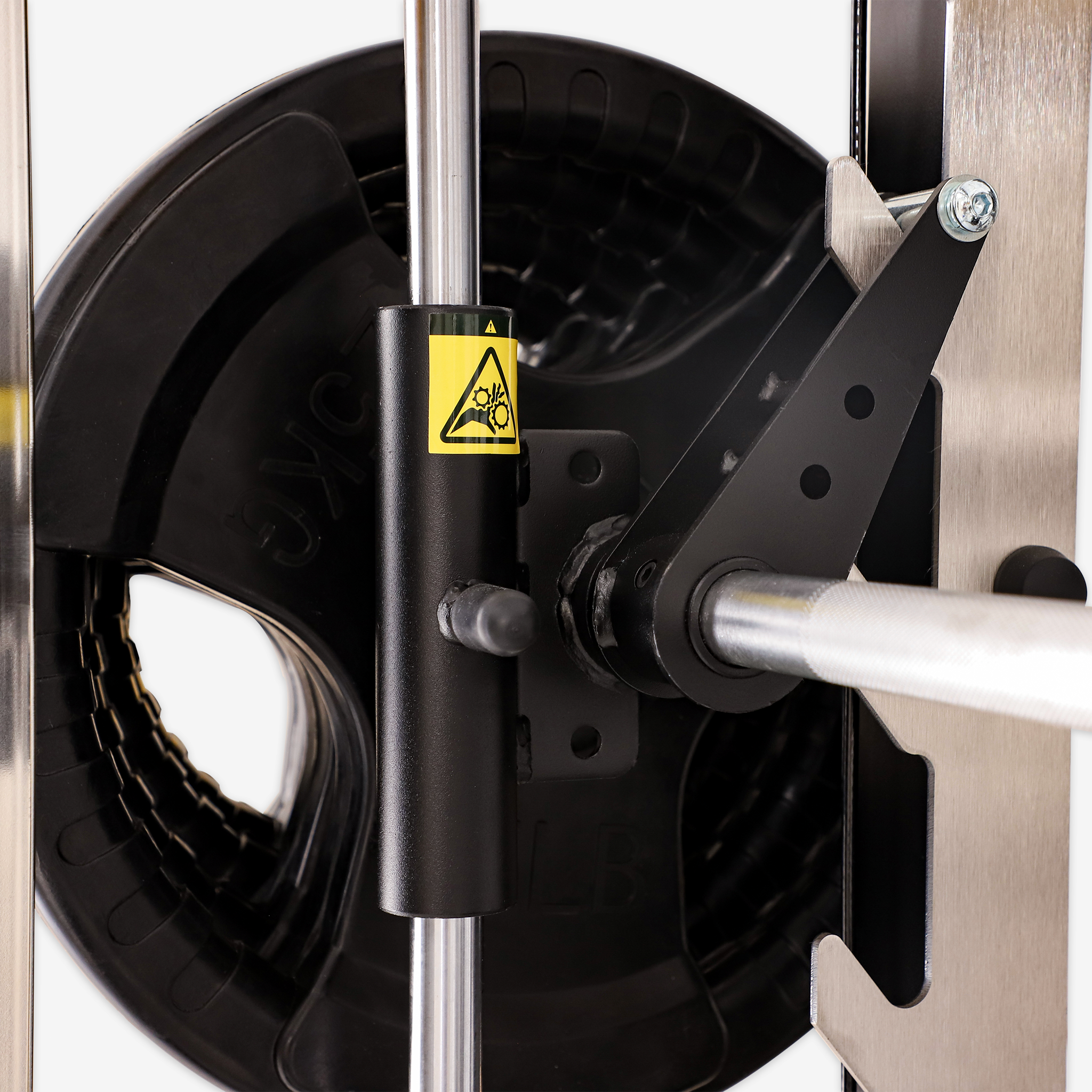
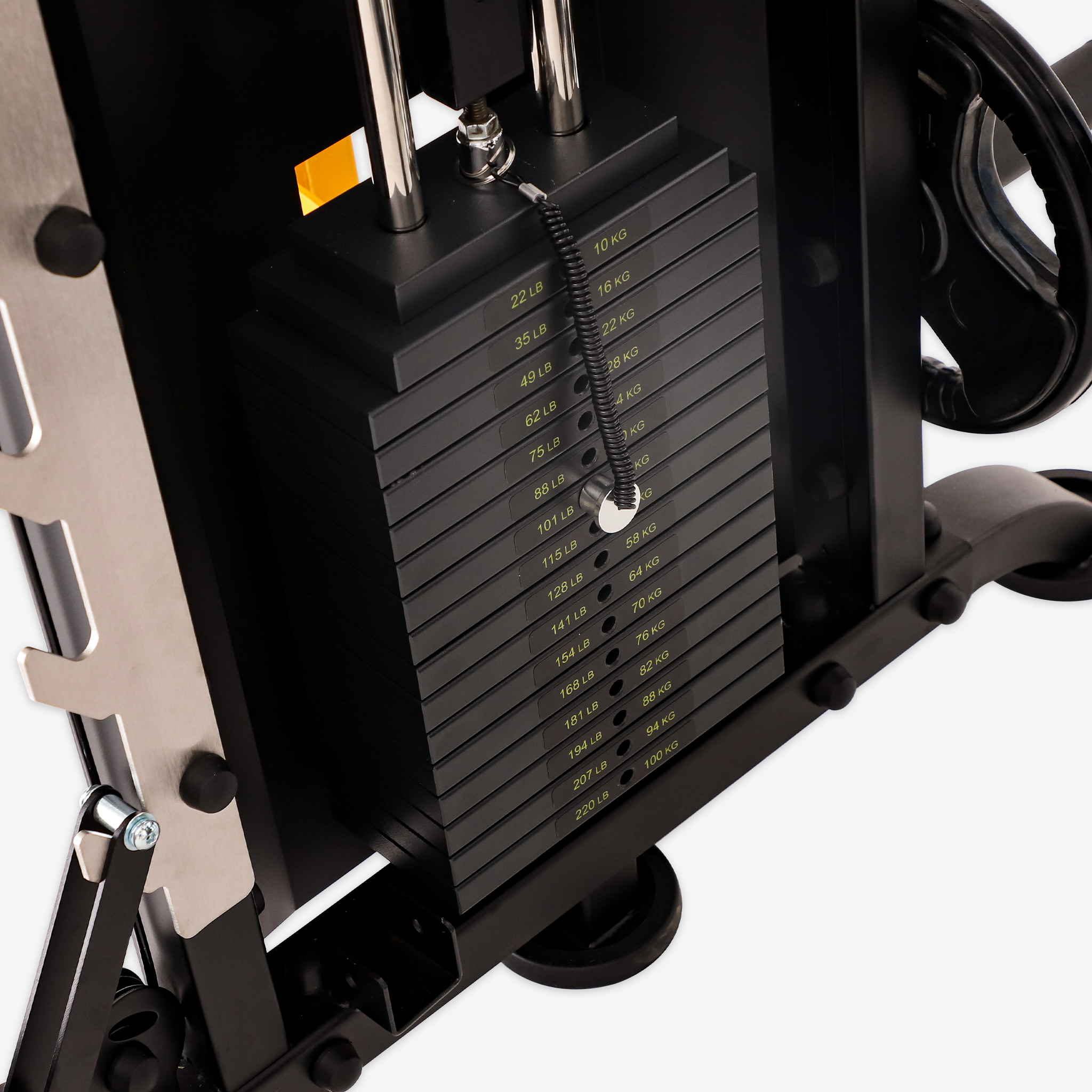
The machine uses a more substantial construction approach than lightweight portable fitness equipment.
For a permanent home gym or light commercial setting, this can be preferable to equipment designed primarily around portability.
Adjustable Positioning
Adjustability is important because body proportions vary between users.
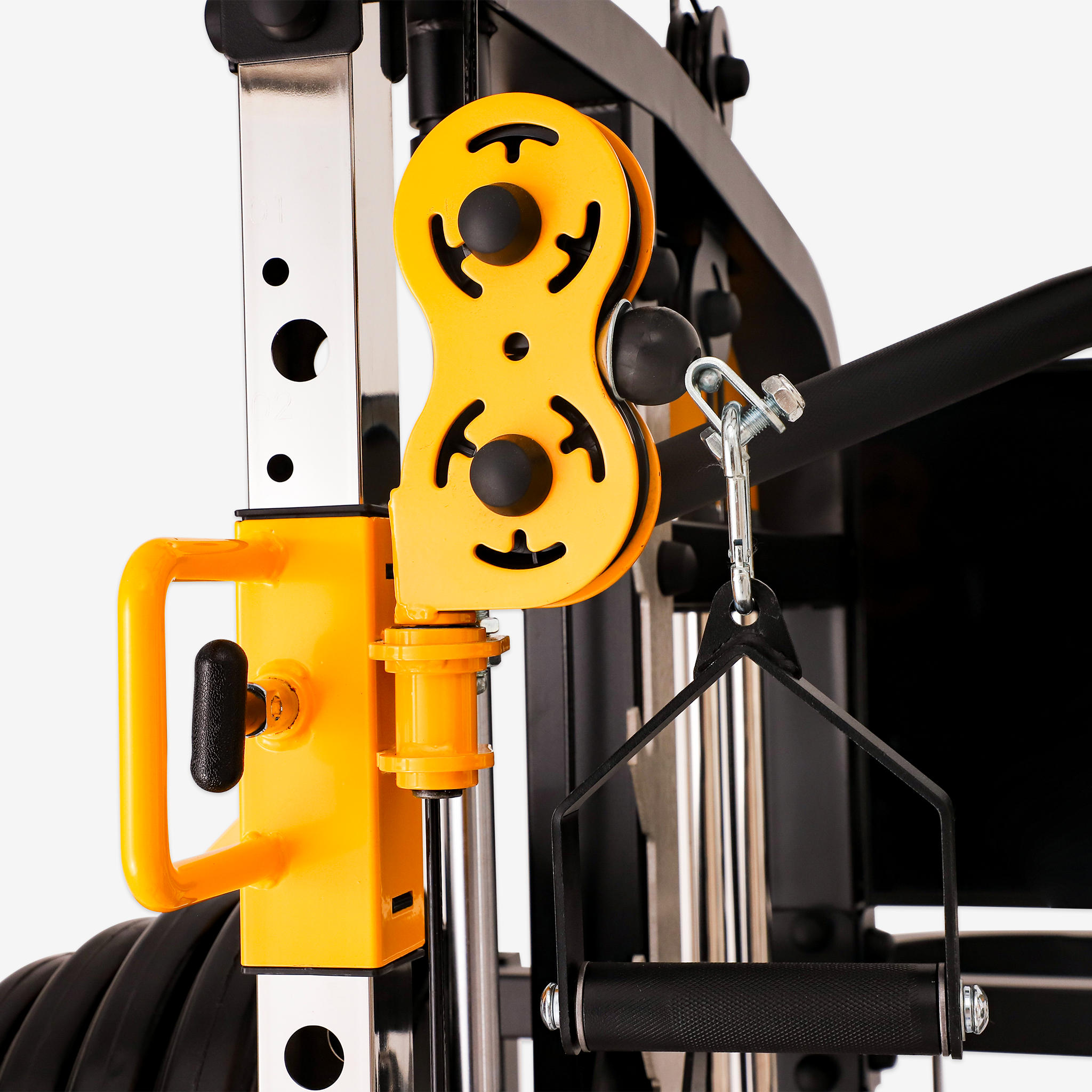
The ability to change the relevant contact and starting positions can help users establish a more appropriate setup rather than forcing everyone into one fixed configuration.
Specialized Training Without a Full Gym System
A dedicated glute drive machine does not provide the exercise variety of a Smith machine or multifunctional cable system.
Its advantage is specialization.
For someone specifically looking for a dedicated glute training station, that specialization may be more valuable than having additional functions that are rarely used.
Glute Drive Machine vs. Other Glute Training Options
| Option | Main Advantage | Main Limitation |
|---|---|---|
| Barbell hip thrust | Flexible and relatively low equipment cost | Requires more setup and stabilization |
| Dumbbell hip thrust | Simple equipment requirement | Loading and positioning can become limiting |
| Smith machine hip thrust | Guided bar path with broader gym functionality | Requires more setup and uses a larger multifunction station |
| Glute drive machine | Dedicated and structured glute-focused setup | Specialized equipment with less exercise variety |
| Hip abductor machine | Dedicated hip-abduction training | Different movement and training purpose |
| Squat or leg press | Strong lower-body compound training | Not specifically designed around glute-focused hip extension |
The important distinction is that these options do not all solve the same problem.
A squat or leg press is primarily a broader lower-body training tool. A glute drive machine is a specialized option for users who specifically want dedicated hip-extension training.
Common Drawbacks of a Glute Drive Machine
A specialized machine also creates trade-offs.
It Takes More Space Than Free Weights
A barbell, plates, and a bench can serve multiple exercises.
A glute drive machine dedicates floor space primarily to one training function.
This makes available floor area an important buying consideration.
Assembly May Be More Involved
A substantial machine generally contains more components than a basic bench.
Before ordering, check:
-
Assembly instructions
-
Number of components
-
Required tools
-
Recommended number of people for assembly
-
Availability of customer support
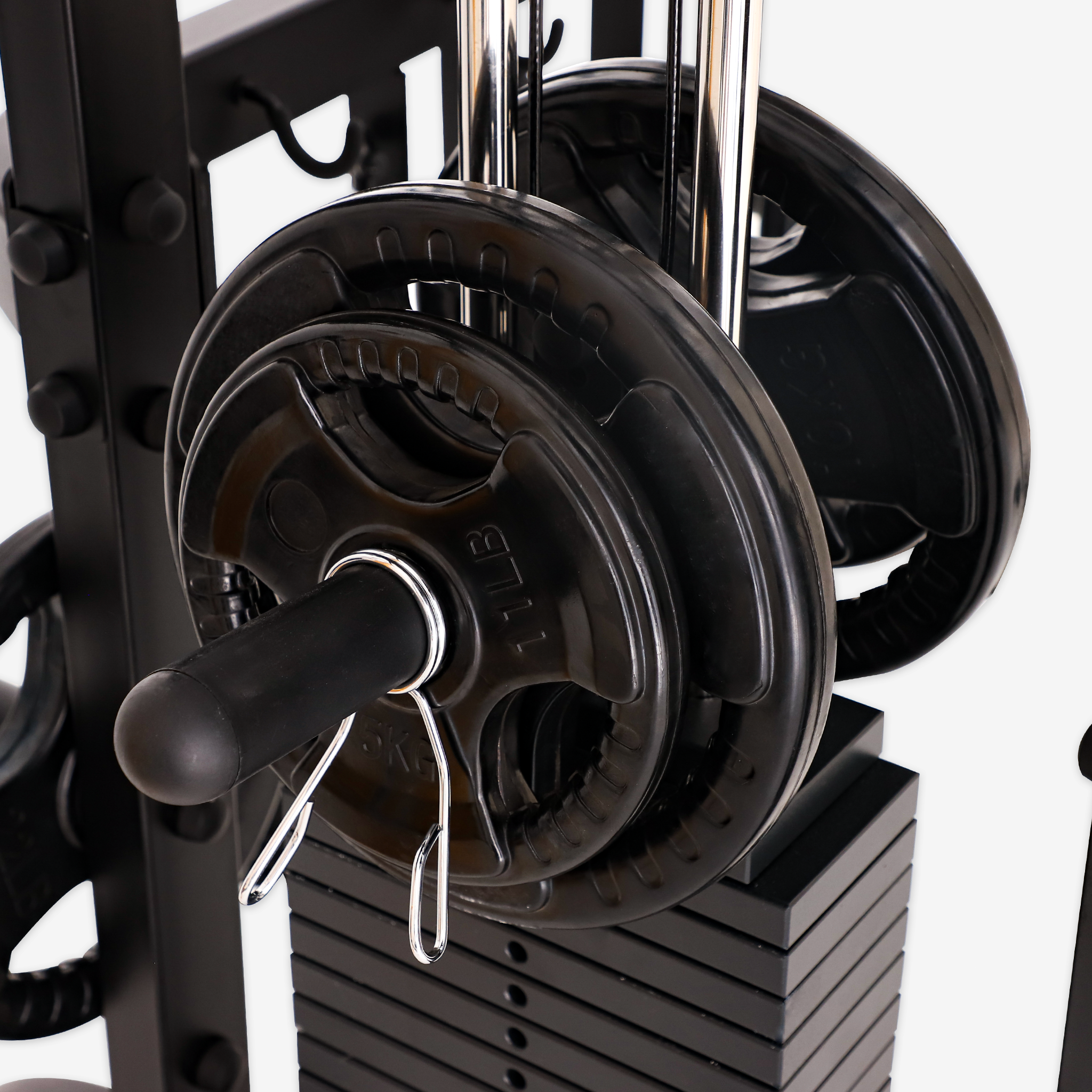
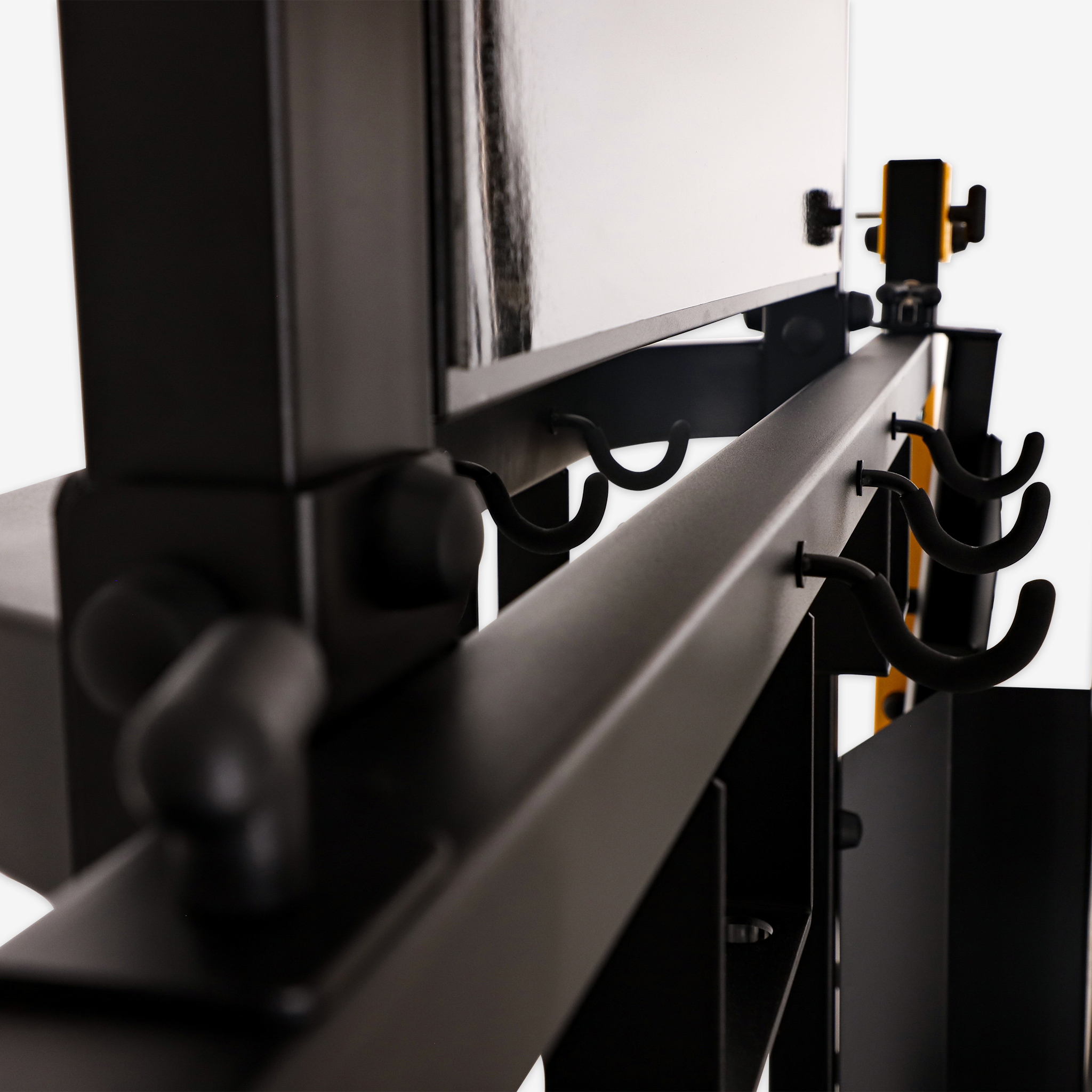
It Does Not Include Weight Storage by Default
If the machine does not include integrated weight-plate storage, users need to plan a separate location for plates.
This is a small issue, but it can matter in compact home gyms.
There Is a Learning Curve
Even with a dedicated machine, users need to determine the appropriate seat, pad, and foot positioning for their own body proportions.
An unfamiliar machine may require several sessions to become comfortable with the setup and movement.
If a user experiences pain or has a current injury or medical condition, they should seek appropriate professional guidance rather than assuming a specialized machine is suitable.
Is a Glute Drive Machine Better Than Hip Thrusts?
Not necessarily.
A barbell hip thrust remains a flexible exercise that can be performed with relatively basic equipment.
A glute drive machine becomes more attractive when the user values:
-
Dedicated equipment
-
Consistent setup
-
Integrated positioning
-
Easier repeated access to the movement
-
A permanent home gym installation
The choice is therefore less about which method is universally better and more about which setup fits the user's training priorities.
Who Should Consider a Glute Drive Machine?
A glute drive machine may be a good fit for users who:
-
Prioritize glute-focused training
-
Perform hip-extension exercises regularly
-
Have dedicated home gym space
-
Prefer specialized equipment
-
Want an alternative to barbell hip-thrust setups
-
Are building a long-term home or light commercial gym
It may be less suitable for users who:
-
Have extremely limited floor space
-
Want one machine to perform many different exercises
-
Train only occasionally
-
Primarily want quad or hamstring-focused equipment
-
Prefer portable or easily movable equipment
Glute Drive Machine Buying Checklist
Before purchasing, evaluate five areas.
Training Goal
Do you specifically want dedicated glute and hip-extension training, or do you need a machine that covers many muscle groups?
Space
Measure:
-
Machine footprint
-
Workout clearance
-
Ceiling height
-
Doorway access
-
Weight-plate storage area
Construction
Check:
-
Frame specifications
-
Product weight
-
Stated capacity
-
Base design
-
Adjustment hardware
User Fit
Look for:
-
Adjustable seat position
-
Adjustable back support
-
Foot positioning
-
Appropriate starting position
-
Comfortable contact points
Long-Term Value
Finally, consider how frequently you will use the machine.
A specialized machine can be a worthwhile investment for someone who trains glutes regularly, but it may be difficult to justify for a casual user who could achieve their goals with a bench, dumbbells, or an existing multifunction system.
The Bottom Line
A glute drive machine is a specialized solution for users who want a dedicated setup for glute-focused hip-extension training.
Its main advantages are specialization, structured positioning, adjustability, and the convenience of having a dedicated station. Its main trade-offs are floor space, cost, assembly, and limited exercise variety compared with multifunction equipment.
For home gym owners who regularly prioritize glute training, a substantial machine such as the Altas Strength glute drive can be considered as part of a long-term strength-training setup.
For buyers with limited space or broad full-body training requirements, a Smith machine, cable system, adjustable bench, or other multifunctional solution may provide greater overall value.
Core decision: Choose a glute drive machine when dedicated glute-focused hip-extension training is important enough to justify the space and cost of a specialized piece of equipment.