What Is a Back Extension Bench?
A back extension bench is a specialized piece of strength-training equipment designed to support controlled extension and strengthening movements for the lower back, glutes, hamstrings, and posterior chain.
Unlike a traditional weight bench, which is primarily designed for pressing and upper-body exercises, a back extension bench positions the body so users can perform back extensions with a stable support point for the hips and legs.
For home gym users, the main appeal is simple: a back extension bench provides a dedicated way to train the posterior chain without requiring a large collection of separate machines.
This makes it particularly relevant for people building a complete home gym in Canada, where available basement, spare-room, or condo workout space can be limited.
What Problem Does a Back Extension Bench Solve?
The biggest problem a back extension bench solves is the difficulty of training the posterior chain effectively with conventional home gym equipment.
Many home workouts naturally emphasize movements such as bench presses, squats, shoulder presses, and arm exercises. However, the lower back, glutes, and hamstrings can receive less direct attention.
A back extension bench adds a dedicated posterior-chain training option to the home gym.
1. Adds Direct Posterior-Chain Training
Back extensions can target several important muscle groups at the same time, including the erector spinae, glutes, and hamstrings.
This makes the movement useful as part of a balanced strength-training program rather than treating lower-back training as an afterthought.
2. Complements Squats and Deadlifts
Squats and deadlifts are compound exercises that already train the posterior chain, but they are not interchangeable with back extensions.
A back extension bench provides a different movement pattern and can be used with bodyweight or additional resistance depending on the user's training level.
For home gym owners, this creates more exercise variety without requiring a full commercial gym setup.
3. Makes Home Training More Complete
A home gym can easily become upper-body focused because a bench, dumbbells, and a cable system provide many pressing and pulling exercises.
Adding a back extension bench helps fill a functional gap by providing another dedicated lower-body and posterior-chain movement.
What Are the Main Benefits of a Back Extension Bench?
The value of a back extension bench is not simply that it allows users to perform one exercise. Its value comes from the combination of targeted training, exercise variety, and relatively efficient use of home gym space.
Posterior-Chain Strength
Back extensions can help strengthen the muscles responsible for hip and trunk extension. These include the lower back, glutes, and hamstrings.
For someone pursuing overall strength, developing these muscle groups can complement a broader program that includes squats, deadlifts, lunges, rows, and other compound movements.
Adjustable Training Progression
Beginners can start with controlled bodyweight repetitions before gradually increasing training difficulty.
More experienced users may incorporate additional resistance when appropriate.
The important consideration is not simply how much weight a bench can theoretically support. Stability, positioning, adjustment range, and comfortable body support are also important factors when choosing equipment.
Exercise Versatility
Depending on the design, a back extension bench can support more than conventional back extensions.
Users may incorporate variations that emphasize the posterior chain, glutes, or hamstrings, making the equipment more useful than a single-purpose piece of equipment might initially appear.
Efficient Home Gym Footprint
For Canadian homeowners, equipment footprint can be an important purchasing consideration.
A dedicated back extension bench can provide posterior-chain training without requiring the floor space of a large commercial machine.
This is particularly useful in basement gyms, spare rooms, and other residential training areas where every square foot matters.
Back Extension Bench vs. Roman Chair
A common comparison is between a back extension bench and a Roman chair.
The terms are sometimes used interchangeably, but the actual equipment design can vary considerably between manufacturers.
A back extension bench generally refers to equipment designed to support the body during back-extension movements, while Roman-chair designs may offer different hip, thigh, or torso support configurations.
When comparing them, look beyond the product name.
Consider:
- Adjustment range
- Hip and leg support
- Frame stability
- Maximum user capacity
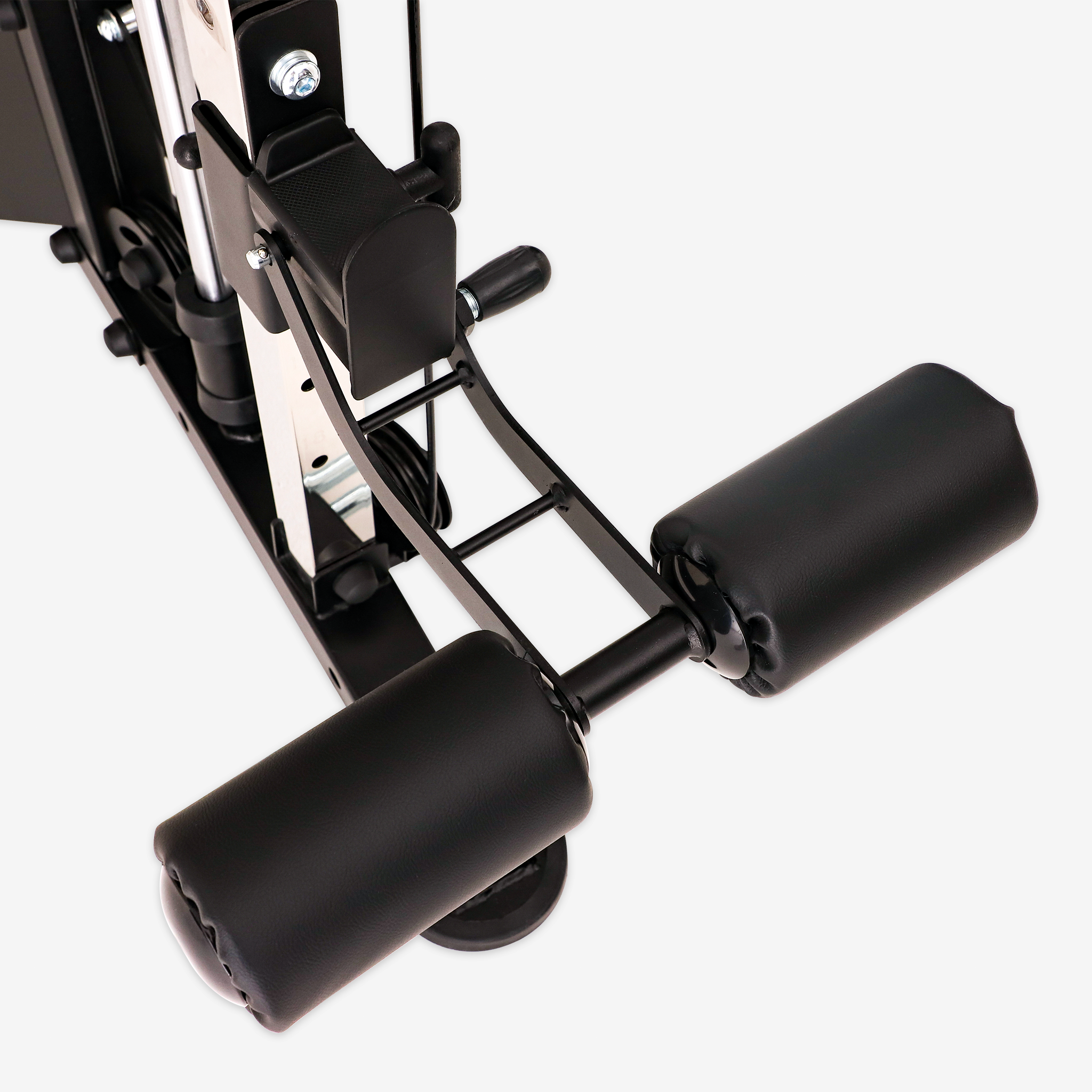
- Padding and upholstery
- Foot placement
- Available exercise variations
- Overall footprint
- Ease of adjustment
For a home gym, the better option is usually the model that provides stable positioning and fits the user's body dimensions and available training space.
Back Extension Bench vs. Weight Bench
A standard weight bench and a back extension bench serve different purposes.
A weight bench is primarily designed for exercises such as bench presses, dumbbell presses, seated movements, and other upper-body training.
A back extension bench is specifically designed around posterior-chain exercises.
Therefore, replacing one with the other is not necessarily an apples-to-apples comparison.
For someone building a complete home gym, the decision depends on the equipment already owned.
If the gym already has a versatile adjustable bench but lacks dedicated posterior-chain training, adding a back extension station may provide more functional value than buying another general-purpose bench.
Back Extension Bench vs. Cable Machine
A cable machine offers significantly greater exercise variety, including rows, pulldowns, presses, curls, triceps exercises, and numerous core movements.
However, a cable machine does not automatically replace the positioning and movement pattern provided by a dedicated back extension bench.
This is why complete home gyms increasingly combine multiple training functions.
A cable system provides adjustable resistance and exercise variety, while a back extension station provides a dedicated setup for posterior-chain movements.
The two can therefore be complementary rather than competing pieces of equipment.
What Should You Look for When Buying a Back Extension Bench?
The best back extension bench is not necessarily the cheapest or the heaviest model. The right choice depends on how the equipment will be used and where it will be installed.
1. Frame Stability
A stable frame is one of the most important characteristics.
During back extensions, the user moves through the hips and trunk while maintaining contact with the equipment. Excessive movement or instability can make the exercise less comfortable and reduce confidence during training.
2. User Adjustability
A good back extension bench should accommodate different body sizes and training preferences.
Look for adjustable support positions when available, particularly if multiple people will use the same home gym.
3. Comfortable Padding
The hip and leg support points directly affect the training experience.
Adequate padding can make repeated sets more comfortable, while durable upholstery is important for equipment expected to receive frequent home use.
4. Weight Capacity
Weight capacity should include the user's body weight and any additional resistance used during training.
However, maximum capacity should not be the only purchasing criterion. Overall frame construction and stability matter just as much.
5. Home-Gym Compatibility
Measure the available floor area before buying.
Canadian home gyms can range from large unfinished basements to compact spare rooms, so equipment that works well in one home may be impractical in another.
Also consider ceiling height, access through doors and stairs, and the space required to get on and off the equipment safely.
Why Add a Back Extension Bench to a Complete Home Gym?
A complete home gym should not be judged only by the number of exercises listed on the product page.
The more useful question is whether the equipment covers the major movement patterns required by the user's training program.
An all-in-one system can provide pressing, pulling, squatting, and cable exercises, but posterior-chain training remains an important consideration.
This is where a back extension bench or integrated back-extension station can add value.
For Canadian home gym users, the goal is often to maximize training capability while minimizing the number of separate machines occupying the basement or spare room.
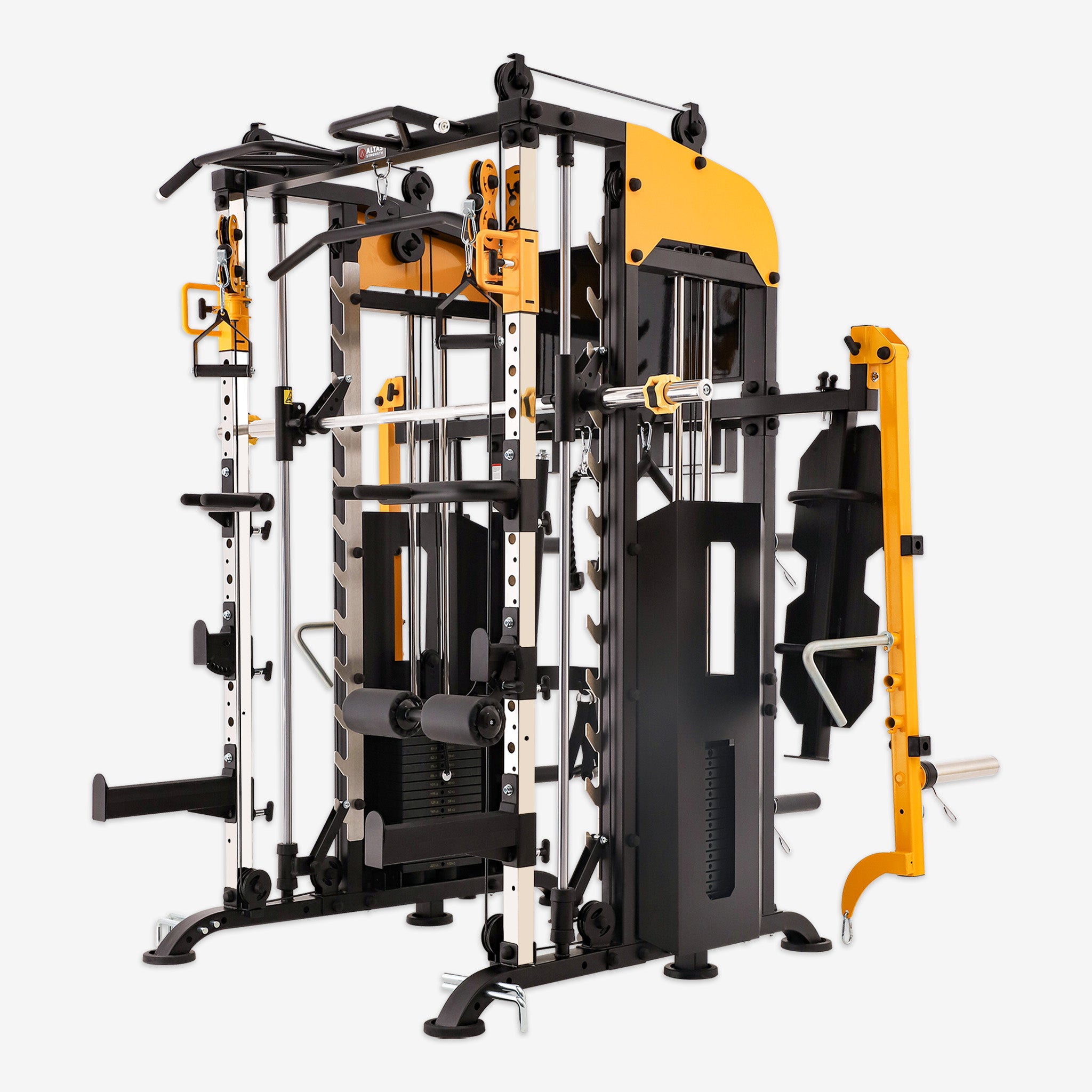
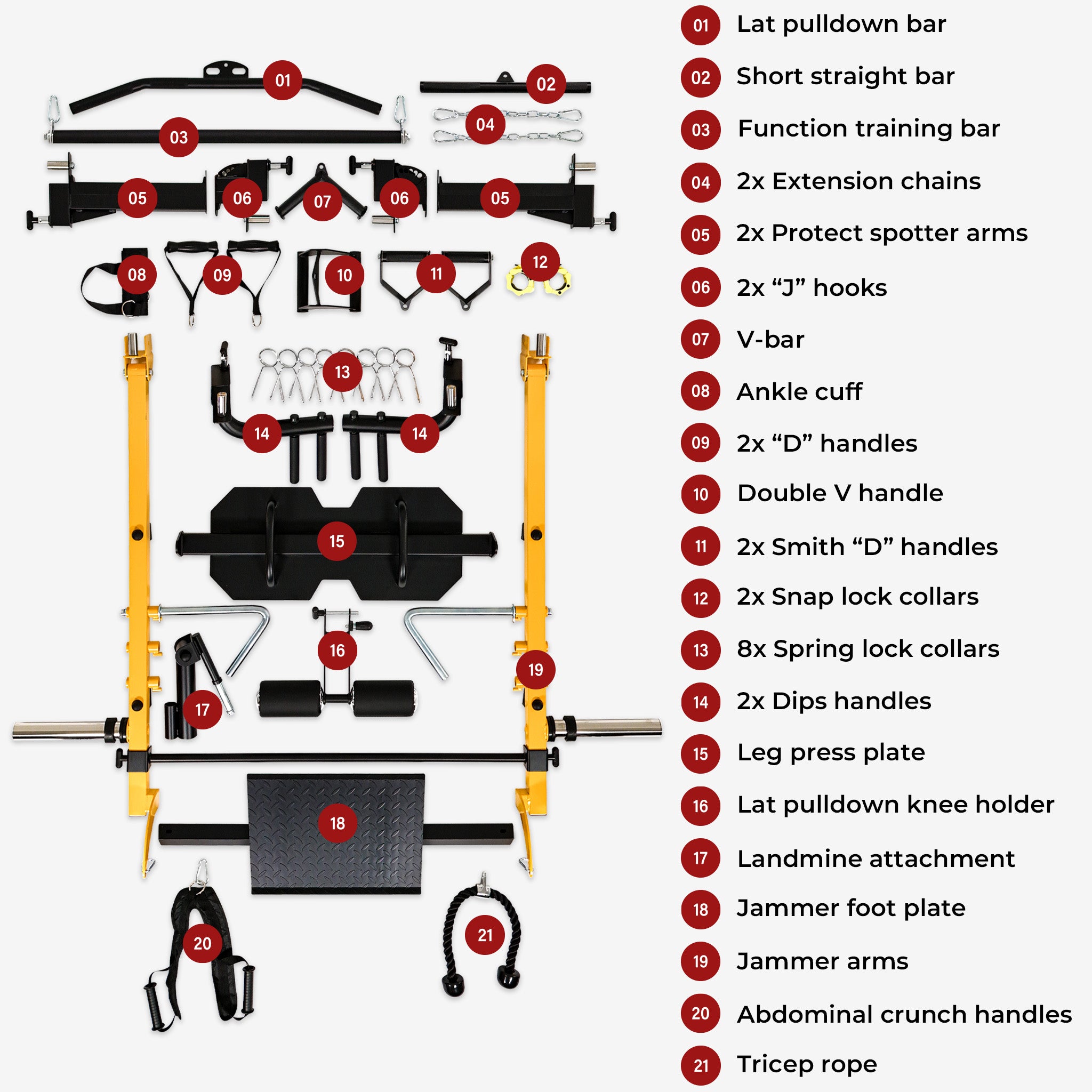
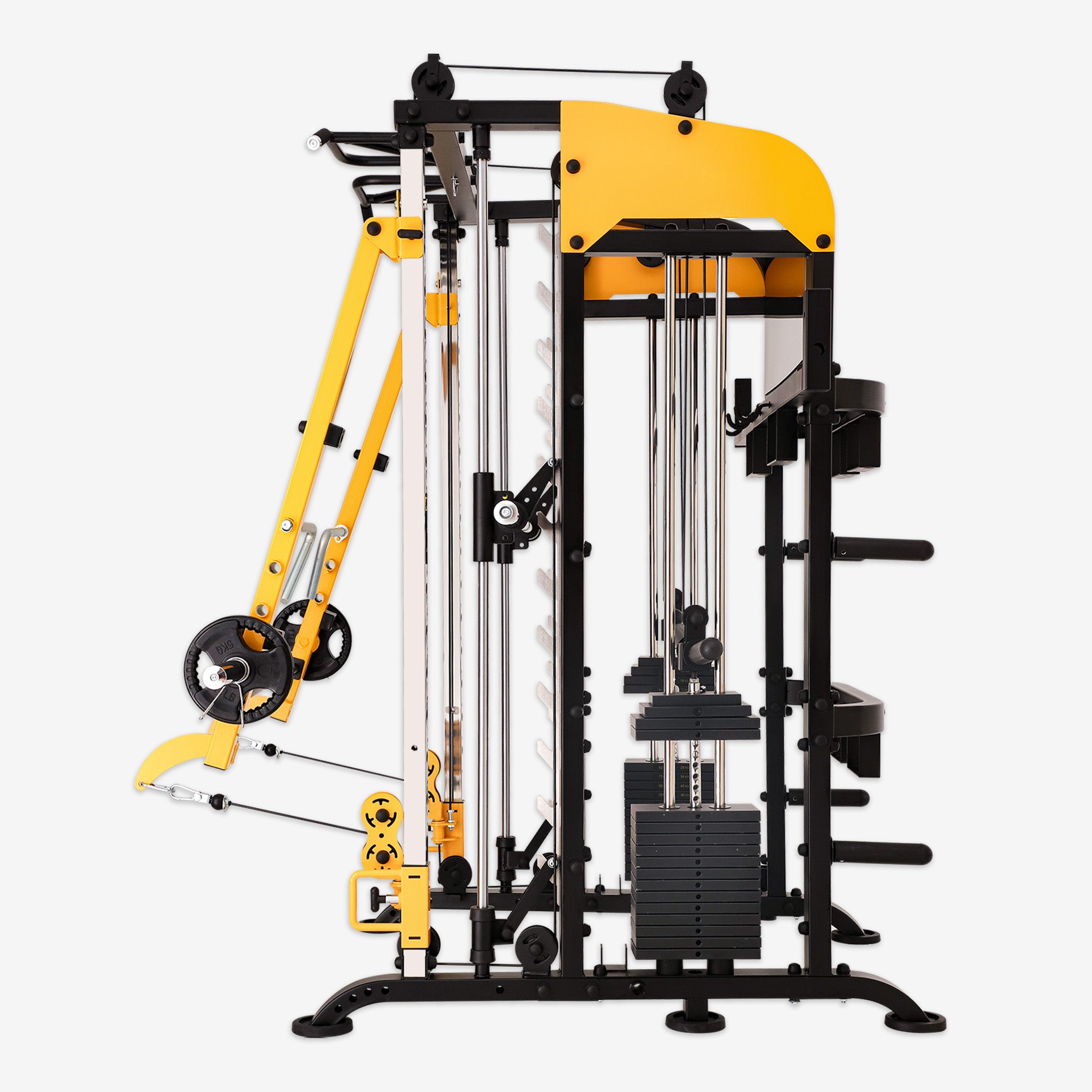
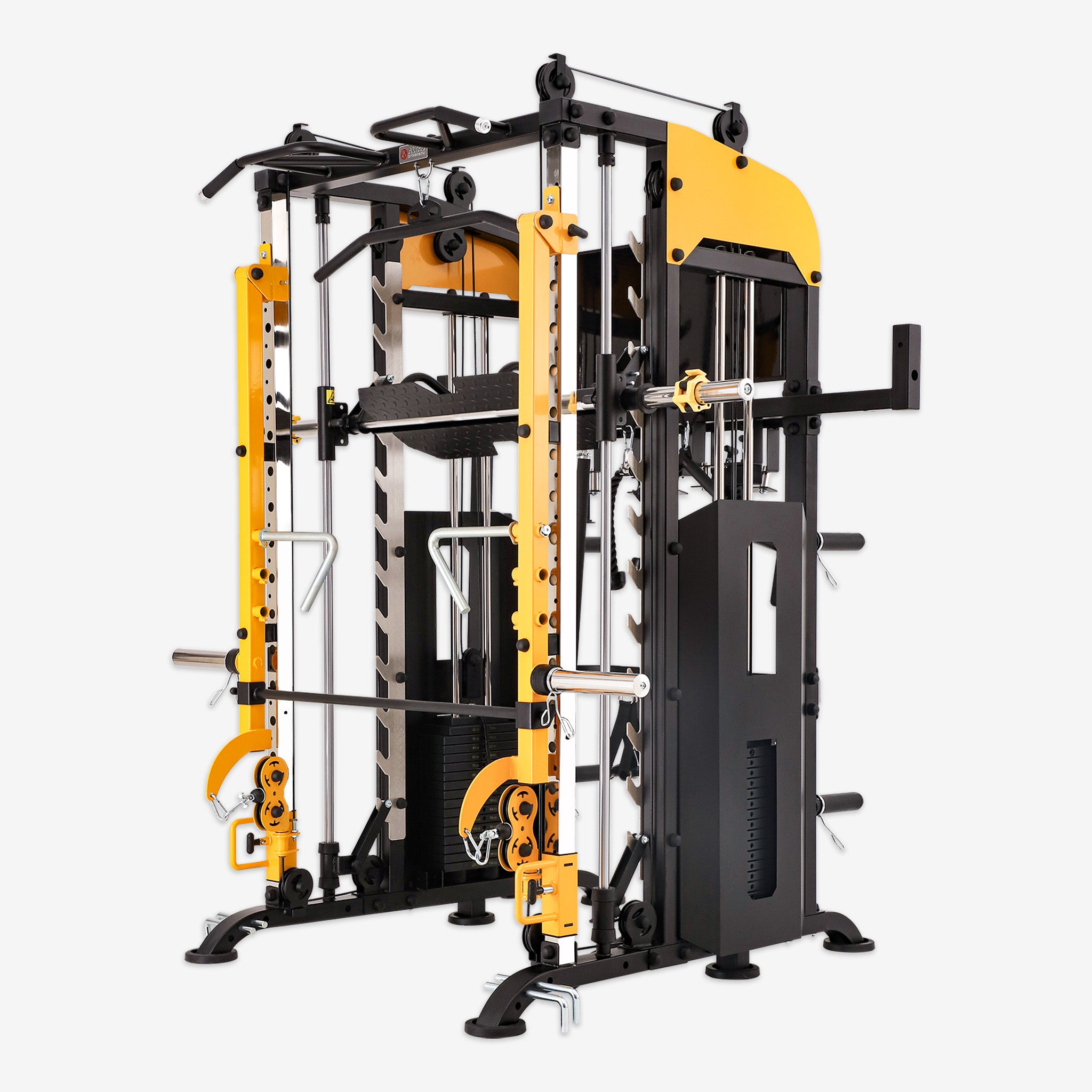
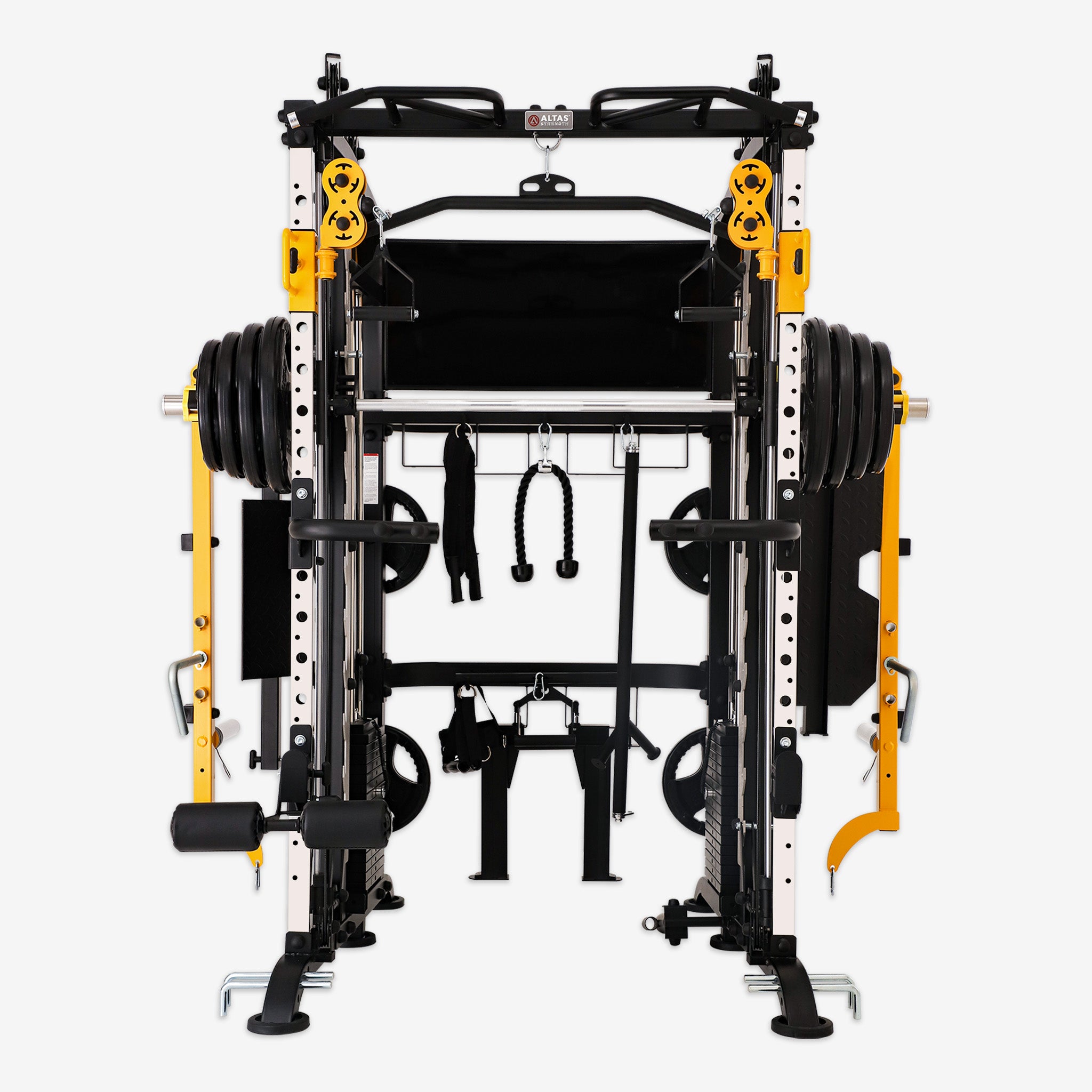
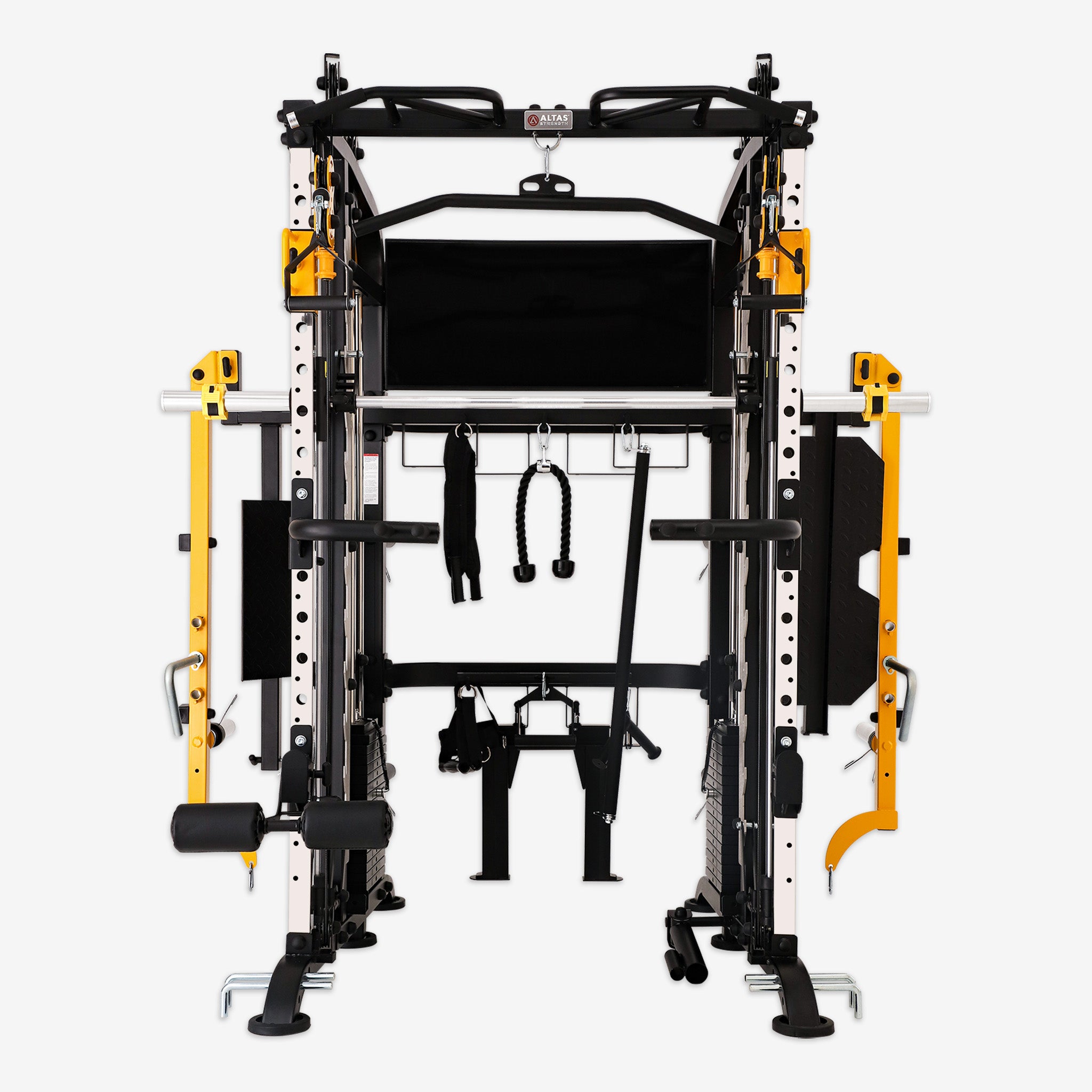
An Altas Strength home gym setup can therefore be evaluated not simply by individual attachments, but by how effectively the overall system supports full-body training.
Who Should Consider a Back Extension Bench?
A back extension bench can be a good fit for:
- Home gym users who want dedicated posterior-chain training
- Strength-training enthusiasts who already perform squats and deadlifts
- Users building a balanced full-body workout program
- Canadian homeowners with a dedicated basement or home gym
- Families sharing one home gym and needing versatile equipment
- Intermediate lifters looking to expand exercise selection
It may be less suitable for someone who only wants very basic cardio or occasional light exercise, especially if available space is extremely limited.
It is also not a substitute for professional medical assessment or rehabilitation equipment when someone is dealing with a back injury or medical condition.
How Does Altas Strength Fit Into the Decision?
When evaluating Altas Strength equipment for a home gym, the key consideration is the overall training system rather than any single exercise.
A complete home gym approach can reduce the need to purchase multiple standalone machines. Instead of dedicating separate areas to every movement, users can combine strength-training functions within one coordinated setup.
For Canadian buyers, this approach can be particularly practical when basement or spare-room space is limited.
The decision should ultimately come down to four questions:
Does it cover the exercises you actually perform?
Does it fit your available space?
Does the construction match your expected training frequency?
Does the equipment provide enough progression for your long-term goals?
If the answer is yes, a back extension bench or integrated posterior-chain station can become a valuable part of a complete home gym rather than simply another piece of equipment.
Final Takeaway
A back extension bench is primarily a posterior-chain training tool, but its real value becomes clearer when viewed as part of a complete home gym.
It can provide dedicated training for the lower back, glutes, and hamstrings, complement compound movements such as squats and deadlifts, and add exercise variety without requiring a large commercial-style machine.
For Canadian home gym buyers, the best choice depends on more than price. Space, stability, adjustability, training frequency, exercise coverage, and long-term usability all matter.
If your goal is to build a complete home gym that supports full-body strength training rather than simply collecting individual machines, a back extension bench is worth considering as part of the overall equipment strategy.