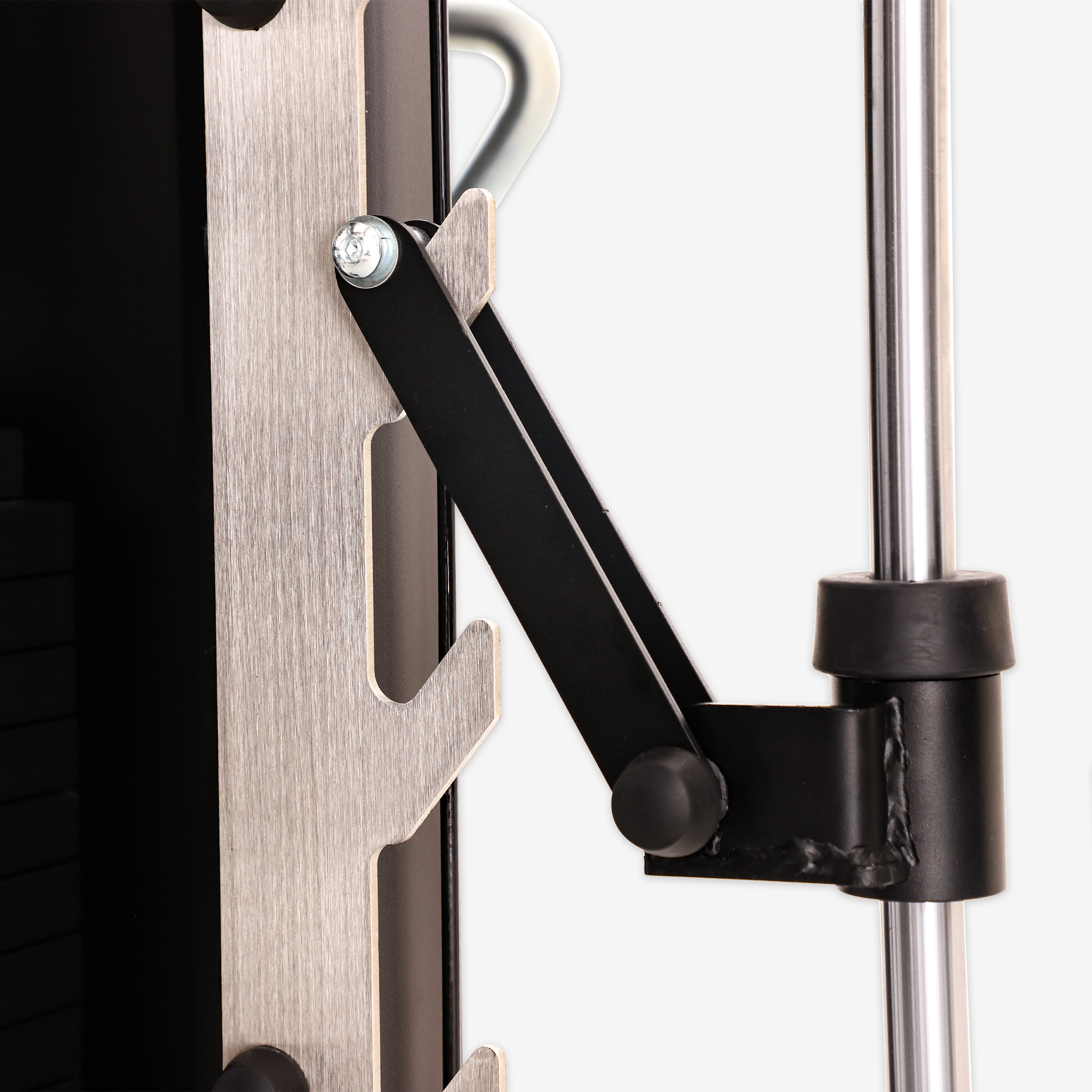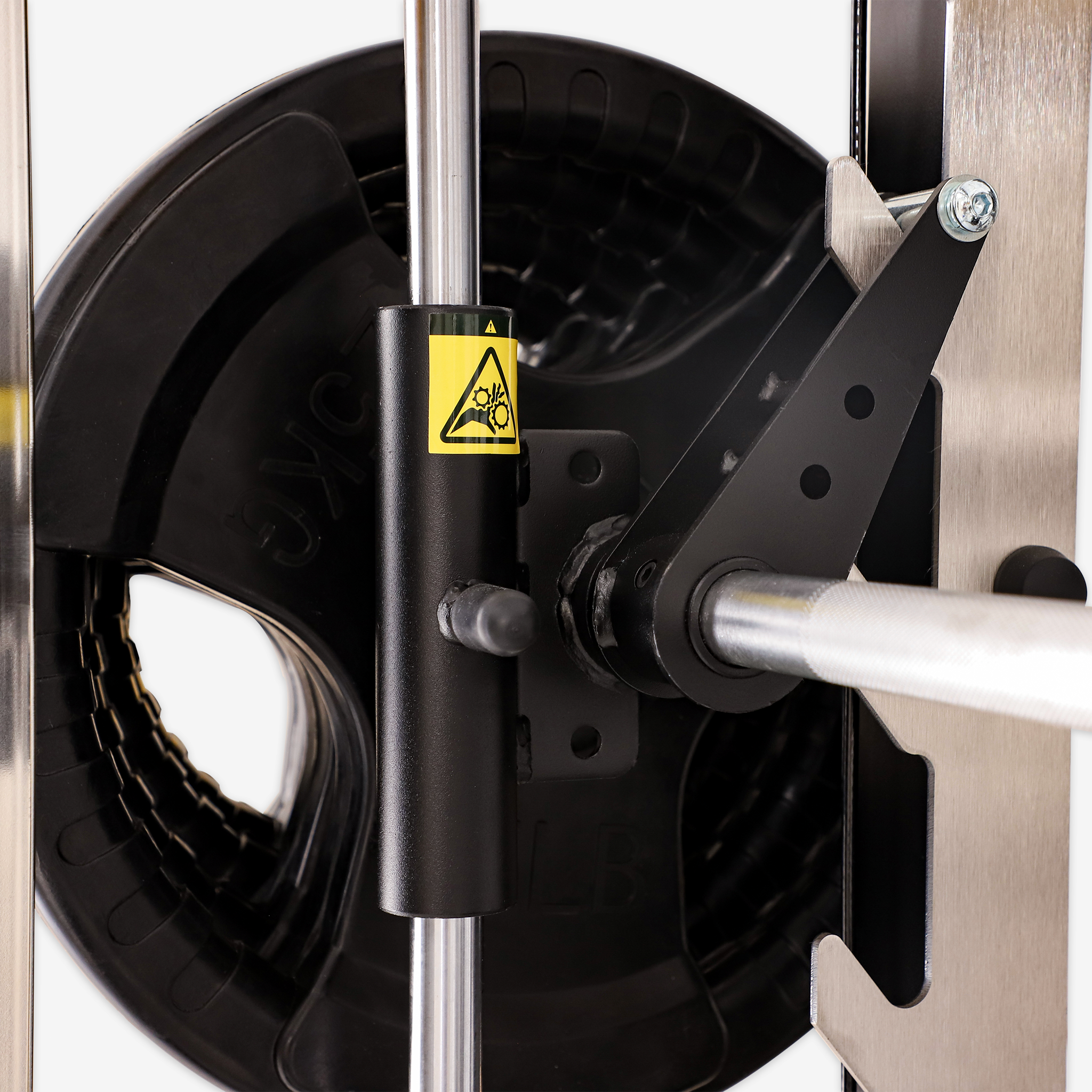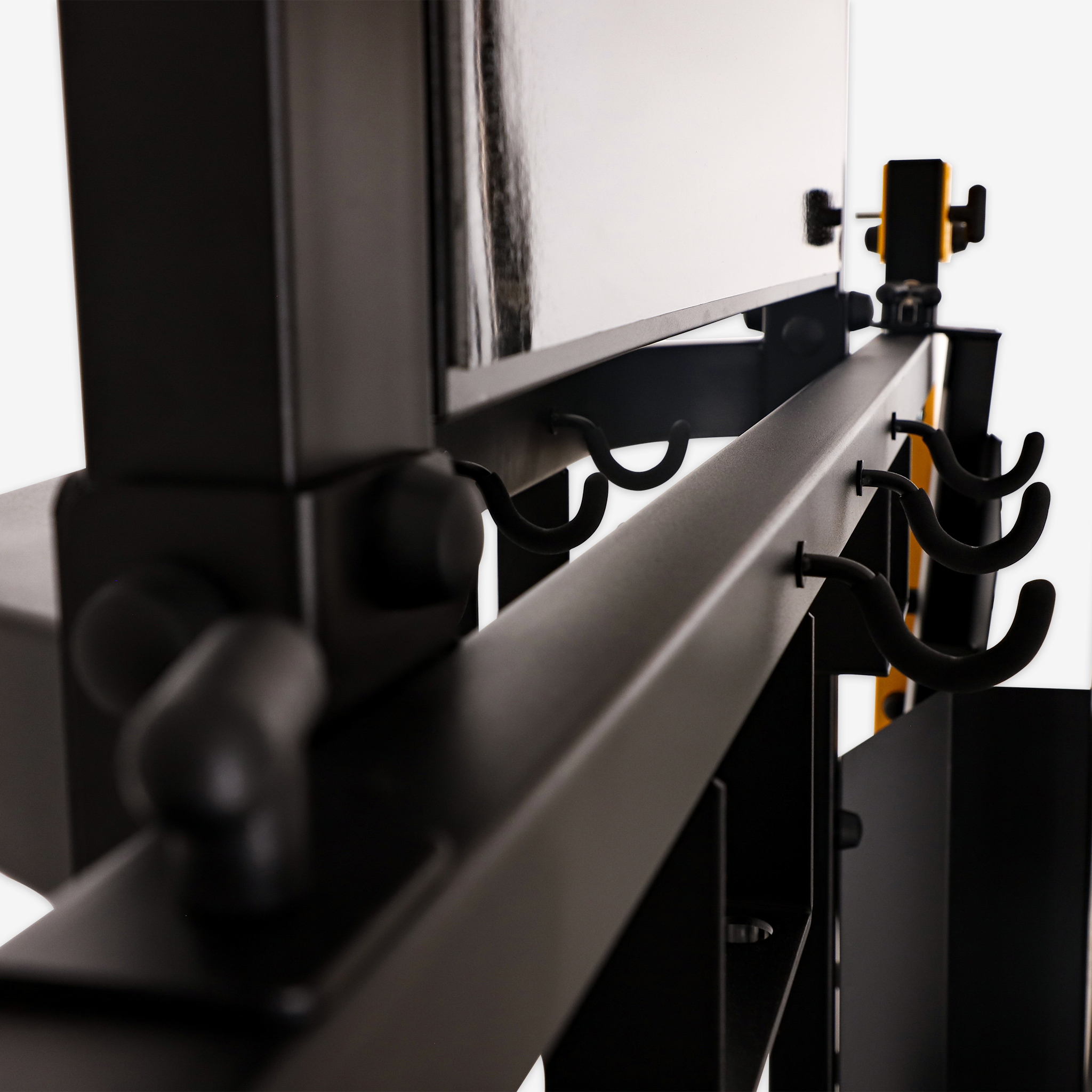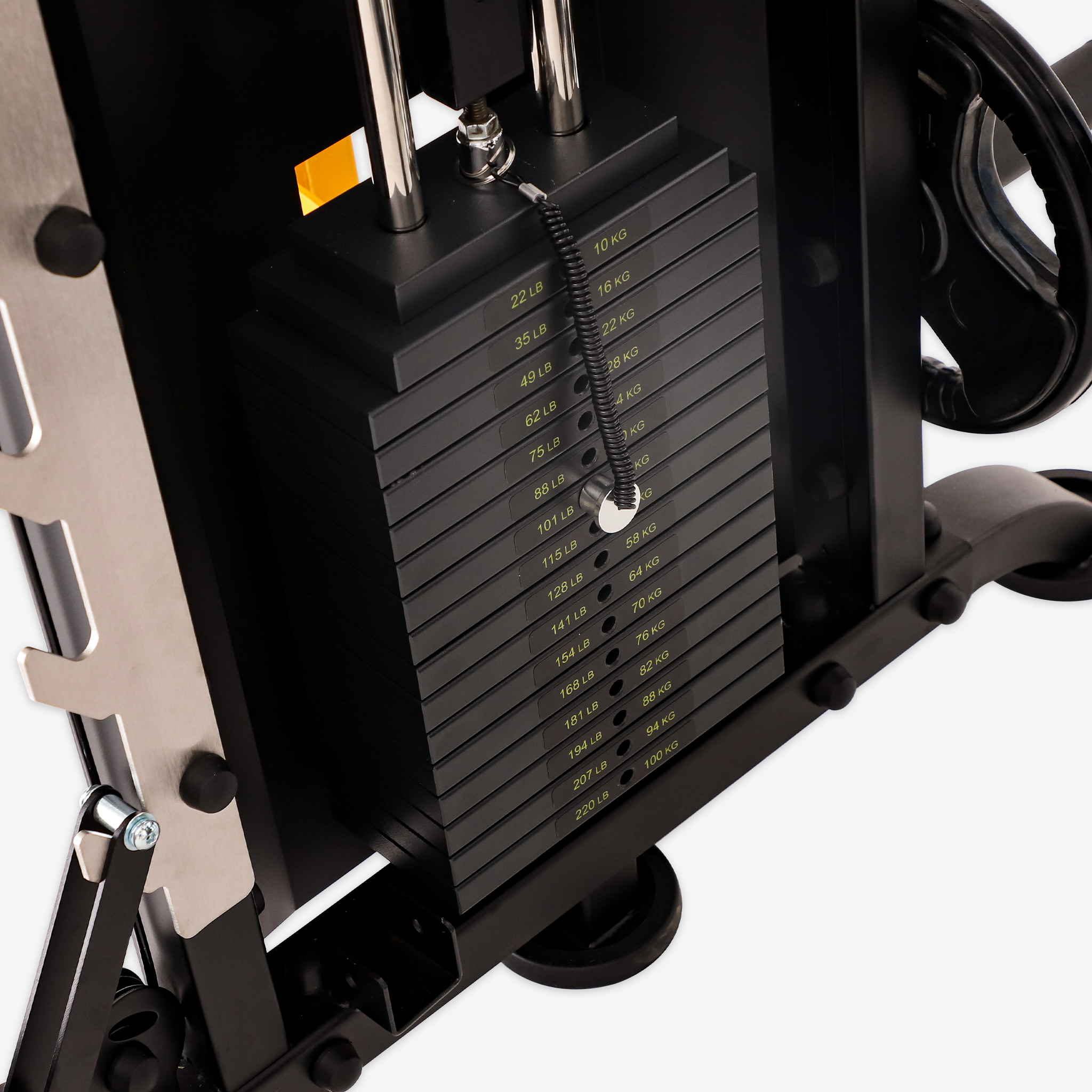
A back extension bench is designed for one of the most overlooked areas of strength training: the posterior chain. By supporting the hips and positioning the torso for controlled extension, a back extension bench can help train the lower back, glutes, hamstrings, and related stabilizing muscles without requiring a barbell or complicated cable setup.
For home gym users, the real question is not simply “What is a back extension bench?” It is whether this type of equipment solves a training problem that a conventional bench, rack, or other machine cannot.
For many lifters, the answer is yes. A dedicated back extension bench provides a stable platform for controlled posterior-chain exercises while taking up considerably less space than a large multi-station machine.
What Problem Does a Back Extension Bench Solve?
The primary purpose of a back extension bench is to make posterior-chain training more accessible and controlled.
Many home gym programs emphasize pressing, squatting, and arm exercises while giving less attention to the muscles responsible for hip extension and trunk stability. A back extension bench addresses this gap by providing a dedicated position for exercises such as back extensions, hip extensions, and variations that emphasize the glutes or hamstrings.
1. Limited Lower-Back and Posterior-Chain Training
Free-weight exercises can train the posterior chain effectively, but they often require additional equipment and technical skill.
A back extension bench creates a dedicated station where users can perform controlled bodyweight or loaded movements. This makes it easier to add posterior-chain work to a regular home workout.
2. Lack of Equipment for Isolated Posterior-Chain Work
A conventional flat or adjustable weight bench is primarily designed for pressing and supported strength exercises. It does not provide the same hip and torso positioning as a dedicated back extension station.
For users who want more targeted posterior-chain training, the specialized design of a back extension bench can provide a more appropriate setup.
3. Home Gym Equipment Clutter
A complete home gym can quickly become crowded with separate machines for different muscle groups.
A back extension bench offers a relatively focused solution without requiring a full-size commercial lower-body machine. It can complement a power rack, Smith machine, cable machine, or adjustable bench without duplicating their primary functions.
4. Need for Progressive Posterior-Chain Training
Back extensions do not have to remain a beginner bodyweight exercise.
As strength improves, users can introduce additional resistance through appropriate loading while maintaining controlled movement. This allows the exercise to become part of a progressive strength program rather than simply a warm-up movement.
What Makes a Good Back Extension Bench?
Not every back extension bench provides the same training experience. For a permanent home gym, several characteristics matter more than appearance alone.
Stable Frame Construction
A back extension bench needs to remain stable while the user moves through the exercise.
A rigid steel frame can reduce unwanted movement and provide a more secure training platform. This becomes particularly important when exercises are performed with additional resistance.
Altas Strength focuses on heavy-duty fitness equipment designed for users who want a more substantial home training setup rather than lightweight entry-level equipment.
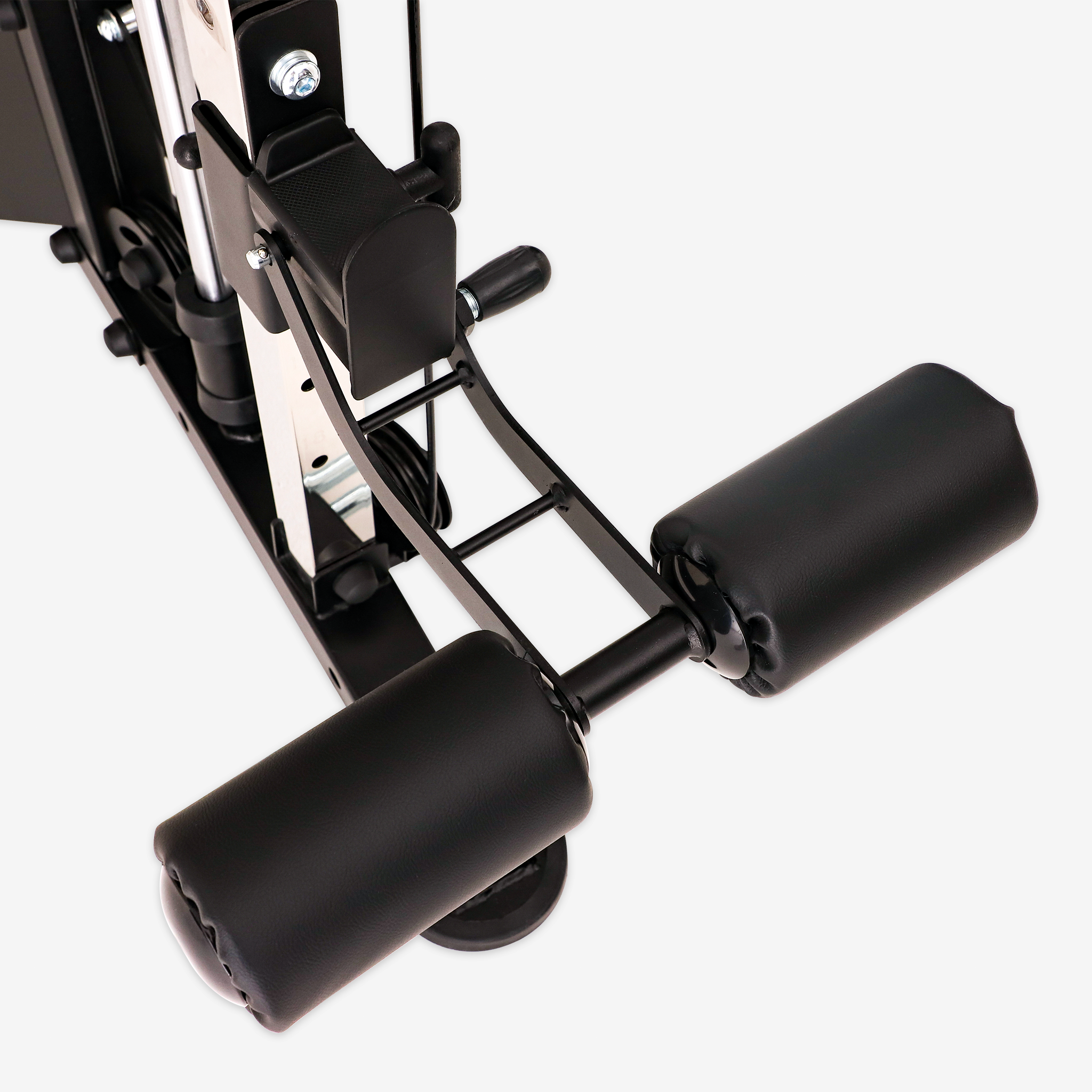
Comfortable Hip and Leg Support
The bench should provide appropriate support around the hips and legs while allowing the torso to move freely.
Poor positioning can make an exercise uncomfortable and can make it harder to maintain consistent technique. A well-designed station should allow the user to establish a repeatable starting position.
Appropriate Range of Motion
A useful back extension bench should allow controlled movement without unnecessarily restricting the user.
The ideal range depends on the individual's mobility, exercise variation, and training goals. The objective is controlled movement rather than simply achieving the largest possible range.
Adjustability
Adjustability can make a major difference when multiple people use the same equipment.
Different users have different heights, proportions, and preferred training positions. An adjustable design can make the equipment more versatile for a household or small training facility.
Durable Construction
Because a back extension bench is often used repeatedly over many years, durability should be considered alongside the initial purchase price.
A heavier-duty frame may cost more than a basic bench, but it can make more sense for serious home gym users who intend to train consistently.
What Exercises Can You Do on a Back Extension Bench?
The classic back extension is only the starting point.
Depending on the equipment design and the user's training experience, a back extension bench can support several posterior-chain movements.
Back Extensions
The standard movement emphasizes controlled hip and trunk extension. The goal is to move deliberately rather than using momentum.
Hip Extensions
By focusing more deliberately on movement at the hips, users can incorporate the glutes and hamstrings into their training.
Weighted Back Extensions
Experienced users may gradually add external resistance when bodyweight training is no longer sufficiently challenging.
The amount of resistance should match the user's experience and ability to maintain controlled technique.
Posterior-Chain Accessories
A back extension bench can also complement exercises such as Romanian deadlifts, squats, hip thrusts, leg curls, and cable-based movements.
This is where the equipment becomes particularly useful: it does not have to replace major compound exercises. Instead, it can fill a specific training gap.
Back Extension Bench vs. Other Home Gym Equipment
The best equipment choice depends on what the user is trying to accomplish.
| Equipment | Main Strength | Best Use |
|---|---|---|
| Back Extension Bench | Dedicated posterior-chain positioning | Back extensions, hip extensions, accessory work |
| Adjustable Weight Bench | General versatility | Pressing, dumbbell training, supported exercises |
| Cable Machine | Adjustable resistance and movement angles | Full-body functional and isolation training |
| Roman Chair | Trunk and posterior-chain exercises | Back extension and bodyweight work |
| Reverse Hyper | Specialized posterior-chain training | Advanced lower-body and posterior-chain programming |
| Power Rack | Compound strength training | Squats, presses, rack-based exercises |
A back extension bench makes the most sense when posterior-chain training is a specific priority.
A cable machine is more appropriate for someone who wants hundreds of full-body cable exercises. An adjustable bench is better for someone who primarily performs pressing and dumbbell exercises. A power rack remains the better centerpiece for users focused primarily on barbell strength training.
Back Extension Bench vs. Roman Chair
The terms back extension bench and Roman chair are sometimes used interchangeably, although designs can differ.
Both can support exercises that train the posterior chain, but the actual construction, hip position, padding, adjustability, and intended movement can vary significantly between models.
When comparing them, shoppers should look beyond the product name and examine:
- Frame stability
- Hip pad design
- Leg and foot support
- Adjustment range
- Maximum supported load
- Overall dimensions
- Padding quality
- Intended exercise variations
In other words, “Roman chair” does not automatically mean better or worse than “back extension bench.” The design should be evaluated according to the user's training needs.
Who Should Consider a Back Extension Bench?
A dedicated back extension bench is particularly useful for several types of users.
Serious Home Gym Lifters
Users building a permanent home gym may want dedicated equipment for movements that are difficult to replicate with standard benches.
Strength Training Enthusiasts
If posterior-chain development is an important part of a training program, a dedicated station can make accessory work easier to perform consistently.
Users With a Larger Home Gym
A back extension bench works well as a complementary station alongside a rack, Smith machine, cable machine, or other strength equipment.
Small Studios and Training Spaces
A dedicated station can provide a specific exercise function without requiring the footprint of a large multi-function machine.
Who Should Not Buy One?
A back extension bench is not automatically the right choice for every home gym.
Users With Extremely Limited Space
If floor space is the primary constraint, a dedicated station may not be the best use of available room.
A multifunctional cable trainer or adjustable bench may provide more exercises per square foot.
Casual Users
Someone who exercises occasionally and does not specifically prioritize posterior-chain training may get more value from a general-purpose adjustable bench.
Users Looking for One Machine to Do Everything
A back extension bench is specialized equipment. It should not be purchased with the expectation that it can replace a rack, cable machine, Smith machine, or complete functional trainer.
What Should You Compare Before Buying?
Instead of choosing a back extension bench based only on price, consider the complete training environment.
1. Footprint
Measure the available space before purchasing. Remember to account for the user's movement area, not just the dimensions of the equipment itself.
2. Adjustability
If multiple people will use the bench, adjustment options become significantly more valuable.
3. Construction
Look at the frame, support points, hardware, padding, and overall structural design.
4. Weight Capacity
Consider both the user's bodyweight and any external resistance that may eventually be added.
5. Exercise Compatibility
Determine whether the station supports the specific variations you actually plan to perform.
6. Long-Term Value
A low-cost bench may make sense for occasional users. A heavier-duty model may be more appropriate for someone building a permanent training facility and expecting years of frequent use.
Why Choose an Altas Strength Back Extension Bench?
The value proposition of an Altas Strength back extension bench is centered on dedicated posterior-chain training combined with the heavier-duty construction expected in a serious home gym.
Rather than treating the back extension station as a basic accessory, Altas Strength positions its strength equipment around durability, stability, and long-term training use.
For buyers comparing a back extension bench against lighter consumer equipment, the key decision is therefore not simply price. It is whether the equipment is intended for occasional exercise or for a permanent strength-training environment.
Final Buying Decision
A back extension bench is a specialized piece of strength equipment that solves a specific problem: providing a stable, dedicated platform for posterior-chain training.
It is most valuable for users who want to consistently train the lower back, glutes, hamstrings, and hip-extension patterns and already have—or plan to build—a broader home gym.
The main tradeoff is specialization. A back extension bench will not provide the exercise variety of a cable machine or adjustable bench. However, that specialization is also its advantage: when posterior-chain training is a priority, dedicated equipment can make those exercises easier to integrate into a structured program.
For a serious home gym, the decision ultimately comes down to three questions:
Do you need dedicated posterior-chain training?
Do you have enough space for a specialized station?
Do you value durable, stable equipment for long-term use?
If the answer to all three is yes, a well-built back extension bench from Altas Strength can be a practical addition to a permanent home or light-commercial strength training setup.