When building a home gym, one of the most common equipment decisions is dumbbell vs barbell.
Both can support strength training, muscle development, and full-body workouts. However, they differ significantly in how they are loaded, how much space they require, how they are used, and which exercises they are best suited for.
For home gym owners, the decision is not simply about which tool is "better."
The better question is:
Which option fits your training goals, available space, budget, experience level, and safety setup?
This guide compares dumbbells and barbells and explains when each option makes sense for a home or garage gym.
Dumbbell vs Barbell: The Key Differences
The simplest way to compare them is to look at how each tool handles loading, movement, space, and exercise selection.
| Factor | Dumbbells | Barbells |
|---|---|---|
| Loading | Two independent weights | One shared bar |
| Movement | Greater independent movement | More fixed relationship between hands |
| Unilateral training | Excellent | Limited |
| Heavy loading | More difficult at very high weights | Easier to load heavily |
| Space | Compact with adjustable models | Requires bar + plates + usually rack |
| Main compound lifts | Good | Excellent |
| Accessory exercises | Excellent | Good |
| Progressive loading | Flexible | Very efficient |
| Home gym footprint | Small to moderate | Moderate to large |
| Training alone | Convenient for many exercises | Requires appropriate safety setup for heavy lifts |
Neither tool replaces the other completely.
For many home gyms, they work best together.
What Are Dumbbells Good For?
Dumbbells allow each hand to hold an independent weight.
This creates several useful training characteristics.
Independent Limb Movement
Unlike a barbell, each arm has to control its own weight.
This makes dumbbells useful for exercises such as:
-
Dumbbell bench press
-
One-arm rows
-
Shoulder press
-
Lunges
-
Bulgarian split squats
-
Lateral raises
-
Dumbbell curls
Independent loading can also make it easier to identify differences in strength or control between the two sides.
Greater Movement Freedom
A barbell connects both hands to the same piece of equipment.
Dumbbells allow the hands to move more independently.
For some exercises, this can provide more flexibility in hand position and movement path.
This is particularly useful for accessory exercises and movements where a fixed hand position is unnecessary.
Compact Home Gym Options
Adjustable dumbbells can provide several weight levels without requiring a complete rack of fixed dumbbells.
This makes them attractive for:
-
Small bedrooms
-
Apartments
-
Spare rooms
-
Small garages
-
Multi-purpose training spaces
The important distinction is between fixed dumbbells and adjustable dumbbells.
A complete set of fixed dumbbells can require substantial storage space, while adjustable dumbbells can significantly reduce the footprint.
What Are Barbells Good For?
A barbell allows both sides of the body to work together while a large amount of weight is loaded onto one bar.
This makes barbells particularly useful for major compound movements.
Common barbell exercises include:
-
Back squat
-
Bench press
-
Deadlift
-
Overhead press
-
Barbell row
Heavy Progressive Loading
One of the biggest advantages of a barbell is efficient loading.
Instead of holding two separate heavy dumbbells, you can place additional plates on one bar.
This makes barbells particularly practical for lifters focused on progressively increasing the load on major compound exercises.
For example, a barbell setup can support substantial progression on squats, deadlifts, and bench press without requiring extremely heavy individual dumbbells.
Efficient Cost Per Pound
For heavy strength training, barbells and weight plates can provide an efficient way to increase total training load.
A pair of very heavy dumbbells can become expensive and physically difficult to handle.
With a barbell, additional weight can be added using plates without increasing the size of the implement being held.
Dumbbell vs Barbell for Muscle Building
Both dumbbells and barbells can be used for muscle-building training.
The difference is primarily in how they are used.
Dumbbells can be useful when you want:
-
Independent arm movement
-
A wider selection of accessory exercises
-
Flexible hand positioning
-
Unilateral exercises
-
Compact equipment
Barbells can be useful when you want:
-
Heavy compound movements
-
Efficient progressive loading
-
Squats and deadlifts
-
Barbell bench press
-
Long-term strength tracking
For hypertrophy-focused home training, there is no requirement to choose only one.
A combination can provide both heavy compound movements and flexible accessory exercises.
Dumbbell vs Barbell for Strength
If the primary objective is developing maximal strength on major compound lifts, the barbell provides a particularly practical loading system.
A barbell allows substantial weight to be loaded onto a single implement and is commonly used for exercises such as squats, deadlifts, and bench press.
Dumbbells still have an important role in strength training, particularly for unilateral work and supporting exercises.
The distinction is therefore less about whether one can build strength and more about which type of strength training you want to prioritize.
Dumbbell vs Barbell for Beginners
For beginners, both options can be useful.
The more important question is whether the equipment matches the exercise and whether the user understands how to perform the movement safely.
Dumbbells can provide a relatively simple starting point for many exercises because the user does not need to manage a long bar.
Barbell training can provide a foundation for learning major compound movements, but exercises such as barbell squats and bench press require appropriate equipment setup and safety considerations.
For heavier barbell exercises, a suitable rack and safety system are particularly important when training alone.
Dumbbell vs Barbell for Small Home Gyms
Space can change the decision significantly.
Choose Dumbbells When Space Is Limited
Adjustable dumbbells can be a practical choice when you have limited floor space.
You can use them for:
-
Pressing
-
Rows
-
Squats
-
Lunges
-
Curls
-
Shoulder exercises
-
Many accessory movements
A bench plus adjustable dumbbells can create a surprisingly versatile minimalist training area.
Barbells Require More Planning
A barbell itself does not necessarily require a huge amount of space.
However, a serious barbell setup usually involves more than the bar.
You may also need:
-
Weight plates
-
Rack
-
Bench
-
Plate storage
-
Safety equipment
-
Clearance around the rack
Therefore, the complete barbell system generally has a larger space requirement than a pair of adjustable dumbbells.
Dumbbell vs Barbell: Common Drawbacks
Both options have limitations.
Dumbbell Drawbacks
Very Heavy Dumbbells Become Difficult to Handle
As dumbbells become heavier, getting them into position can become increasingly demanding.
This can make extremely heavy pressing movements less convenient than barbell variations.
Fixed Dumbbell Sets Require Storage
A complete dumbbell collection can occupy substantial floor space.
Adjustable dumbbells solve part of this problem but may have different handling characteristics from traditional fixed dumbbells.
Less Efficient for Extremely Heavy Compound Loading
If your primary goal is very heavy squats, deadlifts, or bench press, a barbell is generally a more practical loading system.
Barbell Drawbacks
Larger Overall Setup
A barbell home gym normally requires more than the bar itself.
Once a rack, bench, plates, and storage are included, the setup can occupy significant floor space.
More Equipment Planning
A proper barbell setup requires attention to rack dimensions, bar clearance, plate storage, and safety equipment.
Higher Learning Requirement for Some Exercises
Some barbell exercises require more technical preparation and equipment familiarity.
For users training alone, the safety setup becomes particularly important when using heavier loads.
A Standard Bar Has Its Own Starting Weight
Unlike an adjustable dumbbell that can start at a relatively low setting, a standard barbell has a fixed unloaded weight.
This can make some barbell exercises less accessible to people who are not yet comfortable handling the bar.
Dumbbells vs Barbells: Which Exercises Can You Do?
The two tools overlap significantly, but they each have exercises where they are particularly useful.
| Exercise | Dumbbells | Barbell |
|---|---|---|
| Bench press | Yes | Yes |
| Shoulder press | Yes | Yes |
| Row | Yes | Yes |
| Squat | Yes | Yes |
| Deadlift | Yes | Yes |
| Lunges | Excellent | Yes |
| Lateral raise | Excellent | Limited |
| Biceps curl | Excellent | Excellent |
| Unilateral row | Excellent | Limited |
| Heavy back squat | Possible | Excellent |
| Heavy deadlift | Possible | Excellent |
| Bulgarian split squat | Excellent | Yes |
The important point is that exercise selection should drive equipment selection.
What About a Smith Machine?
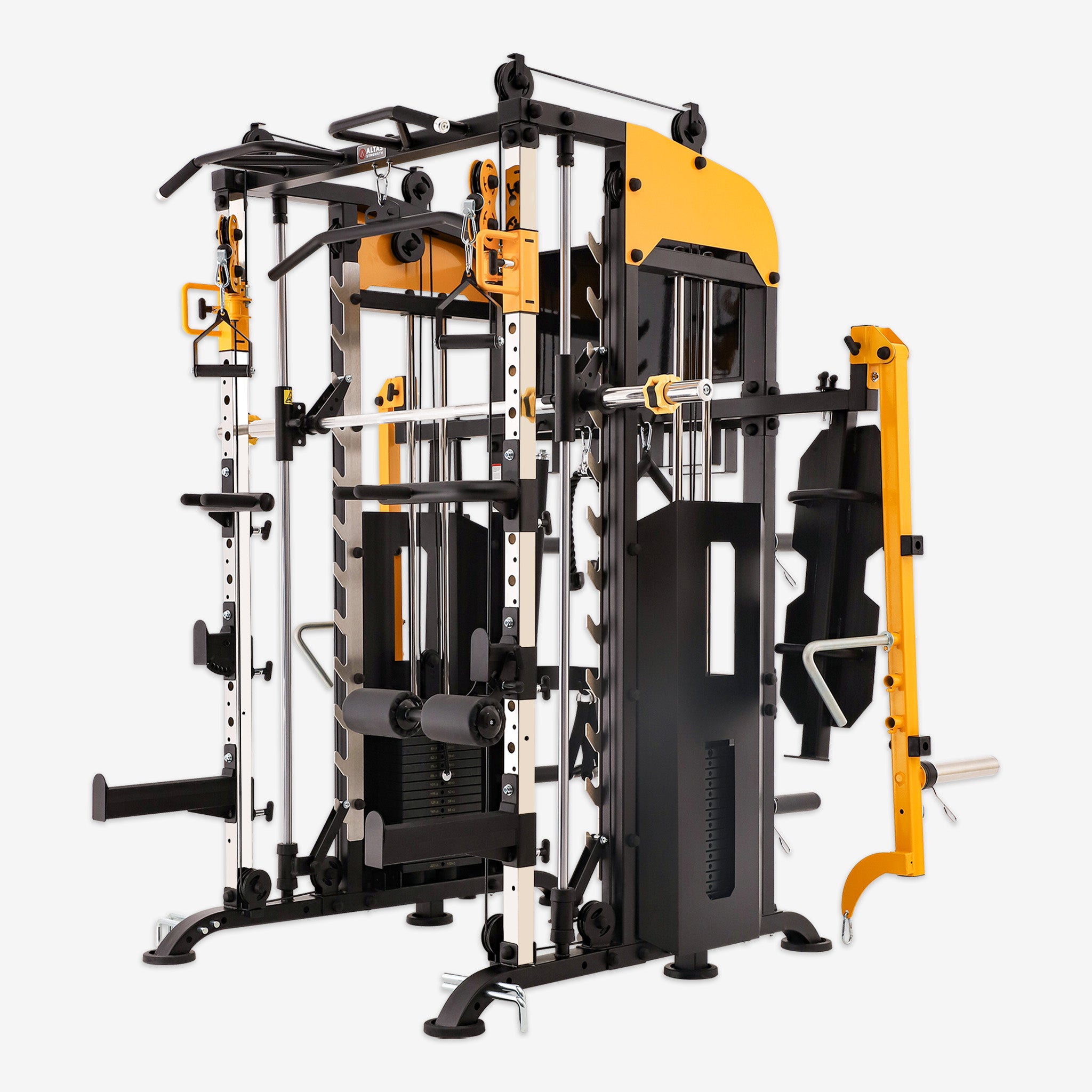
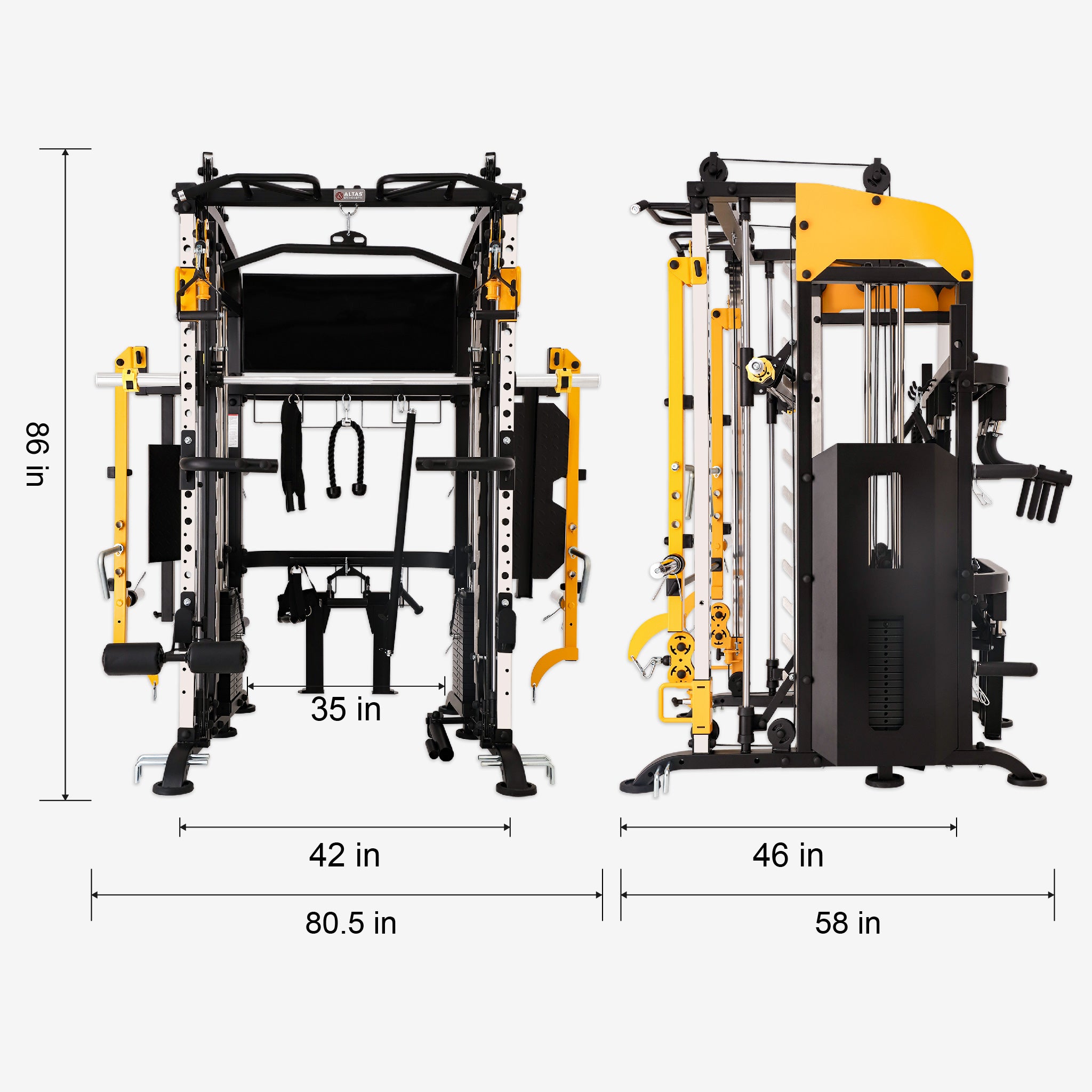
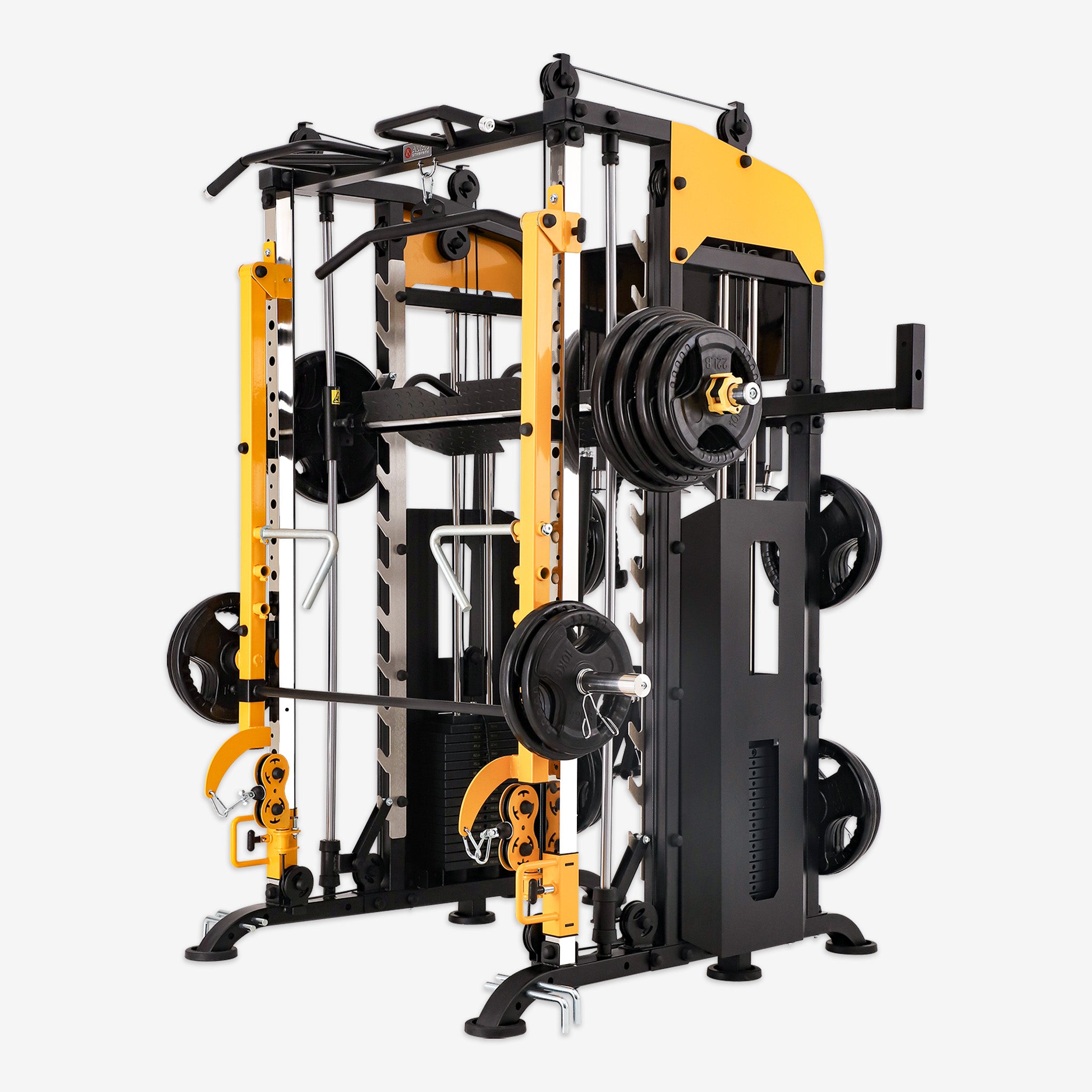
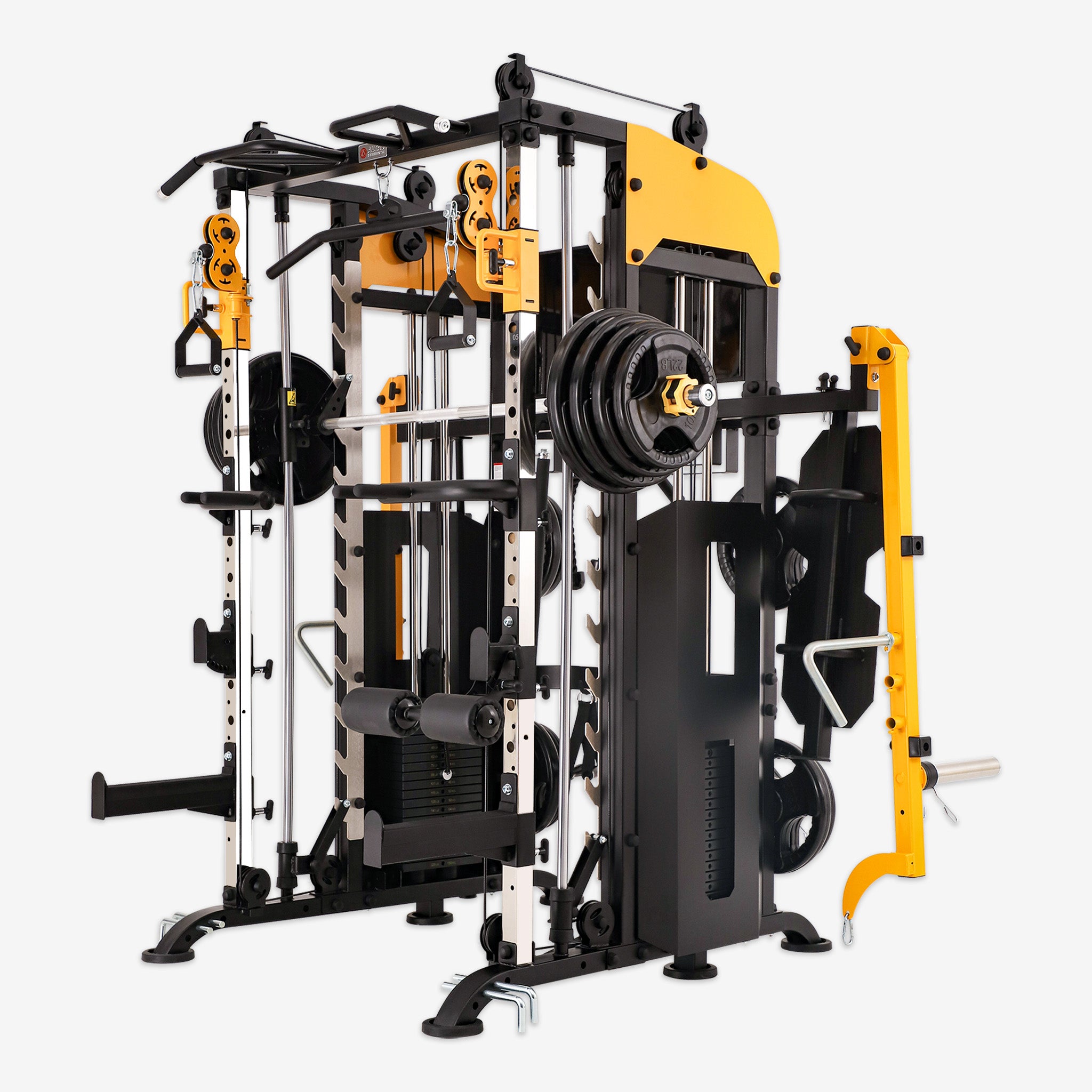
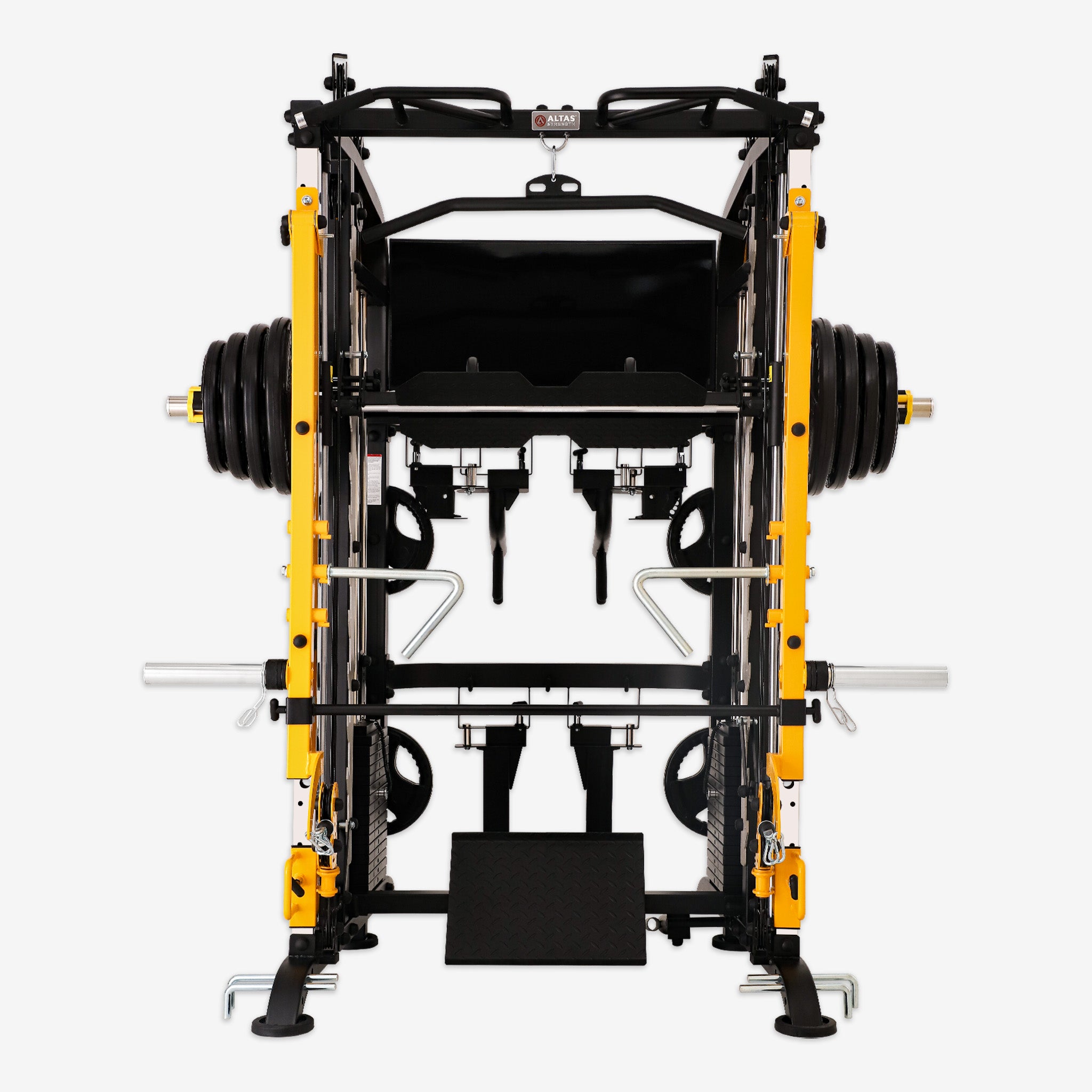
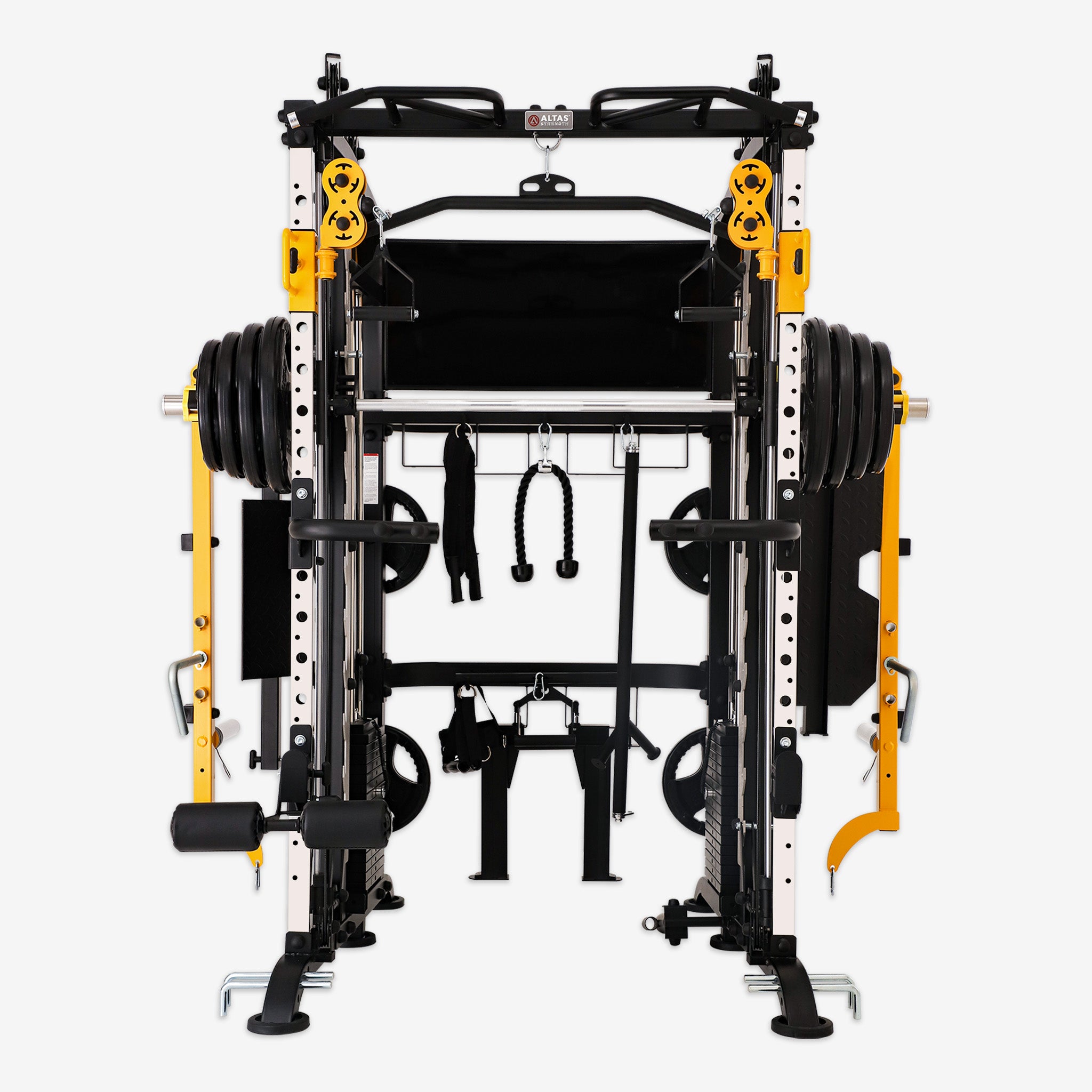
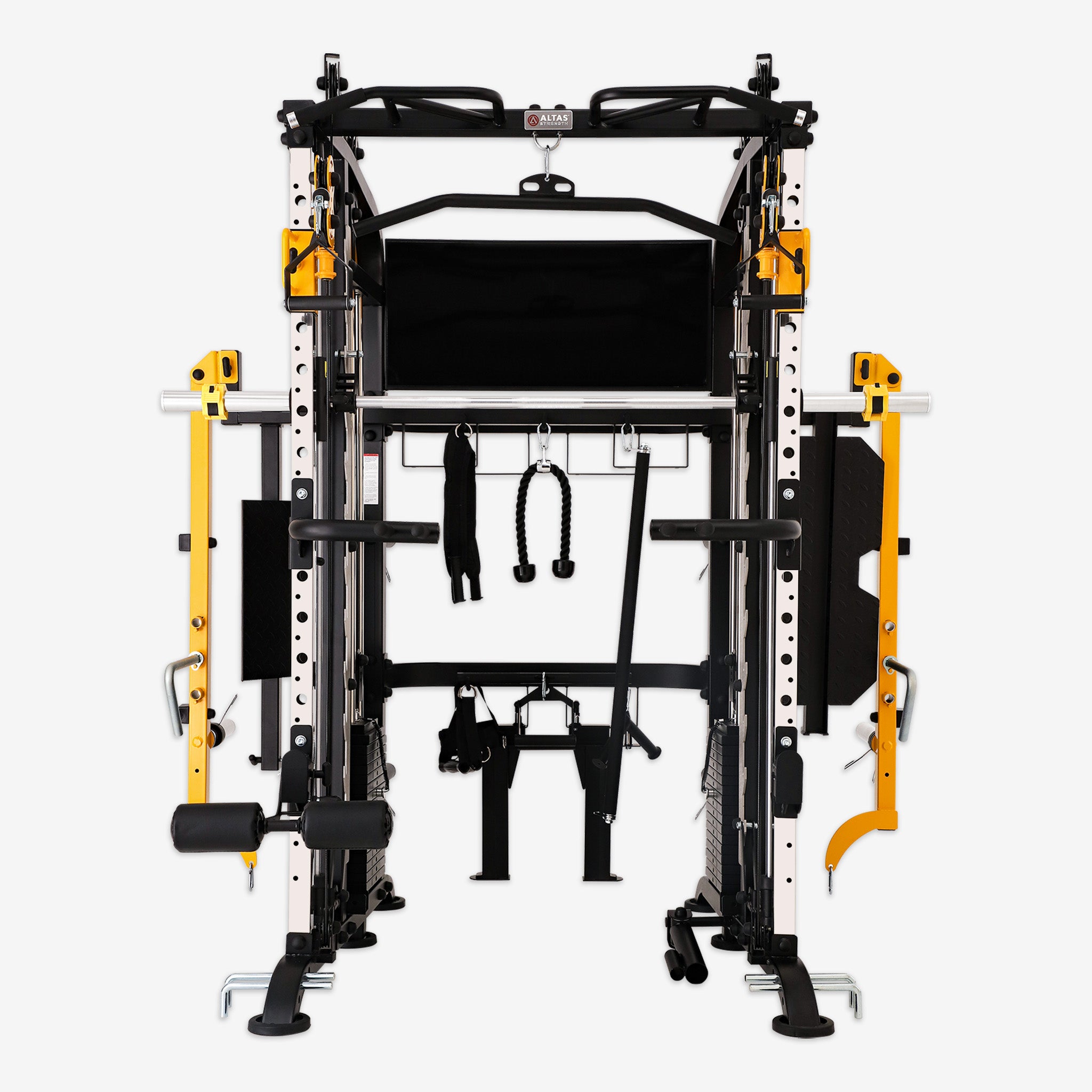
For some home gyms, there is a third option between a traditional free-weight barbell setup and a dumbbell-only setup: a Smith machine.
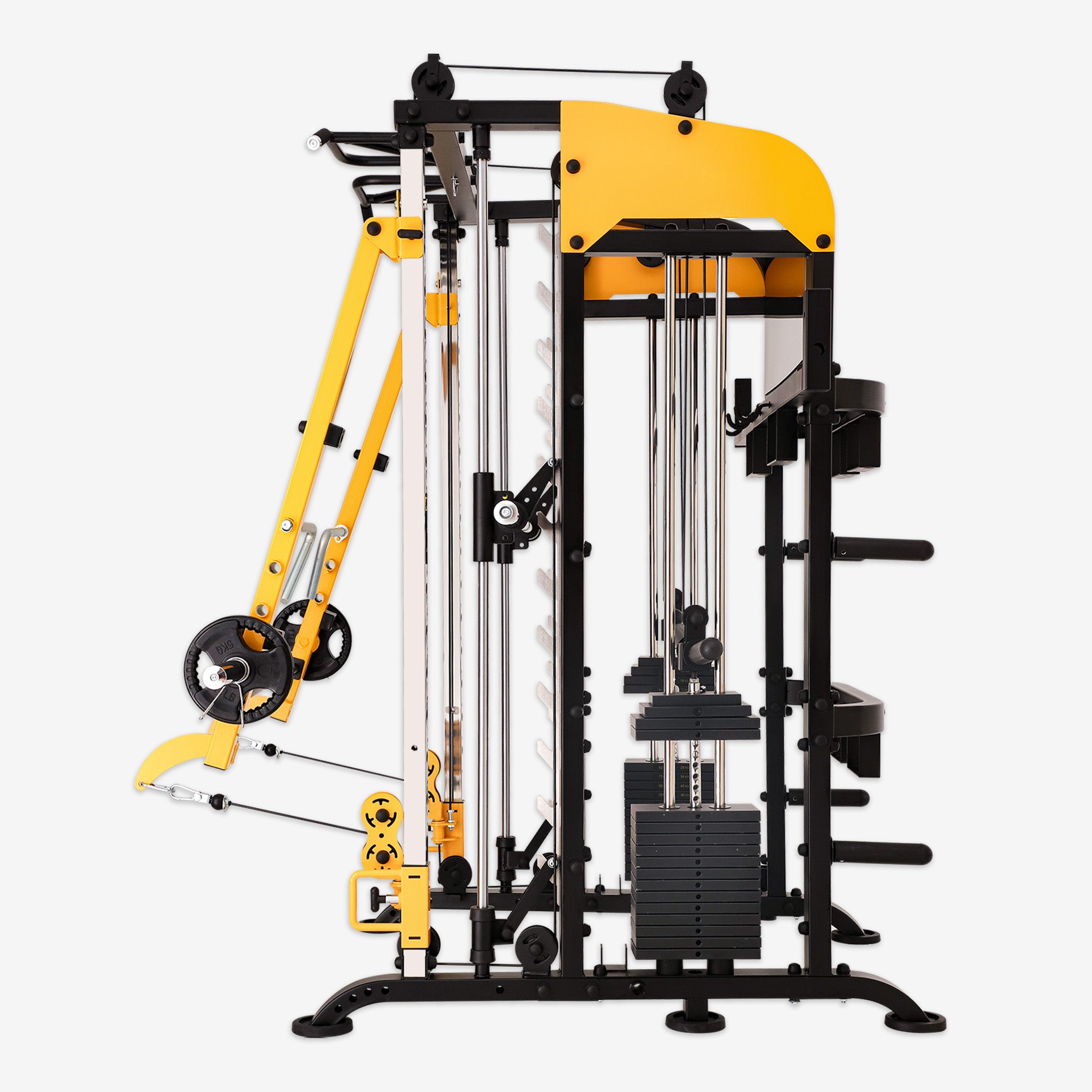
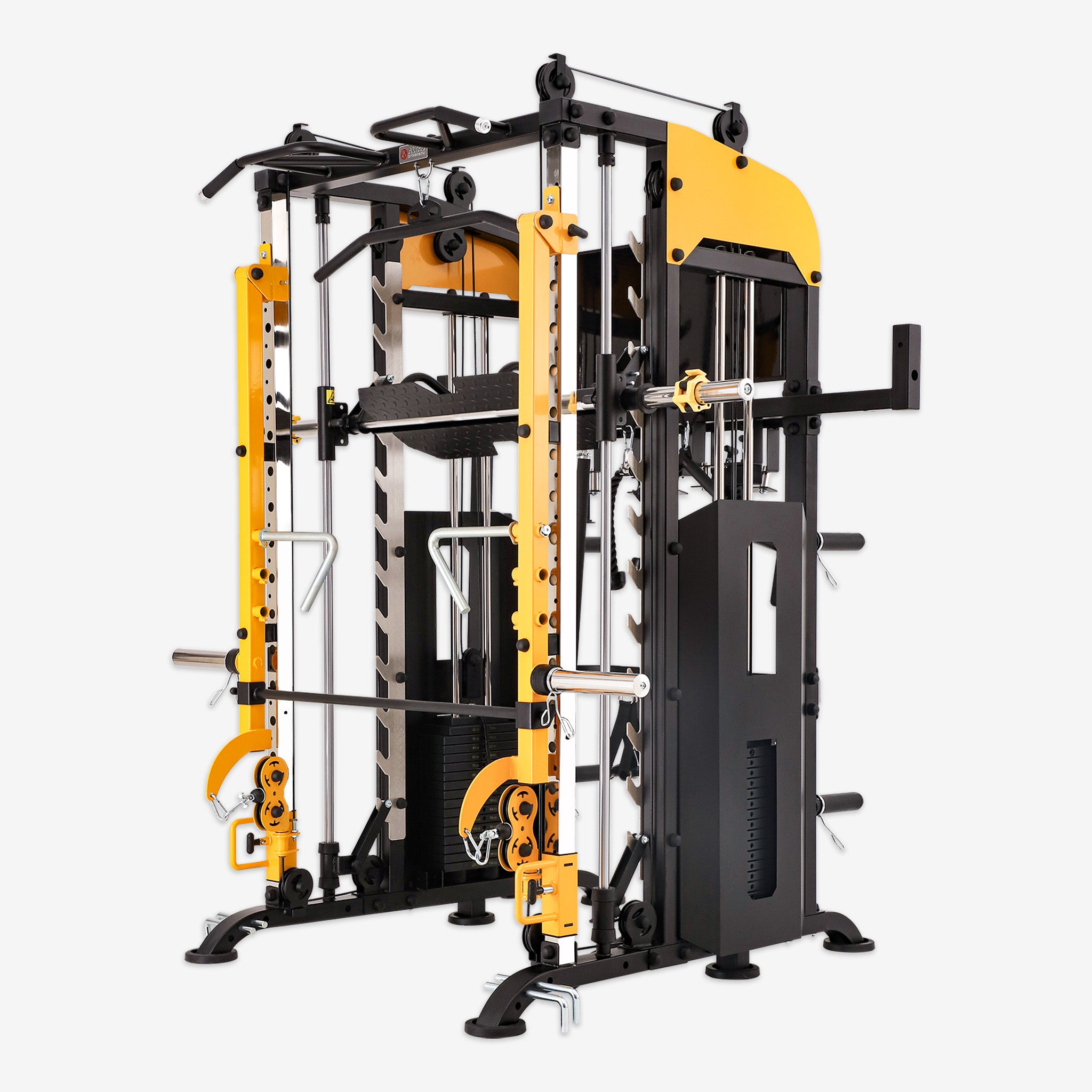
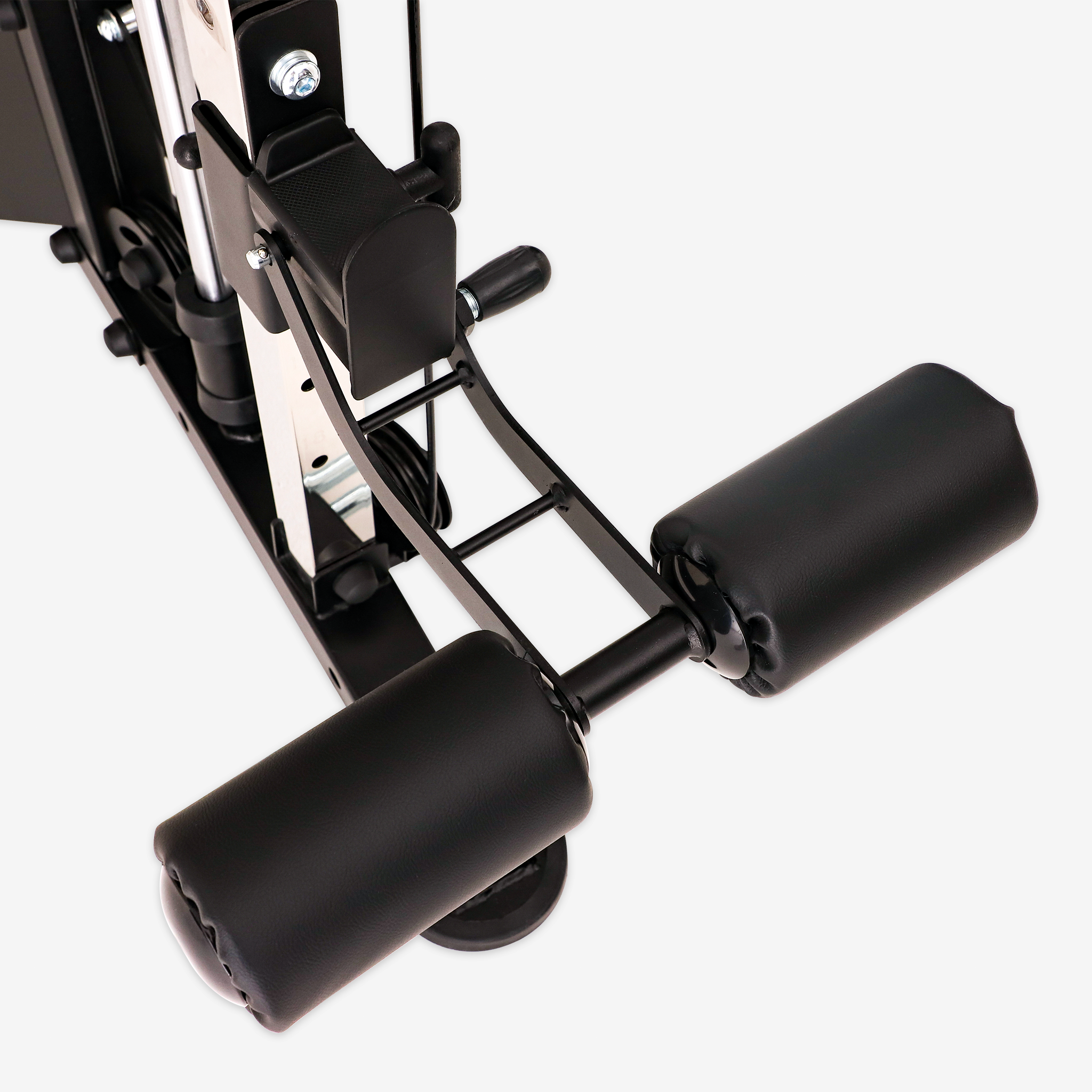
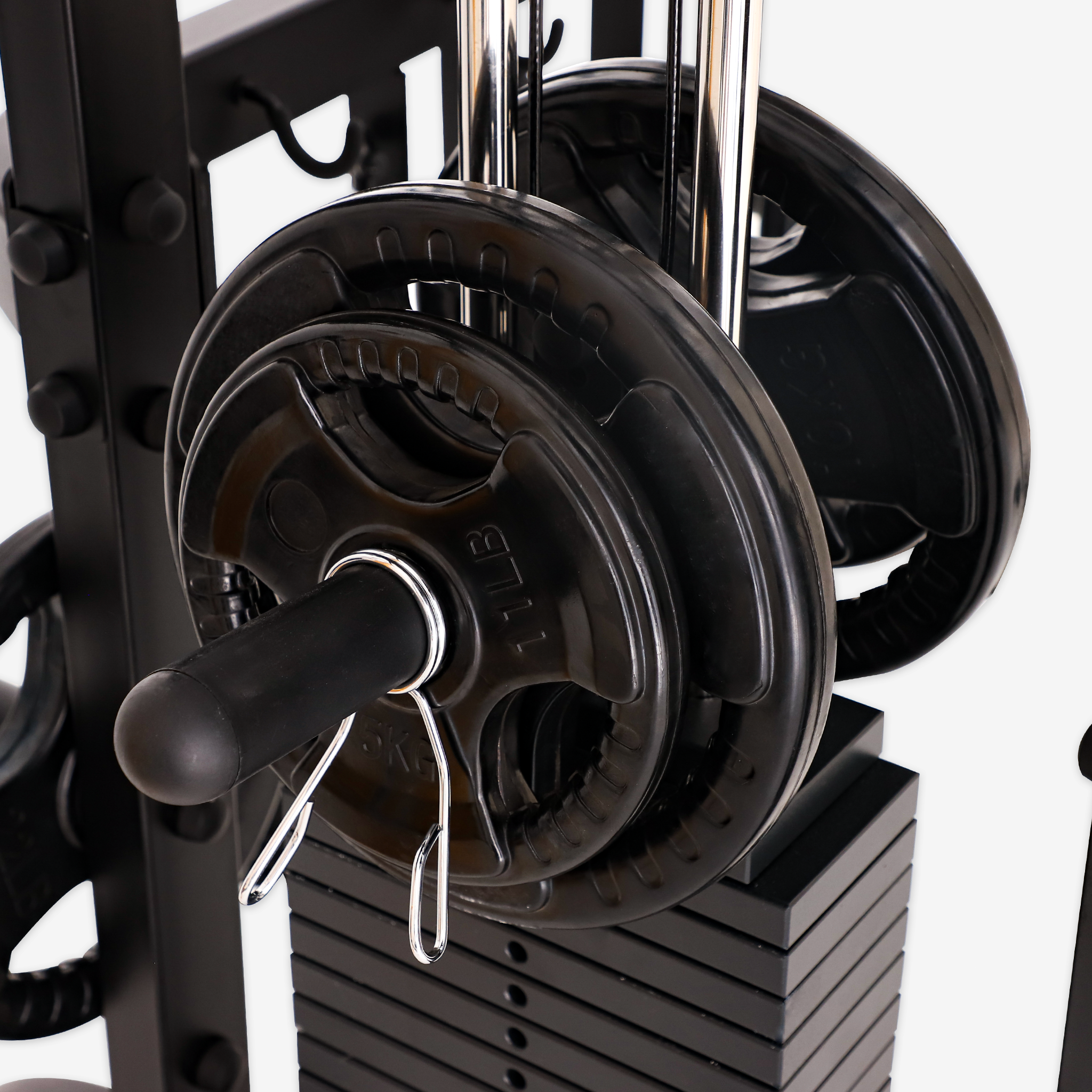
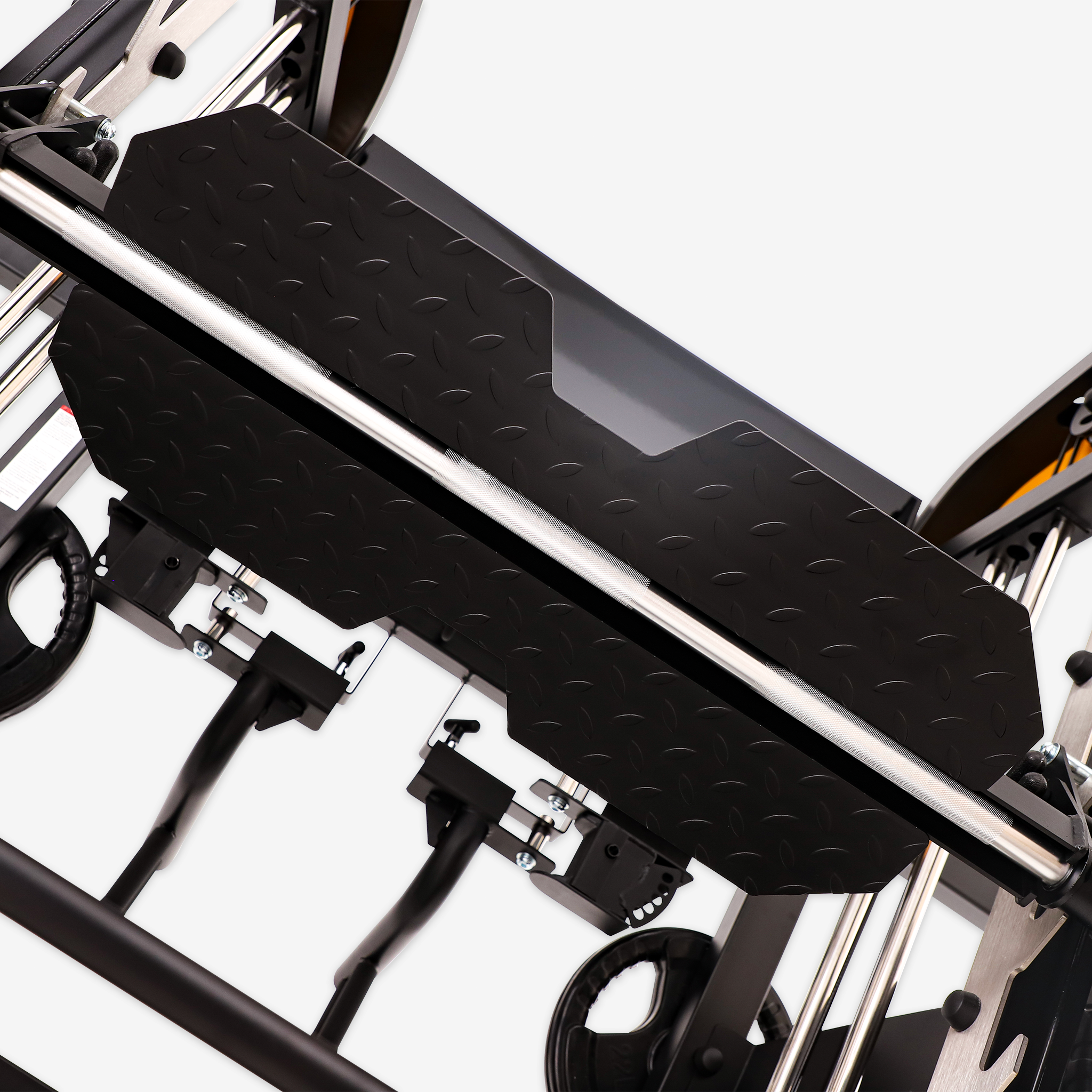
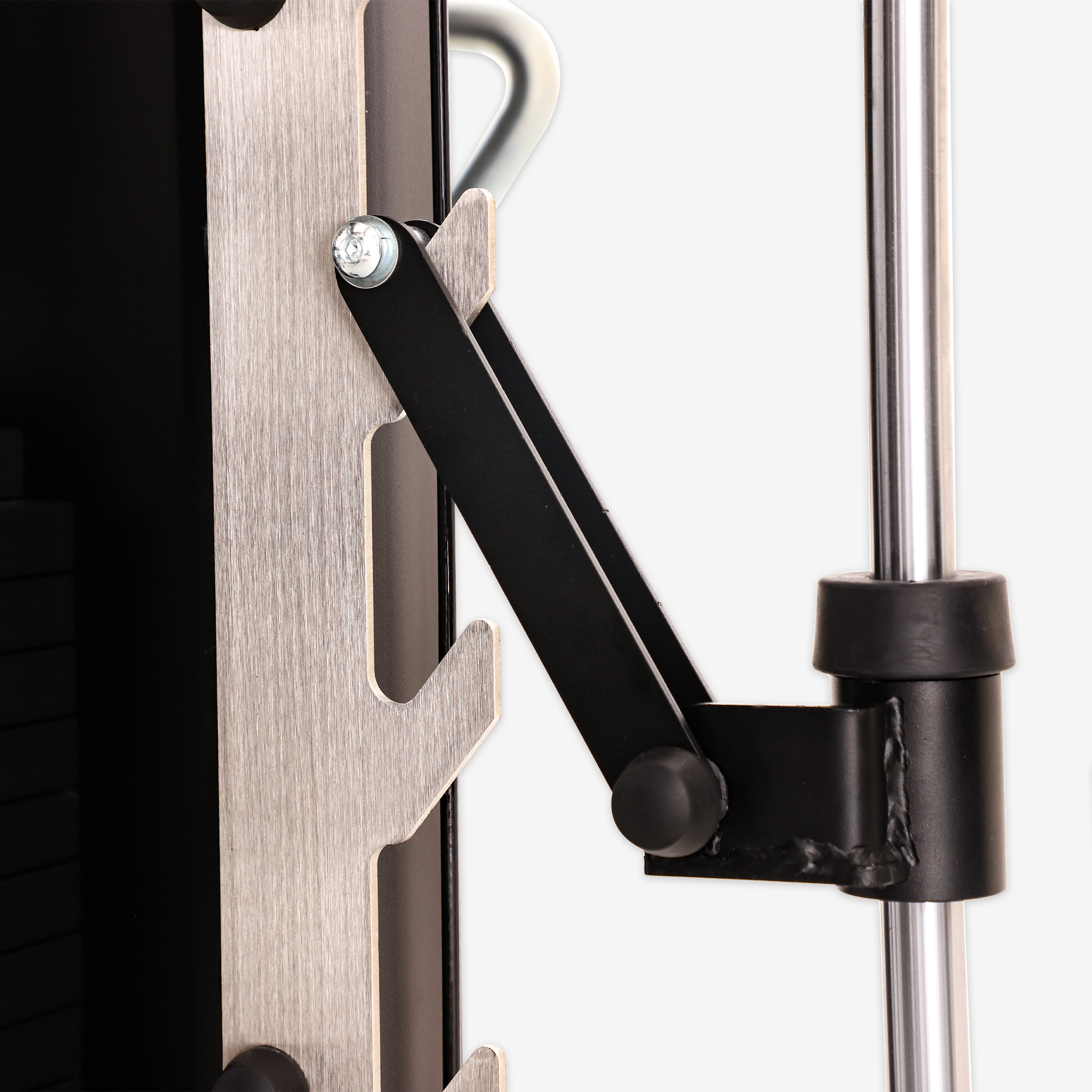
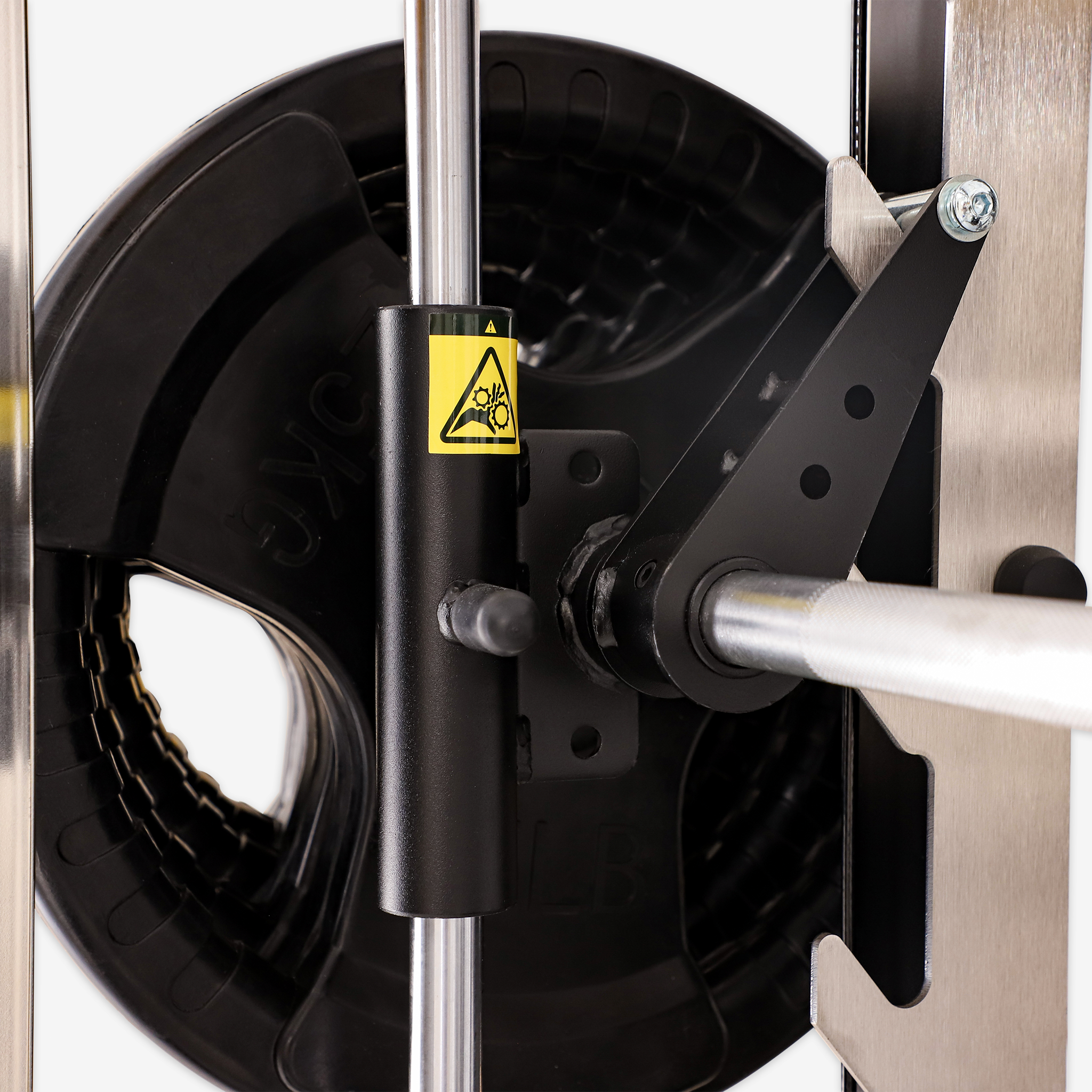
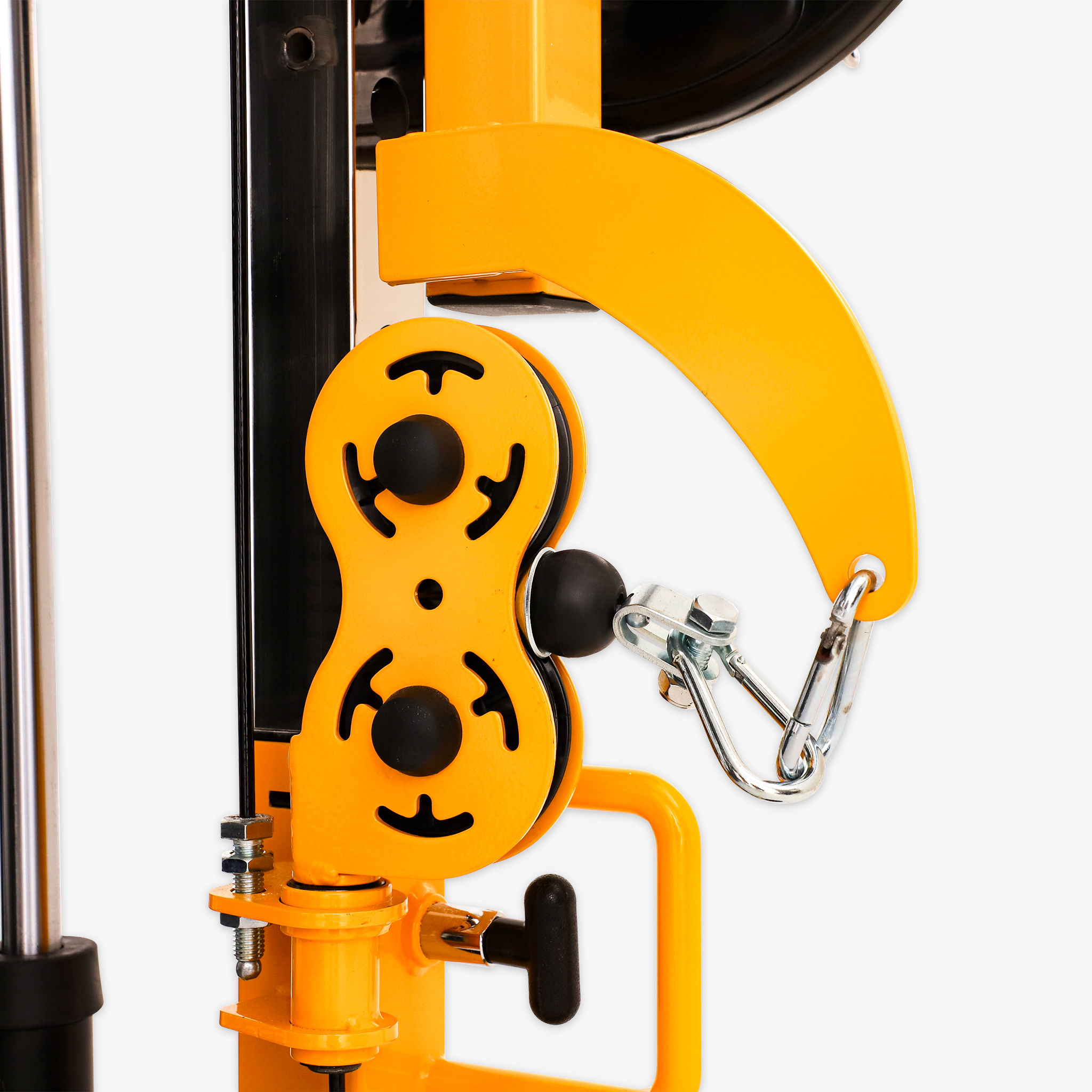
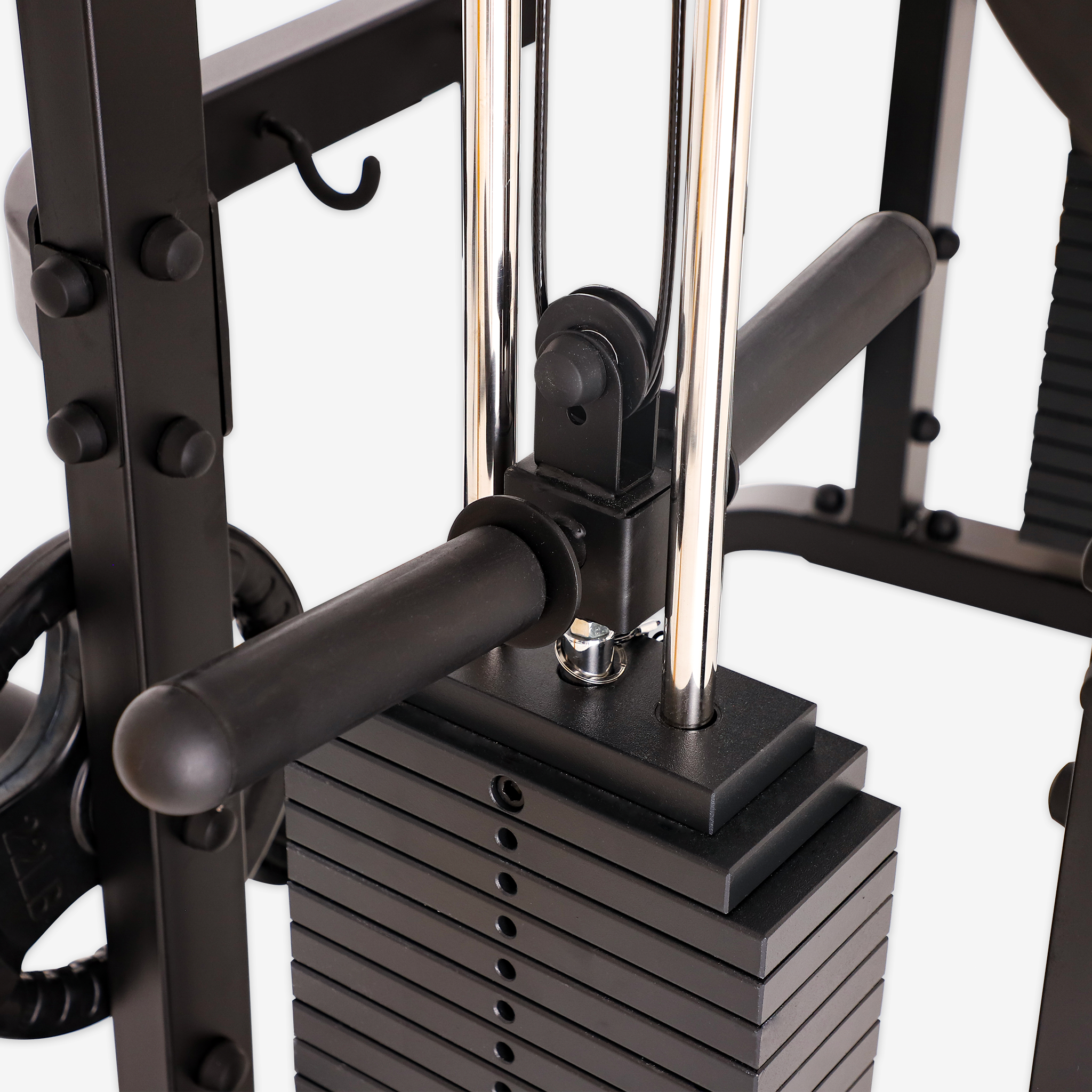
A Smith machine uses a guided bar path and can combine barbell-style movements with additional training stations, depending on the model.
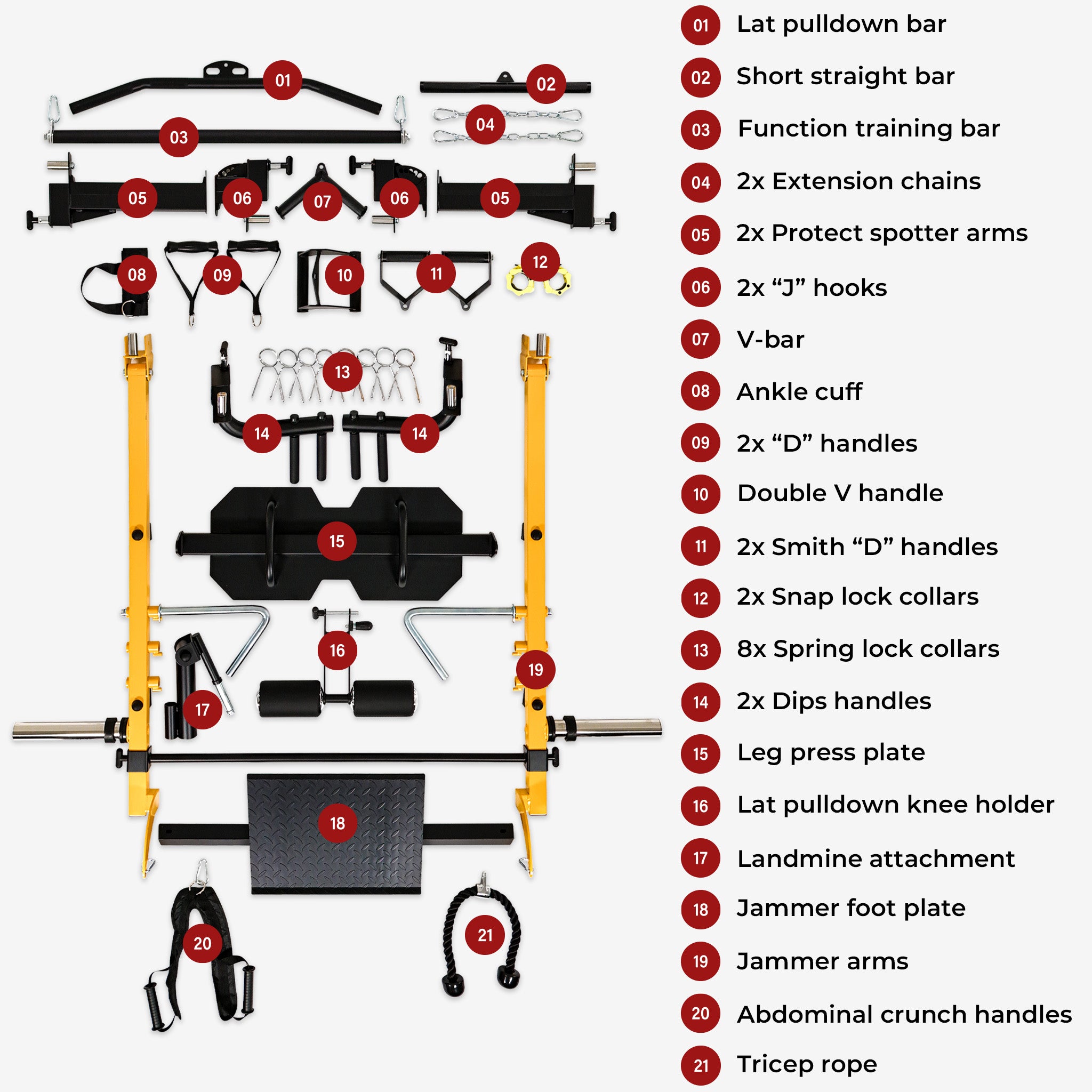
Some systems integrate:
-
Smith machine
-
Rack
-
Cable crossover
-
Lat pulldown
-
Low row
-
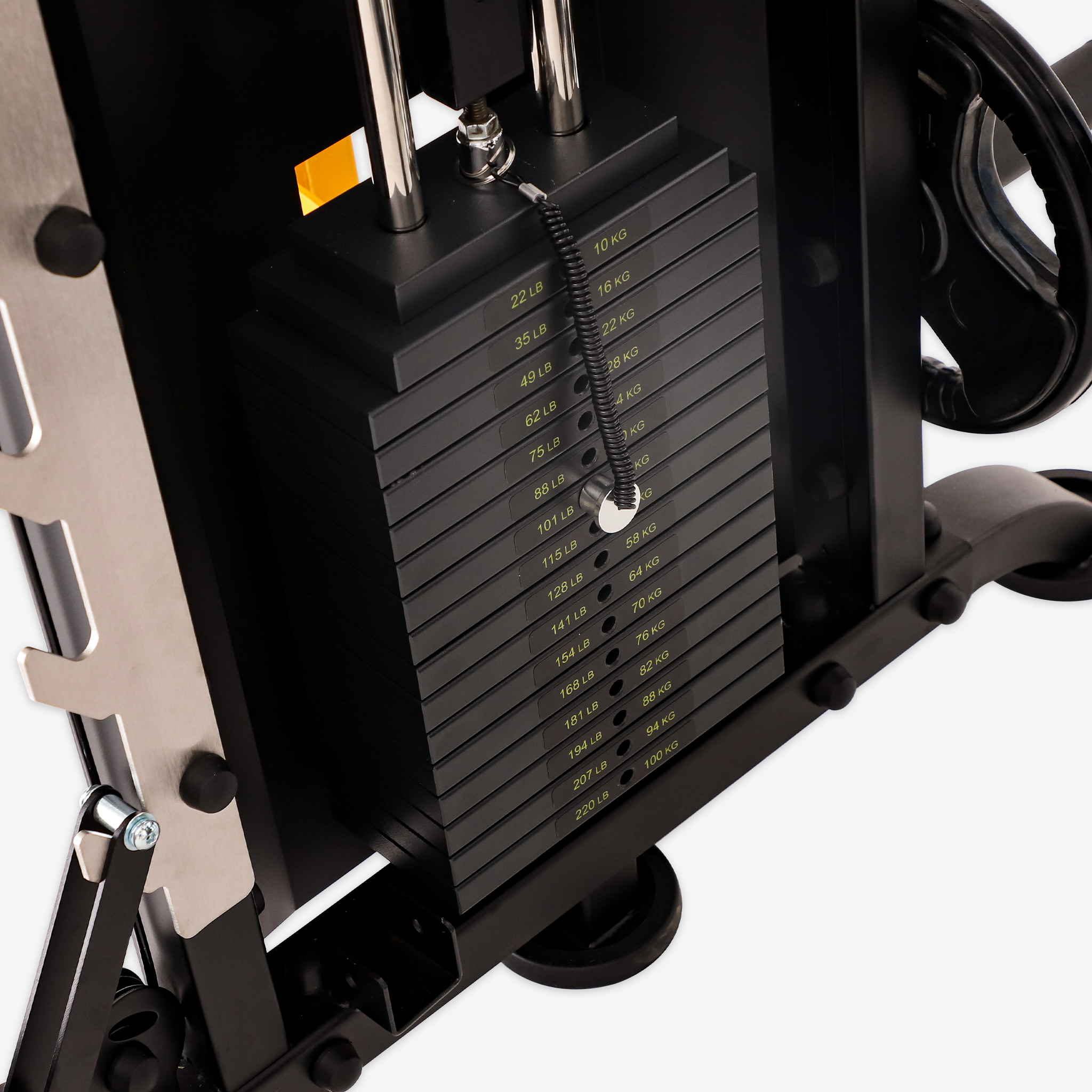
Weight stacks
-
Adjustable bench
-
Additional attachments
This can be particularly relevant when the main problem is not simply choosing between dumbbells and barbells, but how to fit multiple training functions into one home gym.
The tradeoff is that the Smith bar follows a guided path rather than providing the unrestricted movement of a free barbell.
Dumbbell vs Barbell vs Smith Machine
For a home gym buyer, the comparison can therefore become:
| Equipment | Main Strength | Main Tradeoff |
|---|---|---|
| Dumbbells | Flexibility and independent movement | Less efficient for extremely heavy loading |
| Barbell | Heavy compound strength training | Requires more equipment and safety planning |
| Smith machine | Guided training + integrated functions | Less movement freedom than a free bar |
This is why equipment selection should start with the training system you want rather than a single piece of equipment.
Should You Buy Dumbbells or a Barbell First?
There is no universal answer.
Consider your primary training movements.
Prioritize Dumbbells If:
-
You have limited space
-
You want adjustable equipment
-
You perform many accessory exercises
-
You want unilateral training
-
You prefer flexible hand positions
-
You are building a minimalist home gym
Prioritize a Barbell If:
-
Squats are a major training priority
-
Deadlifts are a major training priority
-
Barbell bench press is important
-
You want efficient heavy loading
-
You have enough room for a rack
-
You have an appropriate safety setup
Consider Both If:
-
You have sufficient space
-
You want heavy compound training and accessory work
-
You are building a long-term home gym
-
Multiple training styles are important
A common practical approach is to use the barbell for primary compound movements and dumbbells for accessory and unilateral exercises.
Who May Not Need Dumbbells?
Dumbbells may not be necessary if your training is almost entirely based around heavy barbell compound movements and you have limited storage space.
A large collection of dumbbells also makes little sense if you rarely perform dumbbell exercises.
Who May Not Need a Barbell?
A barbell may not be necessary if:
-
You have very limited space
-
Your training does not include heavy barbell movements
-
You prefer dumbbell and cable exercises
-
You want a minimalist setup
-
You do not have room for an appropriate rack and safety setup
A smaller equipment collection can be more practical when it supports the exercises you actually perform.
The Hybrid Home Gym Approach
For many home gym layouts, the choice does not have to be either/or.
A hybrid setup can combine:
Barbell + Rack + Bench + Adjustable Dumbbells
This creates separate roles for each tool.
Barbell
Primary compound movements and heavier progressive loading.
Dumbbells
Accessory work, unilateral exercises, and movements requiring independent hand positioning.
Rack
Barbell support and safety setup.
Bench
Pressing, rows, seated exercises, and dumbbell work.
This approach can provide a broad training range without requiring a separate machine for every exercise.
For users with more available space, a Smith machine or multi-functional home gym can further integrate several training functions.
How to Choose Between Dumbbells and Barbells
Before purchasing, answer these questions:
1. What Are Your Three Most Important Exercises?
If they are squat, bench press, and deadlift, a barbell setup may be central to your equipment plan.
If they include rows, presses, lunges, curls, raises, and unilateral movements, dumbbells may provide more flexibility.
2. How Much Space Do You Have?
Measure the complete training area, including the space required to operate the equipment.
3. How Heavy Do You Plan to Train?
The heavier your target loads become, the more important efficient loading and appropriate safety equipment become.
4. Do You Train Alone?
If you train without a spotter, consider how each exercise can be performed and what safety equipment is available.
5. Will You Actually Use the Equipment?
The best equipment purchase is not necessarily the one with the most capabilities.
It is the equipment that supports the training you will perform consistently.
Final Takeaway
Dumbbells and barbells are not competing versions of the same tool. They solve different training problems.
Dumbbells provide independent movement, flexible exercise selection, and compact options for home gyms.
Barbells provide efficient heavy loading and are particularly useful for major compound movements such as squats, deadlifts, and bench press.
For many home gym owners, the most versatile solution is not choosing one exclusively. A combination of barbell equipment for primary compound movements and dumbbells for accessory and unilateral training can cover a broad range of strength-training needs.
If space is limited, start with the equipment that supports your highest-priority exercises. If you have enough room and want a more comprehensive training environment, a rack, barbell, dumbbells, bench, or multi-functional Smith machine can be combined into a scalable home gym.
The right choice is ultimately determined by your training goals, available space, budget, experience, and safety setup.