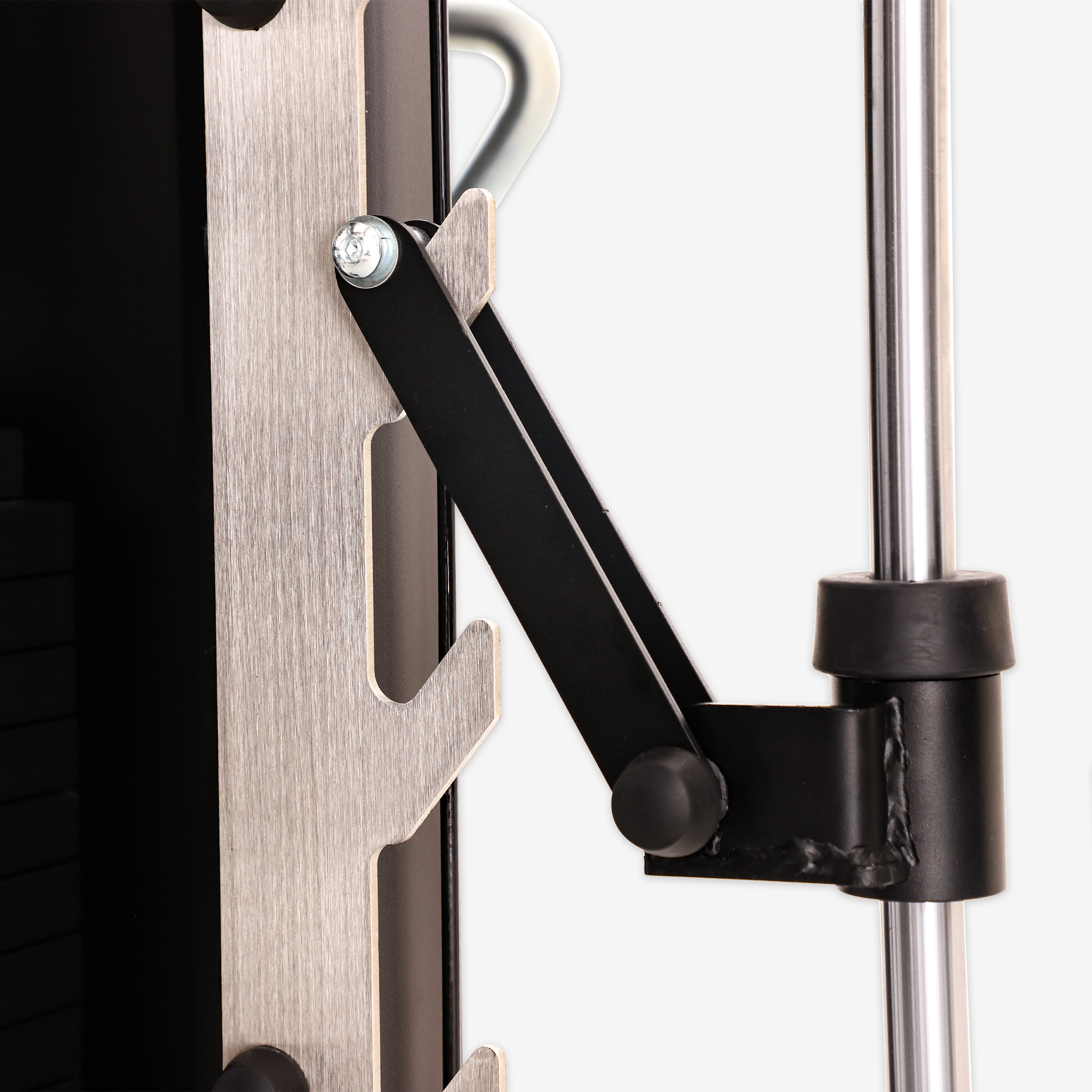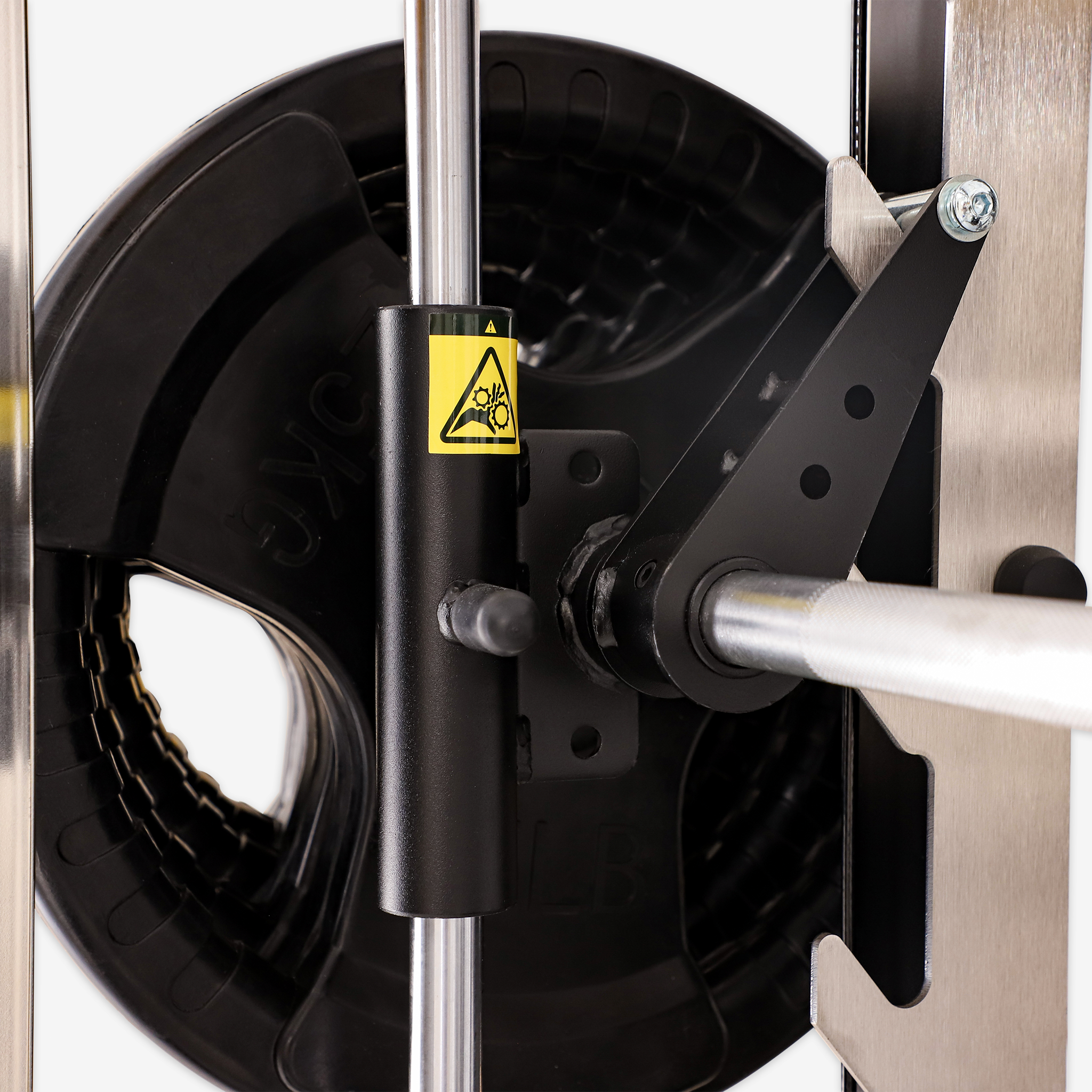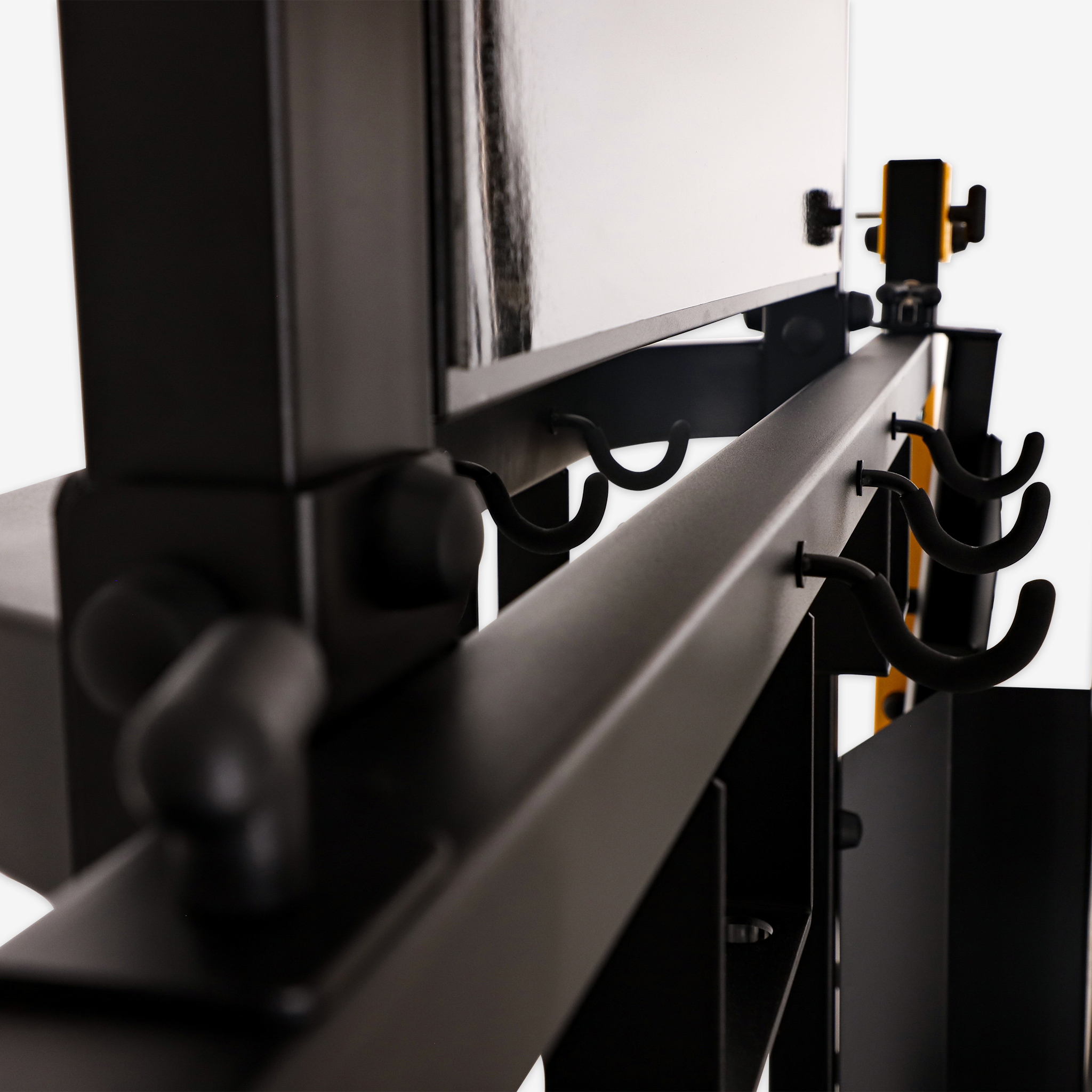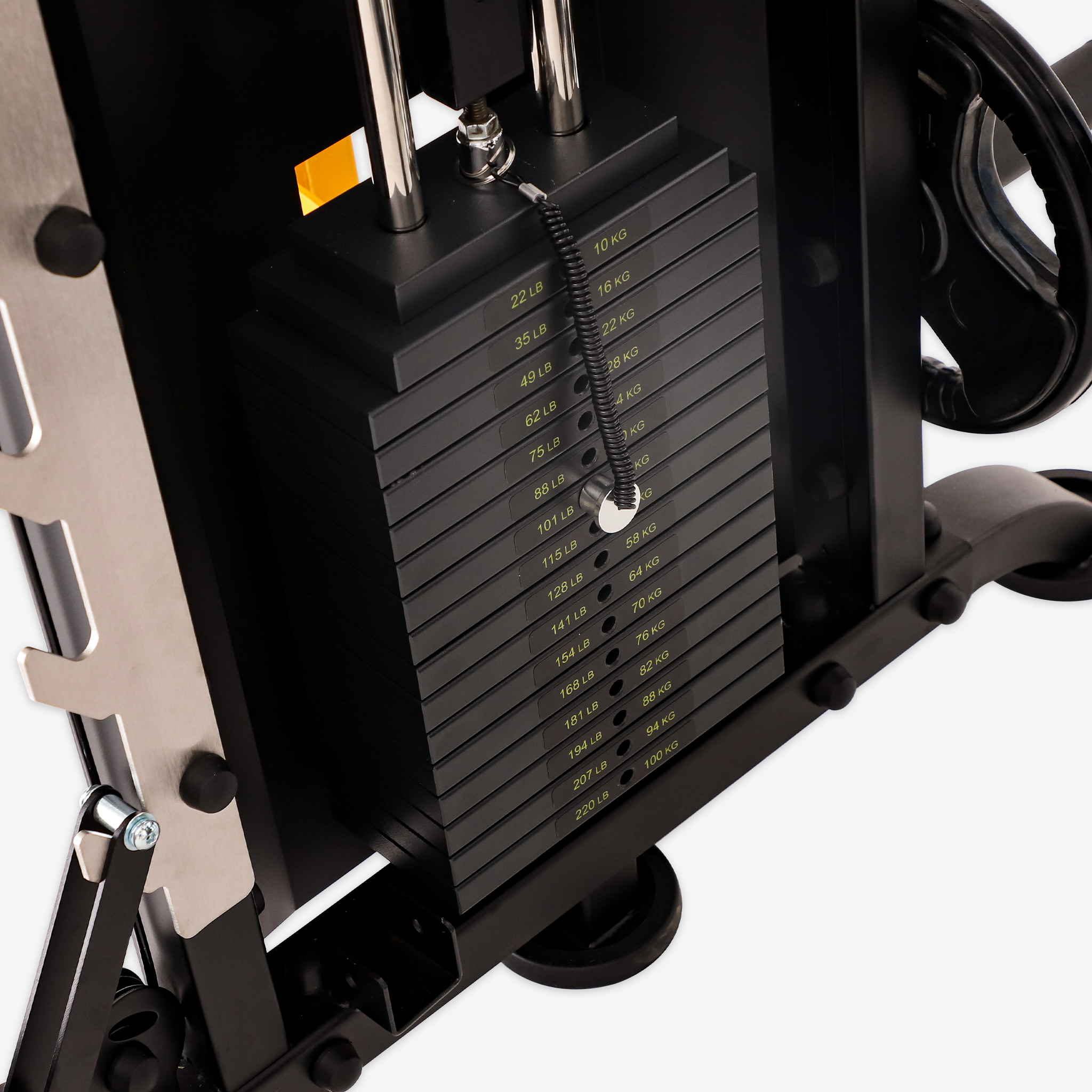
An incline bench press is more than an adjustable bench position. For home gym users, it provides a way to emphasize upper-chest pressing while giving the bench additional uses for other strength exercises.
Choosing the right incline bench means looking beyond the ability to raise the backrest. Frame stability, adjustment options, weight capacity, padding, footprint, and overall versatility all affect whether a bench makes sense for a particular home gym.
This guide explains what an incline bench press is, what buyers should look for, how adjustable benches compare with other options, and who should consider a heavy-duty model such as an Altas Strength adjustable bench.
What Problem Does an Incline Bench Press Solve?
A flat bench press is a foundational horizontal pressing exercise, while changing the bench angle creates a different pressing position that can place greater emphasis on the upper portion of the chest and the front shoulders.
For home gym users, however, the equipment decision involves more than exercise selection.
A suitable incline bench should provide:
-
A stable platform for pressing
-
Reliable backrest and seat adjustments
-
Sufficient capacity for the intended training load
-
A practical range of exercise positions
-
Enough versatility to justify its footprint
-
Construction appropriate for long-term home use
This makes the incline bench press a combination of a training goal and an equipment-selection problem.
Why Use an Incline Bench Press?
Upper-Chest-Focused Pressing
Changing from a flat position to an incline position changes the pressing angle and shifts emphasis toward the upper chest and anterior shoulder muscles.
The exact training effect depends on the incline angle, individual technique, range of motion, and exercise setup.
An adjustable bench therefore gives users more control over pressing angles than a fixed flat bench.
More Than One Chest Exercise
An adjustable bench can support more than incline pressing.
Depending on the specific model and setup, it may also be used for exercises such as:
-
Flat dumbbell presses
-
Incline dumbbell presses
-
Dumbbell flyes
-
Seated shoulder presses
-
Core exercises
-
Other supported strength exercises
This versatility can be particularly useful in a home gym where floor space is limited.
What Should You Look for in an Incline Bench?
Not every adjustable bench provides the same level of stability or functionality.
1. Frame Stability
Frame construction is one of the most important considerations for an incline bench.
Look for measurable specifications such as:
-
Steel tubing dimensions
-
Steel thickness
-
Product weight
-
Stated weight capacity
-
Base width
-
Support structure
-
Adjustment hardware
A heavier, more substantial frame can provide a different experience from a lightweight foldable bench, but buyers should match the construction to their actual training requirements.
2. Backrest and Seat Adjustability
An adjustable bench should provide secure and repeatable positions.
Useful configurations may include:
-
Flat
-
Multiple incline positions
-
Decline
-
Different seat angles
More adjustment positions can provide greater flexibility, but the important factor is whether the positions are appropriate for the exercises you actually perform.
3. Weight Capacity
Weight capacity should be considered as part of the total training load.
For example, when performing a dumbbell press, the relevant load includes the user as well as the external weight.
Buyers should therefore compare the manufacturer's stated capacity with their expected training requirements rather than choosing a capacity based only on the largest number advertised.
4. Padding and Upholstery
Bench padding needs to balance support, durability, and comfort.
Firm performance-oriented padding may provide a stable surface for pressing, while users looking for a softer recreational bench may prefer a different feel.
There is no universally correct level of firmness.
5. Footprint
A heavy-duty bench generally requires more material and floor space than an ultra-light portable bench.
Before buying, measure:
-
Storage area
-
Workout area
-
Doorway clearance
-
Distance from surrounding equipment
-
Clearance needed for dumbbells and other accessories
A bench that fits in storage but leaves insufficient workout clearance is not a practical home gym solution.
Incline Bench vs Other Home Gym Options
Buyers usually compare an adjustable incline bench with several alternatives.
| Option | Main Advantage | Main Limitation |
|---|---|---|
| Lightweight adjustable bench | Lower cost and easier portability | Usually less substantial |
| Fixed incline bench | Simple dedicated setup | Limited exercise positions |
| Heavy-duty adjustable bench | Stability plus multiple positions | Heavier and often more expensive |
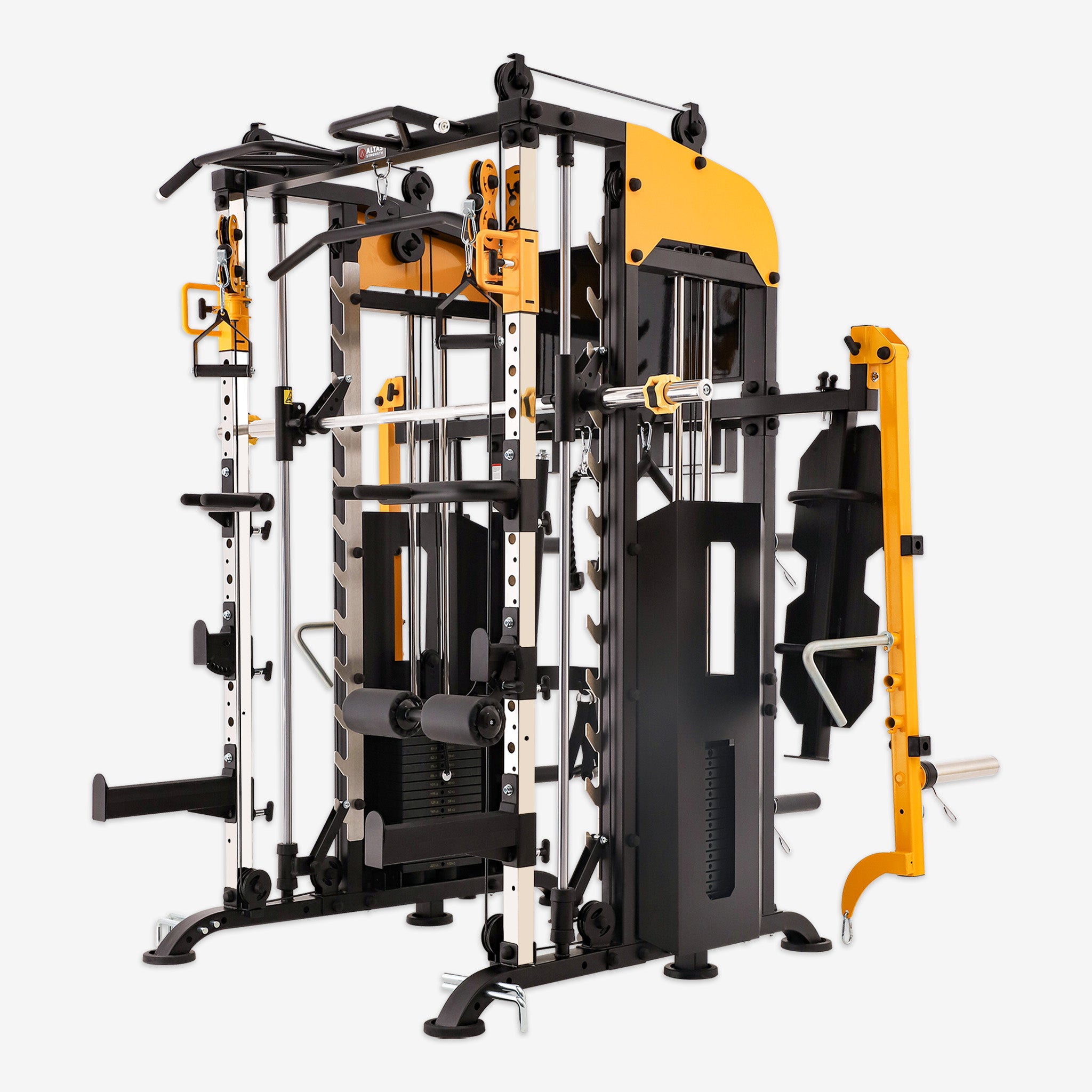
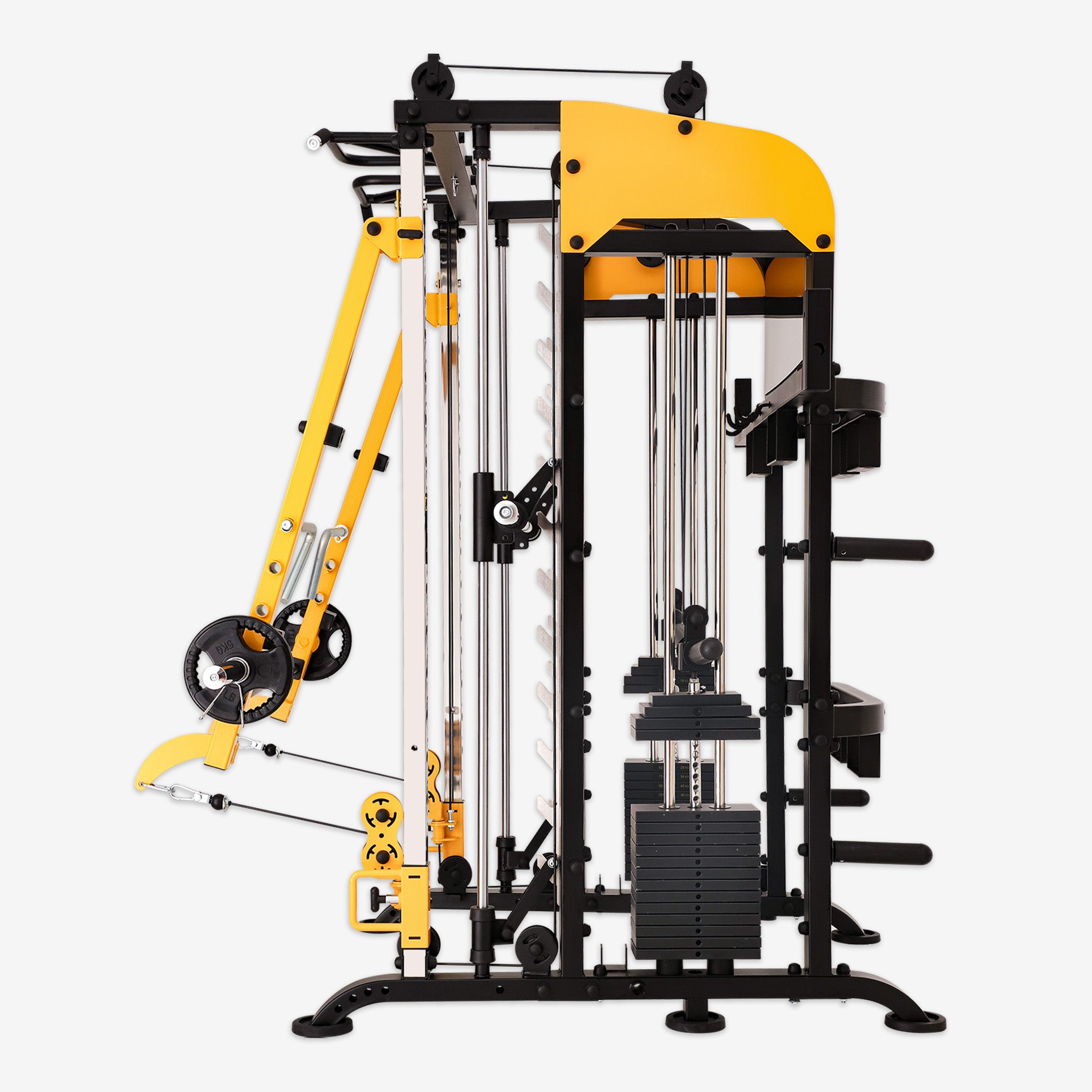
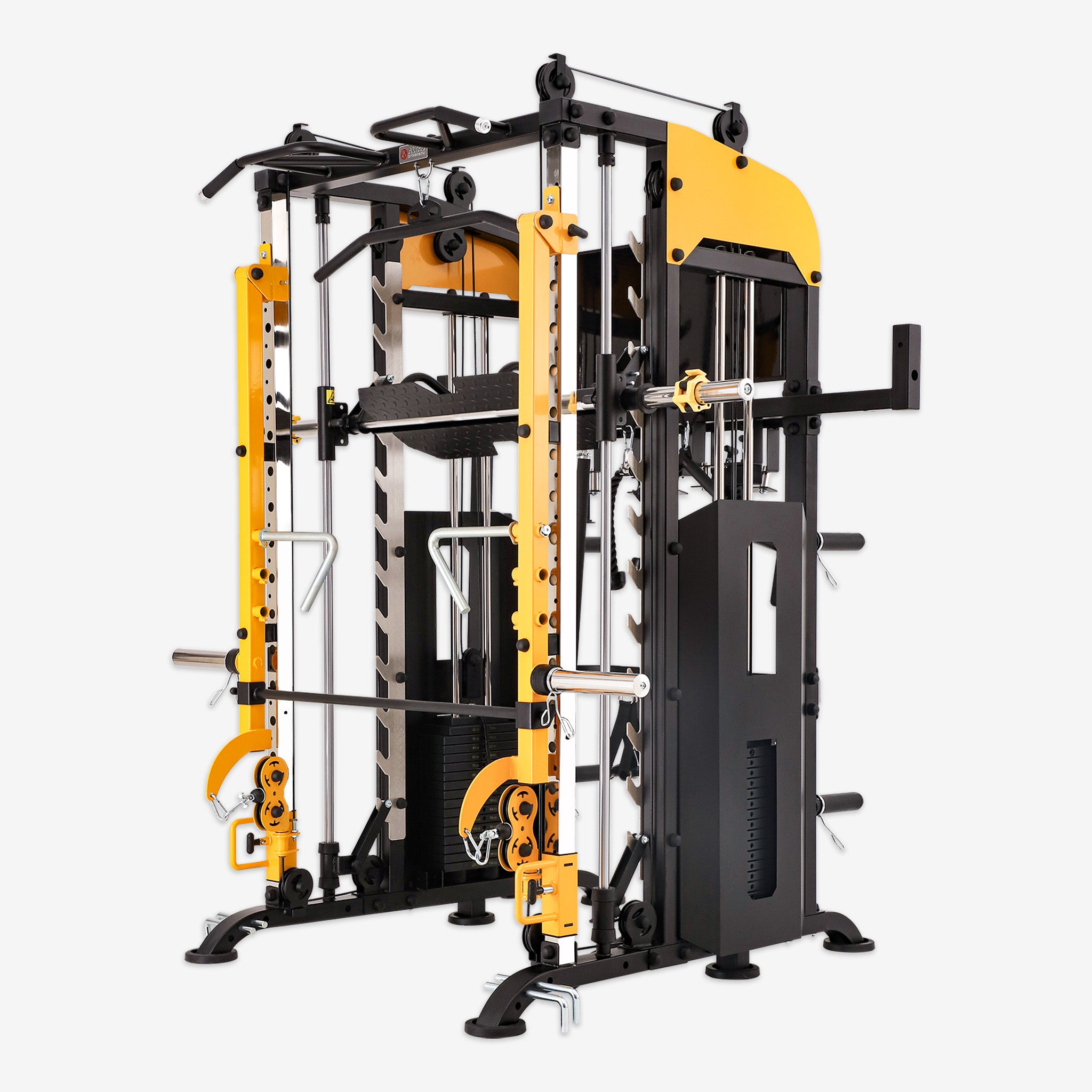
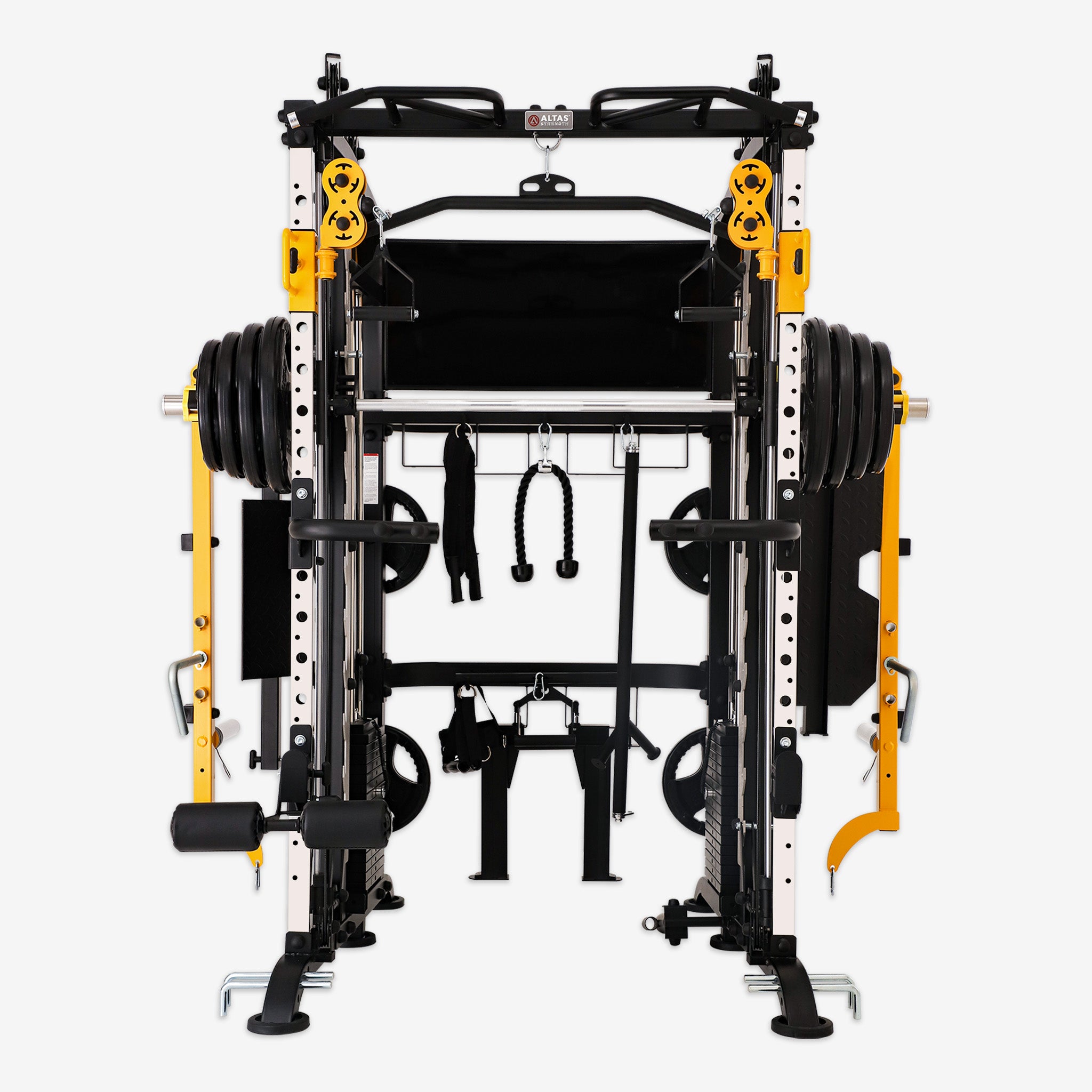
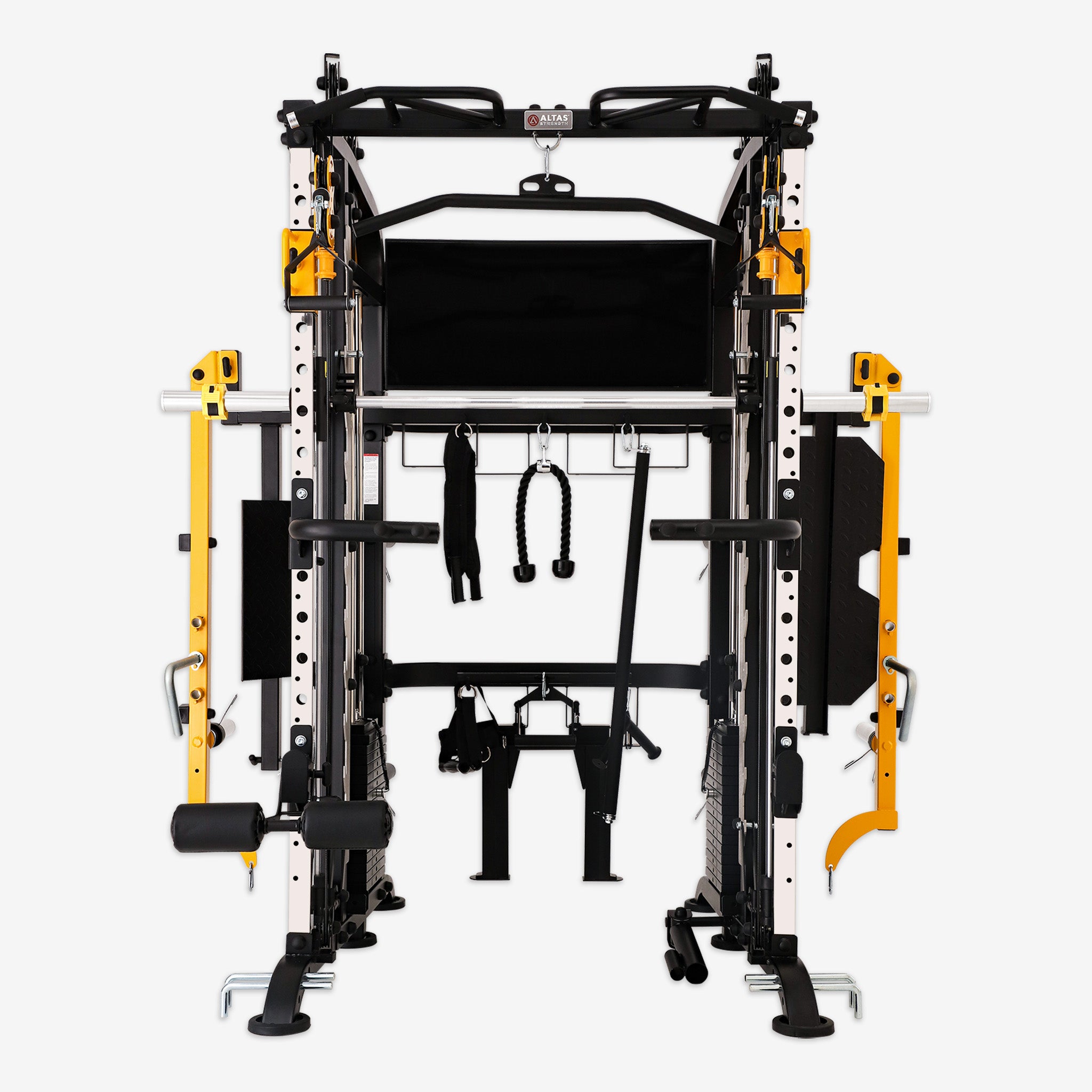
| Smith machine + bench | Integrated strength-training system | Larger footprint and higher investment |
| Flat bench | Simple and compact | No incline or decline adjustment |
The best choice depends on whether the buyer prioritizes portability, versatility, stability, or a complete home gym system.
Altas Strength Incline Bench Press: Where It Fits
The Altas Strength approach is positioned toward buyers who want a more substantial adjustable bench rather than an ultra-light portable model.
Its value proposition is centered on three areas:
Heavy-Duty Construction
A substantial steel frame is intended to provide a stable platform for strength training.
This is particularly relevant for users who expect to keep the bench as part of a long-term home gym rather than treating it as occasional exercise equipment.
Multi-Angle Training
An adjustable configuration allows users to change the bench position for different exercises rather than limiting the equipment to one pressing angle.
This gives one bench a broader role within a home gym.
Home Gym Versatility
An adjustable bench can work alongside dumbbells, racks, Smith machines, and other strength equipment.
For buyers building a complete home gym, this can make an adjustable bench more useful than a single-purpose incline station.
Common Drawbacks to Consider
A heavy-duty adjustable bench is not automatically the right choice for every buyer.
It May Be Too Large for Very Small Spaces
A substantial frame generally takes more space than a minimalist folding bench.
Buyers with a micro-apartment or extremely limited workout area should measure the complete footprint before purchasing.
Assembly May Require More Work
More substantial equipment can involve more components and assembly than a simple pre-assembled bench.
Check the assembly requirements before ordering, particularly if you do not have suitable tools or assistance available.
Firmer Padding May Not Suit Everyone
Performance-oriented benches may use firmer padding than lightweight recreational benches.
Users who prioritize soft cushioning over a firm pressing surface may prefer a different design.
It May Be More Than a Casual User Needs
If the primary goal is occasional light exercise, a heavy-duty adjustable bench may provide more capacity and construction than necessary.
In that situation, a simpler bench can be a more appropriate purchase.
Who Should Buy a Heavy-Duty Incline Bench?
A substantial adjustable bench may make sense for users who:
-
Regularly perform pressing exercises
-
Want both flat and incline training positions
-
Use dumbbells or other free weights
-
Want one bench to support multiple exercises
-
Are building a long-term home gym
-
Value a more substantial frame
-
Expect their training requirements to increase over time
It may be less suitable for users who:
-
Need an ultra-portable bench
-
Have extremely limited floor space
-
Only perform occasional light workouts
-
Prefer very soft padding
-
Do not want to assemble equipment
How to Choose the Right Incline Bench for Your Home Gym
Use this checklist before purchasing.
Training Requirements
Ask:
-
Do I primarily need incline pressing?
-
Do I also need a flat position?
-
Would decline or additional angles be useful?
-
Will I use dumbbells with the bench?
-
Will more than one person use it?
Space Requirements
Measure:
-
Bench dimensions
-
Storage dimensions
-
Ceiling height
-
Doorway clearance
-
Workout clearance around the bench
Construction
Check:
-
Steel frame specifications
-
Product weight
-
Stated capacity
-
Base design
-
Adjustment mechanism
-
Hardware
Comfort
Consider:
-
Pad thickness
-
Pad firmness
-
Backrest width
-
Seat design
-
Upholstery material
Long-Term Value
Finally, consider whether the bench will still meet your needs as your training develops.
A lightweight bench may be sufficient for a casual user, while a heavier adjustable bench may make more sense for someone building a permanent strength-training space.
Incline Bench Press: The Bottom Line
The best incline bench press setup is not simply the bench with the highest capacity or the most adjustment positions.
The better choice is the one that provides the stability, adjustment range, capacity, comfort, footprint, and versatility appropriate for your training and home environment.
For buyers building a serious home gym, a heavy-duty adjustable bench such as an Altas Strength model can provide a more substantial foundation for incline pressing and other supported exercises.
For buyers with very limited space or only occasional light-training needs, a smaller and lighter bench may be the more practical option.
Core decision: Choose an incline bench based on how you train, how much space you have, and how the bench will fit into your complete home gym—not simply on its advertised weight capacity or number of adjustment positions.