Choosing home gym equipment in Canada is not simply about finding the most machines or the lowest price. Canadian buyers often have to balance winter weather, residential space, noise, equipment durability, workout goals, and long-term value.
For homeowners, condo residents, and garage gym owners, the right setup should fit the space available, support the type of training planned, and remain practical for year-round indoor use.
This guide explains the main buying decisions behind home gym equipment in Canada, including what Canadian buyers should consider, which equipment features matter most, common problems with budget equipment, and when a premium home gym setup may or may not make sense.
Why Canadians Choose Home Gym Equipment
1. Reduce Dependence on a Commercial Gym
A home gym can reduce the need for recurring gym memberships and eliminate the time required to travel to and from a commercial facility.
For people who train several times per week, the convenience of having equipment at home can become an important part of the buying decision.
Instead of planning around gym hours, traffic, or commuting schedules, homeowners can train when their schedule allows.
2. Train Indoors During Canadian Winters
Canadian winters can create a long indoor training season, particularly in provinces and regions where snow, ice, and cold temperatures limit outdoor activities.
A home gym provides a dedicated indoor environment for strength training throughout the year.
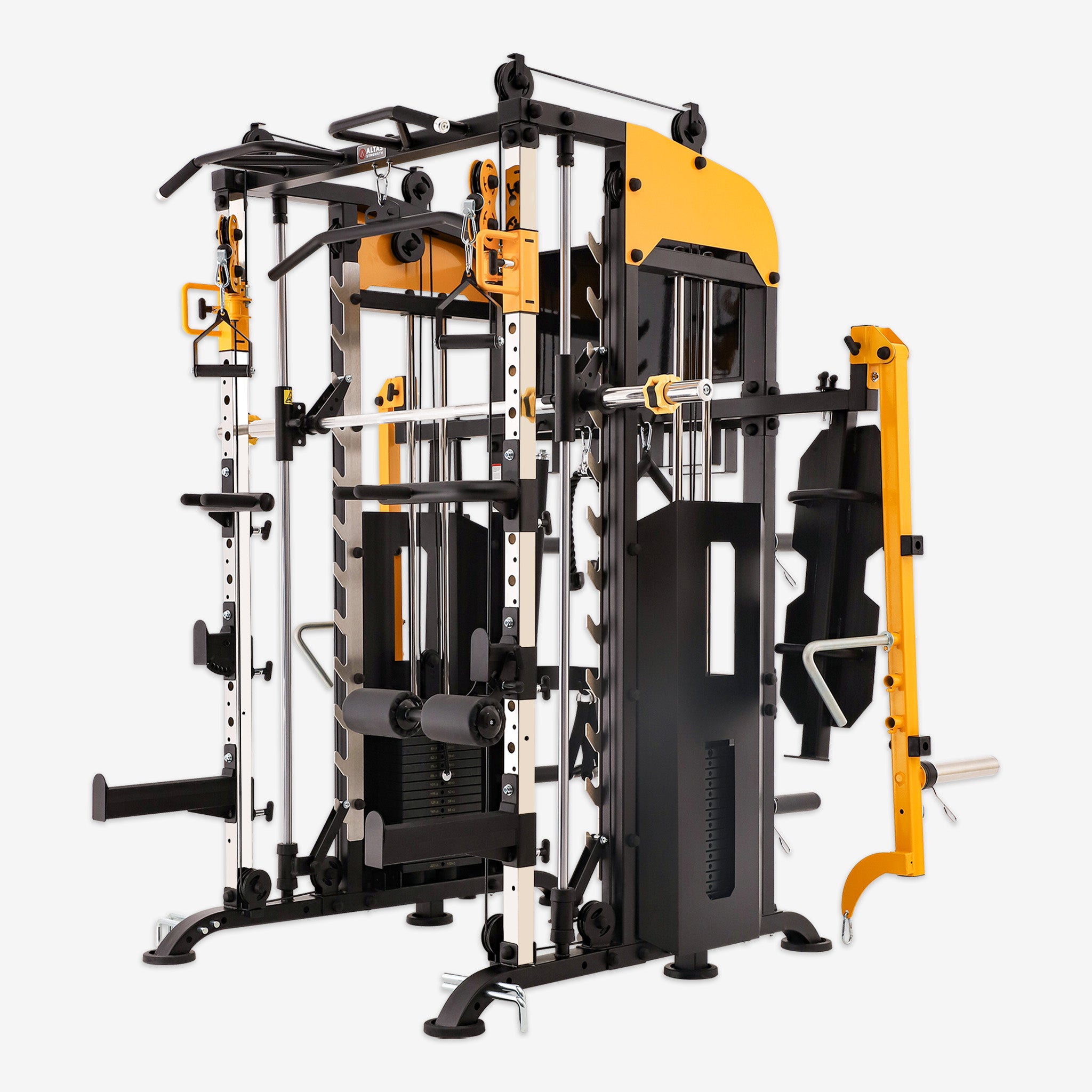
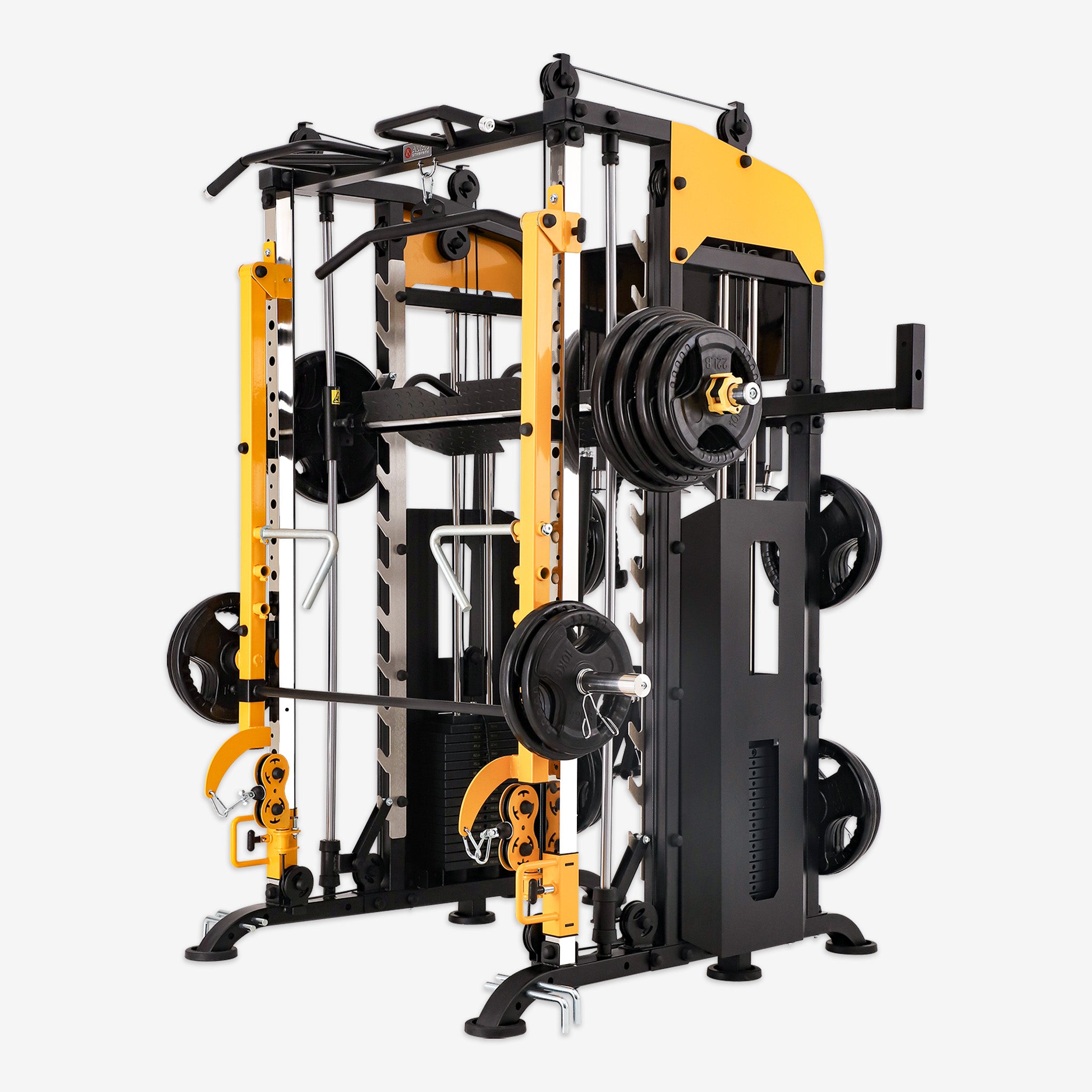
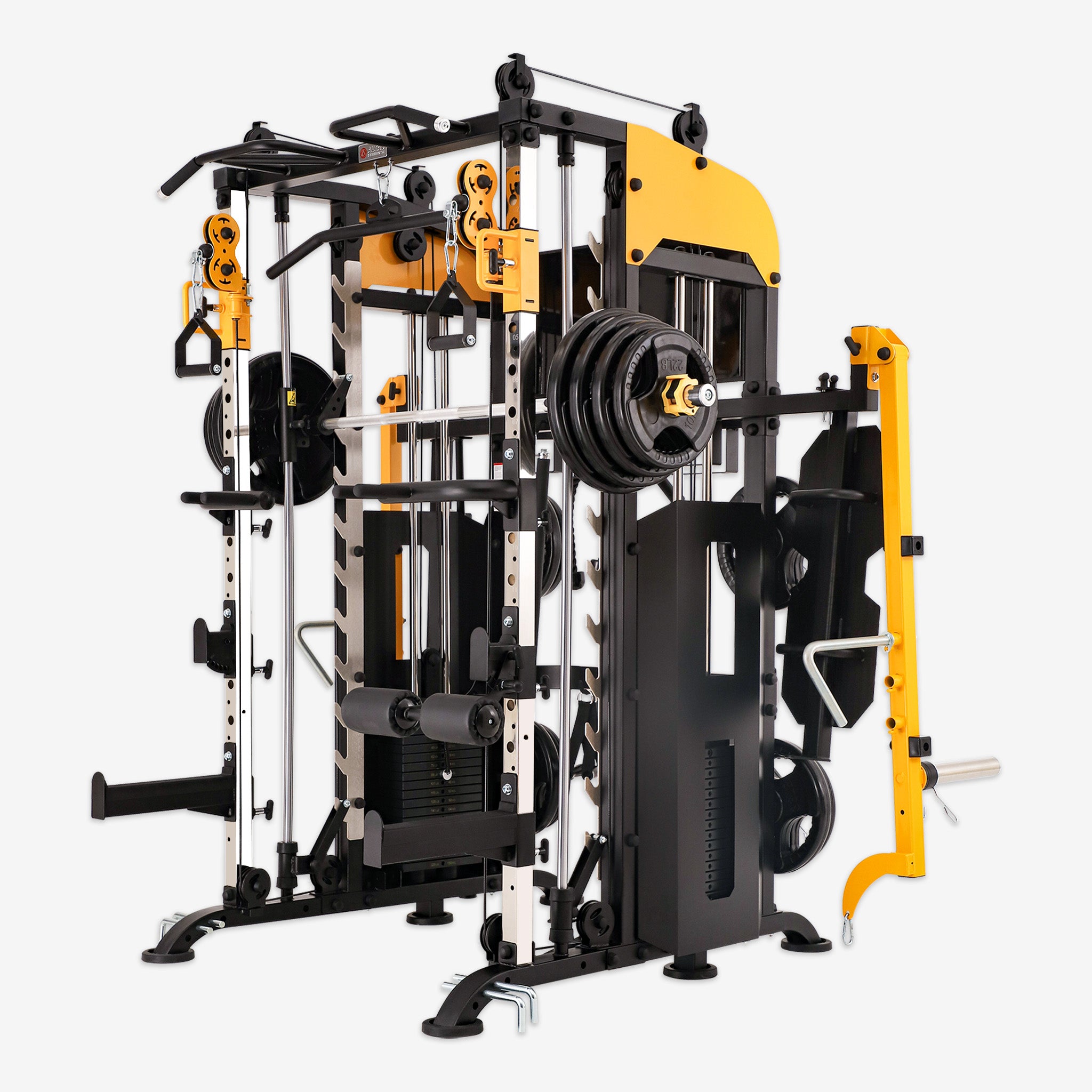
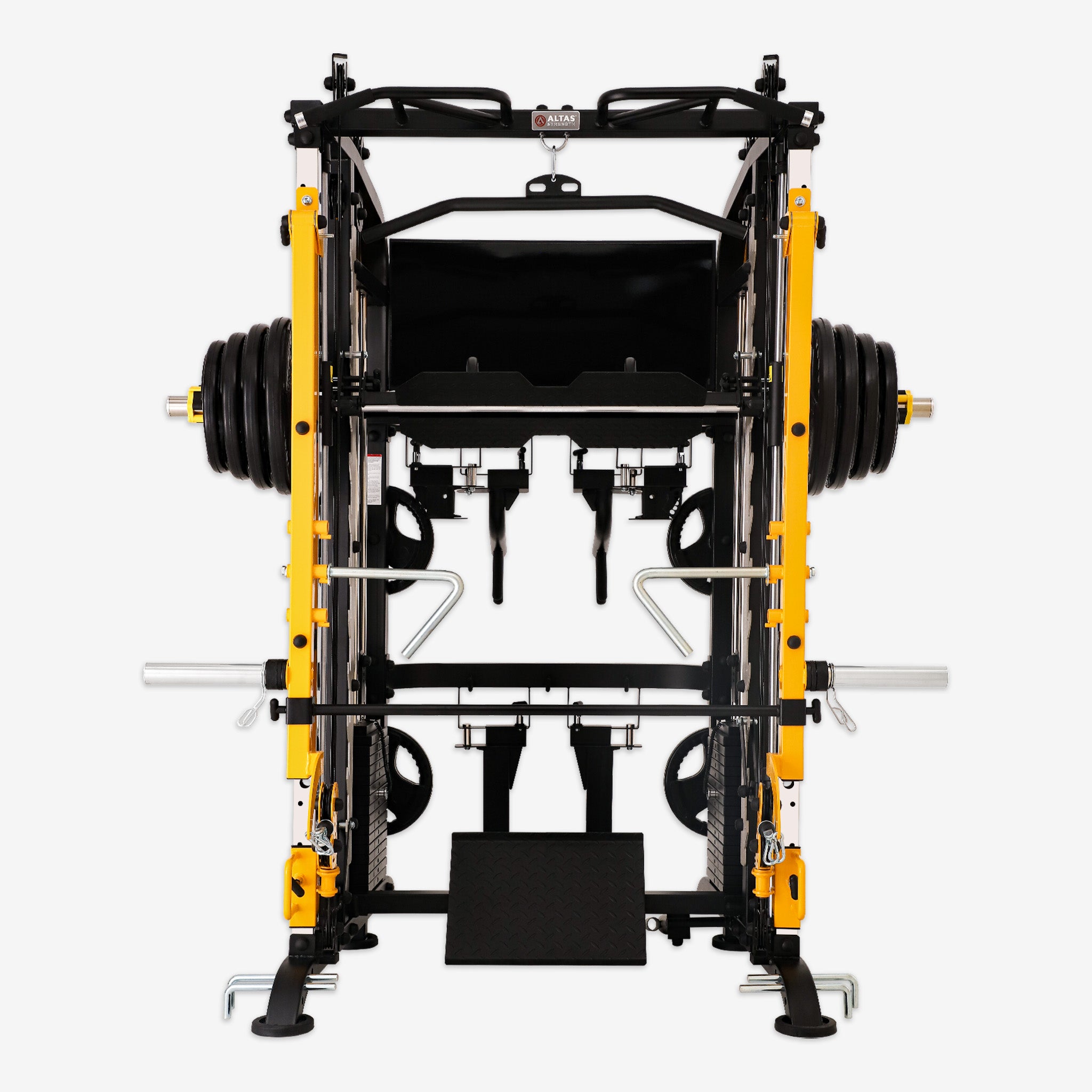
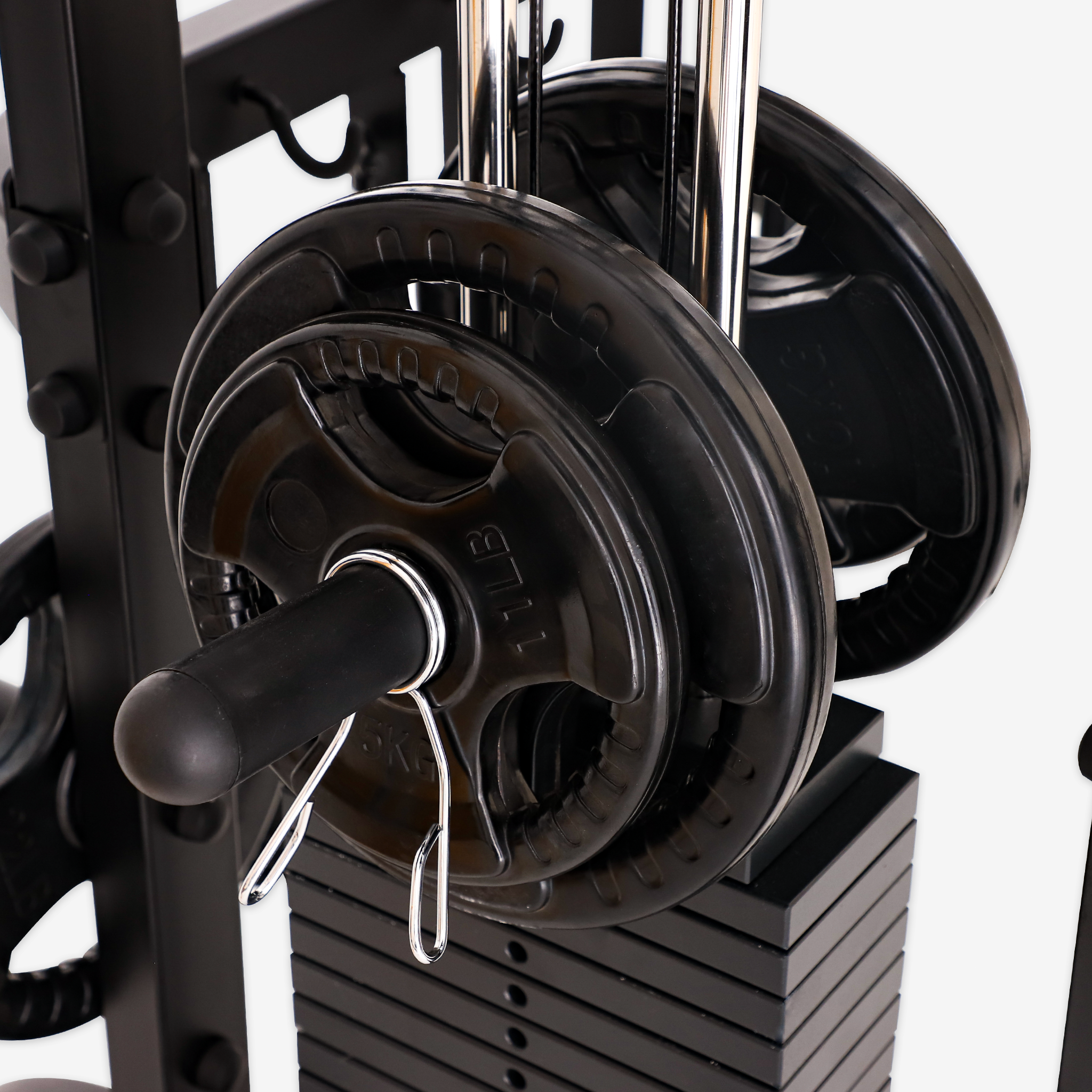
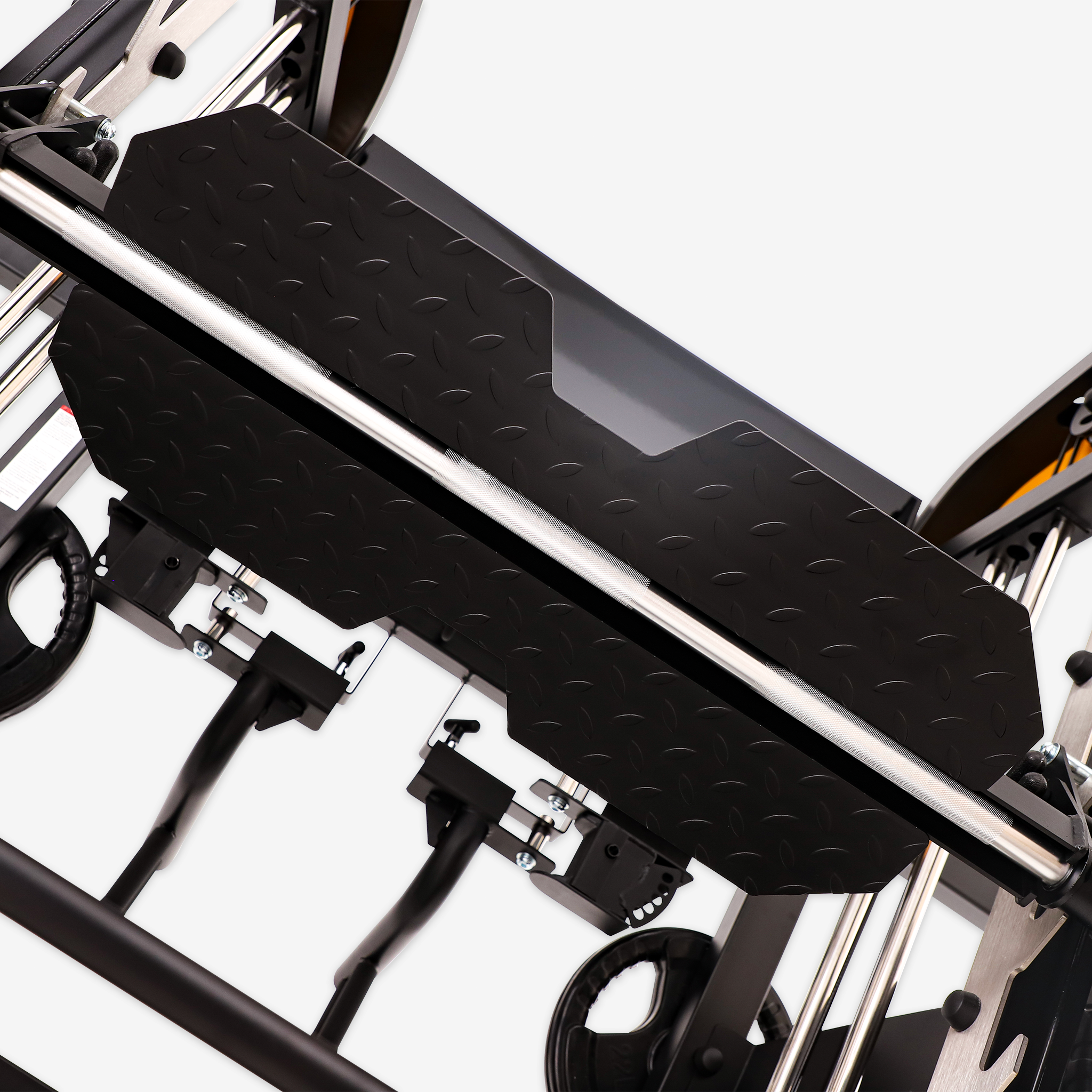
This makes equipment such as adjustable benches, racks, Smith machines, cable systems, dumbbells, and multifunctional strength stations particularly useful for homeowners who want consistent indoor training.
3. Make Better Use of Limited Residential Space
Not every Canadian home has room for a commercial-size gym.
Condos, townhomes, finished basements, spare bedrooms, and smaller garages may require equipment with a more practical footprint.
This makes space efficiency an important consideration when comparing home gym equipment.
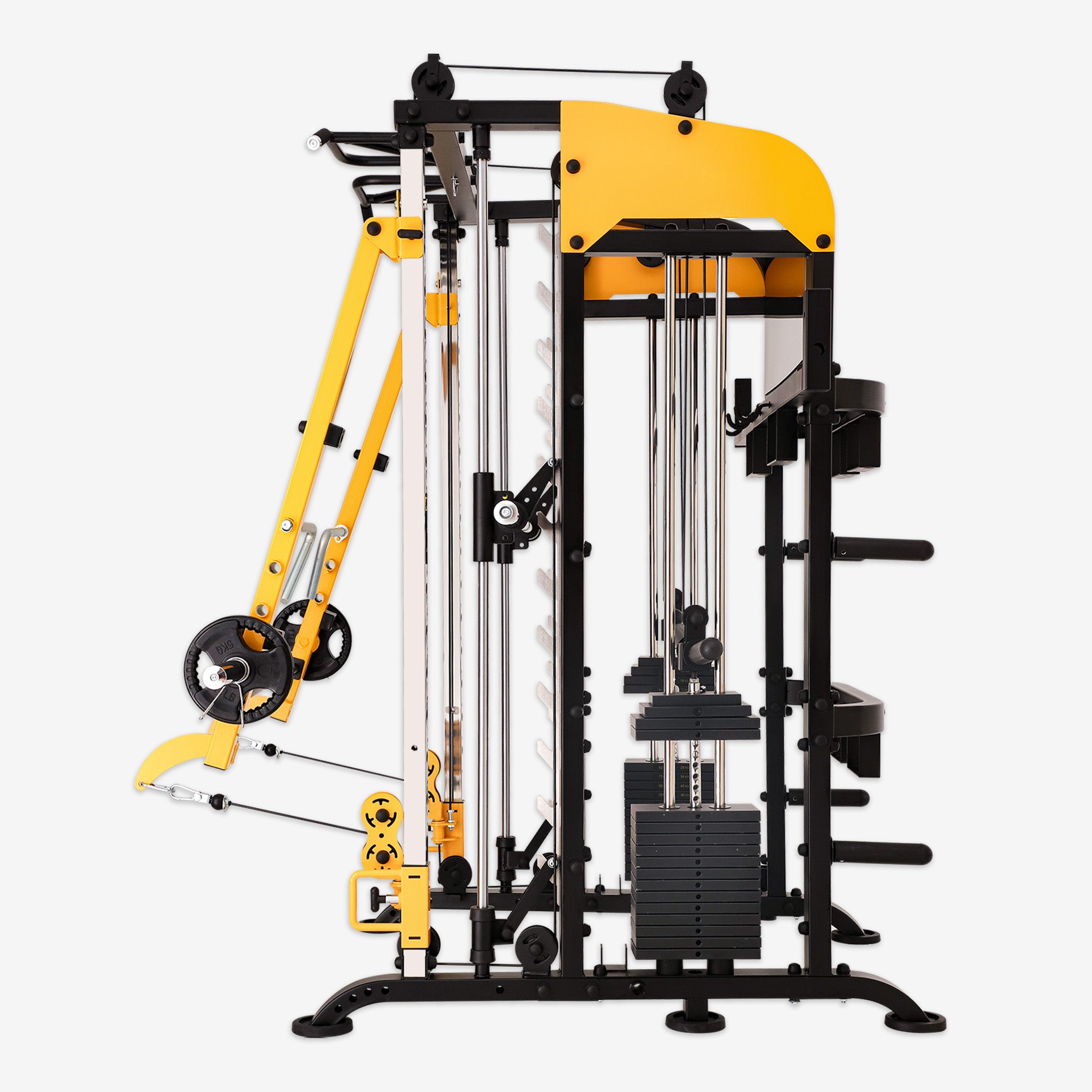
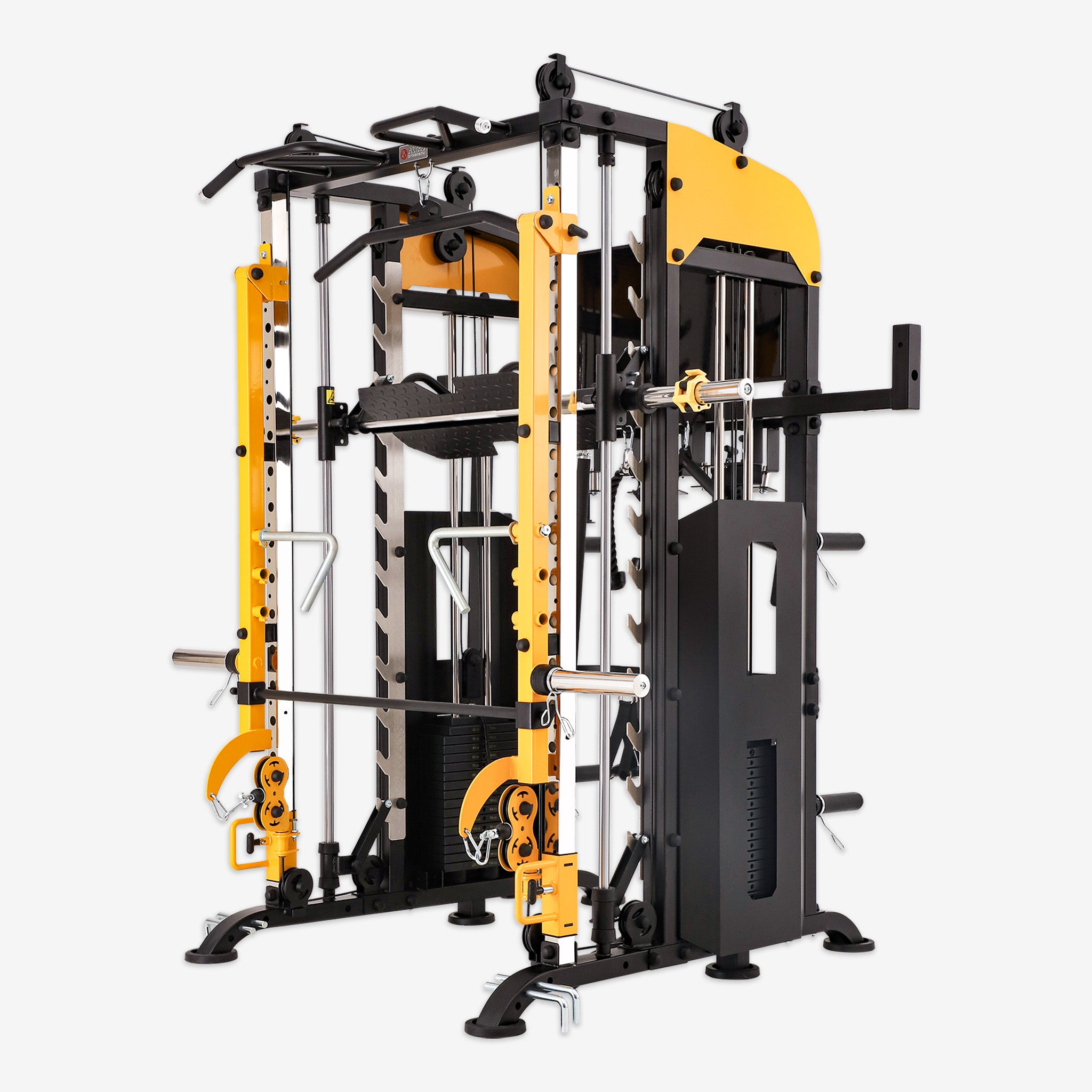
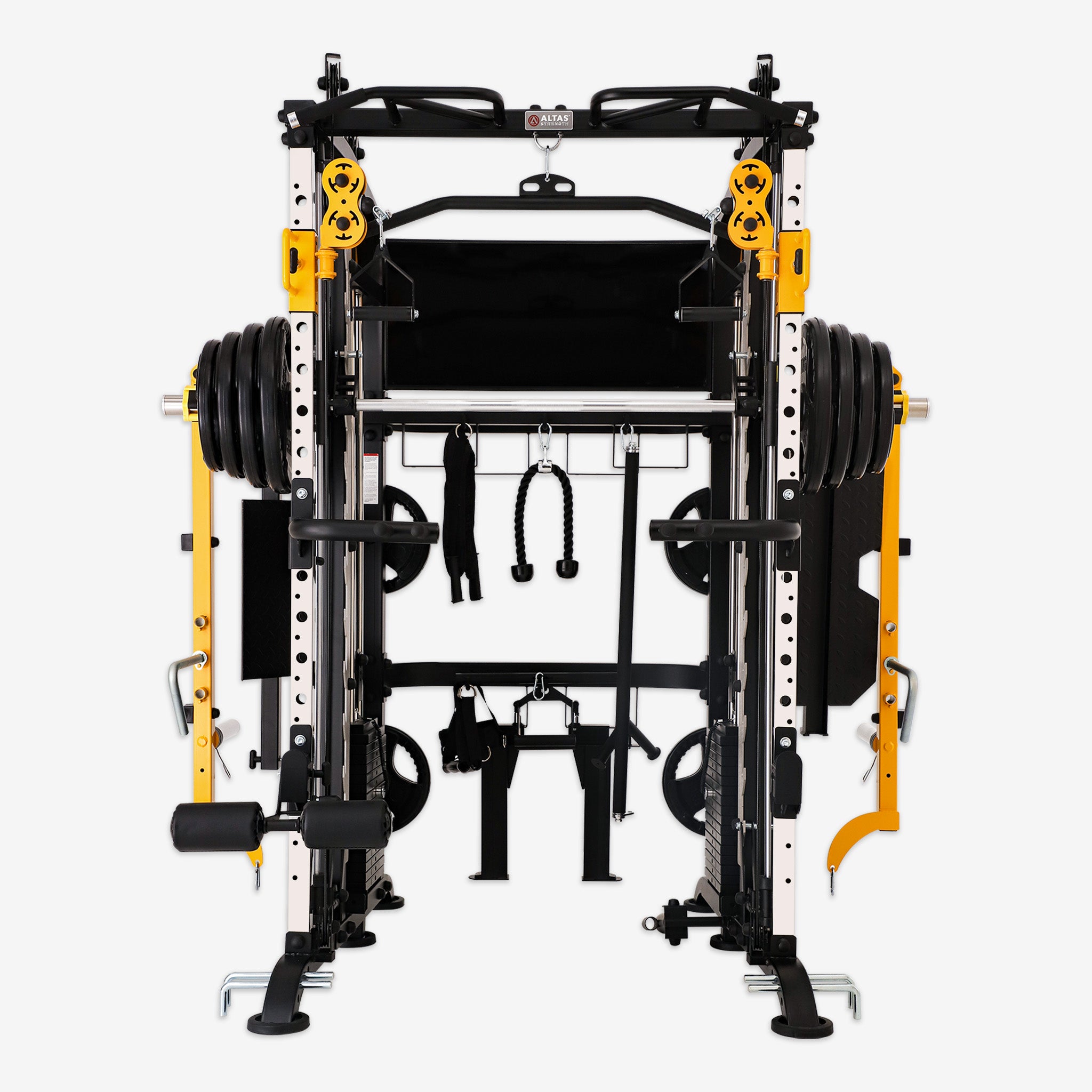
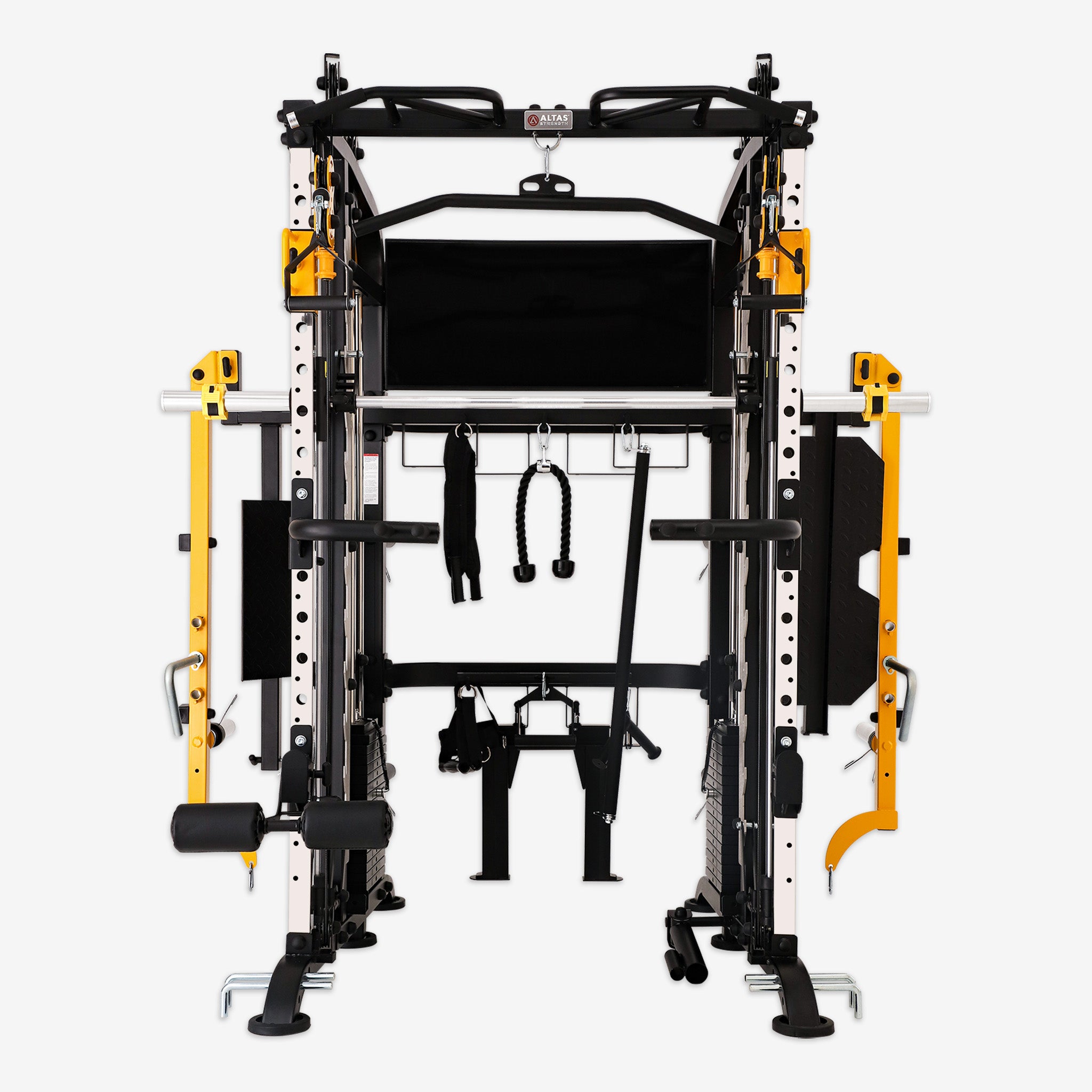
A multifunctional station that supports several exercises can sometimes provide more training options within the same floor area than several individual machines.
4. Consider Noise and Vibration
Noise can become an important consideration in condos, apartments, and homes with shared walls.
Equipment should be evaluated not only for its exercise capabilities but also for how it interacts with the surrounding floor and living space.
Stable frames, controlled movement, padded contact points, and appropriate flooring can help create a more practical residential training environment.
However, no strength equipment should automatically be assumed to be suitable for every apartment or condo. Building rules, flooring construction, workout style, and the amount of impact involved all matter.
5. Buy for Long-Term Use
Home gym equipment is usually a longer-term purchase rather than a short-term seasonal product.
Buyers should therefore consider:
-
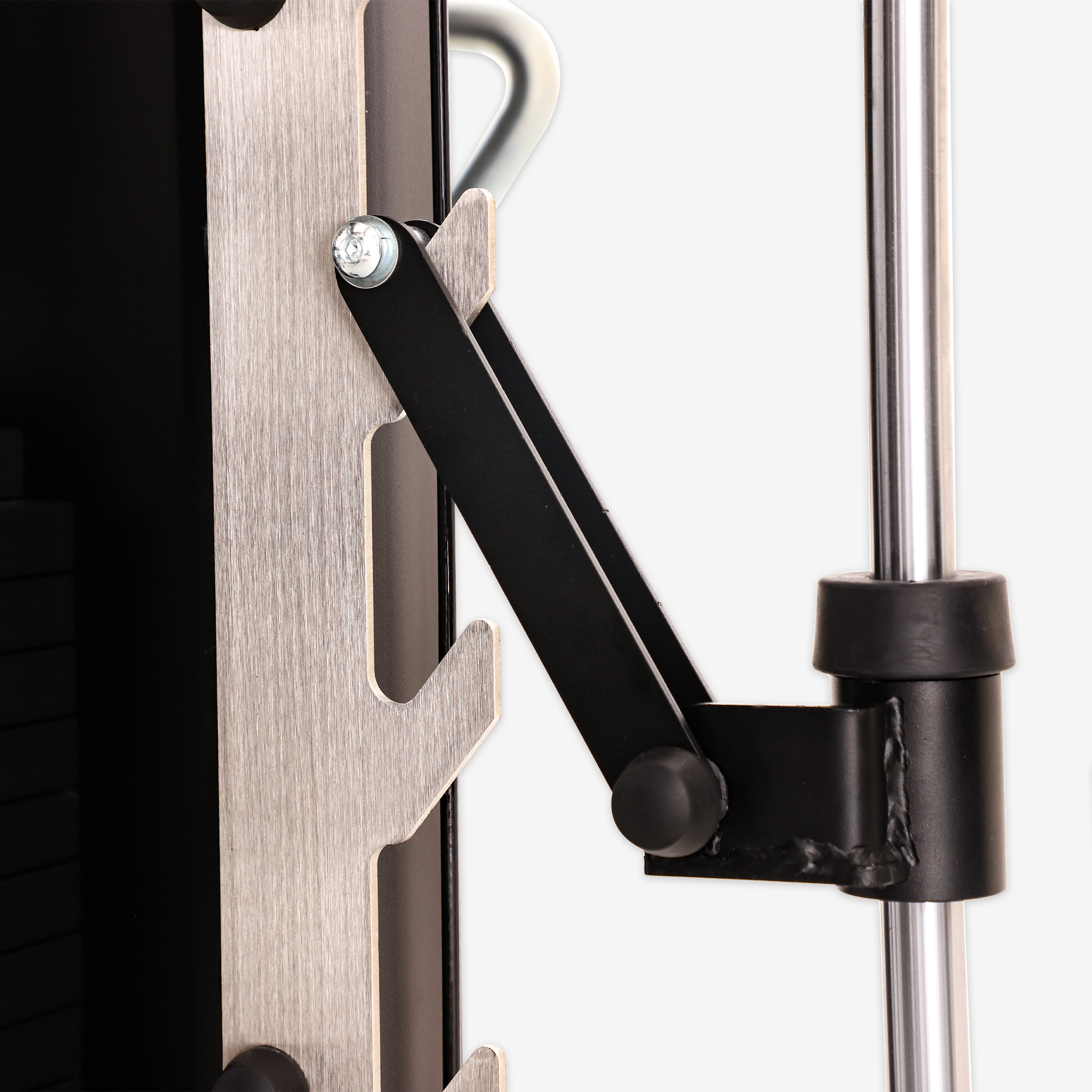
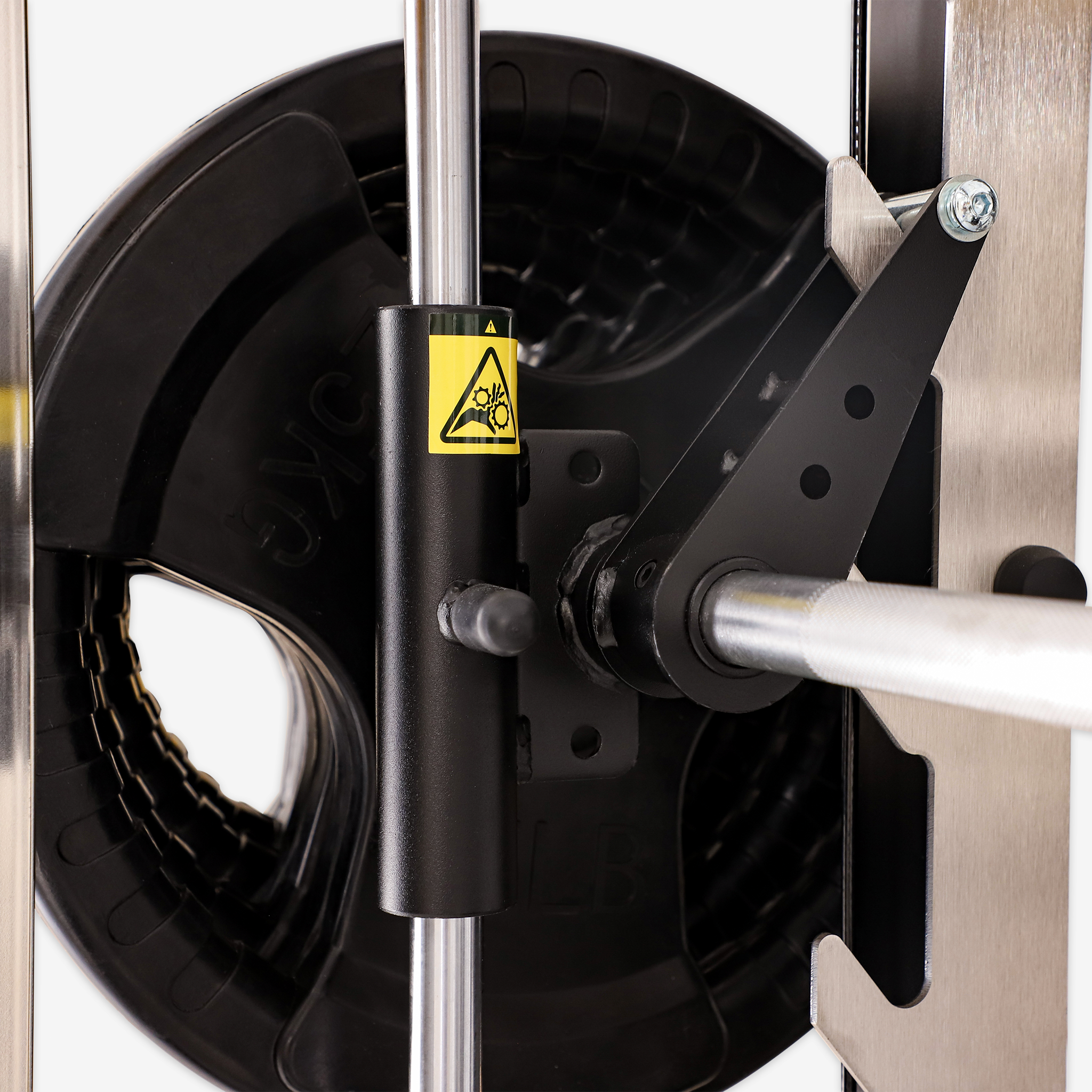
Frame construction
-
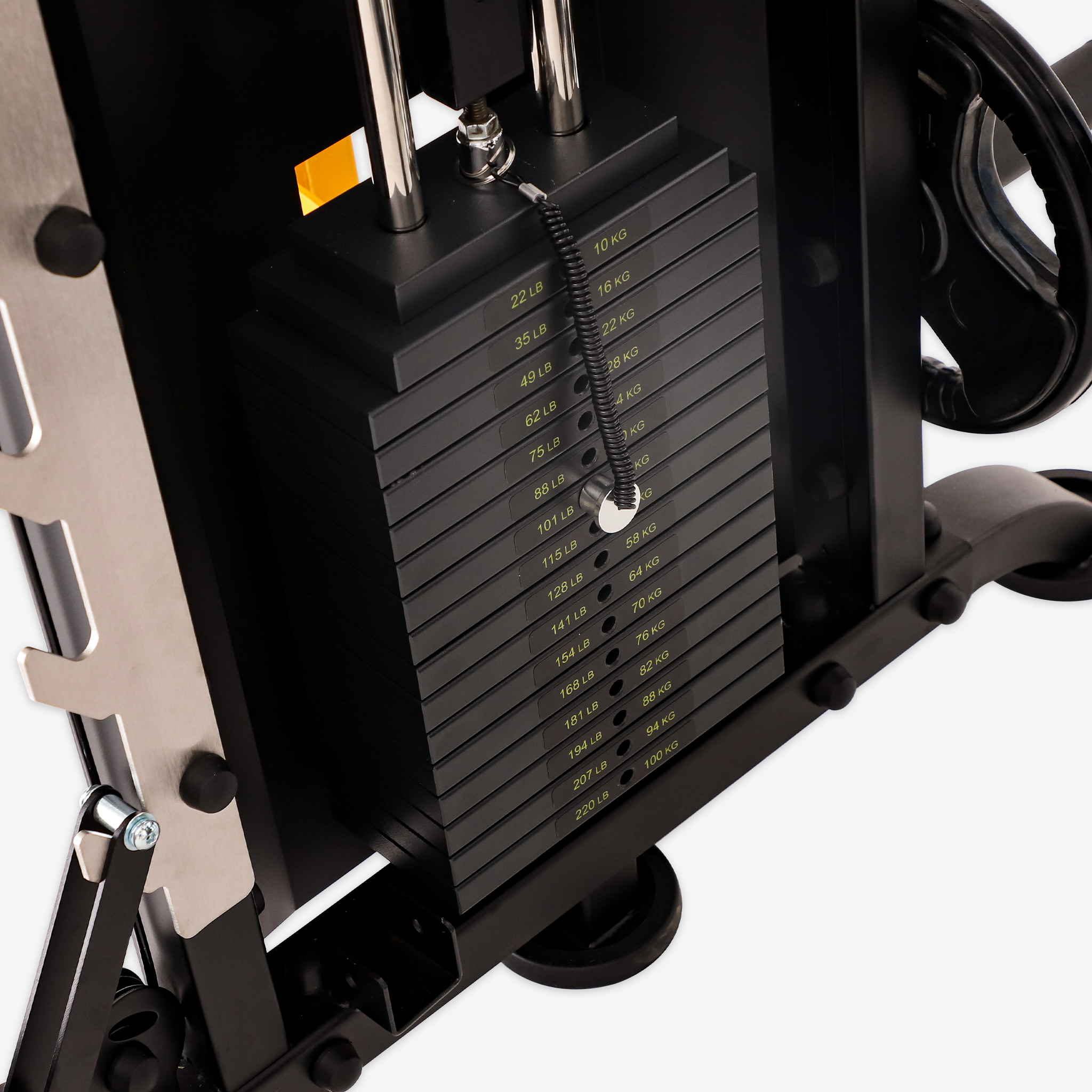
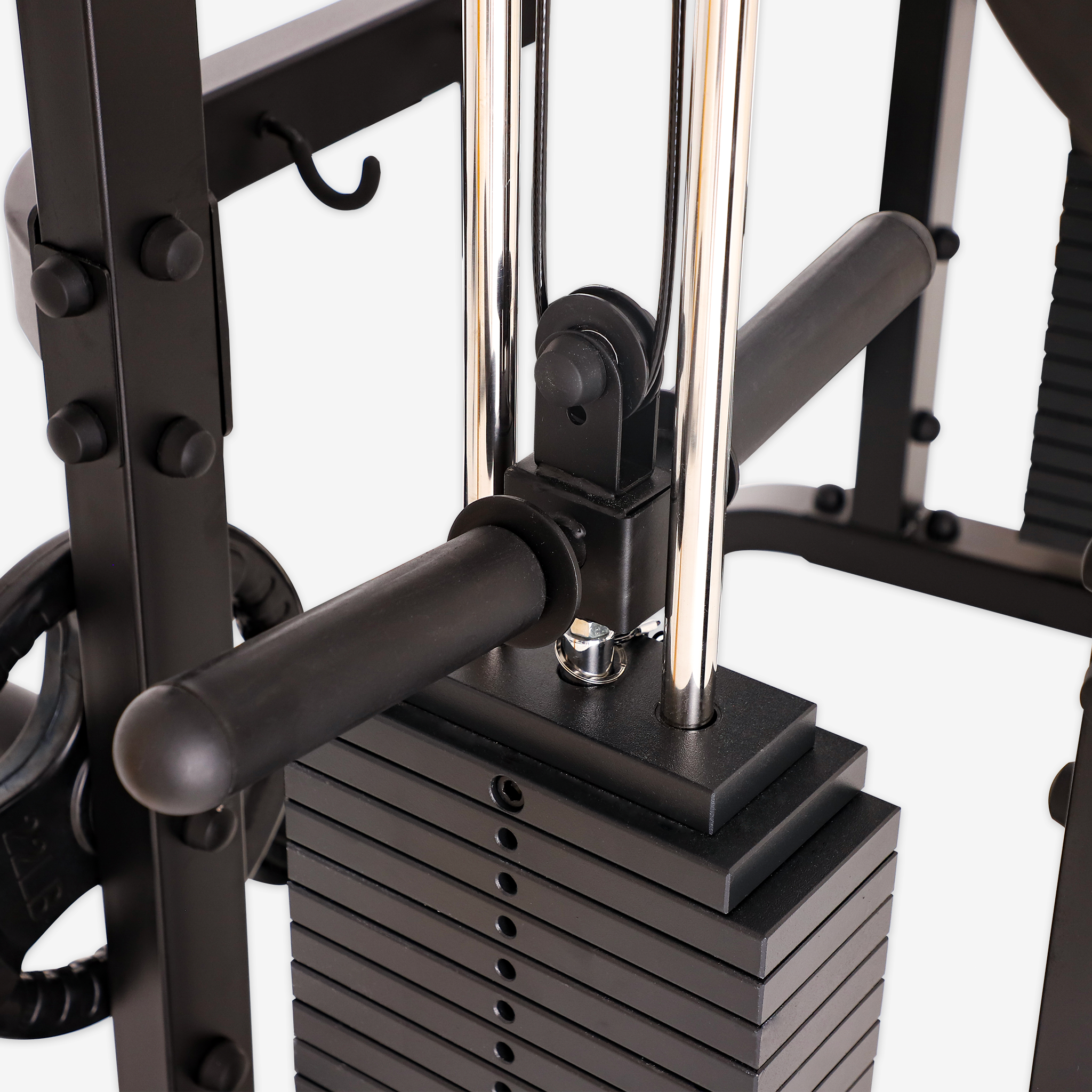
Weight capacity
-
Adjustment mechanisms
-
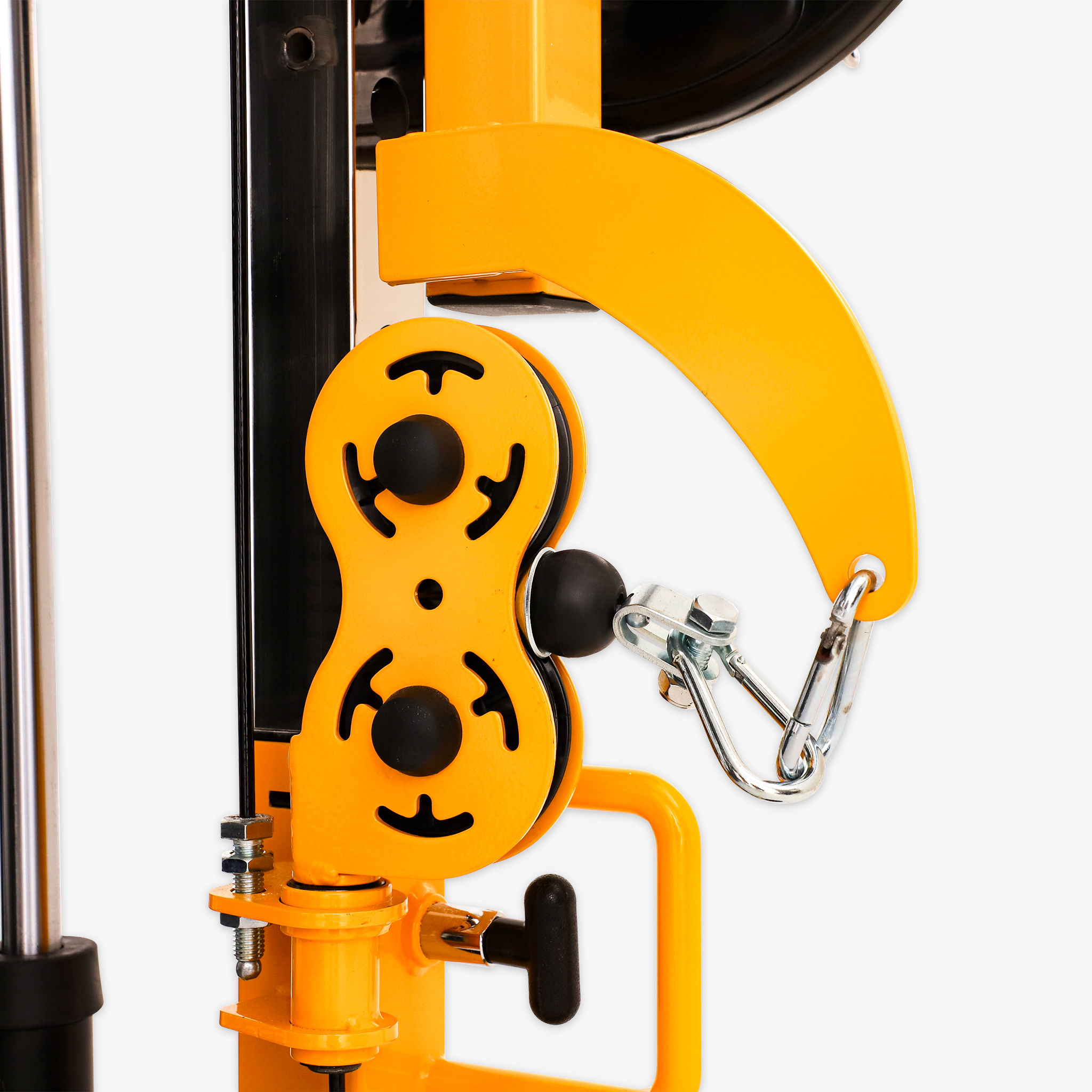
Cable and pulley components
-
Upholstery and padding
-
Hardware quality
-
Available replacement parts
-
Warranty and customer support
-
Whether the equipment can support future training needs
Buying equipment that is too limited at the beginning can lead to another replacement purchase later.
What Features Matter Most in Home Gym Equipment Canada?
Different buyers have different priorities, but several equipment characteristics are especially important when evaluating a home gym setup.
Heavy-Duty Frame Construction
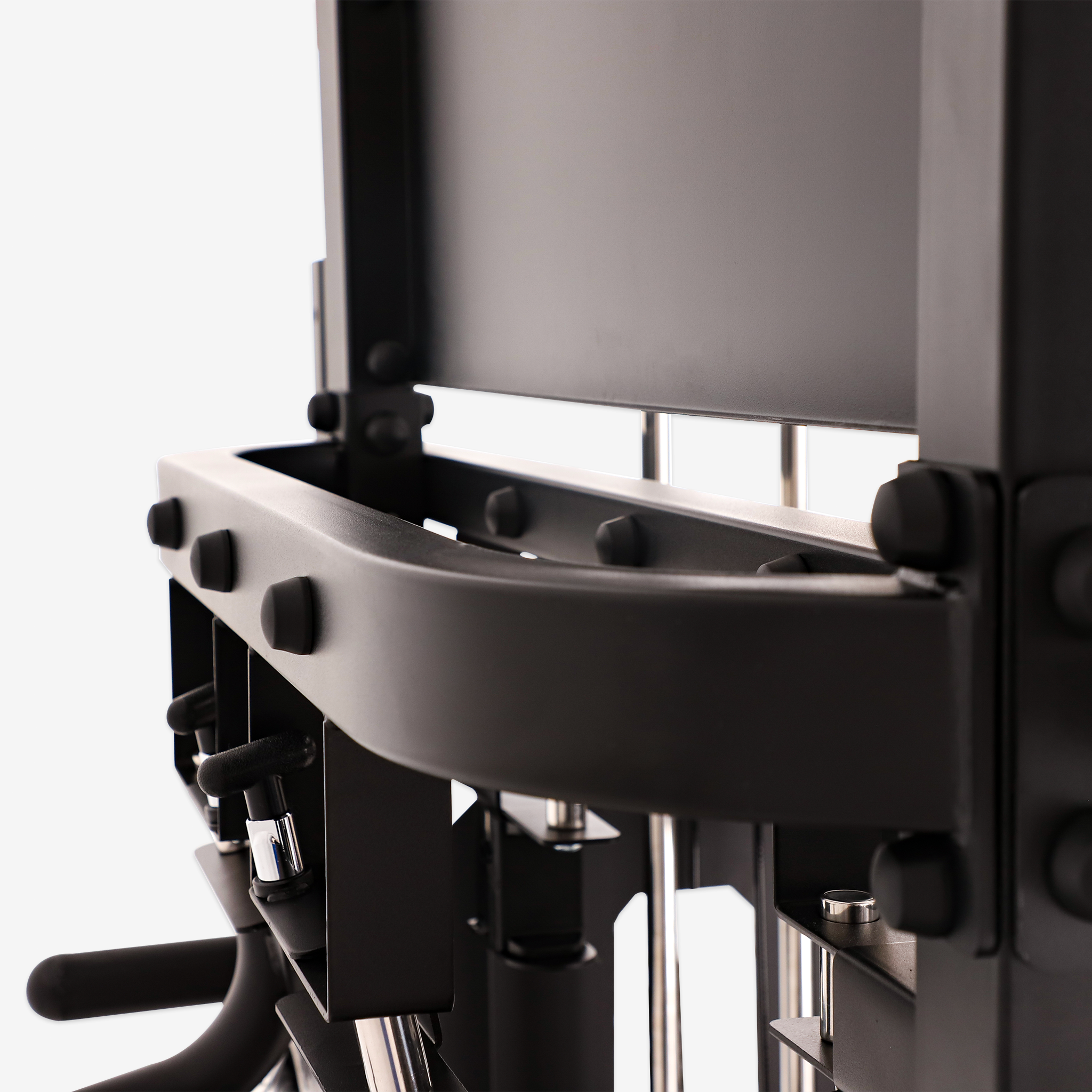
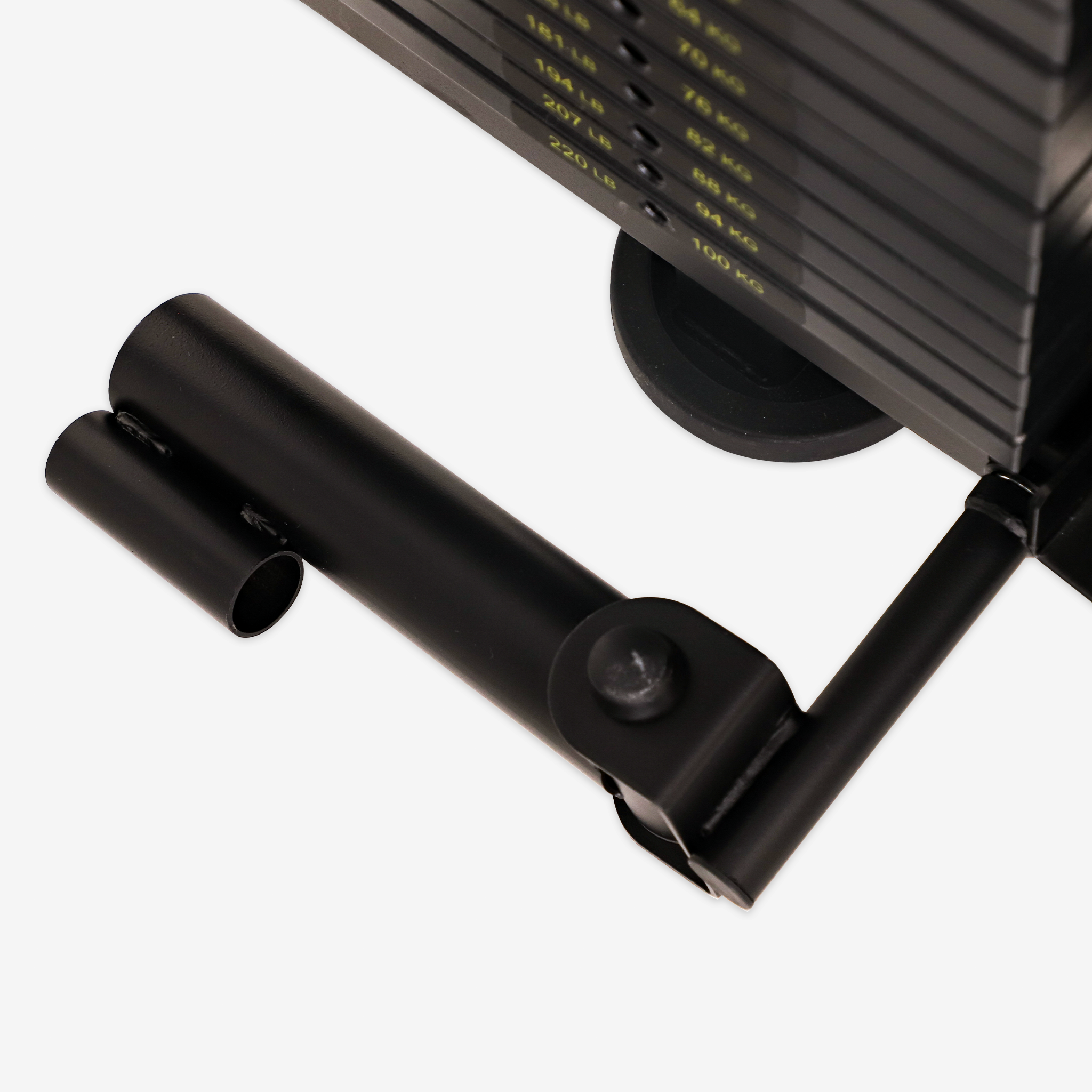
A rigid frame helps provide a stable foundation for strength equipment.
When comparing products, don't rely only on marketing terms such as "heavy duty." Look for measurable specifications where available, including:
-
Steel tubing dimensions
-
Steel thickness
-
Product weight
-
Maximum user or equipment capacity
-
Base design
-
Connection points
-
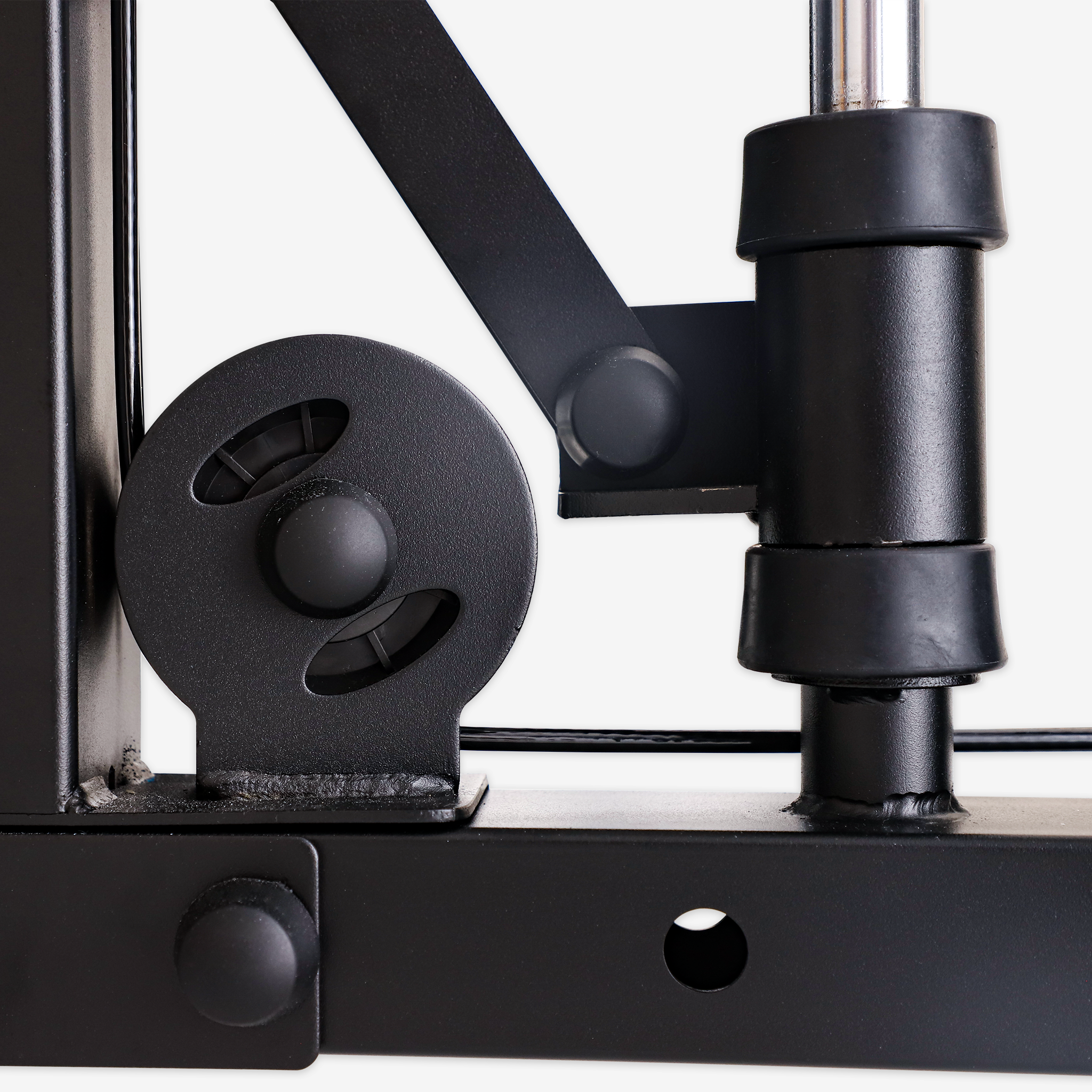
Adjustment hardware
These specifications provide more useful information than a generic claim about equipment strength.
Space-Efficient Multifunction Design
For Canadian homes with limited floor space, multifunctional equipment can be particularly useful.
For example, one integrated station may combine several training functions that would otherwise require separate pieces of equipment.
This can be useful in:
-
Condos
-
Spare bedrooms
-
Basement gyms
-
Smaller garages
-
Home offices converted into workout spaces
The trade-off is that multifunction equipment may not provide the same specialization as a dedicated commercial machine.
Adjustable Positions
Adjustability allows one piece of equipment to accommodate different exercises and users.
Depending on the equipment category, useful adjustments may include:
-
Bench incline positions
-
Rack height
-
Cable height
-
Seat position
-
Back pad angle
-
Safety stop position
-
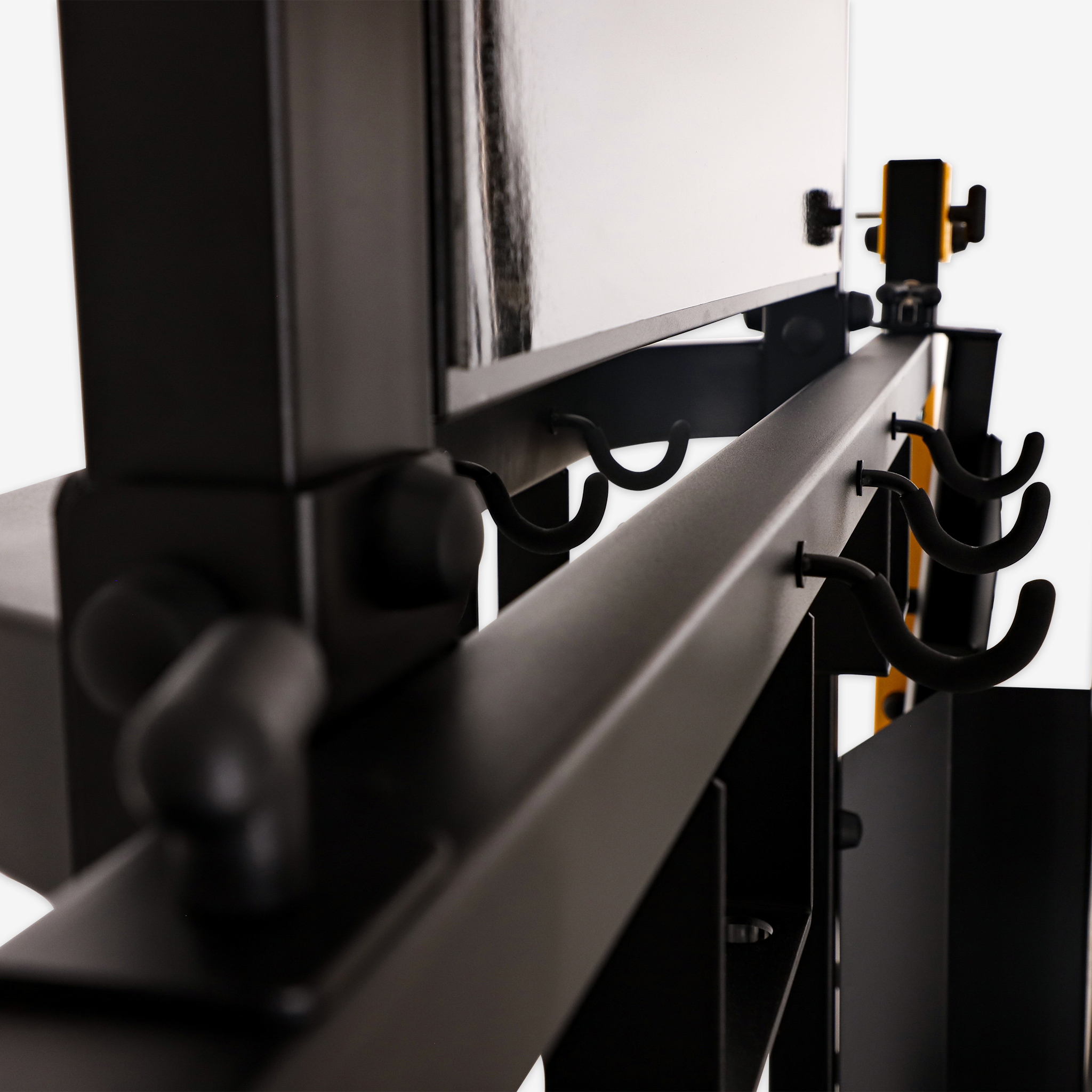
Attachment positions
Locking mechanisms should feel secure and be easy to operate before and after each adjustment.
Weight Capacity and Future Progression
Weight capacity should be evaluated in relation to the type of equipment and the user's intended training.
A high capacity is not automatically better if the equipment is too large for the available space or offers exercises the buyer does not need.
The better question is:
Does the equipment provide enough capacity and functionality for the buyer's expected training over the next several years?
This helps prevent both under-buying and unnecessary over-buying.
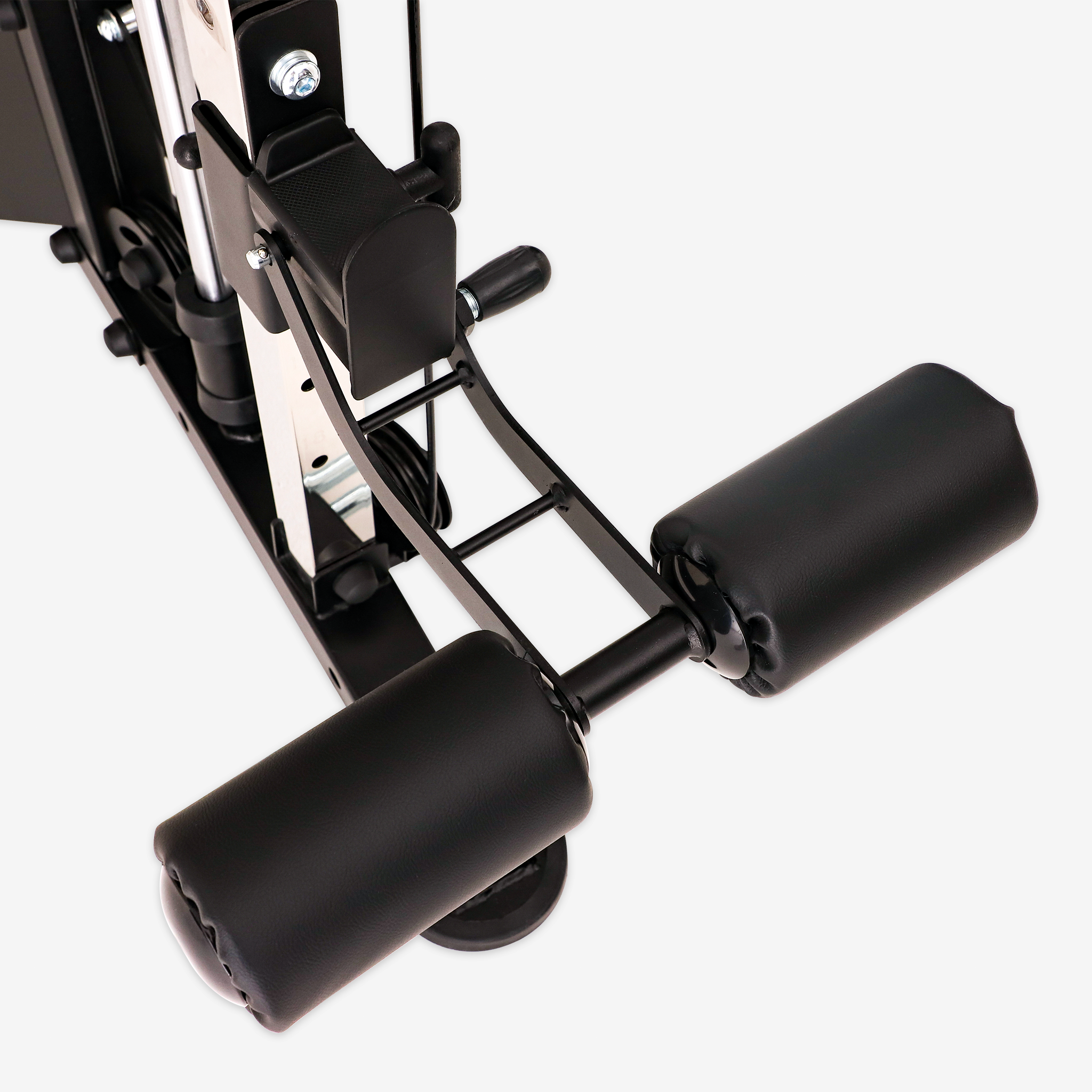
Upholstery, Cables, and Moving Components
Long-term ownership also depends on components that receive frequent use.
When comparing equipment, inspect:
-
Pad thickness and construction
-
Upholstery material
-
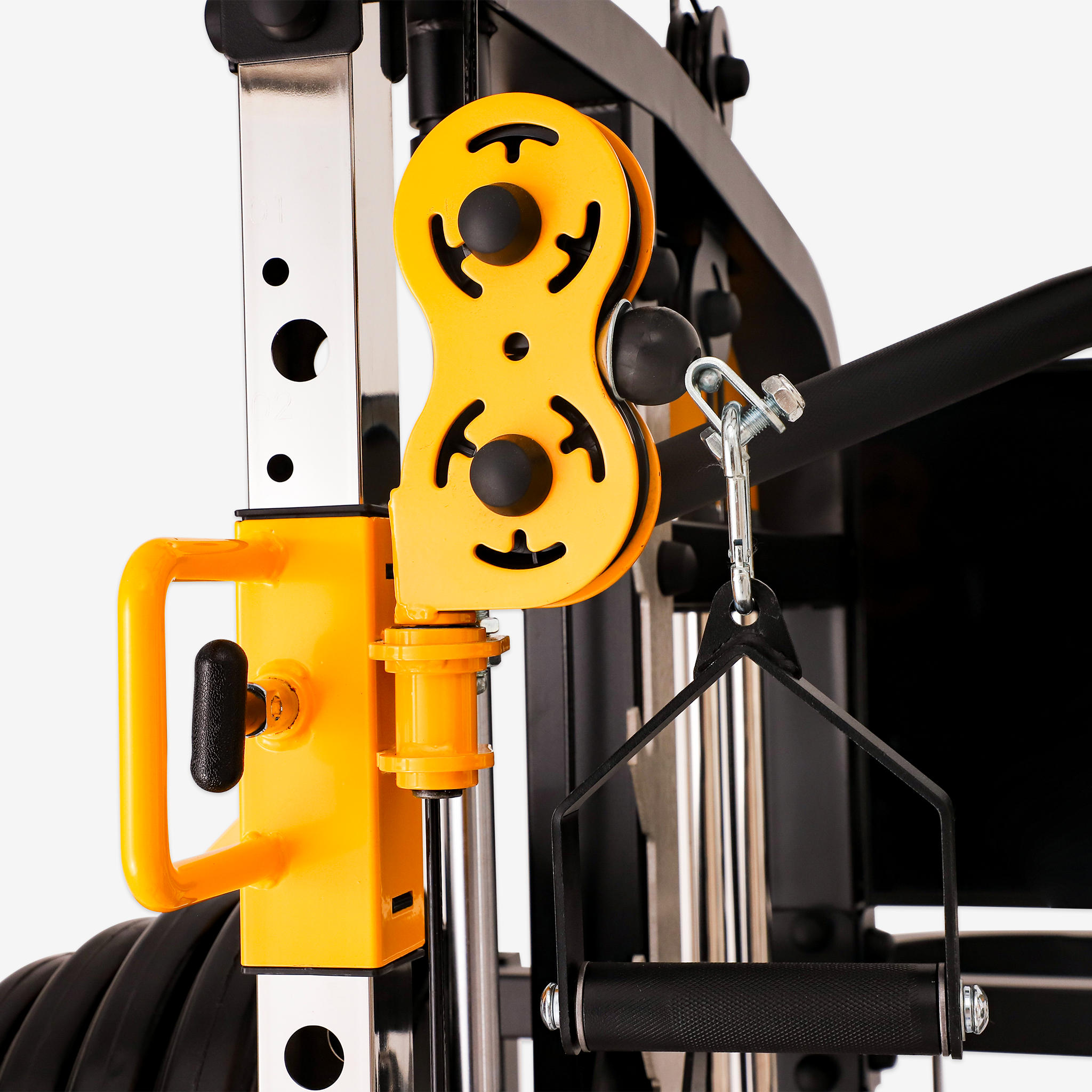
Cable routing
-
Pulley operation
-
Bearings or other moving components
-
Adjustment pins
-
Bolts and connection points
These details can have a greater impact on the ownership experience than appearance alone.
Common Problems With Budget Home Gym Equipment
The cheapest equipment is not always the least expensive choice over several years.
Canadian buyers should watch for several common problems.
Flimsy or Poorly Supported Frames
Some inexpensive equipment may feel stable under light use but become less practical as training loads increase.
Look beyond the advertised maximum weight and examine the frame construction, base design, product weight, and connection points.
Oversized Equipment
Commercial equipment can offer excellent functionality but may not be practical in a residential environment.
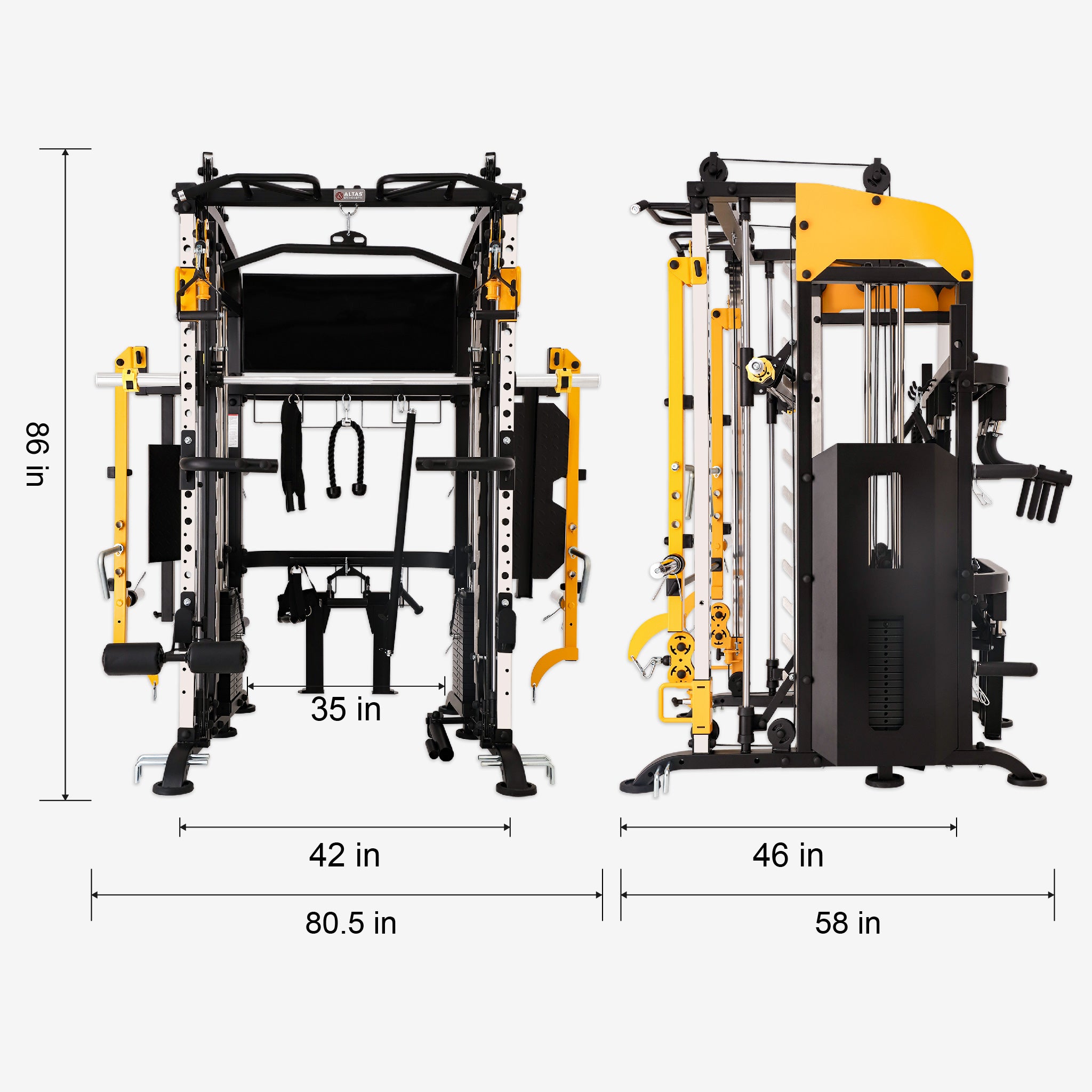
Before purchasing, measure:
-
Available floor area
-
Ceiling height
-
Doorway width
-
Assembly clearance
-
Required exercise clearance
-
Storage space for plates and accessories
A machine that fits on paper may still be difficult to use if there is insufficient clearance around it.
Difficult Assembly
Large home gym equipment often arrives partially assembled or requires substantial assembly.
Before ordering, check whether:
-
Assembly instructions are available
-
Multiple people are recommended
-
Hardware is clearly identified
-
Replacement parts are available
-
Customer support can assist with assembly questions
Noise and Floor Vibration
A machine can be mechanically functional while still being unsuitable for a particular living environment.
Consider the type of exercises performed, the amount of impact involved, the flooring underneath the equipment, and whether the building has specific noise restrictions.
Limited Adjustability
Equipment designed around a single user or limited exercise positions may become restrictive over time.
Adjustable equipment generally provides more flexibility when multiple people use the same home gym or when training needs change.
Home Gym Equipment Canada: What Are You Comparing?
Most buyers can organize the market into five broad choices.
| Equipment Option | Main Advantage | Main Limitation |
|---|---|---|
| Budget generic stations | Lower initial price | May have fewer specifications, adjustments, or long-term support |
| Standalone equipment | Simple and specialized | Requires more floor space for multiple exercises |
| Mid-tier fitness equipment | Balance of price and functionality | May have fewer advanced features |
| Commercial gym equipment | High functionality and durability | Often oversized or expensive for residential use |
| Integrated premium home gym systems | Multiple functions with residential-oriented design | Higher initial investment |
There is no single best category for every Canadian buyer.
The right choice depends on available space, training goals, budget, experience level, and expected frequency of use.
When Does Premium Home Gym Equipment Make Sense?
Premium equipment can make more sense when the buyer expects to use the gym regularly for several years.
It is particularly worth considering when the buyer wants:
-
A more substantial frame
-
Higher equipment capacity
-
Multiple exercise options
-
More adjustment positions
-
Better use of limited space
-
A long-term strength training setup
-
Fewer equipment replacements over time
For a casual user who only needs occasional light exercise, however, a premium integrated system may represent more equipment and expense than necessary.
Altas Strength: A Home Gym Approach for Canadian Buyers
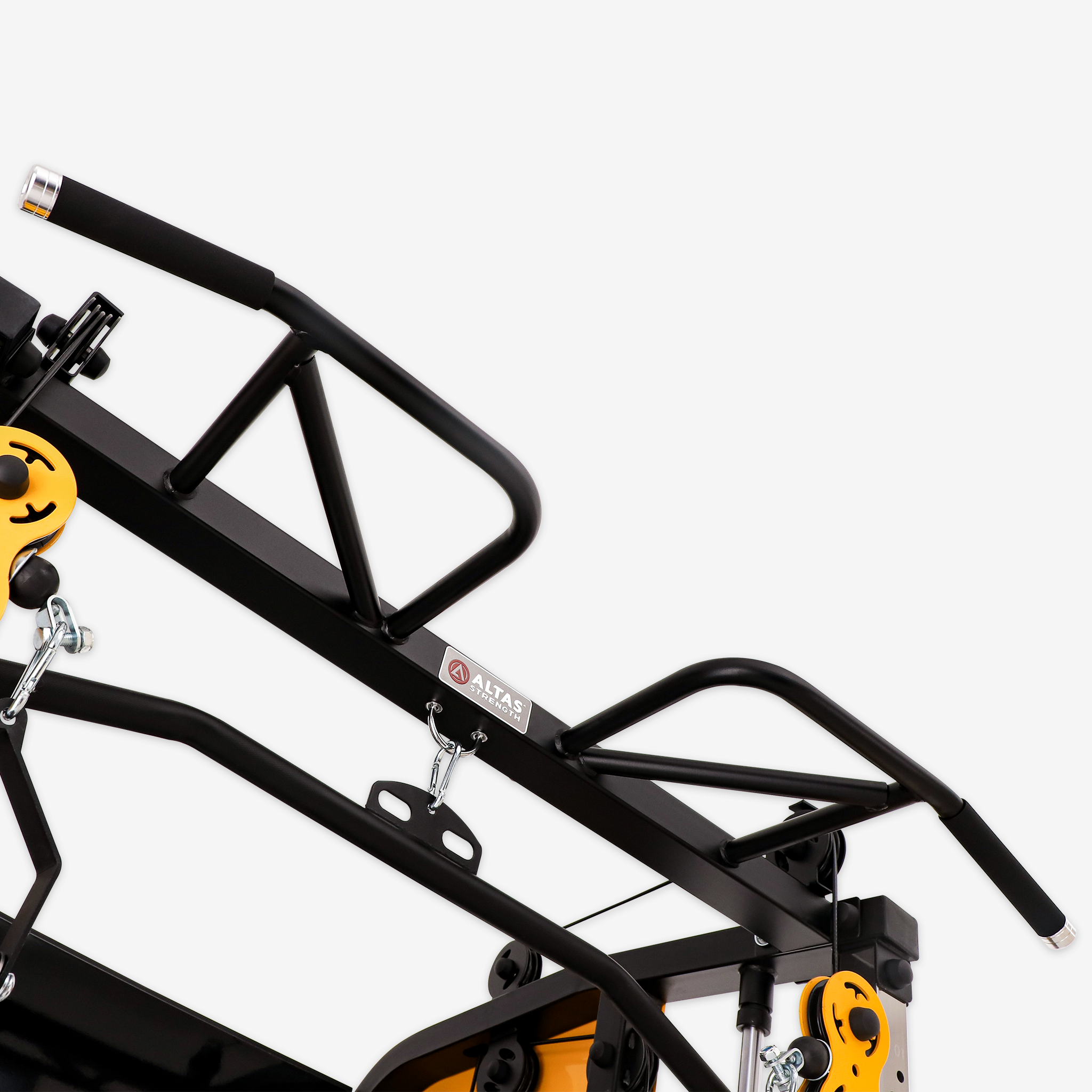
For Canadian homeowners and garage gym owners comparing premium home gym equipment, Altas Strength focuses on combining substantial strength-training capability with equipment designed for residential use.
The buying decision should still be based on the specifications of the individual product rather than the brand name alone.
When evaluating an Altas Strength system, buyers should compare:
-
Overall dimensions
-
Required ceiling height
-
Frame construction
-
Weight capacity
-
Exercise functions
-
Adjustment options
-
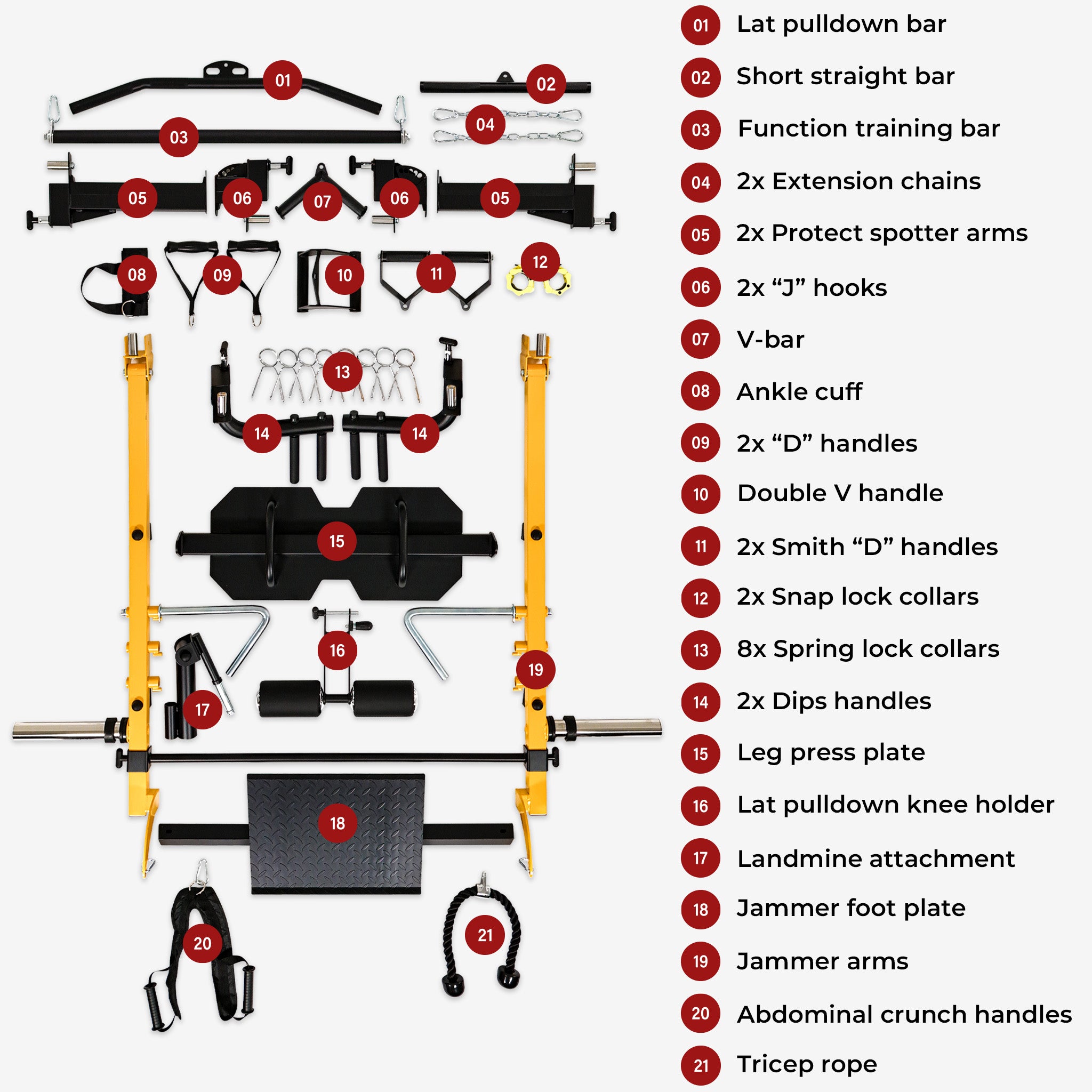
Included attachments
-
Assembly requirements
-
Warranty and support
-
Available replacement components
This product-by-product approach helps buyers determine whether a particular machine fits their space and training requirements.
Who Should Consider Home Gym Equipment in Canada?
A home gym may be a strong option for people who:
-
Train regularly throughout the year
-
Prefer exercising at home
-
Have adequate dedicated space
-
Want to reduce travel time to a commercial gym
-
Need strength equipment for year-round indoor training
-
Want to build a long-term home or garage gym
-
Prefer purchasing equipment instead of maintaining a recurring gym membership
Who May Not Need a Premium Home Gym Setup?
Premium home gym equipment may not be the best fit for everyone.
A simpler setup may make more sense for:
-
Short-term renters who expect to move soon
-
Buyers with extremely limited floor space
-
People who only want occasional light exercise
-
Users focused primarily on running or cycling
-
Buyers who do not expect to use strength equipment regularly
The goal is not to buy the most equipment possible. It is to buy equipment that matches the way you actually intend to train.
Canadian Home Gym Buying Checklist
Before purchasing home gym equipment, answer these questions:
Space
-
How much floor space is available?
-
What is the ceiling height?
-
Will the equipment fit through the doorway?
-
Is there enough clearance to perform each exercise?
Training
-
What exercises do you actually want to perform?
-
Are you primarily interested in strength training, bodybuilding, functional training, or general fitness?
-
Will your training requirements change over time?
Equipment
-
What is the frame construction?
-
What is the stated capacity?
-
What adjustment positions are available?
-
Which accessories are included?
-
Are replacement parts available?
Ownership
-
How difficult is assembly?
-
What warranty is provided?
-
Who handles customer support?
-
Can the equipment be maintained over several years?
Residential Environment
-
Is the equipment appropriate for the available floor?
-
Could movement or impact create excessive noise?
-
Are there condo, apartment, or building restrictions?
-
Is additional flooring recommended?
The Bottom Line
The best home gym equipment in Canada is not necessarily the cheapest machine or the largest commercial-style system.
For Canadian homeowners and garage gym owners, the better buying decision balances space, training goals, equipment capacity, adjustability, durability, noise considerations, and long-term value.
A well-planned home gym can provide year-round indoor training while reducing commuting time and making better use of residential space.
For buyers considering premium equipment, the most important step is to compare the actual specifications and functions of each machine with the space and training requirements of the home.
Core decision: Choose home gym equipment that fits your Canadian residential environment first, then evaluate capacity, functionality, durability, and long-term value.