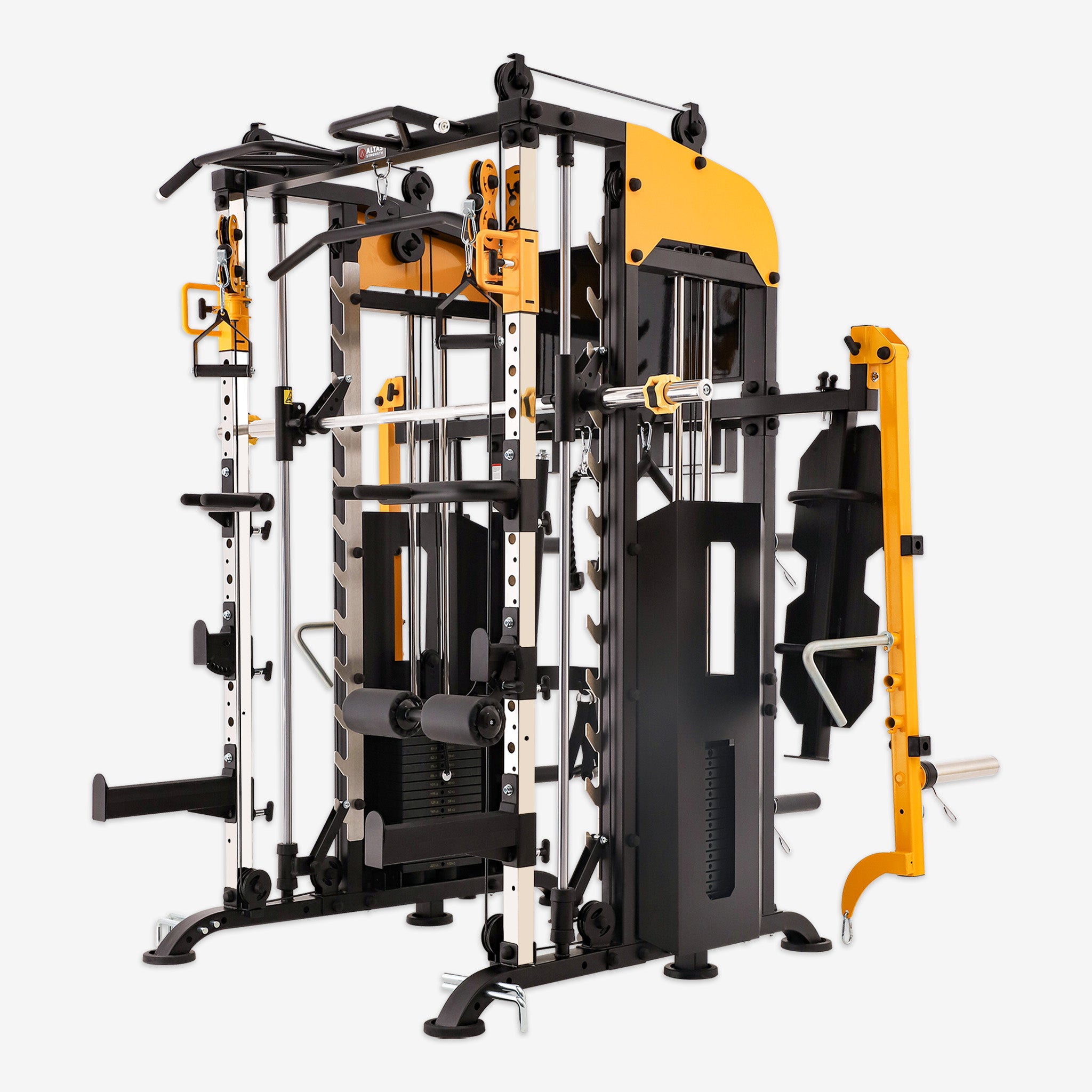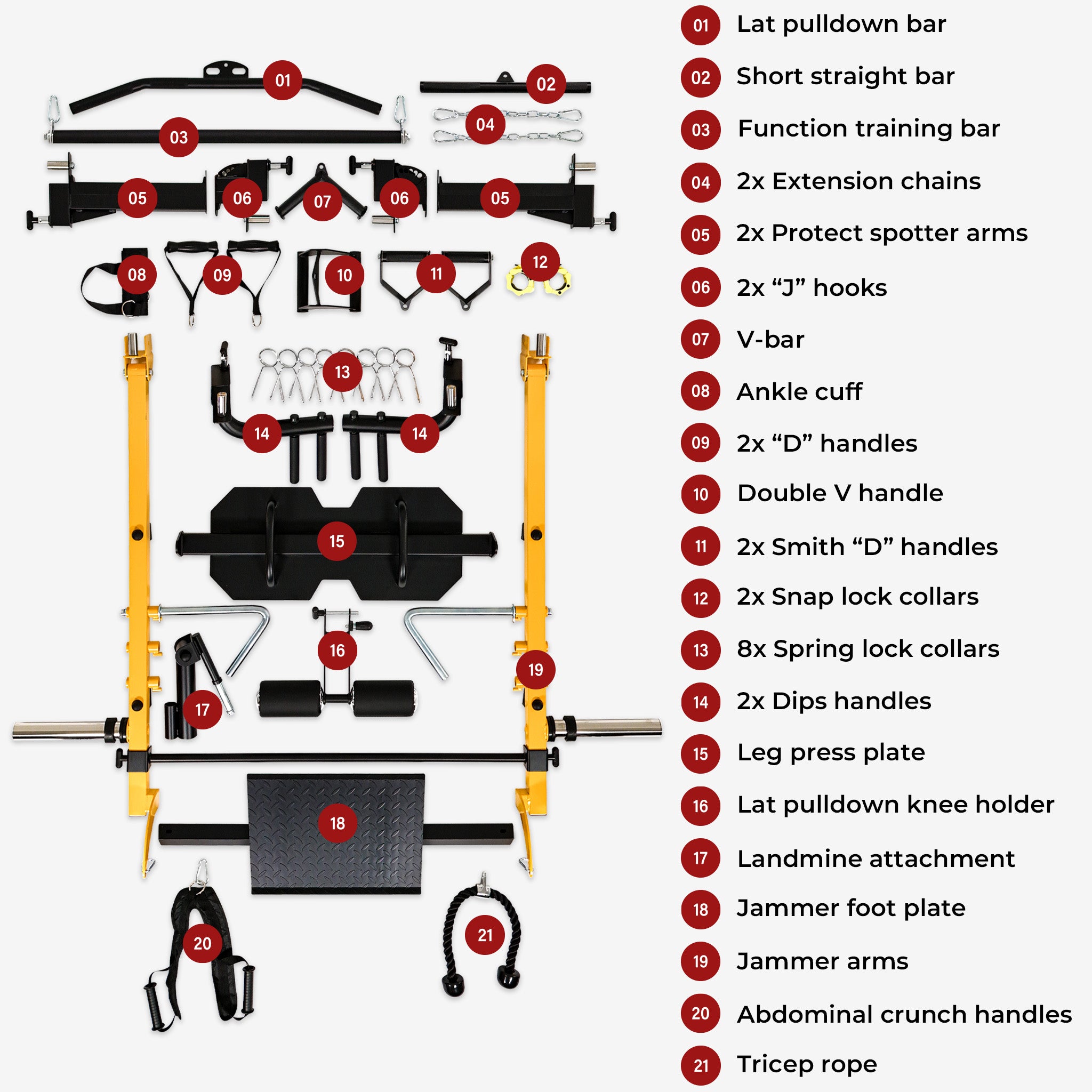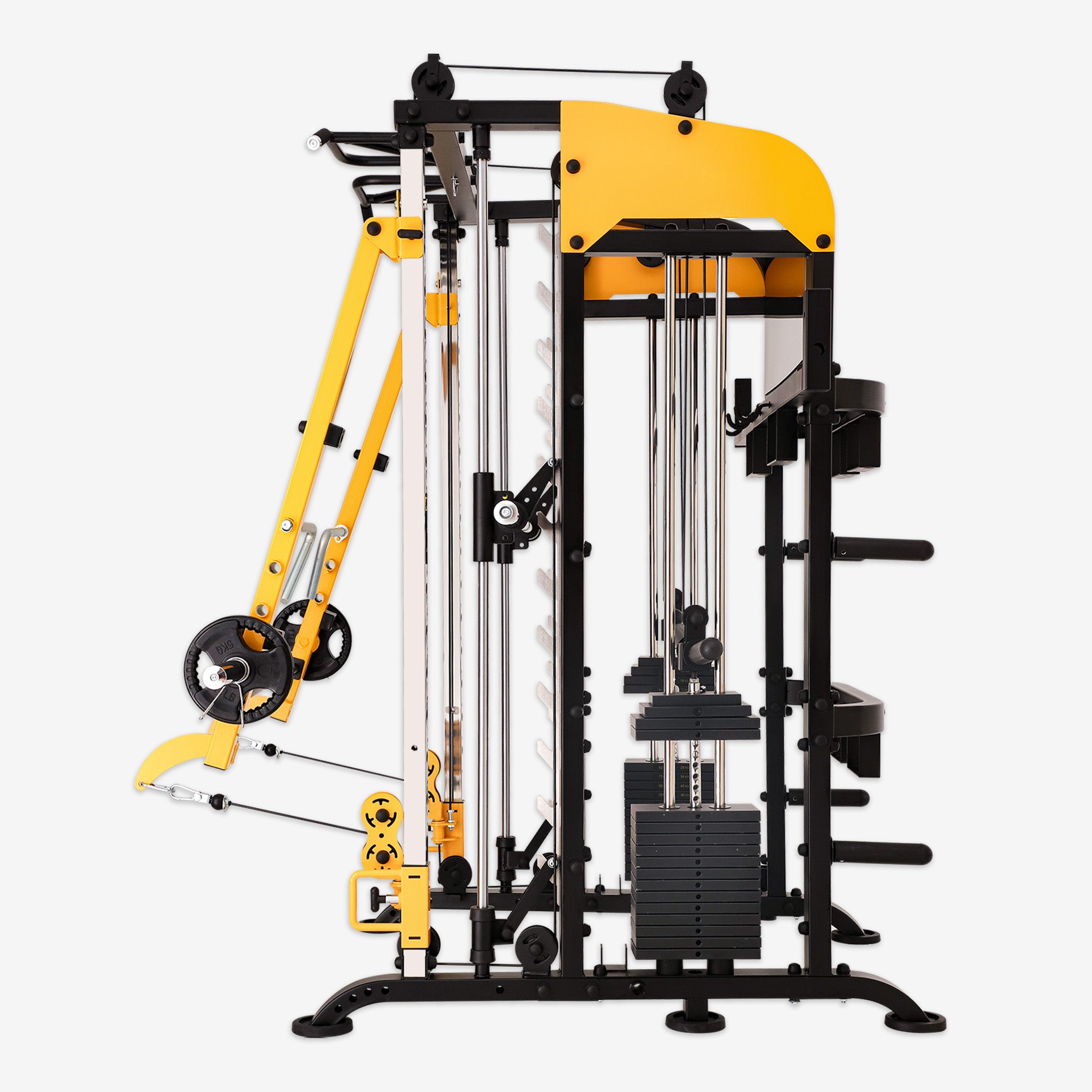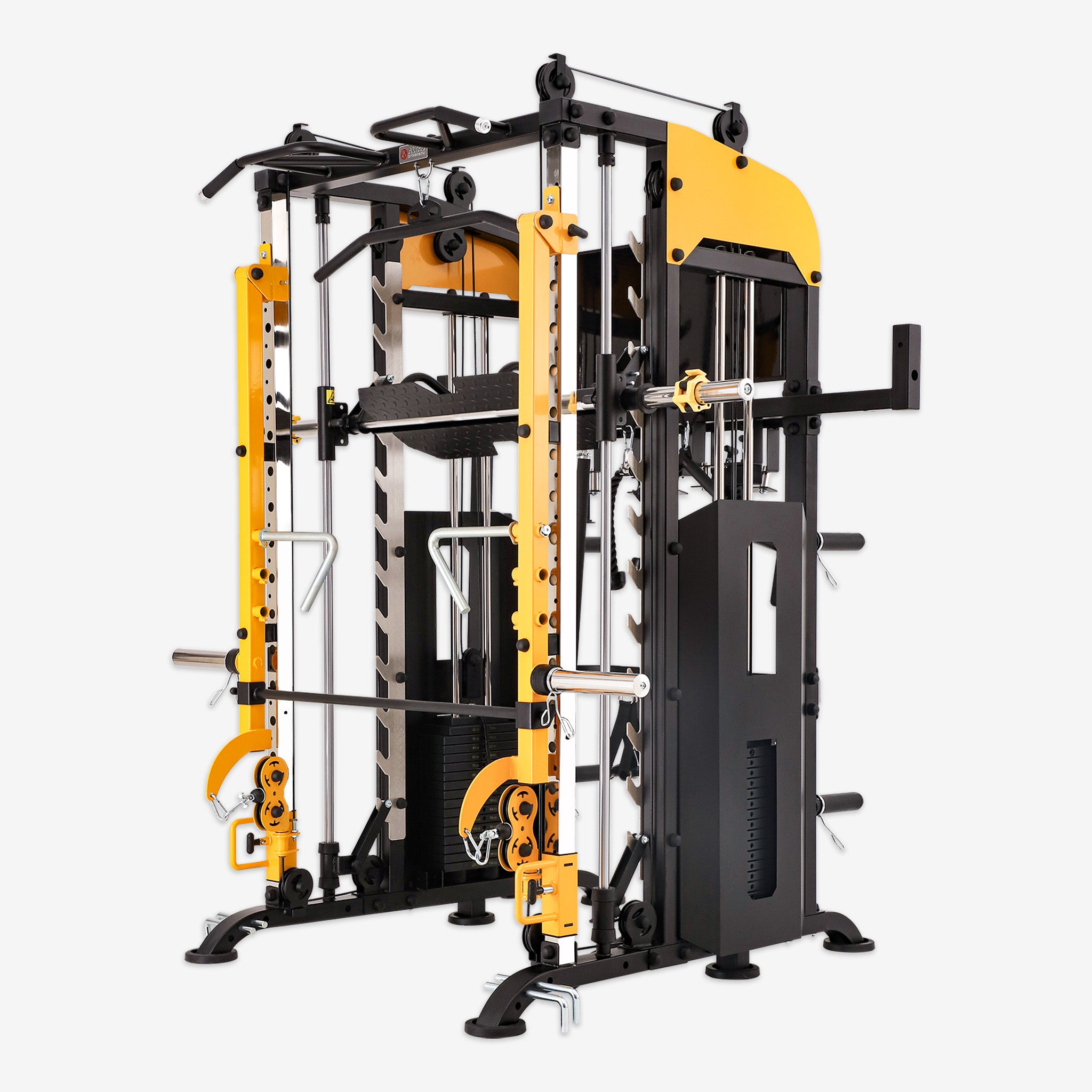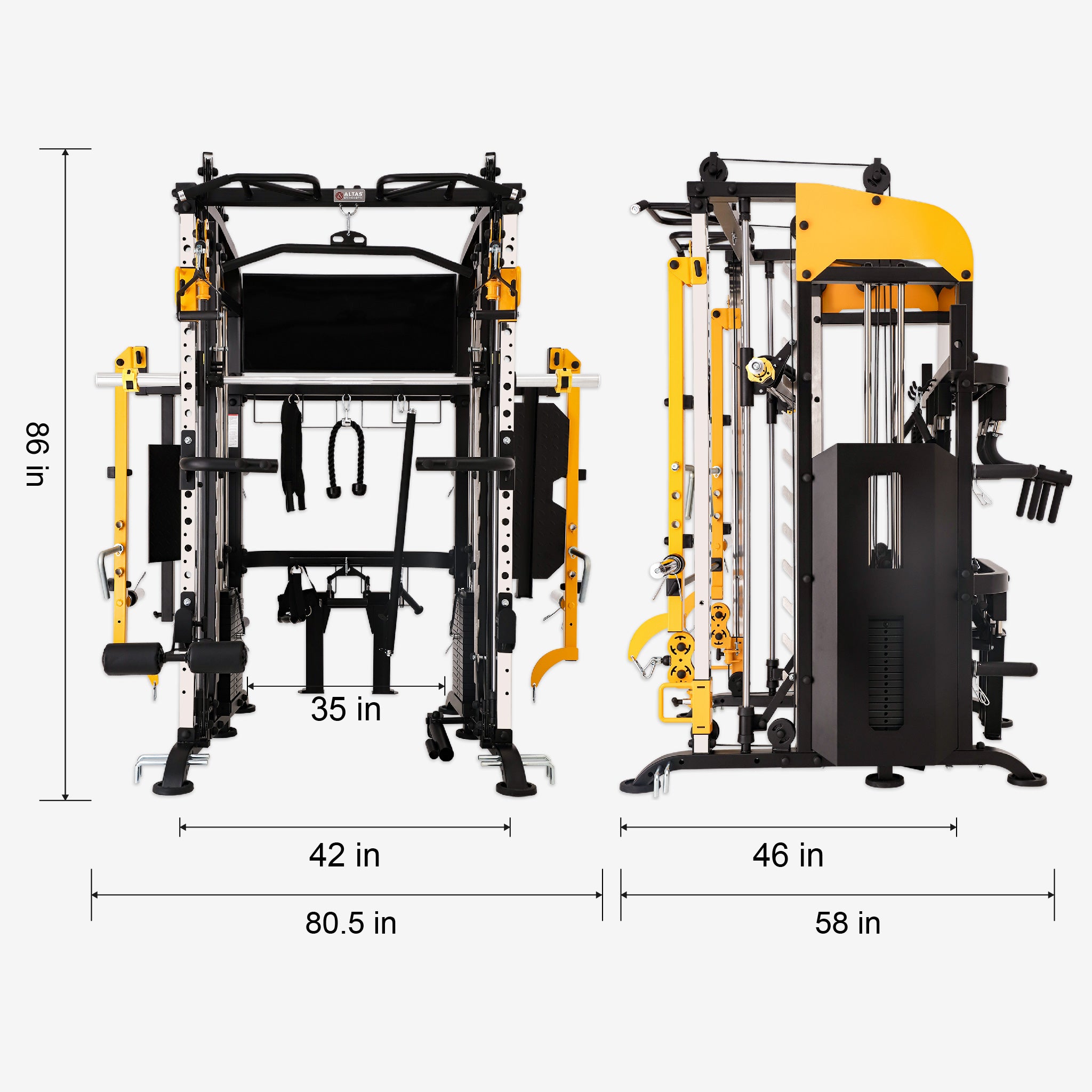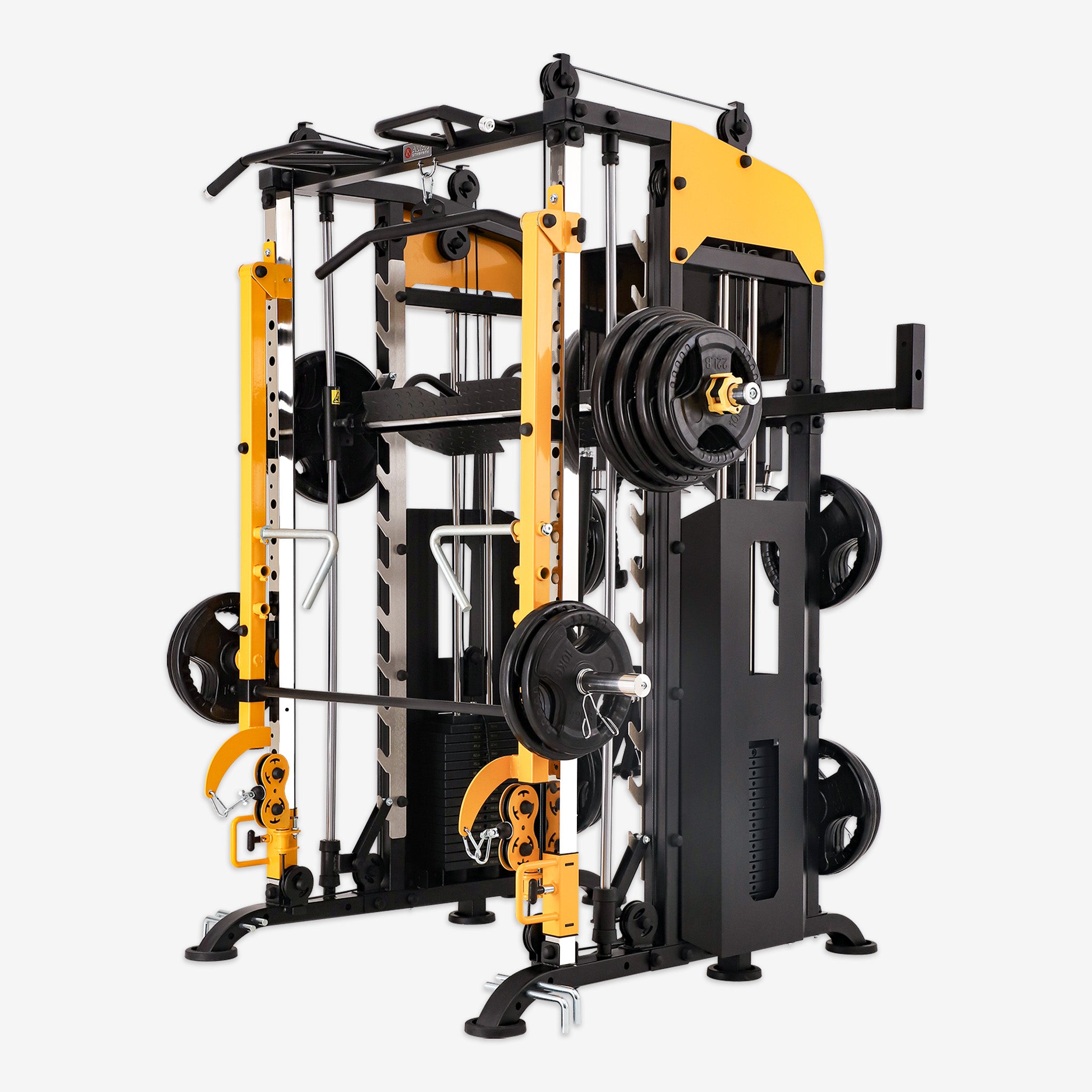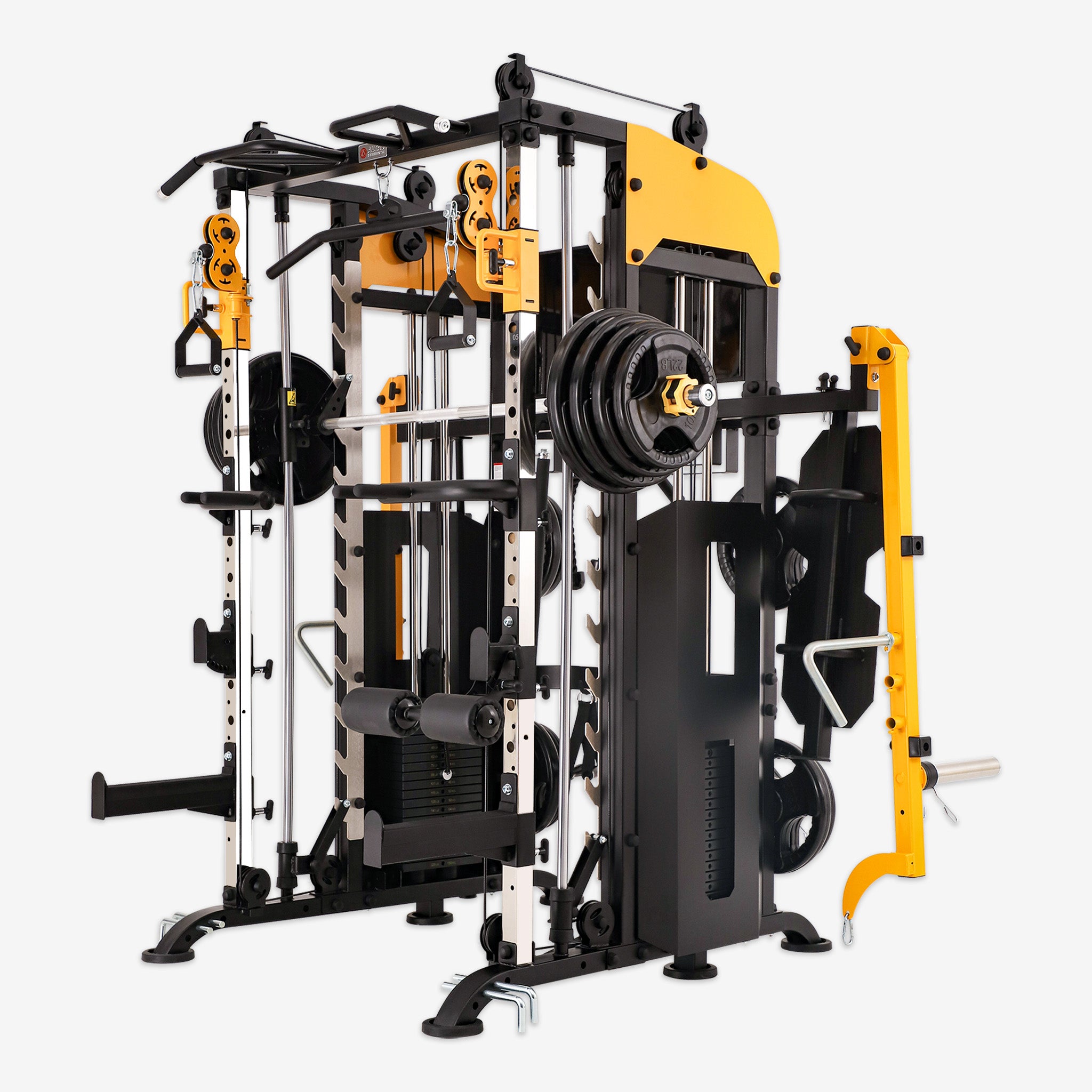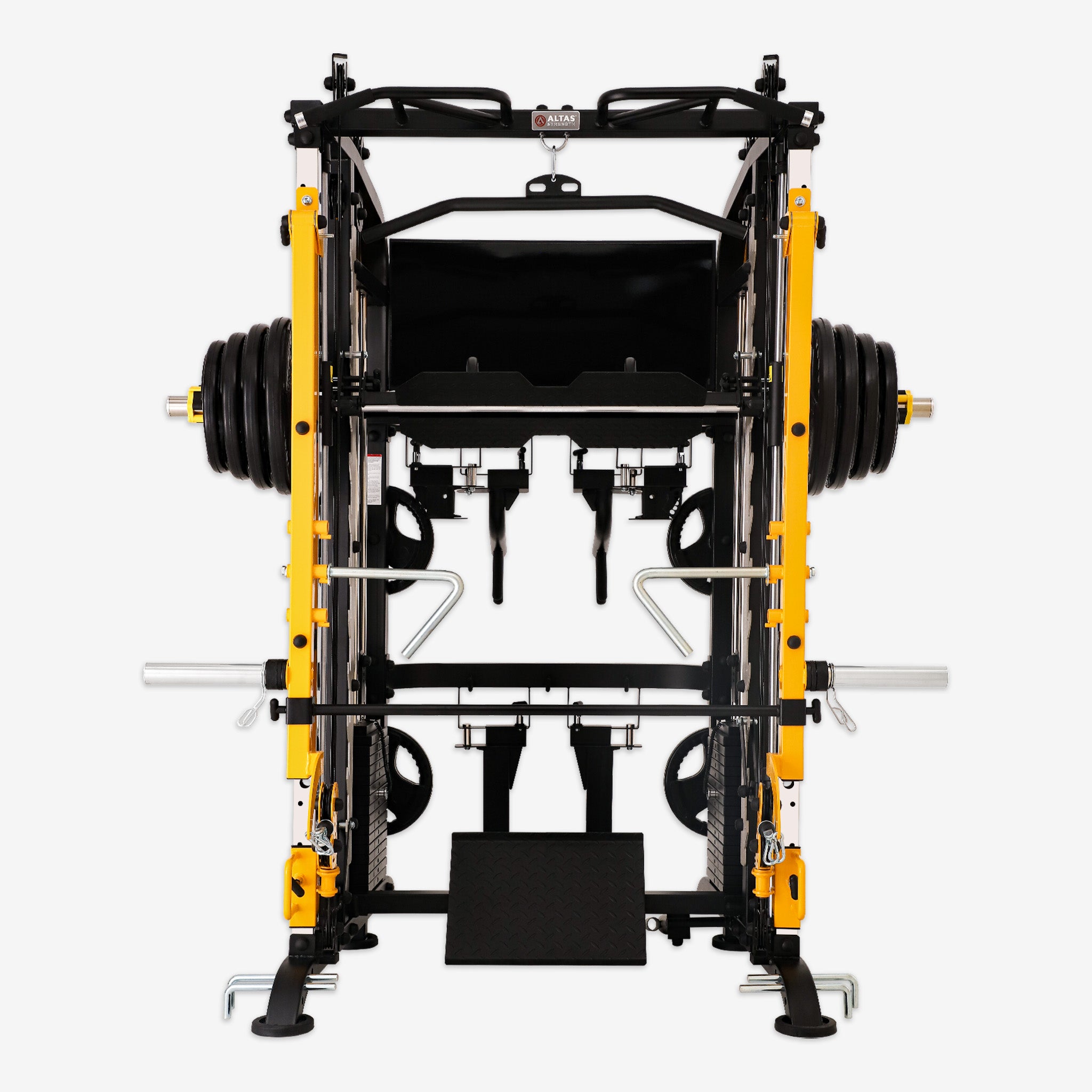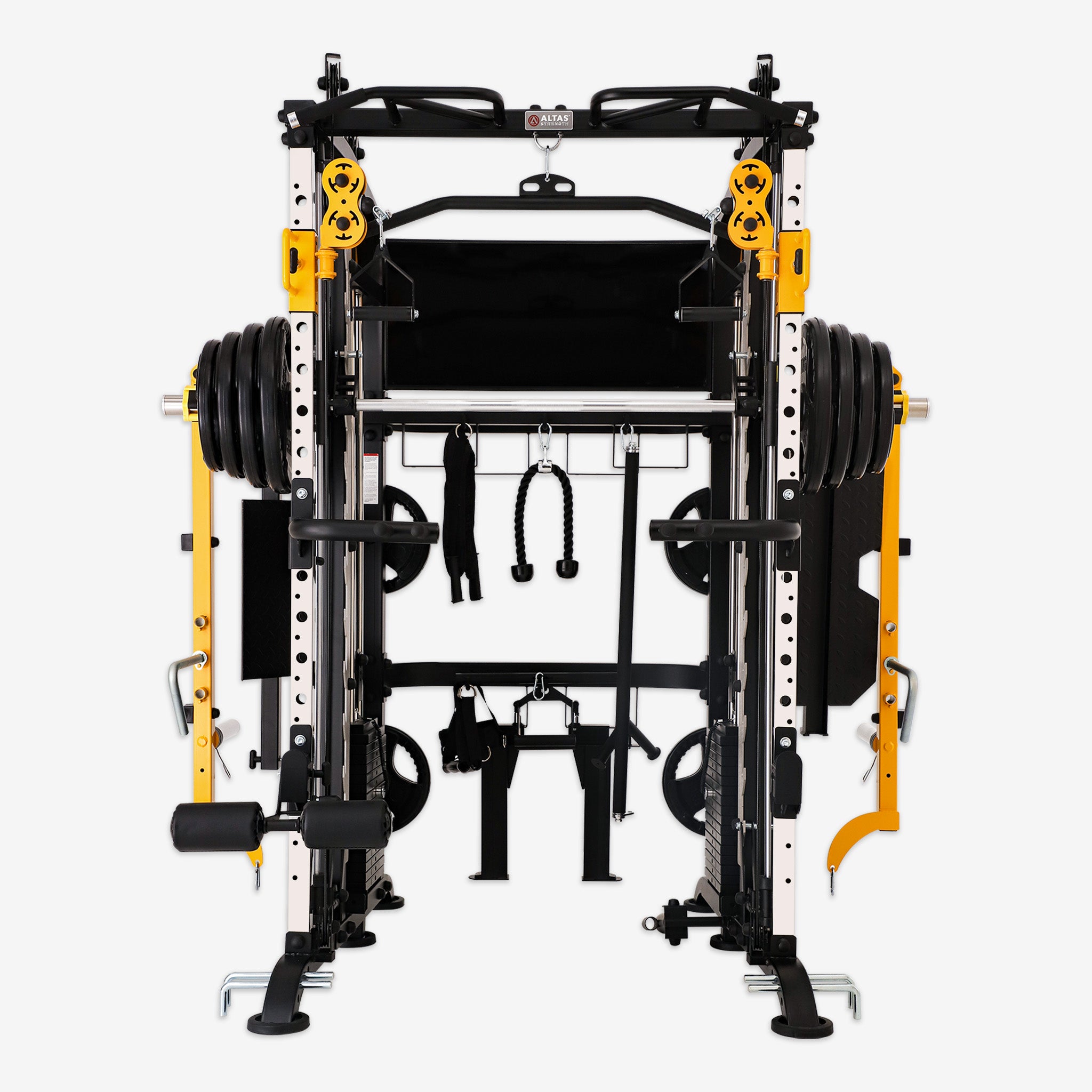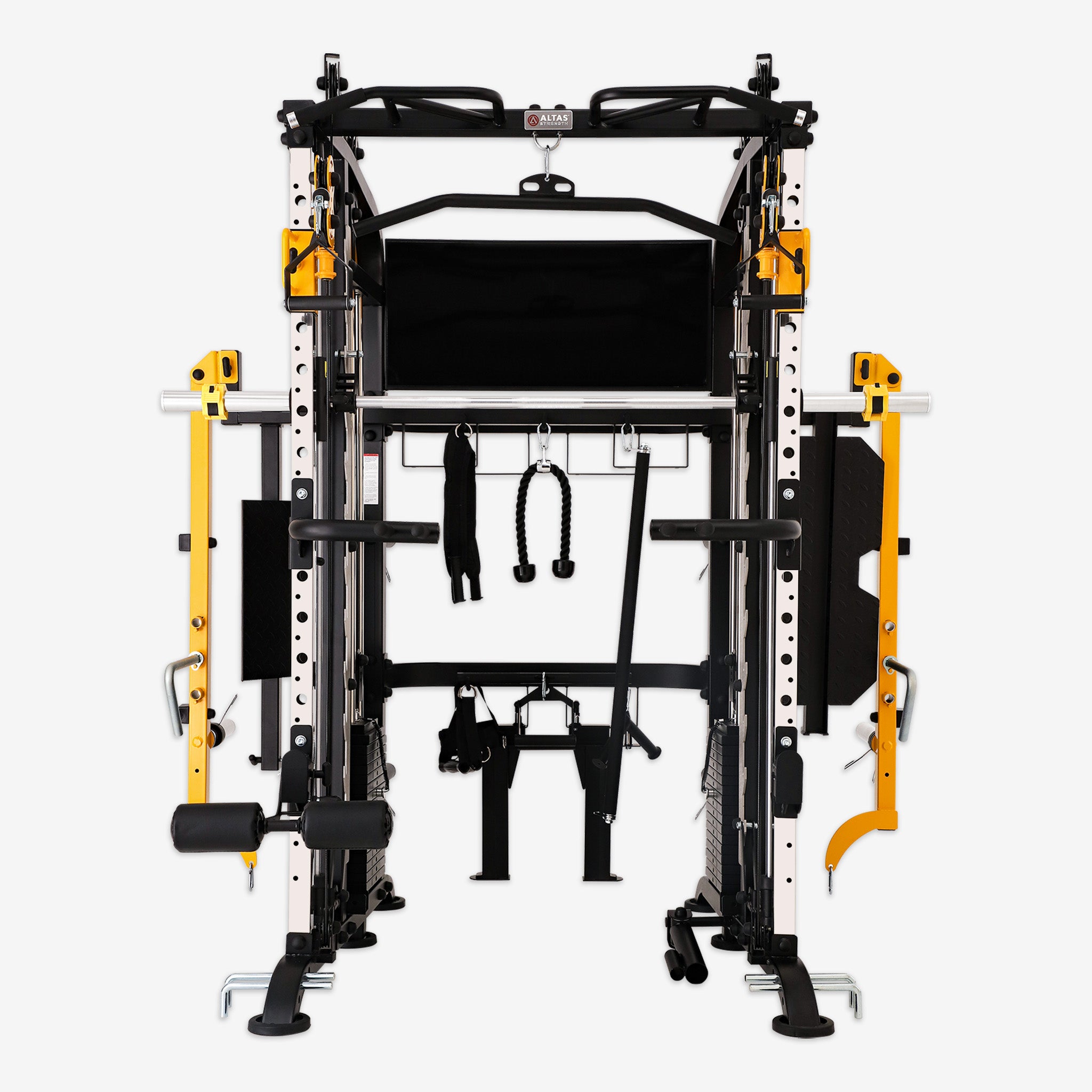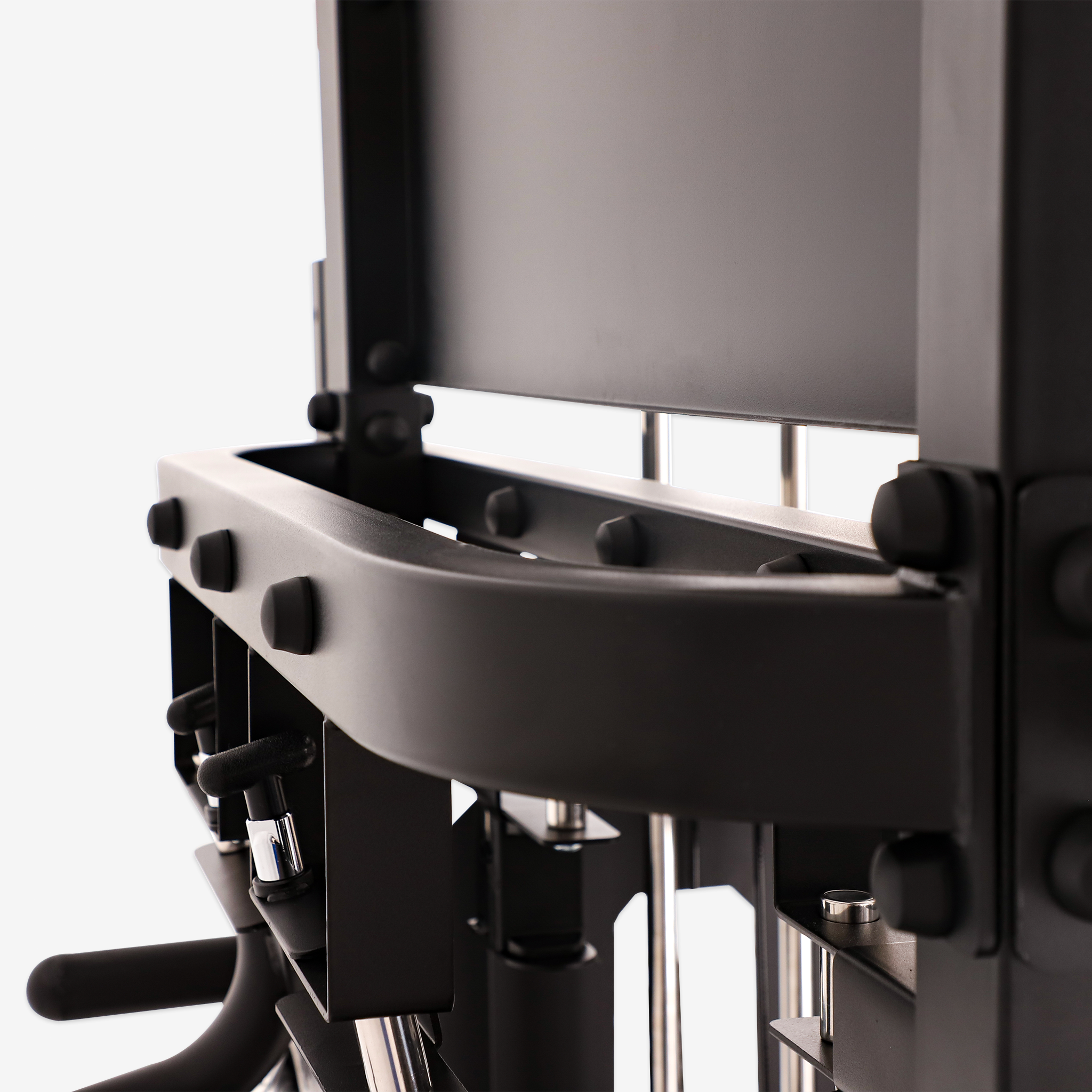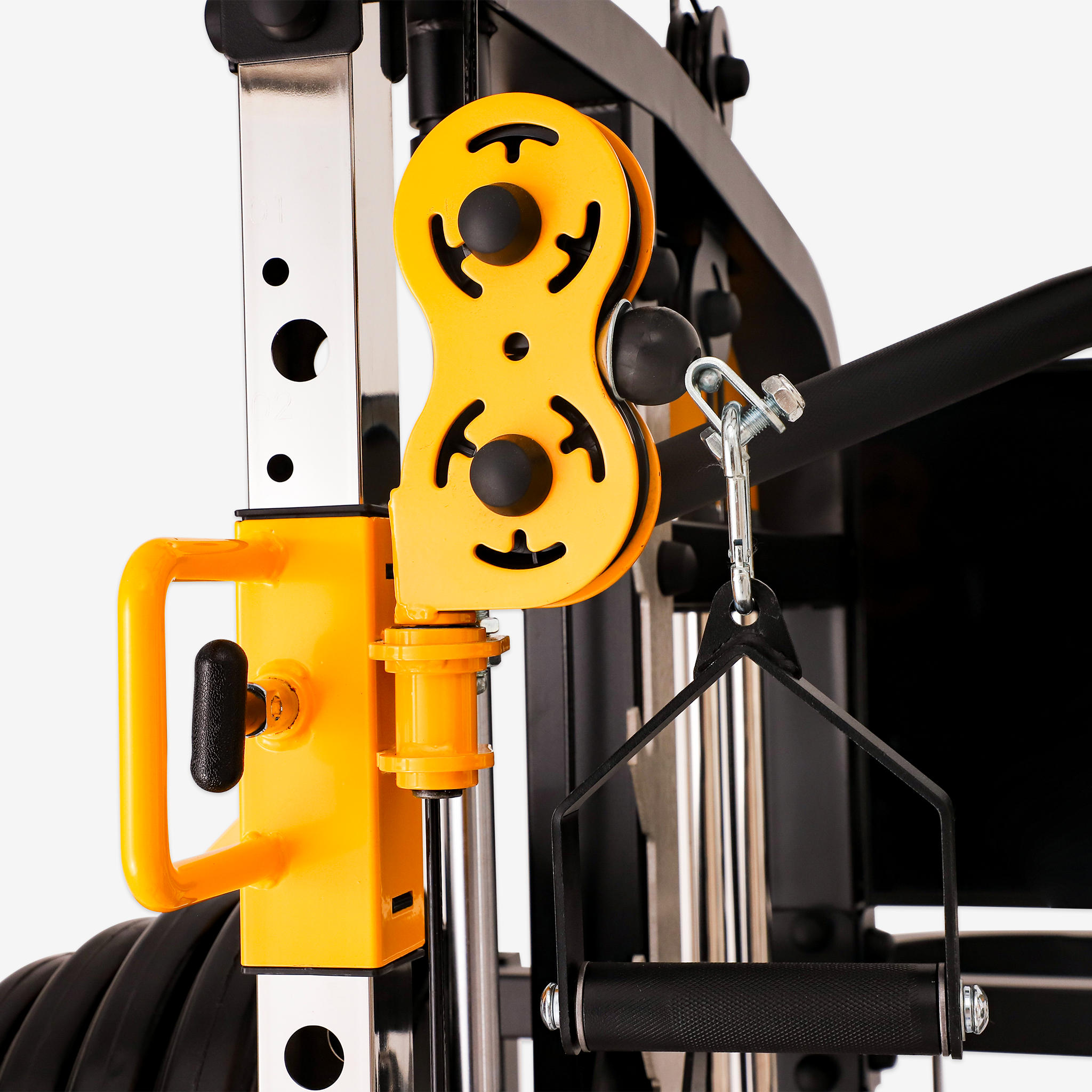
Walk into almost any gym and you will likely see a Smith machine. With its guided bar path and built-in safety hooks, it’s a popular piece of equipment for beginners, experienced lifters, and people recovering from injuries.
However, many gym-goers ask the same question: what is the actual Smith machine bar weight?
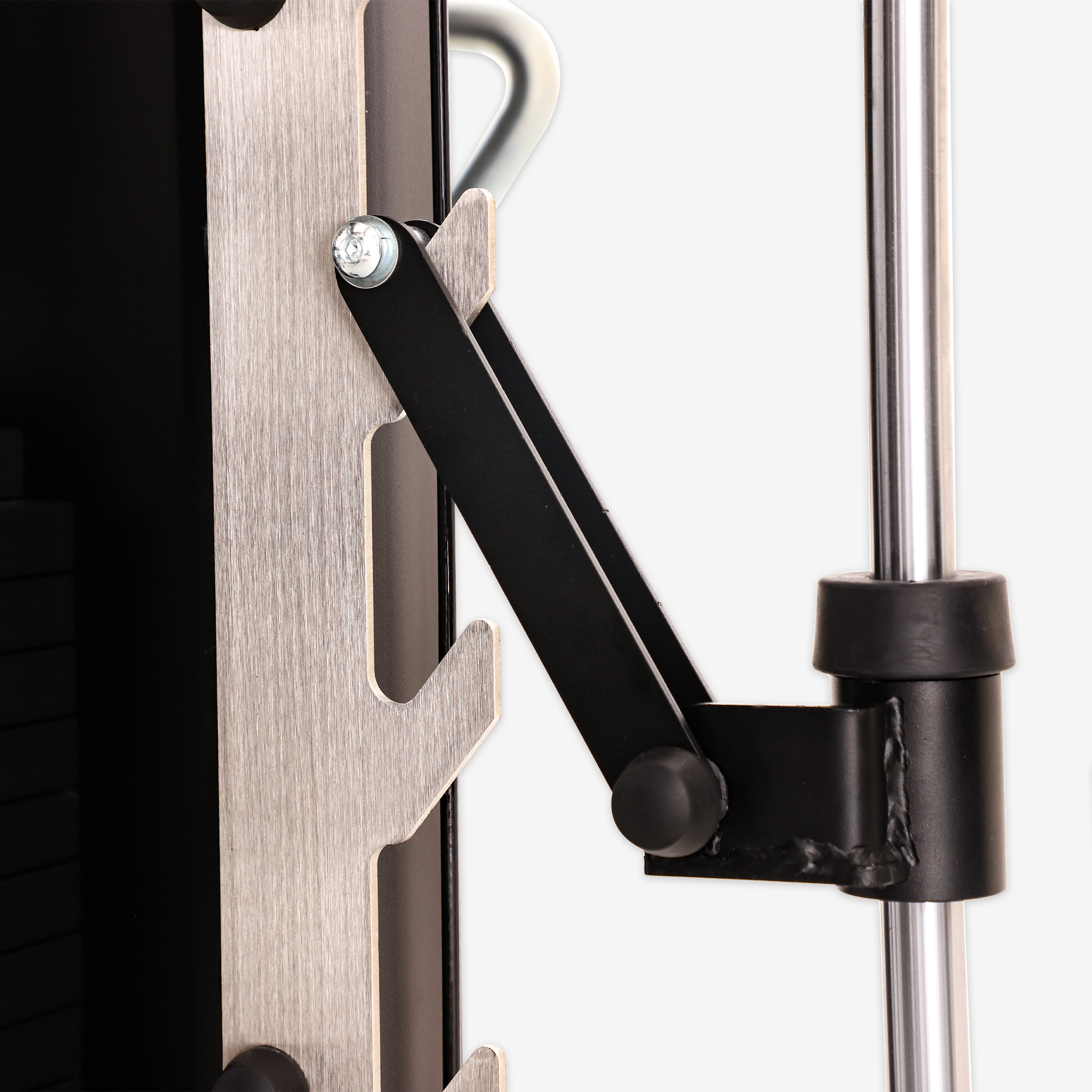
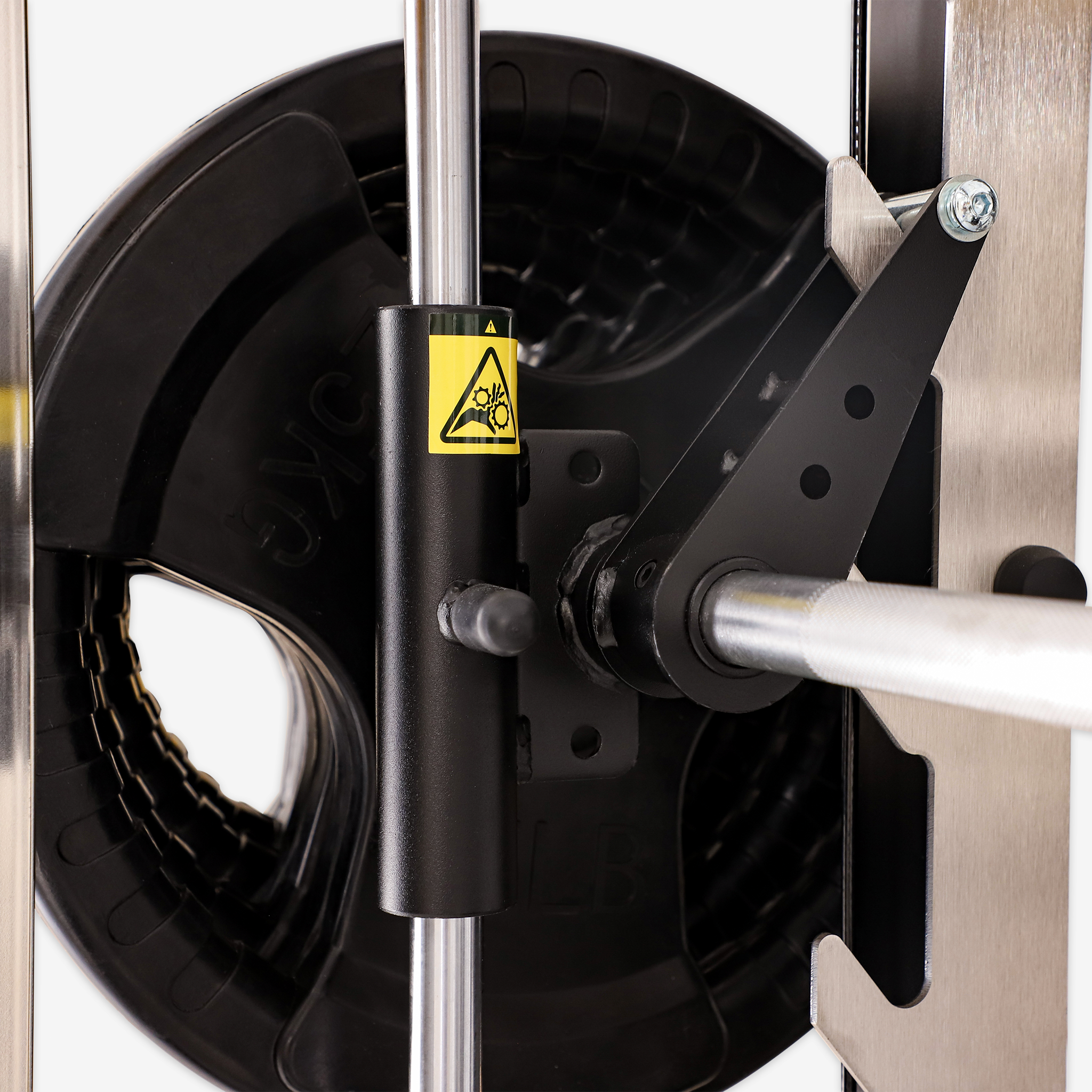
Unlike a standard Olympic barbell—which typically weighs 45 pounds (20.4 kg)—the bar on a Smith machine does not have a universal weight. The design of the machine, counterbalance systems, and manufacturer differences all affect how heavy the bar actually feels.
Understanding the Smith machine bar weight is important because it helps you accurately track your training load, adjust your workouts, and maintain proper lifting form.
Quick Answer: Average Smith Machine Bar Weight
Most Smith machine bars weigh between 15 and 25 pounds (7–11 kg).
However, depending on the machine design, the weight can vary significantly.
Typical ranges include:
| Smith Machine Type | Average Bar Weight |
|---|---|
| Counterbalanced commercial machines | 6–20 lb (3–9 kg) |
| Standard gym machines | 15–25 lb (7–11 kg) |
| Heavy-duty non-counterbalanced models | 25–45 lb (11–20 kg) |
Because there is no universal standard, the exact Smith machine bar weight can vary from one gym to another.
Why Smith Machine Bar Weight Matters
Some people assume the exact bar weight doesn’t matter. In reality, even small weight differences can affect your training progress and safety.
1. Accurate Training Progress Tracking
If you track your workouts (which is highly recommended), you need to know the correct starting weight.
For example:
-
Plates added: 100 lb
-
Smith machine bar: 15 lb
Your total load = 115 lb, not 100 lb.
Without knowing the bar weight, it becomes difficult to measure progress or apply progressive overload, which is essential for muscle growth.
2. Improved Training Safety
Underestimating the Smith machine bar weight may cause you to lift heavier loads than expected, increasing the risk of:
-
Poor lifting form
-
Muscle strains
-
Joint stress
On the other hand, overestimating the bar weight may lead to insufficient resistance, reducing workout effectiveness.
3. Better Muscle Activation
Although the Smith machine stabilizes the bar path, the total load still determines muscle tension.
If the bar weight is too light:
-
Muscles may not receive enough stimulus.
If it is too heavy:
-
Lifters may compensate with poor technique.
Knowing the actual Smith machine bar weight helps you maintain the right balance between intensity and control.
How to Determine Smith Machine Bar Weight
Many Smith machines do not clearly label the bar weight. Fortunately, you can estimate it using several simple methods.
1. Check the Equipment Label
Some machines include a small label on the frame showing the bar weight or counterbalance information.
If you cannot find it, ask gym staff—they often have the manufacturer specifications.
2. Use a Scale
One of the most accurate ways to determine the Smith machine bar weight is to measure it directly.
Steps:
-
Place a scale under the bar.
-
Lower the empty bar slowly onto the scale.
-
Ensure the bar rests evenly to obtain an accurate reading.
Always follow gym rules before attempting this method.
3. Compare With a Standard Barbell
If weighing the bar isn’t possible, compare it with a 45-lb Olympic barbell.
-
If the Smith machine bar feels about half as heavy, it likely weighs 15–20 lb.
-
If it feels similar to a standard barbell, the machine may not have a counterbalance system.
Common Myths About Smith Machine Bar Weight
Myth 1: All Smith Machine Bars Weigh 45 Pounds
False.
Only some heavy-duty Smith machines without counterbalance systems approach 45 lb. Most commercial gym machines are significantly lighter.
Myth 2: Counterbalanced Bars Have Zero Weight
False.
Counterbalance systems reduce the effective load but do not eliminate the weight entirely. A 20-lb bar may feel like 10–15 lb, but it still requires effort to lift.
Myth 3: Bar Weight Doesn’t Affect Training
False.
Progressive overload depends on accurate weight tracking. Ignoring the Smith machine bar weight can lead to inconsistent training data and slower progress.
Tips for Training With a Smith Machine
To get the most benefit from the equipment:
Warm up with the empty bar
Start with the unloaded Smith machine bar to understand its resistance.
Record your total load
Track both the bar weight and added plates in your workout log.
Combine with free weights
While Smith machines improve safety and stability, free weights help train stabilizing muscles.
Focus on proper form
The guided path should support your movement—not replace proper lifting technique.
Final Thoughts
The Smith machine bar weight is usually between 15 and 25 pounds, but depending on the machine design, it can range from 6 to 45 pounds.
Because there is no universal standard, the best approach is to:
-
Check your machine’s specifications
-
Ask gym staff
-
Estimate using comparison or measurement
Once you know the true bar weight, you can track your workouts more accurately, train safely, and make better progress toward your fitness goals.